

Pousada Literaria de Paraty
Historic Center, Paraty
Hotel in Paraty, Brazil
 Book with Pearl
Why go
A strong Paraty choice for first-timers who want the historic center close and a more assured service layer than a casual pousada. Pousada Literaria de Paraty is worth shortlisting for culture-led trips, couples, and travelers who value coordination over resort scale; beach-first stays should cross-shop coastal alternatives.
About Pousada Literaria de Paraty
Pousada Literaria de Paraty is a Paraty hotel with two clear recognition points: Virtuoso Luxury Hotel Partner for 2026 and MICHELIN Guide, Hotels Selected for 2025. For travelers comparing premium stays in and around the region, those credentials are the safest grounded reason to put it on the shortlist.
A Paraty stay with luxury-hotel recognition
Pousada Literaria de Paraty is in Paraty, and its recognition from Virtuoso and the MICHELIN Guide supports considering it as a hotel option with recognized travel-guide credentials.
That does not make it the right choice for every trip. It does make it a sensible candidate when the priority is booking a Paraty hotel with recognized luxury-travel and hotel-guide credentials. Travelers deciding between Pousada Literaria de Paraty and other premium regional options should compare the practical details directly at booking, including room category, arrival logistics, inclusions, and cancellation terms.
Choose it for a Paraty hotel shortlist
The strongest advice is to use the accolades as a starting point, not as a substitute for checking current hotel details. If the goal is to stay in Paraty at a property with recognized hotel credentials, Pousada Literaria de Paraty belongs in the conversation. If the trip depends on specific facilities, dining plans, beach access, business amenities, or room features, confirm those directly before booking.
Quick read: strongest as a Paraty hotel shortlist pick backed by Virtuoso Luxury Hotel Partner (2026) and MICHELIN Guide, Hotels Selected (2025) recognition.
Planning details
- Location
- Rua Tenente Francisco Antonio, 362, Centro Histórico
- Phone
- +55 24 3371 1460
The take
The Take
The Vibe
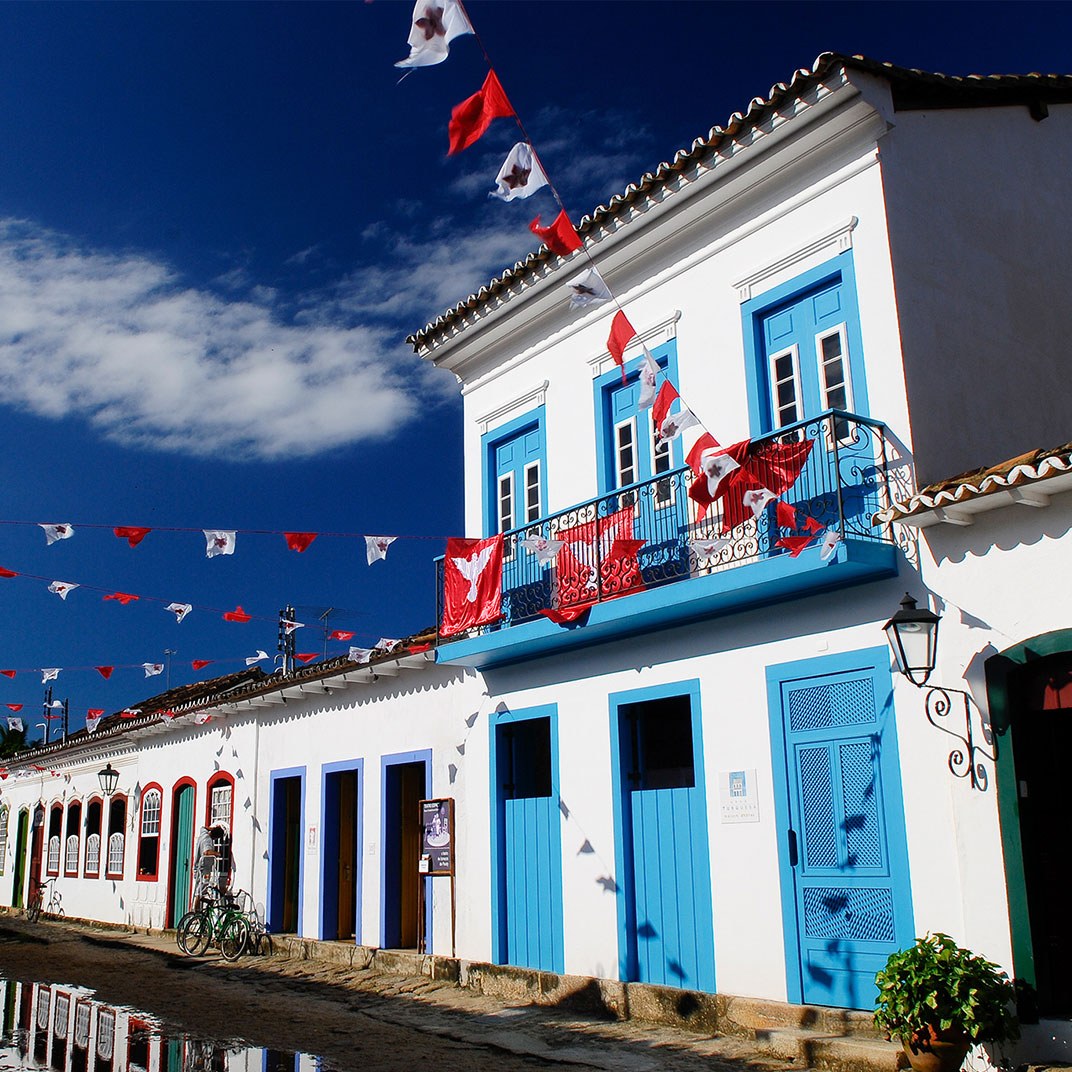
Pousada Literaria de Paraty reads as a quietly historic retreat anchored in the UNESCO‑listed fabric of Paraty’s Centro Histórico. The inn occupies a fully restored colonial house where restoration, not reinvention, governs design choices: high ceilings, thick load‑bearing walls and the interior courtyard logic remain intact. Its placement on a cobblestoned, vehicle‑free street frames a traditional whitewashed streetscape with brightly painted door frames, and the central courtyard functions as a private outdoor room that moderates sound and airflow. The overall impression is one of preserved authenticity rather than contemporary spectacle.
Best For
This pousada suits travelers who prize architectural authenticity and a walkable historic setting. It is ideal for visitors who want to immerse themselves in Paraty’s colonial streetscape—closed to motor vehicles and recognised by UNESCO—while staying in a building that retains original domestic logic. Guests seeking a quiet base with an inner courtyard and a sense of sheltered outdoor space, and those interested in experiencing the town’s seasonal tidal phenomenon from a neighborhood designed to accommodate it, will find this a discreet, context‑driven choice.
Venue details
Ambiance
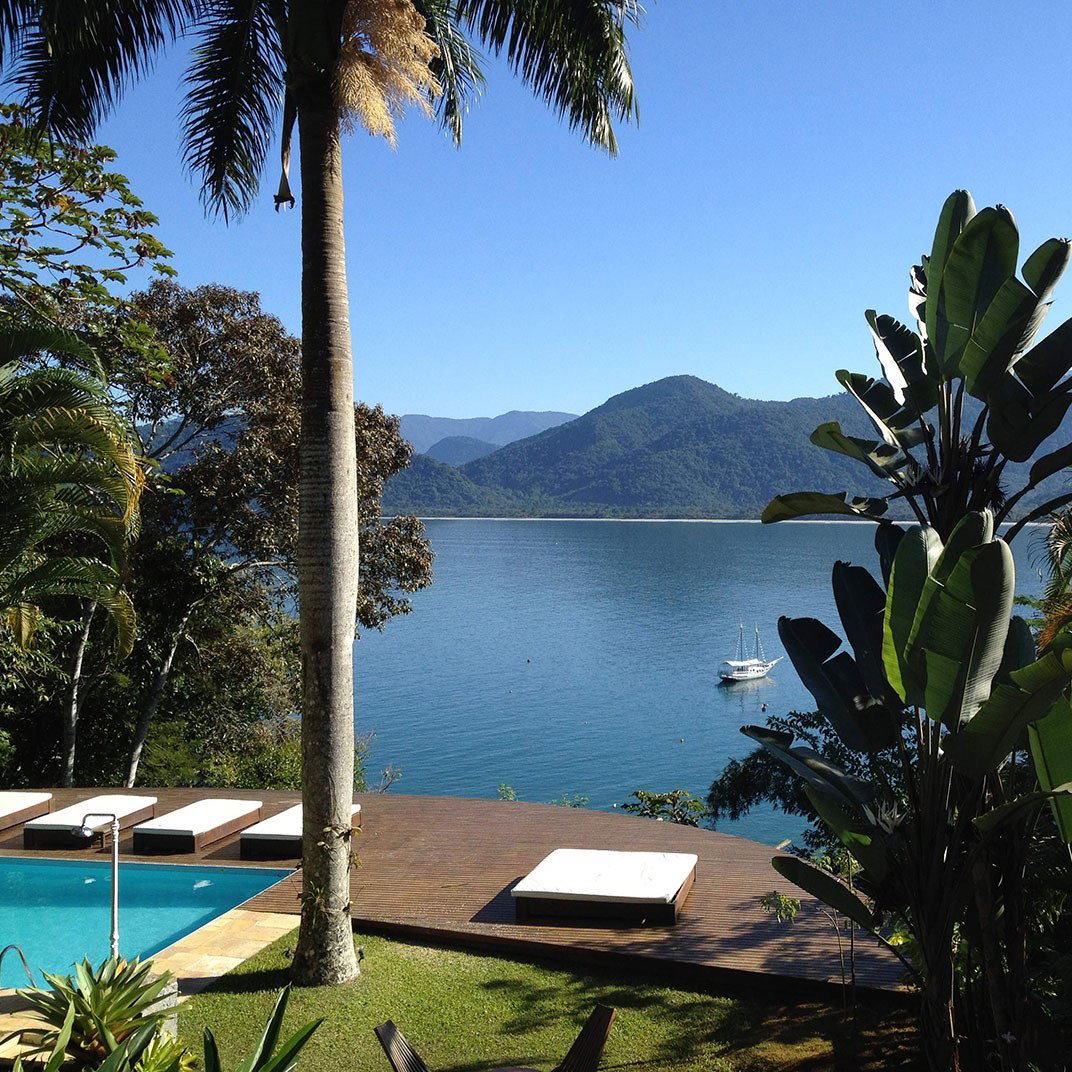
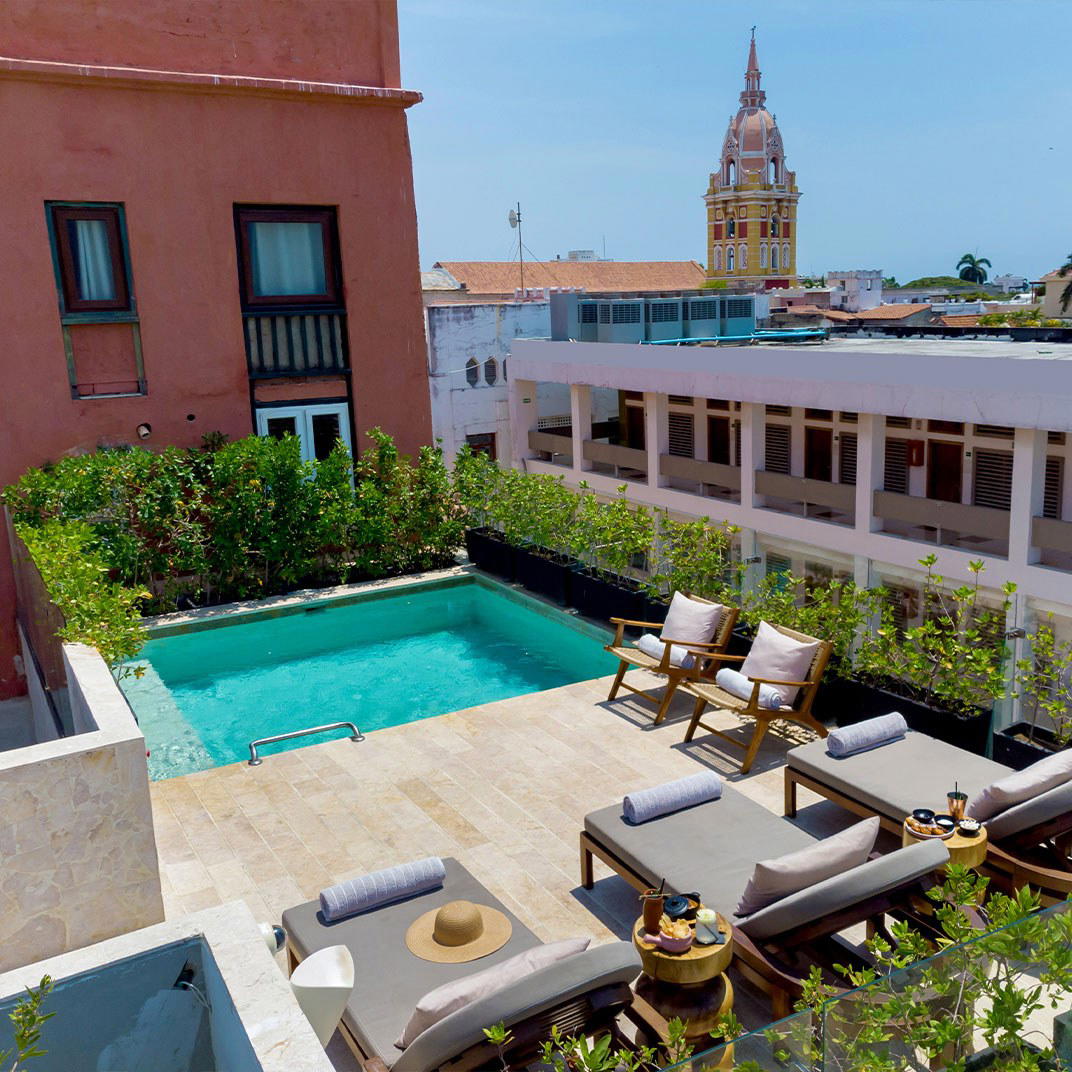
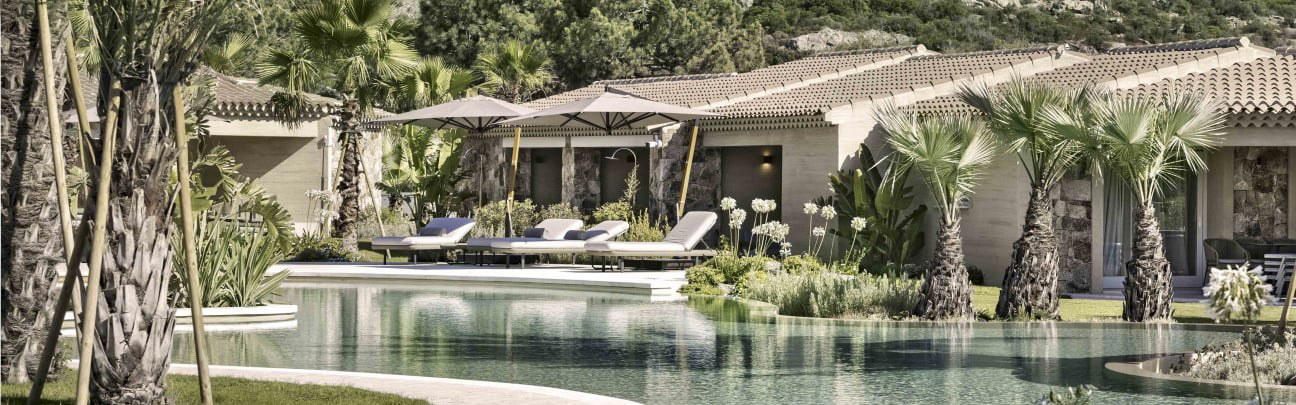
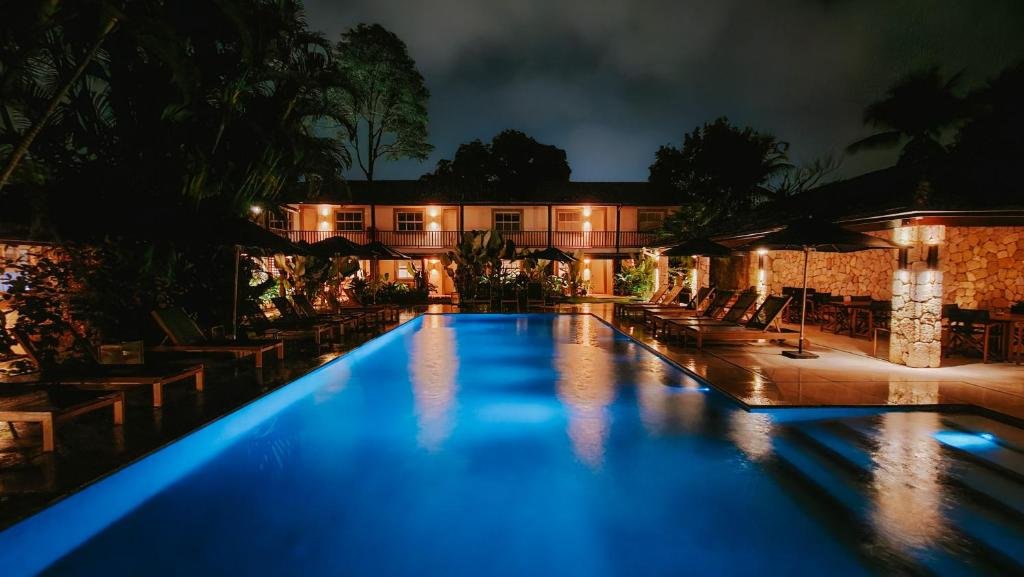
Tranquil and refined retreat with lush greenery, natural light in common areas, serene poolside relaxation, and a calm atmosphere amid the historic bustle.
Tags
Vibe
Best For
Experience
Amenities
View
Accessibility
About the Stay
- Rooms
- 27
- Check-in
- 15:00
- Check-out
- 11:00
- Property Type
- Boutique hotel
- Property Style
- Restored Colonial Mansion Blending Historic Charm with Modern Luxury.
- Design Style
- Colonial with Designer Geometric Patterns and Individual Room Decor.
- Breakfast
- Included
- Pool
- Yes
- Spa
- Yes
- Cancellation
- Moderate
Know before you go
Know Before You Go
- Getting there
- Rua Tenente Francisco Antonio, 362, Centro Histórico
Planning details
Location
Rua Tenente Francisco Antonio, 362, Centro Histórico · Directions
Recognition and awards

Also consider
Also Consider
- Casa Turquesa, Notable alternative
- Casa Mar Paraty, Notable alternative
- Hotel Fasano Angra dos Reis, Notable alternative
- Atlantica Jungle Lodge, Notable alternative
- Ilha de Toque Toque Eco Hotel, Notable alternative
Hotel context
How It Compares
Among Paraty stays, Pousada Literaria de Paraty is the safer pick when the trip centers on the historic town and service reliability. Casa Turquesa is the closer cross-shop for travelers who want a more intimate boutique mood, while Casa Mar Paraty makes more sense if water views and a quieter setting matter more than being in the middle of town.
Hotel Fasano Angra dos Reis is the better fit for a full resort stay, especially if the plan is to stay put rather than use Paraty as the daily focus. Atlantica Jungle Lodge and Ilha de Toque Toque Eco Hotel are better for nature-led or coastal escapes, but they are not substitutes for a historic-center Paraty base.
For booking ease and first-time convenience, Pousada Literaria de Paraty is the practical middle ground: more service confidence than a simpler pousada, less resort commitment than Fasano, and more town access than the out-of-metro options.
Explore Paraty
Around this place
Discover more on Pearl
Unlock the full Pousada Literaria de Paraty guide in Pearl, including awards, comparisons, FAQs, planning details, and nearby places.
Compare Pousada Literaria de Paraty
| Venue | Location | Awards |
|---|---|---|
| Pousada Literaria de Paraty | Paraty | 2026 Virtuoso Luxury Hotel Collection2025 Michelin Selected Hotels |
| Casa Turquesa | Paraty | No published awards |
| Casa Mar Paraty | Paraty | No published awards |
| Hotel Fasano Angra dos Reis | Angra Dos Reis | No published awards |
| Atlantica Jungle Lodge | Vila Do Abraao | No published awards |
| Ilha de Toque Toque Eco Hotel | Sao Sebastiao | No published awards |
How Pousada Literaria de Paraty compares with similar nearby venues.
FAQ
Frequently Asked Questions
Which room category is best at Pousada Literaria de Paraty?
Room categories, layouts, views, or access details are not specified. Choose based on the current options shown at booking, and confirm any needs directly with the hotel. Its recognition, MICHELIN Guide, Hotels Selected (2025) and Virtuoso Luxury Hotel Partner (2026), supports considering it as a premium Paraty hotel, but details on a specific best room category are not available.
How is the location of Pousada Literaria de Paraty?
The hotel is located in Paraty. A more specific address, neighborhood, or landmark-based description is not available. If location within Paraty is important, confirm the exact setting and arrival details directly before booking. Casa Turquesa and Casa Mar Paraty are other Paraty options to compare, while Hotel Fasano Angra dos Reis is a different regional alternative outside Paraty.
What is check-in like at Pousada Literaria de Paraty?
Check-in procedures, arrival access, parking, transfers, or front-desk details are not specified. Before booking, confirm arrival logistics directly with the hotel, especially if timing, luggage, or transport arrangements matter. For travelers comparing broader regional stays, Atlantica Jungle Lodge is another option to review directly, including its current logistics and arrival requirements.
How is the dining at Pousada Literaria de Paraty?
A restaurant, cuisine, menu format, bar program, breakfast details, or dining hours at Pousada Literaria de Paraty are not confirmed. It is a Paraty hotel with luxury-hotel recognition, and confirm any dining expectations directly before booking. Travelers focused on the stay itself can also compare Casa Mar Paraty or Casa Turquesa in Paraty, while Hotel Fasano Angra dos Reis is a separate regional alternative outside the city.
Do loyalty programs work at Pousada Literaria de Paraty?
Virtuoso Luxury Hotel Partner status for 2026 is noted, but a points program, elite benefits, upgrades, credits, or specific booking perks are not confirmed. If loyalty value matters, check the current booking channel terms before reserving.