Engenho D'Água
Paraty
Winery in Paraty, Brazil
 Book with Pearl
The Read
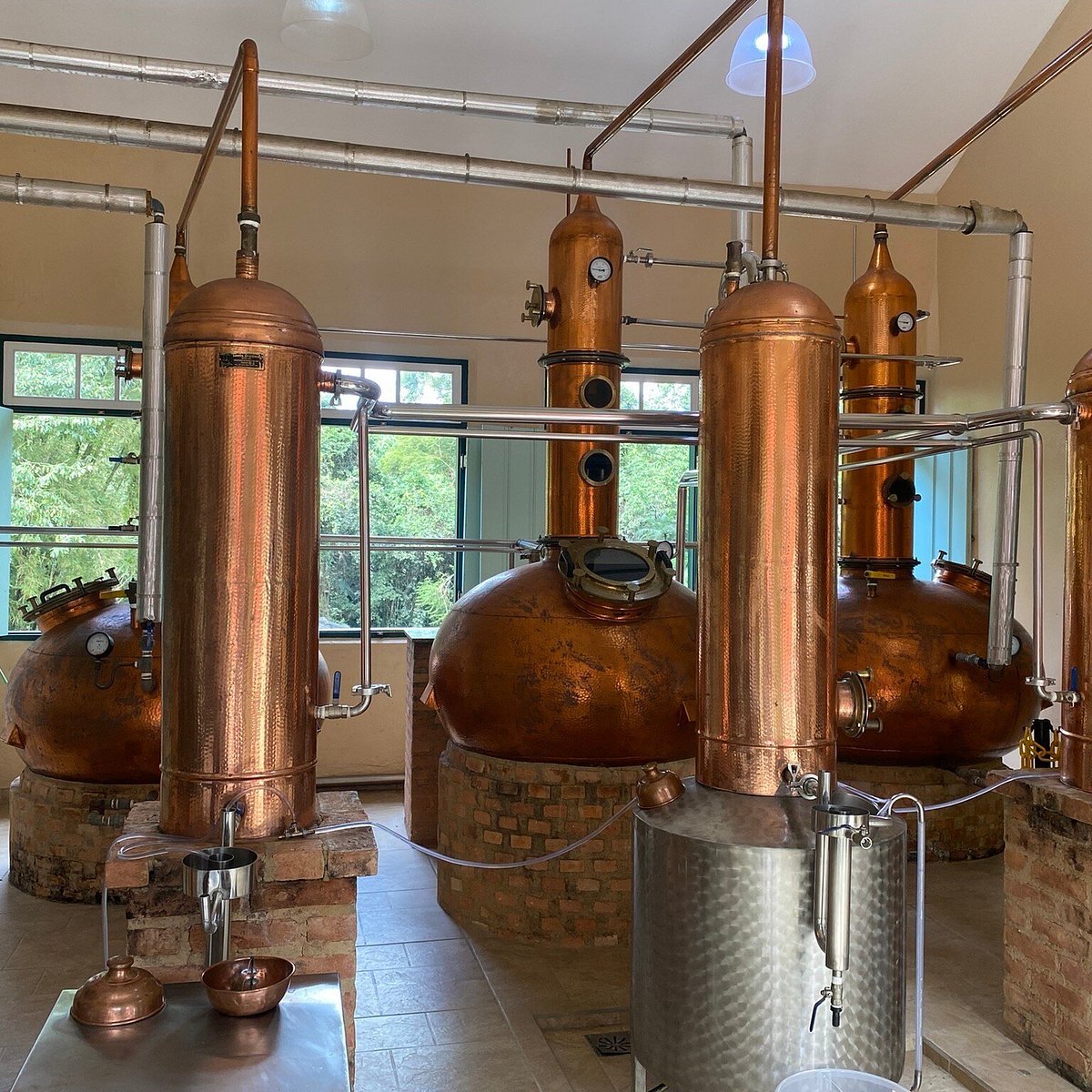
Colonial-Mill Distillation
Why go
Engenho D'Água is a better fit for a slow Paraty celebration than a tightly scheduled tasting crawl. Choose it for a quieter producer-style stop outside the central dining circuit; cross-shop Alambique Paratiana if your group needs easier planning and a more conventional visitor experience.
About Engenho D'Água
Engenho D'Água is a Paraty venue with a casual dress code and 2 Star Prestige recognition for 2025. Keep plans flexible rather than assuming details about cuisine, service format, hours, pricing, or a specific program.
If Engenho D'Água is part of a Paraty itinerary, confirm the current visit details directly before building the day around it. Approach it as a recognized Paraty option, and check menus, bottles, group capacity, exact location details, and the visitor experience before finalizing plans.
Book this as a recognized Paraty stop, not around unverified details
The grounded appeal is simple: Engenho D'Água is in Paraty, has a casual dress code, and carries 2 Star Prestige recognition for 2025. That makes it worth considering for travelers who want a recognized local stop and are comfortable confirming the practical details themselves.
For readers building a full Paraty itinerary, avoid overloading the day with assumptions. You can also use our full Paraty hotels guide when coordinating where to stay, then confirm Engenho D'Água directly before finalizing timing.
The smart alternative is easier planning, not a bigger name
Against Alambique Paratiana, Engenho D'Água should be compared on practical fit rather than invented specifics. Choose Engenho D'Água if its 2 Star Prestige recognition and casual Paraty setting suit the occasion; consider Alambique Paratiana if it better matches the logistics you can confirm for your group.
Bottom line: Engenho D'Água is a recognized Paraty venue with casual dress and 2 Star Prestige recognition for 2025. Before committing, confirm the current operating details, visit format, and any group needs directly with the venue.
Planning details
- Location
- Q8RQ+JR, Paraty - State of Rio de Janeiro, 23970-000
The take
The Take
The Vibe
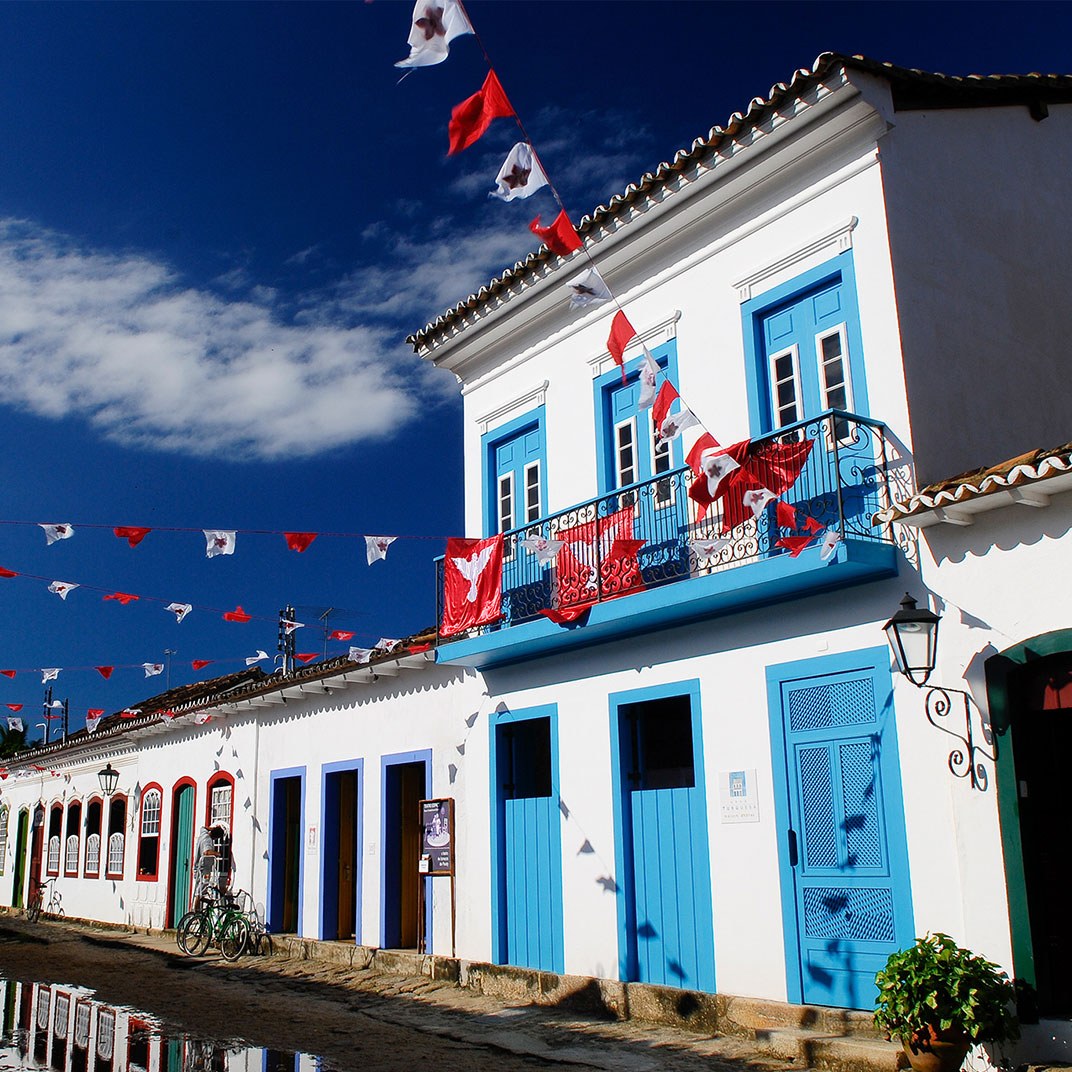
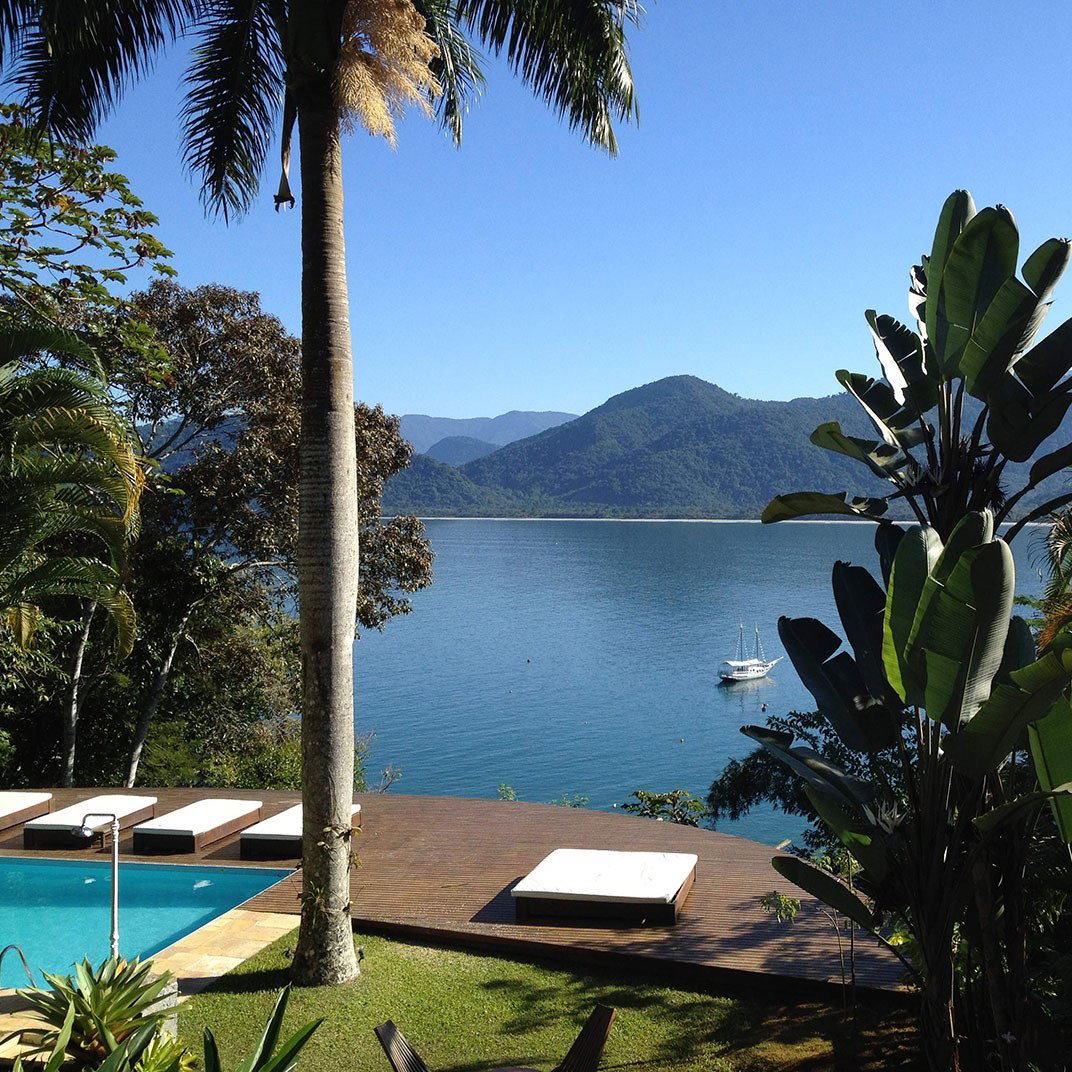
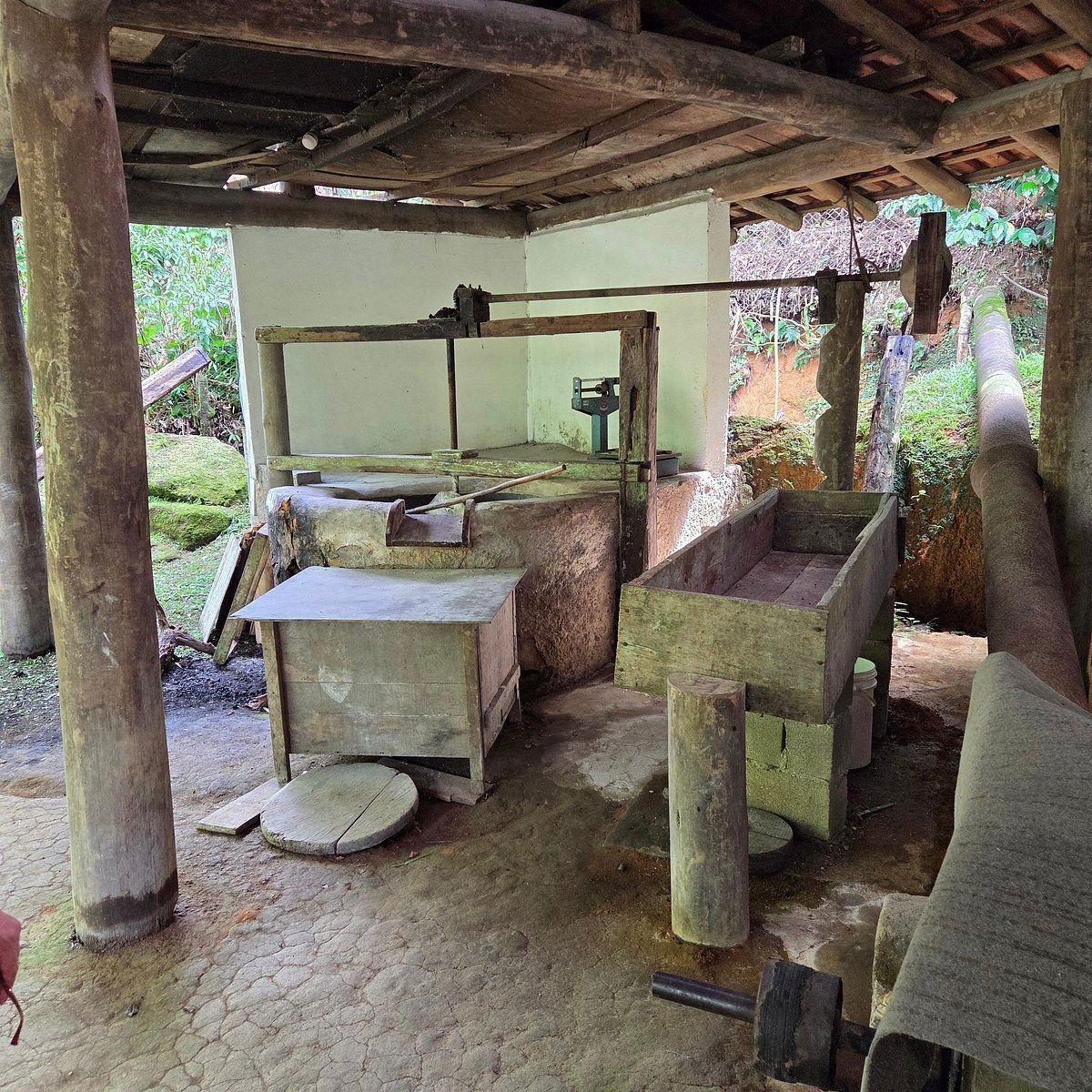
Engenho D'Água sits squarely within Paraty's living colonial landscape, where cobblestone streets and preserved urban grids give the place a palpable historic character. The venue's name — engenho — signals continuity with the sugarcane mills that shaped the region, and the copy leans into that lineage rather than a purely decorative pastiche. Its Pearl 2 Star Prestige highlights a commitment to depth and consistency: this is a craft-minded site that privileges provenance and method over spectacle. Visitors encounter a setting that feels rooted, considered and quietly authoritative about the local spirits tradition.
Best For
This is a destination for people who want to understand how Paraty's production history shapes today's craft spirits. The write-up frames Engenho D'Água as especially relevant to those interested in cachaça provenance, artisanal, small-batch production and the broader cultural context of the region. Educational visits, focused tastings and anyone curious about continuity between historic engenhos and modern craft producers will find the venue rewarding. Because the Pearl 2 Star distinction signals small-scale allocation, it particularly suits visitors who appreciate slow-production, site-authentic spirits and informed tasting experiences.
Tasting Tips
Expect offerings to emphasize production story and small-batch character rather than volume: the text notes outputs “measured in hundreds of litres” and a Pearl 2 Star Prestige that privileges sourcing and method. When you visit, prioritize expressions that highlight provenance and ask about how the engenho infrastructure influences the spirit. Be prepared for limited availability and premium positioning—the description links small-batch production with allocation and pricing—so inquire about what’s in season or currently available and look for bottlings tied explicitly to the producer’s methods and site.
Venue details
Ambiance
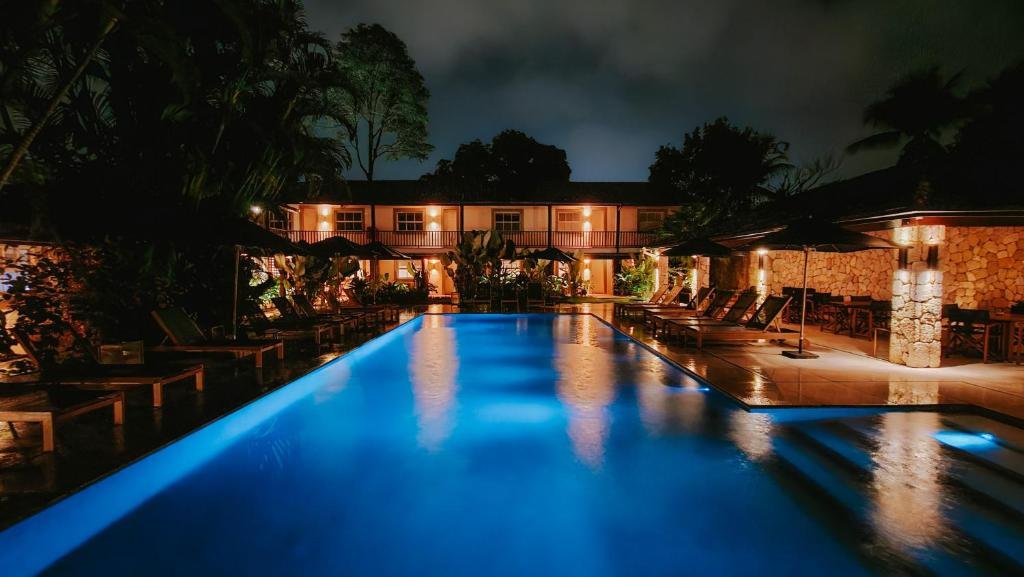
Simple, artisanal setting focused on quality production and welcoming guided tastings.
Tags
Vibe
Best For
Experience
At the Vineyard
- Appellation
- Paraty
- Tour Duration
- 1-2 hours
- Wine Club
- Not available
Know before you go
Know Before You Go
- Getting there
- Q8RQ+JR, Paraty - State of Rio de Janeiro, 23970-000
Planning details
Location
Q8RQ+JR, Paraty - State of Rio de Janeiro, 23970-000 · Directions
Also consider
Where to Go If This Is Too Hard to Plan
If Engenho D'Água does not fit the schedule, choose Alambique Paratiana. It is the cleaner backup for a Paraty producer stop when the group needs simpler logistics and less uncertainty.
Winery context
How It Compares
Engenho D'Água is the more selective pick if the goal is a slower, occasion-led producer visit in Paraty. It makes sense for couples or small groups who value atmosphere and are not trying to compare a long list of published tasting details in advance.
Alambique Paratiana is the safer cross-shop for easier planning. If the group includes first-time visitors, mixed drinkers, or anyone who wants a more conventional Paraty producer stop, start there instead.
For value, the choice comes down to certainty. Engenho D'Água is worth the extra planning effort when the occasion benefits from a quieter destination feel. Alambique Paratiana is the better fallback when timing, group coordination, and lower-friction logistics matter more than exclusivity.
Explore Paraty
Around this place
Discover more on Pearl
Unlock the full Engenho D'Água guide in Pearl, including awards, comparisons, FAQs, planning details, and nearby places.
Compare Engenho D'Água
| Venue | Location | Awards |
|---|---|---|
| Engenho D'Água | Paraty | No published awards |
| Alambique Paratiana | Paraty | No published awards |
How Engenho D'Água Paraty compares with similar nearby venues.
FAQ
Frequently Asked Questions
How long should I plan for a visit to Engenho D'Água?
Because Engenho D'Água is a 2 Star Prestige venue in Paraty, plan conservatively and confirm the current format and timing directly before you go.
Can Engenho D'Água handle large groups?
Should I plan around specific drinks at Engenho D'Água?
Do not plan around a specific bottle or product unless Engenho D'Água confirms it directly through current official information.