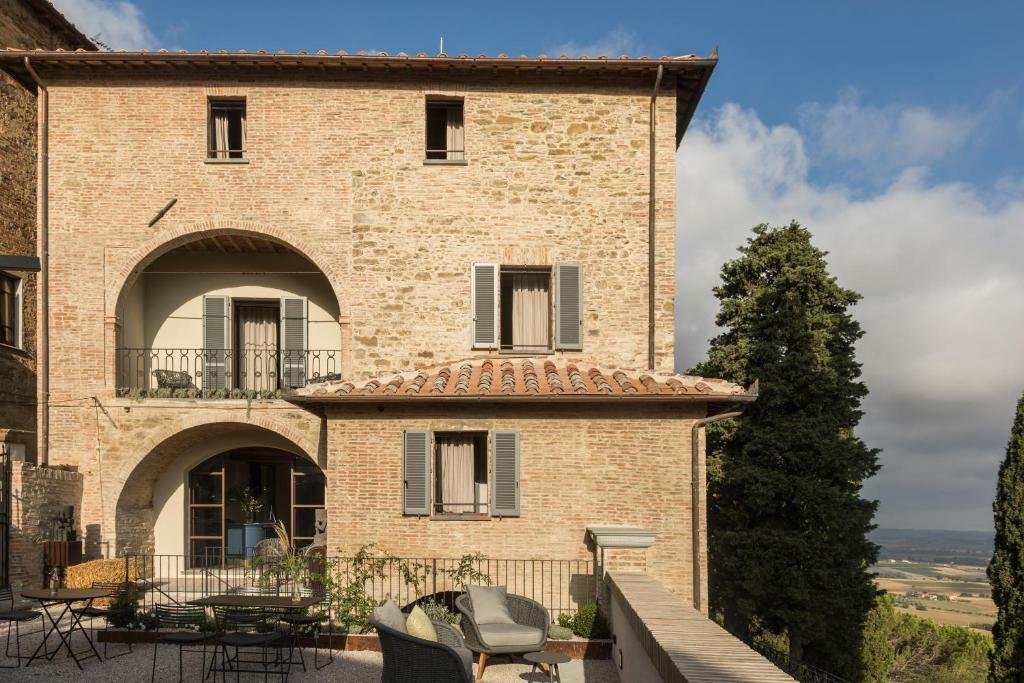


Rastrello
Panicale
Hotel in Panicale, Italy
 Book with Pearl
Why go
Rastrello is a design-led Panicale stay for travelers who value village quiet over resort-scale amenities. Choose it for a slower Umbrian base with credible hotel recognition; cross-shop if pool, spa, business services, or a self-contained countryside resort are the priority.
About Rastrello
Rastrello is a Panicale hotel listed as a 2026 Design Hotels Member and appearing in the MICHELIN Guide as Hotels Selected for 2025. Beyond those recognitions, it is best judged as a design-credentialed stay in Panicale rather than a property with a fully documented resort, dining, or wellness program.
The fit is strongest for travelers who want Panicale as the anchor and who value design recognition and hotel-selection credibility. If the trip depends on specific facilities, room features, dining formats, pricing, or wellness amenities, verify those details directly before booking.
Choose it for design and hotel-selection credentials
The practical read: book this when its appeal is enough for your trip. Rastrello has Design Hotels Member status for 2026 and MICHELIN Guide Hotels Selected recognition for 2025. For planning around Panicale, confirm current hotel details directly with the property and check other local dining or travel options separately.
Who should cross-shop before booking
Travelers who need details on wellness depth, estate scale, meeting infrastructure, room categories, or a more self-contained stay should compare options before choosing. Rastrello makes the most sense when the desired trade is a Panicale setting plus design and selected-hotel credentials.
Planning details
- Location
- Via Grossi 10, Panicale 06064, Italy
- Website
- marriott.com/en-us/hotels/pegru-rastrello-a-member-of-design-hotels/overview
- Phone
- +39075837246
The take
The Take
The Vibe
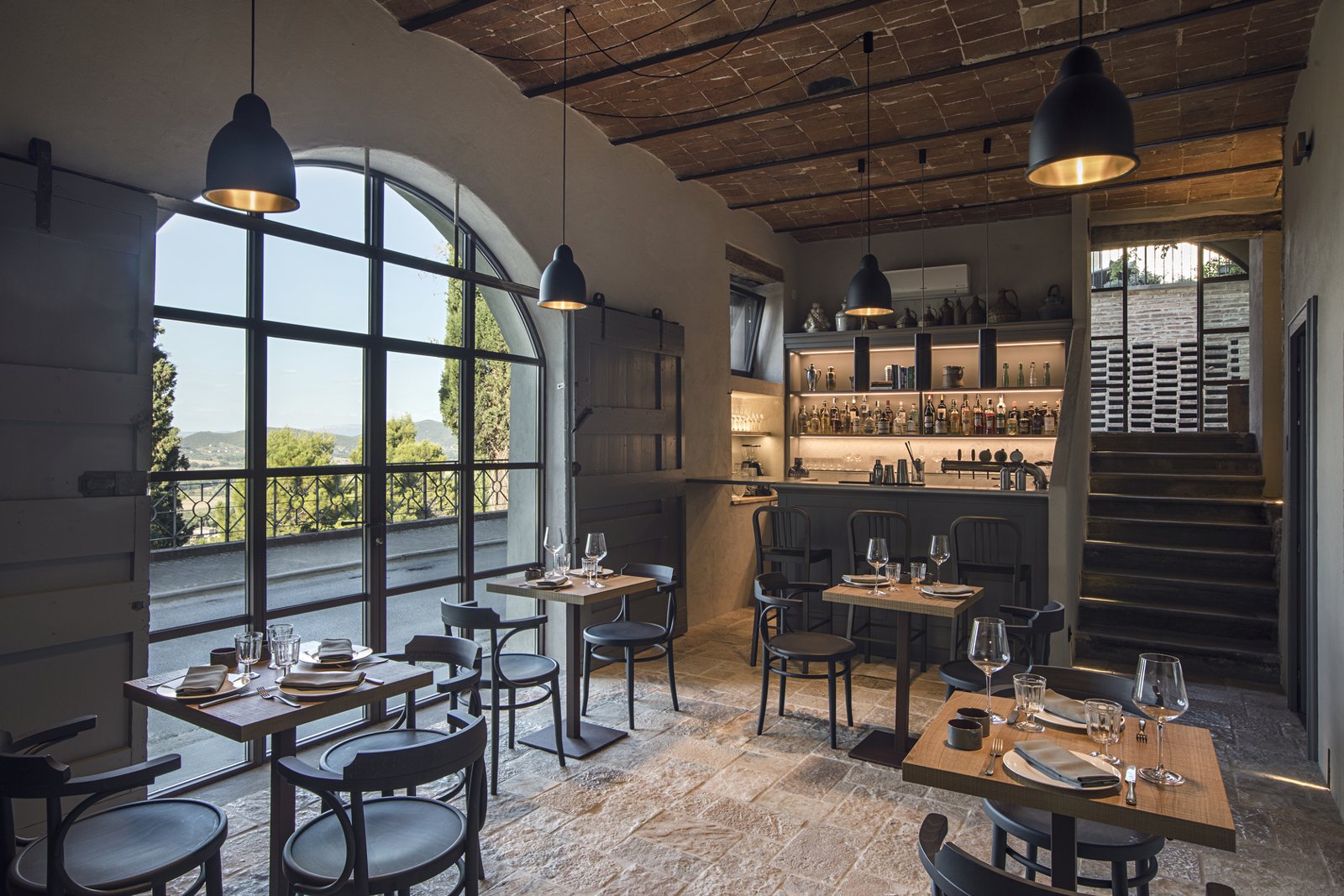
Rastrello presents itself as a restored 14th‑century palazzo where the building does the speaking. The weight of stone underfoot, vaulted ceilings and thick load‑bearing walls create a measured, historic atmosphere that favors restraint over spectacle. The property deliberately foregrounds regional layering — the meeting of Umbrian austerity and Tuscan civic confidence — so landscape stewardship and agrarian rhythms feel integral to the design. Approaching through Panicale’s narrow lanes and passing medieval walls heightens the sense of intimacy; courtyards and masonry-driven spaces emphasize materiality and quiet, producing a sophisticated, place‑rooted stay rather than theatrical hotel moments.
Best For
Rastrello is best for travelers seeking a restful, architecture‑forward escape: think romantic getaways, honeymoons and slow weekend escapes. The hotel rewards guests who value historic fabric and quiet time, with rooms and public spaces defined by medieval proportions, thick stone walls and courtyards. Its position above Lake Trasimeno and its ties to local agriculture make it suited to contemplative stays that focus on landscape, regional produce and authentic placemaking. The property works particularly well for visitors who prefer a quietly curated, intimate hotel experience anchored in history and the surrounding countryside.
Venue details
Ambiance
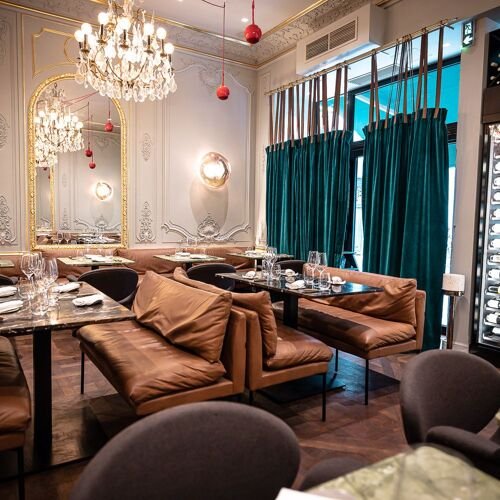
Timeless Italian atmosphere with original timbered ceilings, custom contemporary furniture, and serene views over Lake Trasimeno from the panoramic garden terrace.
Tags
Vibe
Best For
Experience
Amenities
View
About the Stay
- Rooms
- 16
- Property Style
- Restored 14th Century Historic Palazzo with Modern Luxury
- Design Style
- Rustic Modern Fusion Featuring Exposed Stone, Beamed Ceilings, and Contemporary Furniture
Know before you go
Know Before You Go
- Getting there
- Via Grossi 10, Panicale 06064, Italy
Planning details
Location
Via Grossi 10, Panicale 06064, Italy · Directions
marriott.com/en-us/hotels/pegru-rastrello-a-member-of-design-hotels/overview
Recognition and awards
Also consider
Also Consider
- I Borghi dell'Eremo, Notable alternative
- Borgo dei Conti Resort, Notable alternative
- Precise Tale Poggio Alla Sala, Notable alternative
- Borgo San Vincenzo, Notable alternative
- Eremito, Notable alternative
Hotel context
How it compares with nearby countryside stays
Rastrello is the better fit if Panicale village setting and design credibility matter more than estate scale. I Borghi dell'Eremo and Borgo dei Conti Resort are stronger cross-shops for travelers who want a broader countryside-resort feel rather than a compact village base.
For wellness-first trips, compare Rastrello against Precise Tale Poggio Alla Sala and Borgo San Vincenzo before deciding. Rastrello is easier to justify when the hotel is part of the itinerary, not the whole itinerary; those peers may suit guests who want more of the stay concentrated on property.
Eremito is the sharper alternative for a quieter, more retreat-like mood. Choose Rastrello when Panicale access and design-hotel polish are the draw; choose Eremito when the priority is a deeper remove from village rhythm.
Explore Panicale
Around this place
Discover more on Pearl
Unlock the full Rastrello guide in Pearl, including awards, comparisons, FAQs, planning details, and nearby places.
Compare Rastrello
| Venue | Location | Awards |
|---|---|---|
| Rastrello | Panicale | 2026 Design Hotels Collection2025 Michelin Selected Hotels |
| I Borghi dell'Eremo | Piegaro | 2025 Michelin 2 KeysSmall Luxury Hotels Member 20252024 Michelin 2 Keys |
| Borgo dei Conti Resort | Perugia | 2026 Virtuoso Luxury Hotel Collection2026 Relais Chateaux Hotels2025 Michelin 1 Key2025 Relais Chateaux Award |
| Precise Tale Poggio Alla Sala | Montepulciano | 2026 Mr & Mrs Smith Luxury Hotels2025 Michelin 1 Key2024 Michelin 1 Key |
| Borgo San Vincenzo | Montepulciano | No published awards |
| Eremito | Parrano | No published awards |





How Rastrello Panicale compares with similar nearby venues.
FAQ
Frequently Asked Questions
How is the pool and spa at Rastrello?
Treat Rastrello as a design-credentialed Panicale stay first. It is recognized as a 2026 Design Hotels Member and appears in the MICHELIN Guide as Hotels Selected for 2025, but it does not feature a pool, spa, or resort-scale wellness program. If those features matter most, verify directly and compare alternatives such as Borgo dei Conti Resort or Precise Tale Poggio Alla Sala.
Is Rastrello good for business travel?
Only consider it for business travel if a Panicale base and its hotel credentials are enough for your needs. It is listed as a 2026 Design Hotels Member and appears in the MICHELIN Guide as Hotels Selected for 2025, but it does not specify meeting facilities, corporate services, or group infrastructure. For work-focused trips, verify the required details before booking and compare options such as Borgo San Vincenzo.
Do loyalty programs work at Rastrello?
Not as a primary reason to choose it. It holds a 2026 Design Hotels Member listing and MICHELIN Guide Hotels Selected recognition for 2025. If loyalty earning or redemption is important, verify the booking channel before committing.
What is check-in like at Rastrello?
Check-in details are not available. Rastrello is in Panicale, listed as a 2026 Design Hotels Member, and appears in the MICHELIN Guide as Hotels Selected for 2025. Confirm arrival procedures directly with the property before booking or traveling.
Which room category is best at Rastrello?
Room inventory or category details are not available, so the safest move is to ask the property directly about layout, privacy, views, and any other room priorities before booking. If you want to compare another option, Precise Tale Poggio Alla Sala is one property to check. Use the venue's official channels for the latest details.
How does Rastrello compare to other hotels?
Rastrello is the choice to consider if you want a Panicale stay with Design Hotels Member status for 2026 and MICHELIN Guide Hotels Selected recognition for 2025. For comparison, you can also look at Borgo dei Conti Resort, Precise Tale Poggio Alla Sala, Eremito, I Borghi dell'Eremo, and Borgo San Vincenzo, then check current facilities, room types, and services directly with each property.