

The Farnam, Autograph Collection
Old Market, Omaha
Hotel in Omaha, United States
 Book with Pearl
Why go
The Farnam, Autograph Collection is the Omaha pick for a polished downtown stay when atmosphere matters more than shaving the rate. Book it for a celebration, business trip, or date-night base; cross-shop Hotel Deco or Hotel Indigo - Omaha Downtown if value is the bigger priority.
About The Farnam, Autograph Collection
The Farnam, Autograph Collection is an Omaha venue with a smart casual dress code and two 2026 recognition signals: Star Wine List and Forbes Soon To Be Rated. The safest way to evaluate it is by fit rather than by assuming specific amenities, room types, dining formats, or service details.
For planning, The Farnam, Autograph Collection may suit travelers who want an Omaha stay with a polished tone, but any specific questions about rooms, services, dining, or on-property offerings should be checked directly before booking.
Choose it for a polished Omaha stay, and check the details that matter
The clearest positioning is simple: The Farnam, Autograph Collection is in Omaha, uses a smart casual dress code, and carries Star Wine List recognition in 2026 alongside Forbes Soon To Be Rated status in 2026. Those facts support a more refined impression, but they do not, by themselves, answer questions about specific prices, room categories, dining formats, hours, or amenities.
If you are comparing options, keep the comparison practical. Hotel Deco, Hotel Indigo - Omaha Downtown, Kimpton Cottonwood Hotel, Surety Hotel, and Graduate by Hilton Lincoln are useful names to cross-shop depending on the trip, budget, and preferred style. The right choice should come from current rates, availability, location needs, and the services that matter most to your stay rather than assumptions about any one property.
Who should book, and who should cross-shop
Book The Farnam, Autograph Collection if you want an Omaha venue with a more composed profile and 2026 recognition attached to it. It is a reasonable candidate for travelers who care about tone and presentation, provided the current offering matches the needs of the trip.
Cross-shop if price, family logistics, specific amenities, or a particular location preference are the deciding factors. For broader Omaha planning, compare other dining, bars, and experiences generically, and check any details that matter directly with The Farnam, Autograph Collection before committing.
Part of
Autograph Collection160 locations on PearlPlanning details
- Location
- 1299 Farnam Street
- Website
- thefarnamhotel.com
- Phone
- 855-610-2109
The take
The Take
The Vibe
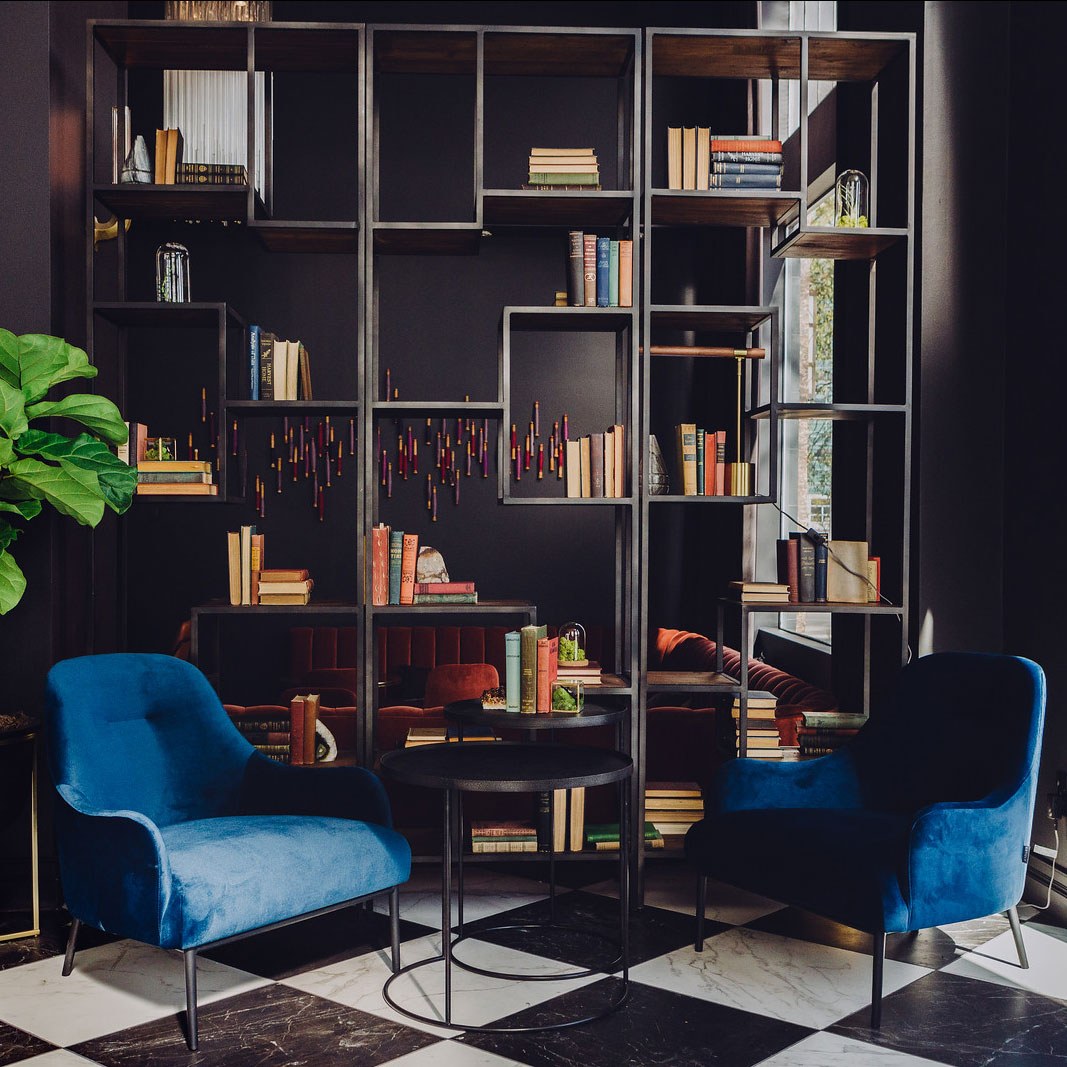
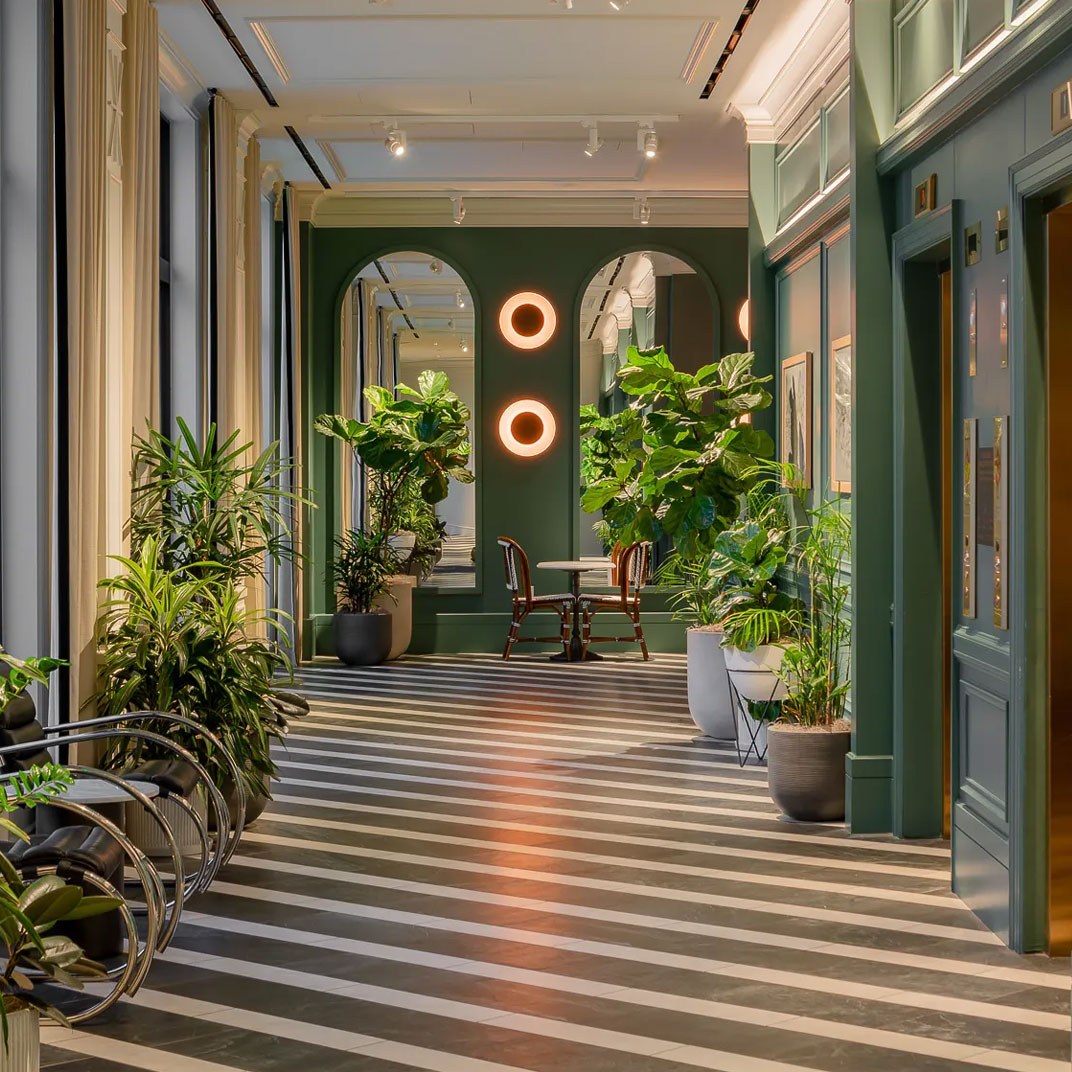
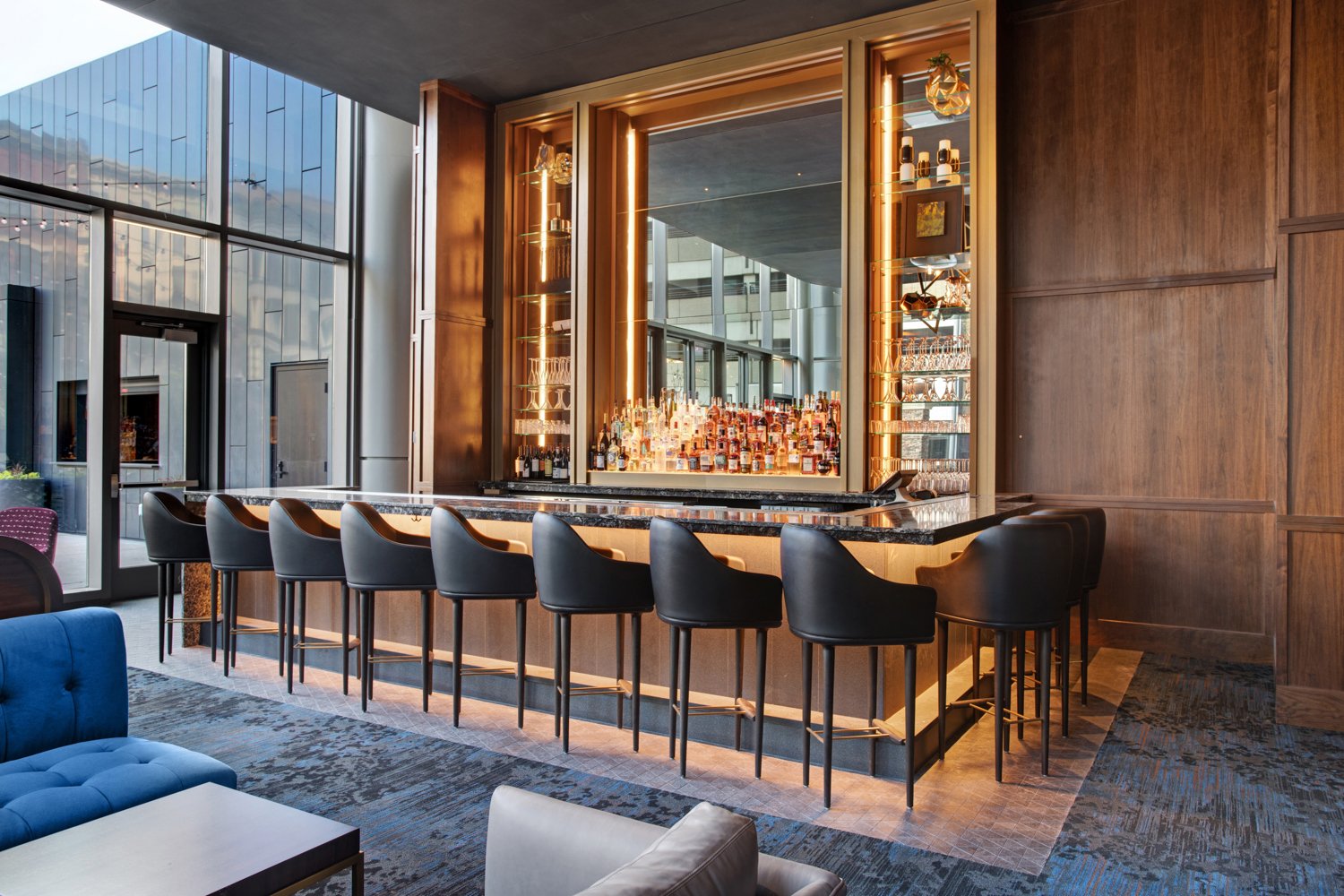
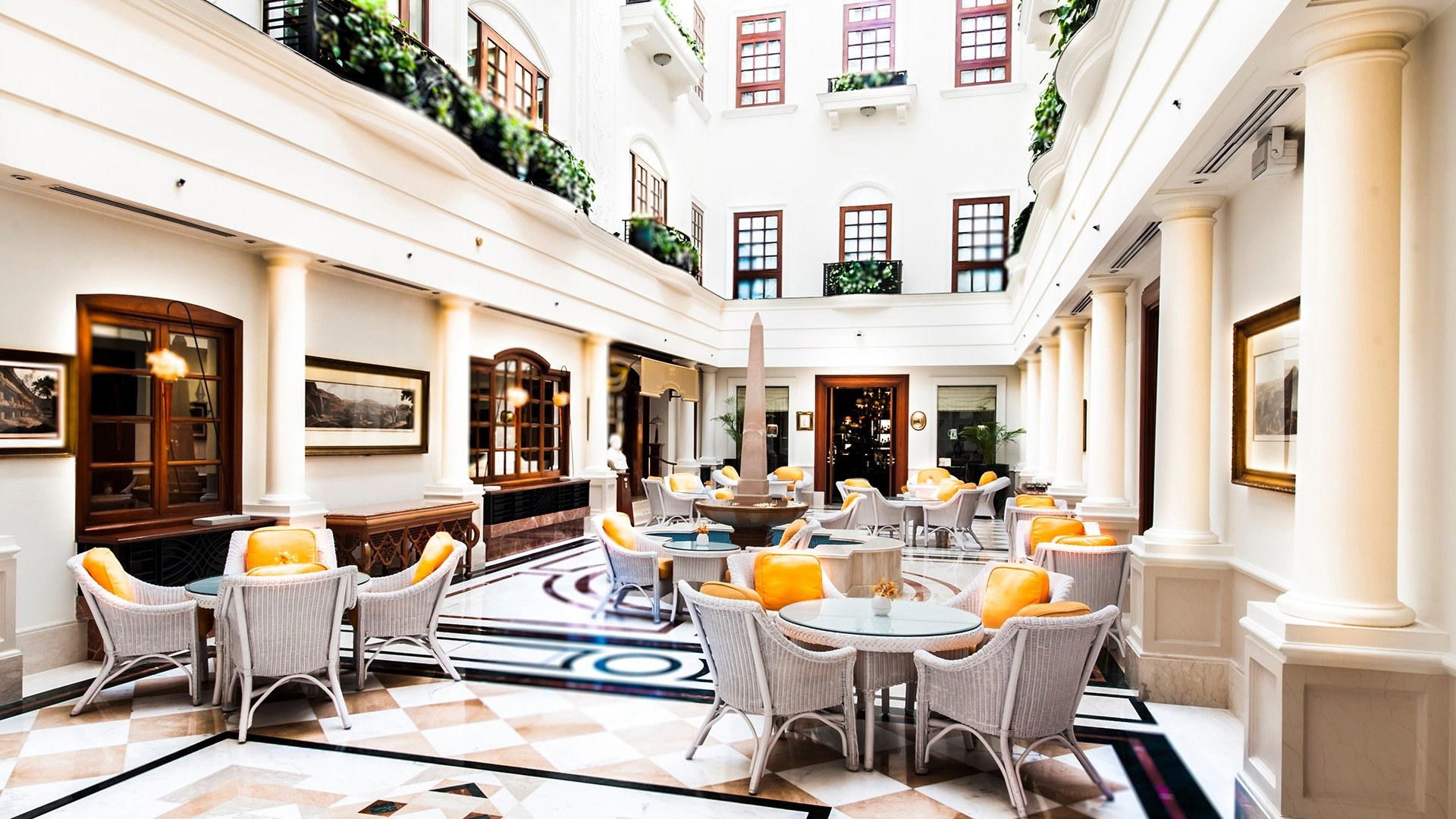
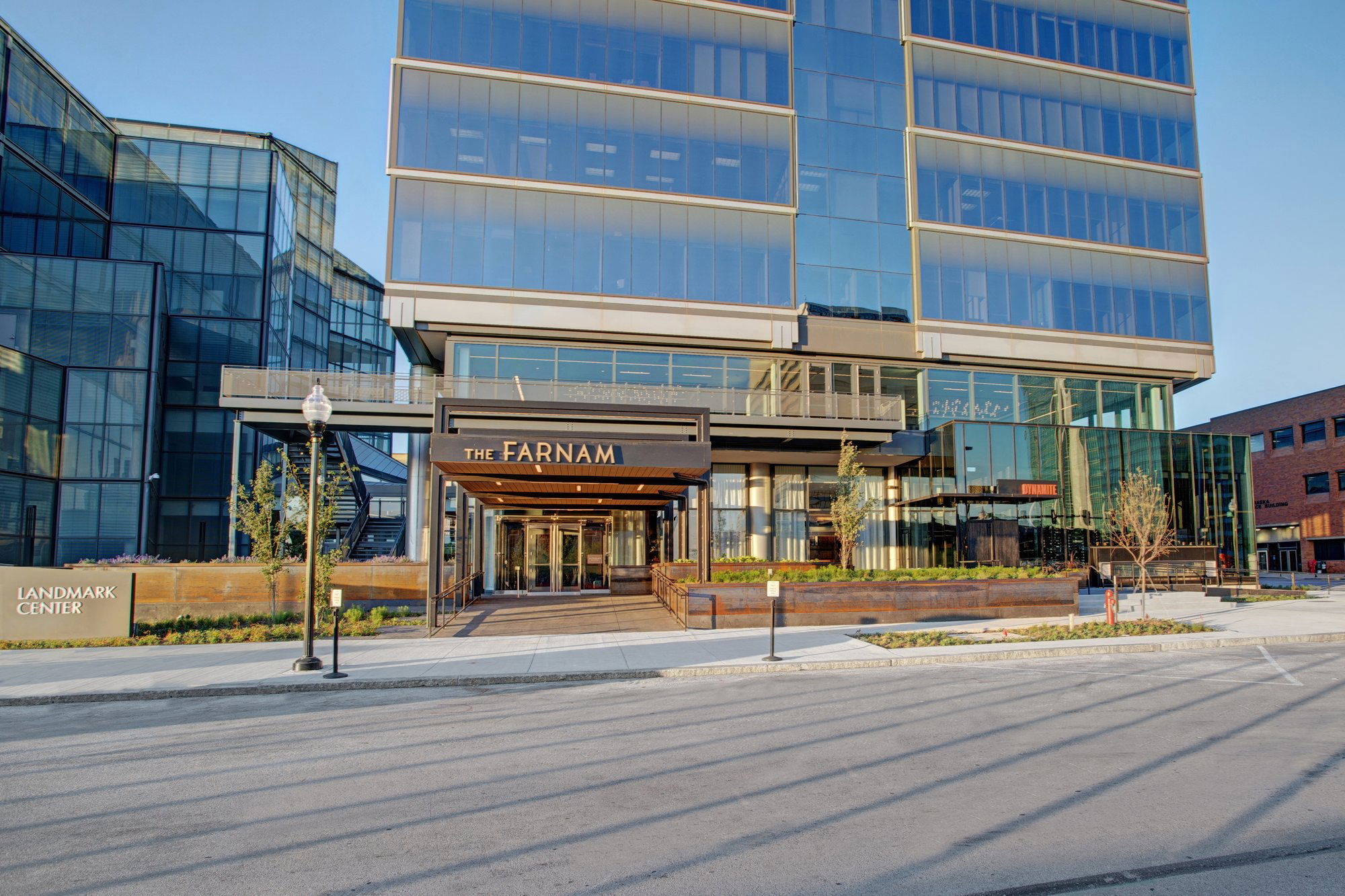
The Farnam channels Omaha’s railroad past into a contemporary, design-driven sensibility. Rather than rely on literal nostalgia, the hotel uses industrial cues — iron, movement and the city’s rail-yard history — as a stylistic framework, producing a modern, thoughtfully curated interior that feels rooted in place. The Autograph Collection’s curatorial premise is on display here: the property reads like a city-specific interpretation of sophistication, marrying urban grit and polished contemporary design. Located on Farnam Street in downtown Omaha, the hotel presents a restrained industrial elegance that favors considered detail over pastiche.
Best For
This is a stay for travelers who prize design and a strong sense of place. The Farnam appeals to visitors who want downtown convenience and a hotel that reflects local history without becoming a themed attraction. It suits design-minded weekenders and guests passing through for work who appreciate a boutique, curated experience inside a major brand’s distinctive collection. Couples seeking a stylish, city-centered escape also find the hotel’s blend of industrial inspiration and contemporary polish especially compelling.
Venue details
Ambiance
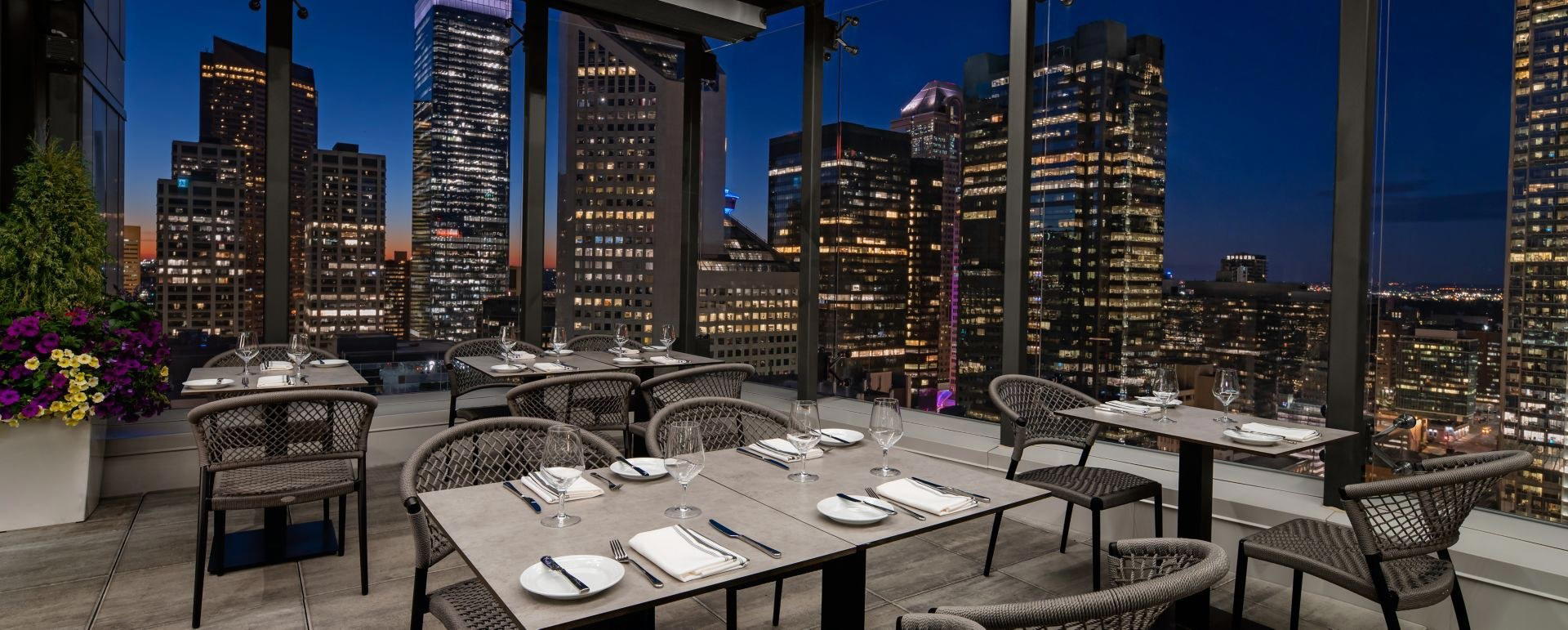
Sophisticated and modern atmosphere with spacious, quiet rooms featuring high ceilings, premium bedding, and exceptional showers; guests praise the welcoming staff and stylish lounge.
Tags
Vibe
Best For
Experience
Amenities
View
Accessibility
About the Stay
- Rooms
- 120
- Check-in
- 15:00
- Property Style
- Contemporary Boutique Hotel Blending Modern Luxury with Omaha's Historic Charm
- Design Style
- Modern Minimalist with Refined Architectural Details and High Tech Amenities
Know before you go
Know Before You Go
- Getting there
- 1299 Farnam Street
Planning details
Location
Recognition and awards


Also consider
Also Consider
- Hotel Deco, Notable alternative
- Hotel Indigo - Omaha Downtown, Notable alternative
- Kimpton Cottonwood Hotel, Notable alternative
- Graduate by Hilton Lincoln, Notable alternative
- Surety Hotel, Notable alternative
Hotel context
How it compares in Omaha
Hotel Deco is the more obvious cross-shop for travelers who want downtown character and may be more rate-sensitive. The Farnam, Autograph Collection is the stronger play for a polished special-occasion stay, especially if wine recognition and a more composed atmosphere matter.
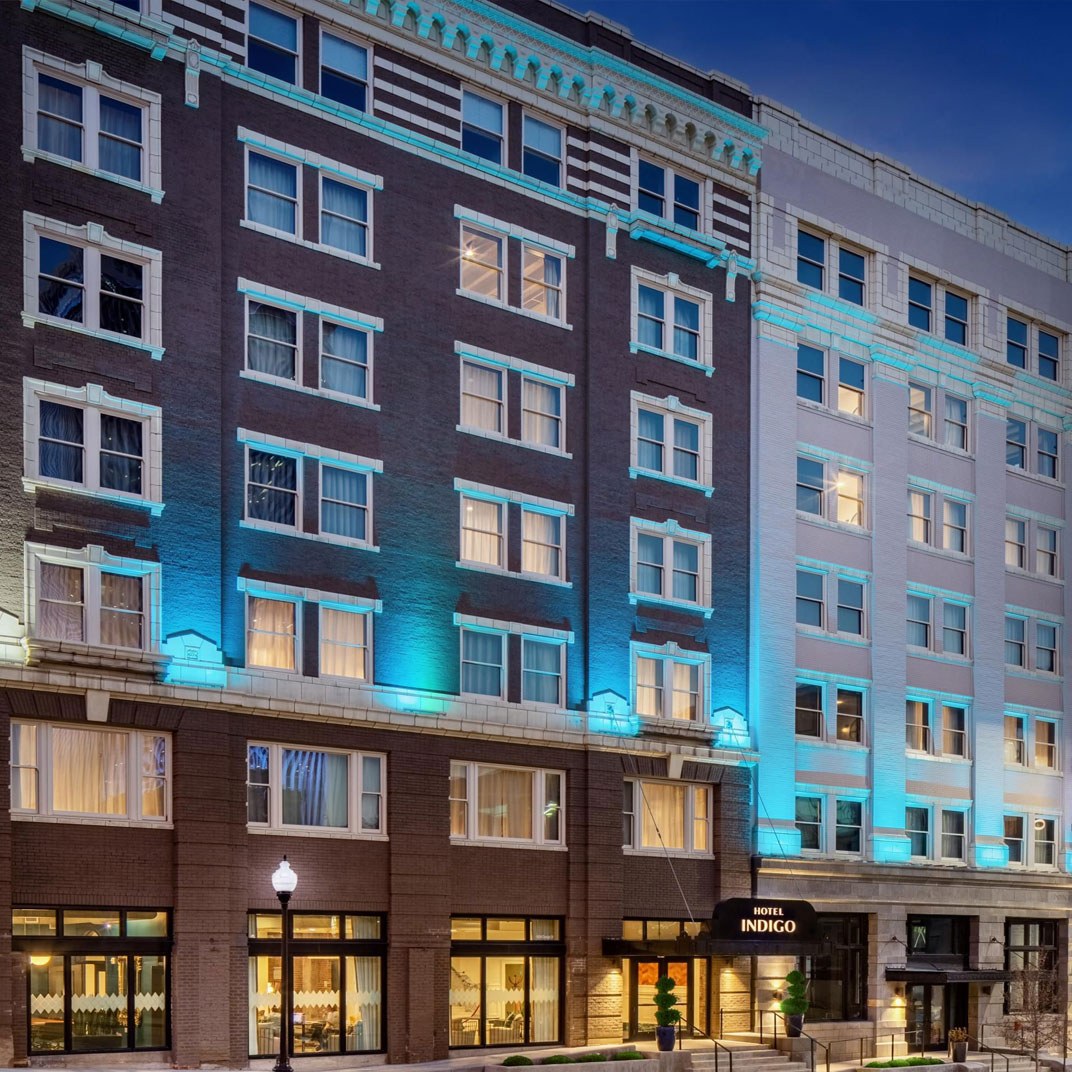
Hotel Indigo - Omaha Downtown is the practical alternative when the trip is more about location than occasion. Choose Indigo for a simpler downtown base; choose The Farnam when the hotel needs to carry more of the experience. Kimpton Cottonwood Hotel is the better cross-shop if a lifestyle-hotel mood is the priority, particularly for guests who want the stay to feel less corporate.
Graduate by Hilton Lincoln and Surety Hotel sit outside the Omaha decision set for most city-center trips. Consider them only if the itinerary points away from Omaha; otherwise, staying downtown keeps the plan cleaner and reduces friction around dinners, meetings, and late returns.
Explore Omaha
Around this place
Discover more on Pearl
Unlock the full The Farnam, Autograph Collection guide in Pearl, including awards, comparisons, FAQs, planning details, and nearby places.
Compare The Farnam, Autograph Collection
| Venue | Location | Awards |
|---|---|---|
| The Farnam, Autograph Collection | Omaha | 2026 Forbes Soon To Be RatedStar Wine Lists 2026 |
| Hotel Deco | Omaha | No published awards |
| Hotel Indigo - Omaha Downtown | Omaha | No published awards |
| Kimpton Cottonwood Hotel | Omaha | No published awards |
| Graduate by Hilton Lincoln | Lincoln | No published awards |
| Surety Hotel | Des Moines | No published awards |
How The Farnam, Autograph Collection Omaha compares with similar nearby venues.
FAQ
Frequently Asked Questions
When is the best time to book The Farnam, Autograph Collection?
Book when the current rate, availability, and services fit your Omaha trip. The recognition includes Star Wine List 2026 and Forbes Soon To Be Rated 2026; demand patterns can vary by date and should be checked before booking.
How does The Farnam, Autograph Collection compare to other venues?
Choose The Farnam, Autograph Collection if you want an Omaha stay with a polished profile and 2026 recognition. Hotel Deco, Hotel Indigo - Omaha Downtown, Kimpton Cottonwood Hotel, Surety Hotel, and Graduate by Hilton Lincoln are worth comparing based on current rates, location needs, and amenities.
How is the dining at The Farnam, Autograph Collection?
The dining-related detail is Star Wine List recognition in 2026. Check restaurant names, menus, hours, cuisine, prices, and service formats directly before making plans around dining.
How is the location of The Farnam, Autograph Collection?
The Farnam, Autograph Collection is in Omaha. Check the specific street address, neighborhood, and nearby landmarks when planning your stay.