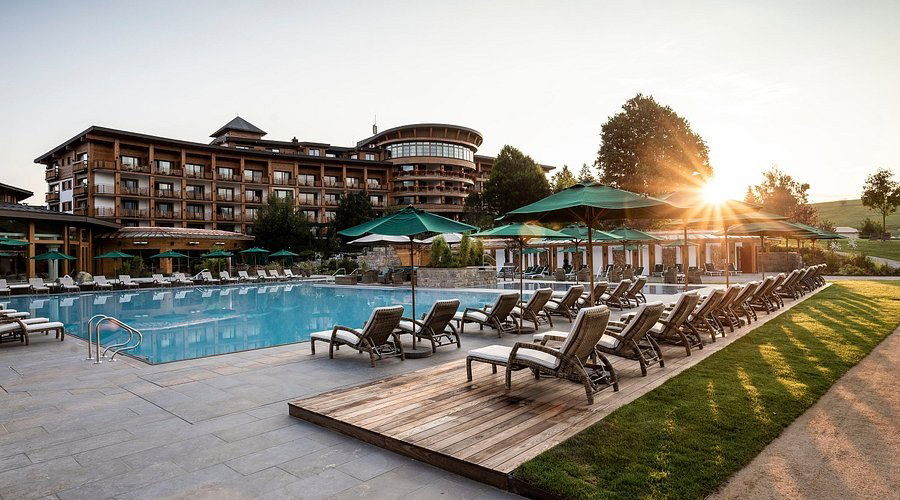


Sonnenalp Resort
Ofterschwang
Hotel in Ofterschwang, Germany
 Book with Pearl
The Read
Century-Built Alpine Wellness
Why go
Sonnenalp Resort is the right call for a service-led Allgäu stay where the hotel is the trip, not just the base. Its recent high-level recognition makes it easier to justify for wellness breaks, family occasions, and slow alpine travel; business travelers should choose it mainly for retreats rather than routine city-style work trips.
About Sonnenalp Resort
Sonnenalp Resort is a hotel option in Ofterschwang with two recognitions for travelers weighing a stay: Michelin 2 Keys in 2024 and a La Liste Top Hotels 2026 score of 97.5pts. Those recognitions are the strongest grounded reason to treat it as a notable choice rather than simply another local hotel.
Sonnenalp Resort is in Ofterschwang, carries notable hotel recognition, and has a smart casual dress code. Do not assume specific facilities, dining formats, room categories, prices, or services unless they are confirmed at booking.
Choose it for a recognized Ofterschwang hotel stay
The appeal of Sonnenalp Resort is its position as a recognized hotel in Ofterschwang. Michelin 2 Keys and La Liste Top Hotels 2026: 97.5pts give the property a stronger quality signal than a generic stay, but they do not by themselves confirm any specific amenity, program, or service detail.
For travelers comparing options, keep the decision practical: confirm the room, rate, inclusions, and any services that matter before committing. If meals outside the property matter, cross-check current options through the Ofterschwang restaurants guide.
Use the recognition as the starting point
At this level, the useful question is whether Sonnenalp Resort matches the kind of stay you want in Ofterschwang. The recognitions suggest a notable hotel, but specific service details should still be confirmed directly when booking, especially if the trip depends on particular arrangements.
Travelers comparing broader regional options can also look at A-ROSA Ifen Hotel Kleinwalsertal, HUBERTUS Mountain Refugio Allgäu, Haubers Naturresort, Hotel Exquisit, and Hotel Franks. Treat those as separate hotel choices to compare on confirmed rates, location, availability, and inclusions rather than assuming identical services.
Quick reference: choose Sonnenalp Resort if you want a recognized Ofterschwang hotel with Michelin 2 Keys and La Liste recognition; verify any specific amenities, services, or room details before booking.
Planning details
- Location
- Sonnenalp 1, 87527 Ofterschwang
- Website
- sonnenalp.de
- Phone
- +49 8321 2720
The take
The Take
The Vibe
Sonnenalp reads like a lived-in story of Bavarian mountain hospitality: a family-run resort that accumulates space and character over generations rather than imposing a singular design moment. The complex feels grown — a sequence of wings and chalets that reflect regional identity and traditional craftsmanship. Its setting at the upper edge of the Allgäu Alps and the approach through meadows reinforce a timeless Alpine character. At the premium end of the market, the resort marries that heritage with quietly elevated service, offering a classic, charming and historic mountain atmosphere rather than the slick anonymity of a chain.
Best For
Sonnenalp works best as a multi-night destination for travelers seeking immersive Alpine character. It suits family vacations and weekend escapes — the property ranges from single rooms to full chalets, accommodating different group sizes — and it also attracts wellness-focused stays and retreats given its established reputation. With 218 rooms and a family-led ownership model, the resort feels substantial without being anonymous, making it a solid pick for travelers who want a regionally rooted, scenic mountain base rather than a one-night transit stop.
Stay Tips
Book early and be specific about accommodation preferences: Sonnenalp offers a wide range of room types from singles to standalone chalets, so request the category that matches the space you need. Reserve well in advance for peak-season stays given its reputation and scale; the property's high placement on La Liste and its role as a destination resort suggest strong demand. If you value a particularly traditional or timbered room, ask about the property's older wings versus newer additions to find the character that aligns with the 'grown' architecture described.
Venue details
Ambiance
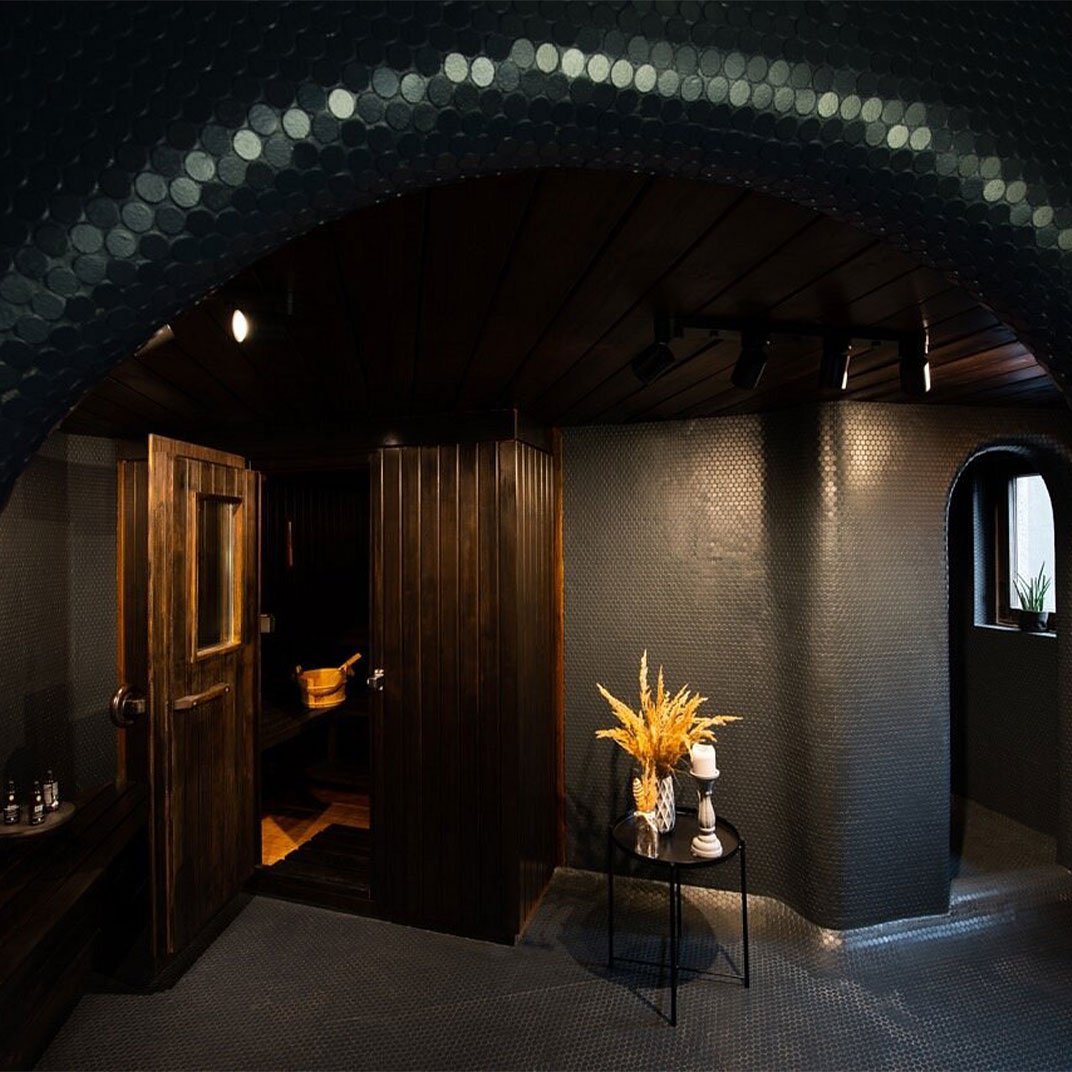
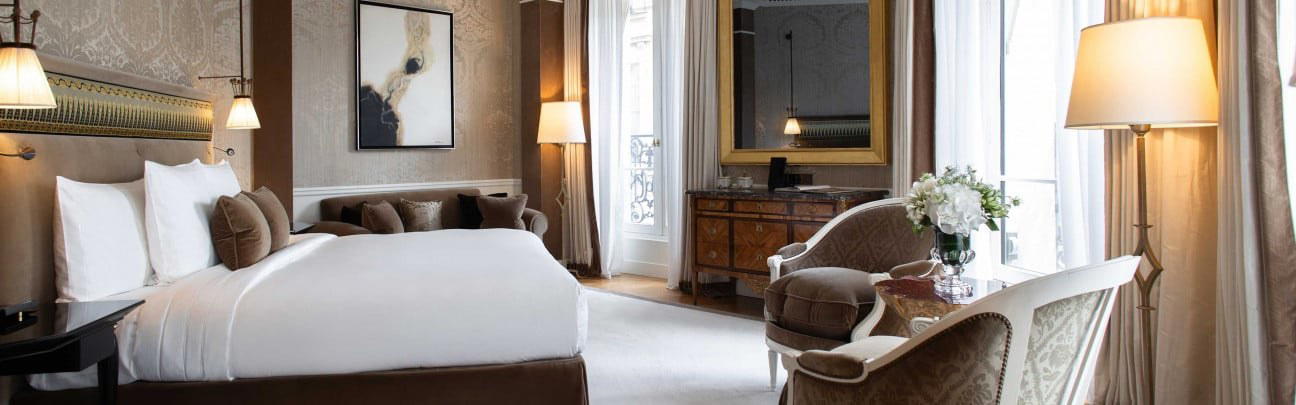
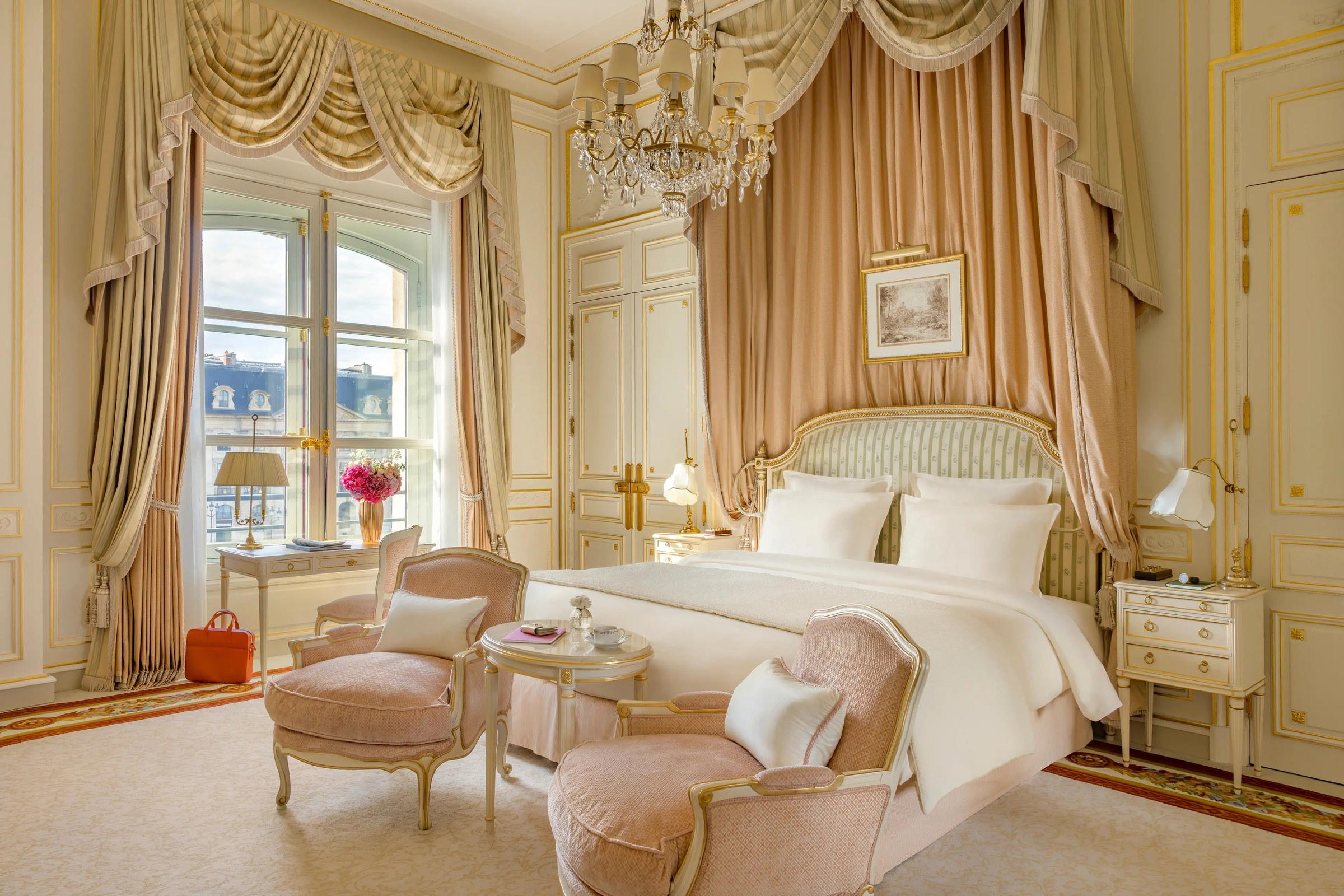
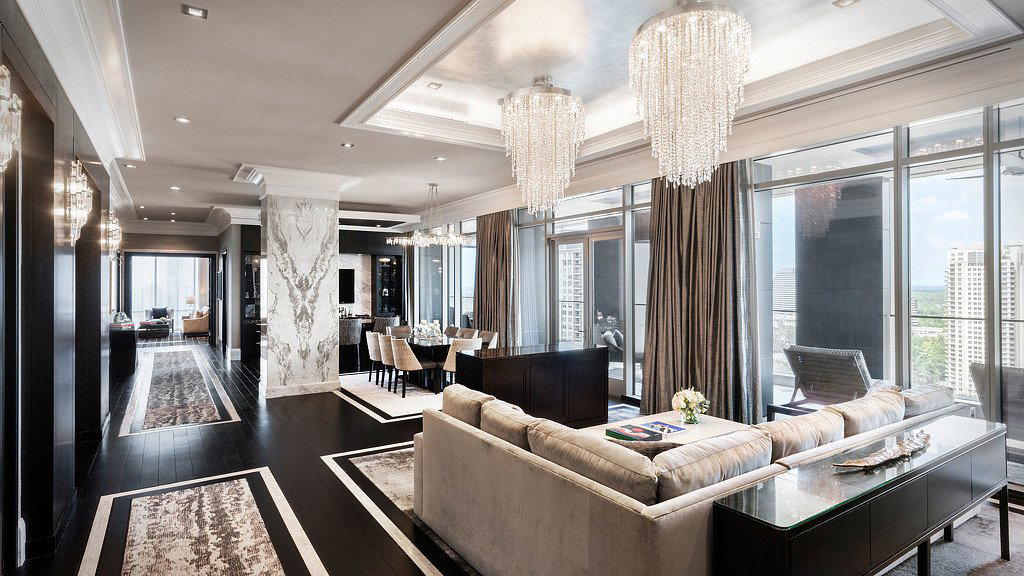
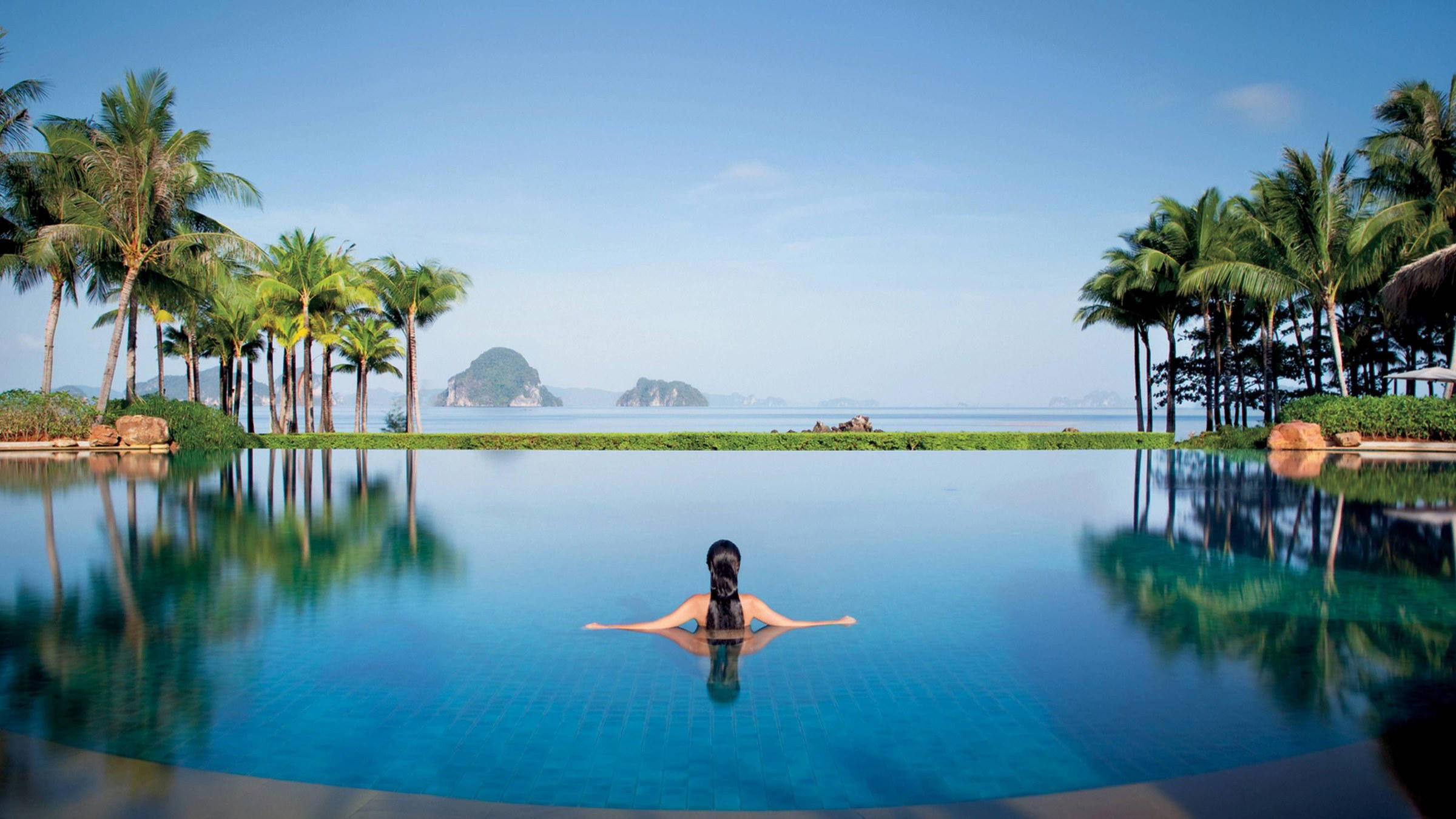
Alpine tranquility with contemporary luxury, warm family atmosphere, and relaxing spa lighting.
Tags
Vibe
Best For
Experience
Amenities
View
Accessibility
About the Stay
- Rooms
- 225
- Check-in
- 15:00
- Check-out
- 11:00
- Property Style
- Family Run Luxury Mountain Resort Complex
- Design Style
- Contemporary Alpine with Modern Decor
Know before you go
Know Before You Go
- Getting there
- Sonnenalp 1, 87527 Ofterschwang
Planning details
Location
Recognition and awards

Also consider
If availability is tight
Try HUBERTUS Mountain Refugio Allgäu if the goal is a wellness-focused mountain stay with a different atmosphere. For a similar alpine-resort decision, A-ROSA Ifen Hotel Kleinwalsertal is the practical backup to compare before shifting dates.
Hotel context
How it compares with nearby Allgäu resort options
Sonnenalp Resort is the choice for travelers who want the fullest resort-style stay in Ofterschwang, with the strongest signal of high-end hotel execution among this set. Hotel Franks and Hotel Exquisit are better cross-shops if the brief is a classic Oberstdorf-area hotel feel rather than a destination resort format.
HUBERTUS Mountain Refugio Allgäu is the closer rival for travelers who want a mountain-refuge mood and a more design-conscious wellness stay. A-ROSA Ifen Hotel Kleinwalsertal makes sense for guests comparing larger alpine spa hotels across the border-region resort circuit, especially when availability is tighter in Ofterschwang.
For a nature-forward alternative, Haubers Naturresort is the one to check if the priority is outdoor calm and a softer resort rhythm. Sonnenalp Resort is the stronger pick when the stay depends on polished service, broader resort infrastructure, and a higher-recognition hotel profile.
Explore Ofterschwang
Around this place
Discover more on Pearl
Unlock the full Sonnenalp Resort guide in Pearl, including awards, comparisons, FAQs, planning details, and nearby places.
Compare Sonnenalp Resort
| Venue | Location | Awards |
|---|---|---|
| Sonnenalp Resort | Ofterschwang | 2026 La Liste Top Hotels2026 Michelin 2 KeysMichelin 2 Keys 20252025 Michelin 2 Keys2024 Michelin 2 Keys |
| Hotel Franks | Oberstdorf | No published awards |
| Hotel Exquisit | Oberstdorf | 2026 Michelin 1 Key2025 Michelin 1 Key |
| HUBERTUS Mountain Refugio Allgäu | Balderschwang | 2026 Michelin 1 Key2025 Michelin 1 KeySmall Luxury Hotels Member 2025 |
| A-ROSA Ifen Hotel Kleinwalsertal | Hirschegg | No published awards |
| Haubers Naturresort | Oberstaufen | 2025 Michelin 1 Key |



How Sonnenalp Resort Ofterschwang compares with similar nearby venues.
FAQ
Frequently Asked Questions
Is Sonnenalp Resort good for business travel?
It may suit some business travelers if Ofterschwang is the right location for the trip. Its quality signals are Michelin 2 Keys in 2024 and La Liste Top Hotels 2026: 97.5pts, but meeting facilities, transport convenience, and business services should be confirmed before booking.
How is the pool and spa at Sonnenalp Resort?
If those facilities are important to your stay, confirm the current offering, access rules, and any included services directly before booking Sonnenalp Resort in Ofterschwang.
How does Sonnenalp Resort compare to other regional hotels?
Sonnenalp Resort has recognition from Michelin 2 Keys and La Liste Top Hotels. When comparing it with Hotel Franks, Hotel Exquisit, HUBERTUS Mountain Refugio Allgäu, A-ROSA Ifen Hotel Kleinwalsertal, and Haubers Naturresort, use confirmed rates, location, availability, and inclusions rather than assuming the same amenities across properties.
Which room category is best at Sonnenalp Resort?
Choose based on the current booking options, rate differences, cancellation terms, and any confirmed room features that matter for your stay in Ofterschwang.
Do loyalty programs work at Sonnenalp Resort?
If points, member rates, or benefits are important, confirm them directly before booking. The quality markers are Michelin 2 Keys in 2024 and La Liste Top Hotels 2026: 97.5pts.