




The Dominick
SoHo-Little Italy-Hudson Square, New York City
Hotel in New York City, United States
 Book with Pearl
The Read
Vertical SoHo Scale
Why go
The Dominick is the SoHo pick when room size, luxury-hotel recognition, and special-occasion comfort matter more than chasing the lowest downtown rate. Suite-level stays make the strongest case; for a simpler neighborhood base, compare Arlo SoHo or Soho Grand Hotel first.
About The Dominick
For a return trip to New York City, the useful question is whether The Dominick is the right hotel to prioritize when the city has many premium options. Choose it when confirmed hotel recognition and a smart-casual standard matter to the trip. If you are comparing across New York City, consider it alongside ModernHaus SoHo and Soho Grand Hotel before committing.
The clearest signals are its hotel credentials. The Dominick is a Preferred Hotels Member for 2025, holds AAA 5 Diamond recognition for 2025, has Forbes 4-Star recognition for 2026, is listed as a Virtuoso Luxury Hotel Partner for 2026, is selected in the MICHELIN Guide Hotels for 2025, and has a 90-point La Liste Top Hotels listing for 2026. Those facts place it among New York City hotels with notable third-party recognition, though they do not by themselves determine whether it is the right fit for every traveler.
Recognition is the main reason to consider it
The decision is strongest when the hotel itself is part of the trip. If you are planning a celebration, a business stay, or a New York City visit where hotel credentials matter, The Dominick is worth keeping high on the shortlist. If the hotel is mainly a place to sleep, compare it carefully with other New York City options before booking.
Recent recognition helps the confidence level. Preferred Hotels membership, AAA 5 Diamond status, Forbes 4-Star recognition, Virtuoso partnership, MICHELIN hotel selection, and a 90-point La Liste Top Hotels listing in 2026 point to a property with multiple confirmed hotel signals. That does not mean every traveler needs to choose it. It means the choice makes sense when hotel standards and recognition are part of the decision, not afterthoughts.
Who should choose this over another New York City hotel
Couples planning a special-occasion New York City stay should keep it on the list, especially if confirmed hotel accolades matter to the booking. Business travelers can also consider it when a recognized hotel setting is important. For broader planning, use Our full New York City hotels guide, then narrow by whether The Dominick's recognition is central to the stay.
Check the hotel's official channels for current availability, room categories, services, and on-property details. If you are still comparing, look at Hotel Barrière Fouquet's New York, ModernHaus SoHo, Soho Grand Hotel, or Arlo SoHo as other New York City options.
Inside The Dominick
Planning details
- Location
- 246 Spring St, New York, NY 10013
- Website
- thedominickhotel.com
- Phone
- +1 212-842-5500
The take
The Take
The Vibe
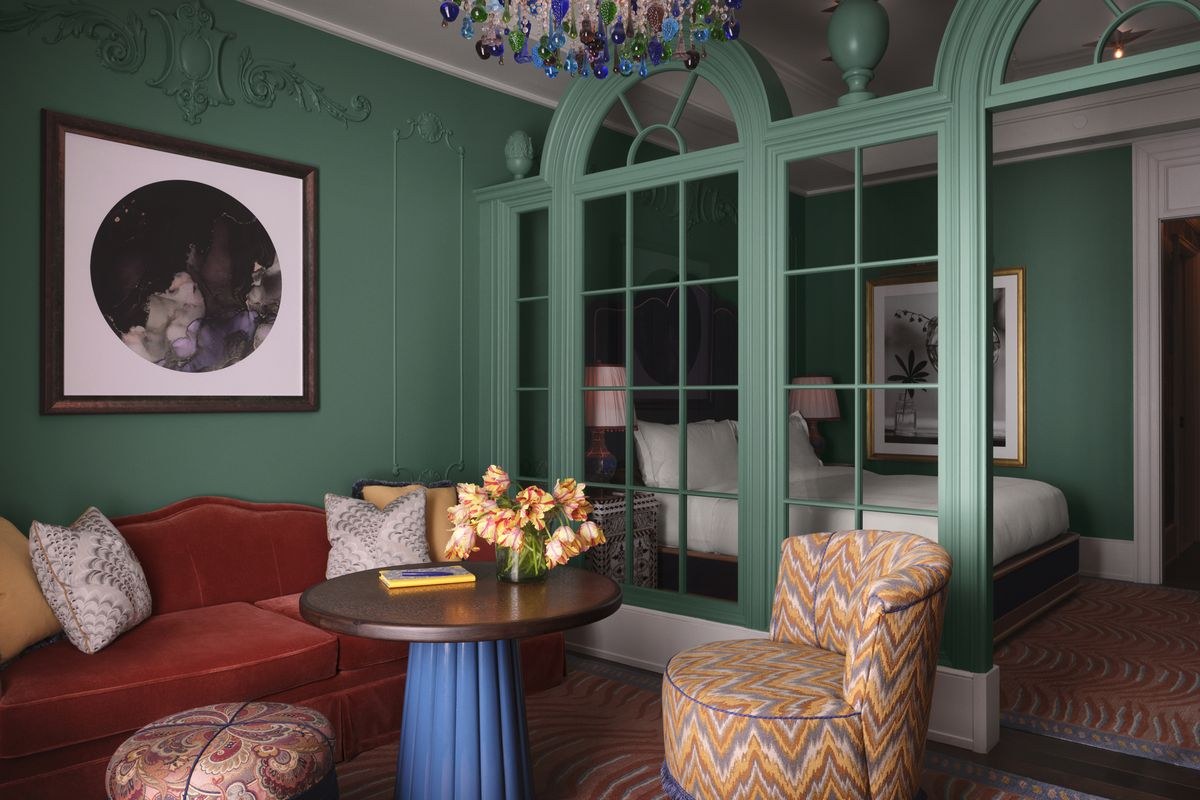
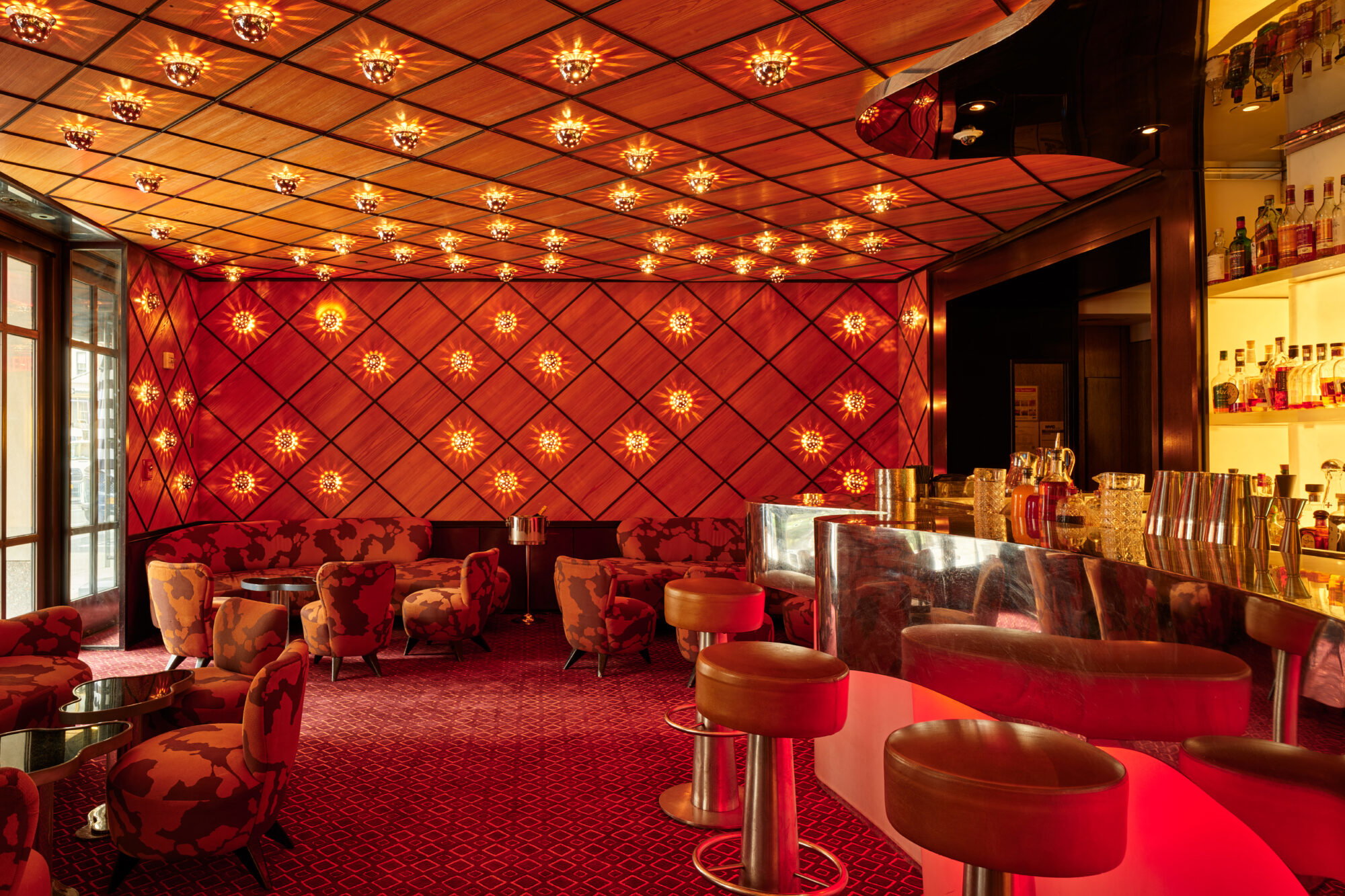
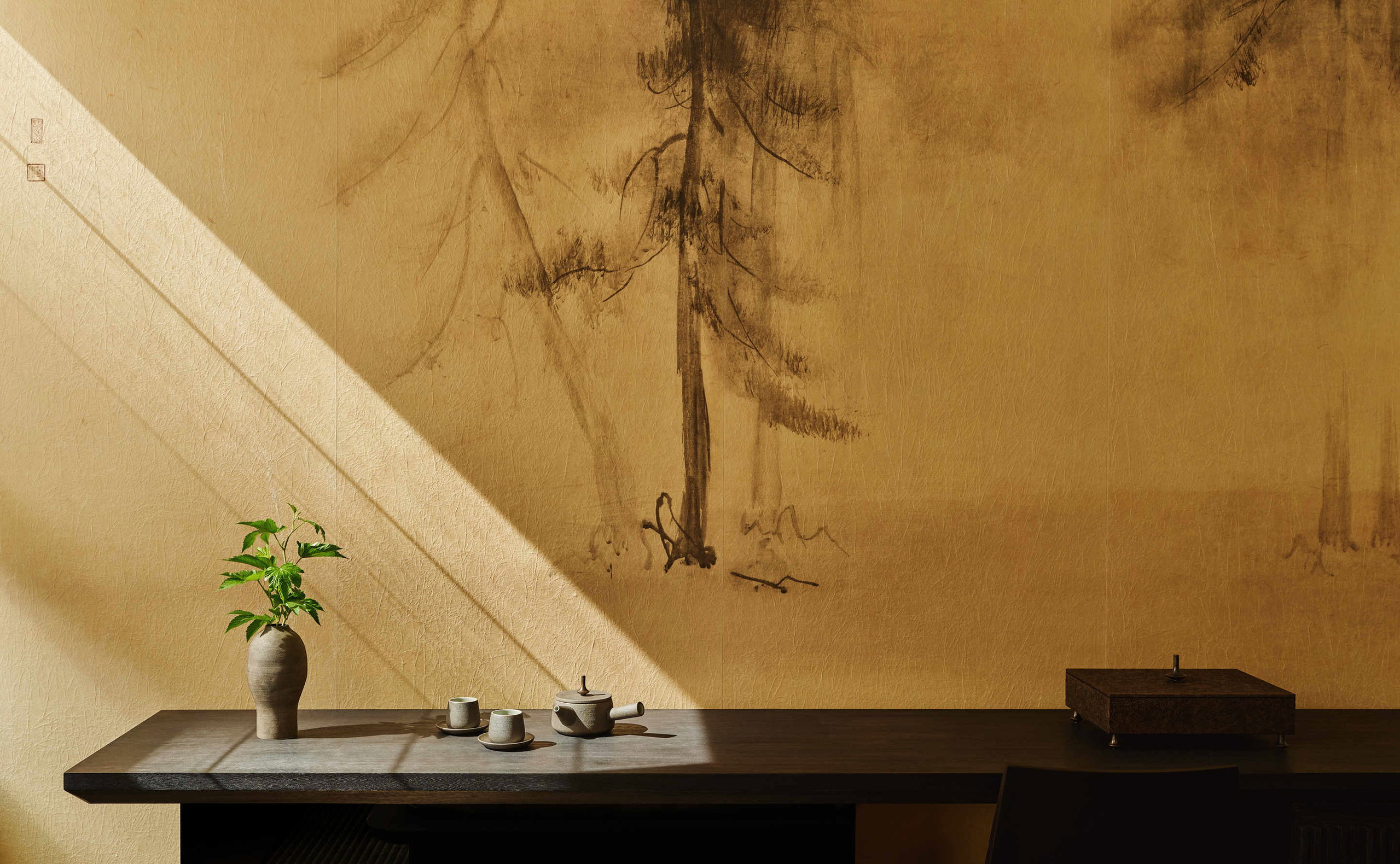
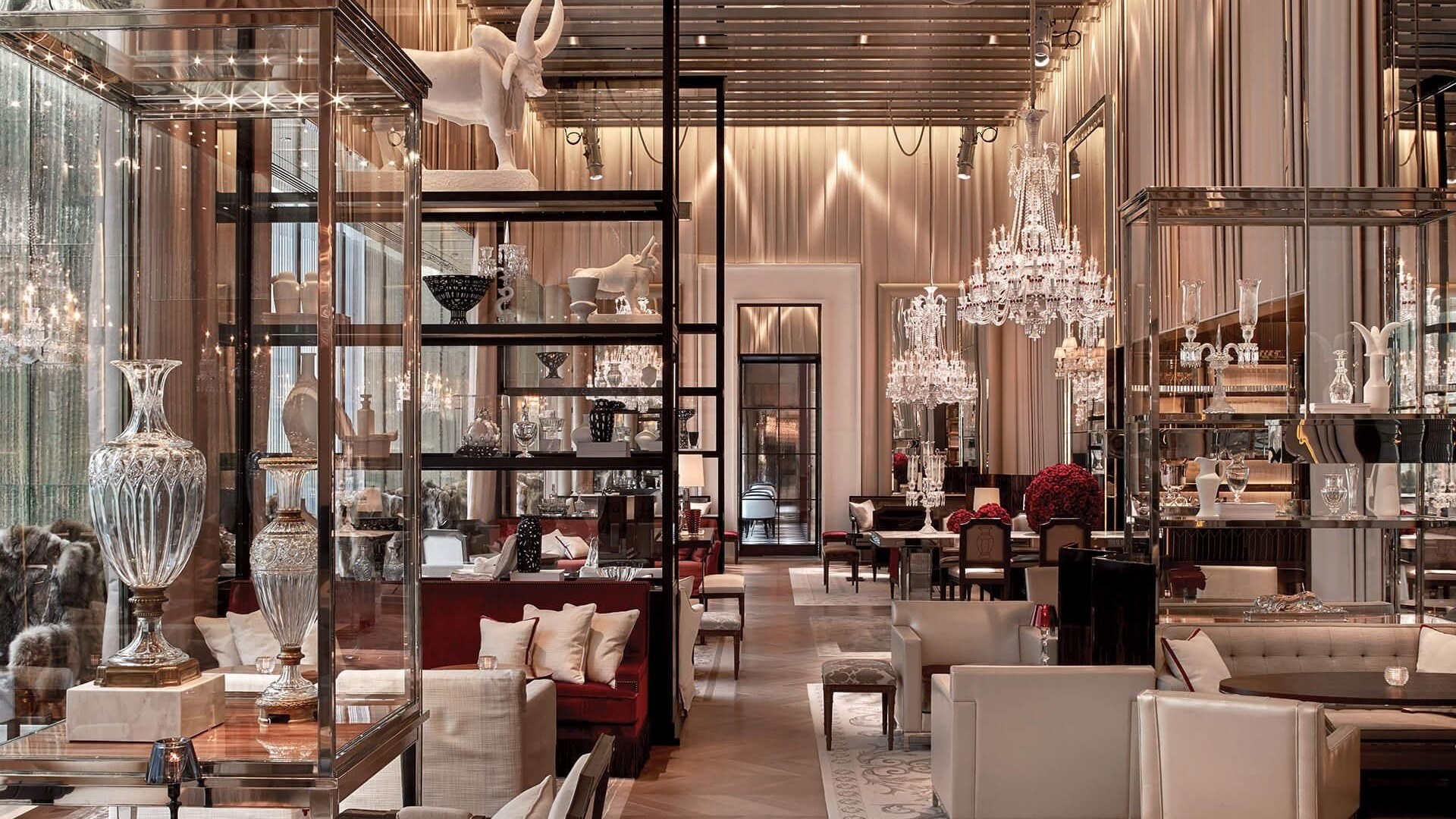
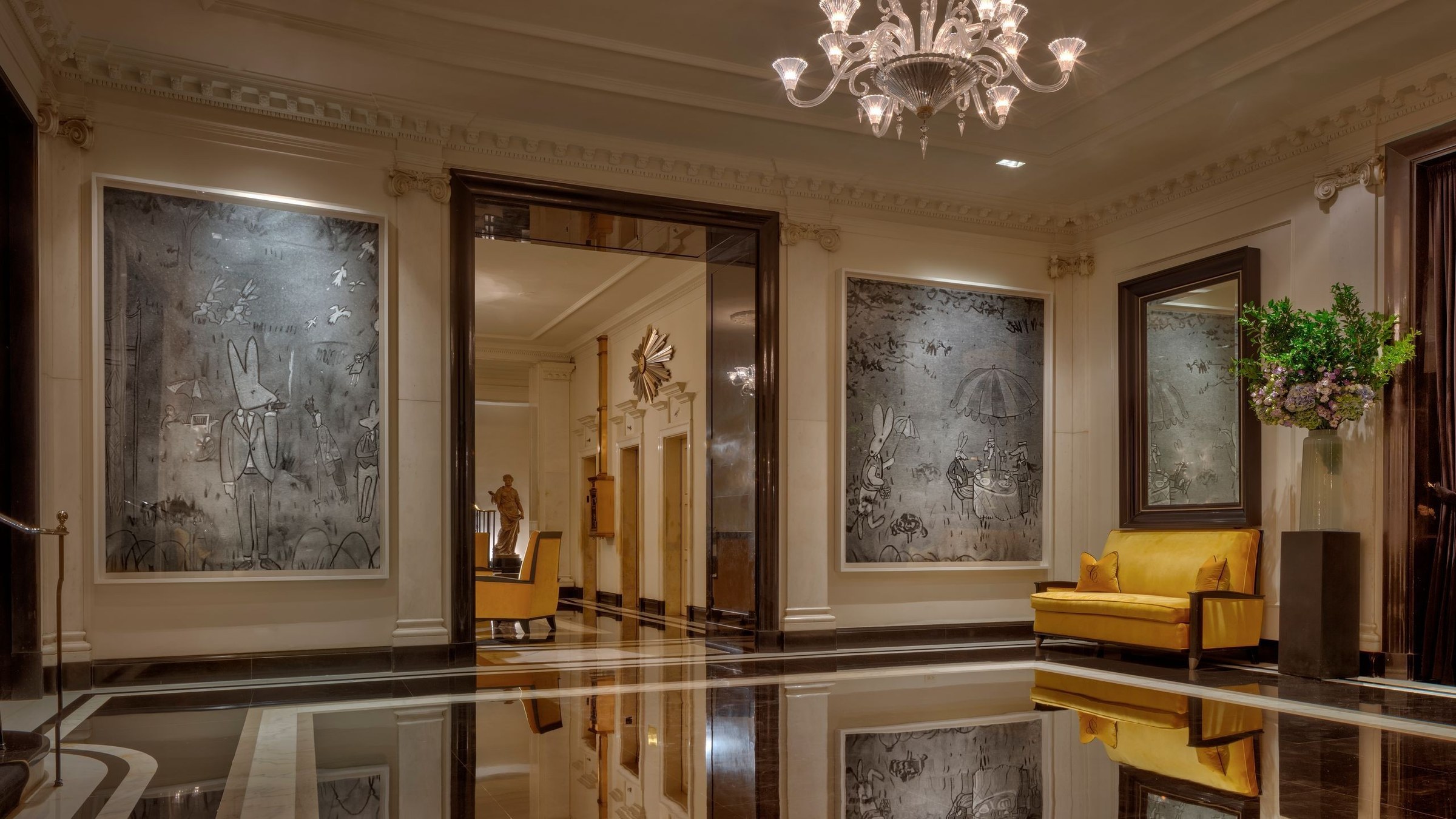
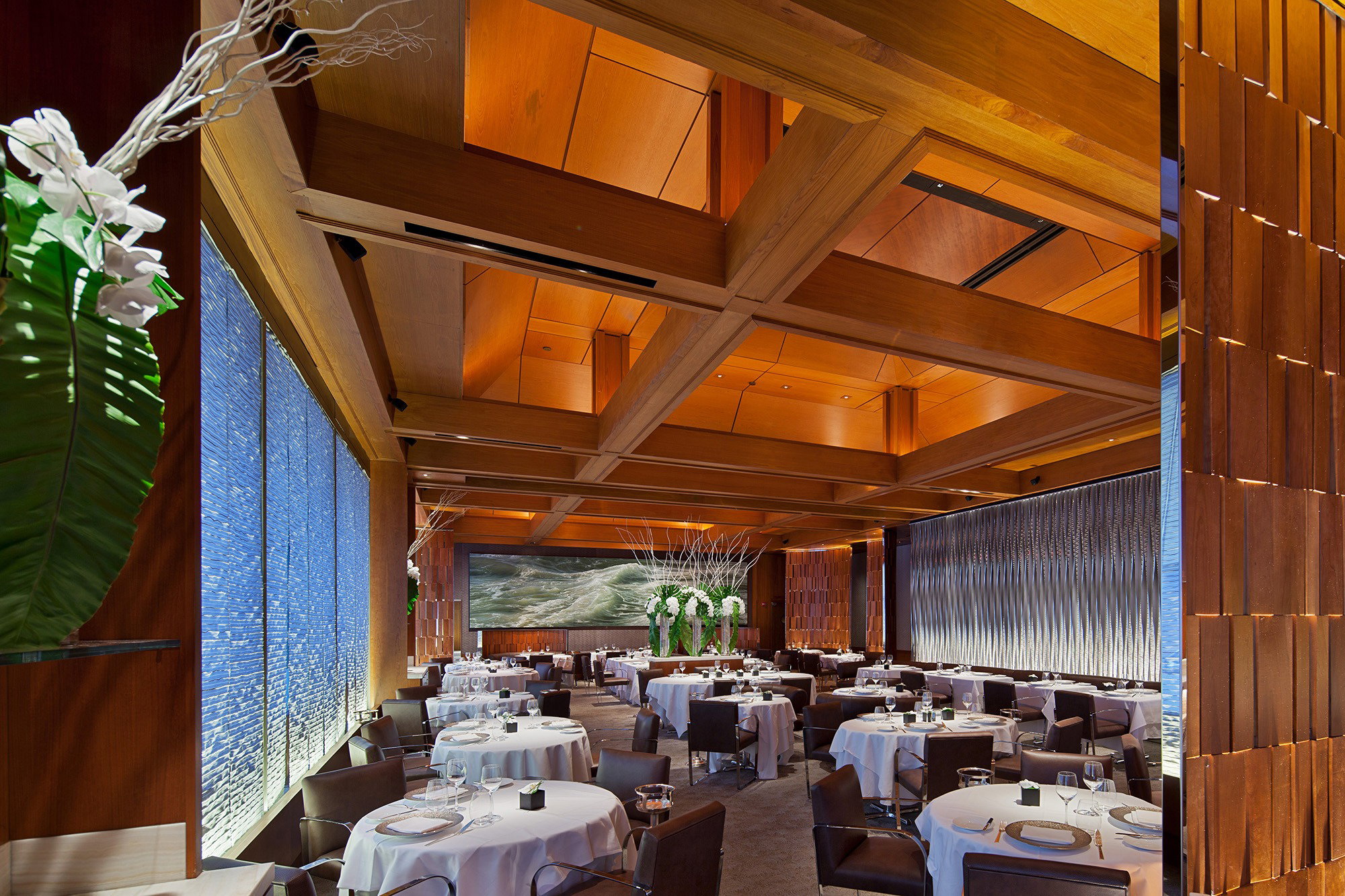
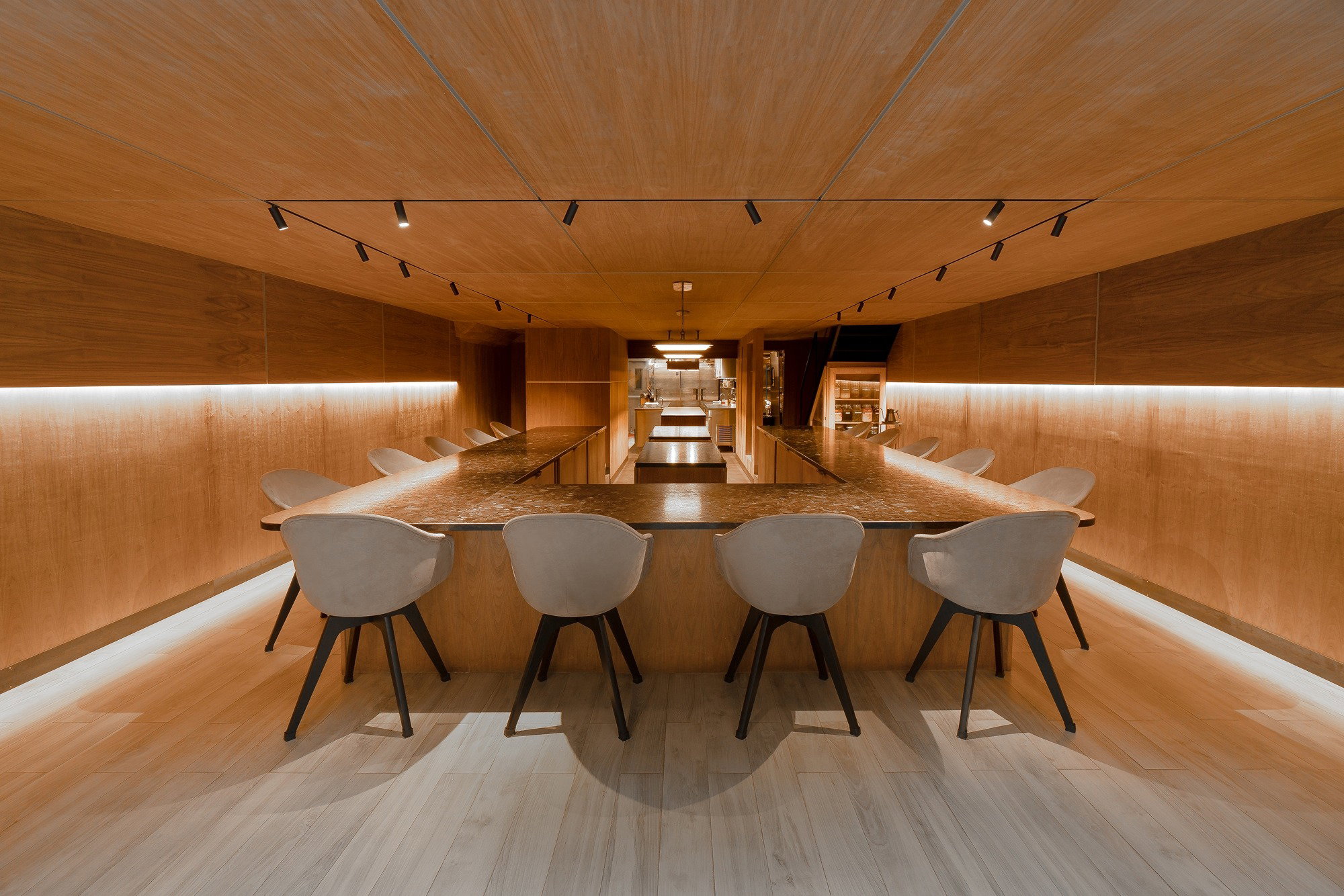
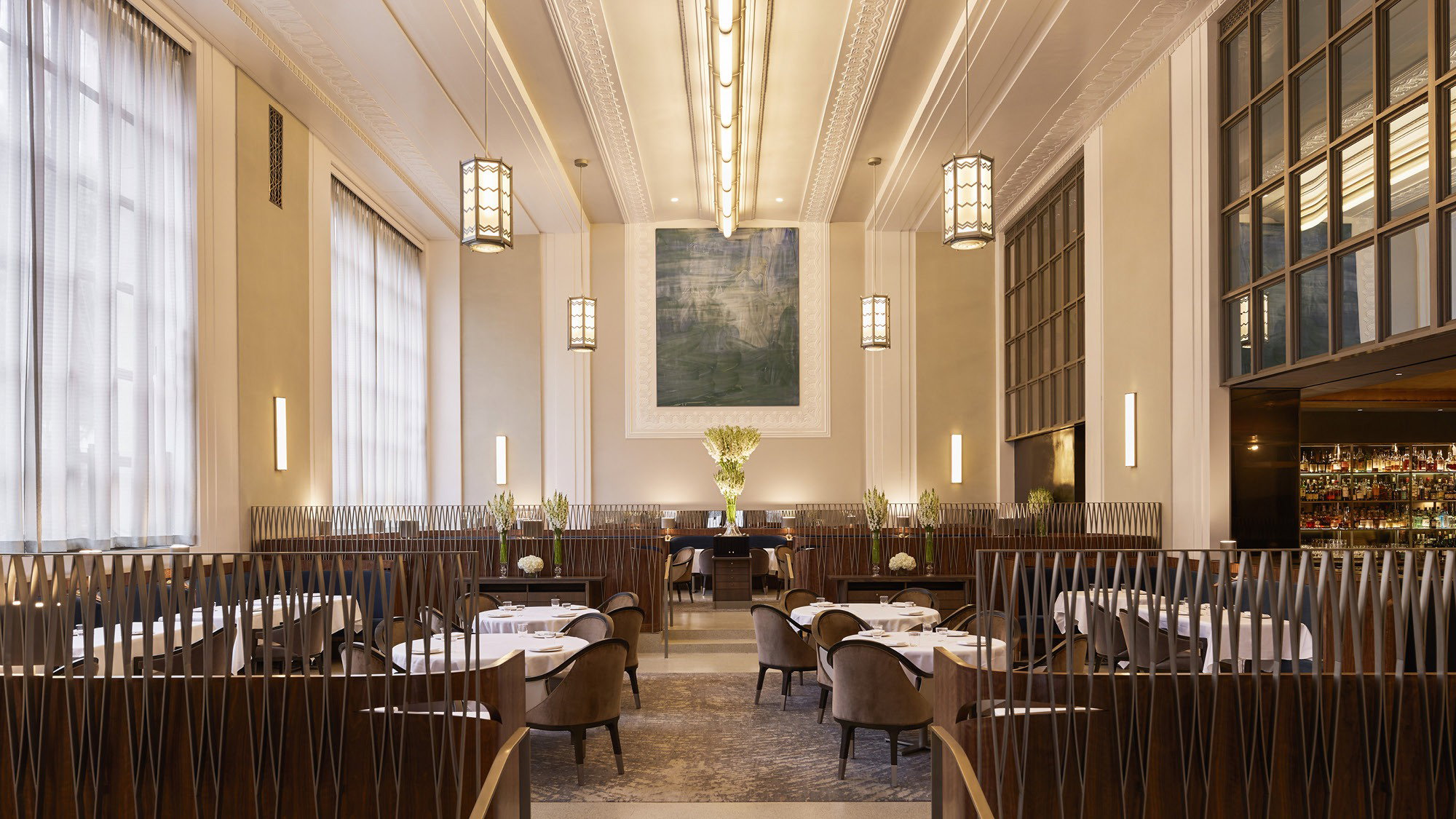
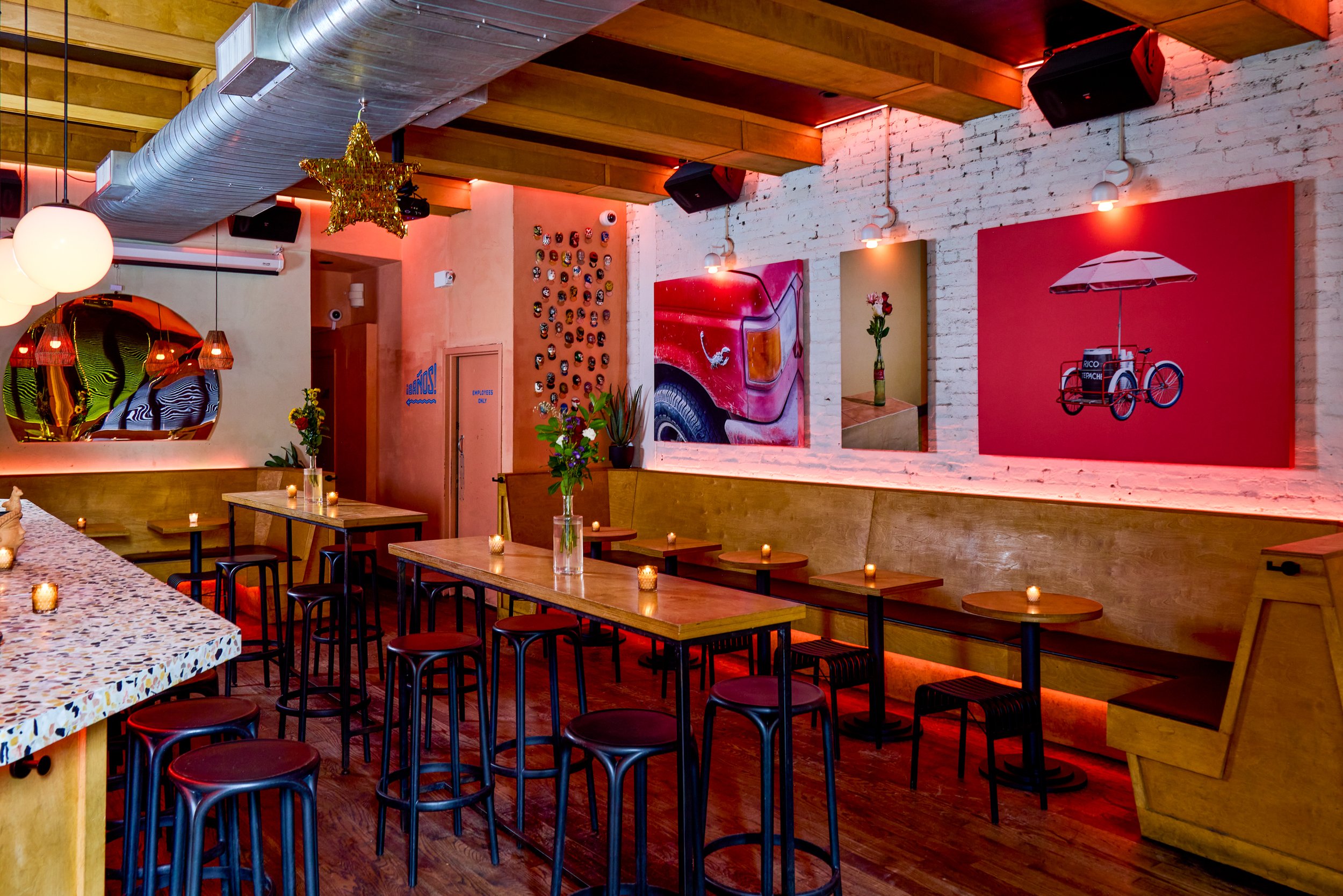
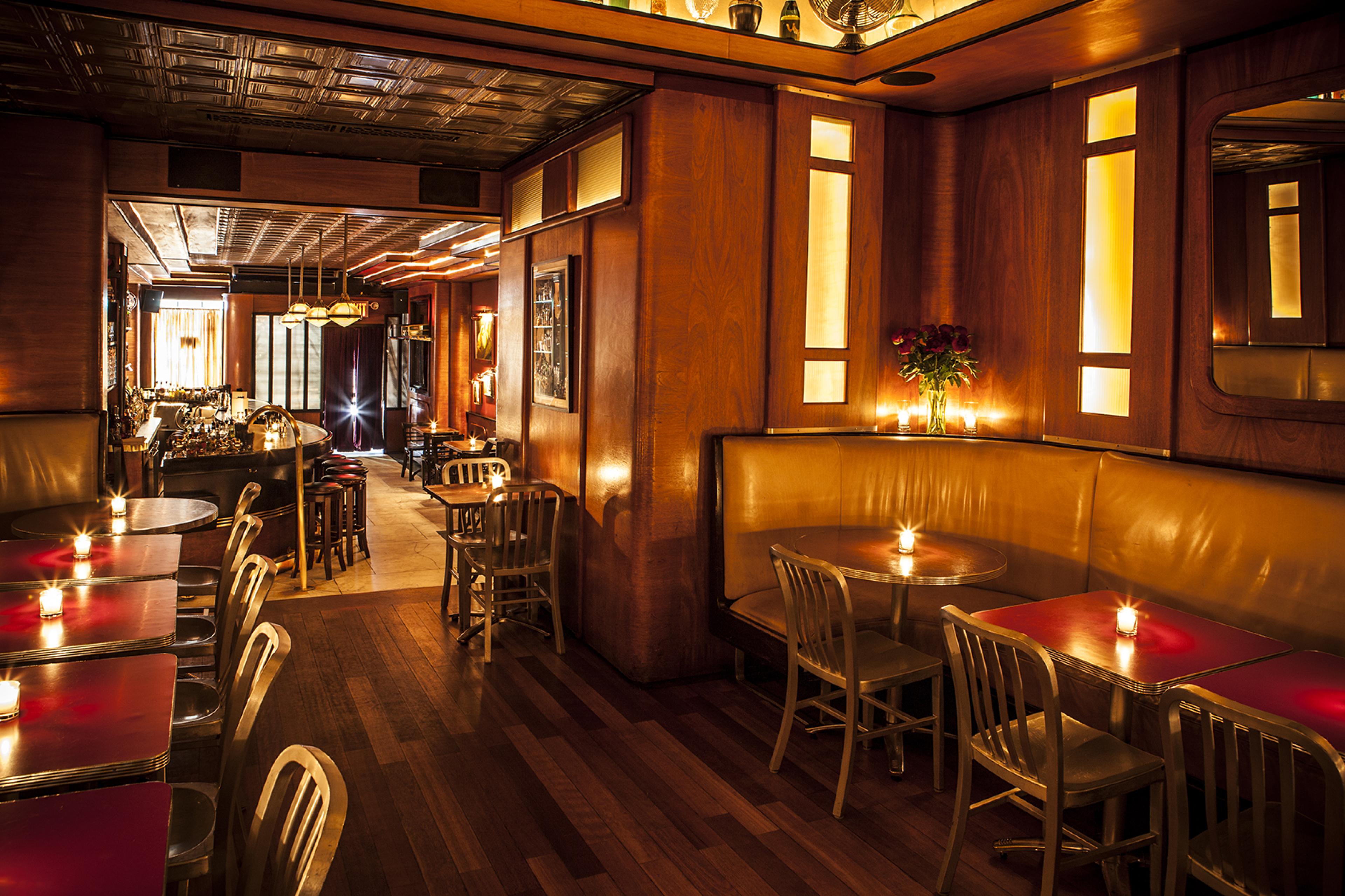
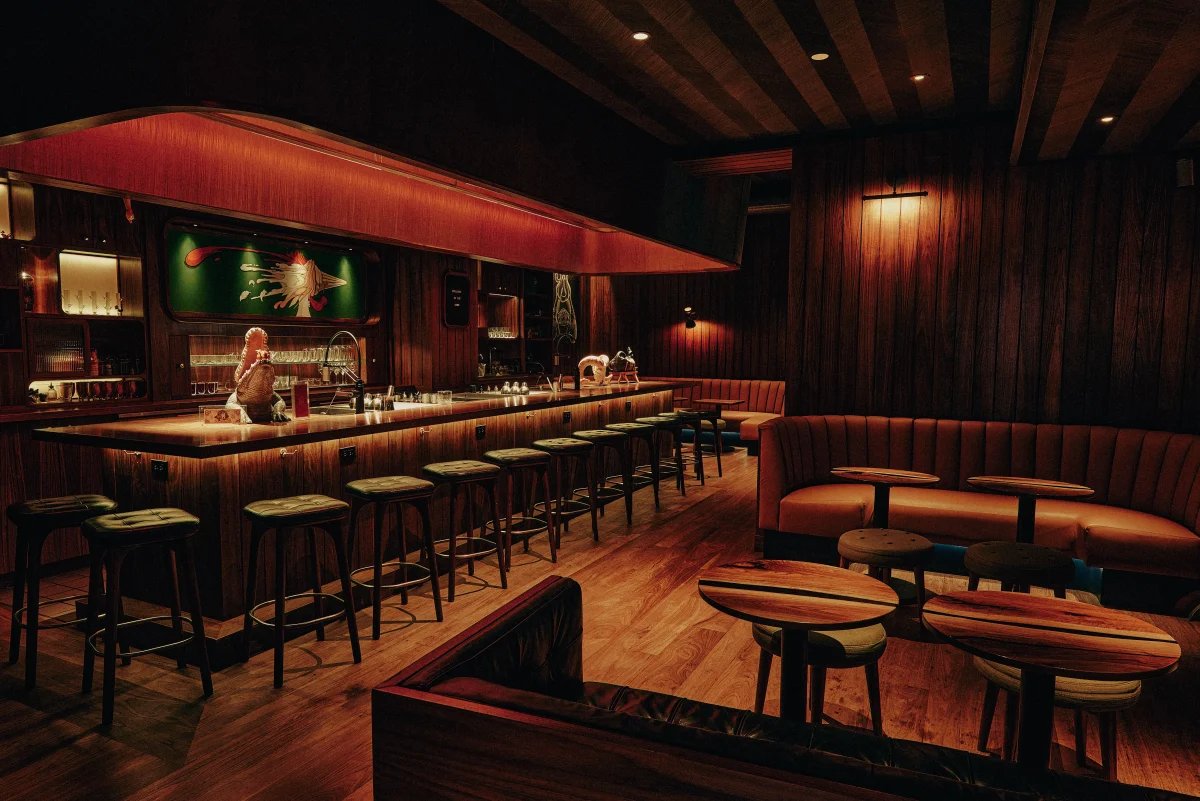
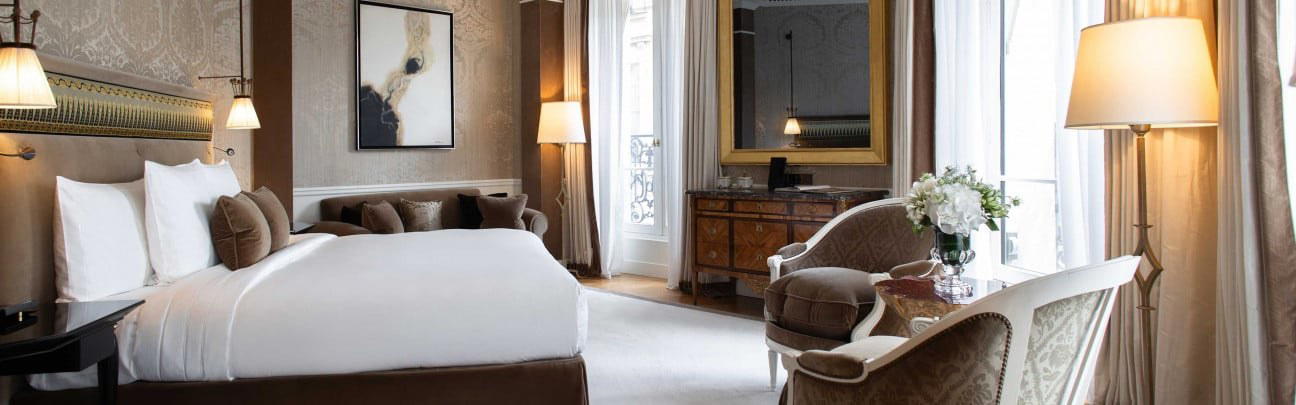
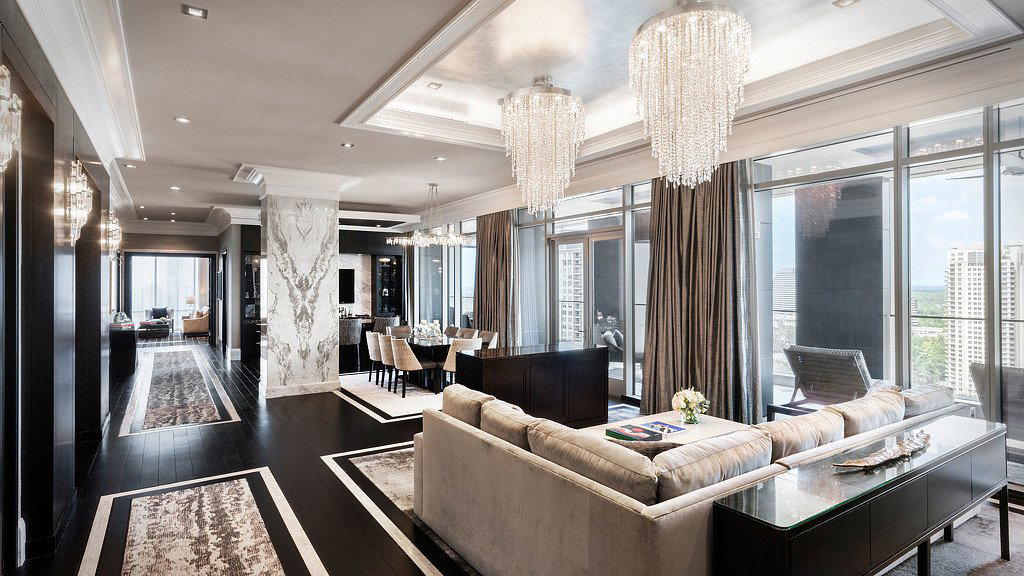
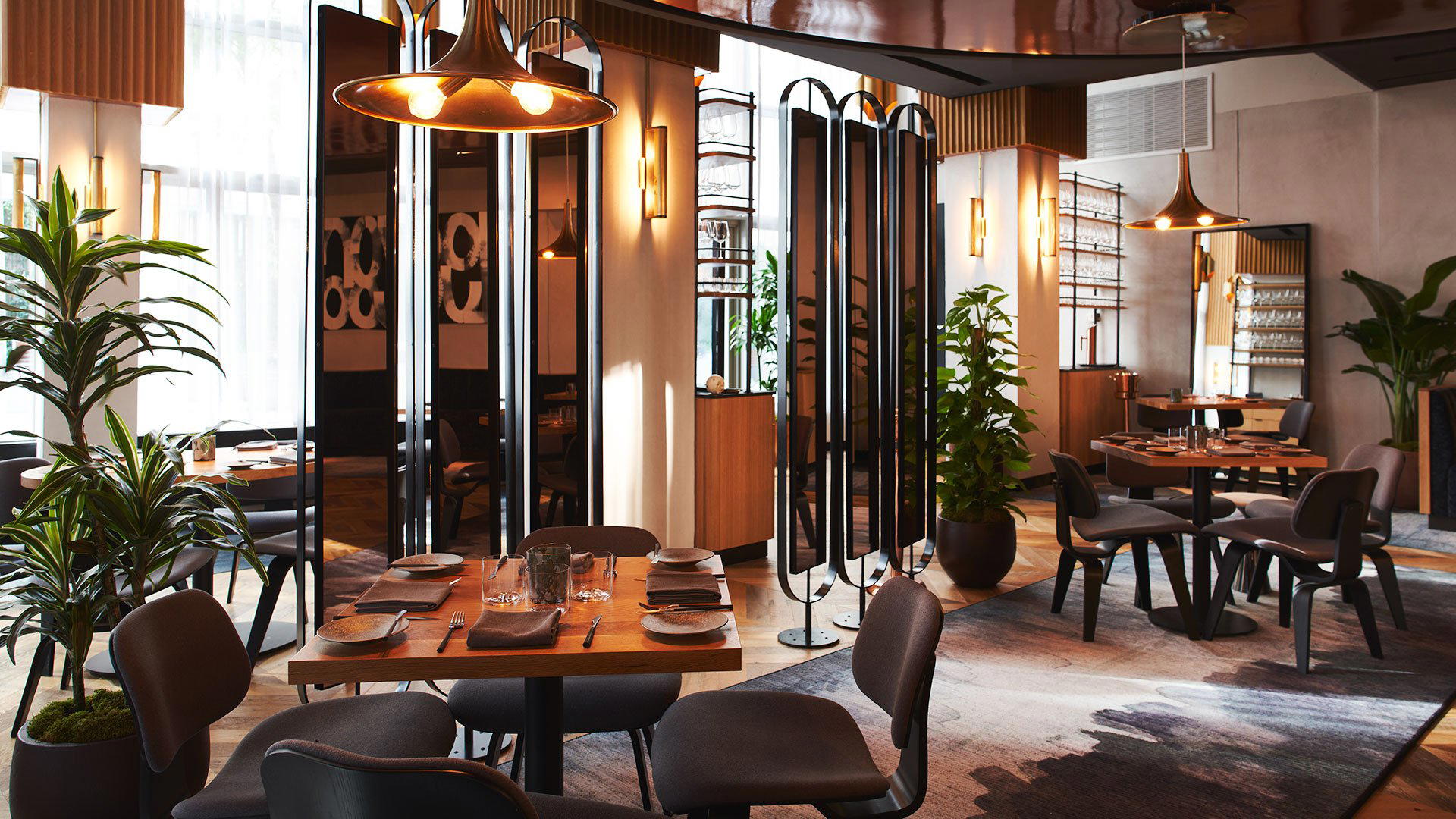
The Dominick reads as calibrated, large-scale luxury: a 46‑story glass tower whose two‑story lobby announces a design-first intent. Bronze detailing, leather seating arranged in deliberate rows and columns of Venetian plaster create a Mid‑Century Modern–informed interior that leans on Italian craft. Guest rooms furnished by Fendi Casa continue the restrained palette of cream, black and taupe, reinforcing a consistent, considered aesthetic across the property. The hotel functions as a self‑contained program—with a Michelin‑starred restaurant, multiple dining formats and a Sisley Paris spa—so the overall impression is polished, design-forward and oriented toward guests who prioritize amenity depth and city views.
Best For
The Dominick is well suited to travelers whose downtown agenda spans SoHo shopping, Tribeca gallery openings and West Village dining: the Spring Street address places those neighborhoods within easy reach. Its scale and amenity set—391 rooms, a Michelin‑starred restaurant and an on‑site spa—appeal to visitors who prefer a full‑service hotel rather than a smaller boutique property. Business travelers who value on‑site F&B and spa services, couples marking anniversaries or celebrations, and guests seeking a design‑led high‑rise experience in SoHo will find the Dominick particularly fitting.
Stay Tips
Plan ahead for the hotel's food and wellness offerings: the property houses a Michelin‑starred restaurant and 'three distinct dining formats,' so reserve seating for signature dinners and check availability across the different outlets. Book spa appointments through the on‑site Sisley Paris spa to secure preferred times, and expect rooms to reflect a consistent Fendi Casa furnishing scheme when selecting accommodations. Use the hotel's Spring Street location as a base for nearby SoHo shopping and Tribeca or West Village evenings to make the most of both its dining program and neighborhood access.
Venue details
Ambiance
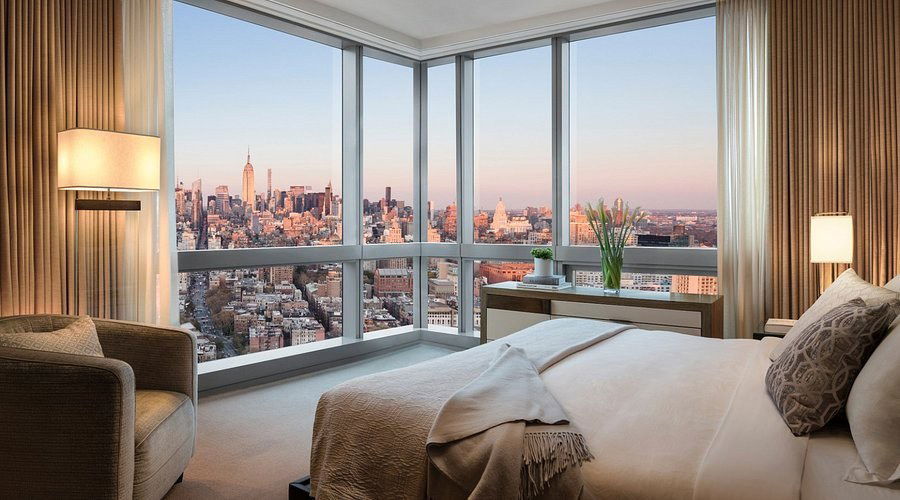
Luxurious and welcoming with modern decor, spacious clean rooms, adjustable lighting, soundproofing, and breathtaking city views.
Tags
Vibe
Best For
Experience
Amenities
View
Accessibility
About the Stay
- Rooms
- 391
- Property Style
- Luxury Urban Hotel with Fendi Casa Furnishings and Artful Design.
- Design Style
- Modern Luxury with Stylish Fendi Casa Furnishings, Marble Bathrooms, and Floor to Ceiling Windows.
Know before you go
Know Before You Go
- Getting there
- 246 Spring St, New York, NY 10013
Planning details
Location
Recognition and awards



Also consider
Where to look if this is not available
If rates climb or dates are tight, check ModernHaus SoHo first for a nearby design-led stay. For a more value-conscious SoHo base, Arlo SoHo is the cleaner fallback.
Hotel context
How it compares
Arlo SoHo is the value-minded alternative: choose it when the room is mostly a sleep base and the trip is built around walking, dining, and downtown plans. The Dominick is the stronger choice when the room itself needs to carry the stay, especially for celebrations or business travelers who want more comfort between appointments.
ModernHaus SoHo is the closest design-hotel cross-shop, while Soho Grand Hotel works better for travelers who want a classic downtown social-hotel feel. Pick ModernHaus for a sharper contemporary SoHo mood, Soho Grand for neighborhood energy, and The Dominick for a more full-service luxury read.
Hotel Barrière Fouquet's New York is the more obvious competitor for a high-spend special occasion, particularly if a quieter Tribeca-leaning atmosphere is the goal. tenoverten SoHo is not a true hotel substitute in the same way; use it as a nearby grooming add-on rather than a lodging comparison.
Explore New York City
Around this place
Discover more on Pearl
Unlock the full The Dominick guide in Pearl, including awards, comparisons, FAQs, planning details, and nearby places.
Compare The Dominick
| Venue | Location | Awards |
|---|---|---|
| The Dominick | New York City | 2026 Forbes 4-Star2026 Virtuoso Luxury Hotel Collection2026 La Liste Top Hotels2025 Michelin Selected Hotels2025 Forbes 4-Star2025 AAA 5 Diamond HotelPreferred Hotels Member 2025 |
| Arlo SoHo | New York City | No published awards |
| ModernHaus SoHo | New York City | 2025 Michelin Selected HotelsPreferred Hotels Member 2025 |
| Soho Grand Hotel | New York City | No published awards |
| Hotel Barrière Fouquet's New York | New York City | 100 Most Incredible Hotels in the World · 20262026 Virtuoso Luxury Hotel Collection2025 Michelin 2 Keys2024 Michelin 2 Keys |
| tenoverten SoHo | New York City | No published awards |


How The Dominick New York City compares with similar nearby venues.
FAQ
Frequently Asked Questions
Is The Dominick good for business travel?
It can be a good candidate for business travelers who want a recognized New York City hotel, especially given its AAA 5 Diamond, Forbes 4-Star, Preferred Hotels, Virtuoso, MICHELIN Guide Hotels, and La Liste Top Hotels recognition.
Do loyalty programs work at The Dominick?
The hotel is a Preferred Hotels Member, which may matter for travelers who value partner-hotel recognition. For any loyalty benefits, rates, or status handling, confirm directly through the booking channel or the hotel's official channels.
When is the best time to book The Dominick?
If your dates are important, compare current availability and rates against Soho Grand Hotel and ModernHaus SoHo before locking in.
How does The Dominick compare to other hotels?
Choose The Dominick when its confirmed recognition matters to you: Preferred Hotels Member, AAA 5 Diamond, Forbes 4-Star, Virtuoso Luxury Hotel Partner, MICHELIN Guide Hotels selection, and a 90-point La Liste Top Hotels listing. Arlo SoHo, Soho Grand Hotel, ModernHaus SoHo, and Hotel Barrière Fouquet's New York are other New York City options to compare based on your own dates and priorities.