

Hotel Monteleone
French Quarter, New Orleans
Hotel in New Orleans, United States
 Book with Pearl
The Read
Literary-Landmark Hospitality
Why go
Hotel Monteleone is worth booking if the priority is a central French Quarter stay with heritage character and easy walking logistics. It suits families who want quick room breaks between meals, shops, and sightseeing, but travelers seeking a quieter neighborhood or a newer design-led hotel should cross-shop nearby options.
About Hotel Monteleone
Hotel Monteleone is a New Orleans hotel with a smart casual dress code and recognition from Preferred Hotels L.V.X. Collection (2025) and Forbes Recommended (2026). Travelers should check the hotel directly for current on-property dining, bar, room, amenity, and service details.
The best reason to keep Hotel Monteleone on a shortlist is direct: it is a recognized New Orleans hotel, and it can be compared with other established stays in the city depending on the style of trip. For current availability, amenities, room categories, and policies, verify details through the hotel's official channels before booking.
A New Orleans base with recognition
Book this if the priority is staying at Hotel Monteleone specifically, or if confirmed hospitality recognition matters in the decision. The credentials are Preferred Hotels L.V.X. Collection (2025) and Forbes Recommended (2026). The dress code is smart casual.
For details about dining, bar service, family amenities, transportation, room count, pricing, or specific neighborhood positioning, confirm those points before relying on them. Travelers comparing broader options can also use the full New Orleans hotels guide.
Who should book it, and who should cross-shop
Choose Hotel Monteleone if its recognition and New Orleans setting match the trip. Cross-shop The Ritz-Carlton, New Orleans, One11 Hotel, Hotel de la Poste - French Quarter, A Renaissance Hotel, The Saint Hotel, New Orleans, French Quarter, Autograph Collection, and Loft 523 if you want to compare different New Orleans hotel options.
Dining should not be the deciding factor unless a traveler has already checked the current offering directly through the hotel's own channels. The safer read is to treat the hotel as the base, then plan meals from stronger category-specific research. For that, use the full New Orleans restaurants guide and the full New Orleans bars guide rather than assuming the stay itself will cover every food and drink need.
The verdict: consider Hotel Monteleone for a New Orleans stay with Preferred Hotels L.V.X. Collection and Forbes Recommended recognition. Confirm current amenities, dining, policies, and booking details directly before making it the final choice.
Inside Hotel Monteleone
Planning details
- Location
- 214 Royal St, New Orleans, LA 70130
- Website
- hotelmonteleone.com
- Phone
- +1 504-523-3341
The take
The Take
The Vibe
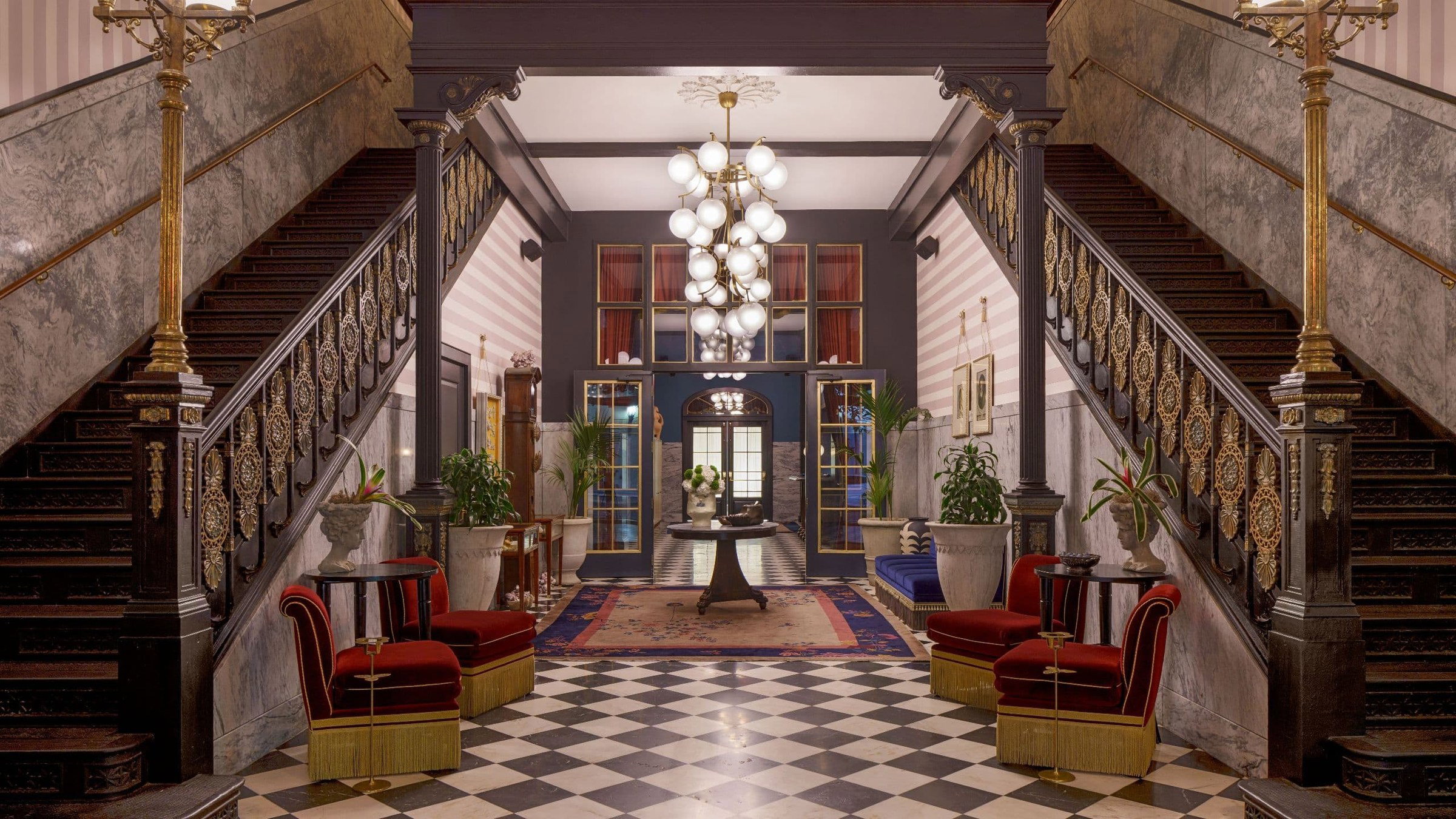
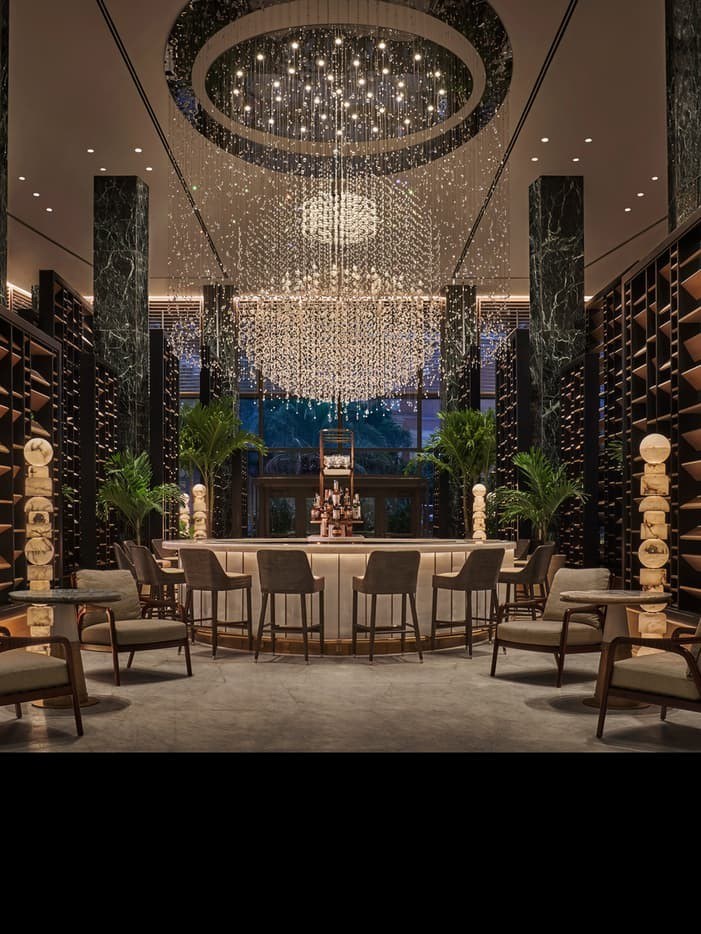
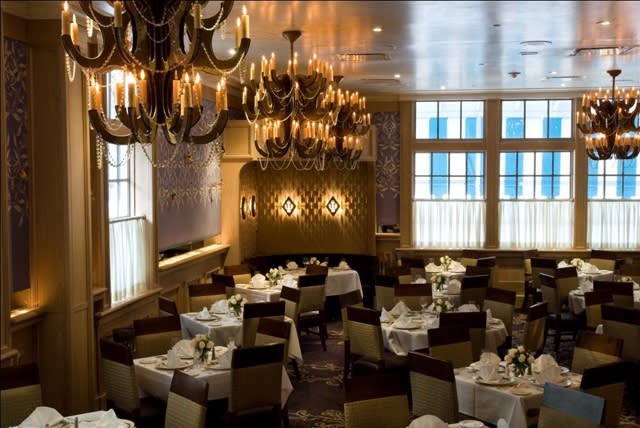
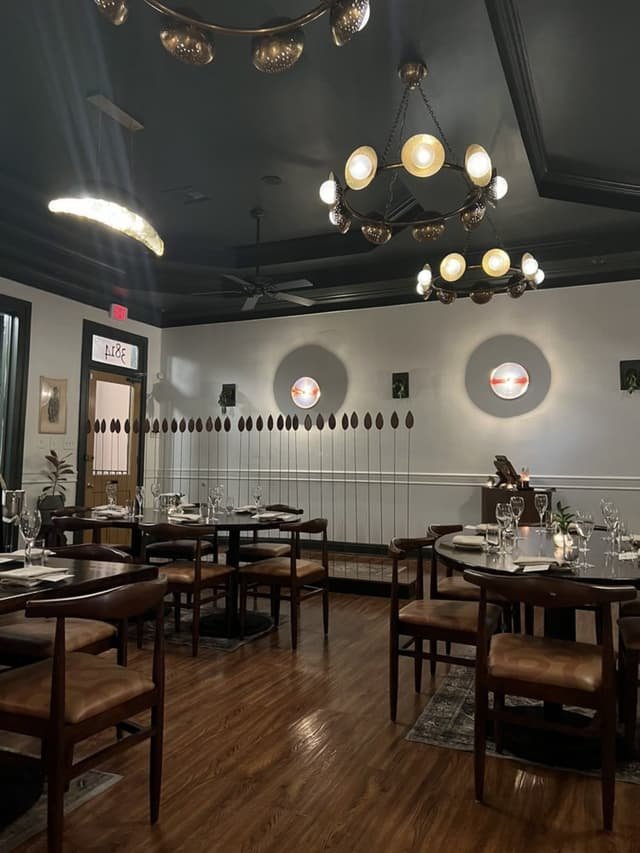
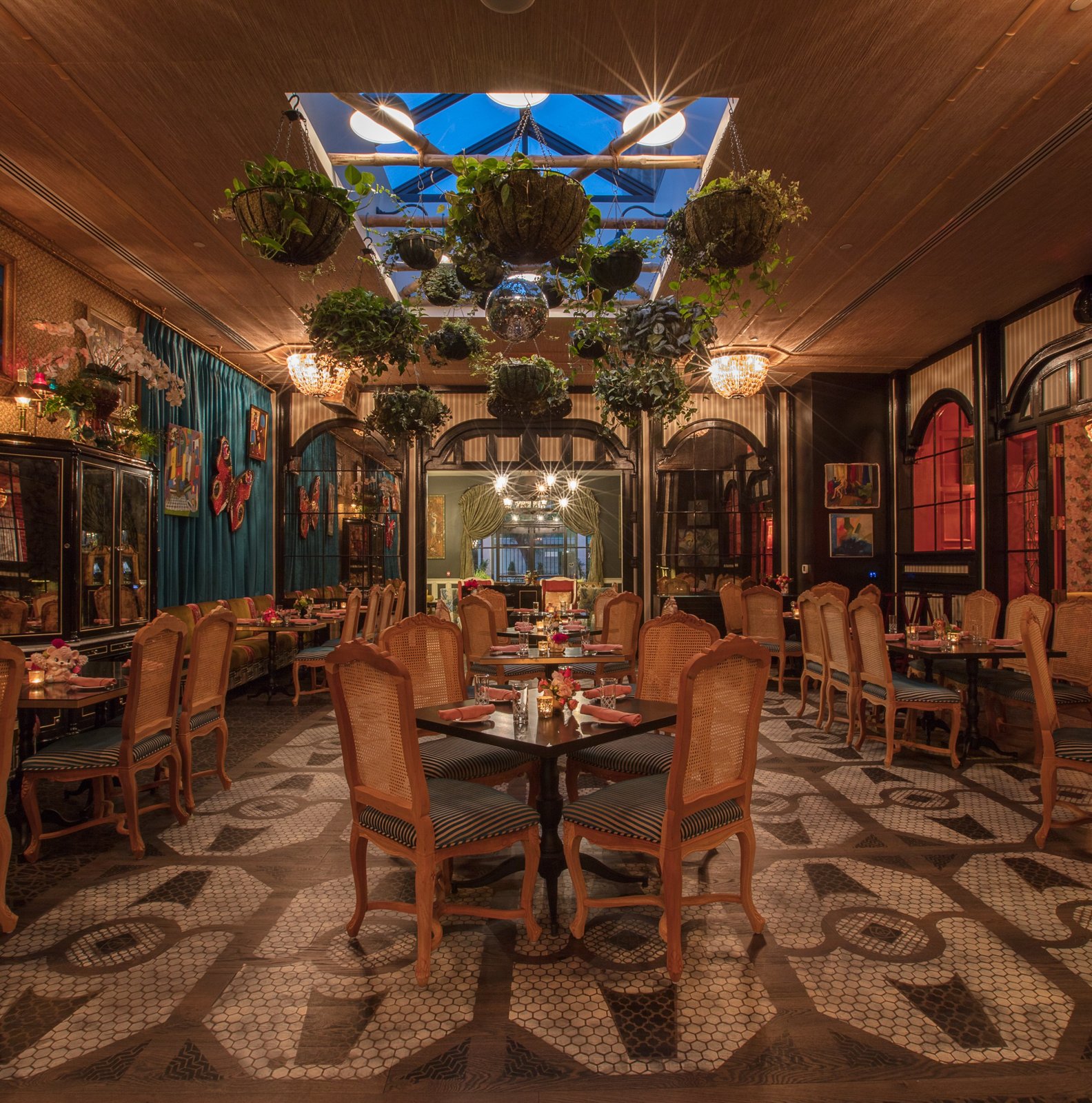
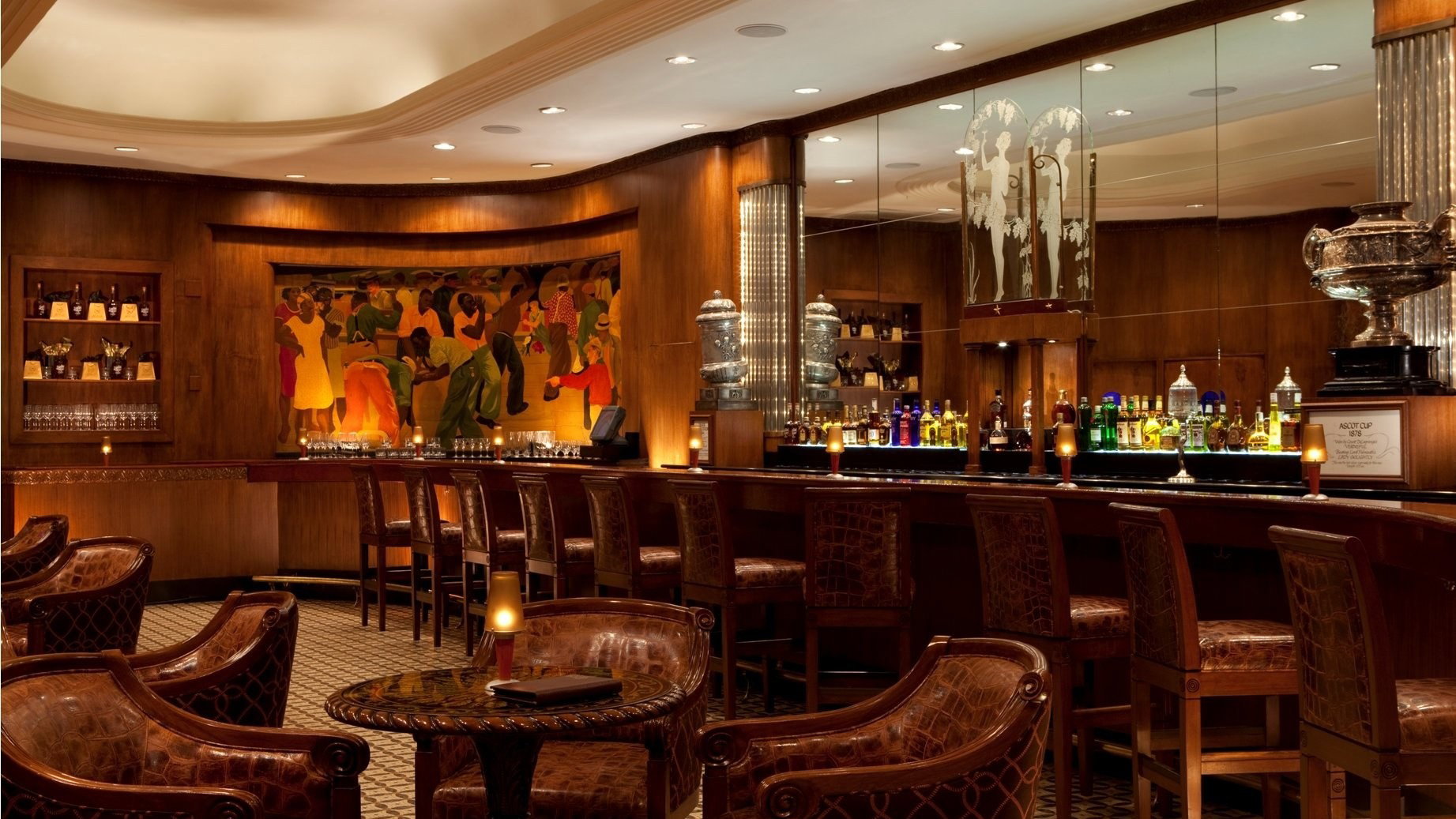
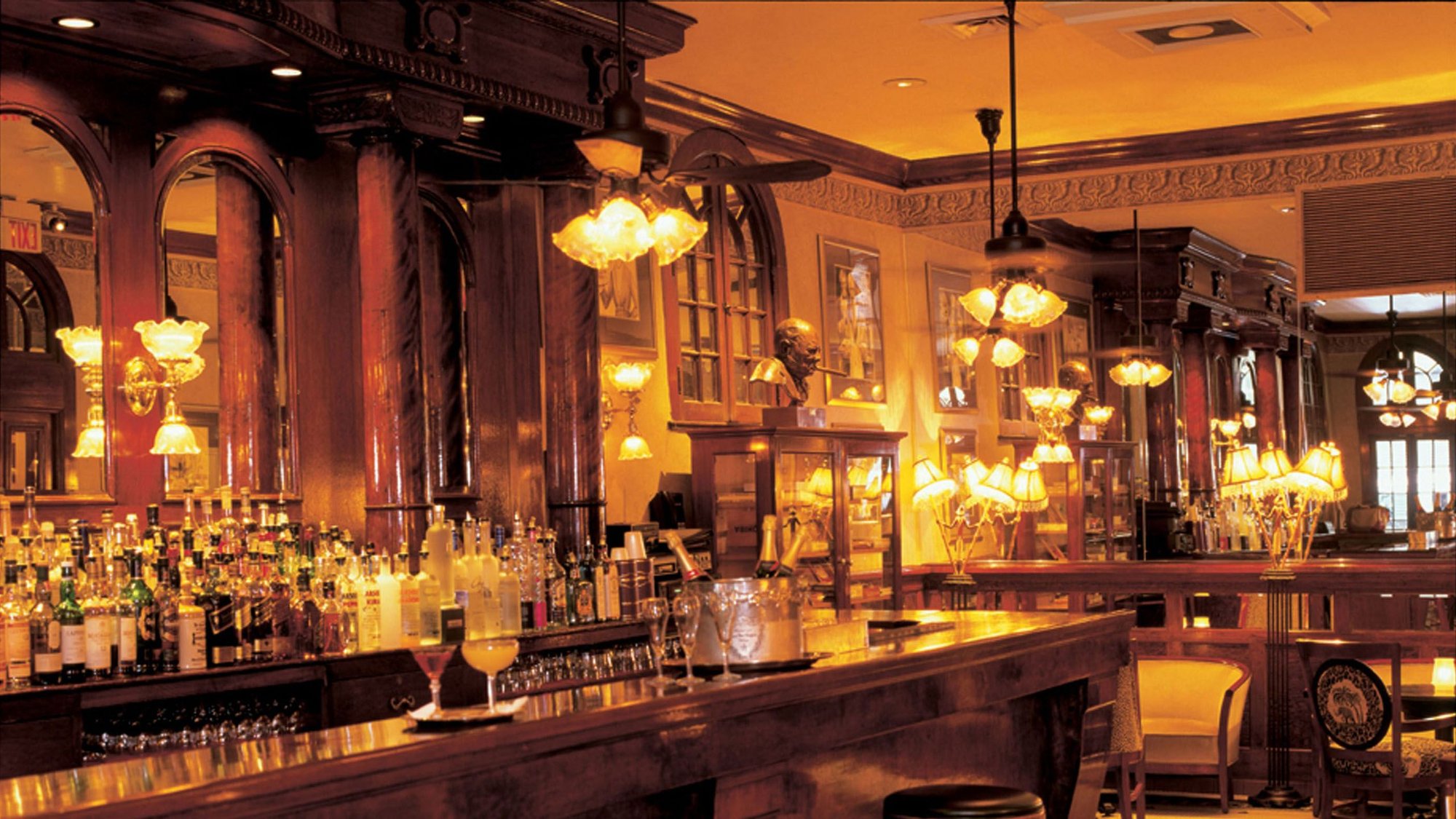
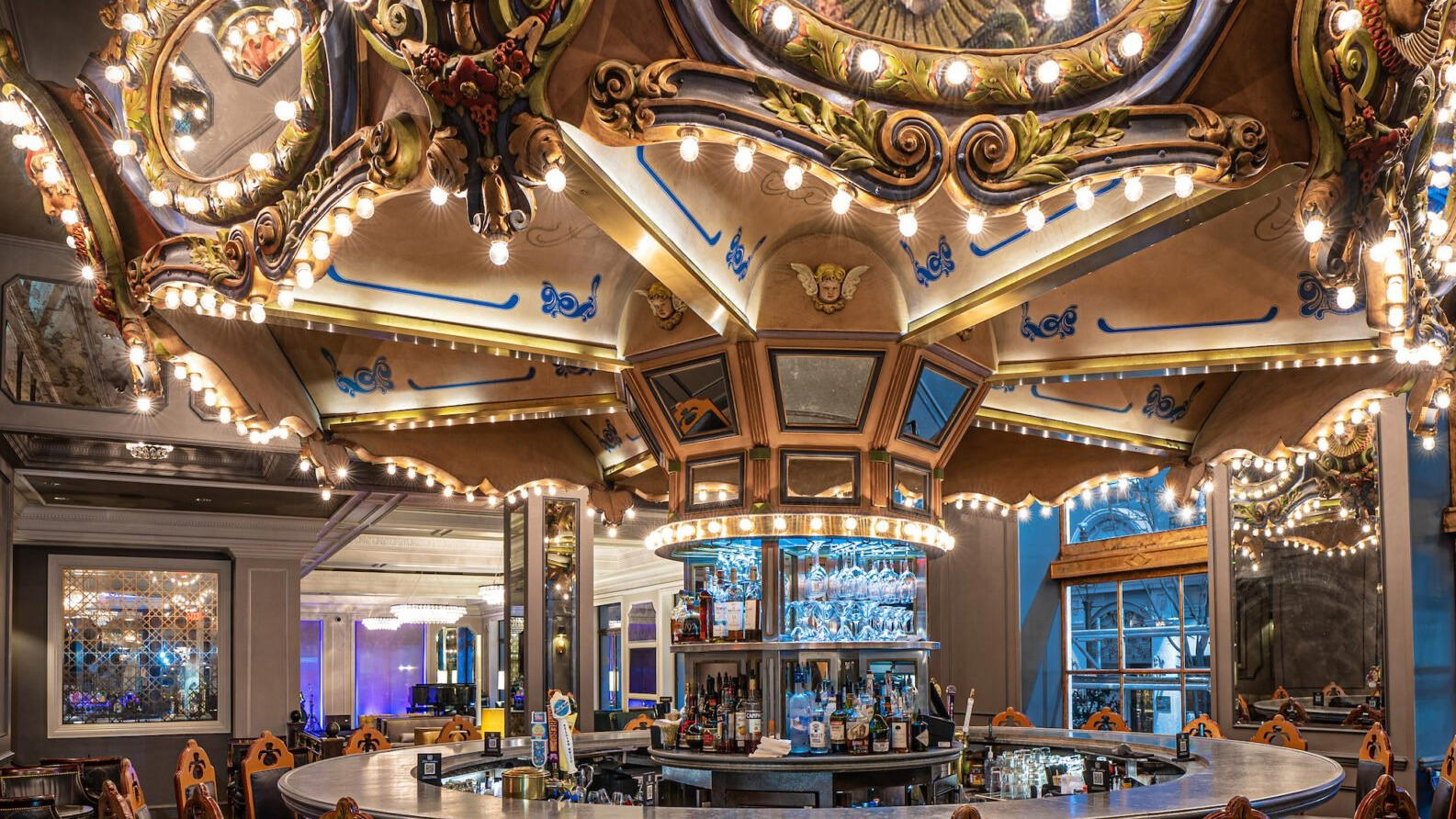
Hotel Monteleone reads like a monument to New Orleans hotel history: a grand-hotel prototype that predates the boutique conversion wave and occupies a Royal Street corner since 1886. Interiors favor an embroidered idea of Southern opulence — chandeliers, artwork and richly appointed public rooms — rather than minimalist restraint. The building’s rooftop sign and the surrounding French Quarter fabric of galleries and ironwork balconies reinforce a sense of tenure and place. The hotel feels storied and theatrical, a classic, historically rooted anchor in the Vieux Carré with public spaces that foreground atmosphere as much as service.
Best For
Monteleone suits travelers who want to be at the center of French Quarter life: couples seeking an atmospheric night out, visitors celebrating milestones, and business travelers who appreciate a grand, full‑service hotel. Its scale — hundreds of rooms and dozens of luxury suites — makes it a go-to for larger parties and events compared with smaller boutique properties. The hotel’s location on Royal Street places guests within easy walking distance of galleries, restaurants and nightlife, so it works well as a base for exploring the neighborhood between meetings or after evenings at the Carousel Bar.
Stay Tips
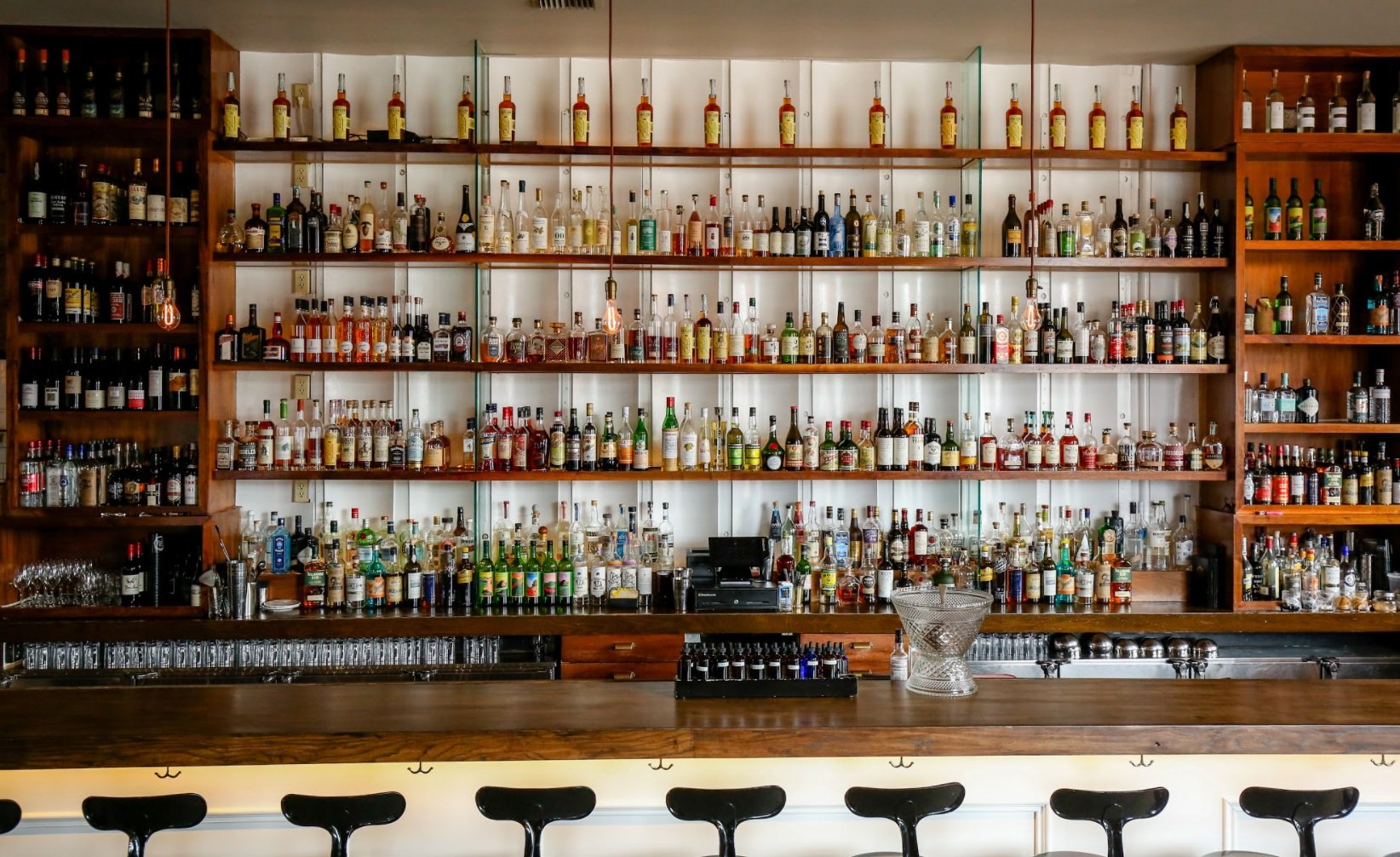
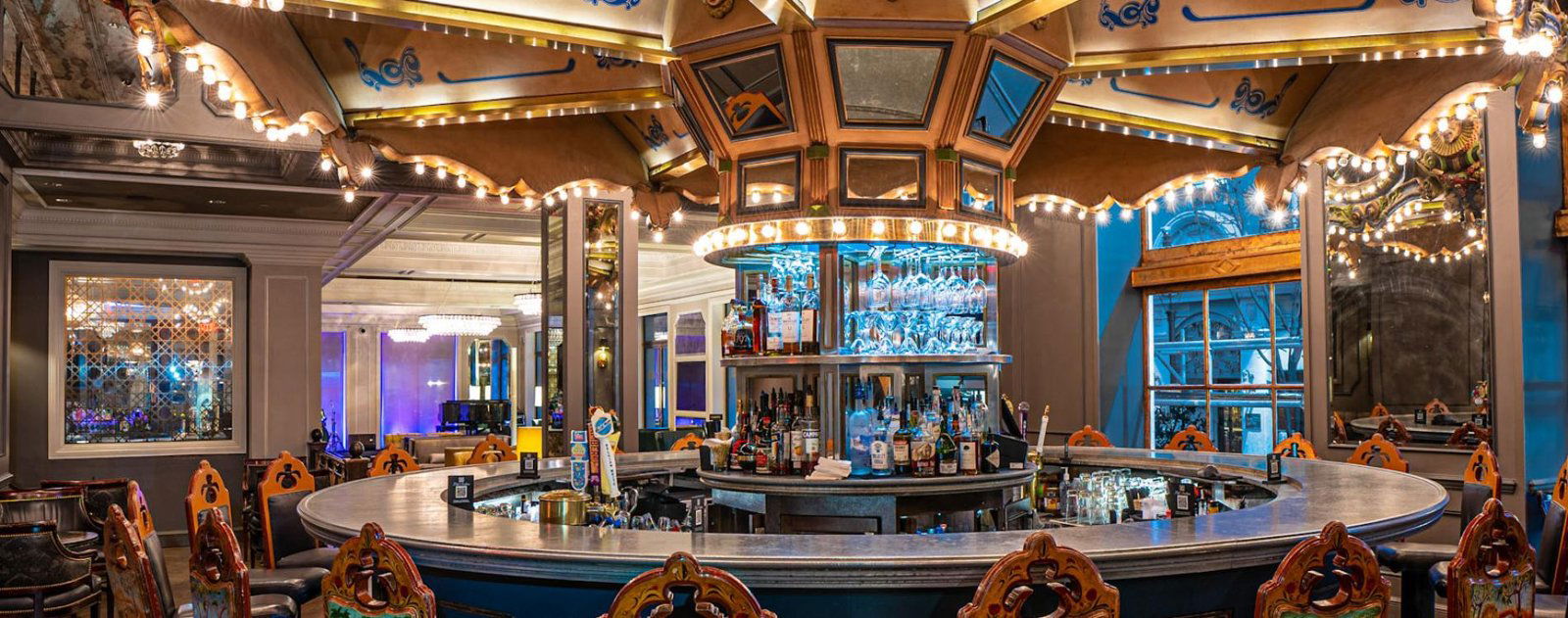
At the heart of Monteleone’s public life is the Carousel Bar, where the Vieux Carré cocktail was created; ordering that signature drink is a direct way to taste the hotel’s contribution to New Orleans cocktail history. Treat the bar as a cultural stop rather than just a place to grab a drink — the provenance of the Vieux Carré matters here. Beyond that, lean into the hotel’s atmosphere: cocktails and classic preparations fit the setting better than overly experimental options, given the property’s strong historical identity.
Venue details
Ambiance
Timeless elegance with grand historic charm, calming earth tones in rooms, and a lively yet sophisticated atmosphere in public spaces like the Carousel Bar.
Tags
Vibe
Best For
Experience
Amenities
View
Accessibility
About the Stay
- Rooms
- 570
- Check-in
- 16:00
- Check-out
- 11:00
- Property Style
- Historic Luxury Hotel Blending Southern Charm with Modern Comforts
- Design Style
- Classic with High Ceilings, Crown Molding, Marble Bathrooms, and Calming Earth Tones
Know before you go
Know Before You Go
- Getting there
- 214 Royal St, New Orleans, LA 70130
Planning details
Location
Recognition and awards

Also consider
Also Consider
- Hotel de la Poste - French Quarter, A Renaissance Hotel, Notable alternative
- The Ritz-Carlton, New Orleans, Notable alternative
- Loft 523, Notable alternative
- The Saint Hotel, New Orleans, French Quarter, Autograph Collection, Notable alternative
- One11 Hotel, Notable alternative
Hotel context
How Hotel Monteleone compares in the French Quarter
Hotel Monteleone is the practical pick for travelers who want a heritage French Quarter base with strong walkability and recognized hospitality credentials. The Ritz-Carlton, New Orleans is the better cross-shop for guests who want a more formal luxury experience and deeper service expectations, while Hotel Monteleone makes more sense when Royal Street access and old-line New Orleans atmosphere matter more than a larger luxury-hotel feel.
Hotel de la Poste - French Quarter, A Renaissance Hotel and The Saint Hotel, New Orleans, French Quarter, Autograph Collection are useful comparisons for travelers who want a branded French Quarter stay and may be weighing loyalty-program value. Hotel Monteleone is the stronger choice if the trip calls for a more established local-hotel feel; those two are worth checking when rate, brand familiarity, or a specific room category prices better.
Loft 523 is the better fit for travelers who want a smaller, more design-forward downtown stay, while One11 Hotel works well for guests who prefer the riverfront side of the city. For families and first-time New Orleans visitors, Hotel Monteleone remains the safer central choice when walking access is the main value driver and booking early is realistic.
Explore New Orleans
Around this place
Discover more on Pearl
Unlock the full Hotel Monteleone guide in Pearl, including awards, comparisons, FAQs, planning details, and nearby places.
Compare Hotel Monteleone
| Venue | Location | Awards |
|---|---|---|
| Hotel Monteleone | New Orleans | 2026 Forbes Recommended2025 Forbes RecommendedPreferred Hotels L.V.X. Collection 2025 |
| Hotel de la Poste - French Quarter, A Renaissance Hotel | New Orleans | No published awards |
| The Ritz-Carlton, New Orleans | New Orleans | 2026 Virtuoso Luxury Hotel Collection2026 Forbes 4-Star2026 La Liste Top Hotels2025 Michelin Selected Hotels |
| Loft 523 | New Orleans | No published awards |
| The Saint Hotel, New Orleans, French Quarter, Autograph Collection | New Orleans | No published awards |
| One11 Hotel | New Orleans | No published awards |



How Hotel Monteleone New Orleans compares with similar nearby venues.
FAQ
Frequently Asked Questions
How is the location of Hotel Monteleone?
How does Hotel Monteleone compare to other hotels?
Hotel Monteleone can be compared with The Ritz-Carlton, New Orleans, One11 Hotel, Hotel de la Poste - French Quarter, A Renaissance Hotel, The Saint Hotel, New Orleans, French Quarter, Autograph Collection, and Loft 523 when choosing among New Orleans hotel options. Check each property's current amenities, rates, and policies before deciding.
When is the best time to book Hotel Monteleone?
Book when the property's current availability, rate, and policies fit your trip. Hotel Monteleone has recognition from Preferred Hotels L.V.X. Collection (2025) and Forbes Recommended (2026).