


Taj Mahal, New Delhi
Lutyens' Delhi, New Delhi
Hotel in New Delhi, India
 Book with Pearl
The Read
Mughal-Modern Statecraft
Why go
Taj Mahal, New Delhi is worth booking if you want a central, formal luxury-hotel stay backed by Michelin 1 Key recognition, Travel + Leisure ranking, and Virtuoso partner status. Value is strongest for business travel, first-time New Delhi stays, or short trips where location and atmosphere justify the premium; price-sensitive travelers should compare nearby peers before committing.
About Taj Mahal, New Delhi
Is Taj Mahal, New Delhi worth booking? It may be if the priority is a recognized hotel stay in New Delhi with clear third-party credentials. The signals are direct: Michelin 1 Key recognition in 2025, a Travel + Leisure 100 Favorite Hotels in the World placement in 2025, and Virtuoso Luxury Hotel Partner status for 2026. If the goal is simply the lowest-friction or lowest-cost base, compare carefully before booking.
A New Delhi hotel with recognition
The location detail is New Delhi. Specific street, neighborhood, landmark, and access claims should be checked directly with the hotel or booking channel before making plans around them.
The most grounded way to frame the stay is as a hotel choice with external recognition rather than as a niche or boutique pick. The dress code is smart casual, so guests should plan around that standard where it applies.
Where the recognition helps justify the spend
Trust signal is unusually clear: Michelin 1 Key in 2025, Travel + Leisure 100 Favorite Hotels in the World #30 in 2025 with 98.6 points, and Virtuoso Luxury Hotel Partner status for 2026. Those credentials help place Taj Mahal, New Delhi in a stronger comparison set for travelers who want outside validation before choosing a New Delhi hotel.
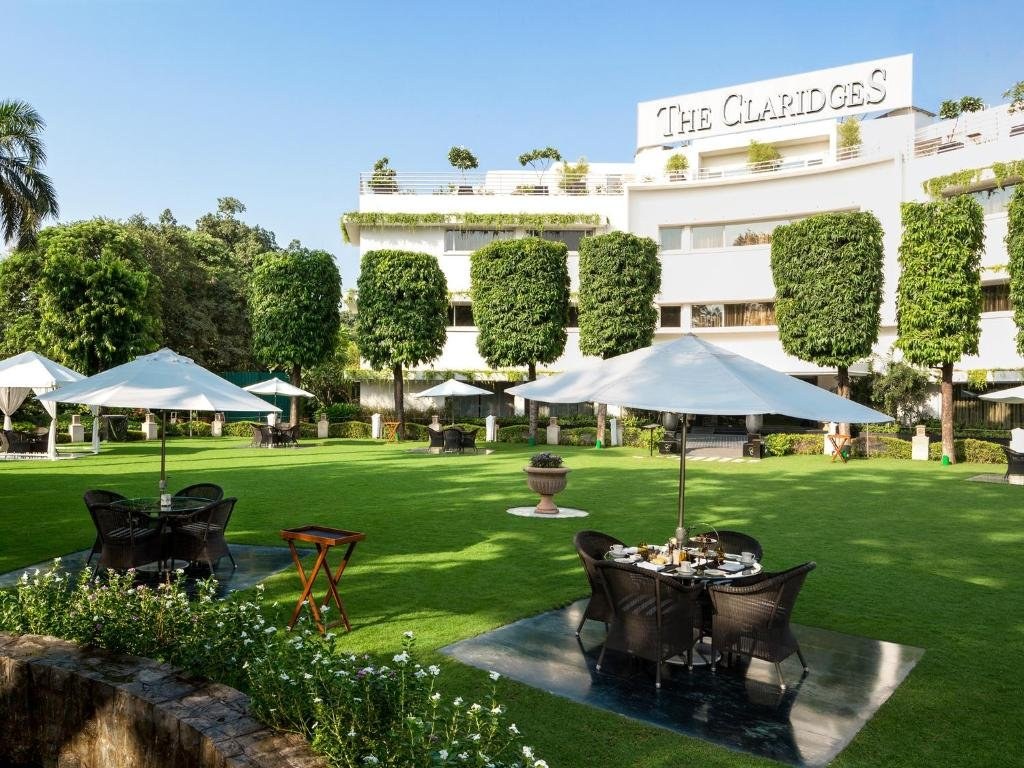
That said, value still depends on the rate, dates, and what the stay needs to accomplish. If you are comparing options in New Delhi, consider Ambassador, New Delhi - IHCL SeleQtions and The Claridges New Delhi. If the trip is a broader premium-hotel cross-shop, also look at The Oberoi, New Delhi and The Lodhi.
Book for strengths, not unconfirmed details
The safest way to evaluate Taj Mahal, New Delhi is to rely on what: New Delhi location, smart casual dress code, and the confirmed hotel recognition above. For any operational details, inclusions, dining specifics, or timing questions, confirm directly with the hotel before booking. For a broader scan of the city, use Our full New Delhi hotels guide; for dining around the stay, pair it with Our full New Delhi restaurants guide and Our full New Delhi bars guide.
Quick reference: book this for a credentialed New Delhi hotel stay with confirmed recognition; cross-shop if price, terms, or a different style of property matters more.
Part of
Taj Hotels52 locations on PearlInside Taj Mahal, New Delhi
Planning details
- Location
- Taj Mahal, New Delhi Number 1, South Block, Man Singh Road Area, New Delhi, Delhi 110011
- Website
- tajhotels.com/en-in/hotels/taj-mahal-new-delhi
- Phone
- +91 11 6656 6162
The take
The Take
The Vibe
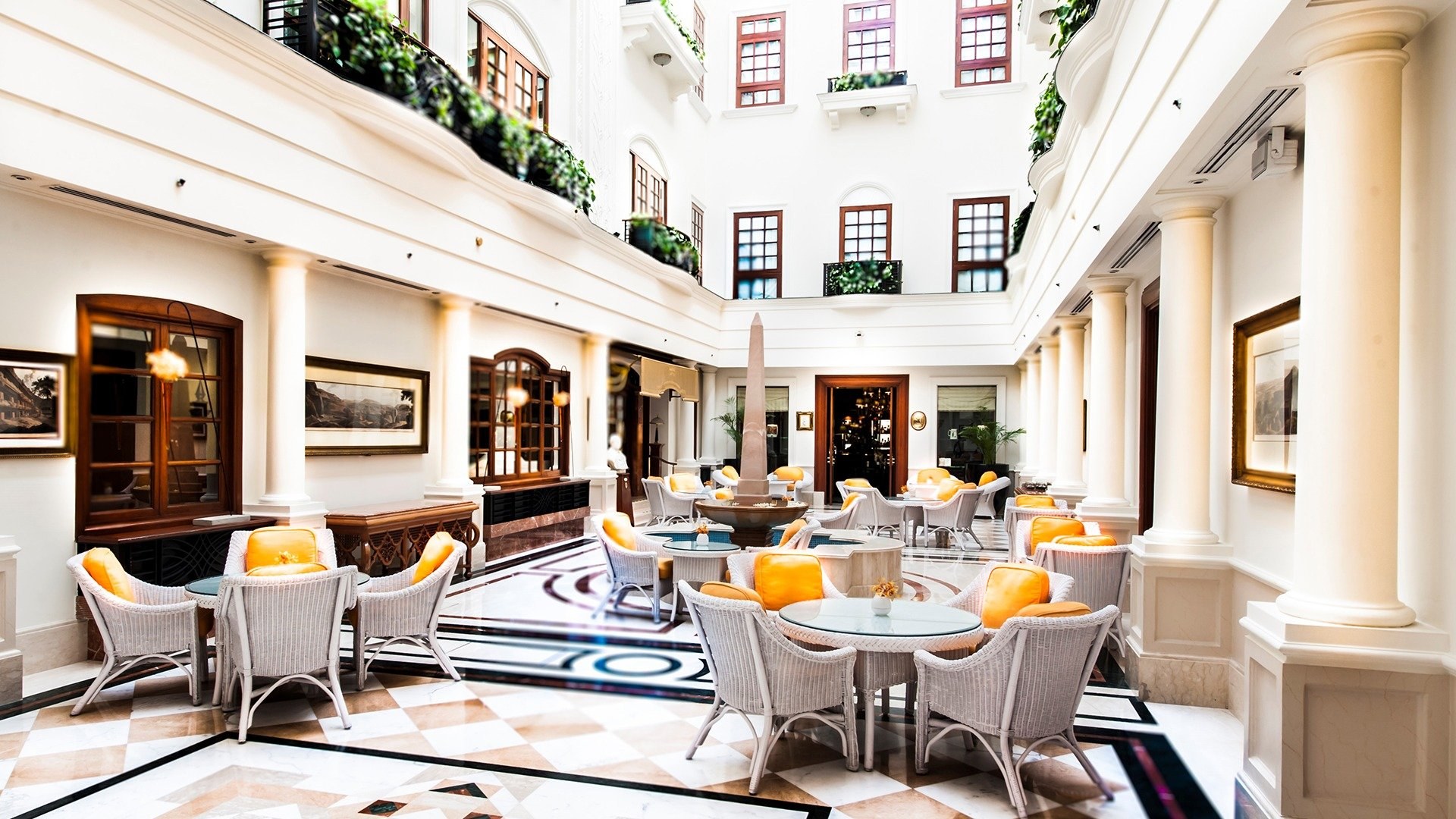
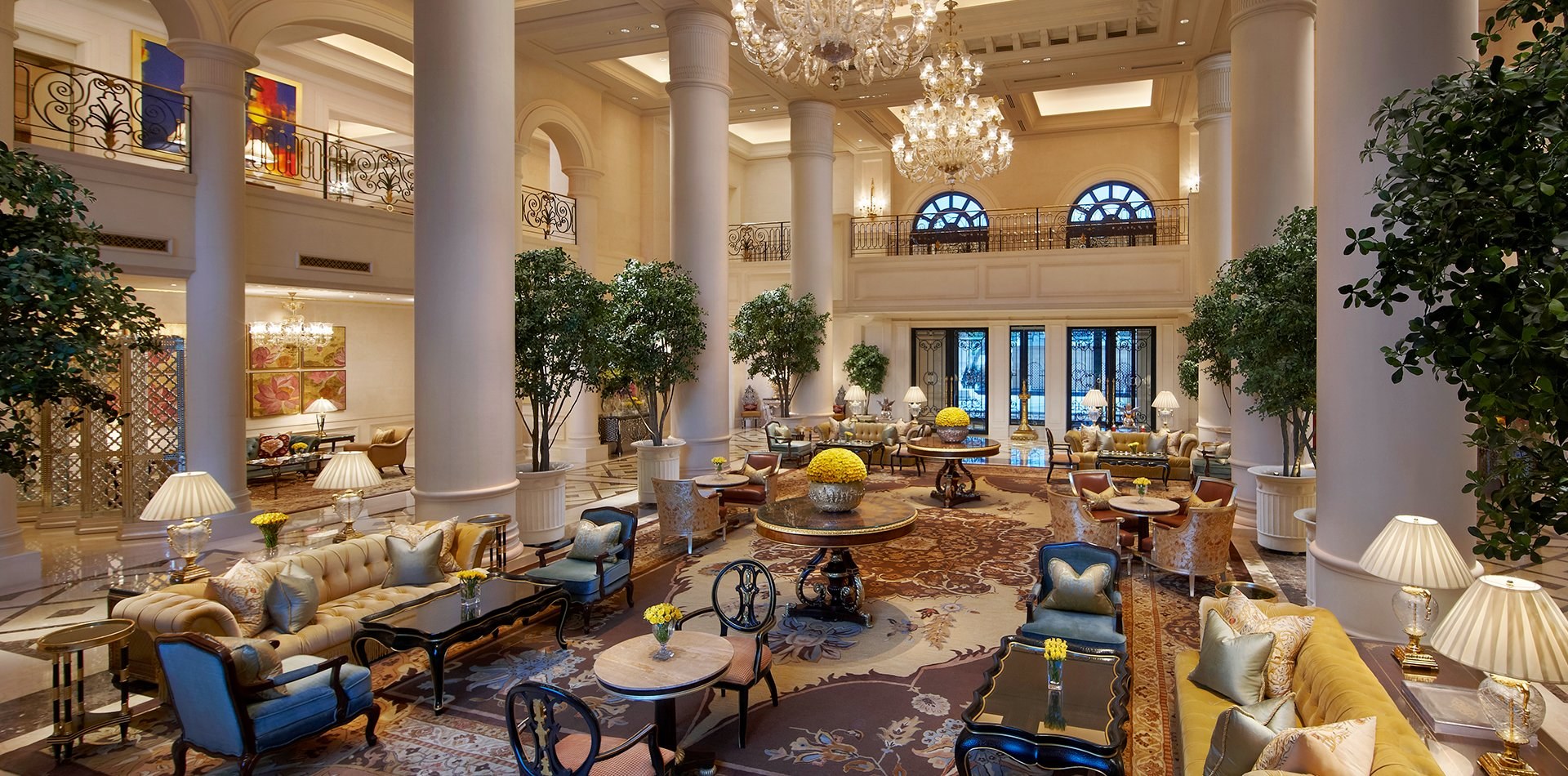
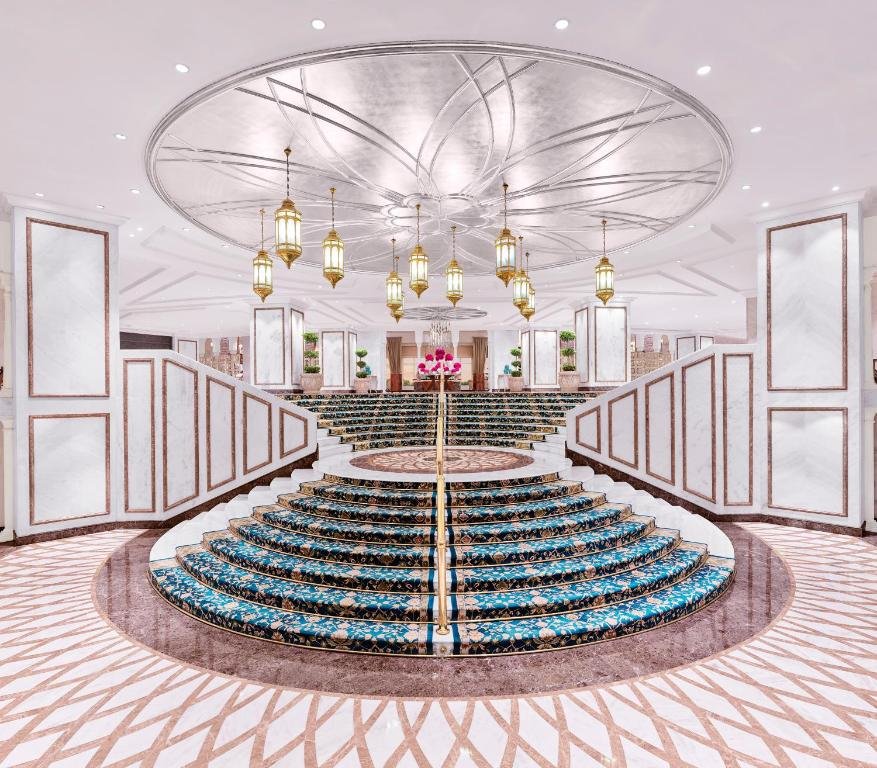
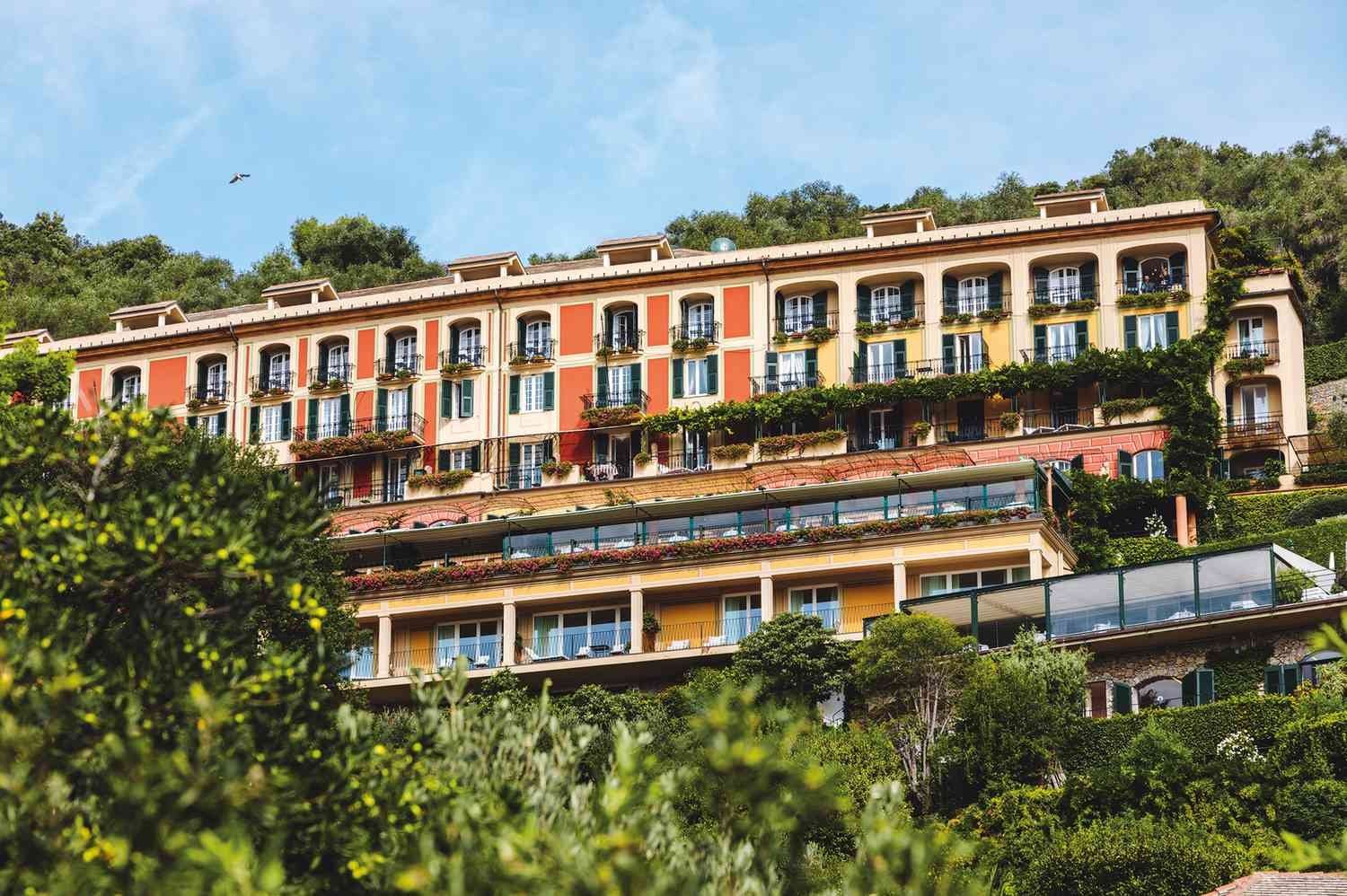
The Taj Mahal, New Delhi leans on Lutyens' architectural grammar to read as quietly authoritative and historically grounded. The renovation preserves the building's formal character while upgrading infrastructure, so the hotel carries the weight of its colonial-era provenance without feeling museum‑bound. A dense tree canopy and the ordered boulevards of Lutyens' Delhi give the property a measured calm; interiors and suites reference palatial traditions, creating an old‑world dignity that reads as classic and serene rather than flashy. Overall the hotel presents a dignified, historic presence suited to guests who expect formality and composure in the heart of the capital.
Best For
This is a natural fit for travelers on business trips and for official delegations—the hotel’s long relationship with visiting heads of state and senior dignitaries makes it well‑suited to protocol‑minded stays and business dinners. It also works for couples seeking a refined romantic getaway or milestone anniversaries, thanks to its suite hierarchy and stately ambiance. The calm streets and leafy outlook around the property make for a restful base in a busy city, so guests seeking a composed, upscale hospitality experience gravitate here.
Stay Tips
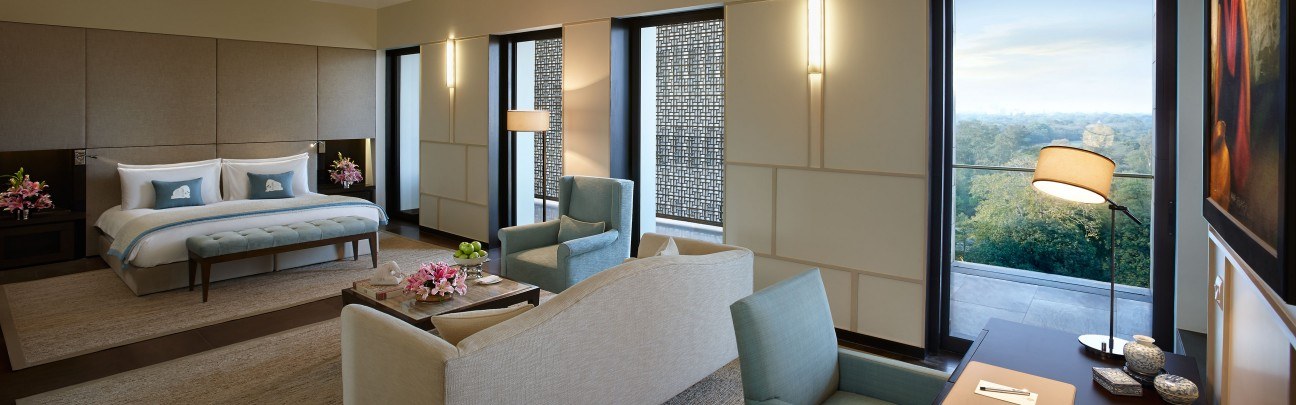
When booking, request an upper‑floor room or a named Signature Suite to secure the most notable sightlines; the description specifically notes views from upper floors over the Lutyens grid toward Rashtrapati Bhavan. Choose from the suite hierarchy if you want distinct decorative identities—the Signature Suites carry regional and international references (Rambagh, Maharaja, Tanjore, Versailles) and the Lutyens' Grand Presidential Suite occupies the top tier. Note that the property has been fully renovated and now features building‑wide air purification systems, so prioritize renovated room categories if indoor air quality is important to you.
Venue details
Ambiance
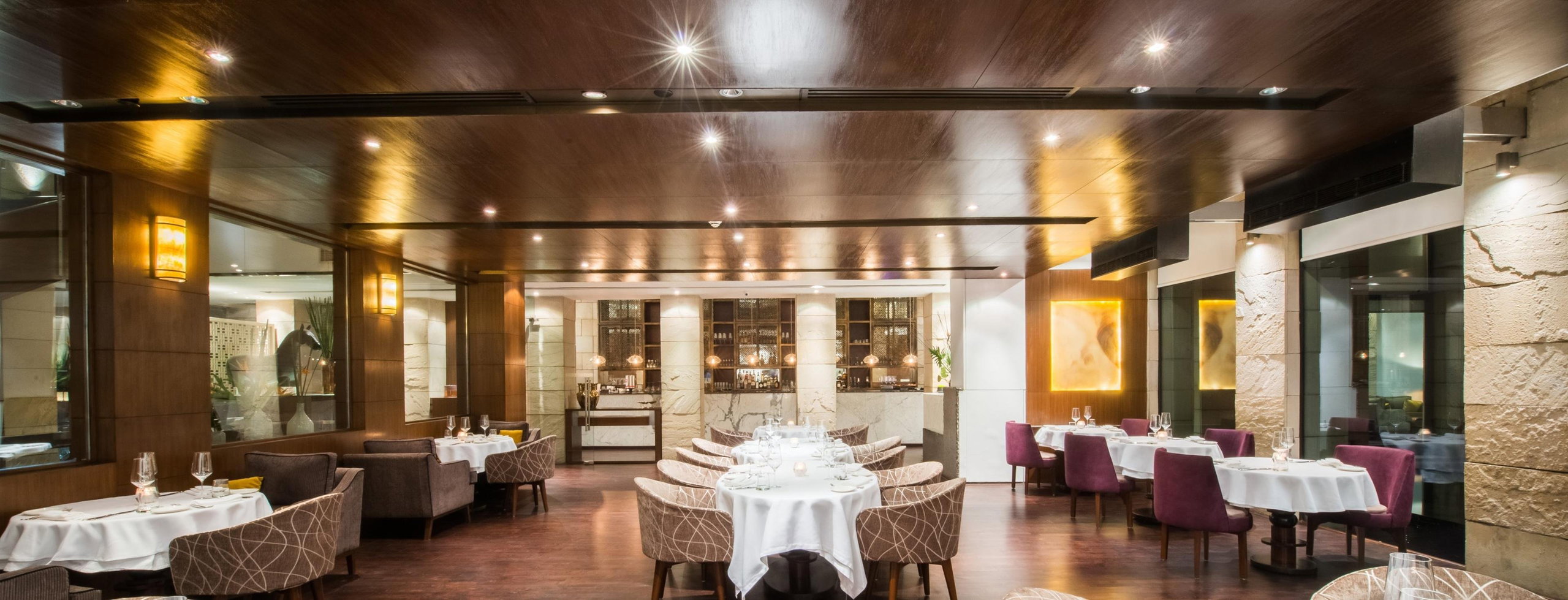
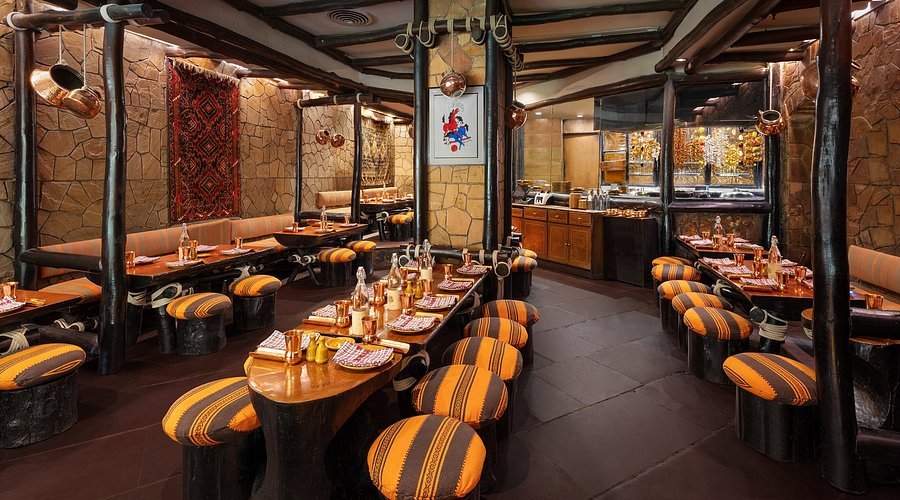
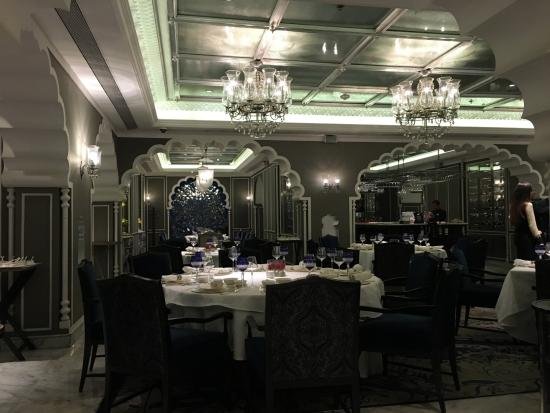
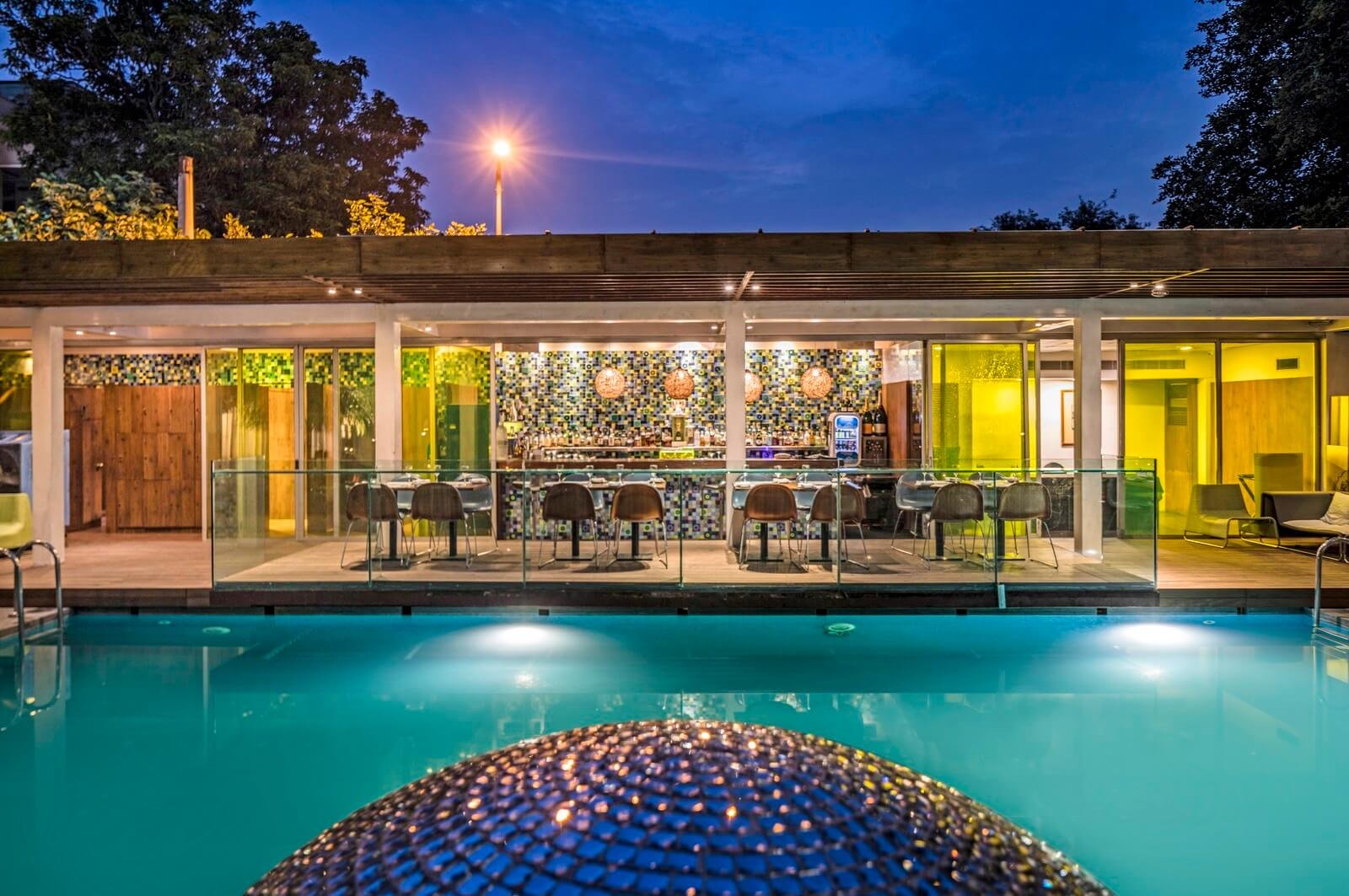
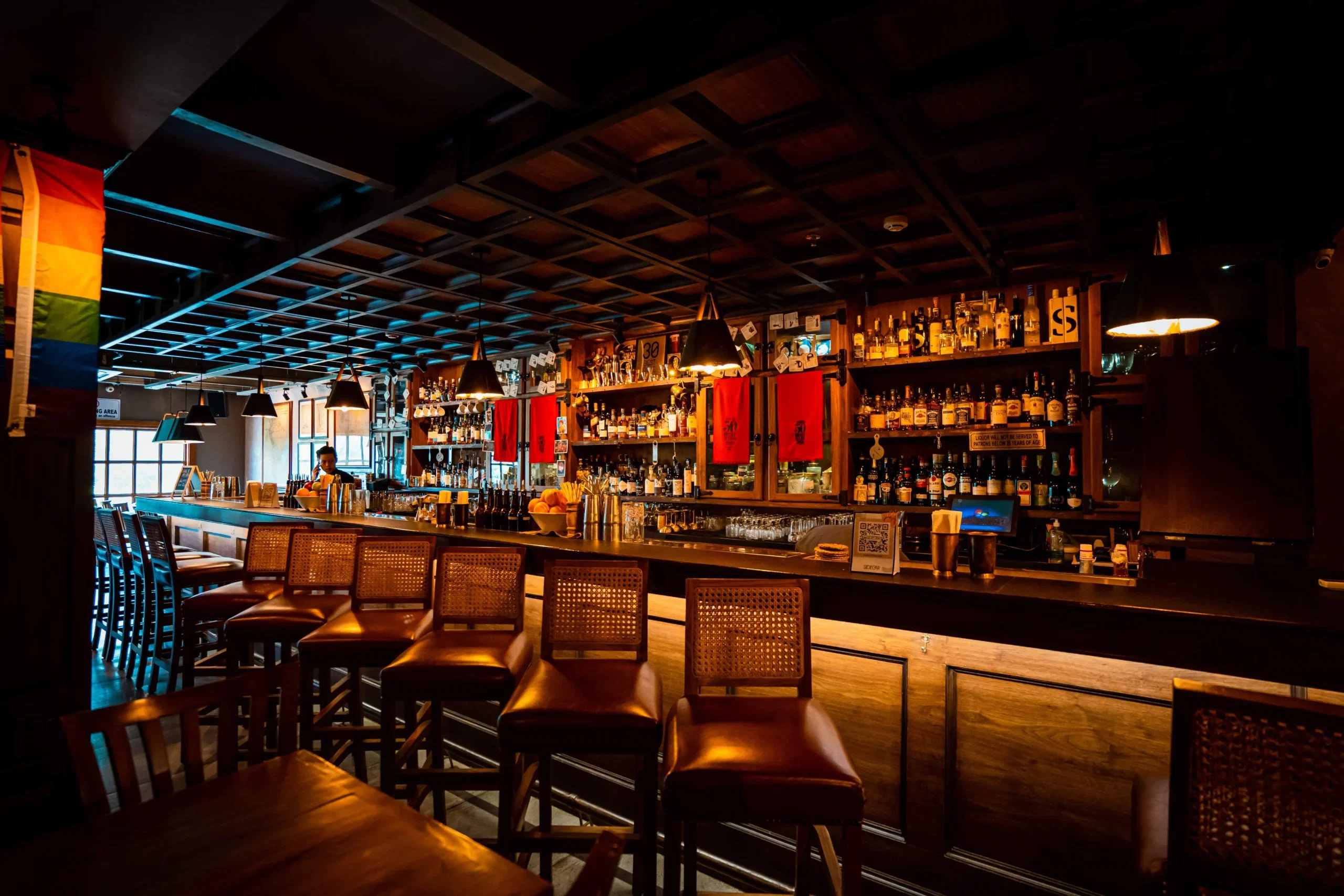
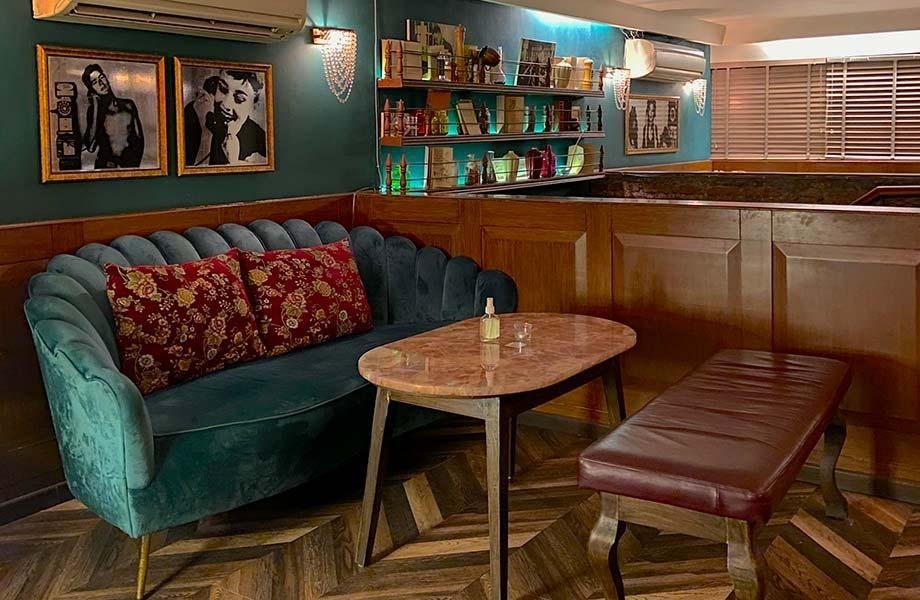
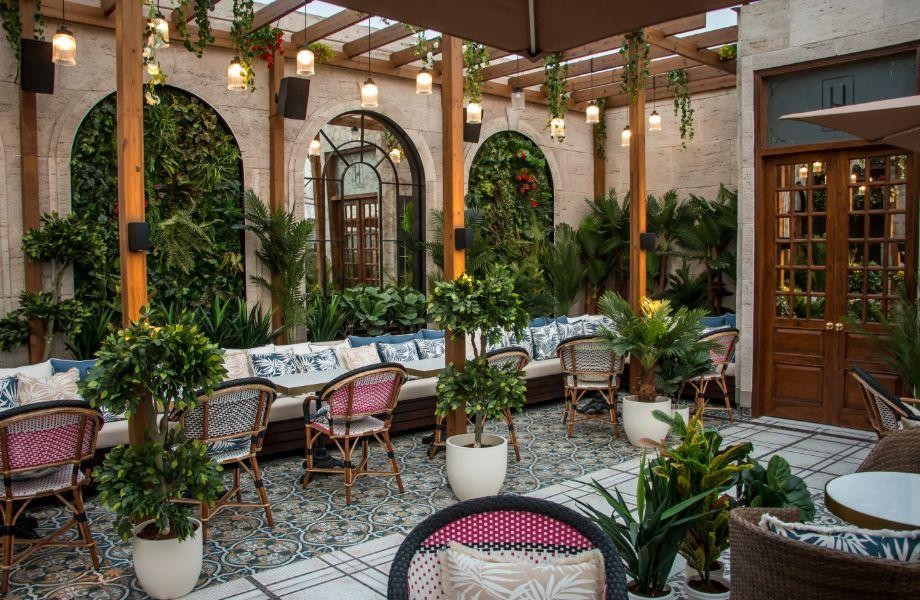
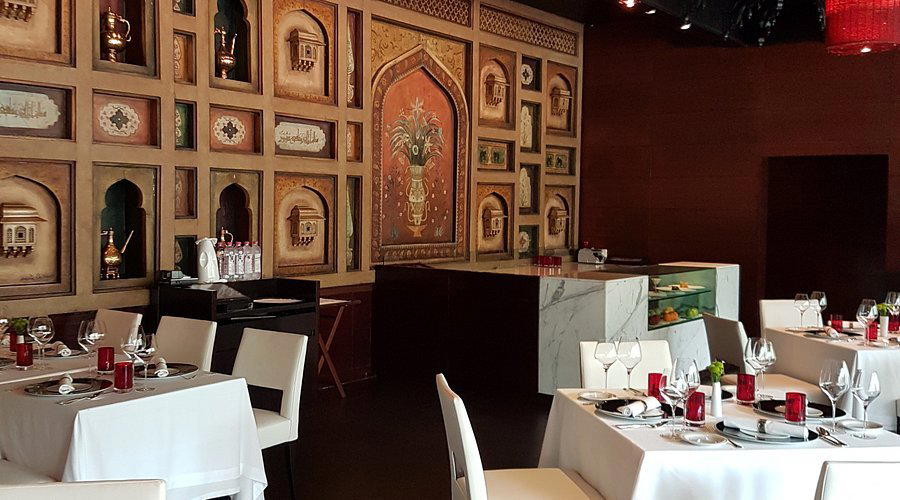
Elegant and regal with warm lighting, spacious clean rooms, and an overall sophisticated hospitality-focused atmosphere.
Tags
Vibe
Best For
Experience
Amenities
View
About the Stay
- Rooms
- 0
- Property Style
- Classic Luxury Heritage Property with Modern Amenities
- Design Style
- Elegant Opulent Interiors Blending Heritage and Contemporary Luxury
Know before you go
Know Before You Go
- Getting there
- Taj Mahal, New Delhi Number 1, South Block, Man Singh Road Area, New Delhi, Delhi 110011
Planning details
Location
Taj Mahal, New Delhi Number 1, South Block, Man Singh Road Area, New Delhi, Delhi 110011 · Directions


Also consider
Also Consider
- Ambassador, New Delhi - IHCL SeleQtions, Notable alternative
- The Claridges New Delhi, Notable alternative
- The Oberoi, New Delhi, Notable alternative
- Shangri-La's Eros Hotel, New Delhi, Notable alternative
- The Lodhi, Notable alternative
Hotel context
How it compares with New Delhi peers
Against Ambassador, New Delhi - IHCL SeleQtions and The Claridges New Delhi, Taj Mahal, New Delhi is the more credential-led choice. Book it when recognition, a central formal setting, and a luxury-hotel atmosphere matter more than squeezing the rate. Choose Ambassador or The Claridges when the trip is more price-sensitive and the hotel is mainly a base.
Compared with The Oberoi, New Delhi and The Lodhi, the decision is less about whether to spend and more about what kind of luxury stay fits. Taj Mahal, New Delhi is the safer pick for a central, formal, recognition-backed stay. The Oberoi and The Lodhi are the stronger cross-shops for travelers who want to compare the city's higher-end hotel experience before locking in.
Shangri-La's Eros Hotel, New Delhi is the practical alternative to check when booking pressure is high or rates move out of range. Taj Mahal, New Delhi is harder to justify for a purely functional trip, but easier to defend when the hotel's atmosphere, address, and third-party recognition are part of the value.
Explore New Delhi
Around this place
Discover more on Pearl
Unlock the full Taj Mahal, New Delhi guide in Pearl, including awards, comparisons, FAQs, planning details, and nearby places.
Compare Taj Mahal, New Delhi
| Venue | Location | Awards |
|---|---|---|
| Taj Mahal, New Delhi | New Delhi | 2026 Virtuoso Luxury Hotel Collection2025 Travel + Leisure 100 Favorite Hotels in the World · #30Michelin 1 Key 20252025 Michelin 1 Key |
| Ambassador, New Delhi - IHCL SeleQtions | Delhi | No published awards |
| The Claridges New Delhi | New Delhi | 2025 Michelin Selected HotelsPreferred Hotels L.V.X. Collection 2025 |
| The Oberoi, New Delhi | New Delhi | 2026 Virtuoso Luxury Hotel Collection2026 La Liste Top Hotels |
| Shangri-La's Eros Hotel, New Delhi | New Delhi | No published awards |
| The Lodhi | New Delhi | 2026 Virtuoso Luxury Hotel Collection2026 Mr & Mrs Smith Luxury HotelsLeading Hotels of the World 20262025 Michelin 1 Key |




How Taj Mahal, New Delhi Review: Recognition & Verdict compares with similar nearby venues.
FAQ
Frequently Asked Questions
How is the location of Taj Mahal, New Delhi?
The location detail is New Delhi. Check the hotel or booking channel directly for exact address, access, and transport planning. The Oberoi, New Delhi and The Lodhi are other New Delhi options to compare depending on the style of stay you want.
How does Taj Mahal, New Delhi compare to other hotels?
Choose Taj Mahal, New Delhi if its confirmed recognition matters to you, including Michelin 1 Key in 2025. The Oberoi, New Delhi, The Claridges New Delhi, Ambassador, New Delhi - IHCL SeleQtions, and The Lodhi are useful New Delhi comparisons when you are weighing rate, style, and terms.
How is the dining at Taj Mahal, New Delhi?
The bigger confirmed draw here is the hotel recognition itself, including Michelin 1 Key in 2025 and a #30 finish in Travel + Leisure's 100 Favorite Hotels in the World in 2025.
Do loyalty programs work at Taj Mahal, New Delhi?
The program-related detail is Virtuoso Luxury Hotel Partner status for 2026. If you are choosing between this and Shangri-La's Eros Hotel, New Delhi, compare the actual benefits, rates, and terms available for your dates.
When is the best time to book Taj Mahal, New Delhi?
The practical move is to compare rates and terms for your dates with Taj Mahal, New Delhi, Ambassador, New Delhi - IHCL SeleQtions, and The Claridges New Delhi before committing.
Is Taj Mahal, New Delhi good for business travel?
The confirmed confidence signals are Michelin 1 Key recognition in 2025 and Virtuoso Luxury Hotel Partner status for 2026.