
Borana Lodge
Borana Conservancy, Nanyuki
Hotel in Nanyuki, Kenya
 Book with Pearl
The Read
Conservancy-Integrated Bush Architecture
Why go
Borana Lodge is a strong Nanyuki-area pick for travelers building a Laikipia lodge itinerary rather than chasing hotel-chain points. Book it for setting and safari-country pacing; compare Fairmont Mount Kenya Safari Club if you want a more conventional hotel framework, or Sirai House and Ol Jogi Wildlife Conservancy if privacy is the priority.
About Borana Lodge
For Nanyuki, Borana Lodge is a venue with a smart casual dress code and recognition from Fodor's Most Incredible Hotels in the World (2026). Before booking, check facilities, dining format, prices, room count, services, and inclusions directly with the property.
The practical read: shortlist Borana Lodge if the name, Nanyuki location, and Fodor's recognition match the kind of stay you are researching. If you are comparing alternatives, Fairmont Mount Kenya Safari Club, Sirai House, Ol Jogi Wildlife Conservancy, and Olepangi Farm are names to consider alongside it, while other Nanyuki options can be reviewed more generally.
Book it for a Nanyuki lodge option with Fodor's recognition
Borana Lodge is in Nanyuki, has a smart casual dress code, and is recognized in Fodor's Most Incredible Hotels in the World (2026). Treat any upgrades, inclusions, facilities, dining details, and booking terms as property-specific questions to confirm before committing.
That matters because comparisons can easily become misleading when they rely on assumptions. Fairmont Mount Kenya Safari Club, Olepangi Farm, Sirai House, and Ol Jogi Wildlife Conservancy may each appeal to different travelers, but the safest comparison is to review details directly with each property.
Who should choose another option
Travelers who need specific services, amenities, room configurations, dining arrangements, or transport details should confirm those directly with Borana Lodge before booking. If those details are essential, compare other Nanyuki options as well as Fairmont Mount Kenya Safari Club, Sirai House, Ol Jogi Wildlife Conservancy, and Olepangi Farm.
The clean verdict: Borana Lodge is worth shortlisting for travelers considering a Nanyuki stay and looking for a venue with Fodor's Most Incredible Hotels in the World (2026) recognition. Choose among Borana Lodge and its peers based on your needs, availability, and the details offered at the time of booking.
Planning details
- Location
- Kisima ward, Meru, N/A, Kenya
- Website
- borana.co.ke
The take
The Take
The Vibe
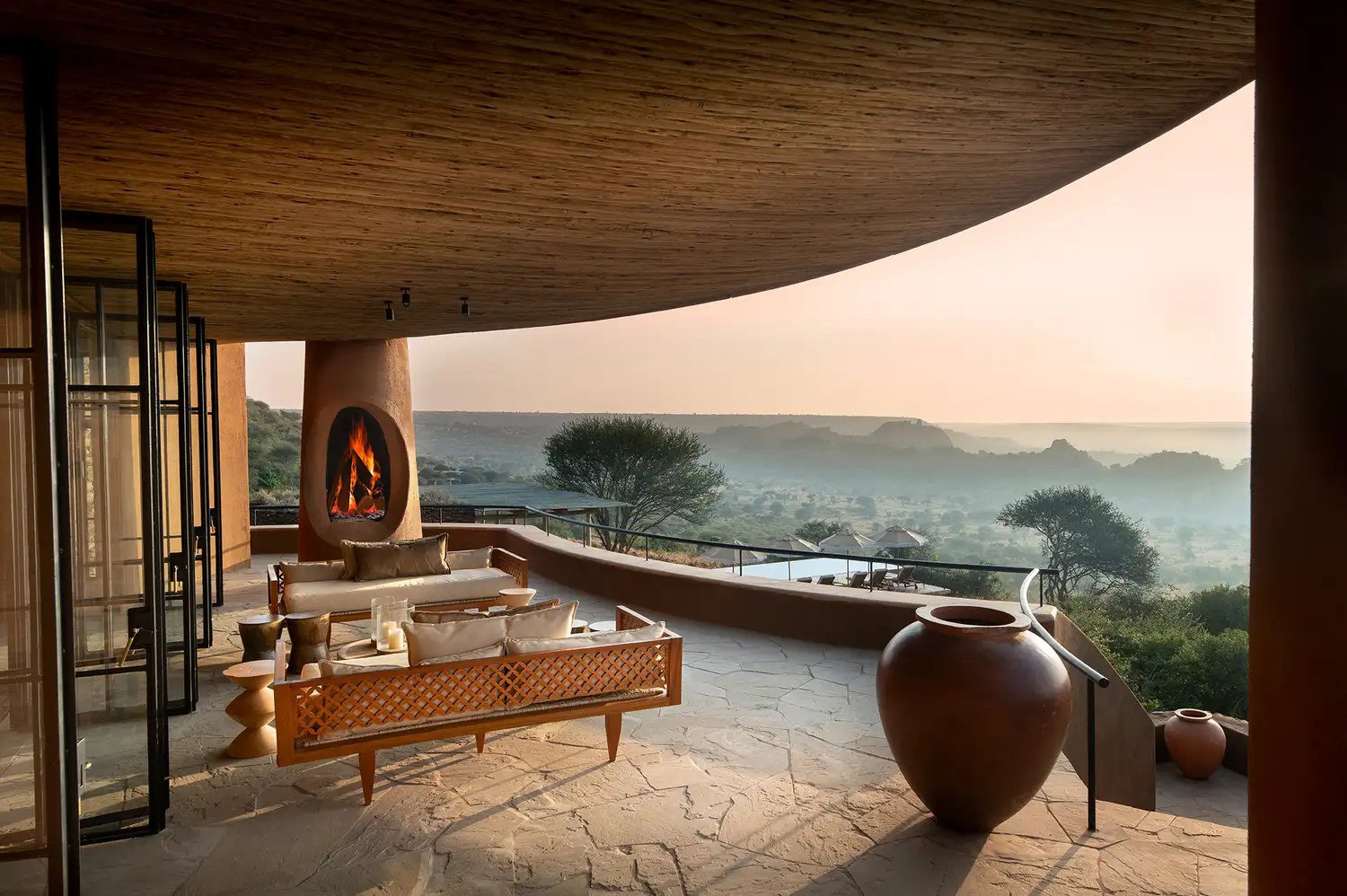
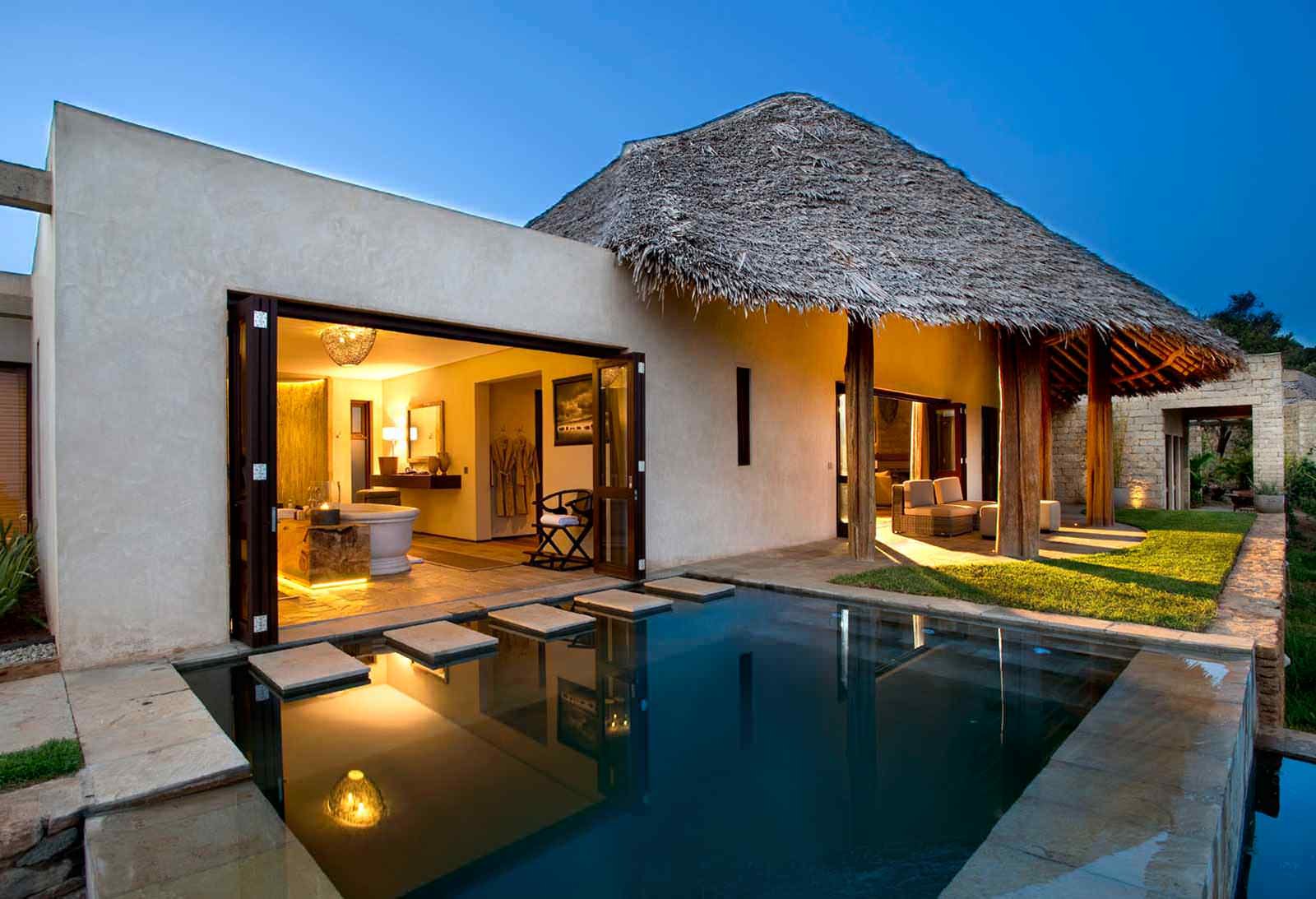
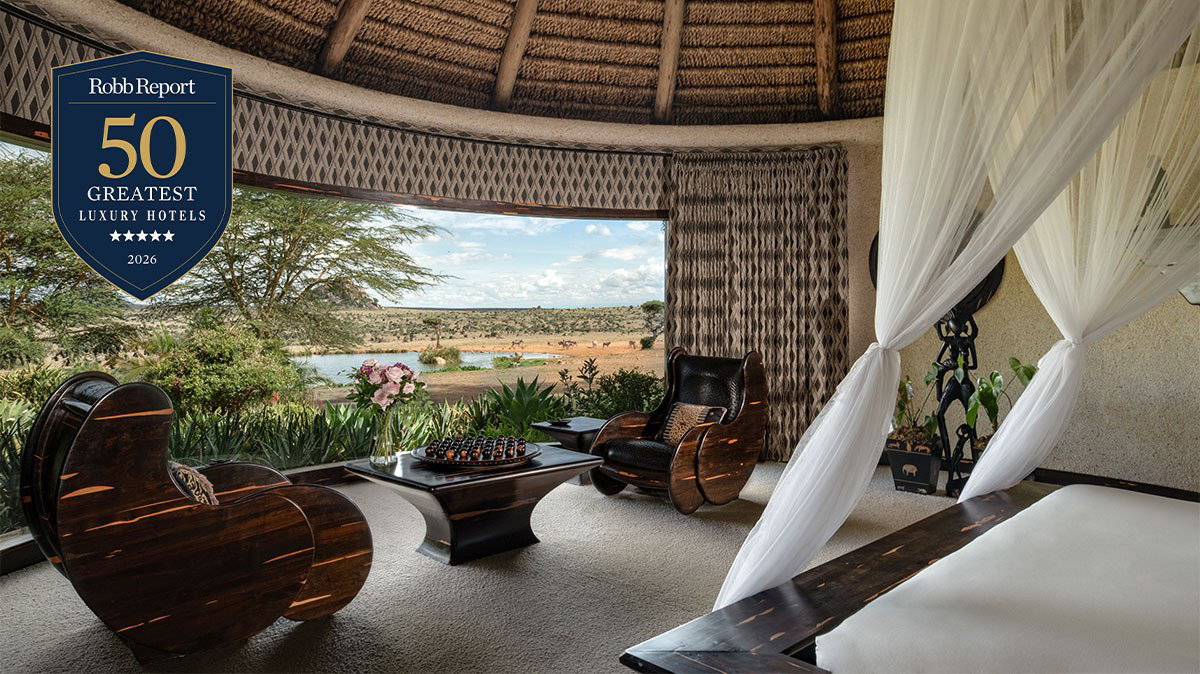
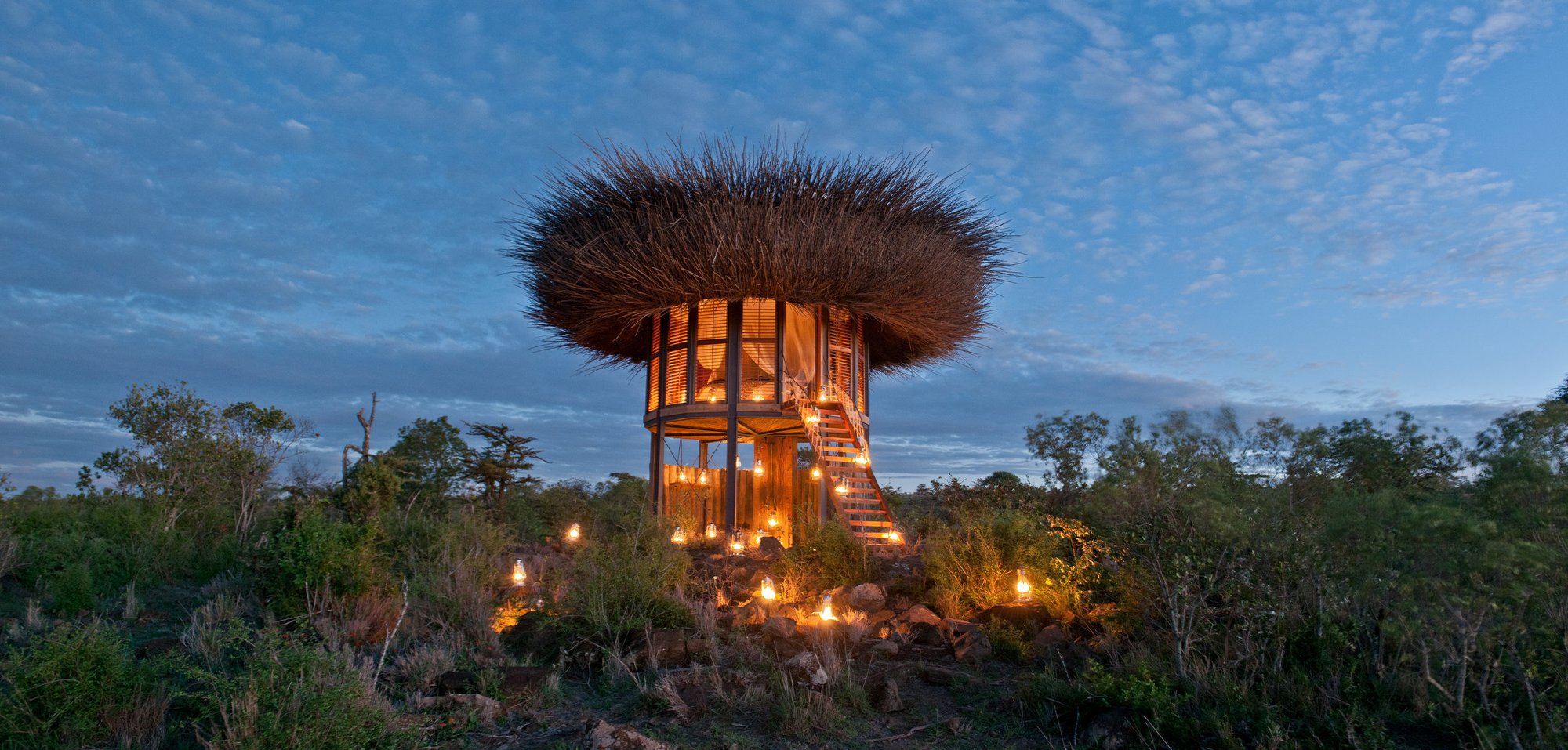
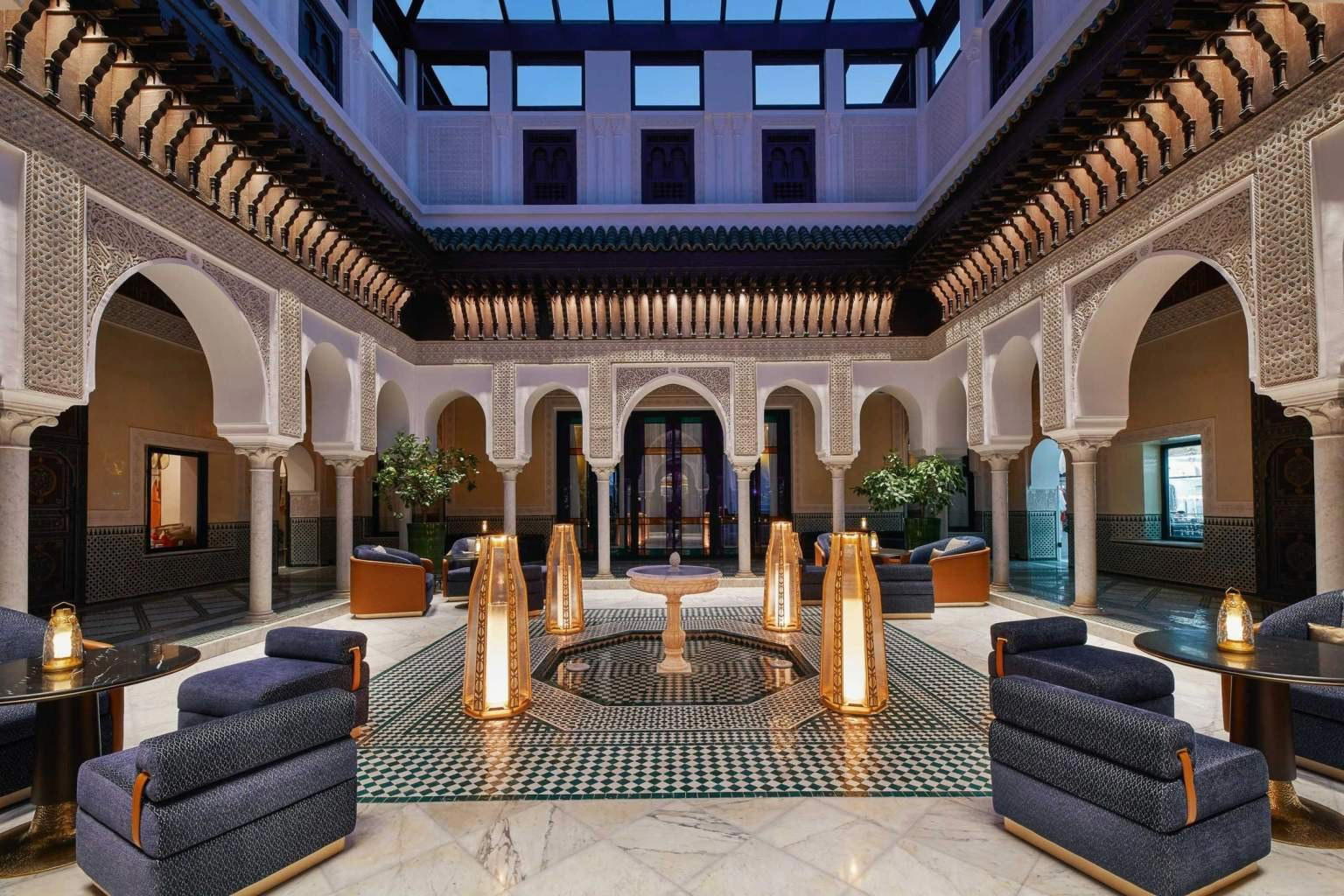
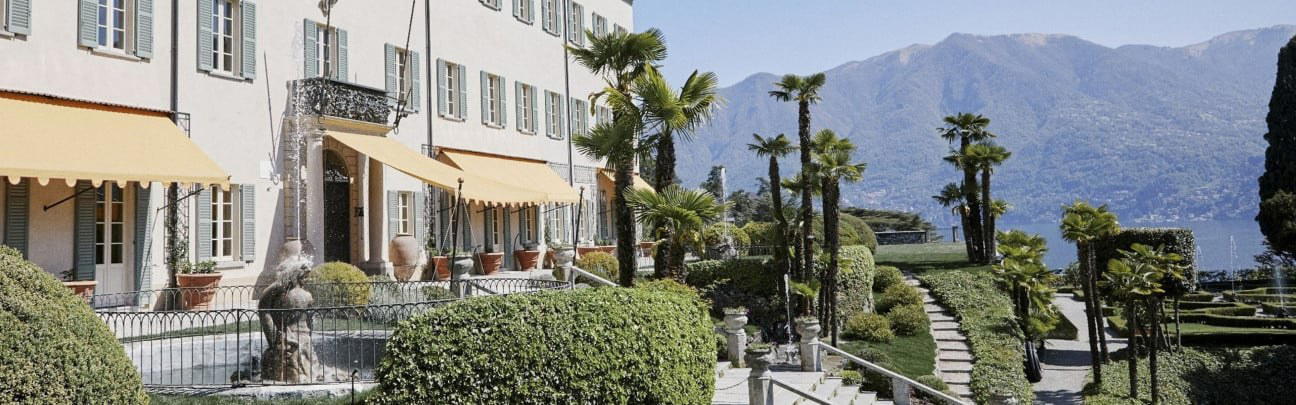
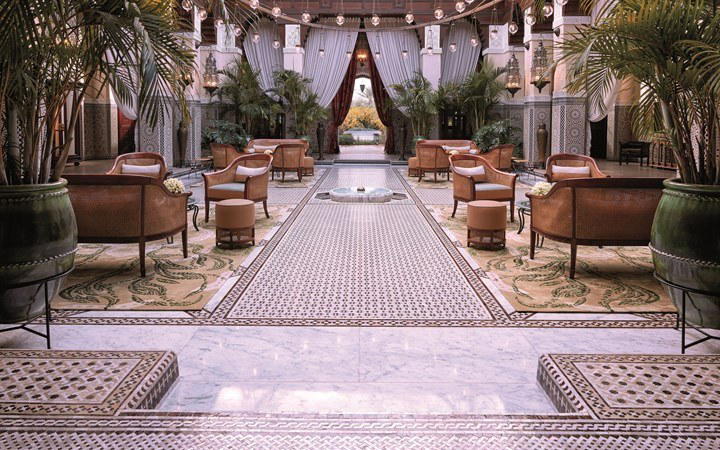
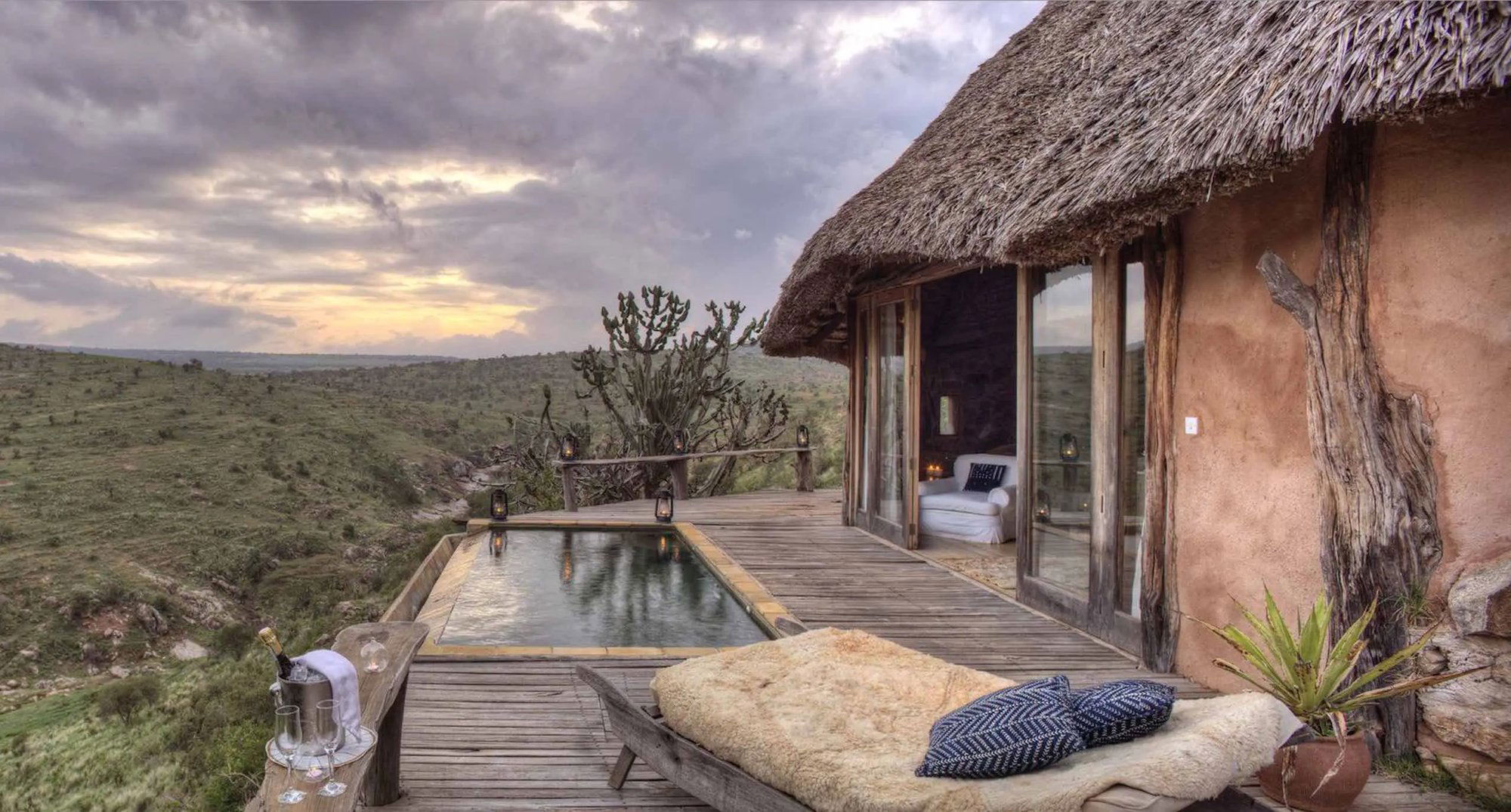
Borana Lodge exemplifies the Laikipia conservancy-lodge tradition: small in scale, materially rooted and carefully sited. Its eight cottages of local rock and cedar with makuti palm thatch are positioned to read as part of the hillside rather than dominate it, and the property favours ecological integration over resort-style amenity stacking. The result is a sophisticated, quietly luxurious atmosphere that feels deeply place-specific — architecture and siting emphasise subtlety and connection to landscape. Overall Borana presents a refined, understated retreat that prioritises privacy, landscape immersion and a restrained conservation-minded aesthetic.
Best For
Borana is best for travellers who prize privacy, landscape immersion and an intimate conservancy experience. Its eight-cottage configuration places it decisively in the intimate tier, making it ideal for couples on a romantic break or honeymoon and for families or small groups seeking a private base inside a working conservancy. The lodge’s emphasis on land-to-guest ratio suits guests who want room to move on expansive estate grounds and who prefer conservation-minded, low-footprint stays rather than large institutional resort amenities.
Stay Tips
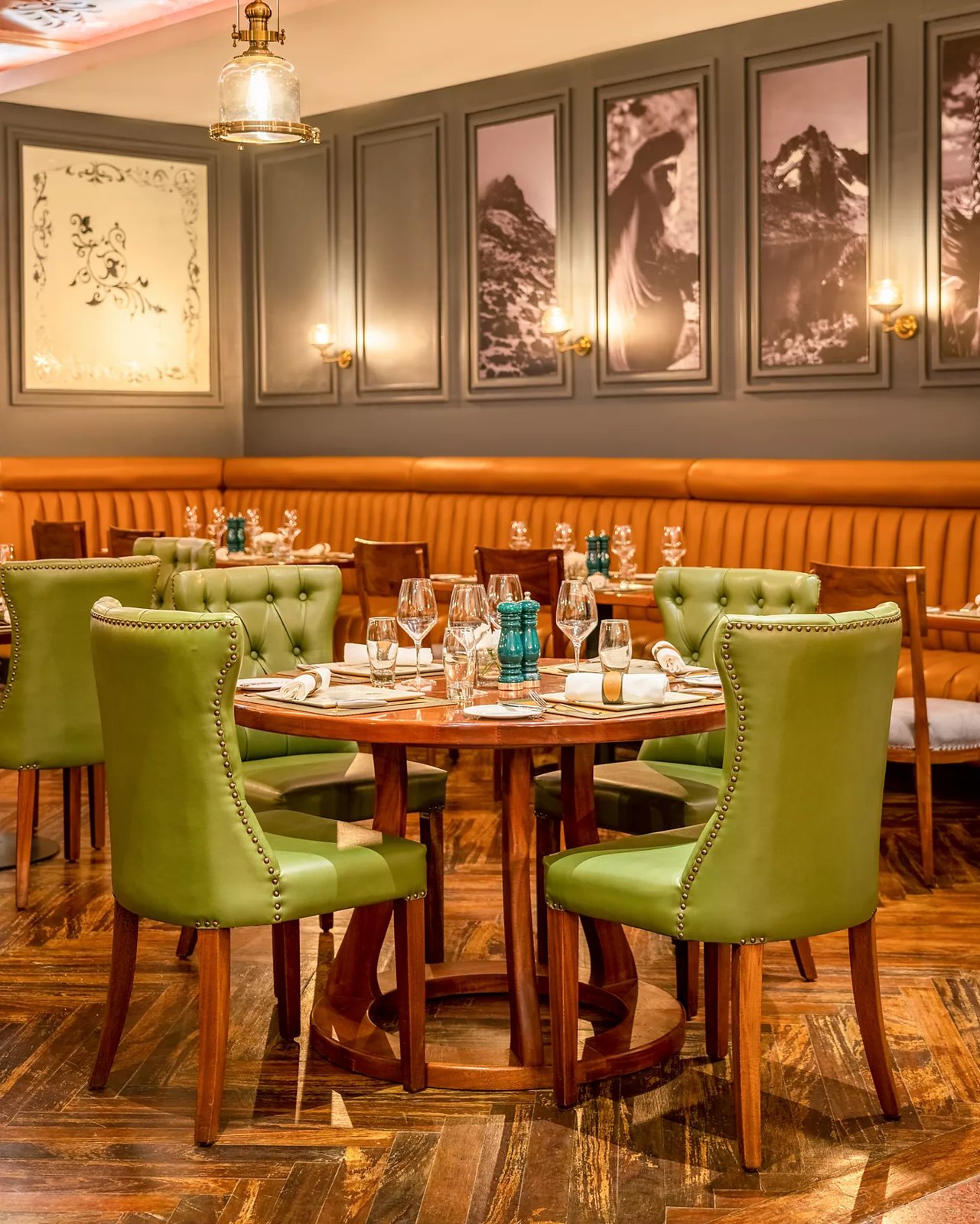
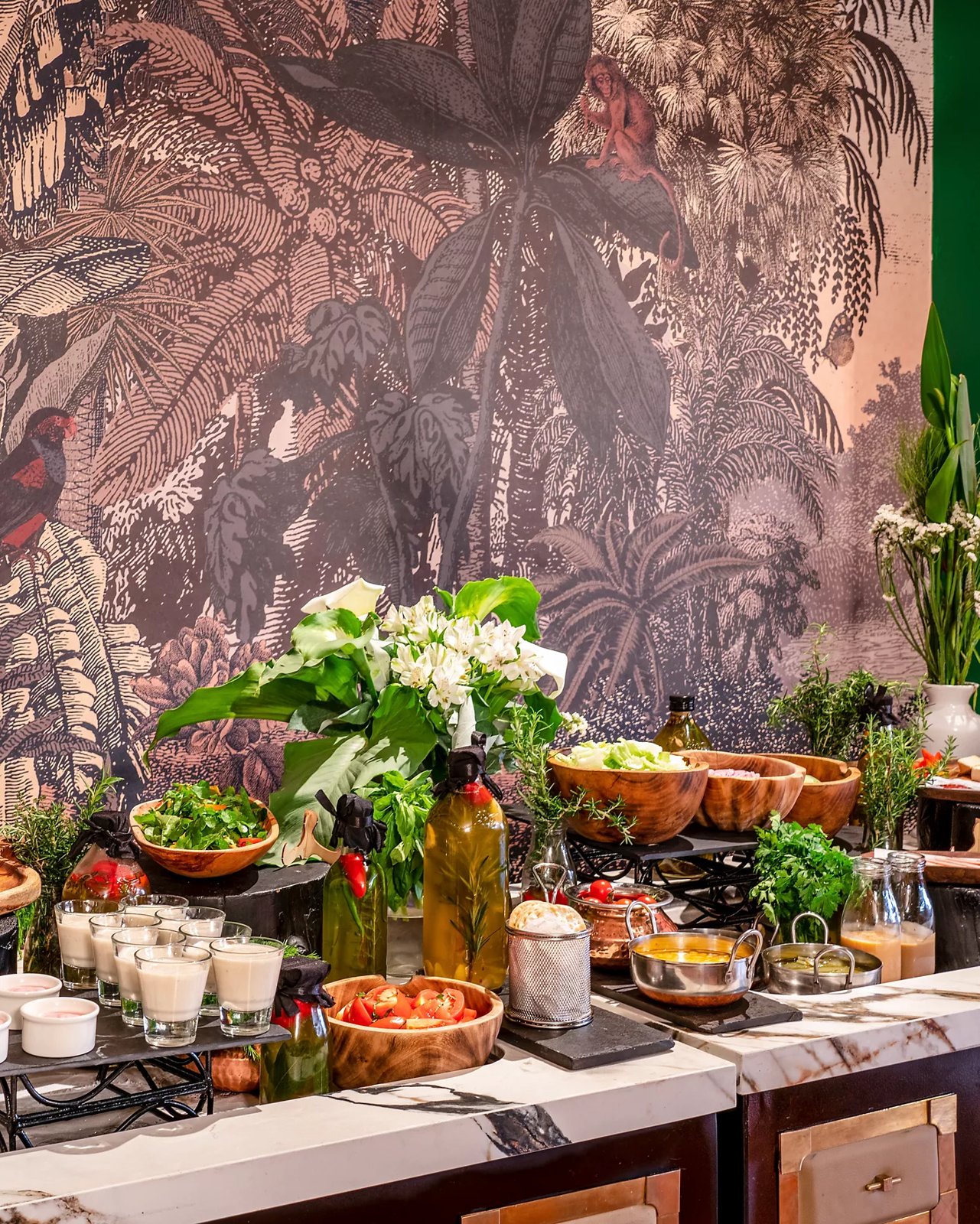
Don’t expect Borana to present itself as a standalone culinary destination; the property treats dining as part of the lodge programme rather than a separate draw. Given the small scale — eight cottages and an intimate guest count — mealtimes and seating are limited, so guests benefit from coordinating dining preferences or special requests with the lodge in advance. Allow the lodge to structure meal timing around its daily rhythm and activities; that little planning ensures a smoother, more integrated conservancy experience.
Venue details
Ambiance
Peaceful hillside retreat with warm fires, panoramic wildlife views from verandas, and cool high-altitude nights.
Tags
Vibe
Best For
Experience
Amenities
View
About the Stay
- Rooms
- 8
- Check-in
- 11:00
- Check-out
- 10:00
- Property Style
- Family Hosted Luxury Conservancy Lodge Built From Local Materials
- Design Style
- Rustic Organic with Rock, Cedar, and Thatched Roofs
Know before you go
Know Before You Go
- Getting there
- Kisima ward, Meru, N/A, Kenya
Planning details
Location
Kisima ward, Meru, N/A, Kenya · Directions
Recognition and awards

Also consider
If Borana Lodge is not the right fit
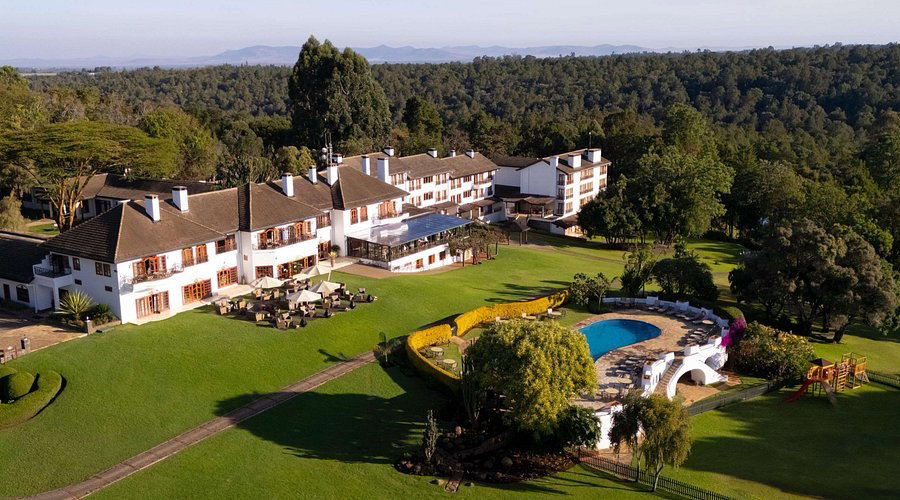
Choose Fairmont Mount Kenya Safari Club if the group wants a more familiar hotel format in Nanyuki, especially for mixed-age travelers or guests who prefer larger-property infrastructure.
Choose Sirai House or Ol Jogi Wildlife Conservancy if privacy is the main reason for the trip. For a softer, smaller-scale alternative, compare Olepangi Farm.
Hotel context
How it compares in Nanyuki
Borana Lodge is the practical pick for travelers who want a lodge-led Laikipia stay without making the decision primarily about brand benefits. Its Fodor's Most Incredible Hotels in the World recognition for 2026 gives it a clearer credibility signal than peers with fewer visible accolades, but the absence of listed chain affiliation means value should be judged by inclusions and itinerary fit rather than loyalty perks.
Fairmont Mount Kenya Safari Club is the safer choice for travelers who want a more familiar hotel structure in Nanyuki. Sirai House and Ol Jogi Wildlife Conservancy make more sense for privacy-led stays, especially for groups who want the trip to feel self-contained. Olepangi Farm is the warmer cross-shop for travelers who prefer a smaller, farm-style stay.
Booking difficulty is marked easy here, so Borana Lodge is a good first call when the reader wants a credible Laikipia option without a complicated reservation chase. For a points-led or resort-style stay, lean Fairmont; for estate privacy, lean Sirai House or Ol Jogi; for a softer countryside mood, look at Olepangi Farm.
Explore Nanyuki
Around this place
Discover more on Pearl
Unlock the full Borana Lodge guide in Pearl, including awards, comparisons, FAQs, planning details, and nearby places.
Compare Borana Lodge
| Venue | Location | Awards |
|---|---|---|
| Borana Lodge | Nanyuki | 100 Most Incredible Hotels in the World · 2026 |
| Borana Lodge | Laikipia | 100 Most Incredible Hotels in the World · 2026 |
| Sirai House | Nanyuki | 100 Most Incredible Hotels in the World · 2026World Travel Awards 2025 |
| Olepangi Farm | Laikipia | No published awards |
| Fairmont Mount Kenya Safari Club | Nanyuki | 2026 Forbes Recommended2026 Virtuoso Luxury Hotel Collection2025 Forbes Recommended |
| Ol Jogi Wildlife Conservancy | Nanyuki | No published awards |



How Borana Lodge Nanyuki compares with similar nearby venues.
FAQ
Frequently Asked Questions
How is the dining at Borana Lodge?
Ask Borana Lodge directly about its dining format, menus, inclusions, and service arrangements. Borana Lodge is in Nanyuki, has a smart casual dress code, and is recognized in Fodor's Most Incredible Hotels in the World (2026).
Is Borana Lodge family-friendly?
When is the best time to book Borana Lodge?
What is check-in like at Borana Lodge?
How does Borana Lodge compare to other venues?
Choose Borana Lodge if its Nanyuki location, smart casual dress code, and Fodor's Most Incredible Hotels in the World (2026) recognition fit your search. Fairmont Mount Kenya Safari Club, Sirai House, Olepangi Farm, and Ol Jogi Wildlife Conservancy are useful comparison points, while other Nanyuki options can be reviewed more generally.