

Ol Jogi Wildlife Conservancy
Nanyuki
Hotel in Nanyuki, Kenya
 Book with Pearl
Why go
Ol Jogi Wildlife Conservancy is worth shortlisting if the trip is about privacy, conservation, and a quieter Laikipia safari base rather than a resort-style hotel stay. The 2026 Virtuoso Luxury Hotel Partner recognition adds confidence, but value depends on wanting seclusion and land access more than visible amenities.
About Ol Jogi Wildlife Conservancy
Ol Jogi Wildlife Conservancy is a venue in Nanyuki with a smart casual dress code and Virtuoso Luxury Hotel Partner recognition for 2026. Beyond those points, the guide does not provide specific dining style, room categories, amenities, prices, hours, check-in process, or on-property programming, so those details should be confirmed directly before booking.
The most reliable way to evaluate Ol Jogi Wildlife Conservancy is as a Nanyuki venue with limited public detail in this guide. Travelers comparing options can also look at Fairmont Mount Kenya Safari Club, Olepangi Farm, Sirai House, Solio Lodge, and El Karama Lodge, depending on the broader trip brief.
Choose this for confirmed recognition, not specific details
The clearest signal is Ol Jogi Wildlife Conservancy's Virtuoso Luxury Hotel Partner recognition for 2026. That supports its place in a luxury travel search, but it does not identify a particular dining program, wellness offering, activity schedule, room layout, or service format.
If your decision depends on specific amenities or logistics, confirm those directly before booking. If you are still shaping an itinerary, compare Ol Jogi Wildlife Conservancy with Fairmont Mount Kenya Safari Club, Olepangi Farm, Sirai House, Solio Lodge, and El Karama Lodge.
Who should book, and who should look elsewhere
Book if the name, Nanyuki location, smart casual dress code, and Virtuoso Luxury Hotel Partner recognition match the kind of stay you are researching, and you are prepared to confirm operational details directly with the venue or booking channel.
Look elsewhere if you need detailed information in advance about dining, wellness, room categories, pricing, arrival process, business facilities, or other specific services. Fairmont Mount Kenya Safari Club, Olepangi Farm, Sirai House, Solio Lodge, and El Karama Lodge can be considered as other options to review.
Quick reference: choose Ol Jogi Wildlife Conservancy for a Nanyuki venue with smart casual dress code and Virtuoso Luxury Hotel Partner recognition for 2026; verify all other practical details before booking.
Planning details
- Location
- Naibor - Rumuruti Road. P.O Box 259
The take
The Take
The Vibe
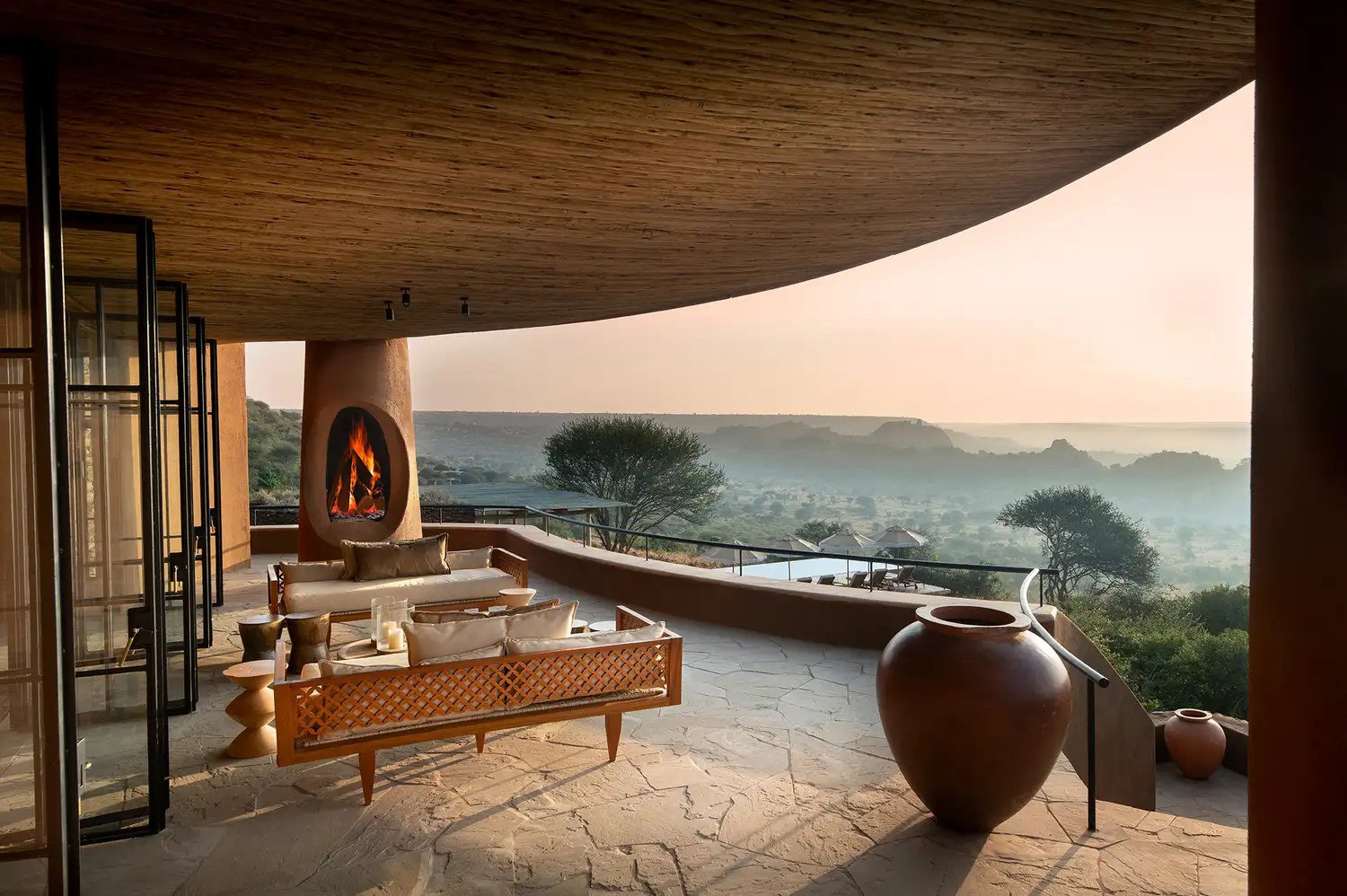
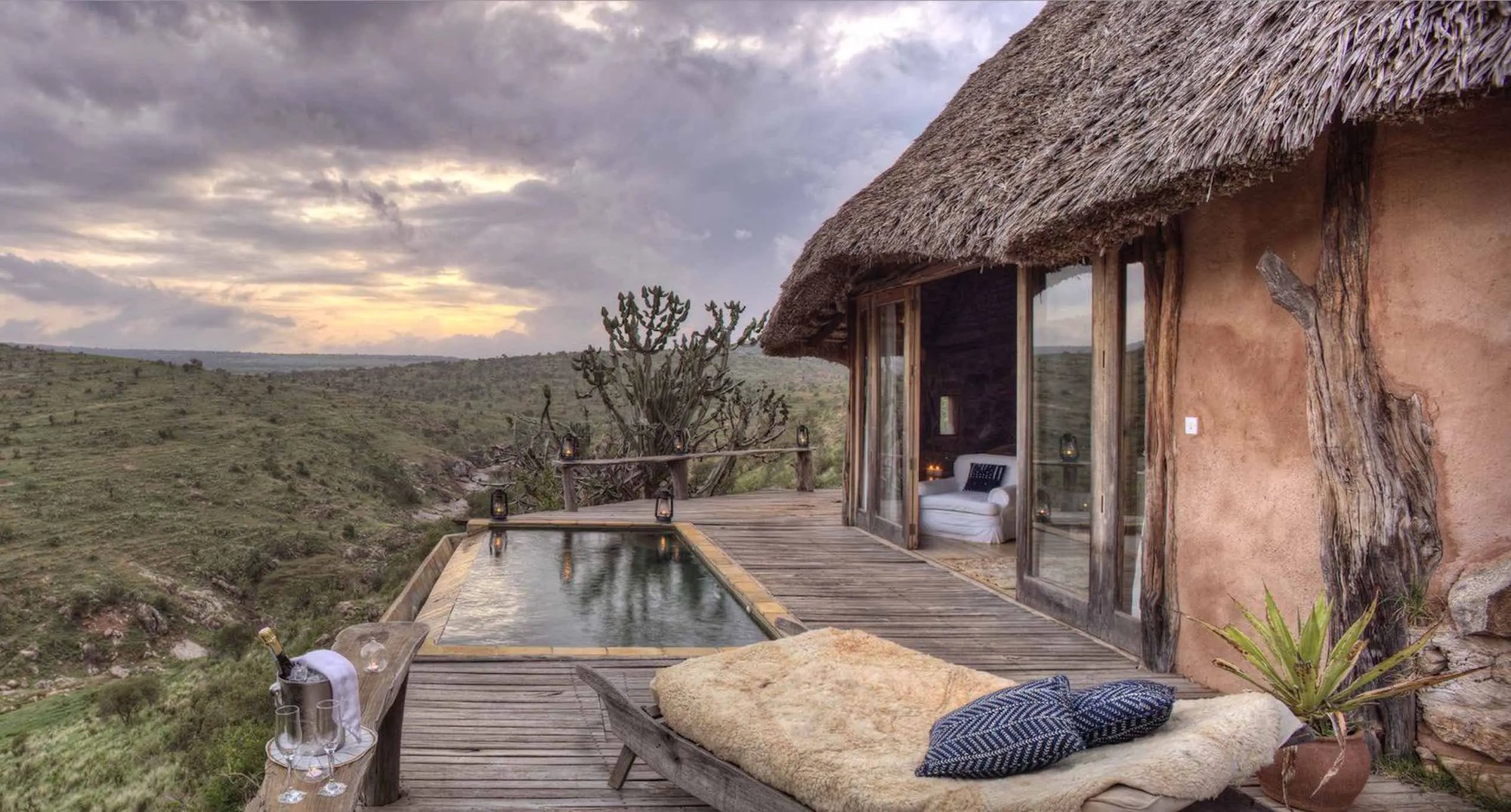
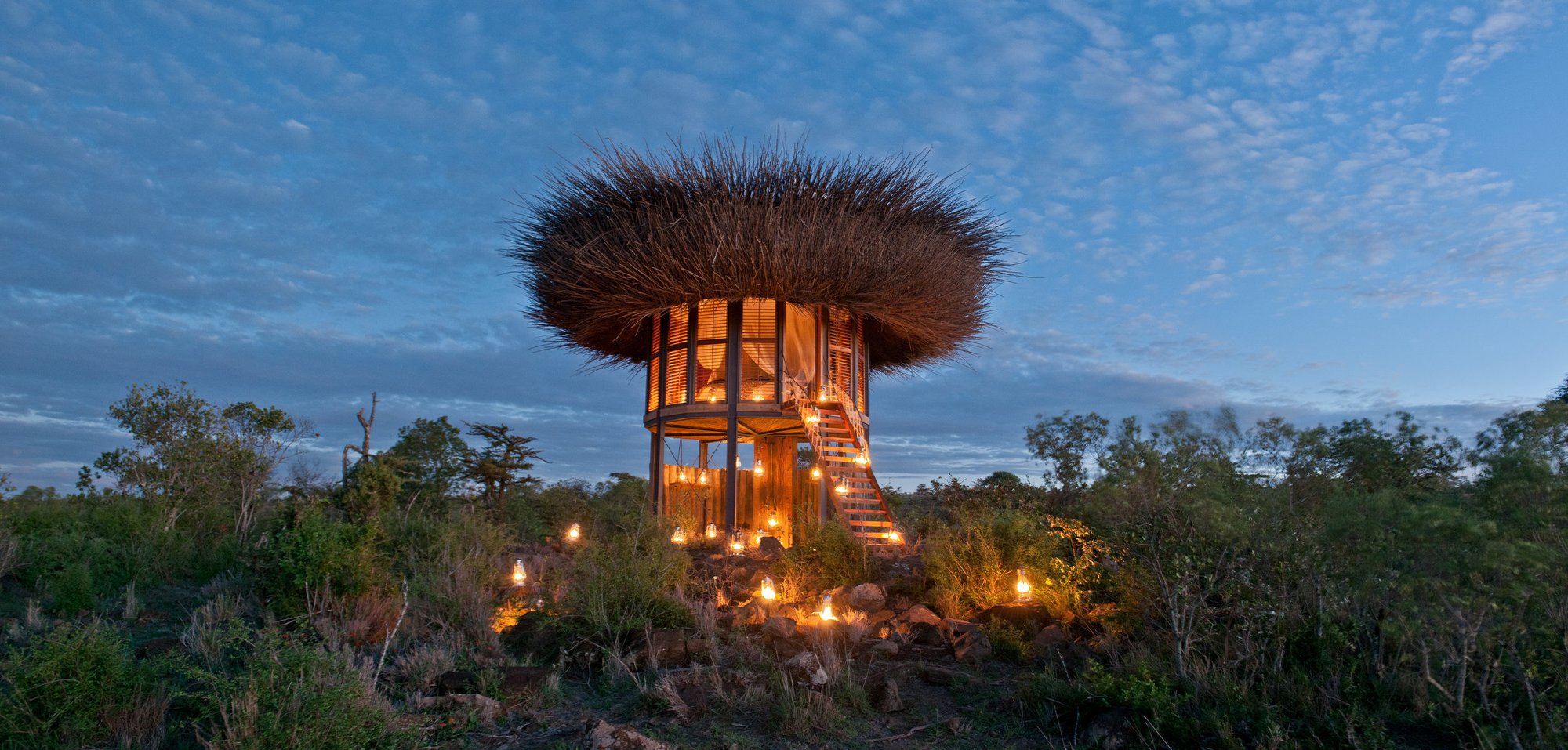
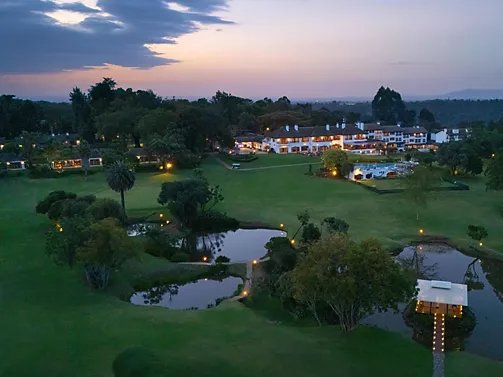
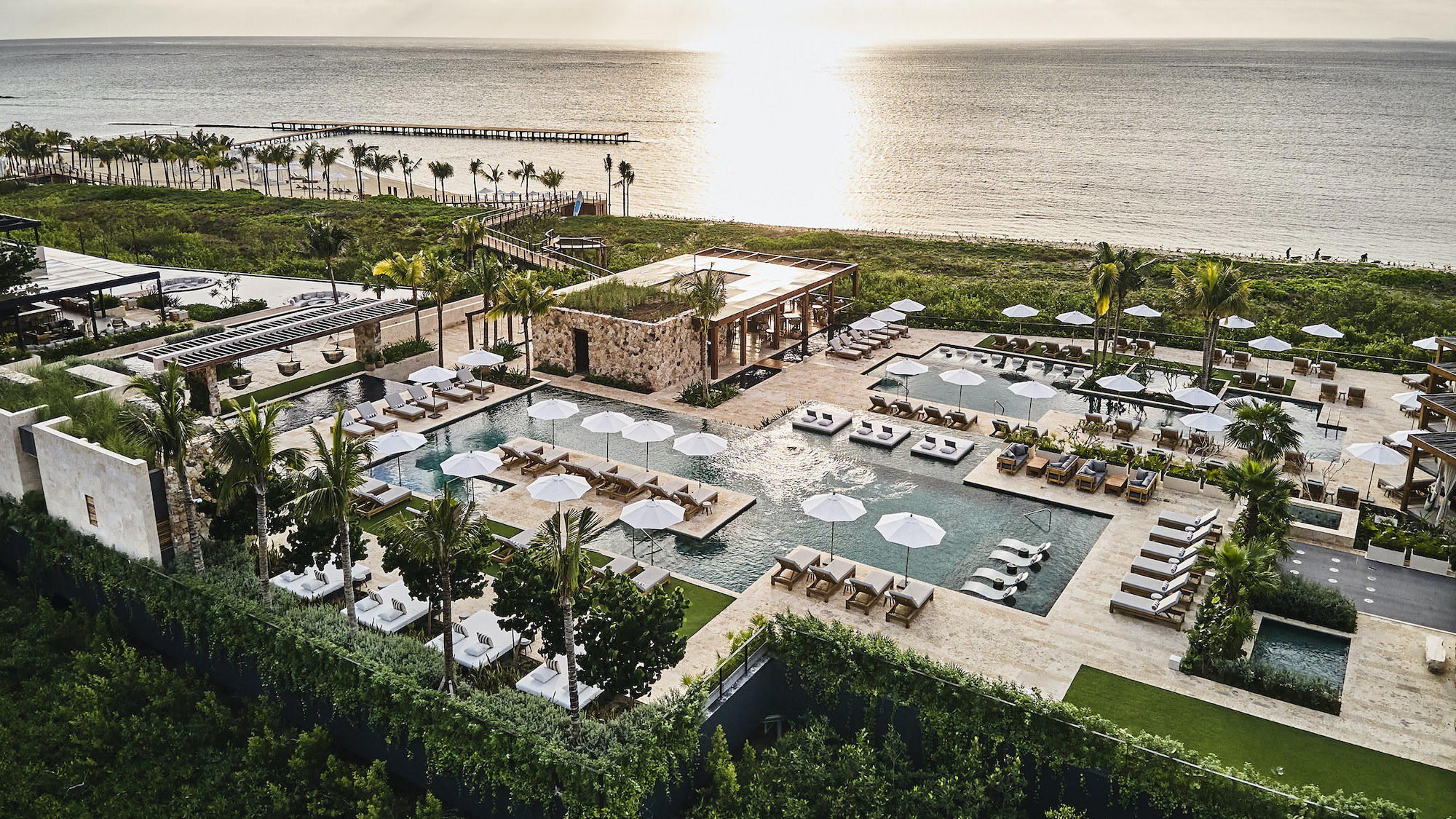
Ol Jogi presents a measured, conservation-first elegance that feels both remote and exacting. The property foregrounds the landscape — 58,000 acres of plateau grassland, acacia woodland and rocky outcrops that roll to the base of Mount Kenya — and positions the house as a counterpoint to that wildness rather than its centerpiece. Stays are defined by scale and privacy: guests inhabit a sophisticated rural retreat that prioritizes habitat protection, giving the place an unusually serene, purposeful character unlike a typical wildlife lodge.
Best For
Ol Jogi is built for groups and parties seeking an exclusive wildlife experience: it is ideal for group retreats, family vacations and intimate romantic getaways where privacy and stewardship matter. Because the conservancy is sold to a single party for the duration of a stay, travelers who want sole use of house, vehicles and game-drive network find a rare level of exclusivity. It also suits guests who prioritize conservation-focused travel and value being accommodated around an active wildlife-protection mission.
Stay Tips
When arranging a stay at Ol Jogi, plan around the property’s single-party model: the entire conservancy — the house and the game-drive network — is offered to one group at a time, so bookings secure sole use rather than individual rooms in a shared camp. Coordinate activities with the conservancy’s team since guests are accommodated around the land-management mission, and factor game drives and other private-use experiences into your reservation. Expect an experience centered on exclusivity and conservation rather than high-volume guest programming.
Venue details
Ambiance
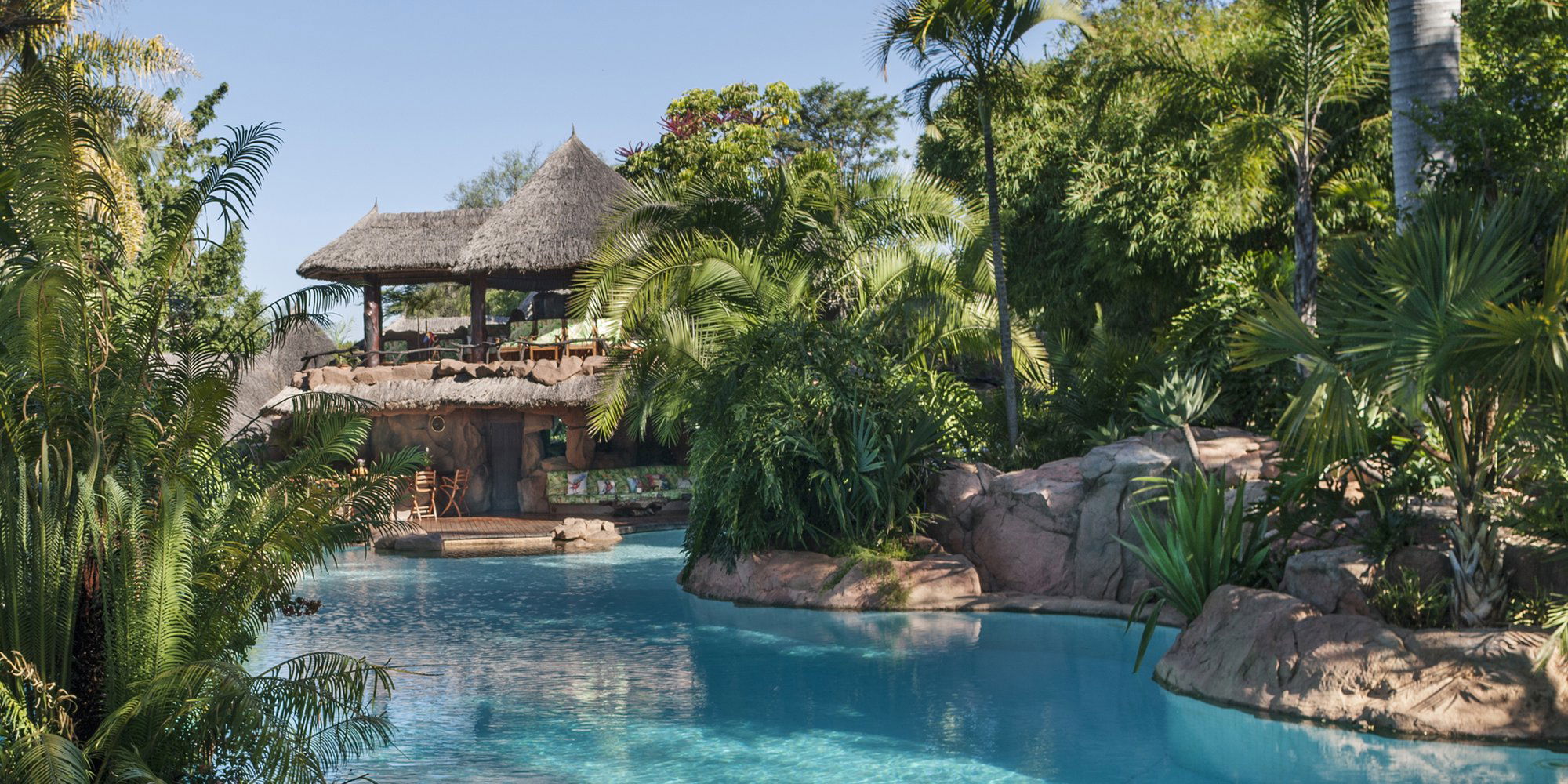
Serene bush atmosphere with sweeping vistas and immersive wildlife surroundings.
Tags
Vibe
Best For
Experience
Amenities
View
Accessibility
About the Stay
- Rooms
- 11
- Property Style
- Exclusive Private Wildlife Conservancy Home
- Design Style
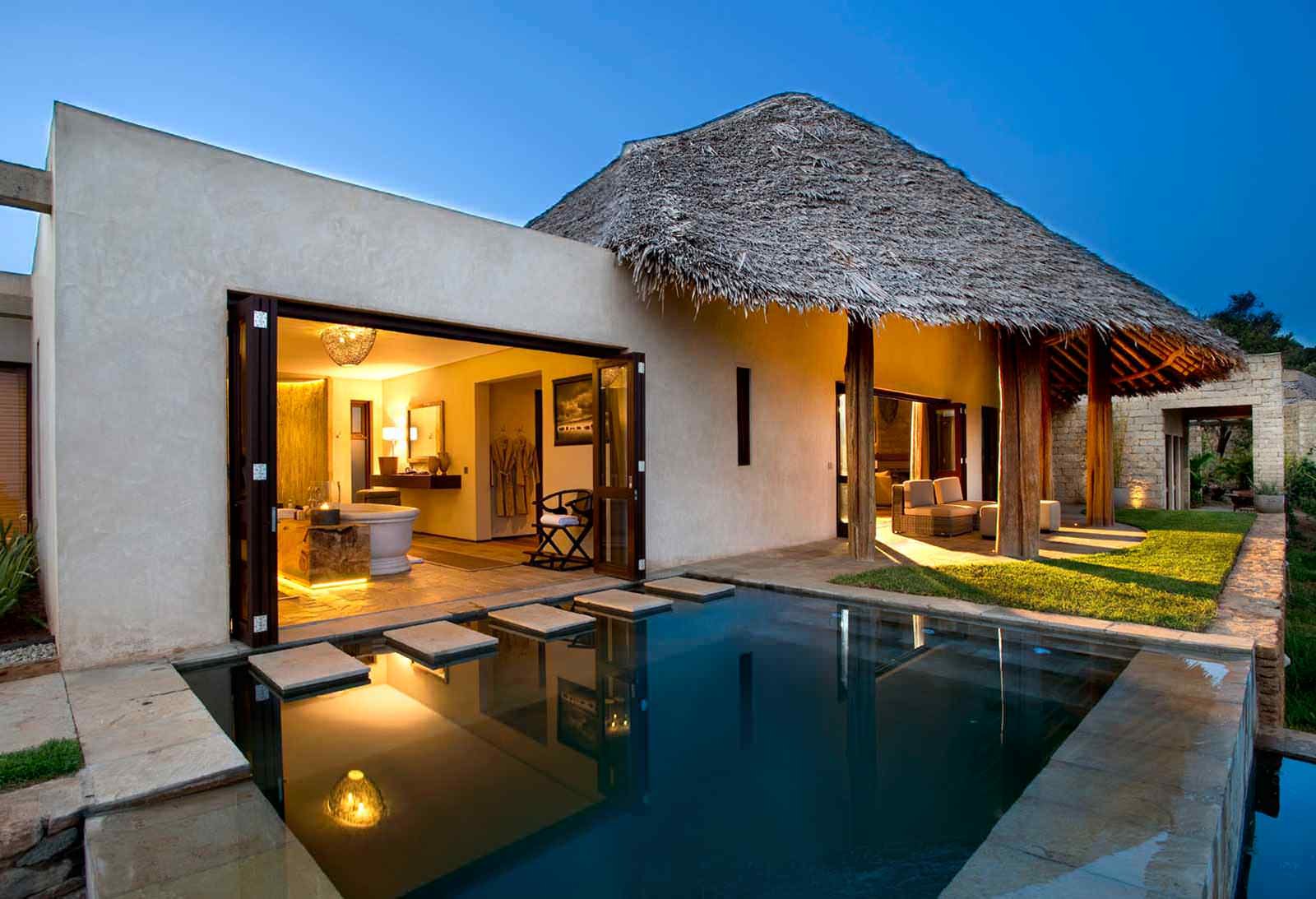
- Rustic Luxury Stone Cottages
Know before you go
Know Before You Go
- Getting there
- Naibor - Rumuruti Road. P.O Box 259
Planning details
Location
Naibor - Rumuruti Road. P.O Box 259 · Directions
Recognition and awards


Also consider
Also Consider
- Fairmont Mount Kenya Safari Club, Notable alternative
- Olepangi Farm, Notable alternative
- El Karama Lodge, Notable alternative
- Solio Lodge, Notable alternative
- Sirai House, Notable alternative
Hotel context
How Ol Jogi Wildlife Conservancy compares in Nanyuki
Choose Ol Jogi Wildlife Conservancy over Fairmont Mount Kenya Safari Club if privacy and a conservation-led stay matter more than a larger, more familiar hotel environment. Fairmont is the safer fit for travelers who want a broader resort feel in Nanyuki; Ol Jogi is the stronger call when the experience should feel quieter and more land-focused.
Olepangi Farm and El Karama Lodge are better cross-shops for travelers who want a more intimate countryside or lodge feel without defaulting to a big hotel. Solio Lodge belongs in the same conversation for a safari-led itinerary, while Sirai House is the one to compare if exclusivity and private-house ambiance are the priority.
Booking looks relatively low-friction for Ol Jogi versus the more competitive safari names, so it can work well when dates are fixed and the group values privacy over scene. For value, the decision is simple: book Ol Jogi for conservancy depth; book Fairmont for resort familiarity; cross-shop Sirai House or Solio Lodge when the budget is built around a more private, high-touch safari stay.
Explore Nanyuki
Around this place
Discover more on Pearl
Unlock the full Ol Jogi Wildlife Conservancy guide in Pearl, including awards, comparisons, FAQs, planning details, and nearby places.
Compare Ol Jogi Wildlife Conservancy
| Venue | Location | Awards |
|---|---|---|
| Ol Jogi Wildlife Conservancy | Nanyuki | 2026 Virtuoso Luxury Hotel Collection2026 Robb Report The 50 Greatest Luxury Hotels on Earth |
| Fairmont Mount Kenya Safari Club | Nanyuki | 2026 Forbes Recommended2026 Virtuoso Luxury Hotel Collection2025 Forbes Recommended |
| Olepangi Farm | Laikipia | No published awards |
| El Karama Lodge | Laikipia | No published awards |
| Solio Lodge | Nyeri | 2025 Travel + Leisure 100 Favorite Hotels in the World · #44 |
| Sirai House | Nanyuki | 100 Most Incredible Hotels in the World · 2026World Travel Awards 2025 |




How Ol Jogi Wildlife Conservancy compares with similar nearby venues.
FAQ
Frequently Asked Questions
How is the dining at Ol Jogi Wildlife Conservancy?
Dining specifics such as cuisine type, chef name, menu format, pricing, or dining hours are not detailed here for Ol Jogi Wildlife Conservancy. Confirm those details directly before booking.
When is the best time to book Ol Jogi Wildlife Conservancy?
Booking-window or availability guidance is not detailed here for Ol Jogi Wildlife Conservancy. If your dates are important, confirm availability and terms directly with the venue or your booking channel.
Do loyalty programs work at Ol Jogi Wildlife Conservancy?
Loyalty earning, redemption, or program benefits are not detailed here for Ol Jogi Wildlife Conservancy. The confirmed recognition is Virtuoso Luxury Hotel Partner for 2026. If loyalty benefits matter, compare the terms directly with the venue and with alternatives such as Fairmont Mount Kenya Safari Club.
What is check-in like at Ol Jogi Wildlife Conservancy?
Check-in details are not detailed here for Ol Jogi Wildlife Conservancy. The venue is in Nanyuki; confirm arrival timing, transfer logistics, and any required pre-arrival information directly before travel.
Which room category is best at Ol Jogi Wildlife Conservancy?
Room-category details are not detailed here for Ol Jogi Wildlife Conservancy. Ask the venue or booking channel which option best fits your group size, privacy needs, and trip plan. For comparison, Fairmont Mount Kenya Safari Club and Olepangi Farm may also be worth reviewing.
Is Ol Jogi Wildlife Conservancy good for business travel?
Business facilities, meeting spaces, or corporate services are not detailed here for Ol Jogi Wildlife Conservancy. If the trip has work requirements, confirm connectivity, workspace, meeting setup, and arrival logistics directly.