


The Ritz-Carlton, Okinawa
Nago
Hotel in Nago, Japan
 Book with Pearl
The Read
Anticipatory Quietude
Why go
A strong Nago choice for special-occasion Okinawa trips where polished resort service matters. The Ritz-Carlton, Okinawa is better for couples and families who plan to use the property than for travelers treating the room as a crash pad; Michelin 1 Key, Forbes 4-Star, and La Liste recognition support the premium positioning.
About The Ritz-Carlton, Okinawa
The Ritz-Carlton, Okinawa is a premium hotel choice in Nago with Michelin 1 Key in 2024, La Liste Top Hotels 2026 at 93.5 points, and Forbes 4-Star recognition for 2026. For travelers comparing high-end Okinawa stays, those marks are the strongest reason to keep it on the shortlist.
It is best to evaluate the hotel on recognition, location in Nago, and fit with your own trip priorities rather than on assumptions about specific facilities, dining formats, or service inclusions. The dress code is smart casual, which is worth noting when planning what to pack.
Book for a recognized premium hotel stay in Nago
The cleanest case for The Ritz-Carlton, Okinawa is direct: it is a recognized premium hotel in Nago with Michelin 1 Key, La Liste Top Hotels, and Forbes 4-Star credentials. Those accolades do not replace checking current room types, policies, and availability, but they do provide a strong quality signal.
For readers comparing Okinawa hotels, keep the search focused on confirmed needs: Nago as the base, the level of recognition you value, and whether the property's current offering matches your travel dates. Use Our full Nago hotels guide if the decision is specifically Okinawa-based.
The value case depends on your trip priorities
Before booking, confirm the current facilities, dining options, benefits, and policies directly with the hotel or your booking channel. The information supports The Ritz-Carlton, Okinawa as a high-end Nago option, but individual trip value will depend on the room, rate, season, and what you plan to use during the stay.
Travelers who are also planning meals outside the hotel can scan Our full Nago restaurants guide. For the hotel decision itself, keep the focus on Nago, confirmed accolades, smart-casual expectations, and the current details available at booking.
The practical verdict: consider The Ritz-Carlton, Okinawa if you want a recognized premium hotel in Nago and value hotel accolades. Cross-shop with other Okinawa options if your priority is a specific stay style, and verify any facility, dining, or benefit details before committing.
Part of
The Ritz-Carlton187 locations on PearlInside The Ritz-Carlton, Okinawa
Planning details
- Location
- 1343-1 Kise, Nago, Okinawa 905-0026
- Website
- ritzcarlton.com/en/hotels/okarz-the-ritz-carlton-okinawa/overview/?scid=f2ae0541-1279-4f24-b197-a979c79310b0
- Phone
- +81 980-43-5555
The take
The Take
The Vibe
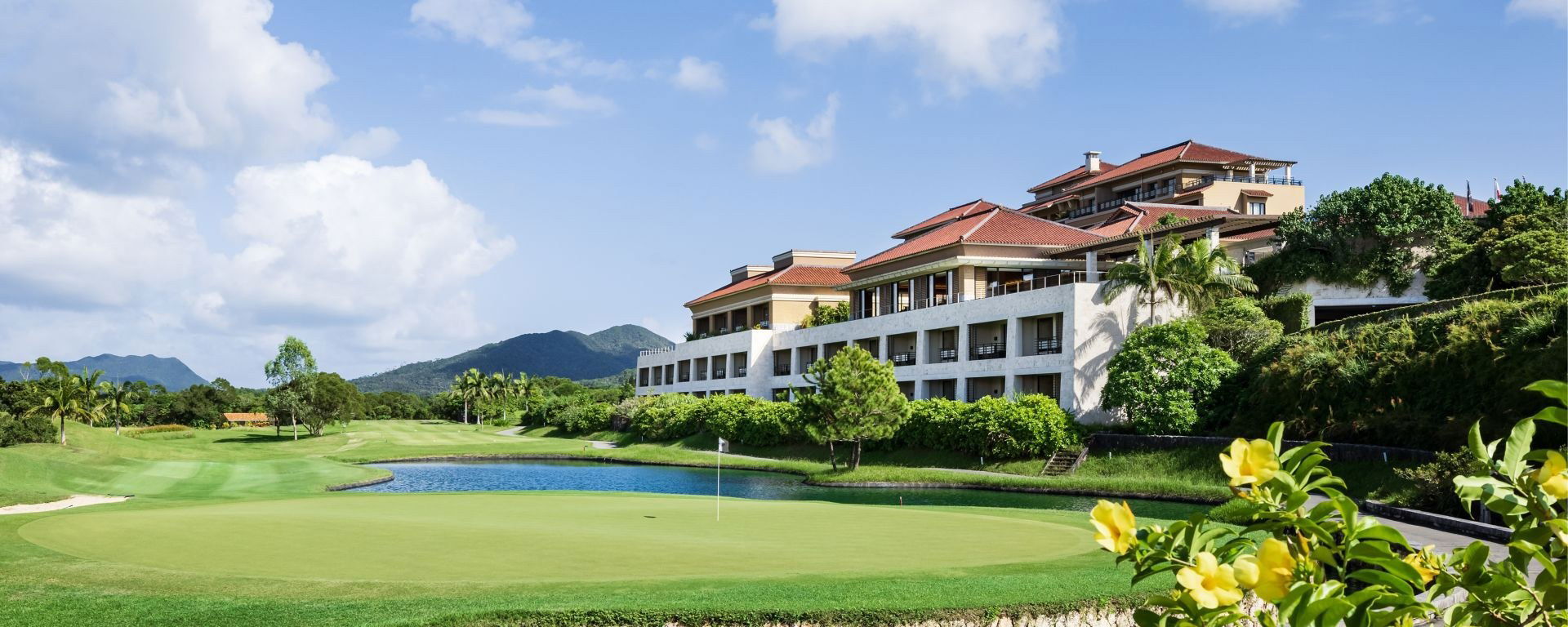
The Ritz-Carlton, Okinawa reads as an architectural retreat that privileges the landscape over elaborate interiors. Glass walls and foldable panels create an open pavilion effect, blurring the line between inside and out and constantly framing the bay. The property’s modest scale — 97 rooms — and an insistence on "stillness" produce a serene, contemplative atmosphere. Rather than theatrical flourishes, the hotel’s drama is structural: long sightlines to Nago Bay, the pressing presence of the Yambaru forest nearby, and a quiet, measured pace that underscores the design’s modern, restrained sensibility.
Best For
This hotel suits travelers who prize calm and architectural clarity. It is ideal for guests seeking a quiet escape centered on views and nature rather than resort activity: couples wanting a low-key retreat, solo travelers after reflective time, and anyone drawn to site-specific design. The relatively small room count keeps the experience intimate, and the building’s orientation toward the bay makes the stay about looking outward — appreciating the landscape and the slow rhythms of Okinawa’s northern coast.
Stay Tips
Visit in fine weather when the main-floor glass panels can open to fold outside air into the circulation; that is when the hotel’s pavilion quality is most apparent. When booking, prioritize accommodations and arrival times that maximize daylight and views of Nago Bay so you can experience the property’s defining sightlines. Given the property’s modest scale, book early to secure rooms that capitalize on the bay-facing orientation and the architectural moments described in the lobby and hallways.
Venue details
Ambiance
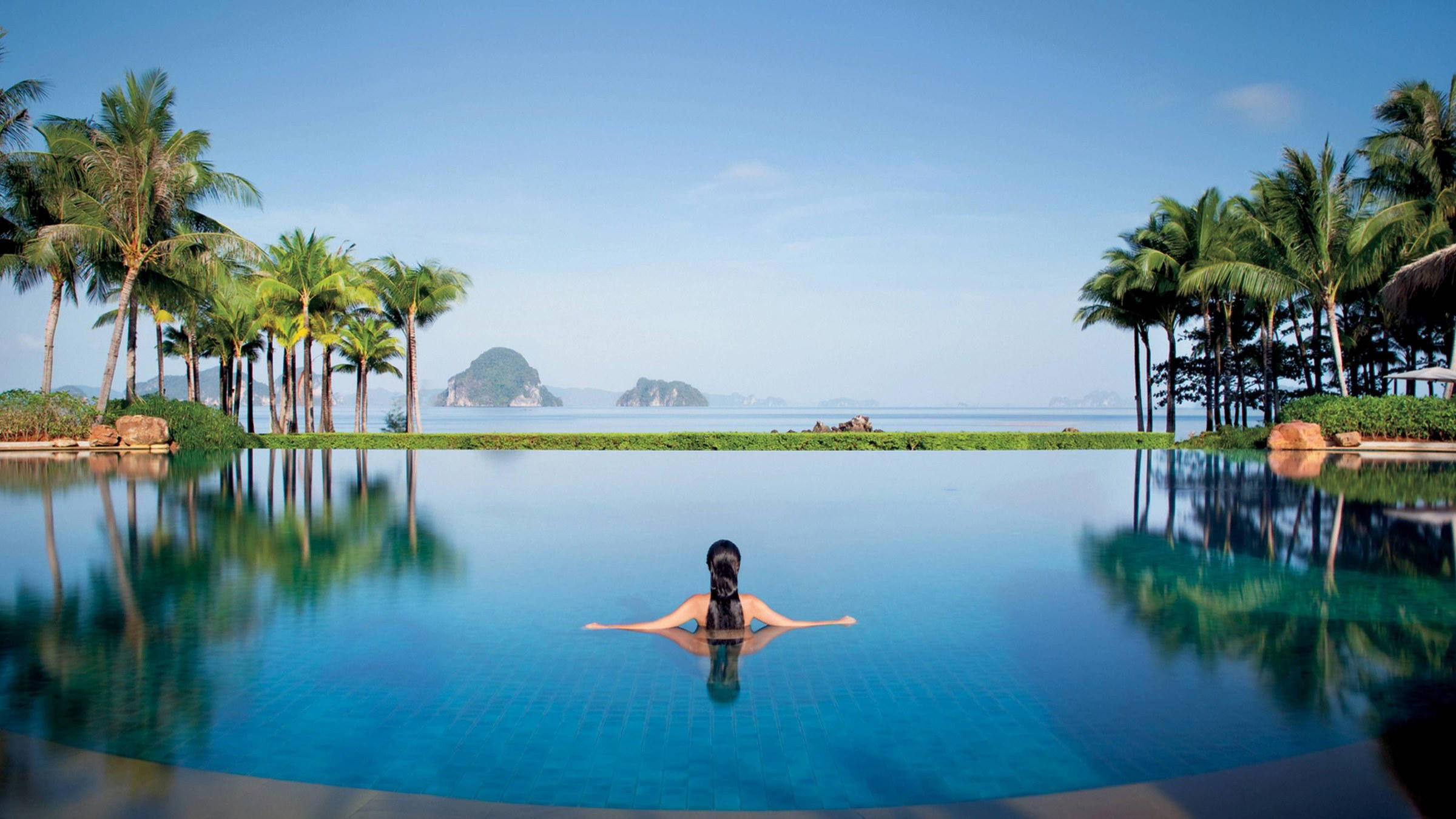
Tranquil and serene with soundproofed rooms, open-air hallways, water elements, and lush gardens creating a peaceful, elegant atmosphere.
Tags
Vibe
Best For
Experience
Amenities
View
Accessibility
About the Stay
- Rooms
- 97
- Property Style
- Luxury Beach Resort Blending Ryukyu Design with Modern Sophistication Amid Golf Course and Ocean Vistas.
- Design Style
- Elegant Ryukyu Inspired with Timeless Beauty, Spacious Terraces, and High End Finishes Like Marble Bathrooms and Asprey Amenities.
Know before you go
Know Before You Go
- Getting there
- 1343-1 Kise, Nago, Okinawa 905-0026
Planning details
Location
1343-1 Kise, Nago, Okinawa 905-0026 · Directions
Recognition and awards


Also consider
Also Consider
- The Terrace Club Wellness Thalasso at Busena, Notable alternative
- Halekulani Okinawa, Notable alternative
- Hyatt Regency Seragaki Island Okinawa, Notable alternative
- The Hiramatsu Hotels & Resorts Ginoza, Notable alternative
- Magachabaru Okinawa, Notable alternative
Hotel context
How it compares in Okinawa
Choose The Ritz-Carlton, Okinawa if the priority is polished service, a luxury-hotel structure, and a stay that can handle a celebration without much friction. Halekulani Okinawa is the cleaner cross-shop for a larger beach-resort feel, while The Terrace Club Wellness Thalasso at Busena is the sharper pick when wellness is the main reason for the trip.
Hyatt Regency Seragaki Island Okinawa is the practical alternative for travelers who want resort infrastructure with a less formal luxury posture. It is the easier recommendation for families who want a broad Okinawa resort base without making service polish the whole point of the stay.
For a more private, quieter splurge, compare against The Hiramatsu Hotels & Resorts Ginoza and Magachabaru Okinawa. Those make more sense for guests who want seclusion or a smaller-scale mood; The Ritz-Carlton, Okinawa is the safer choice when reliable luxury-hotel service is the deciding factor.
Explore Nago
Around this place
Discover more on Pearl
Unlock the full The Ritz-Carlton, Okinawa guide in Pearl, including awards, comparisons, FAQs, planning details, and nearby places.
Compare The Ritz-Carlton, Okinawa
| Venue | Location | Awards |
|---|---|---|
| The Ritz-Carlton, Okinawa | Nago | 2026 Forbes 4-Star2026 La Liste Top HotelsMichelin 1 Key 20252025 Michelin 1 Key2025 Forbes 4-Star2024 Michelin 1 Key |
| The Terrace Club Wellness Thalasso at Busena | Okinawa | 2026 Forbes RecommendedStar Wine Lists 20262026 La Liste Top Hotels2025 Forbes RecommendedSmall Luxury Hotels Member 2025 |
| Halekulani Okinawa | Okinawa | 2026 Virtuoso Luxury Hotel Collection2026 Forbes 5-StarStar Wine Lists 20262026 La Liste Top HotelsLeading Hotels of the World 20262025 Michelin 2 Keys2025 Forbes 5-Star2024 Michelin 2 Keys |
| Hyatt Regency Seragaki Island Okinawa | Onna, Kunigami Gun | No published awards |
| The Hiramatsu Hotels & Resorts Ginoza | Ginoza | Michelin 1 Key 20252025 Michelin 1 Key2024 Michelin 1 Key |
| Magachabaru Okinawa | Nakijin, Kunigami Gun | No published awards |






How The Ritz-Carlton, Okinawa compares with similar nearby venues.
FAQ
Frequently Asked Questions
Are pool and spa details for The Ritz-Carlton, Okinawa?
Specific pool and spa details are not included here. The grounded case for The Ritz-Carlton, Okinawa is that it is a recognized hotel in Nago with Michelin 1 Key, La Liste Top Hotels, and Forbes 4-Star recognition. Confirm current facility details directly before booking.
Is The Ritz-Carlton, Okinawa family-friendly?
Family-specific facilities and services are not included here. If you are planning a family stay in Nago, confirm the current room setup, policies, and any child-related services directly with the hotel or booking channel.
When is the best time to book The Ritz-Carlton, Okinawa?
Specific booking windows and seasonal demand patterns are not included here. The safest approach is to compare rates for your dates early, then confirm current policies and inclusions before booking a stay in Nago.
Do loyalty programs work at The Ritz-Carlton, Okinawa?
Loyalty-program details are not included here. If points, elite benefits, or redemption value matter to your stay, check the current terms directly with the hotel or your loyalty-program account before booking.
How is the dining at The Ritz-Carlton, Okinawa?
The dress code is smart casual. If dining is a major part of your decision, confirm the current restaurant details directly and compare other dining in Nago through current listings.
How does The Ritz-Carlton, Okinawa compare to other Okinawa hotels?
The Ritz-Carlton, Okinawa is a recognized Nago option with Michelin 1 Key, La Liste Top Hotels, and Forbes 4-Star recognition. Travelers may also compare Okinawa stays such as Halekulani Okinawa, Hyatt Regency Seragaki Island Okinawa, Magachabaru Okinawa, The Hiramatsu Hotels & Resorts Ginoza, and The Terrace Club Wellness Thalasso at Busena, depending on the exact trip priorities and current availability.
What is check-in like at The Ritz-Carlton, Okinawa?
Specific check-in details are not included here. Confirm arrival time, early-arrival options, luggage handling, and any current policies directly with the hotel before traveling to Nago.