



Mandarin Oriental Munich
Altstadt, Munich
Hotel in Munich, Germany
 Book with Pearl
The Read
Neo-Renaissance Boutique Precision
Why go
Choose Mandarin Oriental Munich when the stay needs quiet luxury, serious service, and low-friction planning in central Munich. Its Michelin 2 Keys, Forbes 4-Star recognition, La Liste hotel score, and Mandarin Oriental backing make it a safer special-occasion or business choice than many boutique alternatives, though value-focused travelers should compare smaller Munich hotels first.
About Mandarin Oriental Munich
Mandarin Oriental Munich is a premium Munich hotel with a clearly recognition profile. The confirmed facts are concise but meaningful: smart casual dress code, Michelin 2 Keys in 2024, La Liste Top Hotels recognition for 2026 with 96.5 points, Forbes 4-Star recognition in 2026, and Virtuoso Luxury Hotel Partner status in 2026.
The practical verdict is simple: consider it when those confirmed signals matter to the trip. The available information supports positioning it as a high-end Munich stay, but it does not verify specific claims about rooms, restaurants, bars, wellness facilities, prices, service format, or exact location within the city.
Choose it when confirmed recognition is the point
The strongest reason to consider this hotel is its recognition profile. Michelin 2 Keys in 2024, La Liste Top Hotels recognition for 2026, Forbes 4-Star recognition in 2026, and Virtuoso Luxury Hotel Partner status in 2026 all support its premium positioning in Munich.
Those signals do not guarantee that every guest will prefer the style or overall fit, but they do make Mandarin Oriental Munich a more defensible choice when the booking depends on confirmed credentials rather than details.
Compare it carefully in Munich
Readers comparing options should cross-shop carefully. Cortiina Hotel and BEYOND by Geisel are natural Munich alternatives to consider if the decision is about overall fit rather than confirmed recognition alone. Hotel Vier Jahreszeiten Kempinski Munich, LOUIS Hotel, and Hotel Lux are also relevant Munich comparisons depending on the kind of stay you want.
For broader planning, use Our full Munich hotels guide, then pair the stay with Our full Munich restaurants guide and Our full Munich bars guide. Other Munich hotels and dining rooms can be considered generically alongside Mandarin Oriental Munich, but the facts here do not support more specific claims about facilities, menus, pricing, or neighborhood positioning.
Who should book, and who should pass
Book if you want a Munich hotel with confirmed recognition and a smart casual dress code. Pass if you need detail on a particular room type, dining setup, wellness feature, address, price point, or service format before choosing; those specifics are not confirmed in the available venue data.
For broader hotel browsing, compare Mandarin Oriental Munich with Munich options such as BEYOND by Geisel, Cortiina Hotel, Hotel Lux, Hotel Vier Jahreszeiten Kempinski Munich, and LOUIS Hotel.
Part of
Mandarin Oriental116 locations on PearlPlanning details
- Location
- Neuturmstraße 1, 80331 München
- Website
- mandarinoriental.com/en/munich/altstadt?src=loc.yext.momuc.ggl
- Phone
- +49 89 290980
The take
The Take
The Vibe
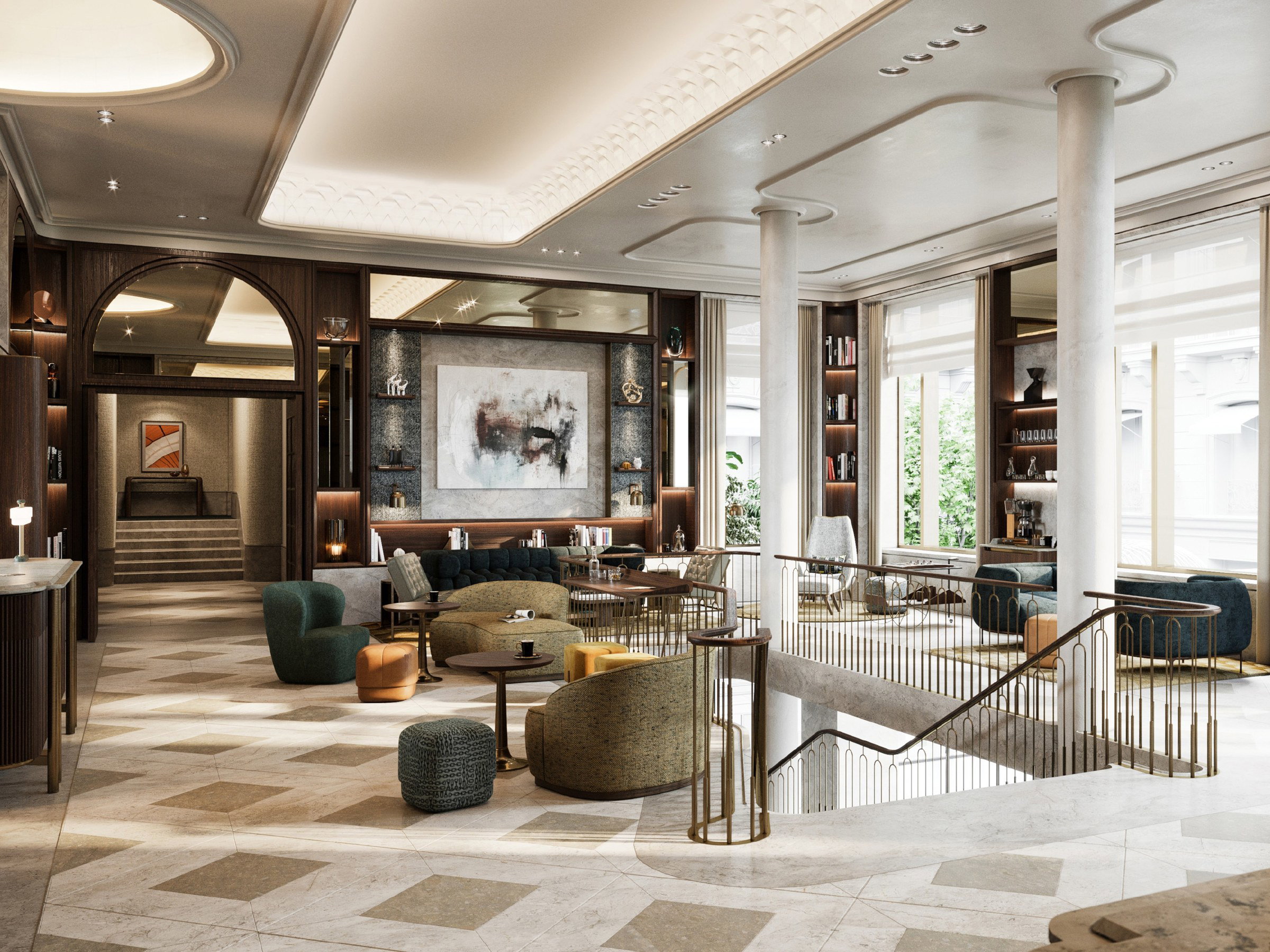
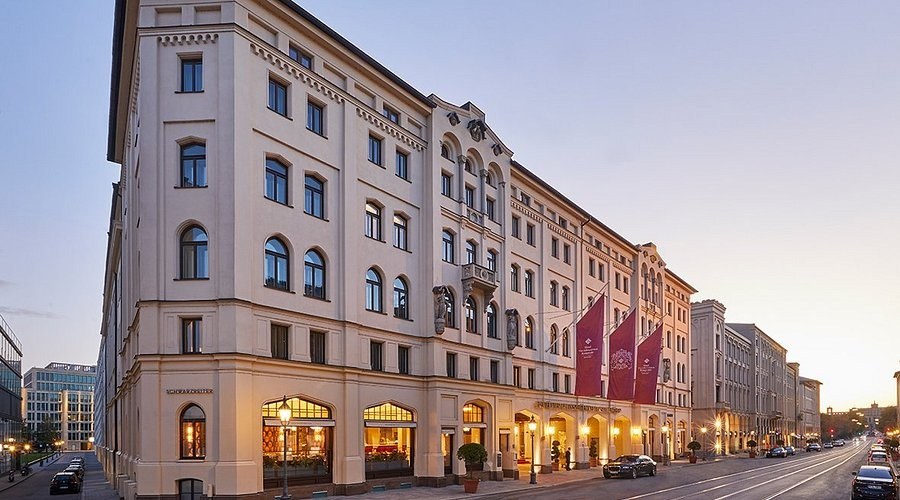
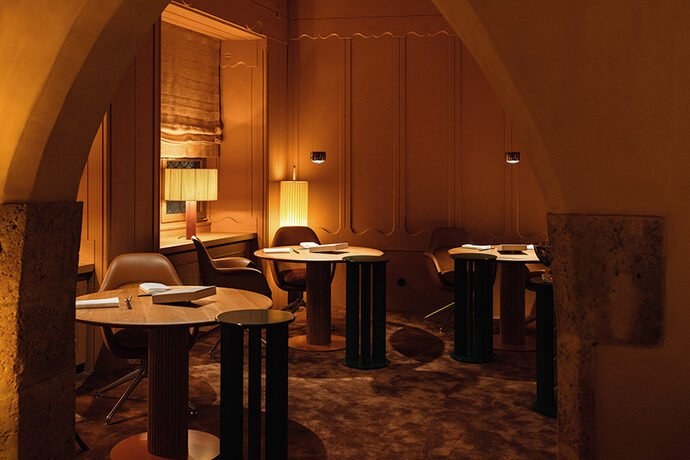
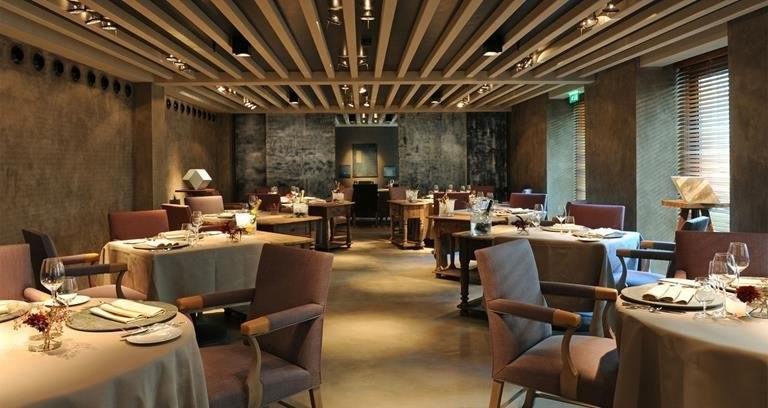
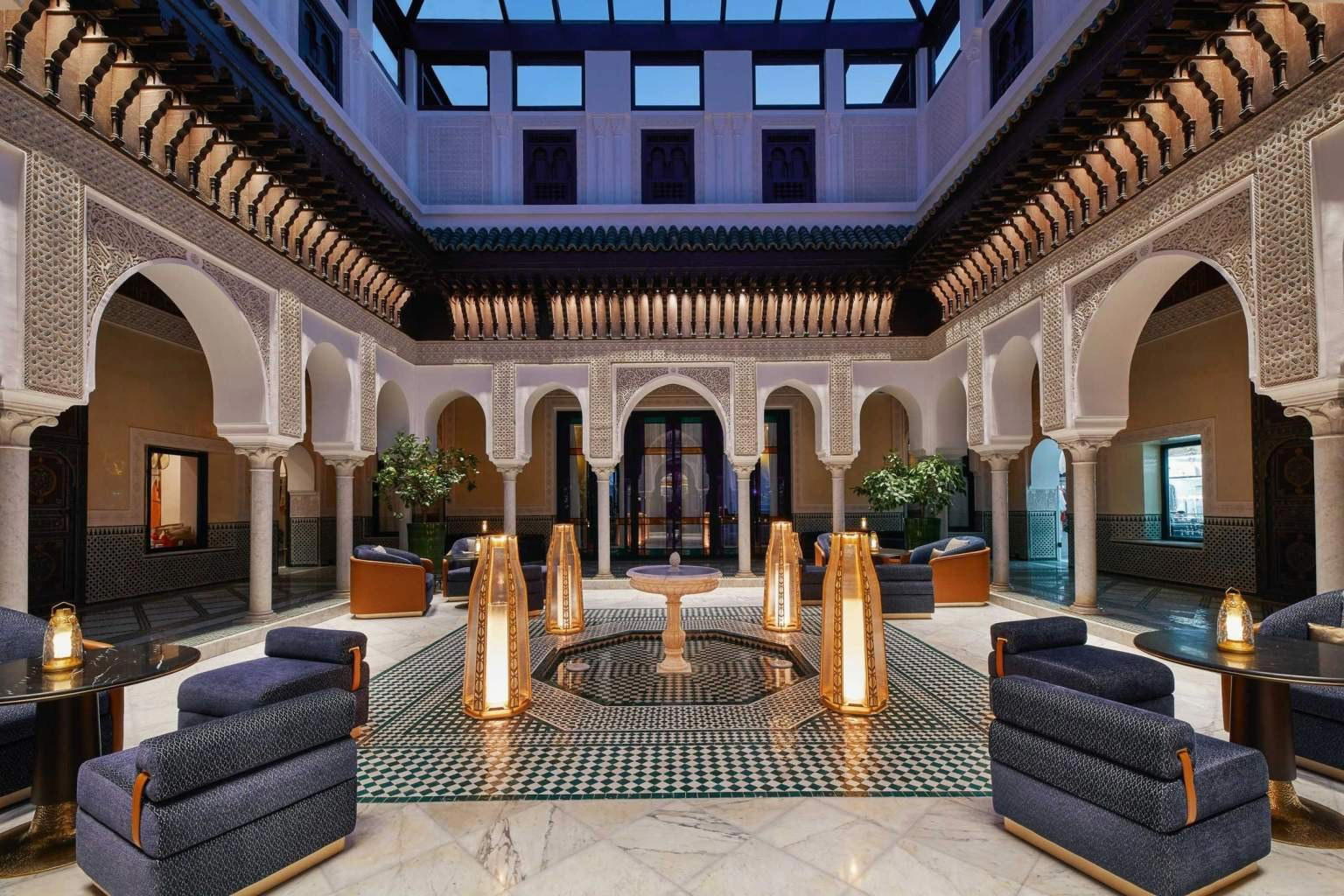
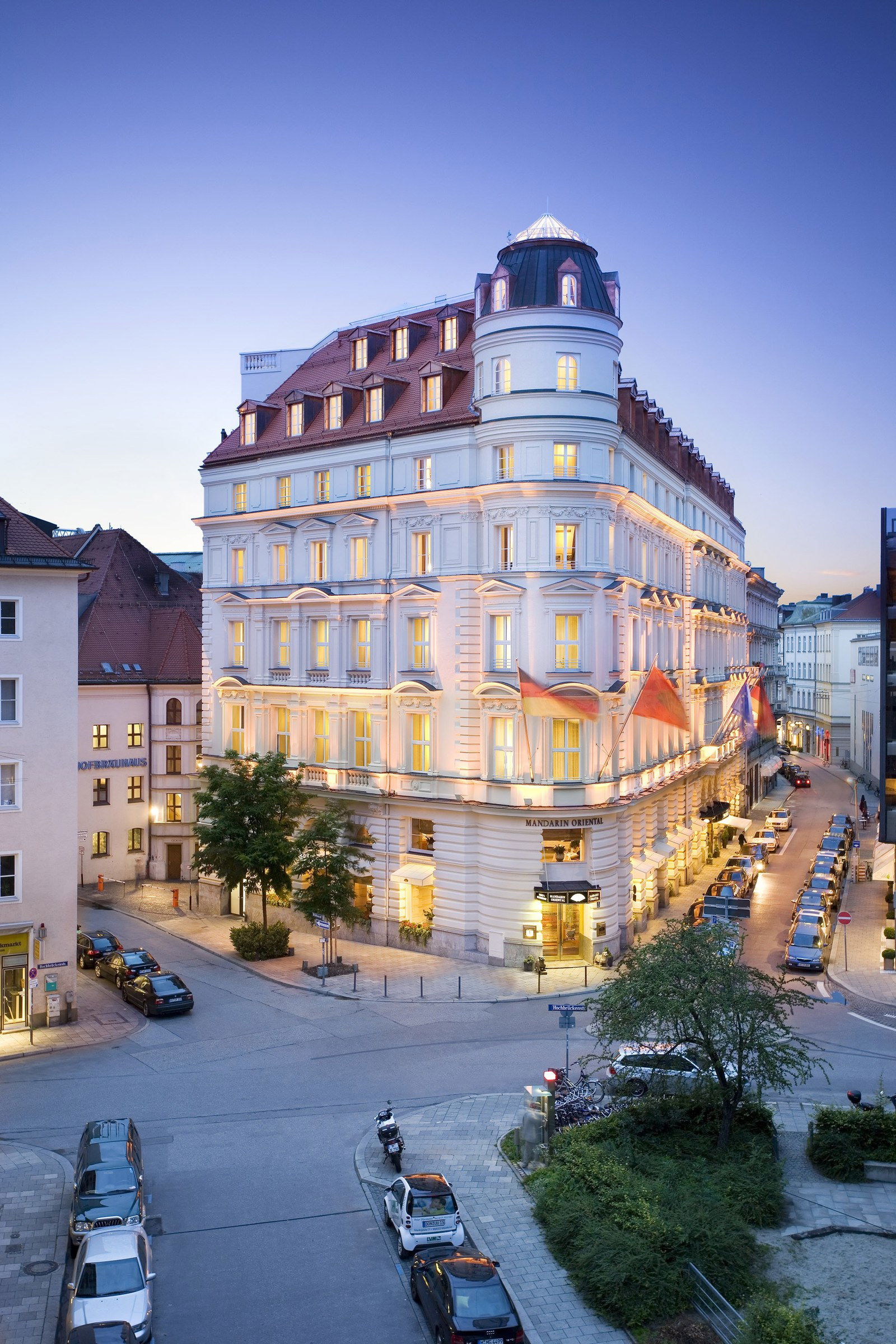
Mandarin Oriental Munich presents a restrained, historically rooted kind of luxury that fits squarely into the Altstadt’s civic architecture. Housed in a 19th‑century Neo‑Renaissance shell whose facade remains intact, the hotel pairs classical provenance with contemporary interventions in ways that feel respectful rather than showy. Its 73 rooms and suites give the property a boutique, almost residential scale, so service reads as personal and attentive. The overall effect is quietly assured — a classic, intimate address that leans on the city’s architectural gravitas while delivering the polished standards expected of a top‑tier urban hotel.
Best For
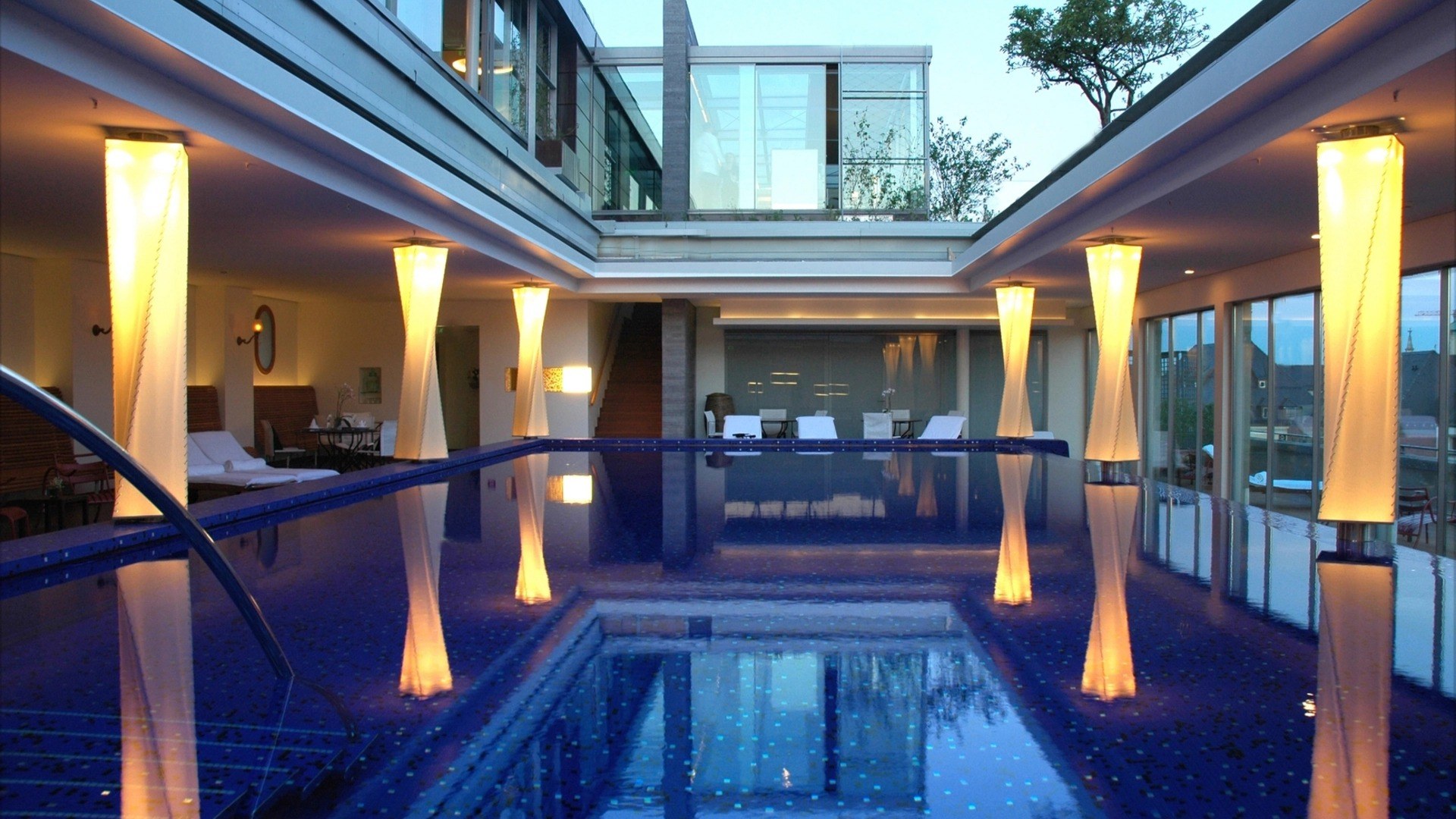
This Mandarin Oriental is best for travellers who prize centrality and a considered, intimate luxury stay. Couples looking for a tasteful romantic escape or to mark an anniversary find a quietly elegant backdrop in the Altstadt, while business travellers benefit from the hotel’s proximity to Marienplatz and Maximilianstrasse and its emphasis on personalised service. With a small room inventory and high hospitality scores, the property suits guests who prefer a more curated, service‑forward experience rather than a sprawling resort with abundant public facilities.
Stay Tips
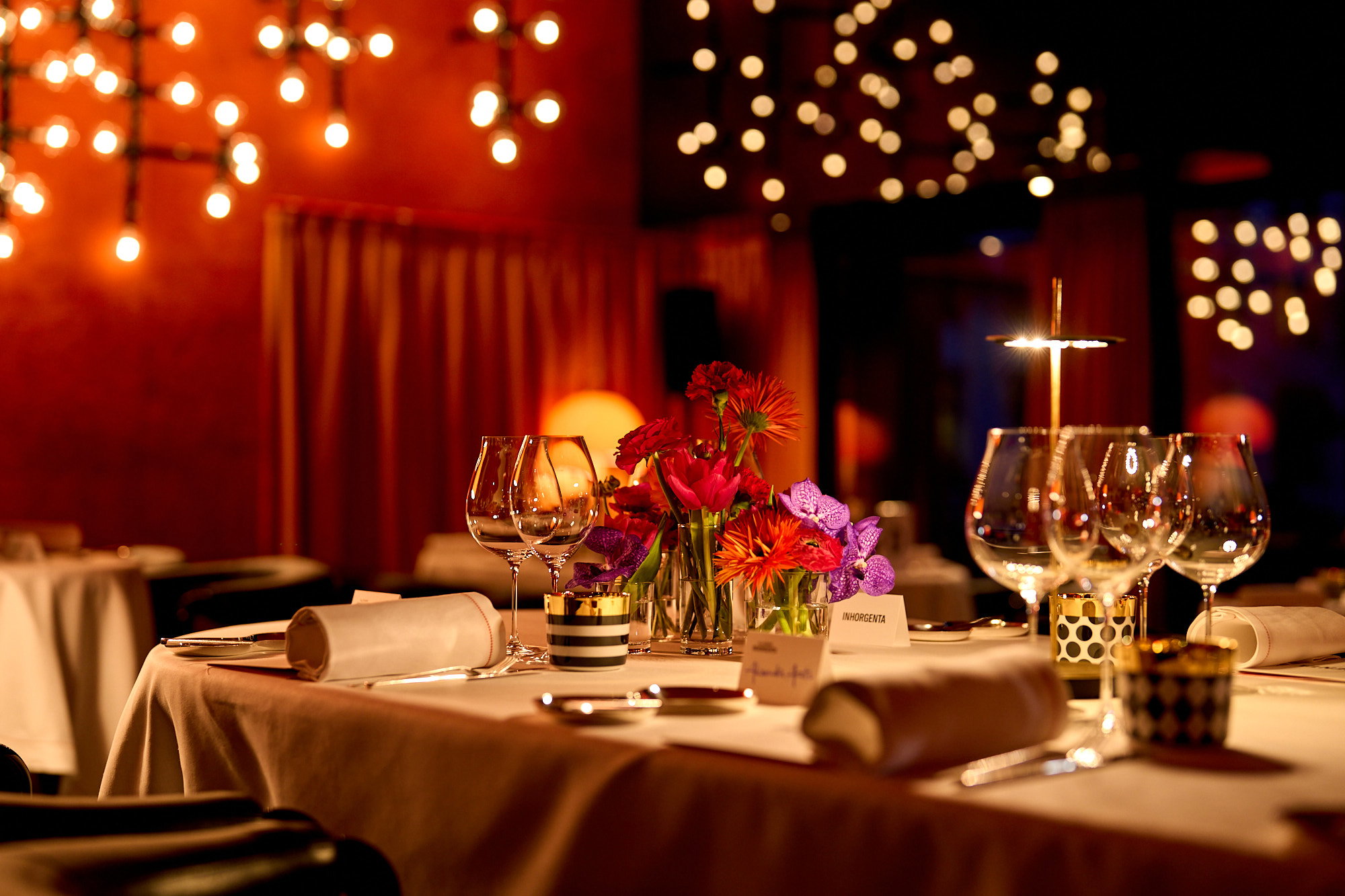
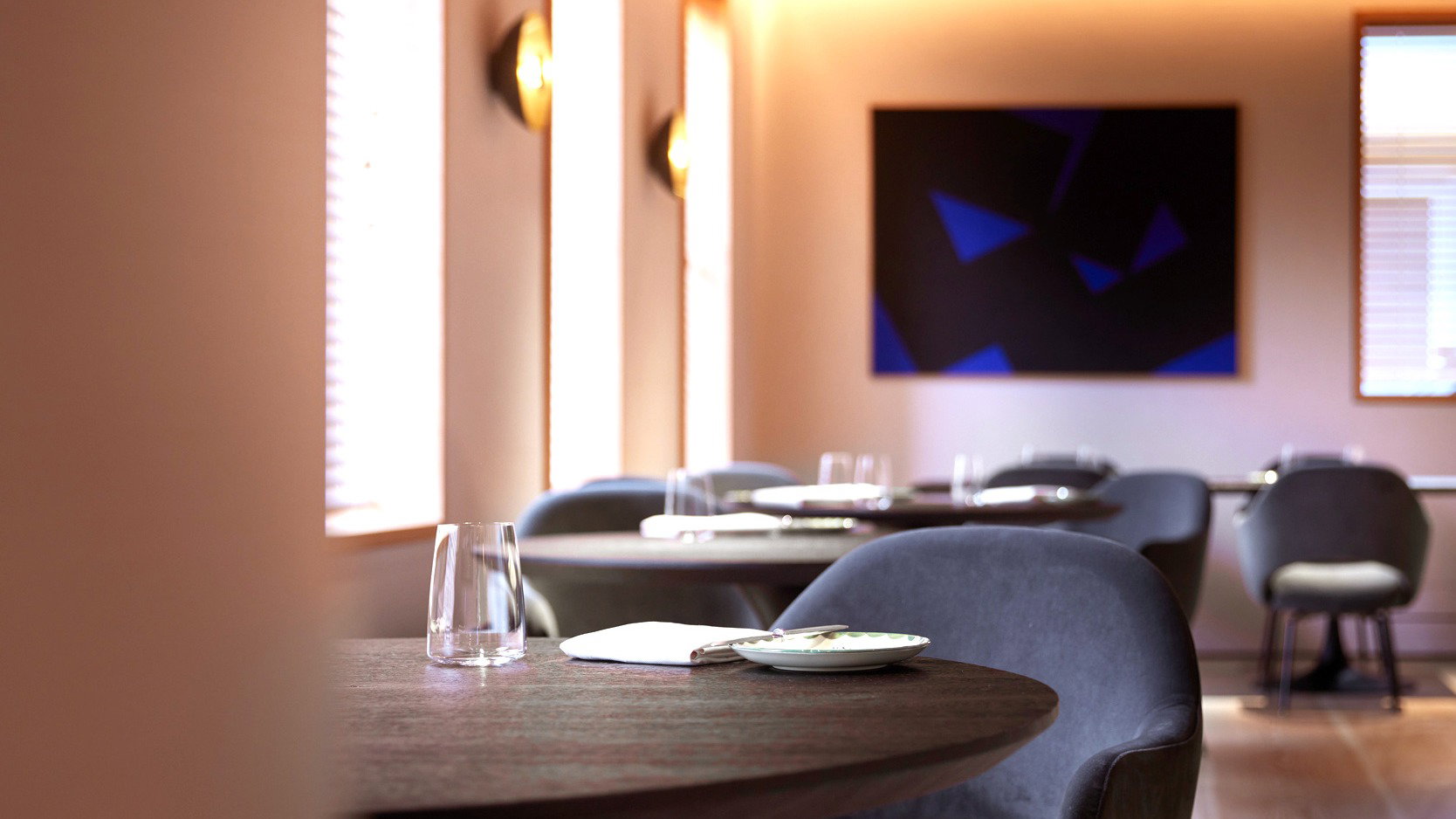
Because the hotel operates on a modest scale — 73 rooms and suites in total — book well in advance, especially for weekends and high‑season travel to Munich’s Altstadt. If you prefer more living space, consider a suite: the property’s room-to‑suite ratio (48 rooms to 25 suites) suggests suites are a sizeable portion of the inventory but still limited. Given the hotel’s culinary recognition (Michelin two‑keys and a high La Liste score), allow extra lead time for any dining reservations to ensure you can secure preferred times.
Venue details
Ambiance
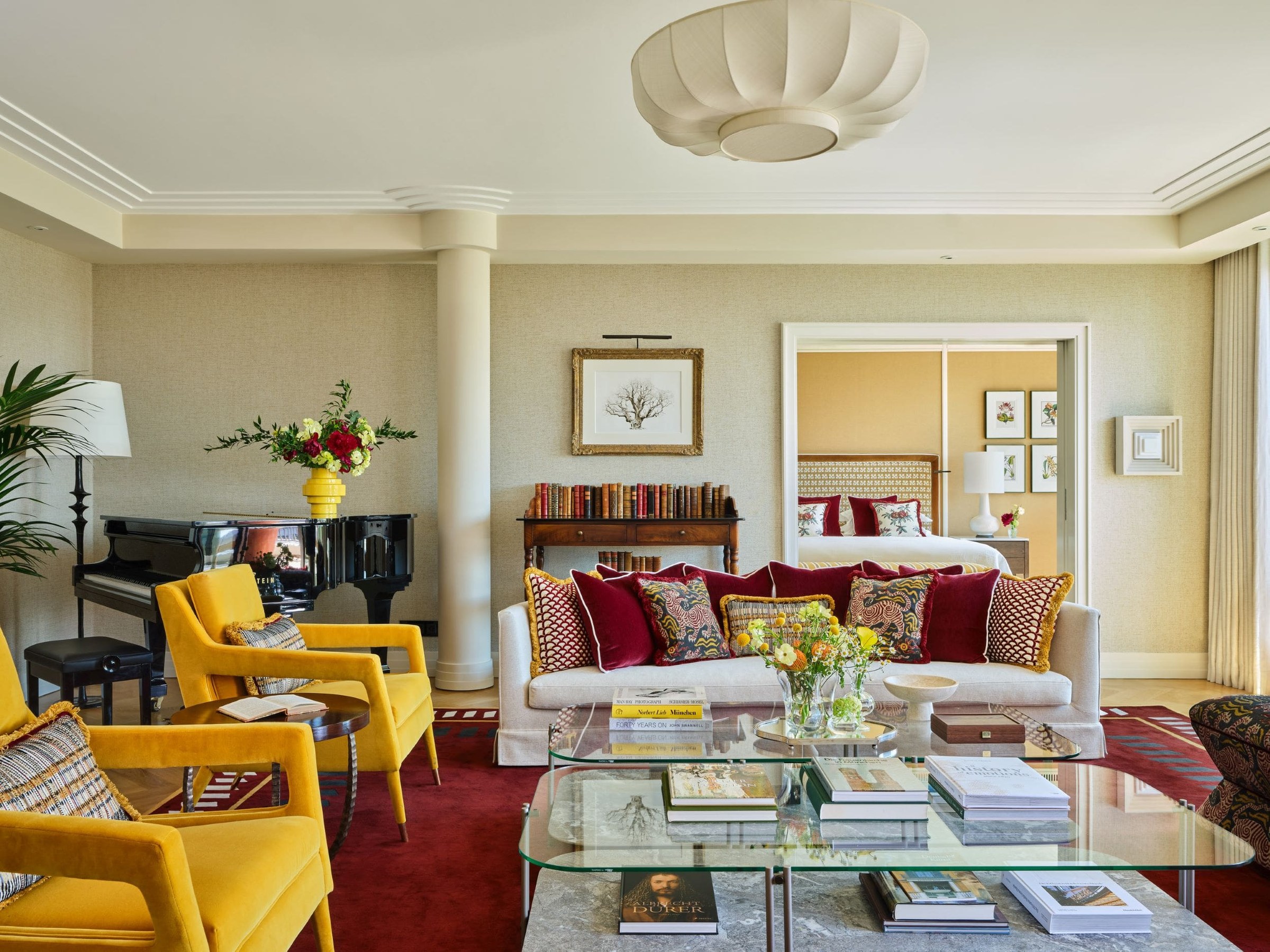
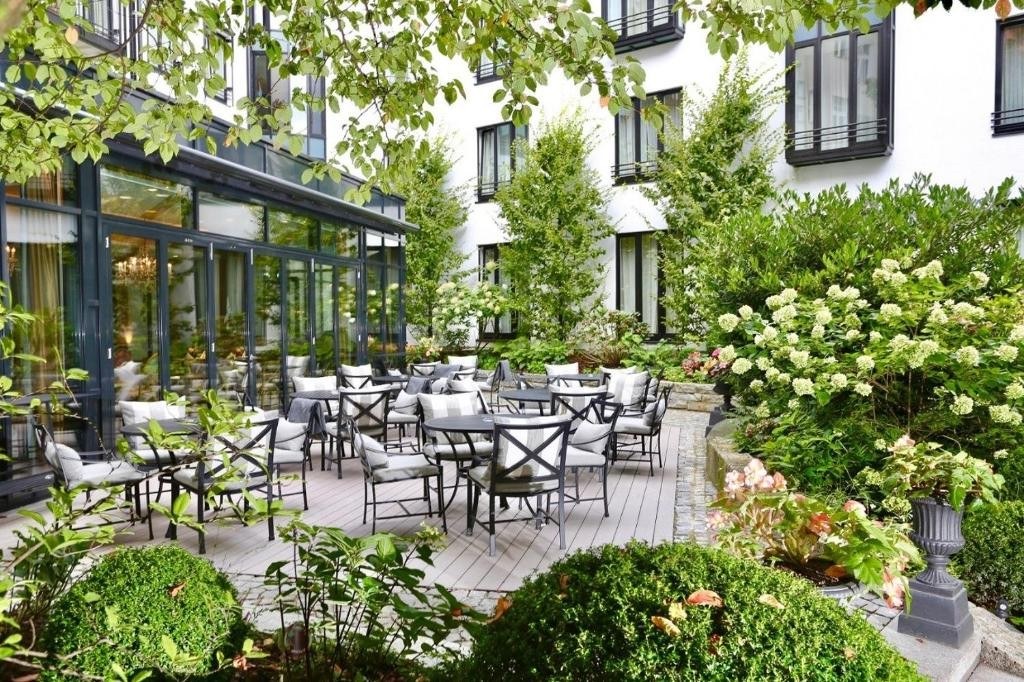
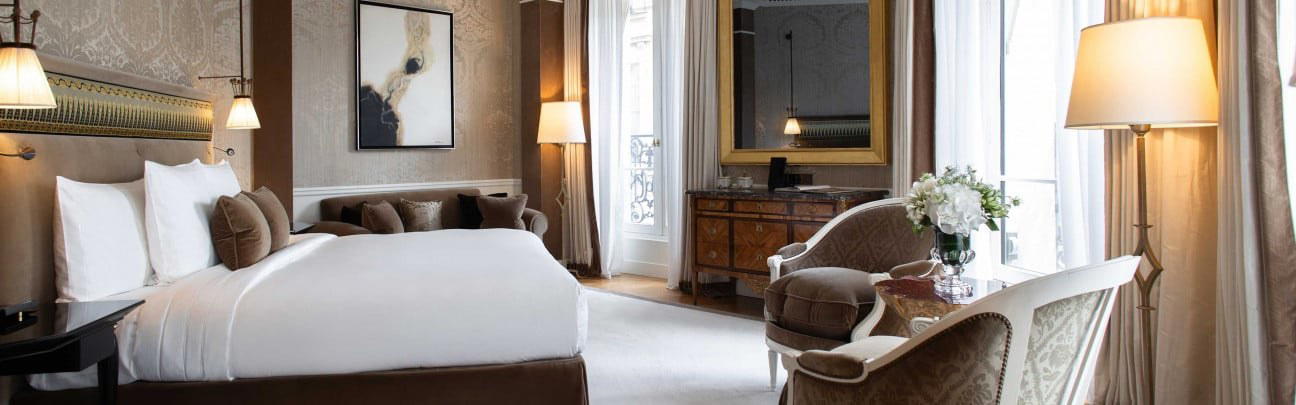
Elegant and tranquil atmosphere with bright, airy rooms featuring natural themes, parquet flooring, and sophisticated East-meets-West design, enhanced by soundproofing for quiet luxury.
Tags
Vibe
Best For
Experience
Amenities
View
Accessibility
About the Stay
- Rooms
- 73
- Property Style
- Historic Luxury Hotel Blending Biedermeier Elegance with Contemporary Bavarian Accents in Munich's Altstadt.
- Design Style
- Late Biedermeier Chic with Bright Palettes, Nature Themes, Oak Parquet Flooring, and Modern Prints.
Know before you go
Know Before You Go
- Getting there
- Neuturmstraße 1, 80331 München
Planning details
Location
Neuturmstraße 1, 80331 München · Directions
mandarinoriental.com/en/munich/altstadt?src=loc.yext.momuc.ggl
Recognition and awards



Also consider
Also Consider
- Cortiina Hotel, Notable alternative
- Hotel Lux, Notable alternative
- Hotel Vier Jahreszeiten Kempinski Munich, Notable alternative
- LOUIS Hotel, Notable alternative
- BEYOND by Geisel, Notable alternative
Hotel context
How It Compares
Mandarin Oriental Munich is the splurge-minded, service-first choice in this Munich set. Hotel Vier Jahreszeiten Kempinski Munich is the clearest heritage alternative if the brief calls for a grander classic-hotel mood, while Mandarin Oriental is the better fit for guests who want quieter atmosphere and the reassurance of a global luxury service model.
For value and a more independent feel, Cortiina Hotel and LOUIS Hotel are smarter cross-shops. They make more sense for travelers who plan to spend heavily on restaurants or shopping and need the hotel to be stylish, central, and less ceremonious. BEYOND by Geisel is the sharper alternative for guests who want a smaller, more residential-feeling stay.
Hotel Lux is the easier call for a casual city break, but it is not trying to compete on the same service promise. If the booking is for an anniversary, client-facing trip, or high-stakes weekend, stay with Mandarin Oriental Munich. If the goal is a lighter Munich base with less formality, start with Cortiina Hotel or LOUIS Hotel instead.
Around this place
Discover more on Pearl
Unlock the full Mandarin Oriental Munich guide in Pearl, including awards, comparisons, FAQs, planning details, and nearby places.
Compare Mandarin Oriental Munich
| Venue | Location | Awards |
|---|---|---|
| Mandarin Oriental Munich | Munich | 2026 Forbes 4-Star2026 Virtuoso Luxury Hotel Collection2026 La Liste Top HotelsMichelin 2 Keys 20252025 Michelin 2 Keys2025 Forbes 4-Star2024 Michelin 2 Keys |
| Cortiina Hotel | Munich | 2026 Design Hotels Collection2025 Michelin 1 Key |
| Hotel Lux | Munich | No published awards |
| Hotel Vier Jahreszeiten Kempinski Munich | Munich | 2026 Virtuoso Luxury Hotel Collection2026 Forbes 4-Star2026 La Liste Top Hotels2025 Forbes 4-Star2025 Michelin 1 Key |
| LOUIS Hotel | Munich | No published awards |
| BEYOND by Geisel | Munich | 2026 Virtuoso Luxury Hotel Collection2025 Michelin 1 KeyPreferred Hotels L.V.X. Collection 2025 |



How Mandarin Oriental Munich compares with similar nearby venues.
FAQ
Frequently Asked Questions
How is the location of Mandarin Oriental Munich?
Mandarin Oriental Munich is in Munich. The data does not support stating a street address, district, landmark, or more specific location detail here.
Is Mandarin Oriental Munich good for business travel?
It can be a reasonable Munich option to consider for business travel if confirmed recognition is important to the booking. Michelin 2 Keys in 2024, La Liste Top Hotels recognition for 2026, Forbes 4-Star recognition in 2026, and Virtuoso Luxury Hotel Partner status in 2026 support its premium positioning; compare it with Hotel Lux or Cortiina Hotel if you want a different style of Munich stay.