
House of Hütter - Münchner Kindl
Isarvorstadt, Munich
Hotel in Munich, Germany
 Book with Pearl
The Read
Maximalist Bavarian Boutique
Why go
House of Hütter - Münchner Kindl is a good fit for travelers who want a central Munich boutique base rather than a full-scale luxury hotel. Its strongest value case is location plus credible independent-hotel recognition, not a heavy amenities pitch. Compare rates against BEYOND by Geisel, LOUIS Hotel, and Do & Co Hotel Munich before committing on peak dates.
About House of Hütter - Münchner Kindl
House of Hütter - Münchner Kindl is a Munich venue with a smart casual dress code and two confirmed recognition signals: Small Luxury Hotels of the World Member for 2025 and the Mr & Mrs Smith Seal of Approval for 2026. Beyond these points, travelers should avoid assuming specific facilities, service style, dining options, room format, or location details unless they confirm them directly before booking.
For comparison shopping in Munich, it can be considered alongside BEYOND by Geisel, Bayerischer Hof Munich, Do & Co Hotel Munich, Koenigshof, a Luxury Collection Hotel, Munich, and LOUIS Hotel. The right choice depends on the traveler's own priorities, but House of Hütter - Münchner Kindl offers a Munich setting, smart casual dress code, and the recognition noted above.
A Munich option with confirmed recognition
The clearest reason to consider House of Hütter - Münchner Kindl is its recognition profile. Small Luxury Hotels of the World membership in 2025 and the Mr & Mrs Smith Seal of Approval in 2026 are confirmed signals for travelers comparing curated venue collections. They should not, however, be read as proof of any specific amenity, service level, dining program, or room configuration.
Guests should plan with the facts in mind: the venue is in Munich, the dress code is smart casual, and the recognition listed above. Any more specific booking questions should be checked directly with the property before relying on them.
Book with direct confirmation for trip-specific needs
If your stay depends on particular facilities, services, accessibility needs, dining availability, loyalty benefits, or room arrangements, confirm those details directly before booking. Details such as hours, pricing, service format, food or beverage offerings, family policies, or on-property amenities should be confirmed directly with the property.
The final verdict: consider House of Hütter - Münchner Kindl as a Munich option with smart casual dress expectations and confirmed recognition from Small Luxury Hotels of the World and Mr & Mrs Smith. Cross-shop it with BEYOND by Geisel, Bayerischer Hof Munich, Do & Co Hotel Munich, Koenigshof, a Luxury Collection Hotel, Munich, and LOUIS Hotel if you need to compare fit before committing.
Planning details
- Location
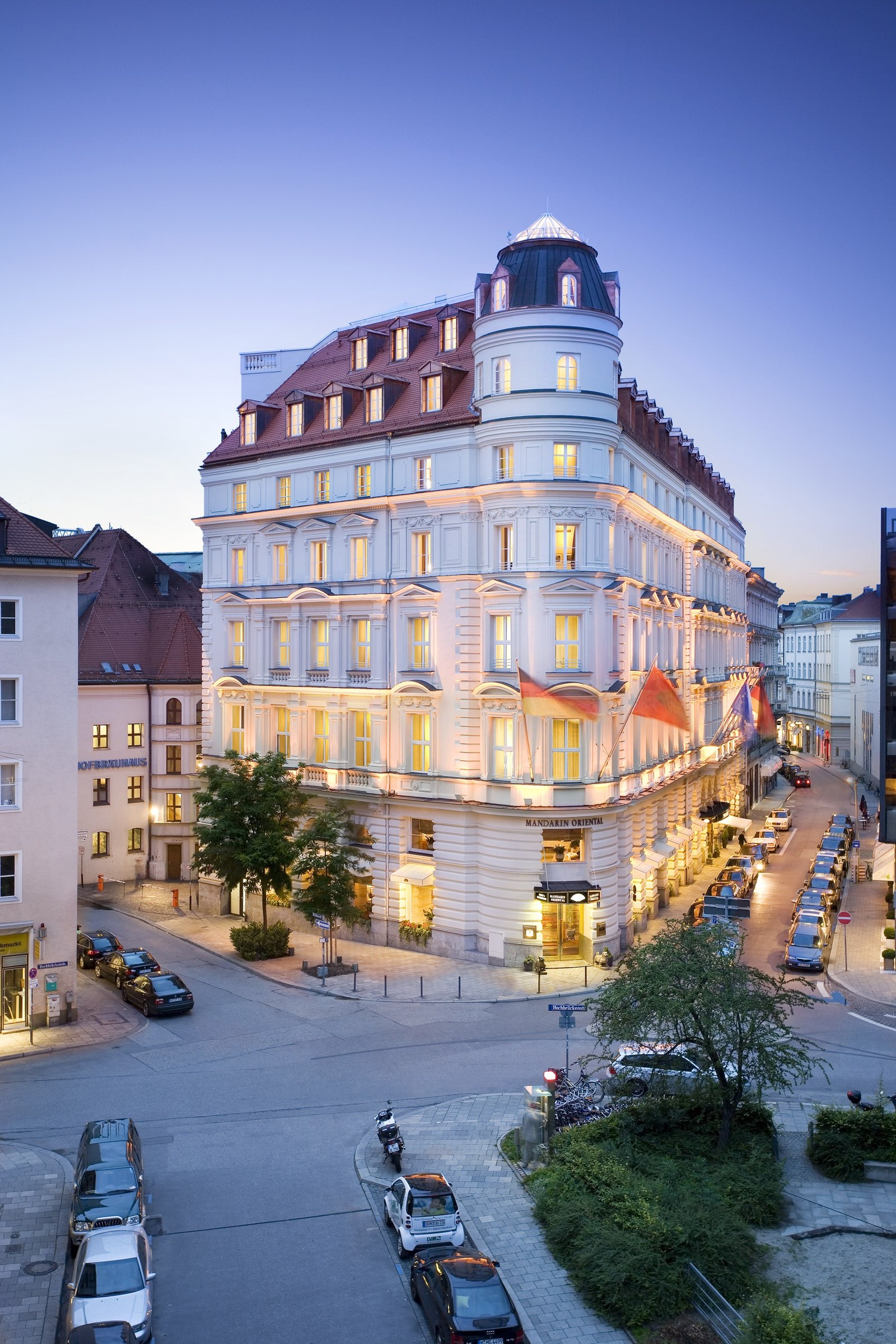
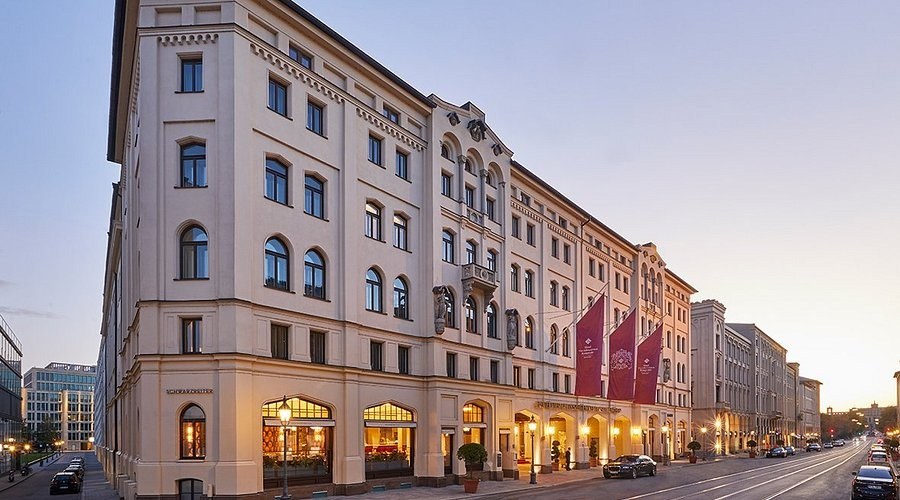
- Damenstiftstraße 16, 80331 München
- Website
- hotelmuenchnerkindl.de
- Phone
- +49 160 97933380
The take
The Take
The Vibe
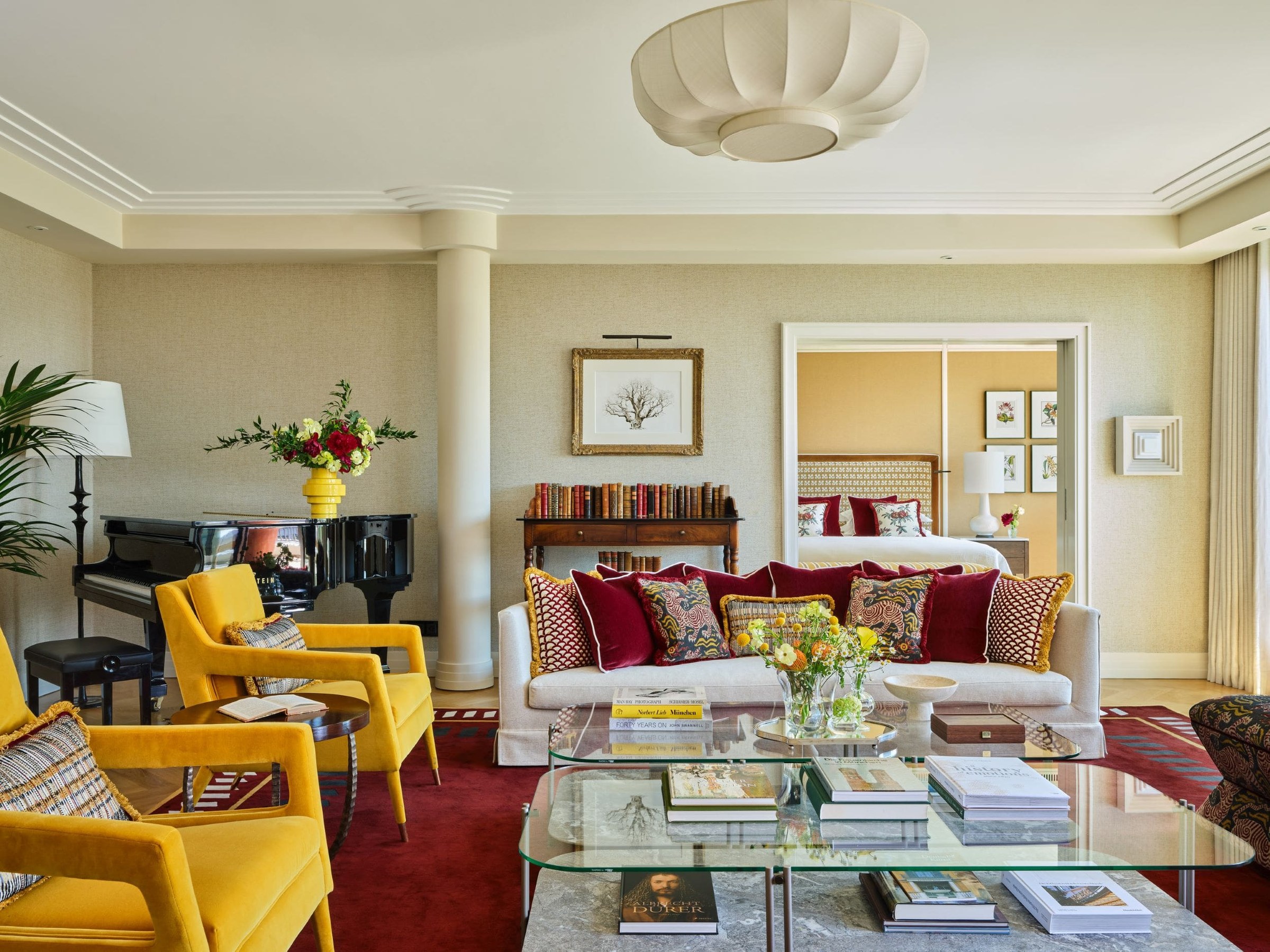
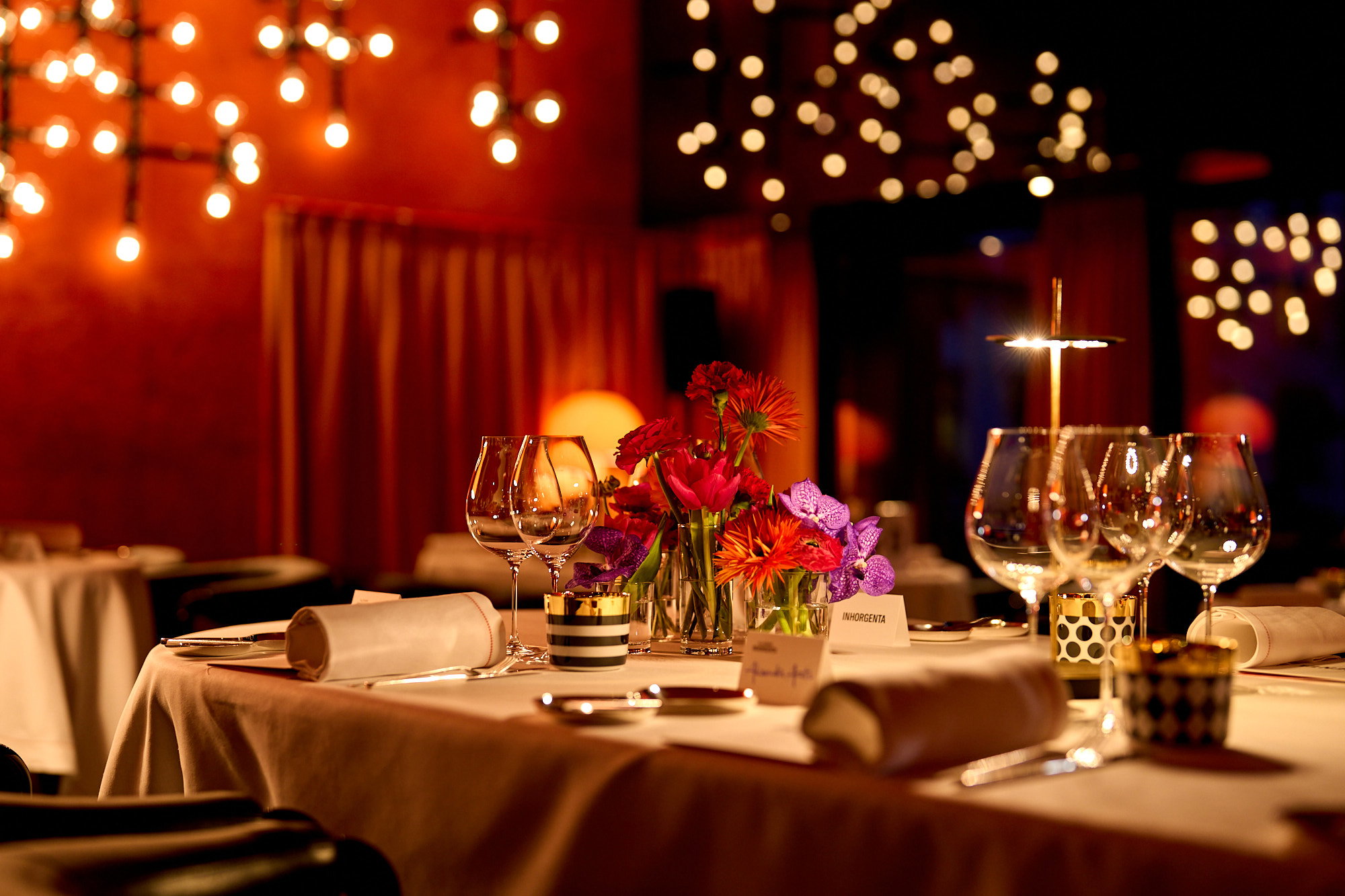
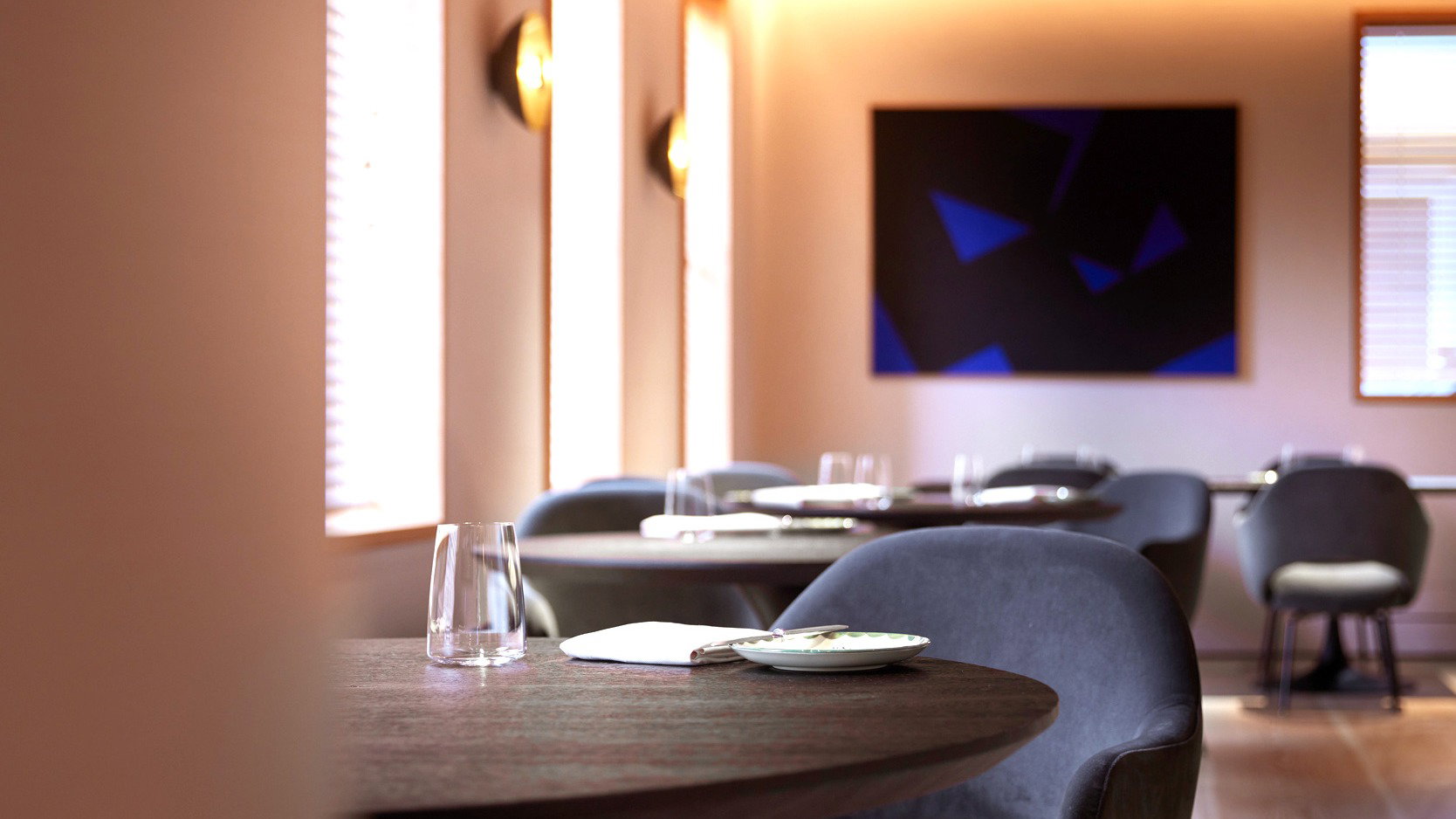
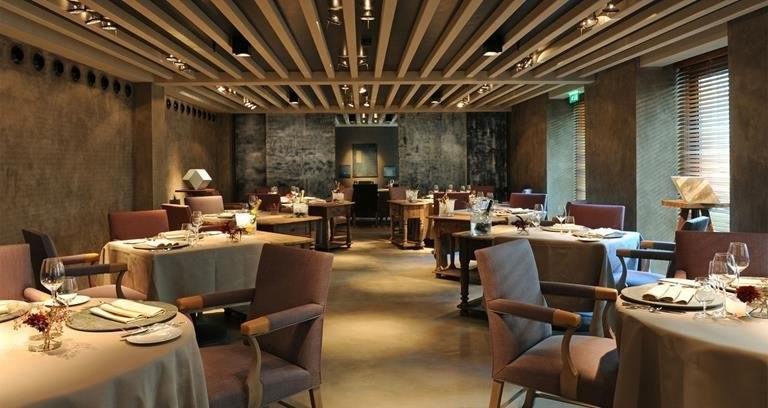
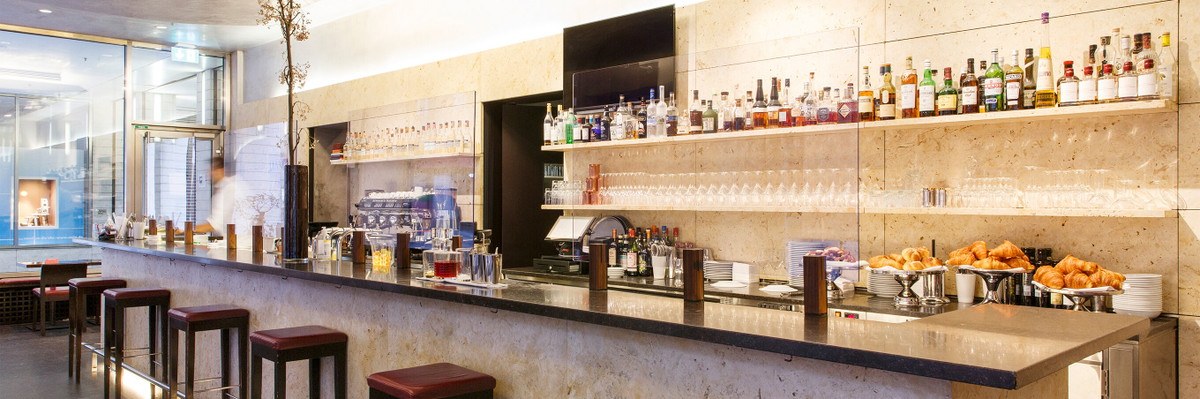
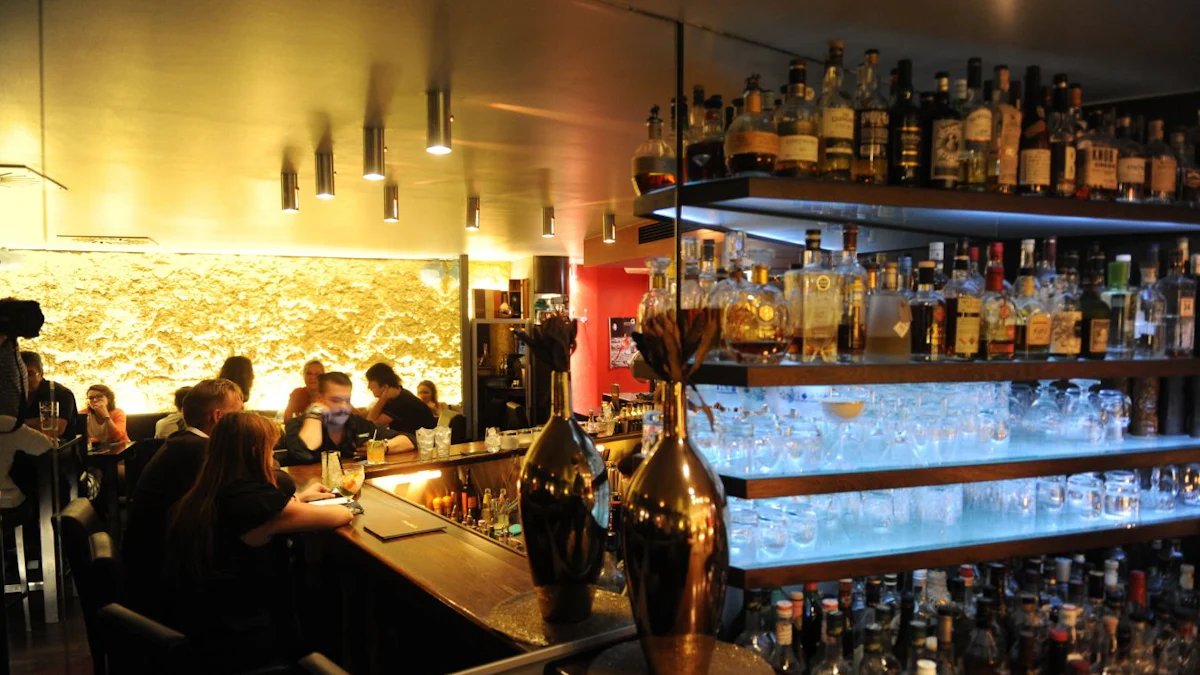
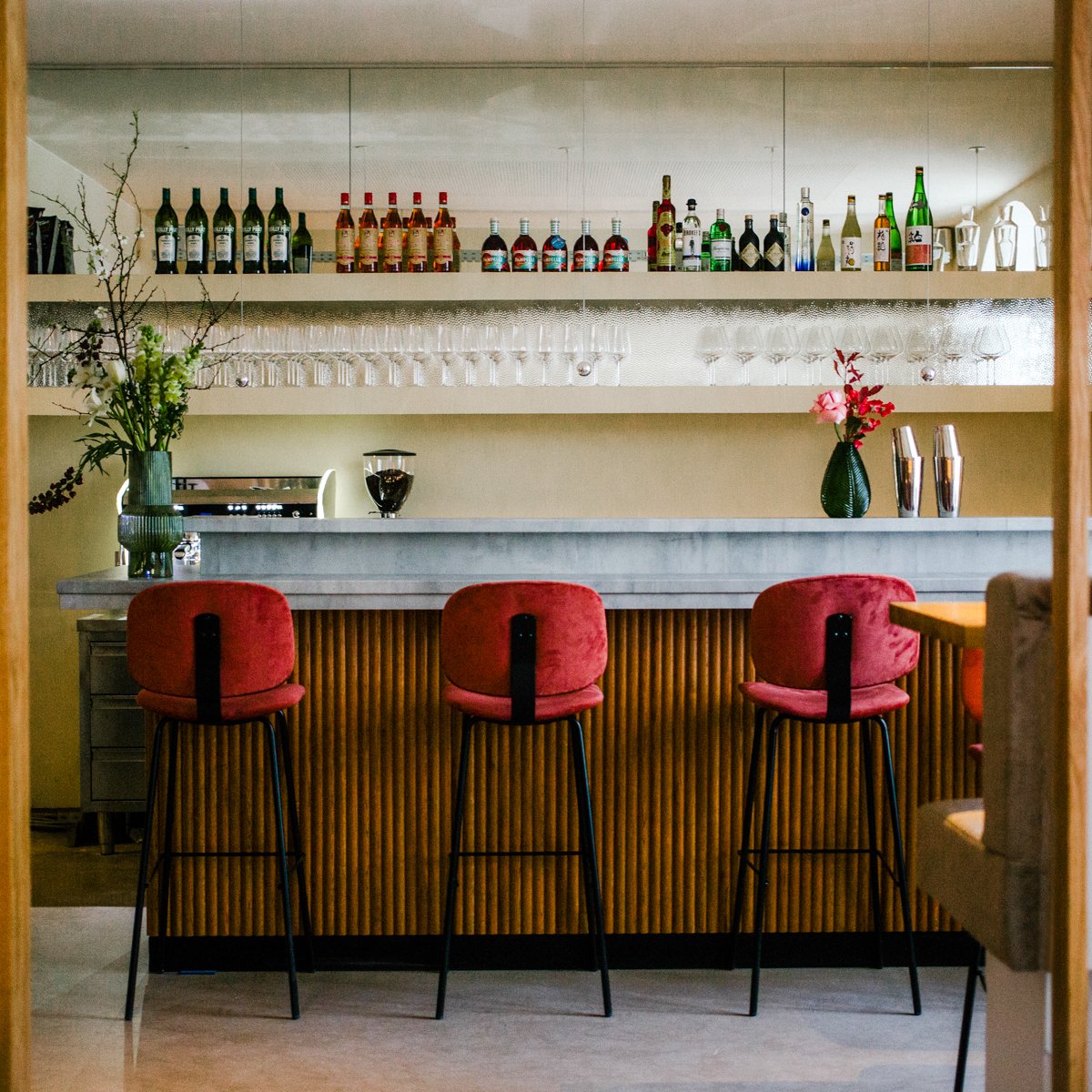
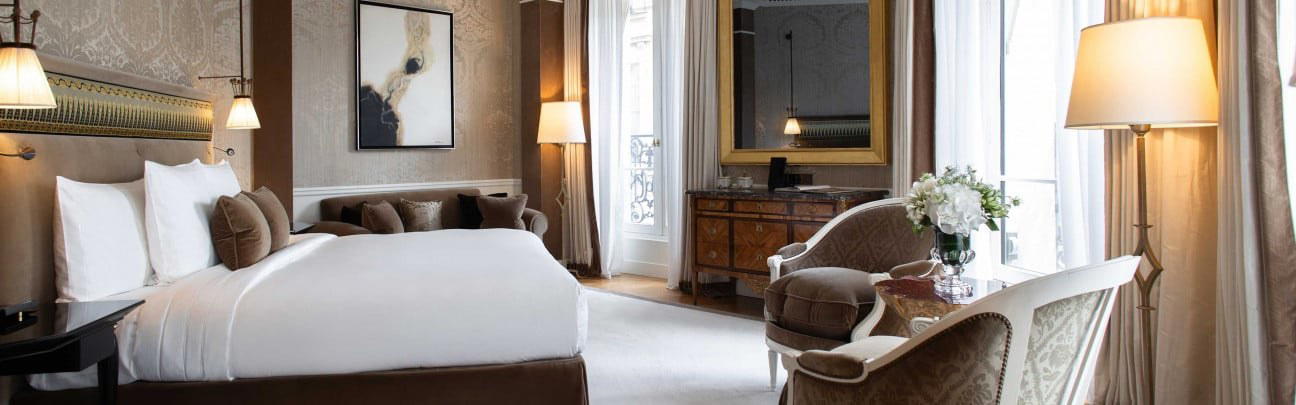
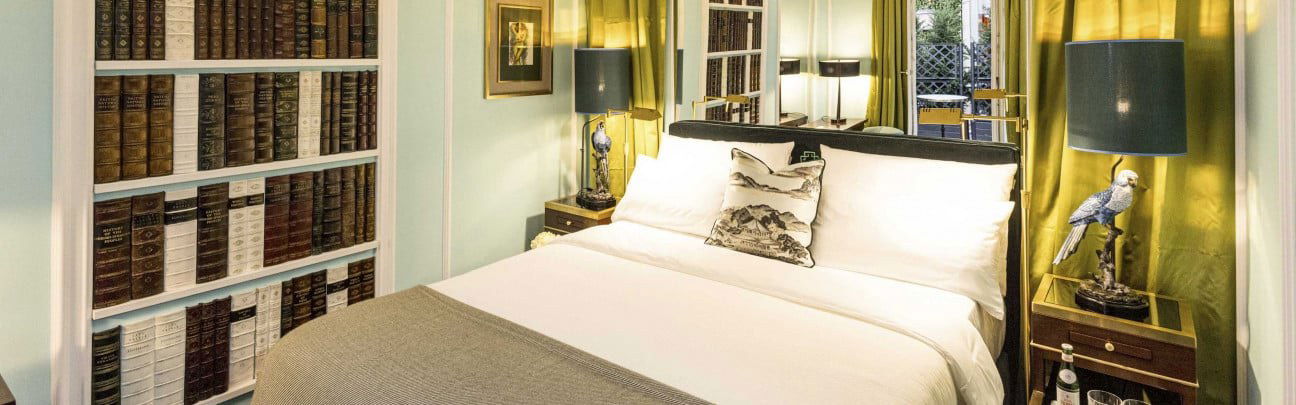
House of Hütter - Münchner Kindl positions itself as a boutique counterpoint to Munich’s internationally neutral luxury hotels. It leans into a distinctly Bavarian maximalism — saturated colour, layered pattern and a clearly articulated local visual vocabulary — that reads as intentionally specific rather than generic. The property’s smaller scale and carefully edited approach keep that maximalist impulse from feeling cluttered, producing an intimate, charming atmosphere where design and place feel inseparable. Located in the Altstadt, the hotel foregrounds personality and provenance over the cookie-cutter polish of larger flag properties.
Best For
This hotel is best for travelers seeking a design-forward, locally rooted stay rather than a standardized five-star chain experience. It suits couples and small-party travelers who prize intimacy and character, and it functions well for weekend escapes and celebratory stays that benefit from a strong sense of place. Guests who value curated interiors, Bavarian references and a boutique scale find the property particularly rewarding; those looking for neutral, internationally consistent design or large-scale hotel amenities may prefer one of the nearby flagship addresses instead.
Venue details
Ambiance
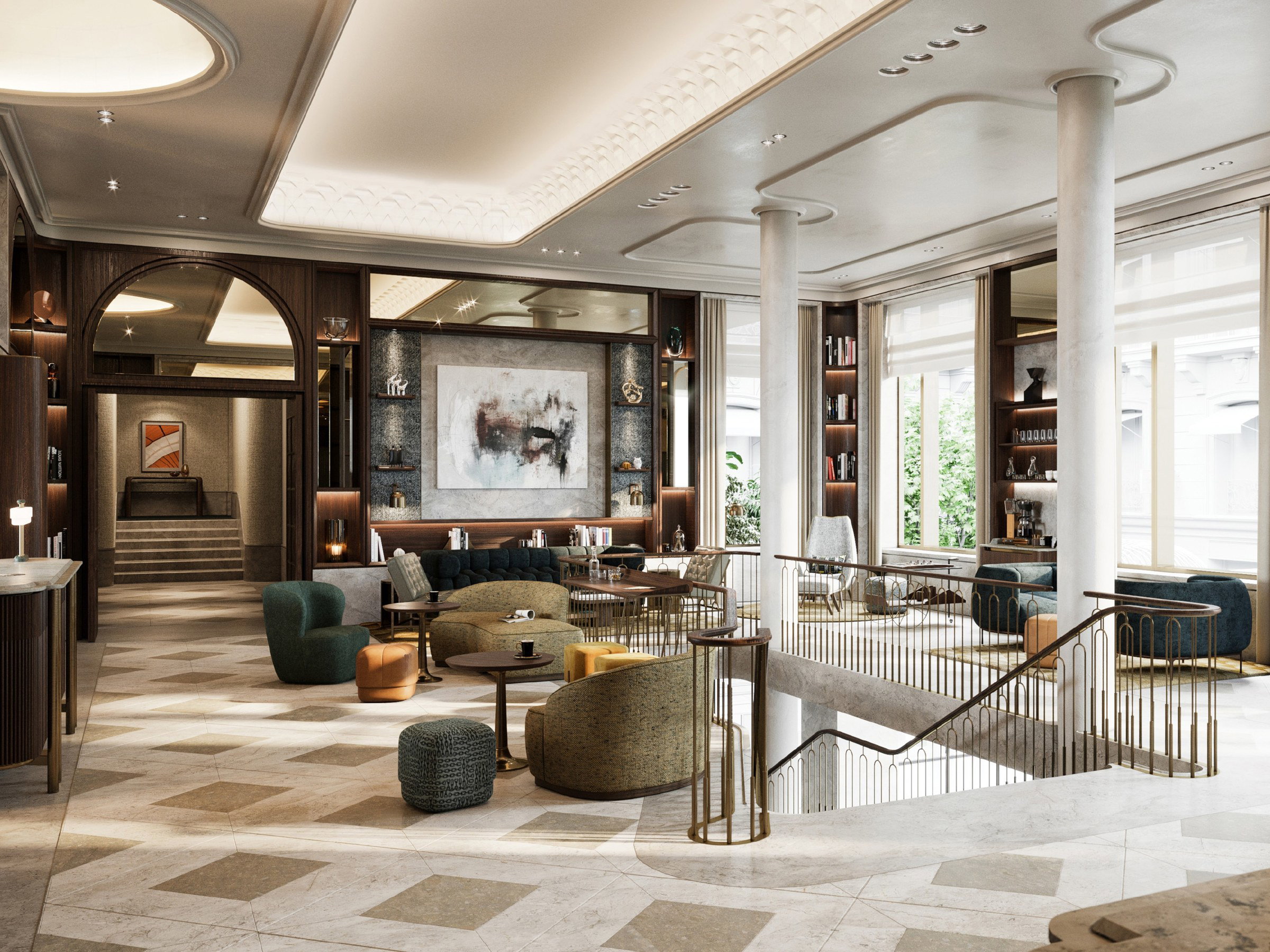
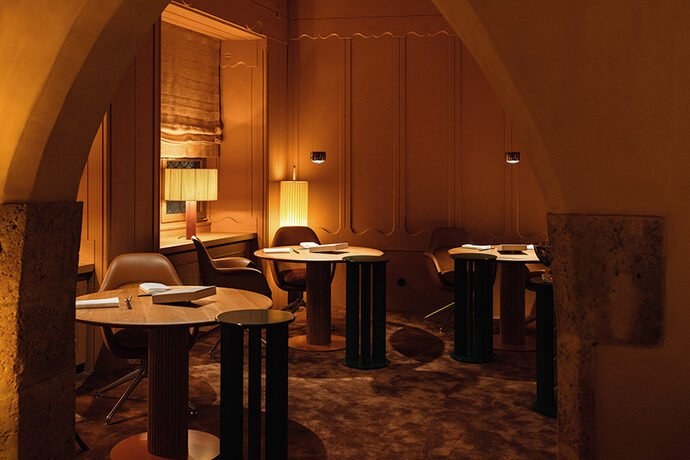
Vibrant and colorful with crackling fireplaces in winter lounges, warm Bavarian-inspired decor infused with contemporary sophistication, and an intimate homey atmosphere despite luxury finishes.
Tags
Vibe
Best For
Experience
Amenities
View
About the Stay
- Rooms
- 16
- Check-in
- 15:00
- Check-out
- 11:00
- Property Style
- Artistic Boutique Hotel with Bespoke Design Celebrating Munich's Cultural Heritage Through Eclectic Mix and Match Interiors.
- Design Style
- Baroque Inspired with Expressionist Art Influences, 1970s Schickeria Aesthetics, and Contemporary Luxury Finishes; Vibrant Color Palettes with Bold Patterns and Custom Made Furnishings.
Know before you go
Know Before You Go
- Getting there
- Damenstiftstraße 16, 80331 München
Planning details
Location
Recognition and awards

Also consider
Where to look if this is not the right fit
If House of Hütter - Münchner Kindl is unavailable or priced too high for the trip, start with BEYOND by Geisel for another intimate central option. For a broader luxury-hotel experience, compare Bayerischer Hof Munich before locking in.
Hotel context
How it compares in central Munich
Koenigshof, a Luxury Collection Hotel, Munich is the clearer pick for travelers who want a more formal luxury stay and are willing to pay for a bigger brand experience. House of Hütter - Münchner Kindl makes more sense when the brief is boutique scale, central access, and less ceremony.
Do & Co Hotel Munich, BEYOND by Geisel, and LOUIS Hotel are the more natural cross-shops for travelers comparing design, location, and price-to-quality. If rates are close, choose based on the stay style: BEYOND by Geisel for a more intimate central feel, LOUIS Hotel for a classic Munich boutique angle, and Do & Co Hotel Munich for a livelier city-hotel choice.
Bayerischer Hof Munich is the better fit if the hotel itself needs to carry the trip. House of Hütter - Münchner Kindl is the more focused choice when the room is a base and the city is the point.
Around this place
Discover more on Pearl
Unlock the full House of Hütter - Münchner Kindl guide in Pearl, including awards, comparisons, FAQs, planning details, and nearby places.
Compare House of Hütter - Münchner Kindl
| Venue | Location | Awards |
|---|---|---|
| House of Hütter - Münchner Kindl | Munich | 2026 Michelin Guide New Hotels2026 Mr & Mrs Smith Luxury Hotels2025 Michelin Selected HotelsSmall Luxury Hotels Member 2025 |
| Koenigshof, a Luxury Collection Hotel, Munich | Munich | 2026 Virtuoso Luxury Hotel Collection2025 Michelin 1 Key |
| Do & Co Hotel Munich | Munich | 2025 Michelin 1 Key |
| BEYOND by Geisel | Munich | 2026 Virtuoso Luxury Hotel Collection2025 Michelin 1 KeyPreferred Hotels L.V.X. Collection 2025 |
| LOUIS Hotel | Munich | No published awards |
| Bayerischer Hof Munich | Munich | 2026 Virtuoso Luxury Hotel Collection2026 La Liste Top HotelsLeading Hotels of the World 20262025 Michelin 1 KeyPreferred Hotels Member 2025 |






How House of Hütter - Münchner Kindl Munich Guide compares with similar nearby venues.
FAQ
Frequently Asked Questions
Is House of Hütter - Münchner Kindl family-friendly?
Details regarding specific family facilities, room types, or services are not available. Families should contact House of Hütter - Münchner Kindl directly before booking to confirm whether it fits their needs. Bayerischer Hof Munich is another Munich option to compare.
How is the location of House of Hütter - Münchner Kindl?
House of Hütter - Münchner Kindl is in Munich. Specific location details beyond Munich are not available, so guests should confirm practical transport and arrival details directly before booking. Koenigshof, a Luxury Collection Hotel, Munich is another Munich option to compare.
Do loyalty programs work at House of Hütter - Münchner Kindl?
The venue holds Small Luxury Hotels of the World membership for 2025 and the Mr & Mrs Smith Seal of Approval for 2026, however, it does not specify any specific loyalty earning, redemption, or benefits. If loyalty benefits are important, contact the property or booking channel directly, and compare options such as Do & Co Hotel Munich.
When is the best time to book House of Hütter - Münchner Kindl?
Details regarding a specific booking window, availability pattern, or seasonal pricing strategy are not available. If your dates are important, confirm availability directly and compare Munich options such as Bayerischer Hof Munich. The confirmed recognition signals are Small Luxury Hotels of the World Member for 2025 and Mr & Mrs Smith Seal of Approval for 2026.