





Hotel in Okavango Delta, Botswana
Moremi Game Reserve
225ptsFloodplain-Governed Wildlife Access

About Moremi Game Reserve
Moremi Game Reserve sits inside one of Africa's most biodiverse wetland systems, where the Okavango Delta's seasonal floods shape both the terrain and the rhythms of wildlife movement. Recognised by La Liste's 2026 Top Hotels ranking with a score of 90.5 points, the reserve operates as the benchmark against which other Botswana safari destinations measure themselves. Access is by light aircraft, and camps within its boundaries book months in advance.
Where the Delta Has Always Been in Charge
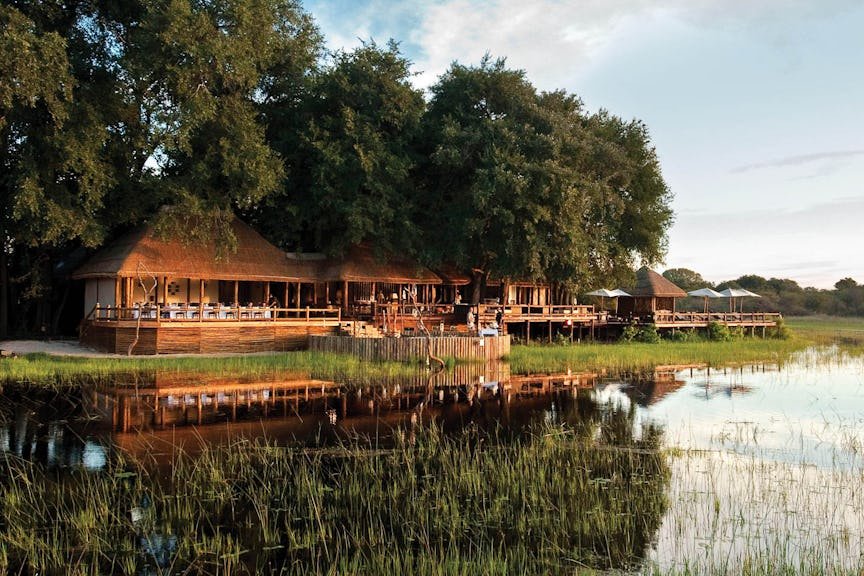
Approaching Moremi Game Reserve by light aircraft, the Okavango spreads beneath you as a fractal of channels, islands, and floodplains that shift every wet season. There is no fixed skyline to orient yourself against, no road that remains the same twice. The reserve occupies roughly 4,871 square kilometres of the Okavango Delta's northeastern quadrant, and the environment announces itself before you land: papyrus swaying along waterways, the flash of a malachite kingfisher, the low silhouette of a buffalo herd crossing a palm-studded island. This is what the editorial category of "wildlife destination" looks like when the wildlife, not the infrastructure, holds the authority.
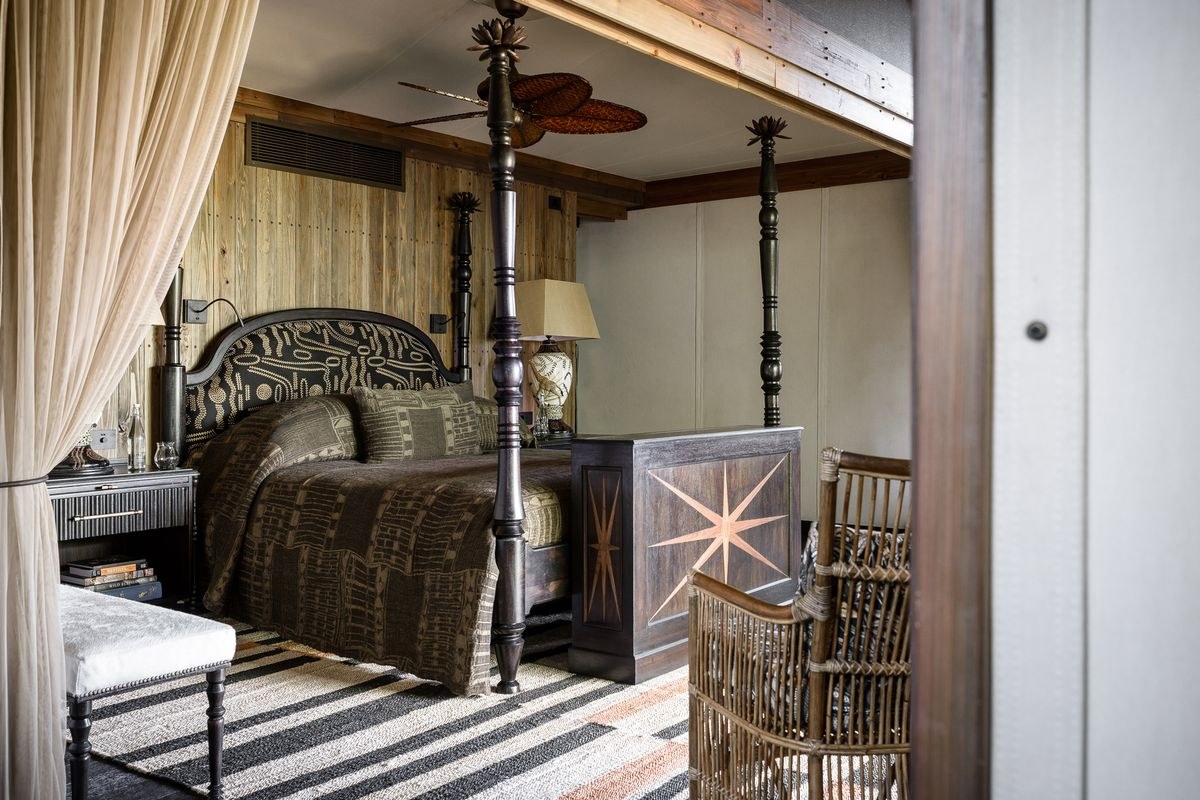
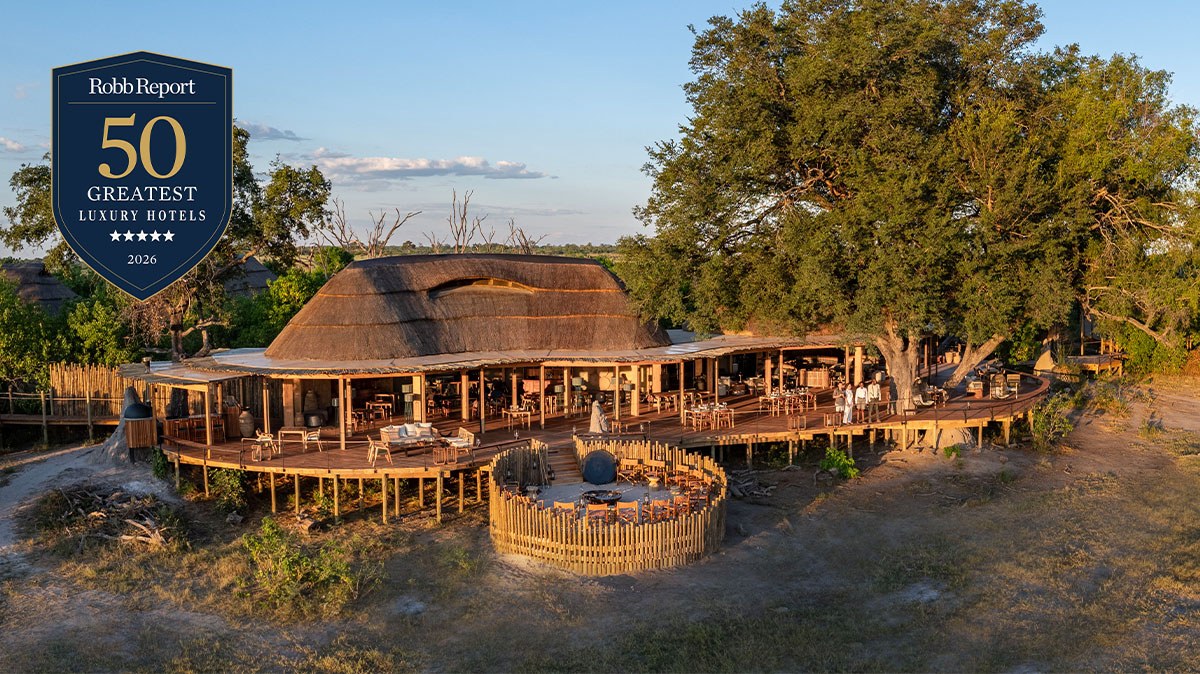
Moremi was gazetted in 1963, making it one of Africa's earliest wildlife reserves to be established by an indigenous community rather than a colonial administration. The BaTawana people of the region, alarmed by the encroachment of hunting and the depletion of game, petitioned for its protection. That origin distinguishes Moremi from most of its continental peers, which were created by outside decree. The reserve's governance history is inseparable from its character: the landscape was protected because the people who lived alongside it valued its integrity, and that ethic has shaped the approach of the camps and operators that have followed. Among the lodges positioned within or adjacent to Moremi, Xigera Safari Lodge in Moremi Game Reserve sits inside this protected zone and operates with the concession discipline the reserve demands.
The Ecology That Defines the Experience
The Okavango Delta functions as an inland river system that never reaches the sea. Fed by Angolan highlands rainfall, water travels roughly 1,000 kilometres before spreading across Botswana's Kalahari basin, creating a seasonal flood pulse that peaks between June and August. Moremi captures the most biodiverse section of this system, where permanent water meets dry land in a mosaic that supports predator densities few African ecosystems match. Leopard, lion, wild dog, and both species of African elephant move through the Chief's Island area at the reserve's core. The wild dog population, in particular, places Moremi in a different tier from most safari destinations: the Okavango Delta holds one of the largest remaining African wild dog populations, and Moremi's protected status has been central to that continuity.
The seasonal rhythm here determines everything about how a stay should be planned. The dry season, running approximately May through October, concentrates wildlife around permanent water and coincides with cooler temperatures that make game drives more comfortable. This is when the reserve draws the majority of its visitors and when the camps in the surrounding concessions operate at peak capacity. The green season, November through April, brings dramatic skies, active bird life, and the first flood pulse, but road access to some areas becomes limited, and the camps that remain open often adjust their activity programmes accordingly. For wildlife photographers, the green season's light quality and the presence of migratory bird species represent a compelling trade-off against the reduced game visibility.
Moremi in Its Competitive Set
Okavango Delta accommodates a range of safari formats, from semi-permanent tented camps on leased concessions to more permanent lodge structures. Moremi's boundaries create a framework within which operators position their offerings. Little Mombo Camp, operating on Chief's Island within Moremi's core, has long been considered among the Delta's reference points for wildlife density and guiding depth. Duba Plains Camp and the Duba Concession sit to the northwest of Moremi's official boundary, operating under separate concession agreements but benefiting from the same flood-driven ecosystem. andBeyond Sandibe Okavango Safari Lodge and andBeyond Xaranna Okavango Delta Camp offer comparable floodplain access through andBeyond's concession network, while andBeyond Nxabega Okavango Tented Camp positions itself toward the more intimate, tented-camp end of the group's Delta portfolio. Sitatunga Private Island represents the Delta's private-island format, where exclusivity is defined by the water surrounding it rather than by fenced acreage.
La Liste's 2026 ranking, which places Moremi Game Reserve at 90.5 points in its Leading Hotels assessment, positions the reserve and its associated properties within a global peer set that includes properties like Amangiri in Canyon Point and Castello di Reschio in Lisciano Niccone. These are destinations where the physical environment is the primary asset, and where the accommodation exists to mediate between visitor and landscape rather than to compete with it. At 90.5 points, Moremi sits in a bracket that implies consistent delivery rather than peak-season performance, a meaningful distinction in a region where flood levels and wildlife movement vary year to year.
Getting There and Planning the Visit
Access to Moremi Game Reserve runs almost exclusively through Maun, the Delta's gateway town, where charter flights connect to the reserve's various airstrips. Road entry is possible via the South Gate and North Gate, though the state of the tracks varies considerably by season, and most premium camps arrange fly-in transfers as the default. Visitors combining Botswana itineraries often pair Moremi-area camps with the Chobe River corridor, where andBeyond Chobe Under Canvas in Chobe National Park and Zambezi Queen in Chobe River extend the safari itinerary eastward. For those approaching from a wider southern Africa routing, Wilderness DumaTau in Linyanti offers a Botswana alternative with a different ecological character. Jack's Camp in Makgadikgadi Salt Pans represents the most contrasting extension available within Botswana: from floodplain to fossil lake in a single flight. Belmond Safaris in Maun provides another access point into the Delta's broader camp network. For the wider EP Club view of where Moremi fits within the region's options, our full Okavango Delta guide maps the full range of camps by location and format.
Travel insurance covering light aircraft and medical evacuation is standard practice across the Delta, where the nearest full medical facilities are in Maun or Gaborone. Moremi operates as a national park under Botswana's Department of Wildlife and National Parks, meaning park fees apply on leading of any camp rates, and vehicle and game drive regulations are determined by park rules rather than individual operator preference. The combination of park-governed access and private concession operation outside the boundary creates a two-tier experience: those staying within the reserve proper operate under stricter activity controls, while concession-based camps have more flexibility in off-road driving and night game-drive scheduling.
Frequently Asked Questions
- Which room category should I book at Moremi Game Reserve?
- The accommodation categories within and adjacent to Moremi vary by operator rather than by a single property hierarchy. La Liste's 90.5-point recognition applies to the destination as a whole, so the right choice depends on whether you prioritise park-boundary proximity, concession exclusivity, or a specific activity format such as mokoro (dugout canoe) access. Camps like Xigera Safari Lodge and Little Mombo Camp sit at the higher end of the Delta's pricing tiers and offer a useful reference point for what the reserve's top-performing accommodation looks like.
- What is Moremi Game Reserve leading at?
- Within Botswana's safari circuit, Moremi's consistent advantage is predator density combined with the Delta's water-based activity options. The combination of land-based game drives and mokoro or boat excursions on the same trip is available here in a way that purely land-locked reserves cannot replicate. The reserve's 1963 community-led gazettement has also produced a conservation record that gives it genuine credibility within the broader Okavango Delta, which sits on EP Club's radar alongside comparable wilderness destinations across the continent.
- Do they take walk-ins at Moremi Game Reserve?
- As a national park, Moremi's gates are open to self-drive visitors, but the camps operating within and adjacent to the reserve do not function on walk-in availability. Premium accommodation in the Delta, particularly at the La Liste-recognised tier Moremi occupies at 90.5 points, books months in advance for peak dry-season dates between June and October. Arriving without a reservation and expecting to find camp space during this window is not a realistic plan. Direct contact with the specific camp or a specialist Africa travel operator is the functional booking route, as no consolidated online reservation system covers the full range of Moremi-area properties.
- When is the leading time to visit Moremi Game Reserve for seeing African wild dogs?
- African wild dog sightings in Moremi are most reliably associated with the dry season months of May through October, when packs denning on Chief's Island and surrounding areas are more predictable in their movement and easier to track against the open, dry vegetation. The Delta's wild dog population is one of the largest remaining in Africa, and Moremi's protected status has been a material factor in its continuity. Camps with experienced resident guides and long-established vehicle networks, such as those recognised in La Liste's 90.5-point assessment of the reserve, tend to have the most consistent sighting records for this species.
Recognized By
Related editorial
- Best Fine Dining Restaurants in ParisFrom three-Michelin-star icons to the next generation of Parisian chefs pushing boundaries, these are the restaurants that define fine dining in the world's culinary capital.
- Best Luxury Hotels in RomeFrom rooftop terraces overlooking ancient ruins to Michelin-starred hotel dining, these are the luxury hotels that make Rome unforgettable.
- Best Cocktail Bars in KyotoFrom sleek lounges to hidden speakeasies, Kyoto's cocktail scene blends Japanese precision with global influence in ways you won't find anywhere else.
Save or rate Moremi Game Reserve on Pearl
Keep this venue in your Pearl passport, rate it after you visit, and track it alongside every other place you collect.