



ULUM Moab
La Sal, Moab
Hotel in Moab, United States
 Book with Pearl
The Read
Red-Rock Resort Camping
Why go
Book ULUM Moab for a celebration trip where the stay matters as much as the desert itinerary. It is stronger for couples and return visitors than for travelers who need downtown convenience, easy last-minute availability, or a points-first hotel strategy. The value is in the retreat format and serious hotel recognition, not in treating it as a basic Moab base.
About ULUM Moab
For a trip to Moab, the question is whether ULUM Moab should be treated as a stay with its own appeal rather than simply a place to sleep. Its recognition makes the strongest case: Michelin 2 Keys (2024), La Liste Top Hotels (2026) with 92pts, World Travel Awards 2025 Leading Exclusive Retreat, and Fodor's Most Incredible Hotels in the World (2026).
The recommendation is strongest for travelers who want the lodging choice to carry real weight. The dress code is casual, and the accolades point to a premium retreat-style positioning. Before booking, check current room types, dining formats, prices, hours, services, and on-property programming directly.
Book this when the hotel is the occasion, not just the base
ULUM Moab makes the most sense when the stay itself is part of the reason for the trip. Its recognition supports treating it as a special-occasion option in Moab, especially for travelers comparing lodging as an experience rather than only by convenience or rate.
For details such as amenities, meal periods, menus, activity programs, or room categories, the safest way to plan is to confirm the current offering directly. That is especially important for guests whose trip depends on particular dining needs, services, or logistics.
Rewards value matters less than securing the right stay
The loyalty-and-upgrade question should come after the basic fit question. The stronger value argument is the property's hotel recognition, not a points strategy, upgrade pattern, or chain-style benefit structure.
For a celebration or carefully planned stay, confirm the current rate, room details, and booking terms before committing. Prioritize whether ULUM Moab is the right Moab stay for the trip rather than assuming a particular rewards outcome.
Who should skip it
Travelers who need highly specific details before booking should be cautious unless they can confirm them directly with the property. That includes anyone planning around particular dining arrangements, accessibility needs, family logistics, service schedules, or room configurations.
The dining question should be approached with the same care. Specifics such as cuisine, chef, menu format, meal period, price point, and take-out or delivery service should be checked directly. Come for the lodging experience first, and confirm current food-and-beverage details separately if they matter to the trip.
Planning details
- Location
- 147 Looking Glass Rd, Moab, UT 84532
- Website
- ulumresorts.com/moab
- Phone
- +1 888-969-4858
The take
The Take
The Vibe
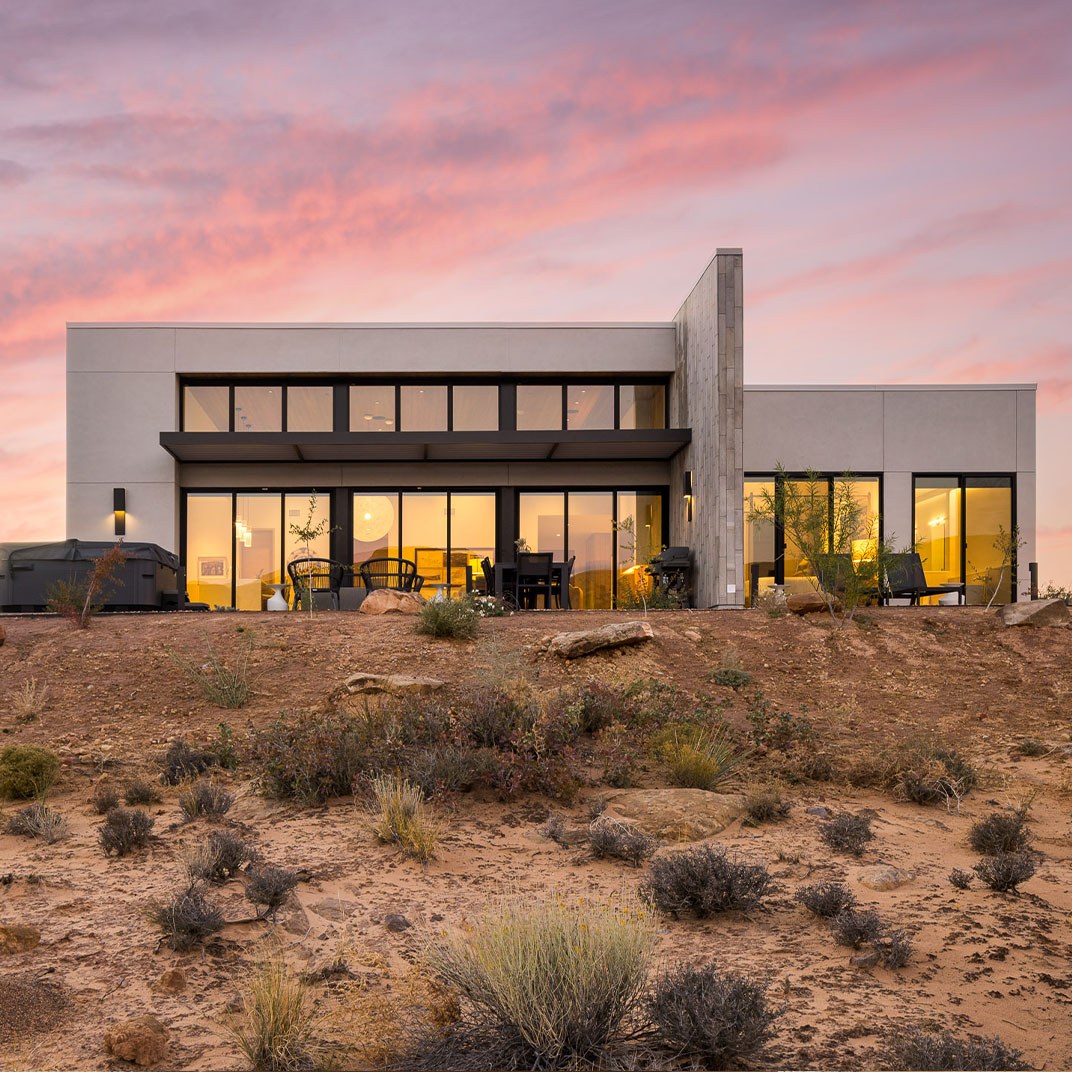
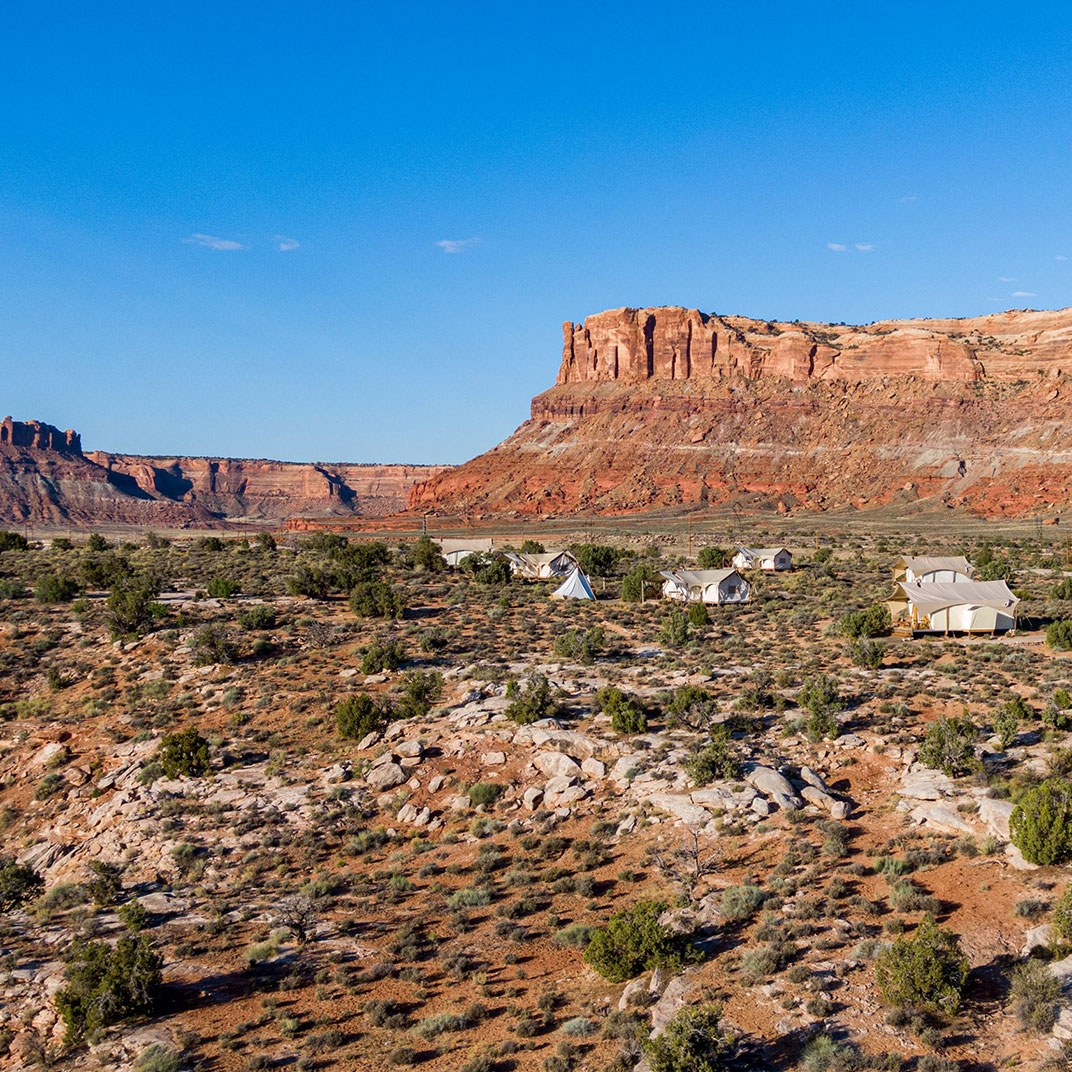
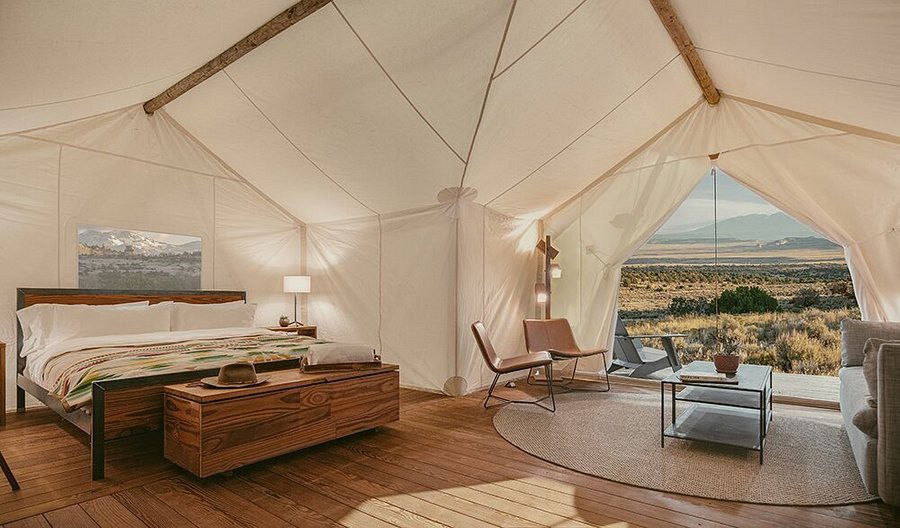
ULUM Moab reads as a dialogue between minimal modern architecture and the improvised logic of expedition tents. A permanent brick-and-mortar lobby anchors the property, while fifty tented units are sited to maximize separation and exposure to the desert. The resort deliberately lets the red-rock backdrop do the heavy lifting: finishes and forms extend the terrain’s palette rather than compete with it. That design restraint produces a sophisticated, quietly luxurious atmosphere—part modern resort, part refined camp—where privacy, material tactility and the surrounding geology shape the guest experience more than overt decoration.
Best For
This is a stay for travelers who prize design-forward, contemplative escapes in raw landscapes. The emphasis on unit spacing and the visual continuity with canyon country suits couples and small parties seeking privacy, as well as travelers interested in architecture and landscape-driven experiences. With a clear luxury positioning and an intentional tension between permanent infrastructure and tented accommodation, ULUM appeals to those booking a considered overnight stay rather than a high-activity basecamp—guests who want to be immersed in the desert aesthetic without sacrificing resort-level specification.
Stay Tips
When planning a visit, prioritize questions about unit siting and sightlines so you can select accommodation that maximizes solitude and desert exposure. Note that the property’s entry sequence centers on a permanent lobby—use that as your arrival reference point and ask staff about how units relate to the surrounding topography. Because the resort emphasizes the open relationship between tents and the landscape, expect a stay oriented around views and quiet; plan clothing and gear for desert conditions and for spending time outdoors adjacent to your unit.
Venue details
Ambiance
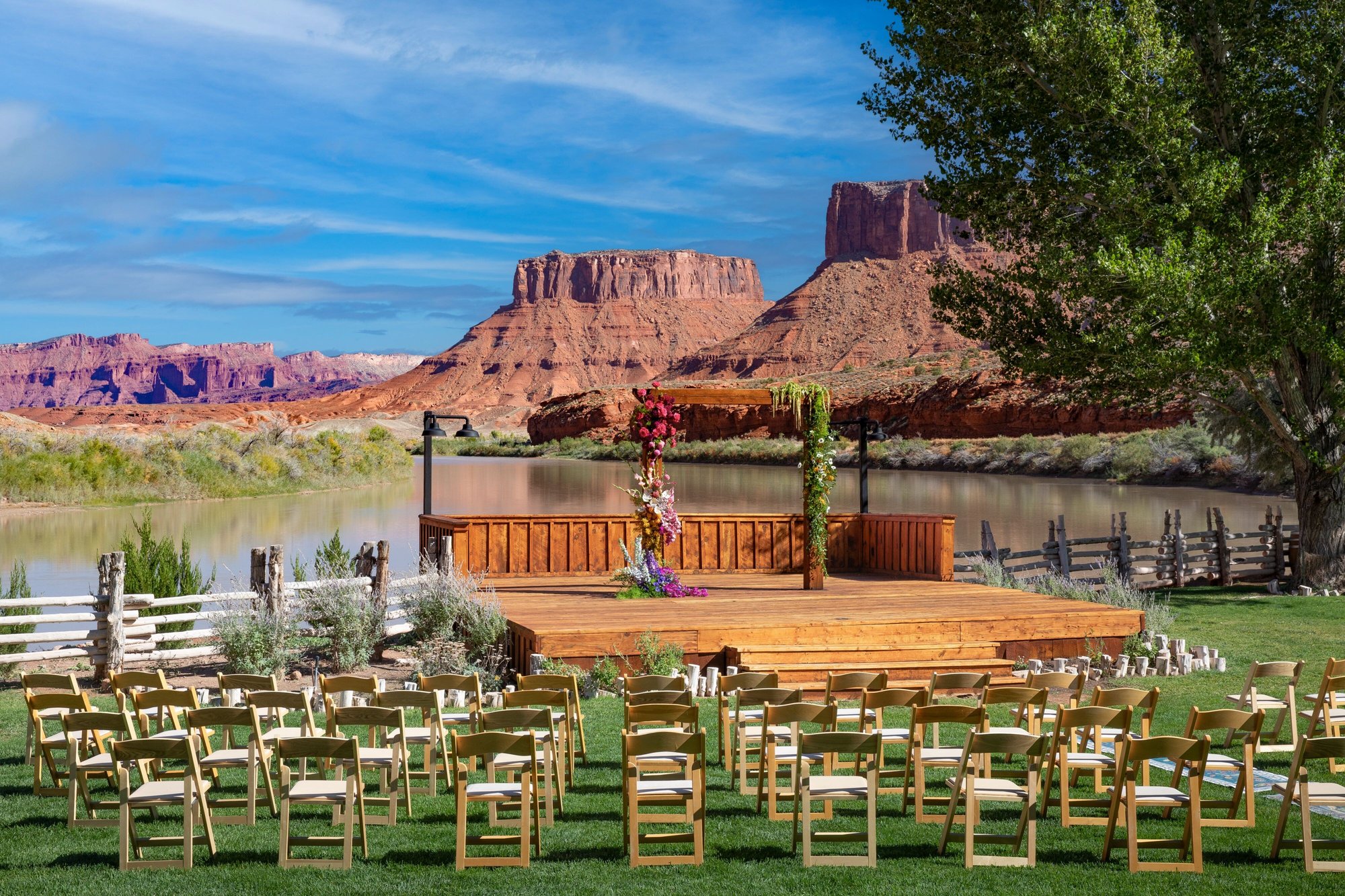
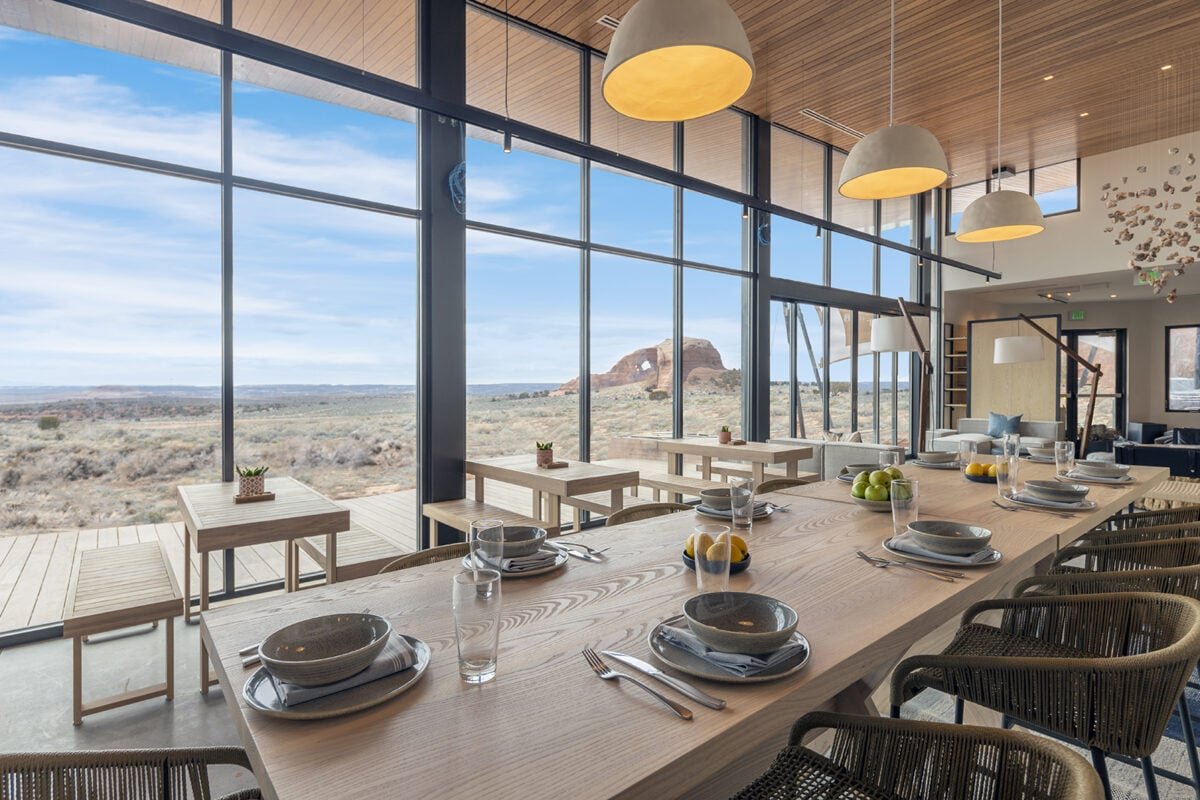
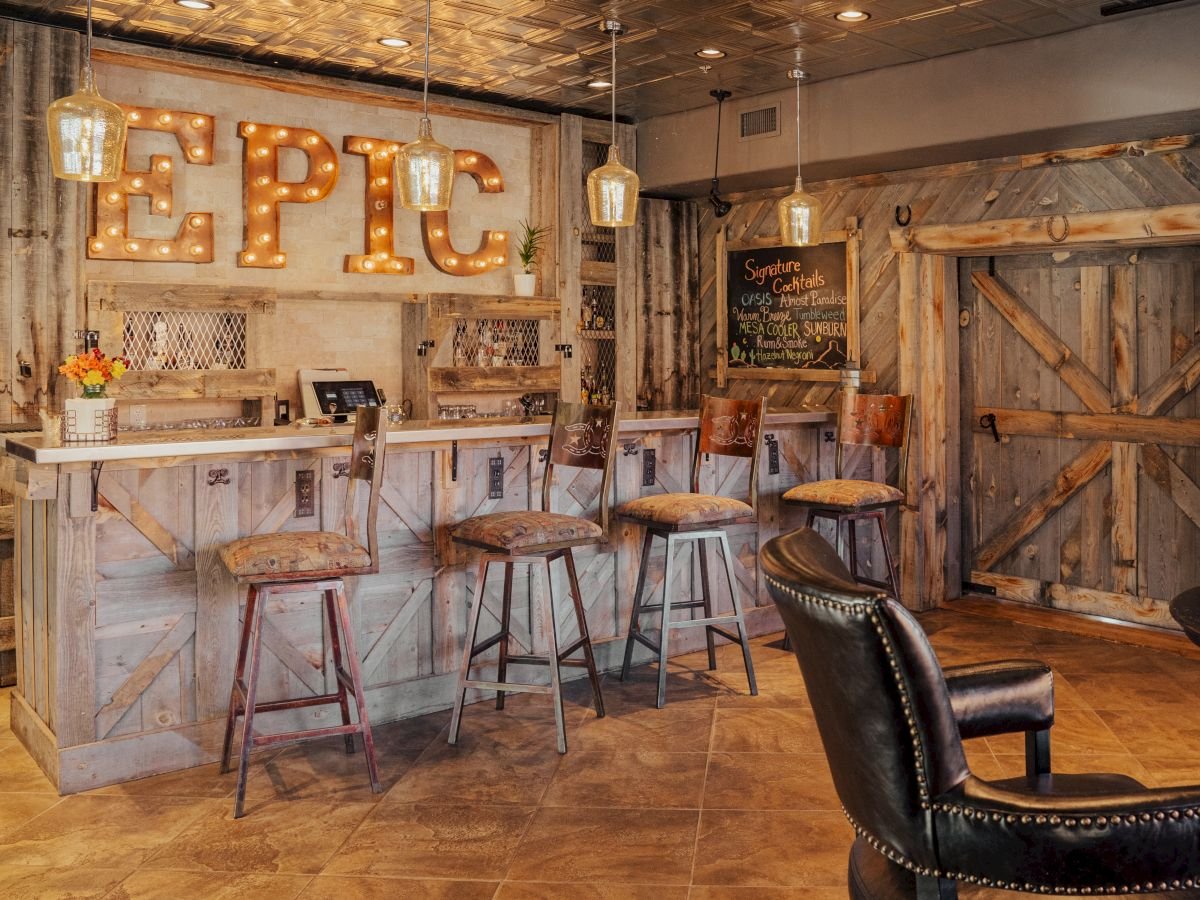
Serene and inviting with warm desert lighting at sunset, intimate campfire ambiance enhanced by live acoustic music, starlit night skies, and thoughtfully designed shared spaces with floor-to-ceiling windows framing red-rock vistas.
Tags
Vibe
Best For
Experience
Amenities
View
Accessibility
About the Stay
- Rooms
- 50
- Check-in
- 15:00
- Check-out
- 10:00
- Property Style
- Modern Luxury Glamping Resort Blending Refined Comfort with Immersion in Nature, Featuring Safari Inspired Design Integrated Into the Desert Landscape.
- Design Style
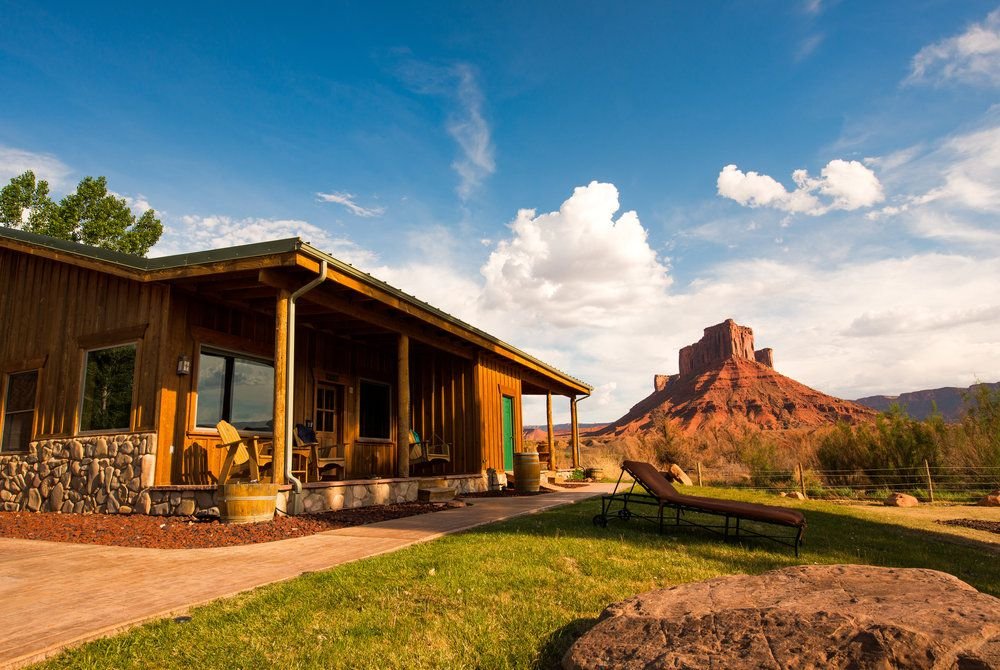
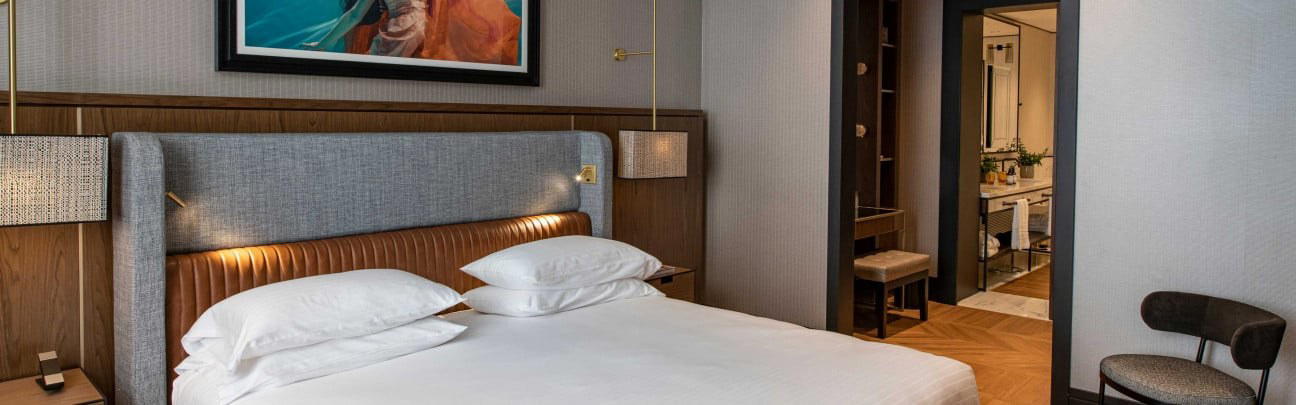
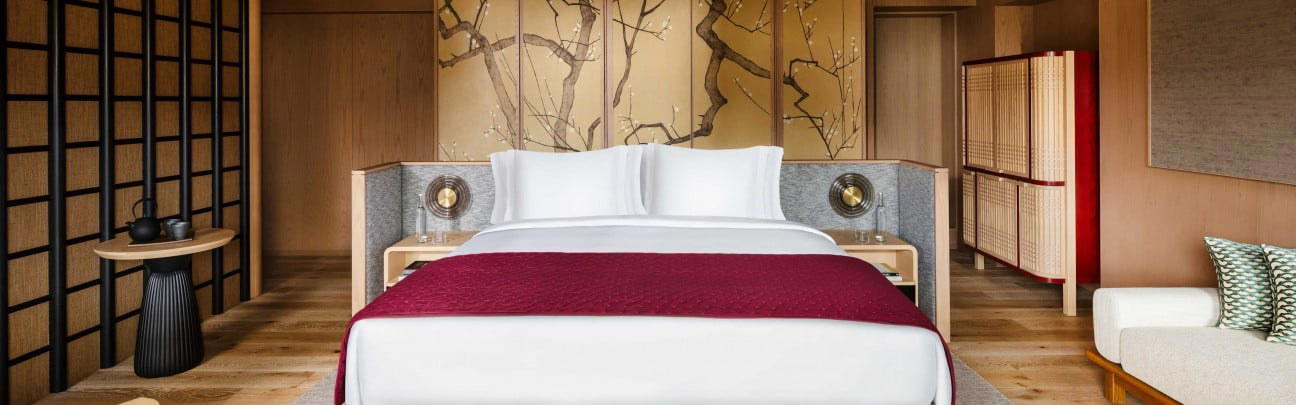
- Contemporary with Organic Materials Including Natural Woods, Local Stone, and Polished Concrete; West Elm Furnishings; Award Winning Indoor Lobby Contrasting with Open Air Terraced Spaces.
Know before you go
Know Before You Go
- Getting there
- 147 Looking Glass Rd, Moab, UT 84532
Planning details
Location



Also consider
Where to look if this is full
If ULUM Moab is unavailable, start with Lionsback Resort for the closest Moab-area alternative in spirit. It is the more natural backup for travelers who still want the lodging to feel like part of the desert trip.
For guests who want a resort stay with a broader ranch setting, Sorrel River Ranch Resort & Spa is the better second choice. If the trip can move beyond Moab, Dunton Hot Springs is the more ambitious retreat comparison.
Hotel context
How It Compares
Choose ULUM Moab when the priority is a high-touch retreat feel and the hotel is central to the trip. Lionsback Resort is the more direct cross-shop for travelers who want a Moab stay with a similar escape-from-town mindset, while Sorrel River Ranch Resort & Spa is better suited to guests who want a ranch-resort frame and a broader resort rhythm.
Gateway Canyons Resort makes more sense if the trip can shift out of Moab and the goal is a wider canyon-country resort stay. The Hotel Melrose is the easier pick for travelers who want a more traditional hotel experience, while Dunton Hot Springs is the bigger splurge comparison for guests considering a destination retreat beyond Utah.
Booking difficulty is the practical divider. ULUM Moab is the one to lock first if it is the emotional center of the trip; otherwise, cross-shop Lionsback Resort and Sorrel River Ranch Resort & Spa for Moab-area alternatives with a clearer fit for different group styles.
Explore Moab
Around this place
Discover more on Pearl
Unlock the full ULUM Moab guide in Pearl, including awards, comparisons, FAQs, planning details, and nearby places.
Compare ULUM Moab
| Venue | Location | Awards |
|---|---|---|
| ULUM Moab | Moab | 100 Most Incredible Hotels in the World · 20262026 La Liste Top Hotels2026 Michelin 1 KeyWorld Travel Awards 2025Michelin 1 Key 20252025 Michelin 1 Key2024 Michelin 2 Keys |
| Lionsback Resort | Moab | No published awards |
| Sorrel River Ranch Resort & Spa | Moab | No published awards |
| Gateway Canyons Resort | Grand Junction | 2026 Virtuoso Luxury Hotel Collection2026 Forbes RecommendedStar Wine Lists 20262025 Michelin Selected Hotels2025 Forbes Recommended |
| The Hotel Melrose | Grand Junction | No published awards |
| Dunton Hot Springs | Dolores | No published awards |





How ULUM Moab compares with similar nearby venues.
FAQ
Frequently Asked Questions
Is ULUM Moab family-friendly?
Families considering ULUM Moab in Moab should confirm current room details, services, policies, room setups, and child-focused amenities directly before booking.
How is the dining at ULUM Moab?
Dining details such as cuisine, chef, menu format, meal period, price point, and take-out or delivery service should be checked directly with ULUM Moab before planning meals around the property.
How does ULUM Moab compare to nearby hotels?
ULUM Moab is best framed as a premium Moab stay with recognition including Michelin 2 Keys (2024). The Hotel Melrose, Lionsback Resort, and Sorrel River Ranch Resort & Spa may be relevant Moab-area comparisons, while Gateway Canyons Resort and Dunton Hot Springs are better considered as different regional retreat options rather than standard Moab hotel substitutes.
Which room category is best at ULUM Moab?
Choose only after checking ULUM Moab's current room descriptions, occupancy details, and booking terms directly.