
Hyatt Regency Milwaukee
Kilbourn Town, Milwaukee
Hotel in Milwaukee, United States
 Book with Pearl
The Read
Civic Atrium Scale
Price
$100–200per night
Why go
Hyatt Regency Milwaukee is the practical downtown choice for business travel, event weekends, and trips where location matters more than boutique character. Book it for convenience and a credible Conde Nast Best Hotels #3 (2025) signal; look to Saint Kate, The Pfister, or Kimpton Journeyman if atmosphere is the priority.
About Hyatt Regency Milwaukee
On a repeat Milwaukee trip, the question is less about novelty and more about fit: choose Hyatt Regency Milwaukee when you want a Milwaukee hotel and prefer to verify the details that matter before booking. Treat the property as a practical base and confirm trip-critical details directly before booking.
The essentials are clear: the venue is Hyatt Regency Milwaukee in Milwaukee, the dress code is business casual, and it is associated with Conde Nast Best Hotels #3 (2025).
Book for Milwaukee practicality, not a boutique hotel mood
The main reason to consider Hyatt Regency Milwaukee is if the hotel needs to function as a Milwaukee base.
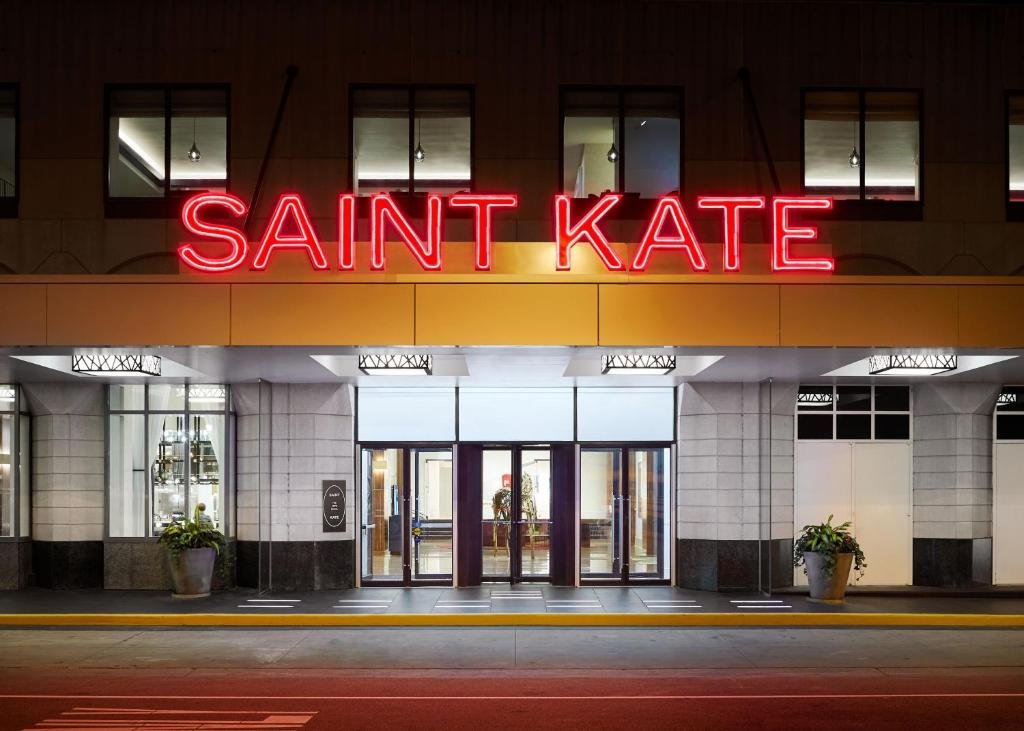
That distinction is the key decision point. Saint Kate - The Arts Hotel may be a better fit if you are comparing for a more distinctive hotel experience. The Pfister Hotel is another Milwaukee option to weigh if you want a different style of stay. Hyatt Regency Milwaukee makes more sense when the essentials are enough and you prefer this hotel in Milwaukee.
Who should book it
Travelers who value a Milwaukee hotel should keep Hyatt Regency Milwaukee on the list. The business casual dress code also gives a useful cue for guests planning what to wear. Couples, groups, and solo travelers should be more selective if the hotel itself is meant to define the trip, because a specific atmosphere, restaurant, room layout, or amenity set is not established.
For a food-led trip, use the hotel as a base and compare plans against Milwaukee restaurants; for drinks, cross-check Milwaukee bars. The smarter booking logic is to separate hotel choice from dining ambition unless the hotel confirms the details you need.
When to choose a peer instead
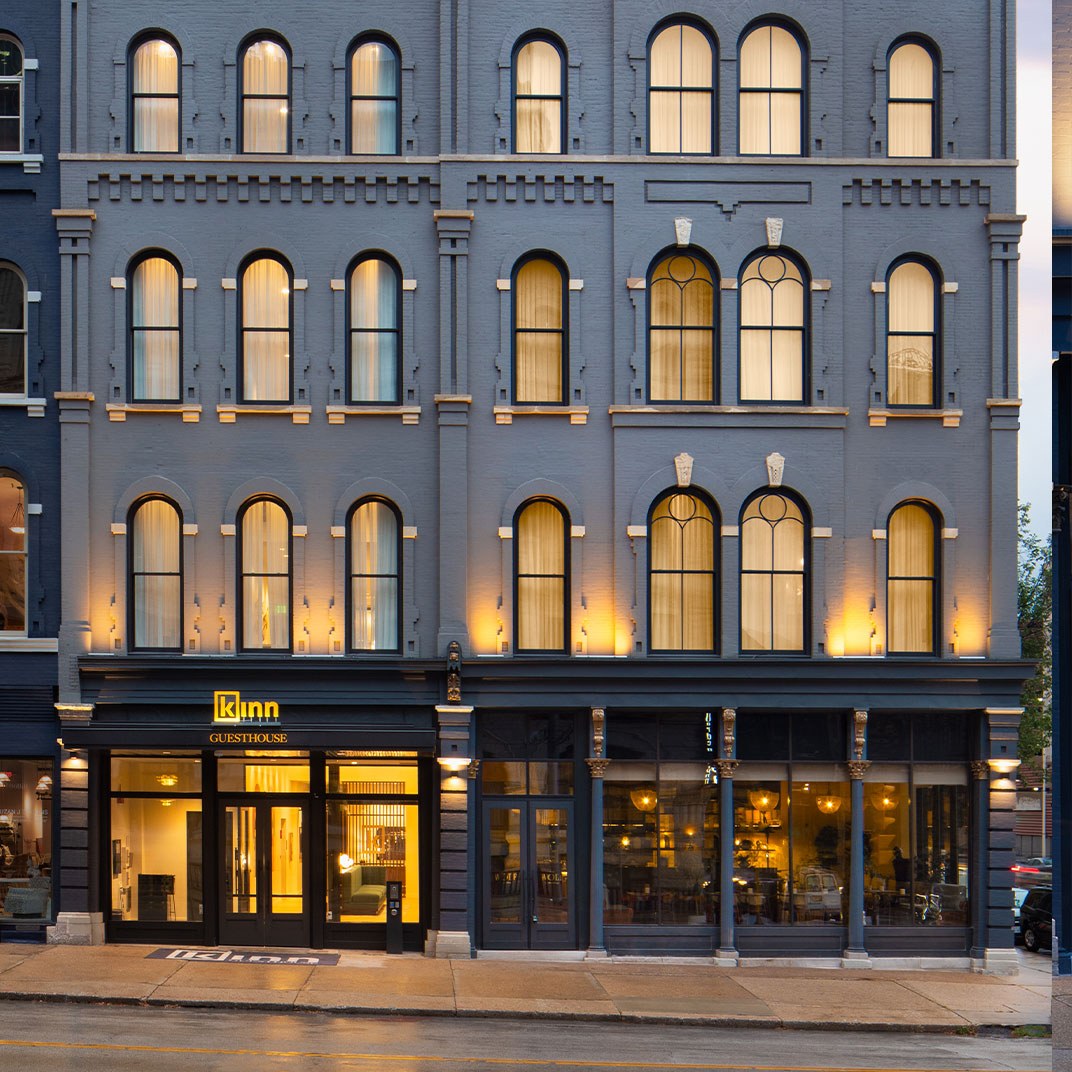
If the trip is built around a more distinctive hotel personality, Kimpton Journeyman Hotel and The Iron Horse Hotel are natural Milwaukee comparisons. If the stay should feel smaller in scale, Kinn Guesthouse is another Milwaukee option to consider. Hyatt Regency Milwaukee is a good choice if its profile fits your needs without requiring further specifics.
The verdict: Hyatt Regency Milwaukee is worth considering for a practical Milwaukee stay with Conde Nast Best Hotels #3 (2025) recognition and a business casual dress code; look elsewhere if you need a hotel whose specific dining, room, amenity, or design story is already clearly established.
Planning details
- Location
- 333 W Kilbourn Ave, Milwaukee, WI 53203
- Website
- hyatt.com/hyatt-regency/en-US/mkerm-hyatt-regency-milwaukee?src=corp_lclb_google_seo_mkerm
- Phone
- +1 414-276-1234
The take
The Take
The Vibe
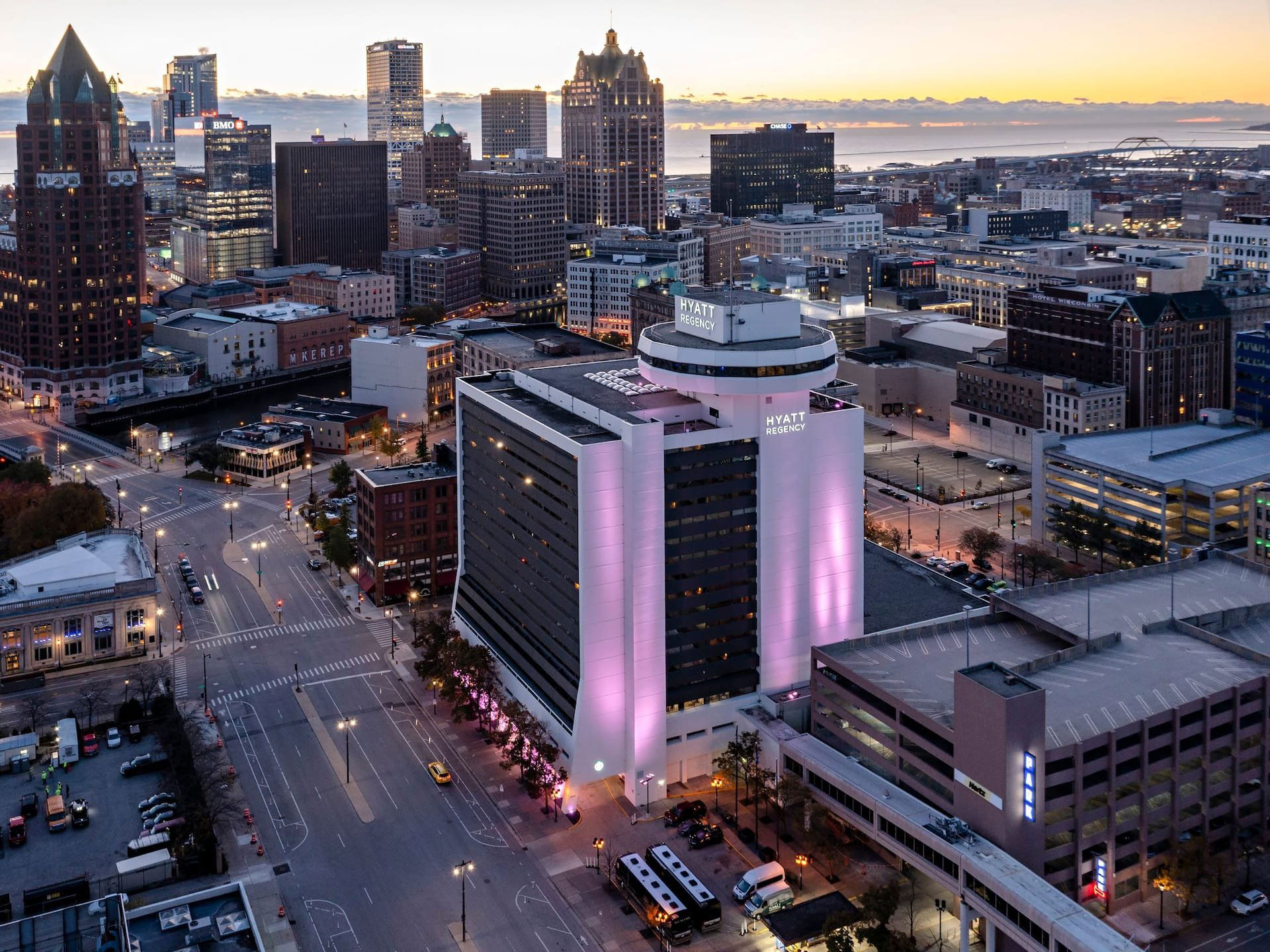
The Hyatt Regency Milwaukee reads like a textbook example of late‑20th‑century convention‑era architecture: a dramatic atrium lobby, internal balconies and glass elevators that stage vertical sight lines. It presents itself as a civic‑scaled anchor on Kilbourn Avenue rather than a boutique design project, so the impression is more monumental than intimate. The hotel leans into that legacy (grand, composed and deliberately urban) positioning itself among the city's leading large‑format properties rather than pursuing a niche arts or lifestyle identity.
Best For
This hotel is tuned to conference and event travelers who need direct access to the Wisconsin Center and the lakefront cultural corridor. It suits attendees of conventions, sporting events and other large gatherings, as well as business travelers who prioritize scale, consistent service and downtown proximity. Condé Nast recognition underscores its appeal to visitors seeking an upper‑tier, full‑service option in central Milwaukee rather than a small boutique stay.
Venue details
Ambiance
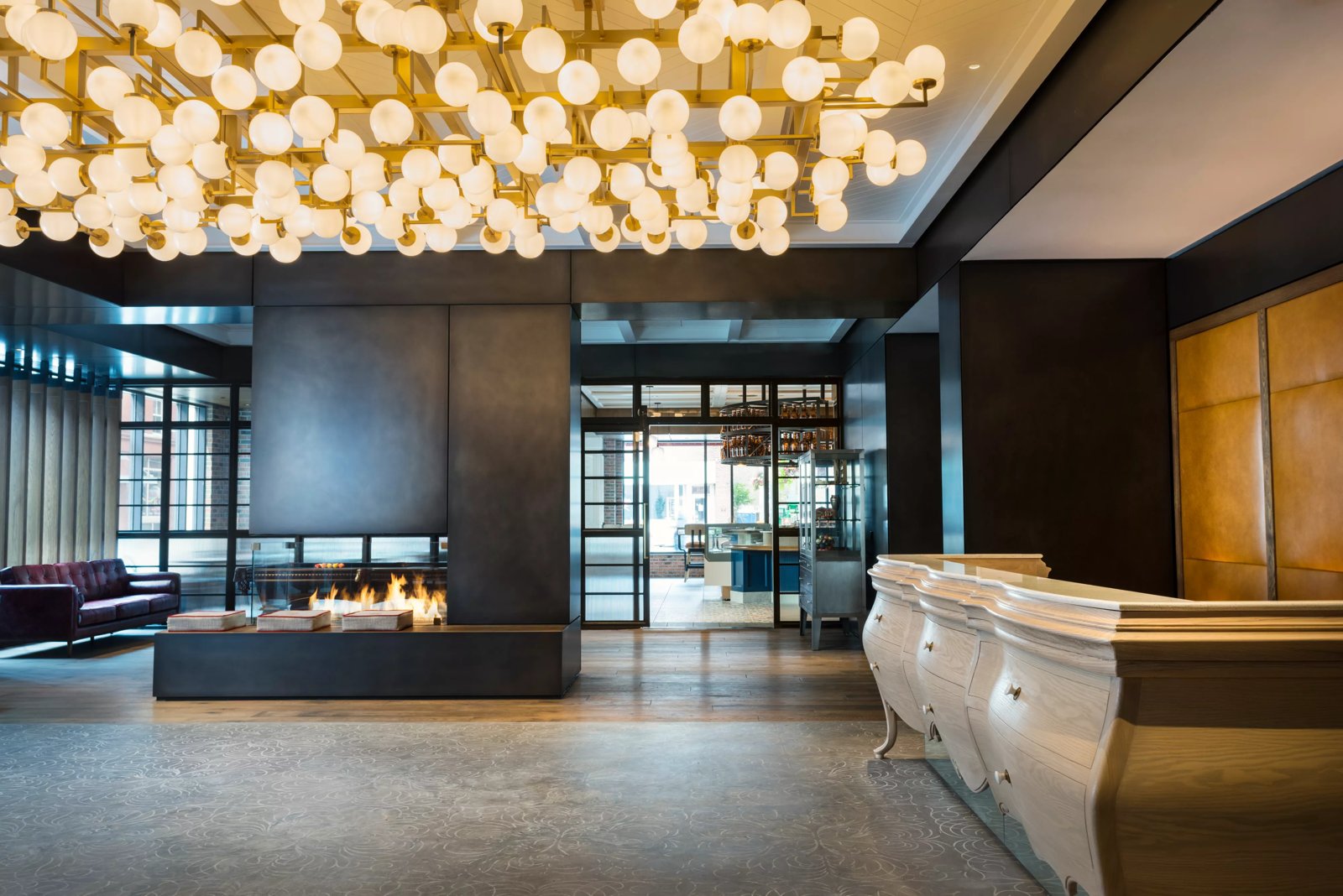
Contemporary atmosphere with an 18-story atrium, clean spacious rooms featuring city views, and a lively yet professional vibe praised for its central energy and helpful staff.
Tags
Vibe
Best For
Amenities
View
Accessibility
About the Stay
- Rooms
- 481
- Check-in
- 16:00
- Property Style
- Contemporary Downtown Business Hotel with Skywalk Connections to Convention Centers
- Design Style
- Modern with Premium Bedding and Functional Workspaces
- Airport Transfer
- Available
- Pets
- Allowed
- Families
- Welcome
Know before you go
Know Before You Go
- Getting there
- 333 W Kilbourn Ave, Milwaukee, WI 53203
Planning details
Location
333 W Kilbourn Ave, Milwaukee, WI 53203 · Directions
hyatt.com/hyatt-regency/en-US/mkerm-hyatt-regency-milwaukee?src=corp_lclb_google_seo_mkerm
Recognition and awards

Also consider
Where to look if this is not the right fit
If the stay needs more character, start with Saint Kate - The Arts Hotel for an arts-driven downtown option or The Pfister Hotel for a more formal Milwaukee stay.
If the goal is a smaller or more style-led base, compare Kinn Guesthouse and Kimpton Journeyman Hotel before booking.
Hotel context
How It Compares
Hyatt Regency Milwaukee is the easy, central pick when the stay is about logistics. Saint Kate - The Arts Hotel is stronger for design-led weekends, while The Pfister Hotel is the better call for a more traditional Milwaukee occasion stay.
For travelers who want a smaller-feeling hotel, Kinn Guesthouse is the more residential alternative. Kimpton Journeyman Hotel suits guests who want a more social, style-forward stay, and The Iron Horse Hotel is better for a moodier hotel experience.
Choose Hyatt Regency Milwaukee when booking ease and downtown practicality matter. Choose the peers when ambiance is the point of the trip.
Explore Milwaukee
Around this place
Discover more on Pearl
Unlock the full Hyatt Regency Milwaukee guide in Pearl, including awards, comparisons, FAQs, planning details, and nearby places.
Compare Hyatt Regency Milwaukee
| Venue | Location | Awards |
|---|---|---|
| Hyatt Regency Milwaukee | Milwaukee | 2025 Conde Nast Best Hotels · #3 |
| Saint Kate - The Arts Hotel | Milwaukee | No published awards |
| Kinn Guesthouse | Milwaukee | No published awards |
| The Pfister Hotel | Milwaukee | Preferred Hotels L.V.X. Collection 2025 |
| Kimpton Journeyman Hotel | Milwaukee | No published awards |
| The Iron Horse Hotel | Milwaukee | No published awards |

How Hyatt Regency Milwaukee compares with similar nearby venues.
FAQ
Frequently Asked Questions
How is the dining at Hyatt Regency Milwaukee?
A cuisine type, restaurant format, menu, price point, or service schedule is not established. Treat dining as something to confirm directly with the hotel rather than the main reason to book. If dining matters more than the hotel choice, compare other Milwaukee dining options separately.
Which room category is best at Hyatt Regency Milwaukee?
A best room category or specific room features are not identified. Choose based on your own needs after checking the hotel's current room descriptions directly. For a different hotel comparison in Milwaukee, The Pfister Hotel is another option to review.
Is Hyatt Regency Milwaukee good for business travel?
Hyatt Regency Milwaukee may be a sensible option for travelers who want a practical Milwaukee hotel, and the business casual dress code is a useful cue for planning. The property also has a Conde Nast Best Hotels #3 (2025) recognition. If the trip is about hotel mood as much as logistics, Kimpton Journeyman Hotel or The Iron Horse Hotel may be worth comparing.
When is the best time to book Hyatt Regency Milwaukee?
Book when your Milwaukee travel dates are firm, especially if you need this specific hotel. Demand patterns, pricing, or event-related booking windows are not established. Kinn Guesthouse is another Milwaukee option to compare if you are still deciding among hotels.