





Fogo Island Inn
Joe Batt's Arm
Hotel in Joe Batt's Arm, Canada
 Book with Pearl
The Read
Community-Owned Arctic Remoteness
Why go
Fogo Island Inn is a hotel in Joe Batt's Arm, Newfoundland and Labrador.
About Fogo Island Inn
For a trip centered on Joe Batt's Arm, Fogo Island Inn is a hotel to consider when the stay itself is meant to be a major part of the itinerary. Its recognition profile and location are its strongest attributes, rather than specific claims about rooms, dining, amenities, or programming.
A recognized inn in Joe Batt's Arm
The decision case is direct: consider Fogo Island Inn if you want a stay in Joe Batt's Arm with substantial hotel recognition. Choose another option if your plans depend on specific details, such as a particular dining format, amenity set, room category, or service schedule.
The awards profile includes Michelin 3 Keys in 2024, La Liste Top Hotels 2026 with 98.5 points, Condé Nast Best Hotels #6 in 2025, a 2025 World Travel Awards Leading Boutique Hotel recognition, the Condé Nast Gold List in 2025, a Relais & Châteaux Award in 2026, and a Mr & Mrs Smith Seal of Approval. The dress code is smart casual. Beyond those points, travelers should confirm current operational details directly with the inn before booking.
Fogo Island Inn is best evaluated as a Joe Batt's Arm stay with a strong recognition record. If your trip requires specific facilities, dining details, or activity planning, use those questions as part of the booking process rather than assuming they are included.
Use it as the anchor, not an add-on
First-timers should think carefully about how much of the trip is meant to be centered on Joe Batt's Arm. If the itinerary is moving quickly through multiple places, confirm that the location and travel plan make sense before committing. If the trip is built around staying in Joe Batt's Arm, the case for Fogo Island Inn becomes clearer.
For local planning, use Joe Batt's Arm as the geographic anchor and confirm current hotel, dining, and activity details from primary sources before finalizing the itinerary.
Cross-shop only if the trip can shift regions. Consider Fogo Island Inn against other hotel options such as Fox Harb'r Resort, Moxy Halifax Downtown, Muir, A Luxury Collection Hotel, Halifax, Sydney Boutique Inn & Suites, or The Inn at Bay Fortune - Five Star Luxury Inn, depending on whether the trip is centered on Joe Batt's Arm or on a different region entirely.
Inside Fogo Island Inn
Planning details
- Location
- 210 Main Road, Joe Batt's Arm, NL A0G 2X0
- Website
- fogoislandinn.ca
- Phone
- +1 709-658-3444
The take
The Take
The Vibe
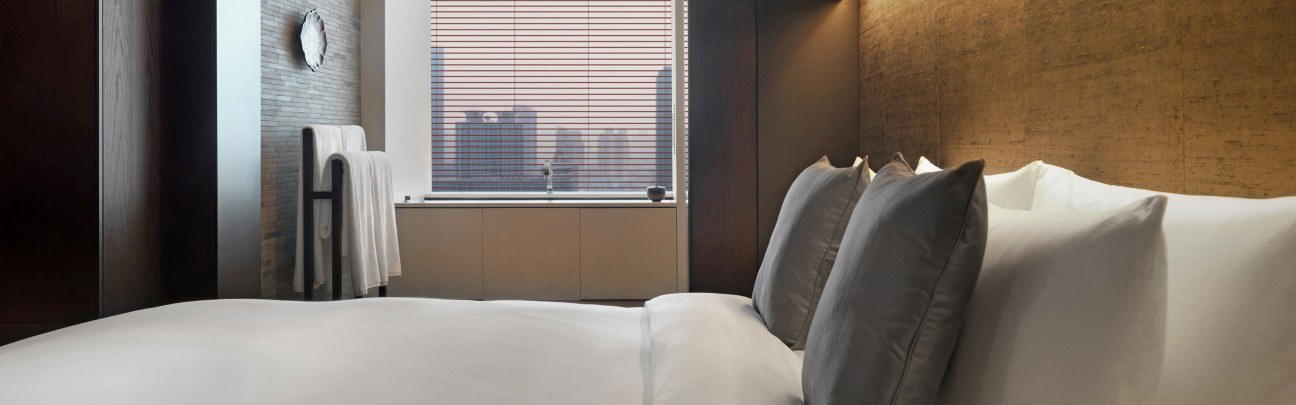
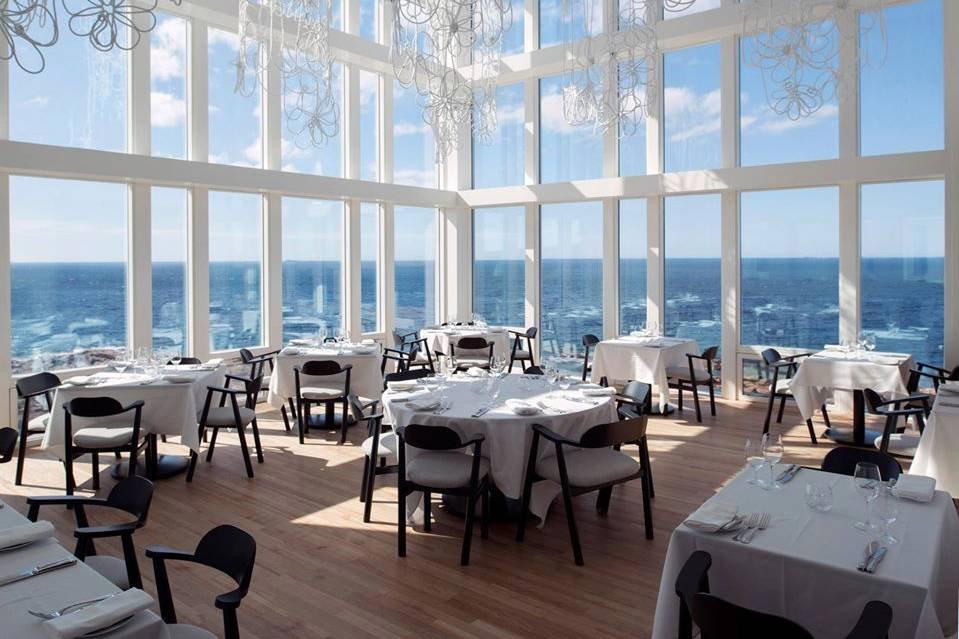
Fogo Island Inn stages itself directly against the North Atlantic: the architecture insists on exposure rather than concealment. Stilted platforms, glass facades and blackened wood reinterpret local outport forms in a refined, contemporary vocabulary. Floor‑to‑ceiling windows treat the ocean as the principal interior element, so rooms feel like vantage points rather than enclosed retreats. Interiors lean on locally made furniture and craft, giving spaces the calm, well‑measured intimacy of a private house rather than a formulaic luxury hotel. The result is a quietly dramatic, design-forward property where landscape and structure operate as a single, uncompromising composition.
Best For
The Inn is best for travelers who prioritize place and architecture: design-minded visitors, couples seeking a quiet, cinematic shoreline stay, and anyone drawn to unobstructed ocean views. With just 29 keys and a house-like materiality, it suits guests who want solitude and close contact with the coast rather than busy resort programming. Rooms are arranged to foreground the Atlantic—upper floors even project over the water—so this is a stay for people who value panorama, craftsmanship and a deliberately spare approach to luxury.
Venue details
Ambiance
Warm contemporary interiors with modern finishes, abundant natural light from expansive windows overlooking the ocean, wood-burning fireplaces, and a communal atmosphere centered around a roaring fire in the dining room with 30-foot ceilings.
Tags
Vibe
Best For
Experience
Amenities
View
About the Stay
- Rooms
- 29
- Property Style
- Contemporary Expression of Traditional Fogo Island Outport Architecture, Cantilevered on Stilts to Resemble a Historic Fishing Stage, Blending Modern Luxury with Local Craftsmanship and Cultural Heritage.
- Design Style
- Radically Contemporary Yet Resolutely Traditional, Featuring Handcrafted Local Furnishings, Custom Quilts by Island Artisans, Natural Fibers, Wood Stoves, and Locally Sourced Materials That Celebrate the Island's Seafaring and Woodworking Traditions.
Know before you go
Know Before You Go
- Getting there
- 210 Main Road, Joe Batt's Arm, NL A0G 2X0
Planning details
Location
Recognition and awards





Also consider
Also Consider
- The Inn at Bay Fortune - Five Star Luxury Inn, Notable alternative
- Sydney Boutique Inn & Suites, Notable alternative
- Fox Harb'r Resort, Notable alternative
- Muir, A Luxury Collection Hotel, Halifax, Notable alternative
- Moxy Halifax Downtown, Notable alternative
Hotel context
How it compares with regional alternatives
Fogo Island Inn is the harder, more deliberate booking: choose it when the trip can revolve around a remote Newfoundland stay with major luxury recognition and a quieter, service-led rhythm. The Inn at Bay Fortune - Five Star Luxury Inn is the more food-centered cross-shop for travelers who want an inn experience with less emphasis on extreme remoteness. If the priority is destination drama and a hotel-as-the-main-event feeling, Fogo Island Inn has the stronger case.
Muir, A Luxury Collection Hotel, Halifax is the smarter pick for a polished urban base with easier access to restaurants, meetings, and waterfront city time. Moxy Halifax Downtown is the practical value play in this set, better for short stays, casual groups, and travelers who care more about location convenience than a retreat atmosphere.
Fox Harb'r Resort fits guests who want a broader resort setup rather than a remote inn mood, while Sydney Boutique Inn & Suites is the easiergoing boutique alternative if the trip needs simpler logistics. For a once-in-a-trip splurge, keep Fogo Island Inn on the shortlist; for lower-friction travel, look to Halifax or Sydney instead.
Explore Joe Batt's Arm
Around this place
Discover more on Pearl
Unlock the full Fogo Island Inn guide in Pearl, including awards, comparisons, FAQs, planning details, and nearby places.
Compare Fogo Island Inn
| Venue | Location | Awards |
|---|---|---|
| Fogo Island Inn | Joe Batt's Arm | 2026 Virtuoso Luxury Hotel Collection2026 Mr & Mrs Smith Luxury Hotels2026 Relais Chateaux Hotels2026 La Liste Top Hotels2025 Conde Nast Best Hotels · #6World Travel Awards 20252025 Conde Nast Hotels Gold ListMichelin 3 Keys 20252025 Michelin 3 Keys |
| The Inn at Bay Fortune - Five Star Luxury Inn | Kings | No published awards |
| Sydney Boutique Inn & Suites | Charlottetown | No published awards |
| Fox Harb’r Resort | Fox Harbour | 2026 Virtuoso Luxury Hotel CollectionPreferred Hotels L.V.X. Collection and Preferred Residences 2025 |
| Muir, A Luxury Collection Hotel, Halifax | Halifax | 2025 Michelin 1 Key2025 Forbes 4-Star2024 Michelin 1 Key |
| Moxy Halifax Downtown | Halifax | No published awards |



How Fogo Island Inn Joe Batt's Arm compares with similar nearby venues.
FAQ
Frequently Asked Questions
Is Fogo Island Inn family-friendly?
Family-specific details are not provided. Fogo Island Inn is in Joe Batt's Arm and has major hotel recognition, including Michelin 3 Keys, but travelers should confirm current policies and suitability directly with the inn before booking.
When is the best time to book Fogo Island Inn?
Book as early as practical if you want specific dates. With recognition including Michelin 3 Keys in 2024 and Condé Nast Best Hotels #6 in 2025, it is sensible to confirm availability directly rather than relying on last-minute planning.
How is the location of Fogo Island Inn?
Fogo Island Inn is in Joe Batt's Arm. Choose it if you want your stay based there; choose a different hotel if your itinerary is centered on another region.
Which room category is best at Fogo Island Inn?
How does Fogo Island Inn compare to other hotels?
Fogo Island Inn is the Joe Batt's Arm option among these comparisons and has a strong recognition profile. Compared with Muir, A Luxury Collection Hotel, Halifax, Fox Harb'r Resort, The Inn at Bay Fortune - Five Star Luxury Inn, Sydney Boutique Inn & Suites, or Moxy Halifax Downtown, the right choice depends on the region and style of trip you are planning.
How is the dining at Fogo Island Inn?
Dining specifics are not provided, so do not assume a particular cuisine, menu format, or service schedule. Treat dining as something to confirm directly with the inn when planning your stay.
How is the pool and spa at Fogo Island Inn?
Pool and spa details are not provided. If wellness facilities are important to your stay, confirm the current amenities directly with Fogo Island Inn before booking.