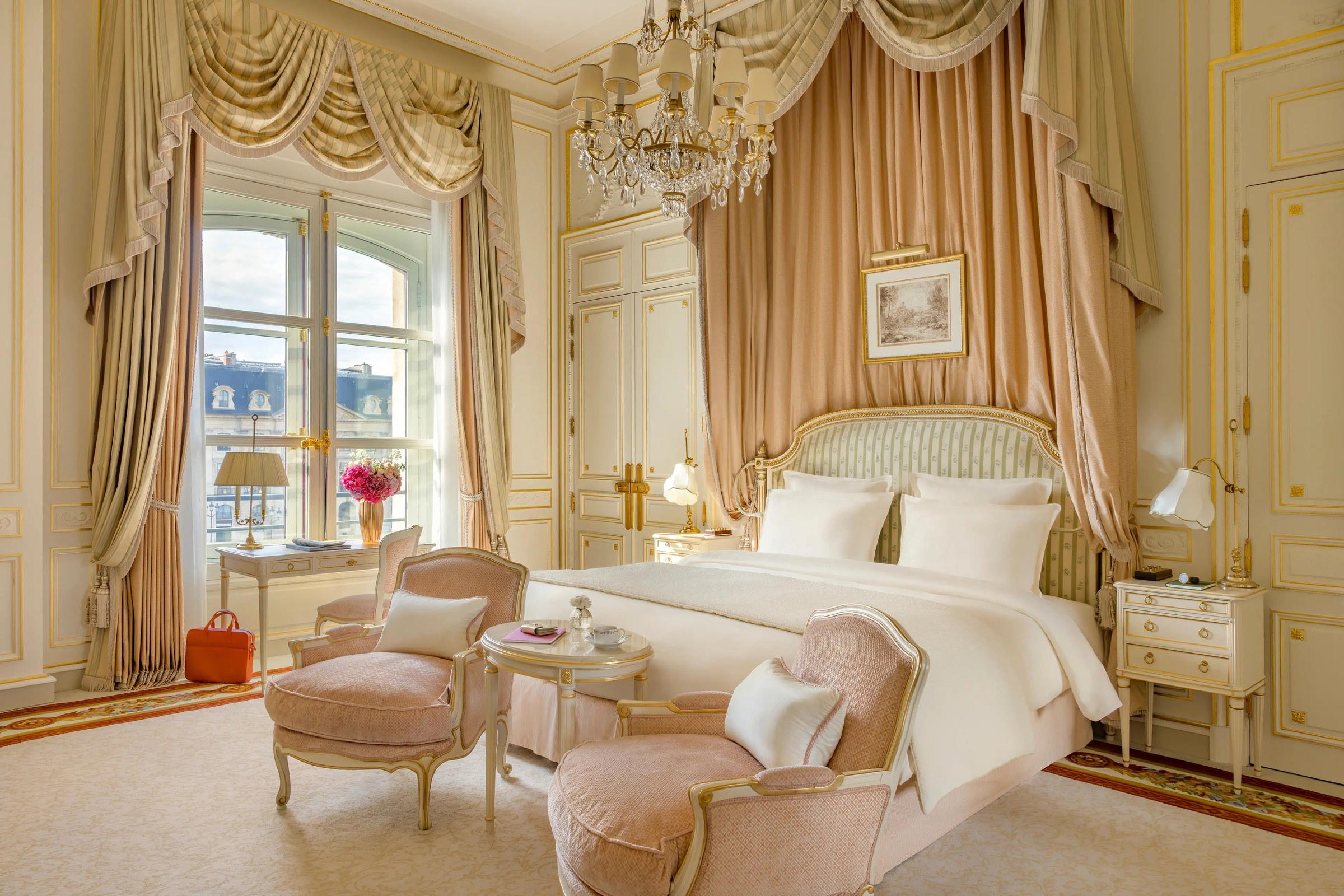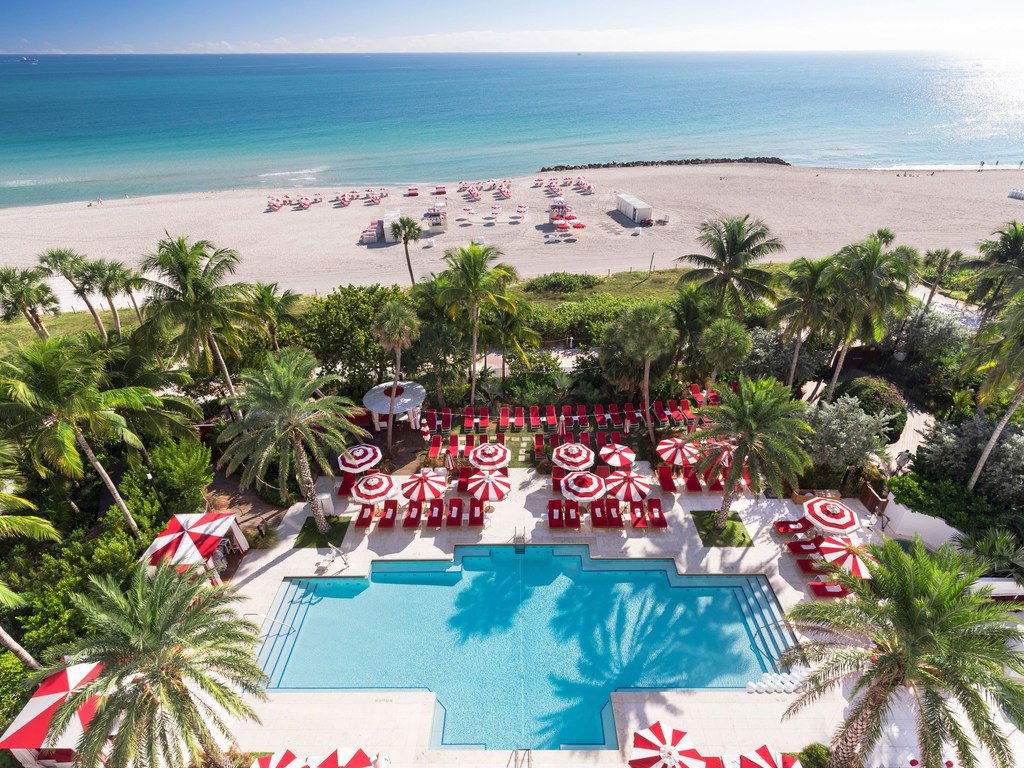







Faena Hotel Miami Beach
Miami Beach, Miami
Hotel in Miami, United States
 Book with Pearl
The Read
Curatorial Maximalism
Why go
Faena Hotel Miami Beach is a hotel on Collins Avenue in Miami Beach.
About Faena Hotel Miami Beach
For a luxury stay in Miami in 2026, consider Faena Hotel Miami Beach if the priority is a hotel with clearly documented outside recognition. The profile includes Michelin 2 Keys in 2024, Forbes 5-Star recognition for 2026, a La Liste Top Hotels 2026 score of 96.5, Conde Nast Best Hotels recognition in 2025, Virtuoso Luxury Hotel Partner status for 2026, and Star Wine List recognition for 2026.
The value case is strongest for travelers who care about a highly recognized hotel rather than simply finding a basic place to sleep. The data does not establish specific room categories, service formats, facilities, rates, or dining details, so the safest way to evaluate the stay is to compare the confirmed recognition against your own budget and itinerary.
Choose it for a recognition-led Miami hotel stay, not a crash pad
The clearest advantage is documentation: Faena Hotel Miami Beach is a well-recognized luxury hotel in Miami, with multiple external signals supporting its premium positioning. That matters for trips where the hotel choice carries weight and for travelers who want a stay anchored by a property with documented acclaim.
Booking strategy still matters. Because the hotel is a Virtuoso Luxury Hotel Partner, travelers with access to that channel may want to compare it with any direct booking option before committing. The right choice depends on the current offer, the trip purpose, and how much value you place on the hotel's confirmed recognition.
Use recognition as the tie-breaker when rates are close
When rates line up against other Miami options, the hotel's external recognition gives it a stronger argument than a standard stay. Michelin 2 Keys, Forbes 5-Star recognition, La Liste placement, Conde Nast recognition, Virtuoso partner status, and Star Wine List recognition all support the case for travelers who care about documented prestige.
That does not automatically make it the right pick for every trip. For travelers watching total spend, travelers with schedules spread across the city, or guests who prefer a lower-key base, compare alternatives before locking in. Make the decision on confirmed recognition, current price, and the role the hotel will play in the trip.
Part of
Faena7 locations on PearlInside Faena Hotel Miami Beach
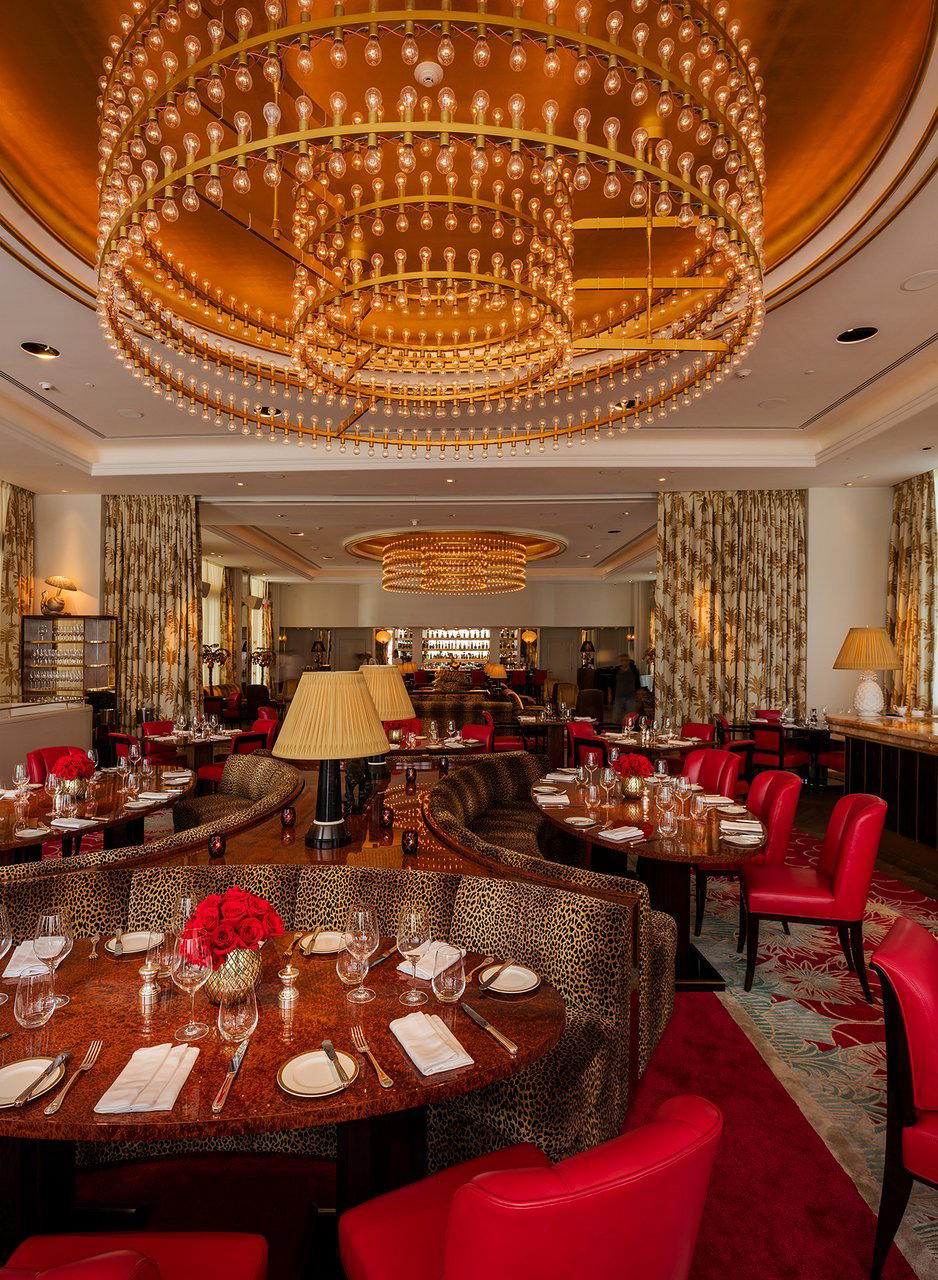 restaurantLos Fuegos by Francis MallmannLocated in the Faena Miami Beach Hotel, Los Fuegos by Francis Mallmann translates the Argentine asado tradition into a theatrical open-fire kitchen on Collins Avenue. The James Beard Award-winning chef's custom-built rig, a wood oven, parrilla "piano," and ash-cooking station, drives a menu of grilled meats, fresh seafood, and fire-cooked vegetables. A Michelin Plate holder in both 2024 and 2025, it sits at the serious end of Miami Beach's dining scene.
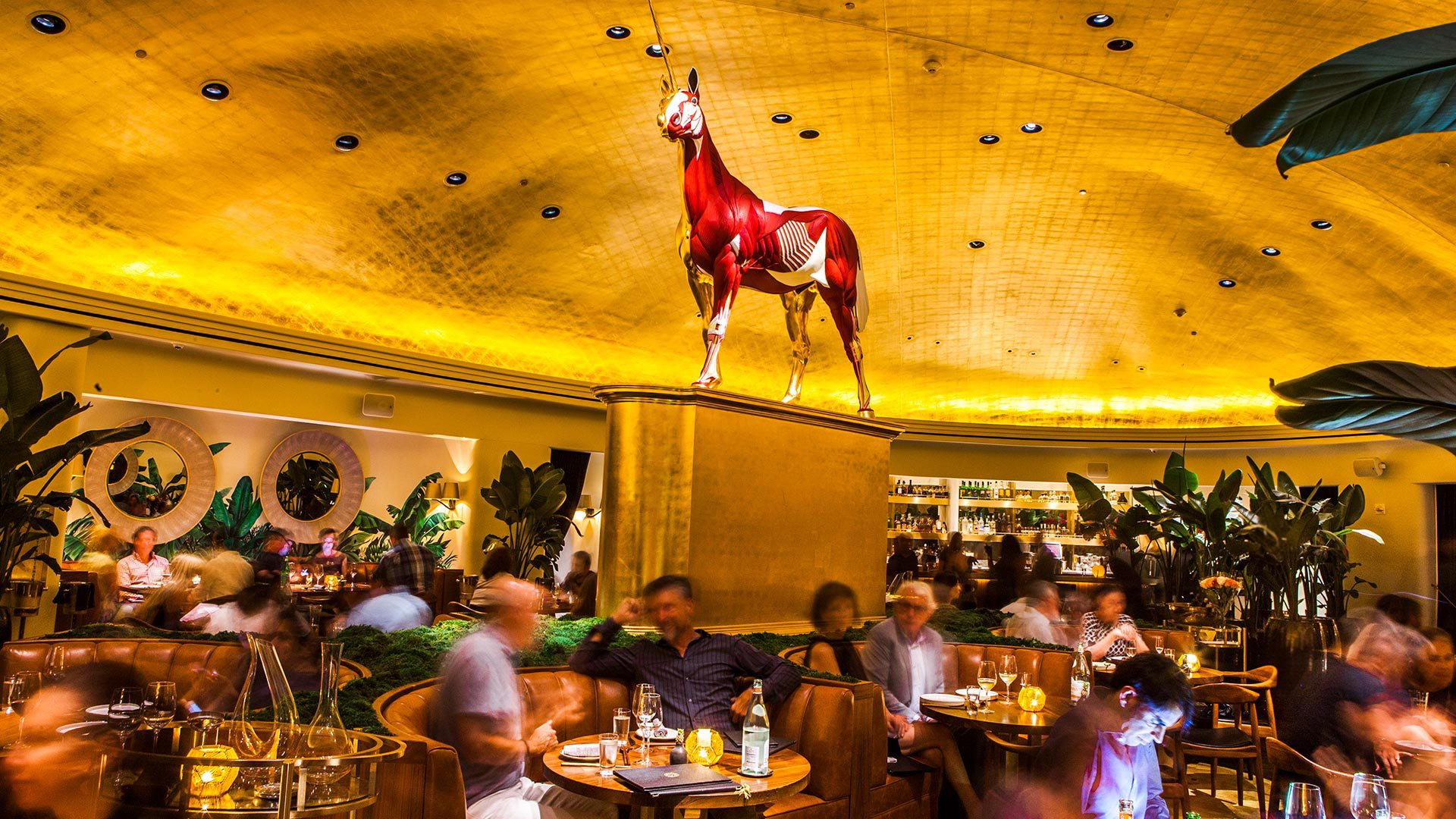 restaurantPao by Paul QuiPao by Paul Qui sits inside Faena Hotel Miami Beach at 3201 Collins Avenue, where a Michelin Plate–recognised menu draws on Filipino and broader Asian technique to build a meal structured around shared plates, live-fire preparation, and custom Jono Pandolfi stoneware. Dinner runs Tuesday through Saturday, dress code is smart casual, and the beverage program includes 19th-century-inspired cocktails and a deep sake selection overseen by Faena's own beverage team.
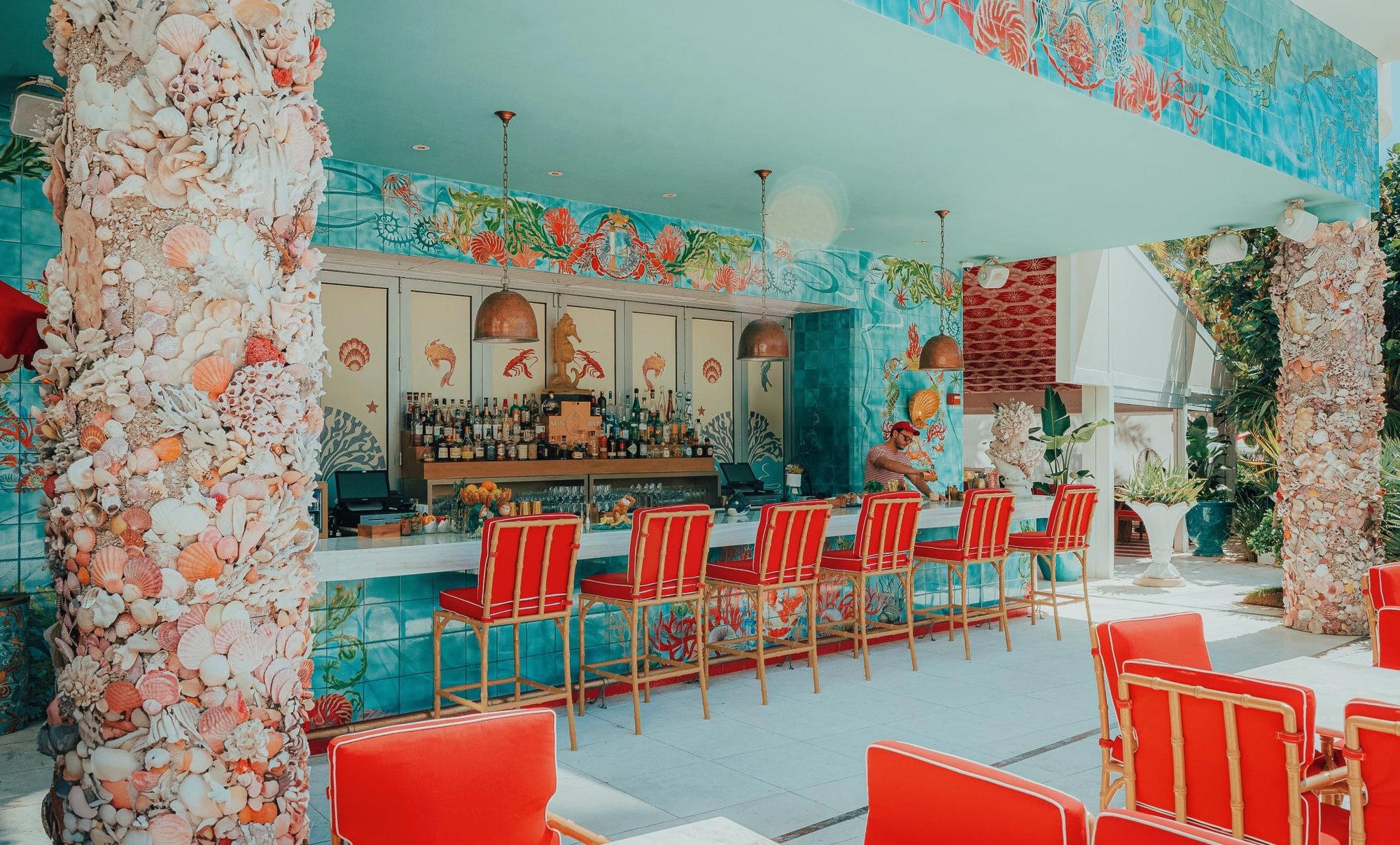 pool_barTree of LifeTree of Life occupies a Collins Avenue address at 3201, placing it inside one of Miami Beach's most competitive dining corridors, where occasion dining and neighbourhood identity converge. The venue enters a South Beach scene increasingly split between high-volume casual formats and more deliberate, reservation-led experiences. For context on where it sits among its peers, see our full Miami Beach guide.
Planning details
- Location
- 3201 Collins Ave, Miami Beach, FL 33140
- Reservations
- Book on Tock
- Website
- faena.com/miami-beach
- Phone
- +1 305-534-8800
The take
The Take
The Vibe
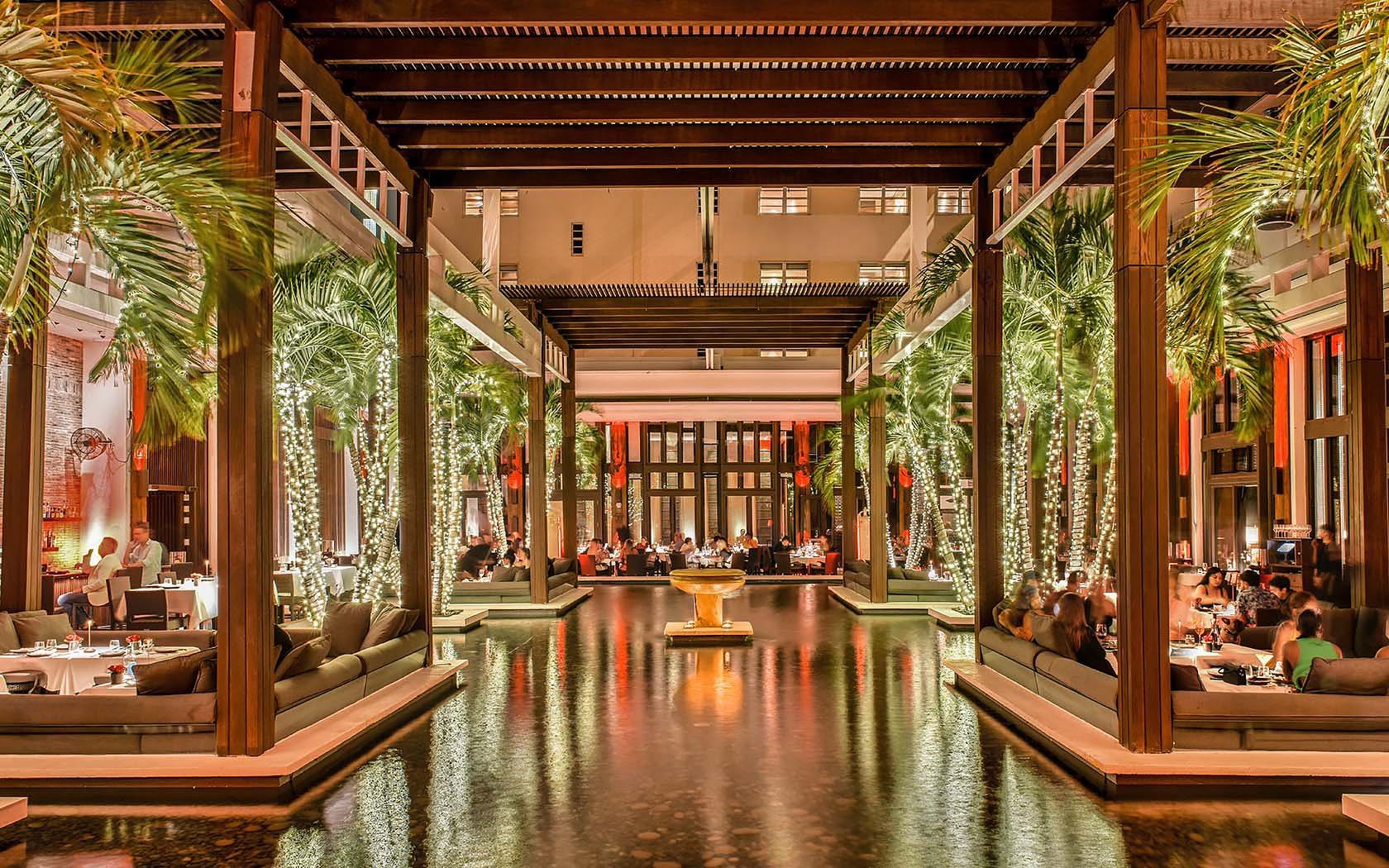
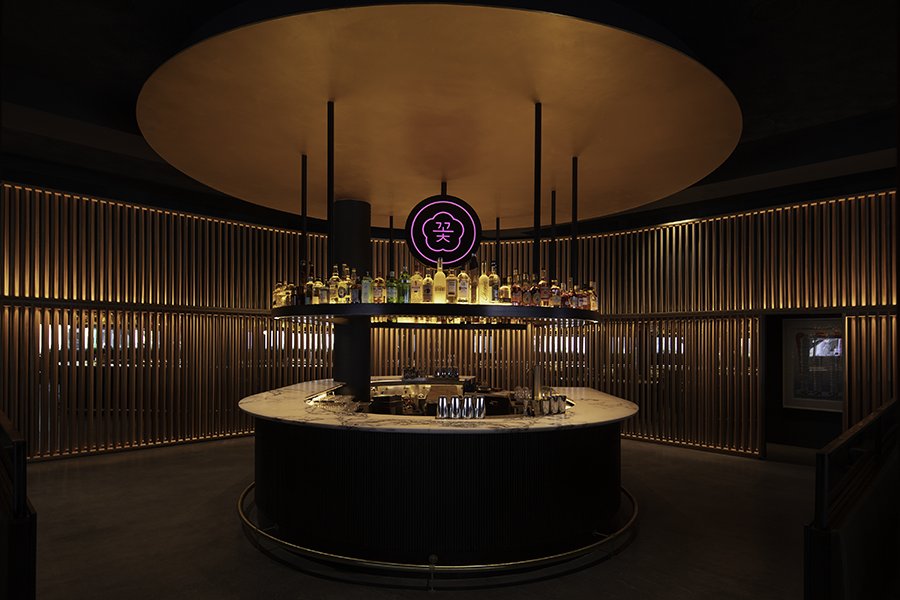
Faena Hotel Miami Beach presents theatrical, design-forward luxury that reads like a curated art installation. Entry through “The Cathedral” immediately signals the hotel's dramatic intent: gold-leafed columns salvaged from the Saxony Hotel, Juan Gatti’s floor-to-ceiling murals, and a 632,000-tile mosaic floor set a tone that is both historic and deliberately staged. Public rooms are bold and ornate, with high-concept touches—Damien Hirst’s gilded mammoth on the terrace and Baz Luhrmann–styled interiors—that emphasize spectacle over understatement. The result is a confident, showpiece hotel where architecture, art, and décor are central to the guest experience.
Best For
Faena suits travelers who want a design-forward, culturally minded stay rather than a low-key beachfront escape. It works especially well for visitors drawn to art and theatrical interiors, couples seeking a striking backdrop for a romantic stay, and anyone celebrating a special occasion who values flamboyant, high-impact settings. Located in a small cultural quarter on Collins Avenue, the hotel feels like a destination in itself—appealing to guests who plan to spend time exploring its public rooms, terrace, and the broader Faena District's performance and retail offerings.
Stay Tips
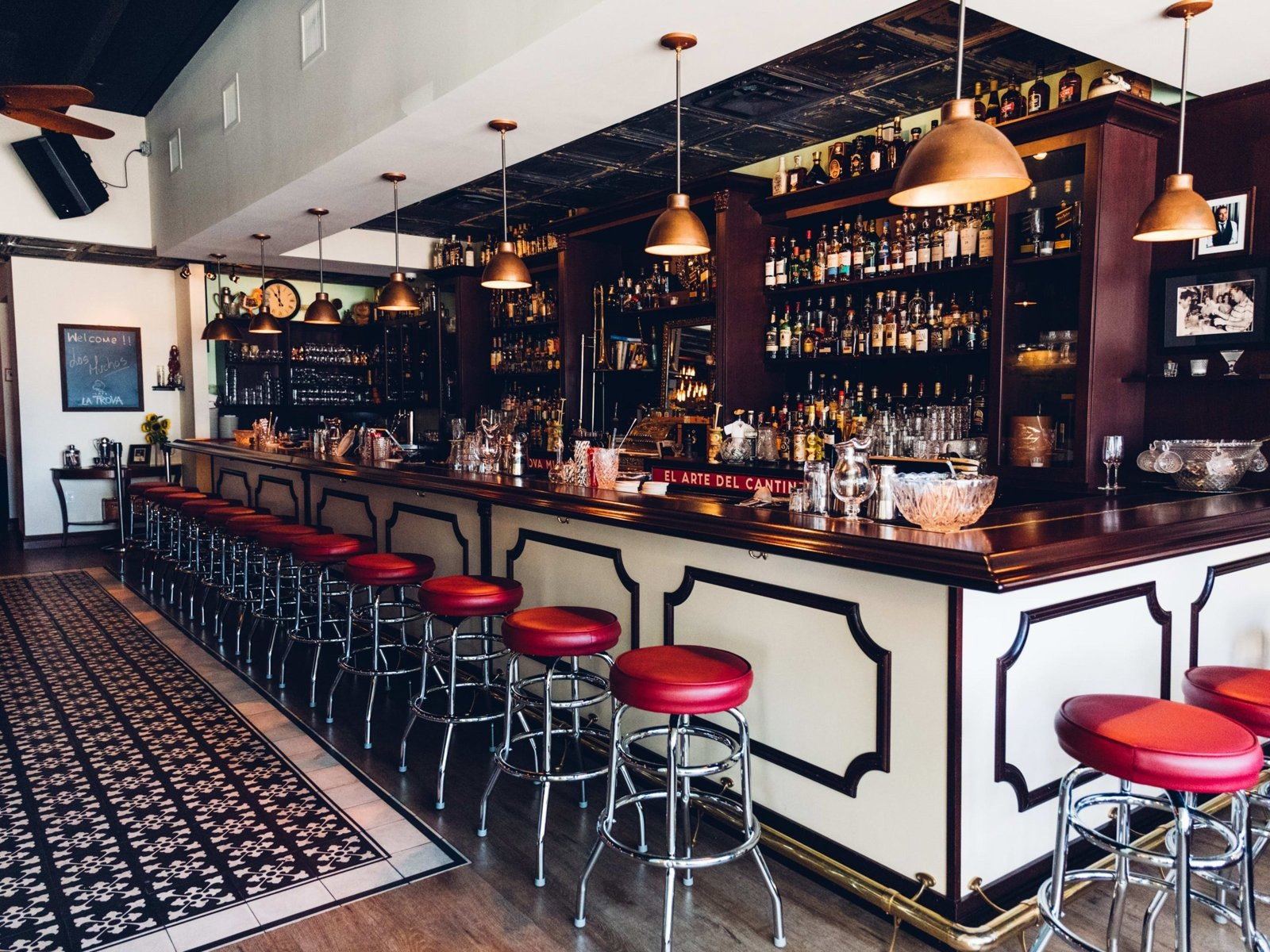
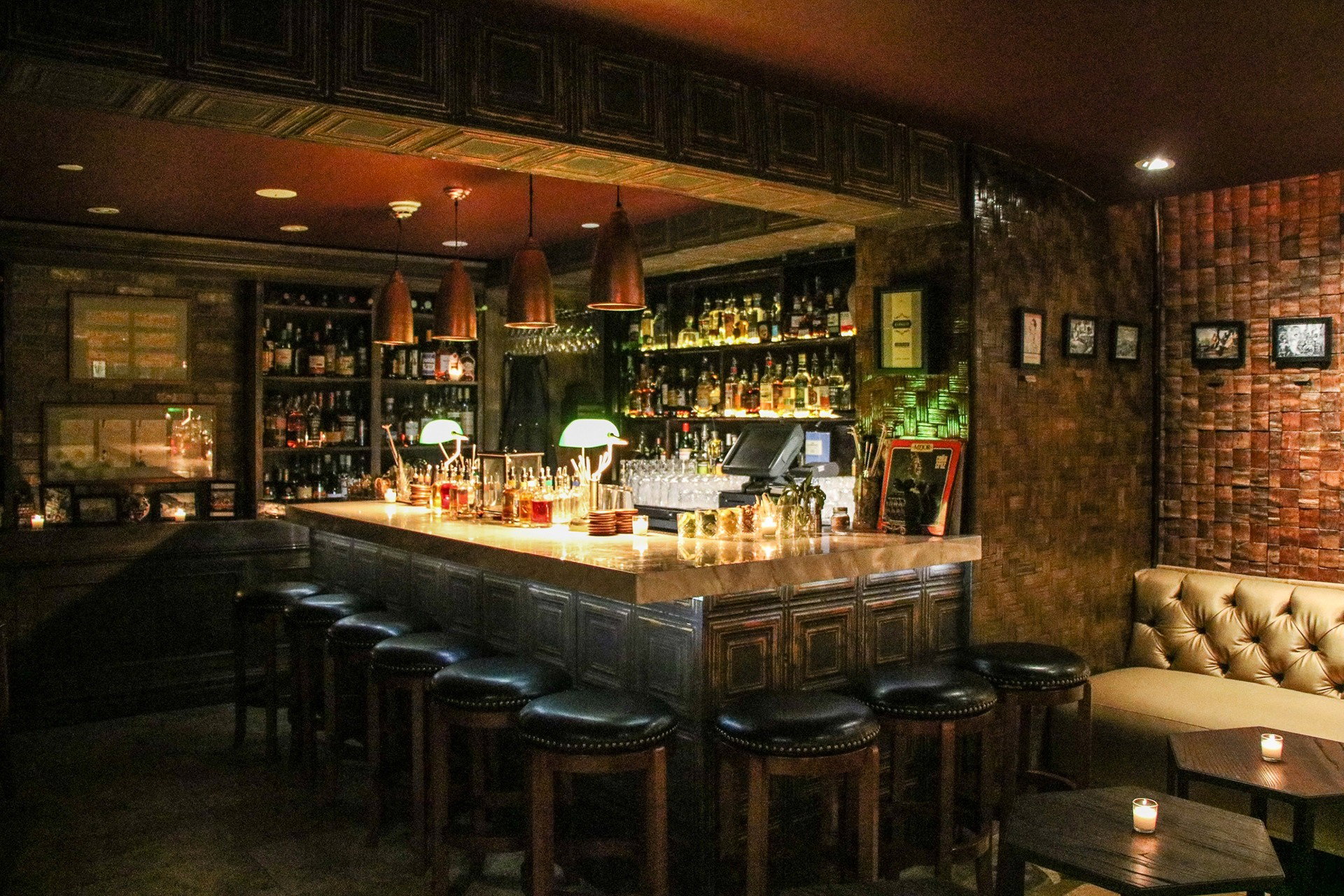
The description highlights the hotel's drinking program and a recognized wine list, so prioritize time at the hotel’s bar and terrace to sample that offering. The terrace—anchored by Damien Hirst’s gold mammoth—is a defining outdoor spot for drinks and people-watching; seek it out for an aperitif or nightcap. Because the property treats its interiors as a curated experience, allow time to move through The Cathedral and public rooms to appreciate the murals, mosaic floor, and decorative details before selecting a place to drink or dine.
Venue details
Ambiance
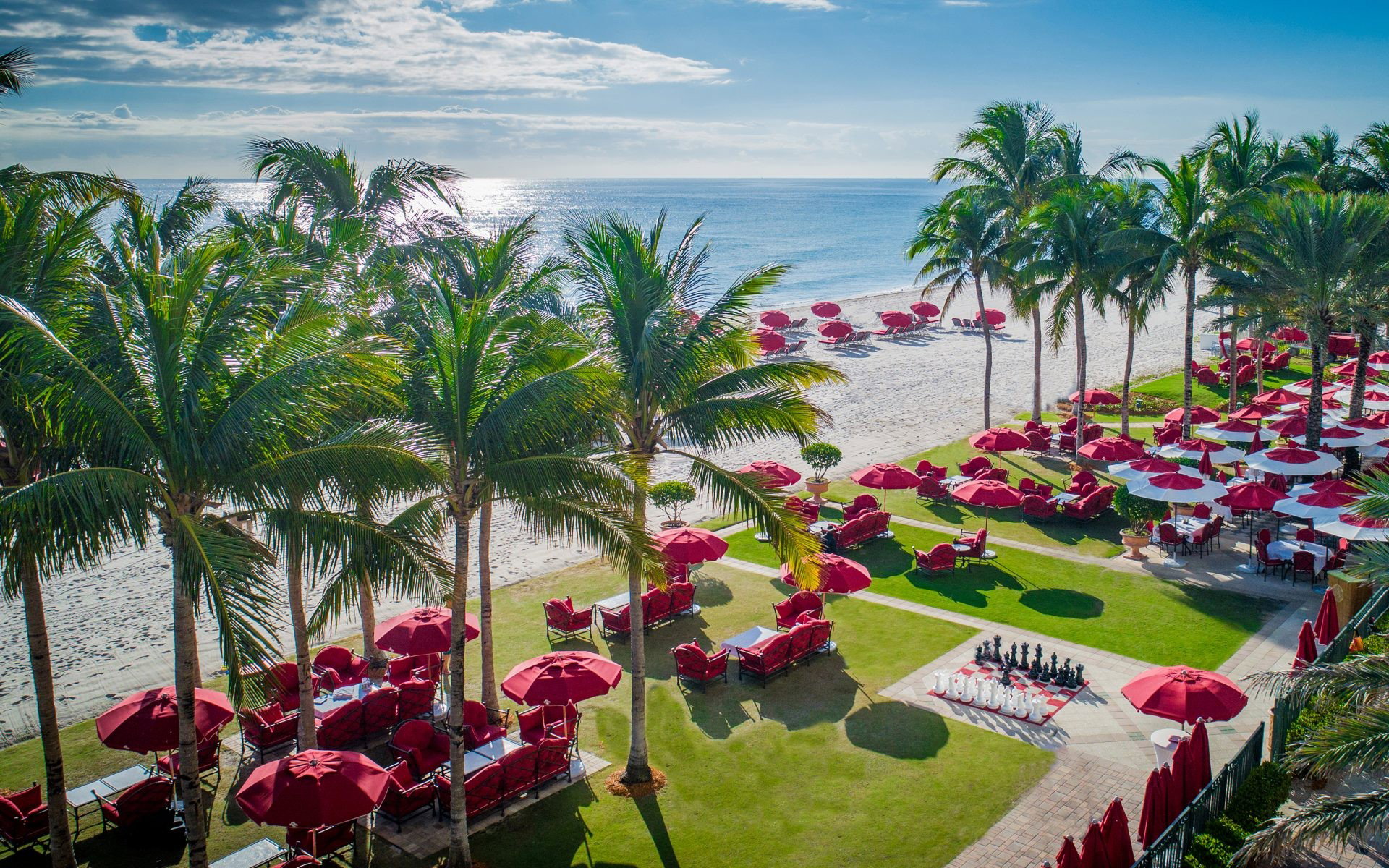
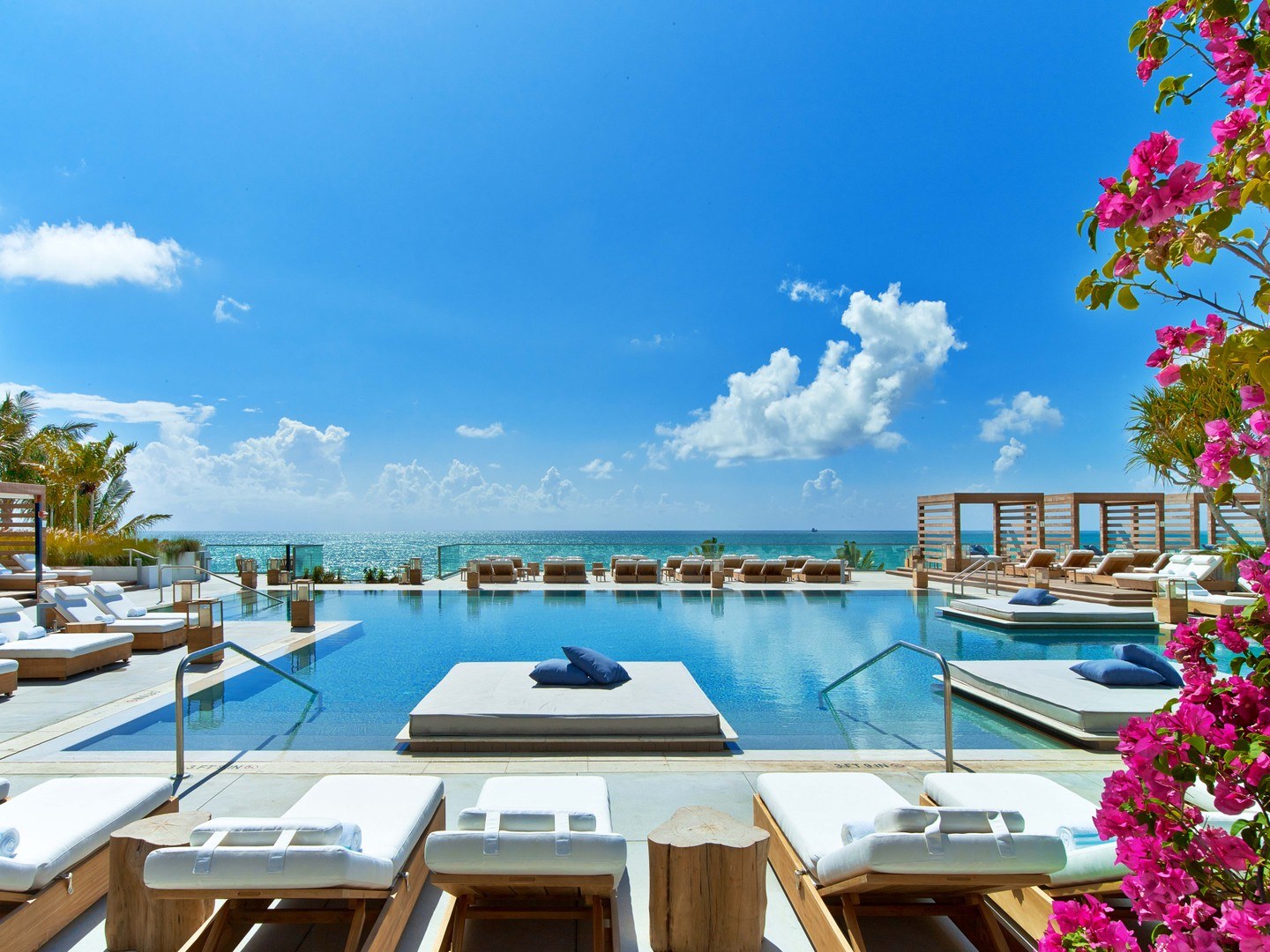
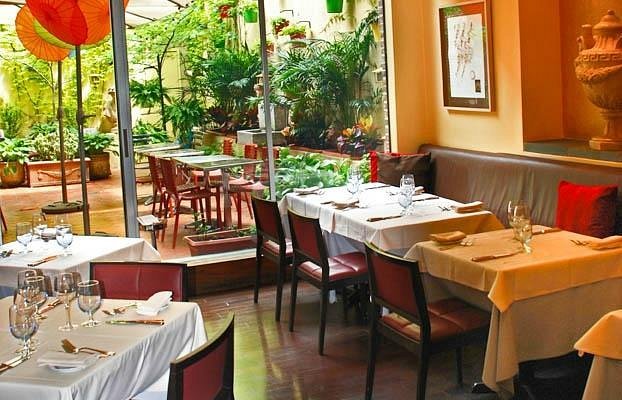
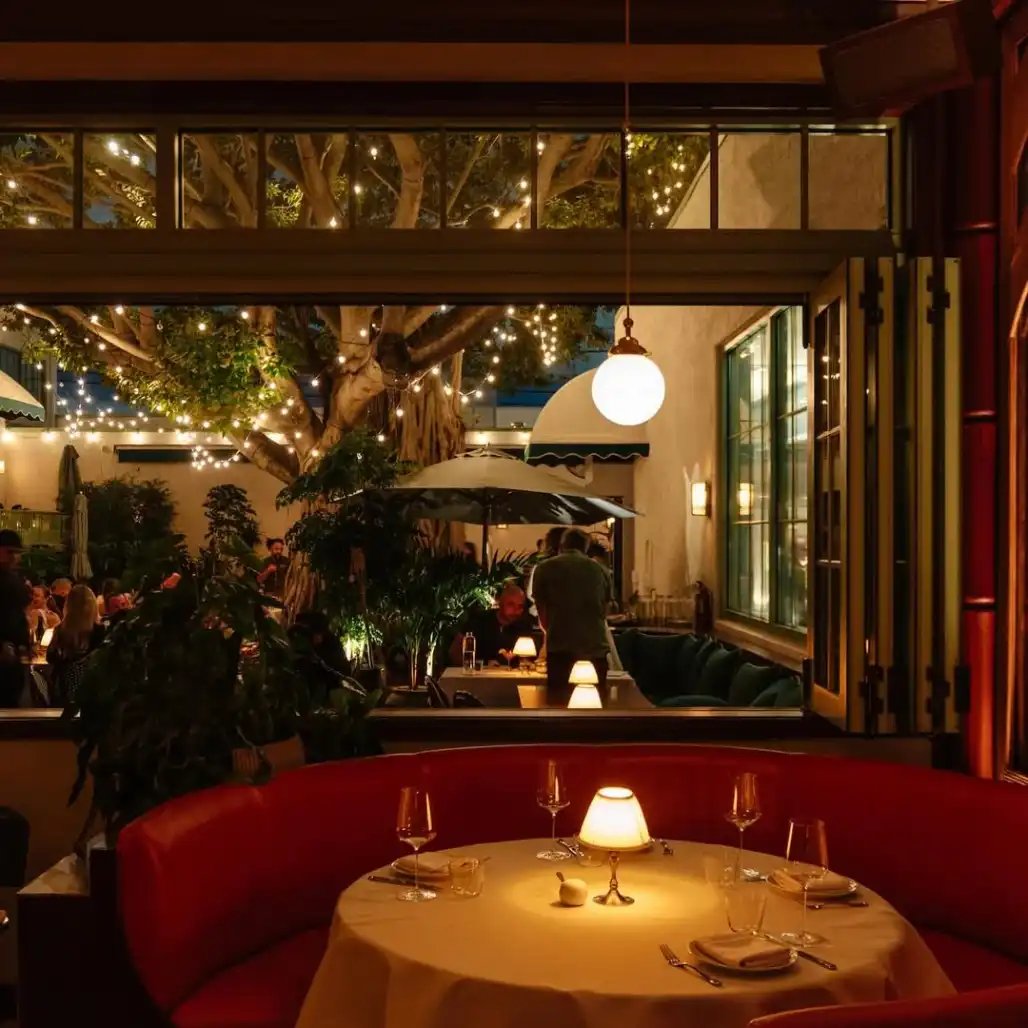
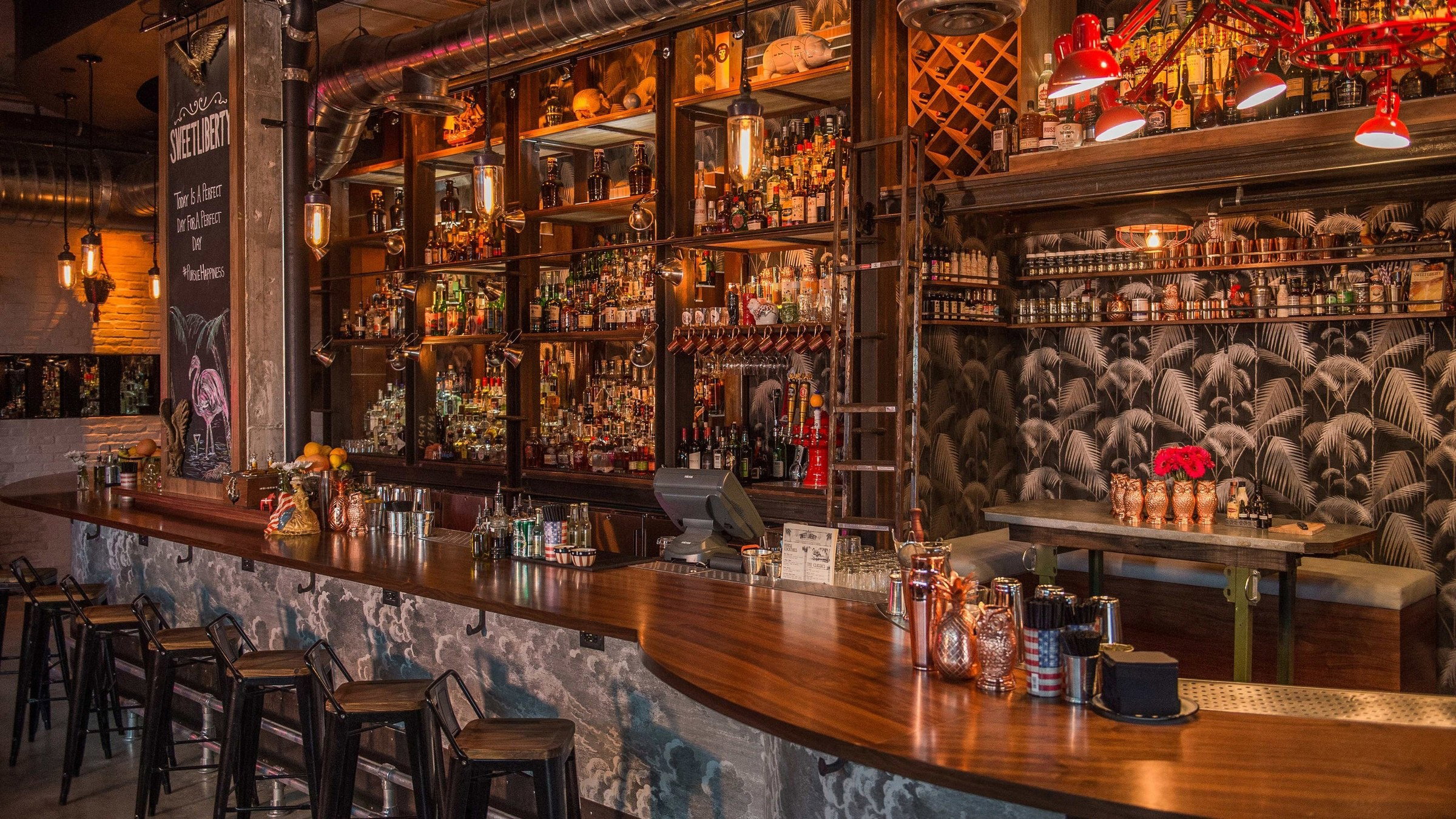
Glamorous and warm with stylish late-Deco decor, ocean views, and impeccable service creating an opulent atmosphere.
Tags
Vibe
Best For
Experience
Amenities
View
Accessibility
About the Stay
- Rooms
- 180
- Check-in
- 16:00
- Check-out
- 12:00
- Property Style
- Art Deco Luxury Resort
- Design Style
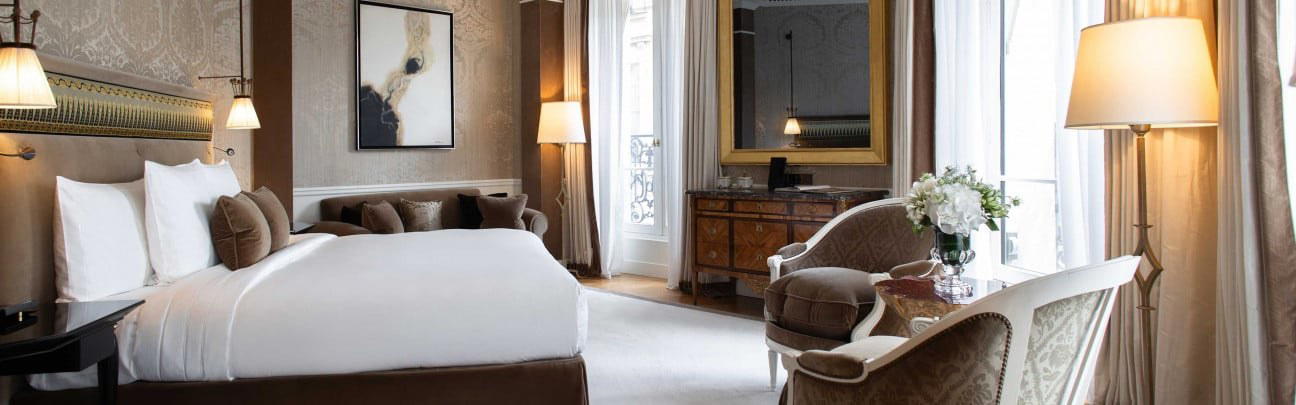
- Retro Glamorous with Custom Furnishings
Know before you go
Know Before You Go
- Getting there
- 3201 Collins Ave, Miami Beach, FL 33140
Planning details
Location
3201 Collins Ave, Miami Beach, FL 33140 · Directions
Recognition and awards





Also consider
Smart cross-shops
- The Miami Beach EDITION: pick this for a polished beach resort with a more contemporary brand feel.
- Casa Faena: pick this for a smaller Miami Beach stay when resort scale is not the point.
Hotel context
How it compares in Miami Beach
Hotel Trouvail Miami Beach and Casa Faena make more sense if value and a lower-key stay matter more than resort scale. Faena Hotel Miami Beach is the stronger choice for a full-service luxury trip, while those two are better for travelers who want Miami Beach access without building the whole stay around the hotel.
The Miami Beach EDITION is the closest cross-shop for travelers who still want a polished beach resort but prefer a more contemporary brand feel. Choose Faena for recognition-heavy luxury and a more theatrical stay; choose EDITION if the trip leans social, design-forward, and easier to place inside a broader Marriott-style booking strategy.
AC Hotel Miami Beach and Freehand Miami are better fallback choices when the room is mainly a base. They will not match the luxury signal, but they make more sense for budget control, lighter service needs, or trips where most time is spent outside the hotel.
Explore Miami
Around this place
Discover more on Pearl
Unlock the full Faena Hotel Miami Beach guide in Pearl, including awards, comparisons, FAQs, planning details, and nearby places.
Compare Faena Hotel Miami Beach
| Venue | Location | Awards |
|---|---|---|
| Faena Hotel Miami Beach | Miami | 2026 Forbes 5-Star2026 Virtuoso Luxury Hotel Collection2026 Vogue Best Hotels in MiamiStar Wine Lists 20262026 La Liste Top Hotels2025 Conde Nast Best Hotels · #49Michelin 2 Keys 20252025 Forbes 5-Star2025 Michelin 2 Keys |
| Hotel Trouvail Miami Beach | Miami Beach | No published awards |
| Casa Faena | Miami | No published awards |
| The Miami Beach EDITION | Miami | 2026 Virtuoso Luxury Hotel Collection2026 Forbes 4-Star2026 Vogue Best Hotels in MiamiStar Wine Lists 20262026 La Liste Top Hotels2025 Michelin Selected Hotels2025 Forbes 4-Star |
| AC Hotel Miami Beach | Miami Beach | No published awards |
| Freehand Miami | Miami Beach | No published awards |


How Faena Hotel Miami Beach compares with similar nearby venues.
FAQ
Frequently Asked Questions
How does Faena Hotel Miami Beach compare to other hotels?
It is a strong pick when you want a Miami hotel with substantial outside recognition: Michelin 2 Keys, Forbes 5-Star, and a La Liste Top Hotels score of 96.5. Compared with AC Hotel Miami Beach, it is best evaluated as a recognition-led luxury choice; compared with The Miami Beach EDITION, the decision should come down to personal style, rates, and availability. Casa Faena is another option to compare when choosing among Miami stays.
How is the pool and spa at Faena Hotel Miami Beach?
The data provided here does not establish specific pool or spa details, so do not choose the hotel on those details alone without checking directly before booking. What is confirmed is the broader luxury recognition profile, including Michelin 2 Keys and Forbes 5-Star status, which can be weighed against options such as Hotel Trouvail Miami Beach or AC Hotel Miami Beach when deciding how much to spend.
What is check-in like at Faena Hotel Miami Beach?
The data does not provide specific check-in procedures or arrival details. What can be said is that Faena Hotel Miami Beach is a Forbes 5-Star hotel in Miami, so travelers considering it should plan their arrival around their own schedule and confirm any timing needs directly with the hotel. Compared with Freehand Miami, it is best evaluated as a recognition-led luxury stay.
Which room category is best at Faena Hotel Miami Beach?
The data does not identify specific room categories, layouts, views, or upgrade recommendations. Choose based on the current room descriptions and rates available at booking, and weigh the premium against the hotel's confirmed Michelin 2 Keys and Forbes 5-Star recognition. Compared with Casa Faena, the value case here is tied to Faena Hotel Miami Beach's broader documented luxury recognition.
Is Faena Hotel Miami Beach good for business travel?
It can make sense for a business trip where the hotel itself matters, but the data does not establish specific business facilities or commute details. The confirmed Michelin 2 Keys and Forbes 5-Star profile supports a polished luxury positioning in Miami. If you are comparing different types of stays, AC Hotel Miami Beach is another option to review.