

Downtown Mexico
Centro, Mexico City
Hotel in Mexico City, Mexico
 Book with Pearl
The Read
Price
$100–200per night
Why go
Downtown Mexico is a strong fit for design-minded couples or celebration trips centered on Mexico City's historic core. Its Design Hotels, Mr & Mrs Smith, and MICHELIN hotel-selection recognition make it credible for travelers who want character over chain-hotel predictability, though planners needing detailed published room, rate, and amenity guidance may prefer a more conventional luxury option.
About Downtown Mexico
For a Mexico City stay, Downtown Mexico is worth shortlisting if third-party design and hotel recognition matter in your decision. The hotel holds specific recognition: 2026 Design Hotels Member - Downtown Mexico, Mr & Mrs Smith Seal of Approval (2026), and MICHELIN Guide, Hotels Selected (2025). The dress code is smart casual.
Beyond those points, keep the read intentionally narrow. Specifics like neighborhood, address, room count, restaurant format, amenities list, price band, or service style for Downtown Mexico are not detailed. It is advisable not to choose the hotel solely on unconfirmed information regarding these aspects.
Choose it for recognition, not additional specifics
The strongest grounded case for Downtown Mexico is its recognition from Design Hotels, Mr & Mrs Smith, and the MICHELIN Guide's hotel selection. Those are useful quality signals for travelers comparing Mexico City stays, especially when hotel recognition is part of the appeal.
Service, dining, room categories, and amenities should be confirmed directly before booking. If the trip depends on highly specific arrival arrangements, a particular dining setup, or exact facilities, confirm those details with the hotel rather than relying on assumptions.
Who should cross-shop before committing
Travelers considering Downtown Mexico can also compare it with Our full Mexico City hotels guide, then pair the stay with Our full Mexico City restaurants guide and Our full Mexico City bars guide. For named hotel alternatives, consider Casa Seis Siete, Chaya B & B Boutique, Colima 71 - Casa de Arte Hotel, Círculo Mexicano, or Hotel Oculto, depending on which details matter most for your trip.
Verdict: shortlist Downtown Mexico when its Mexico City setting, smart-casual dress code, and confirmed hotel recognition match the kind of stay you want. Do more direct checking before booking if your decision depends on room categories, dining, amenities, rates, or other specifics not detailed here.
Planning details
- Location
- Isabel la Catolica, 30, Mexico City 6000, Mexico
- Website
- marriott.com/en-us/hotels/mexdd-downtown-mexico-a-member-of-design-hotels/overview
- Phone
- +52 55 5130 6830
The take
The Take
The Vibe
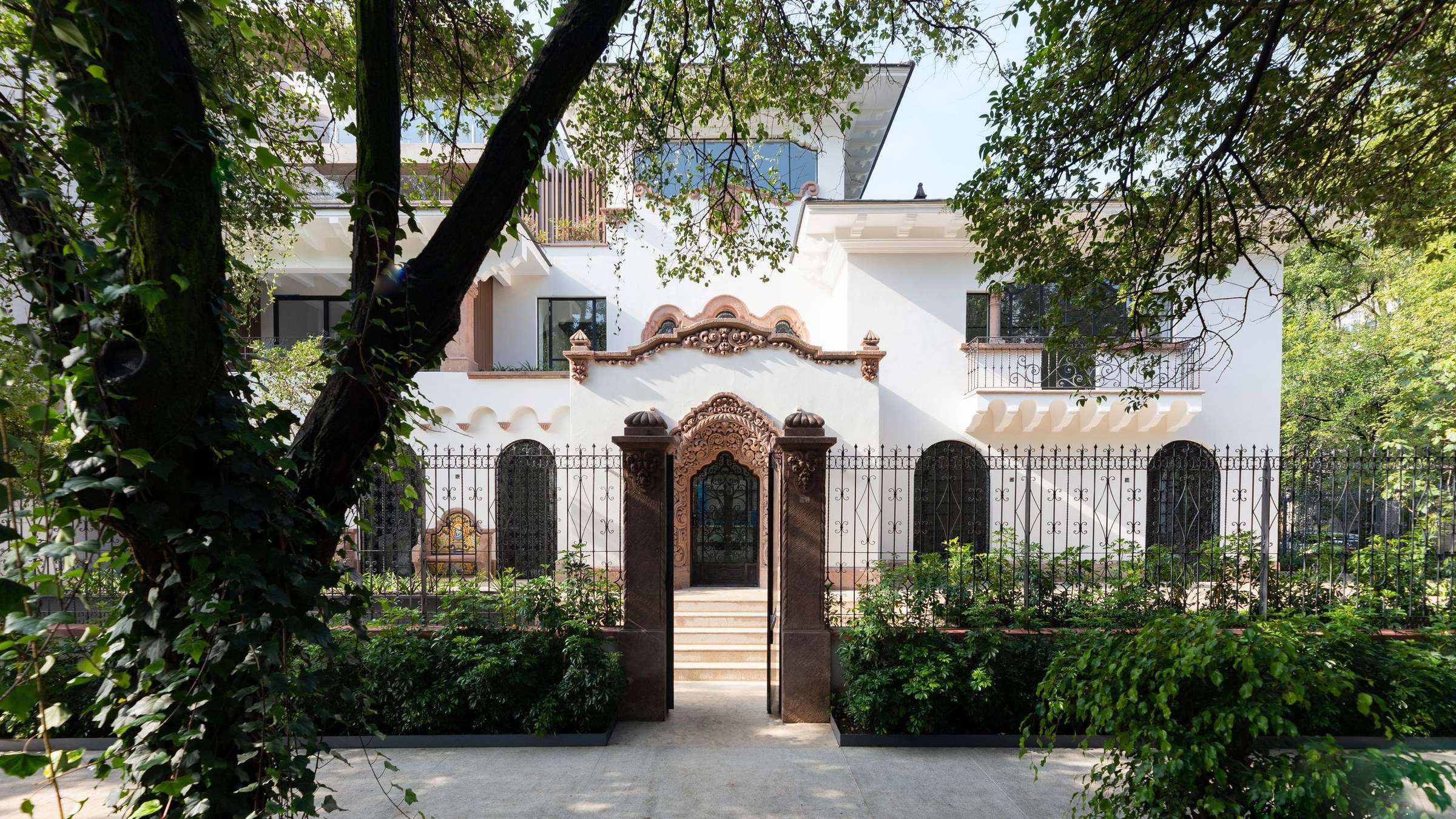
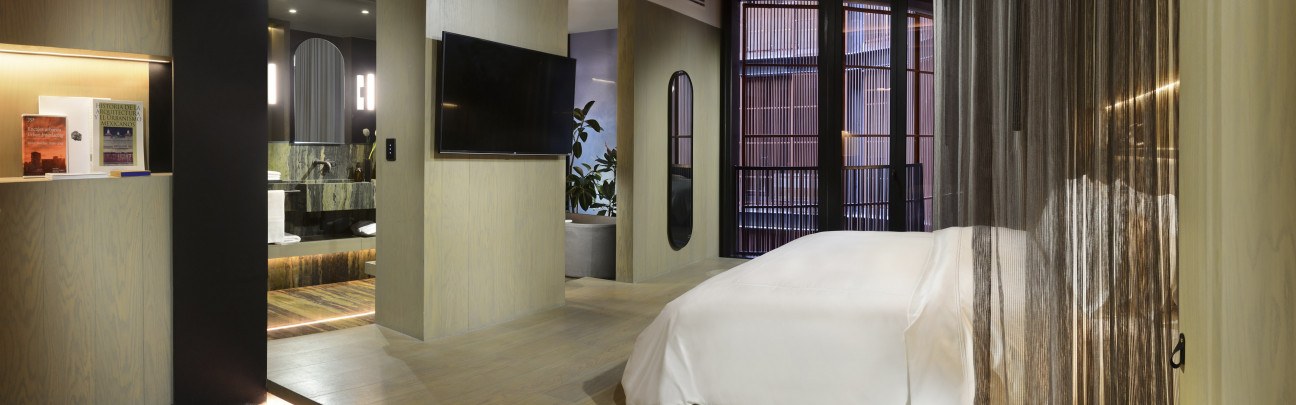
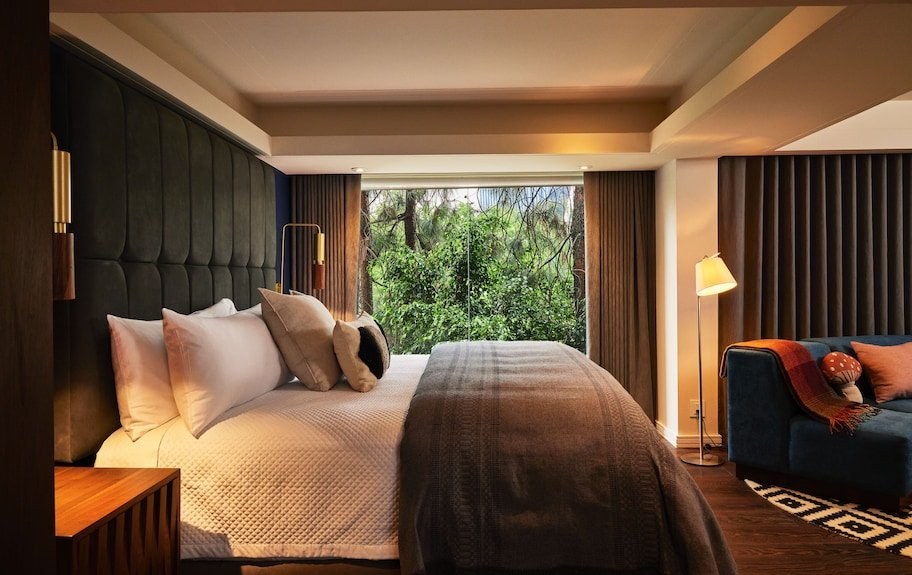
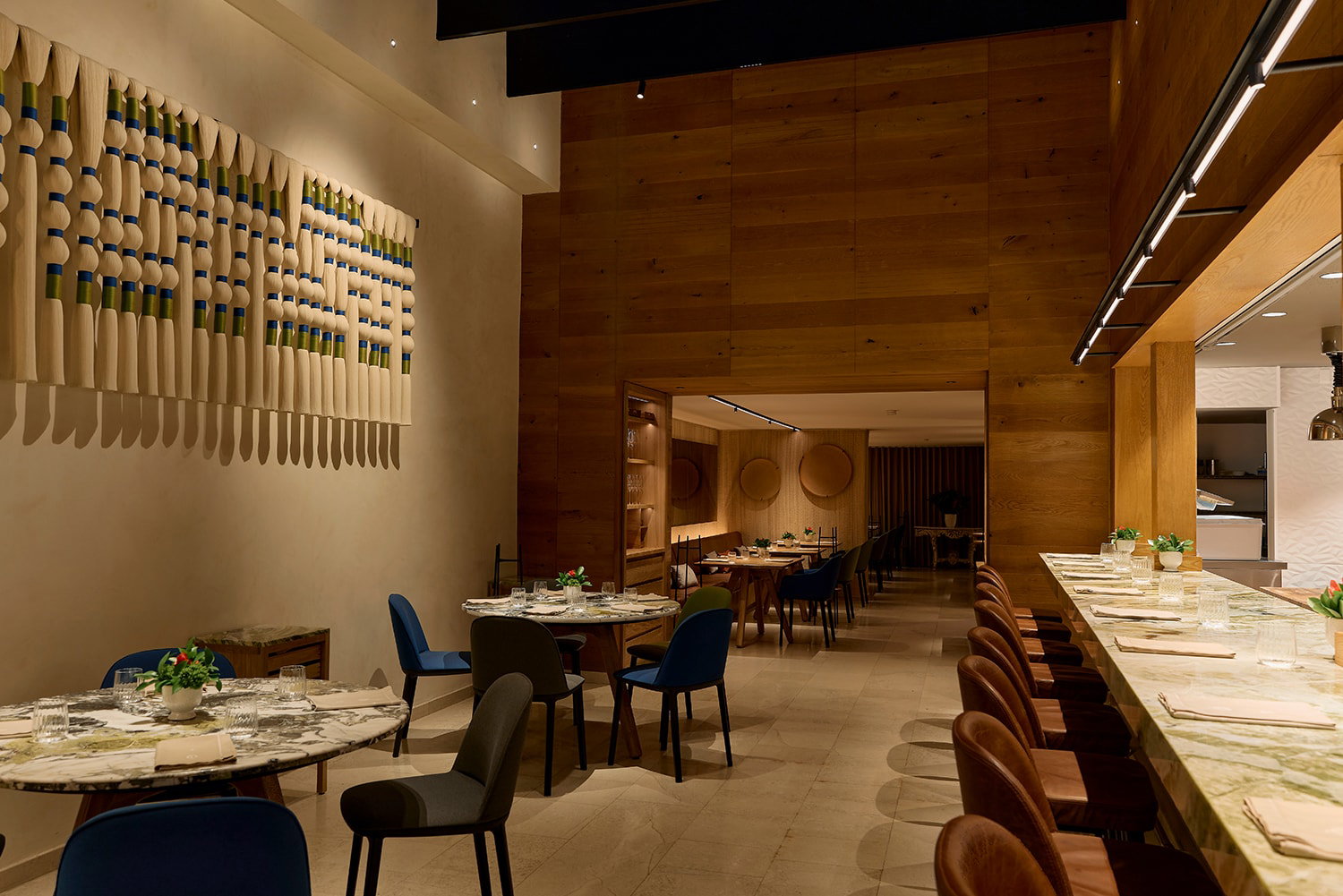
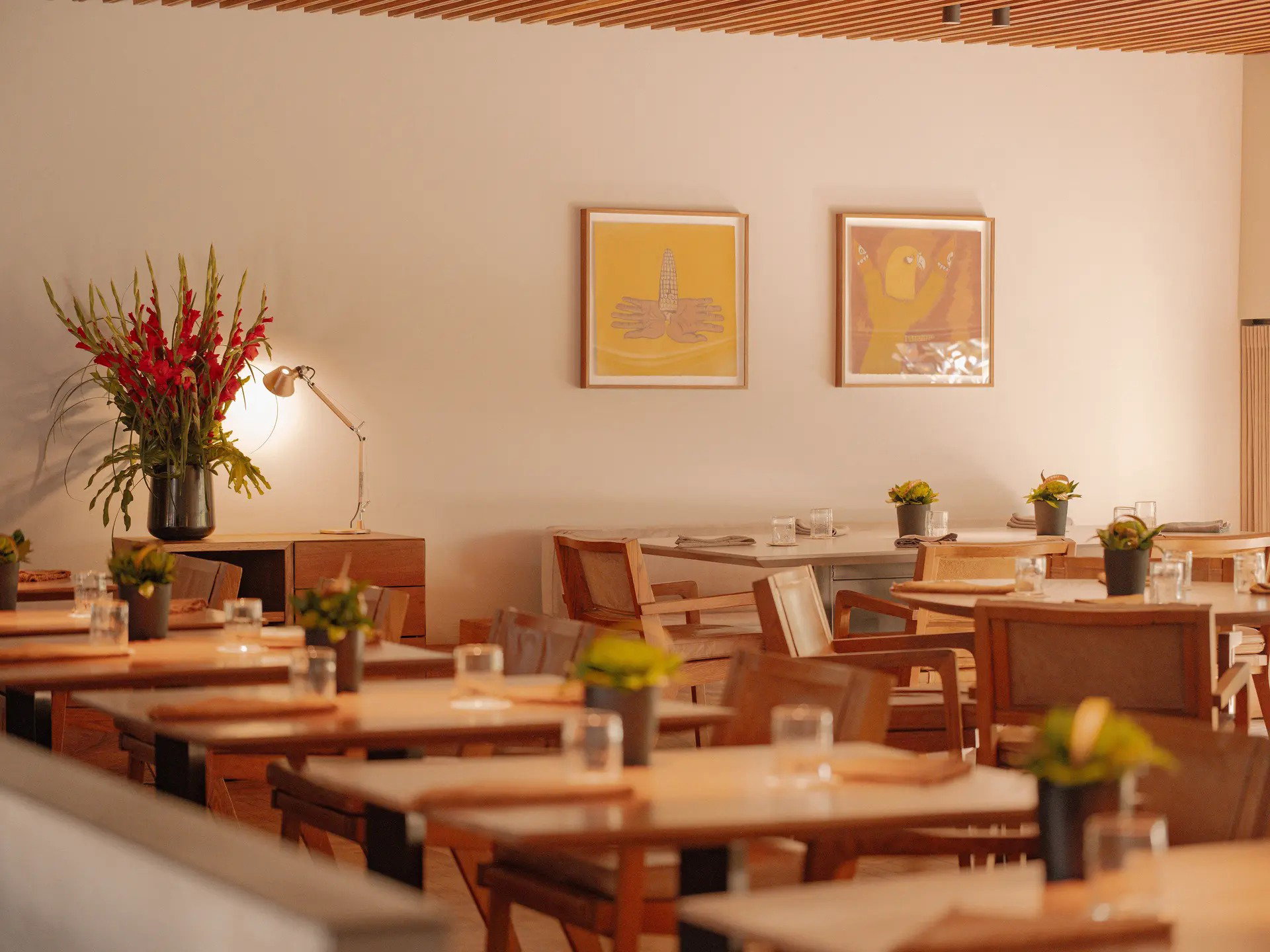
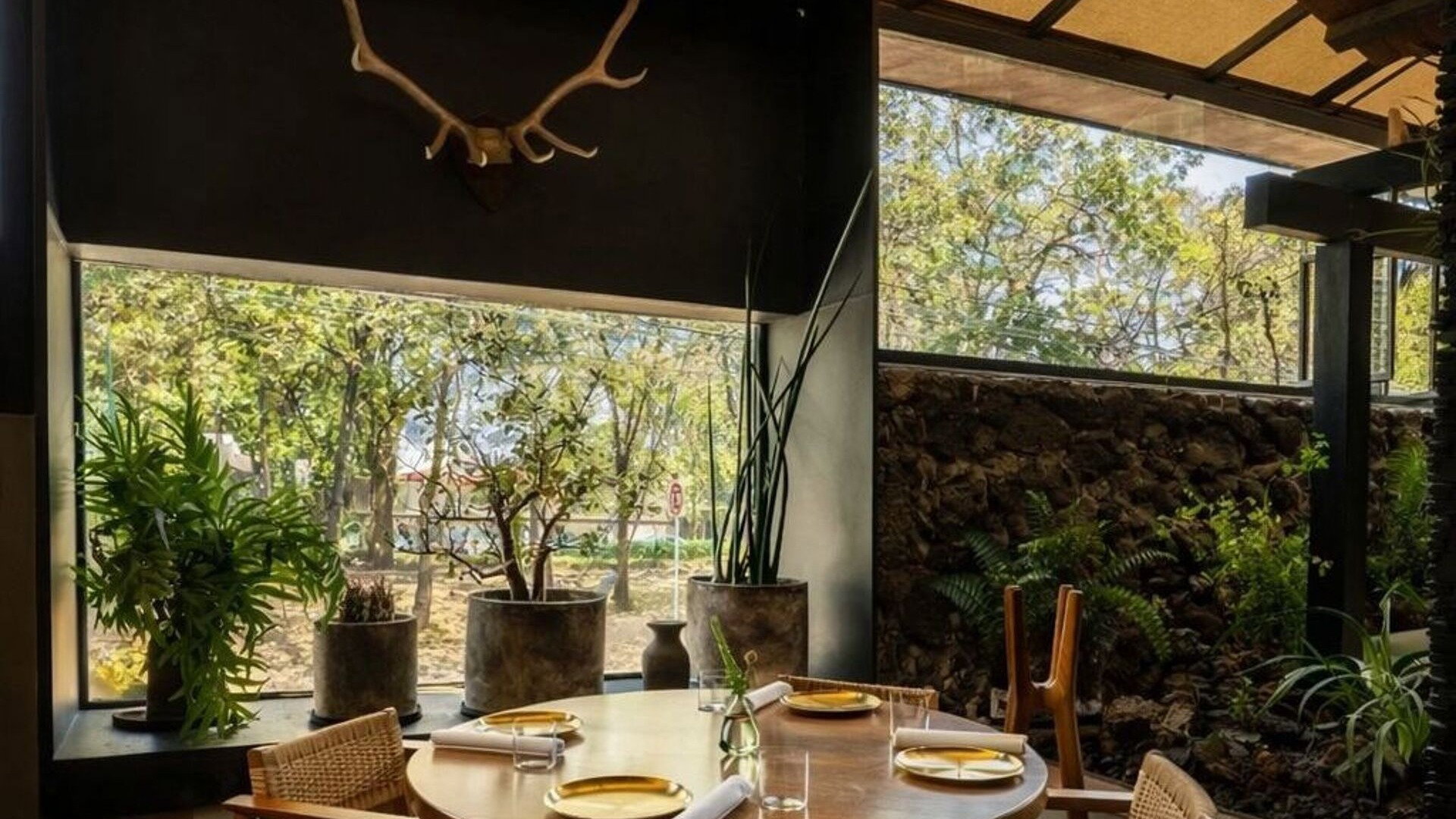
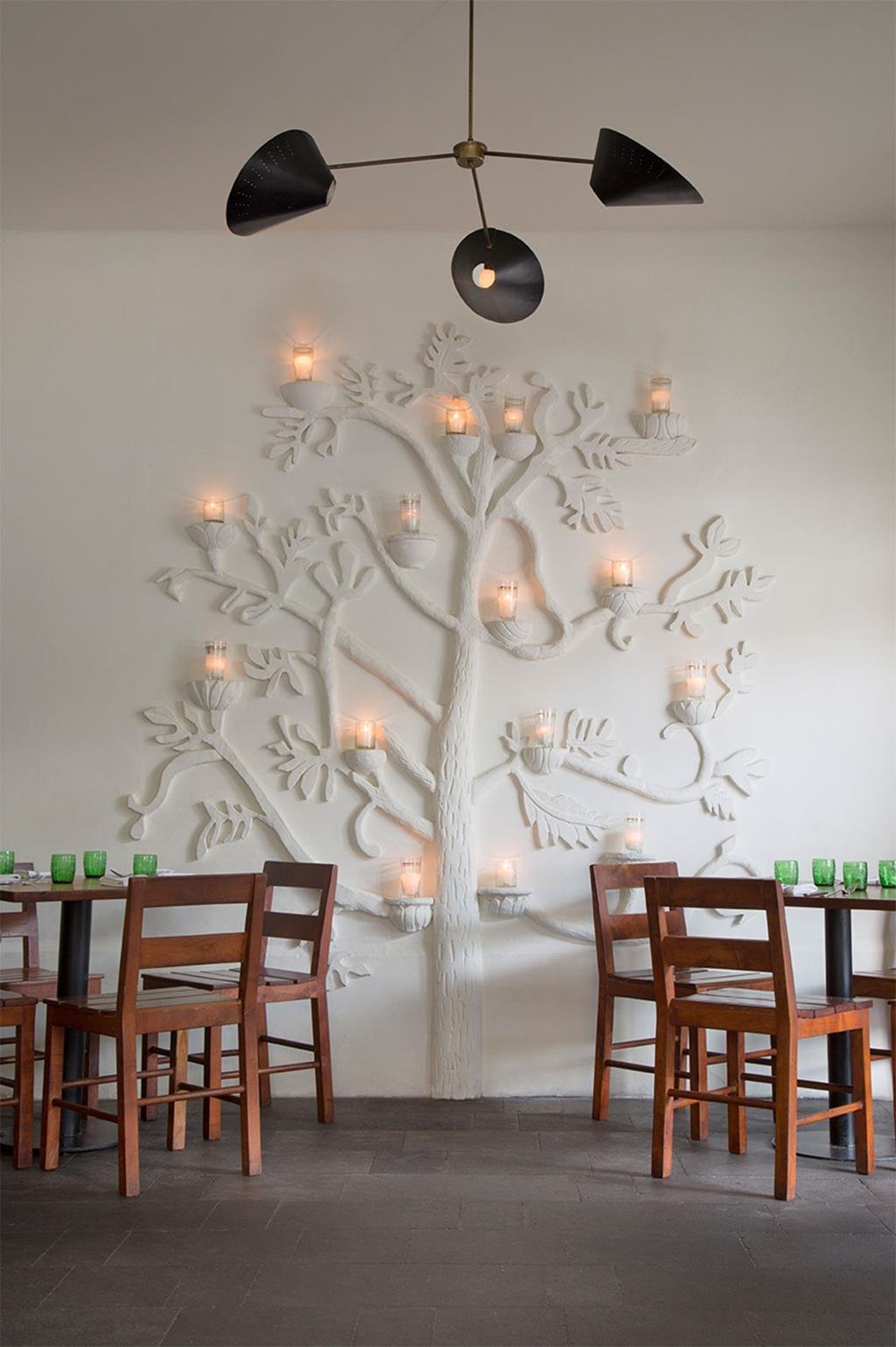
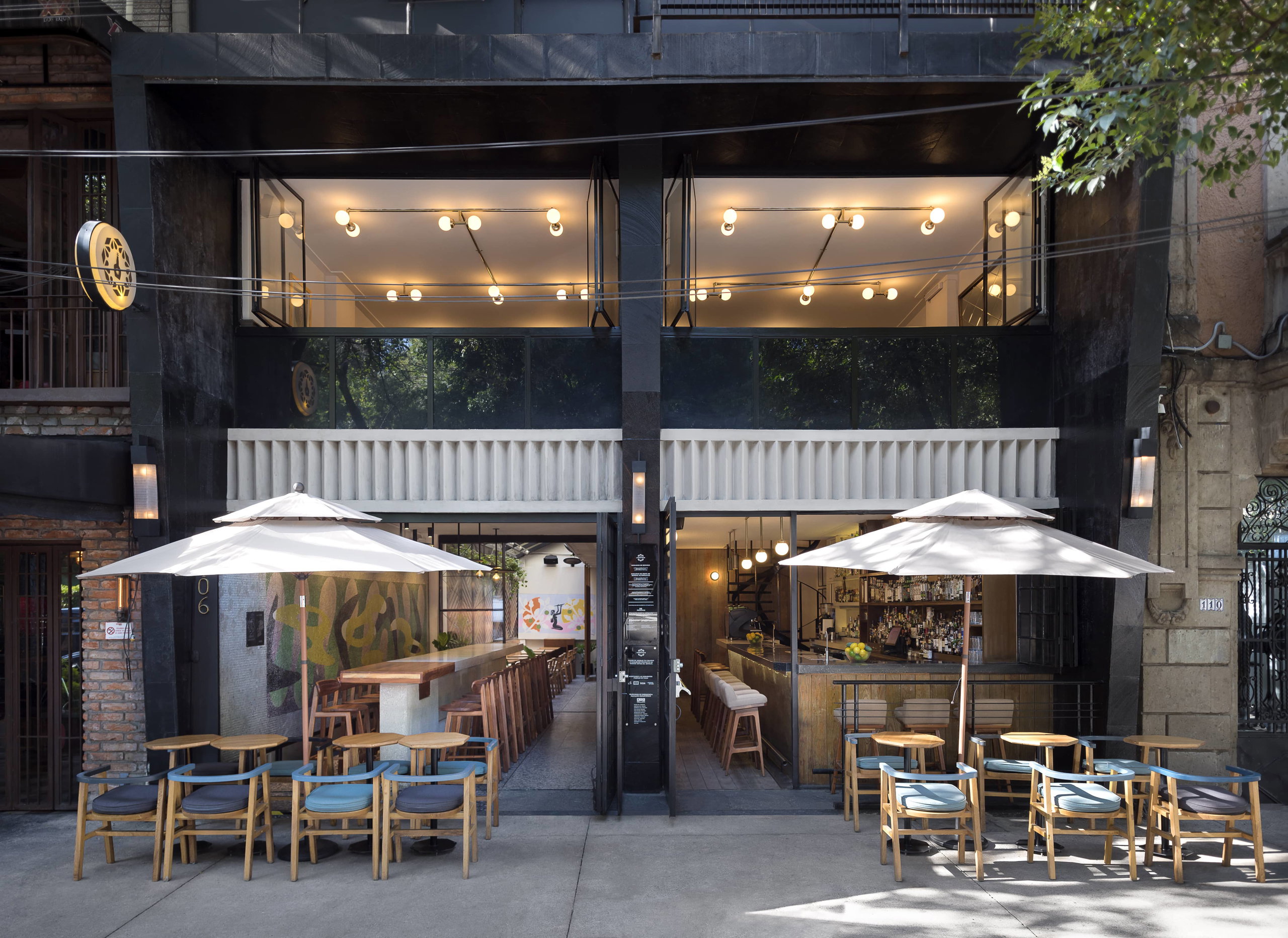
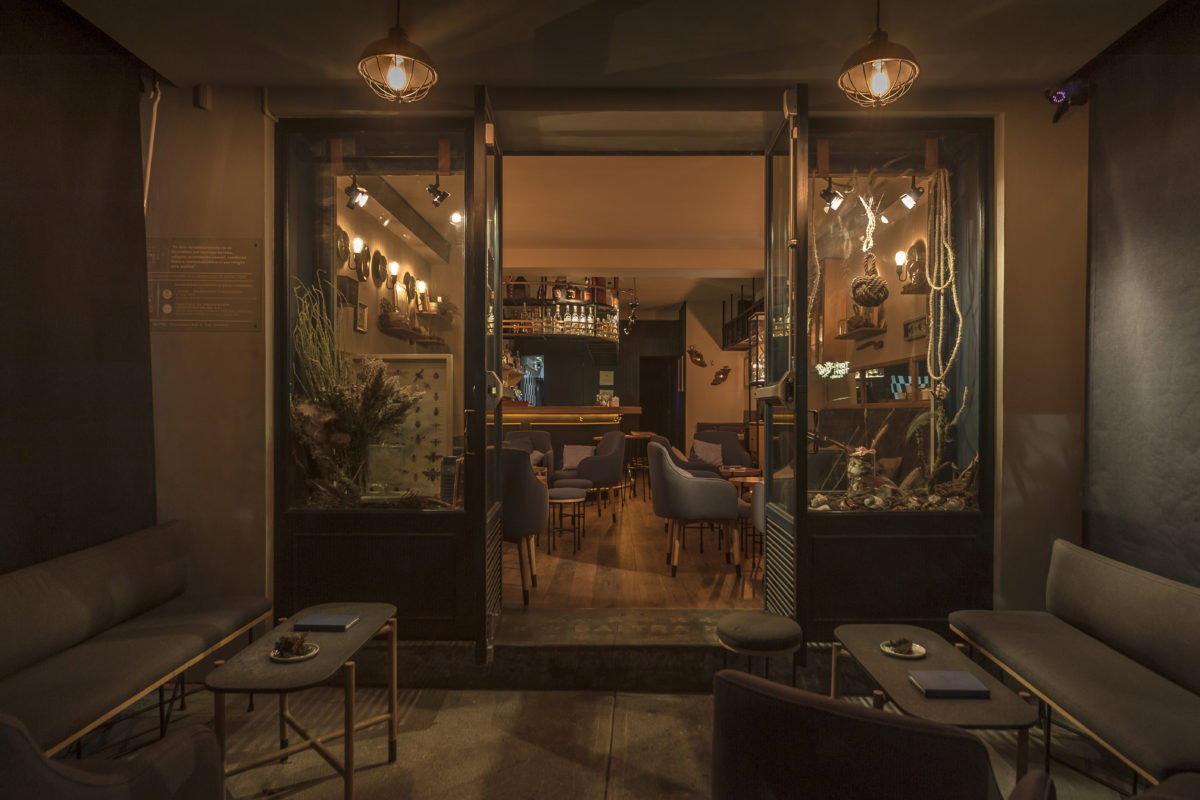
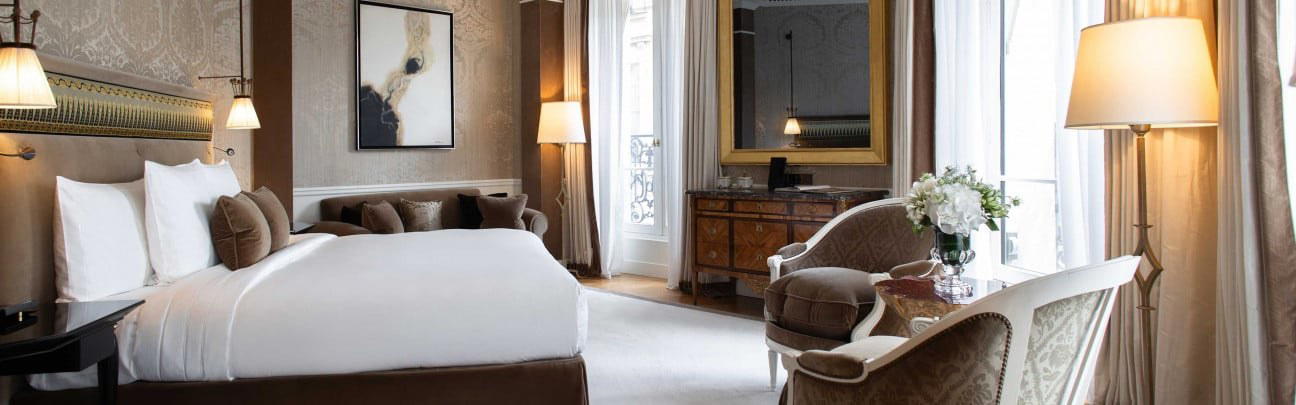
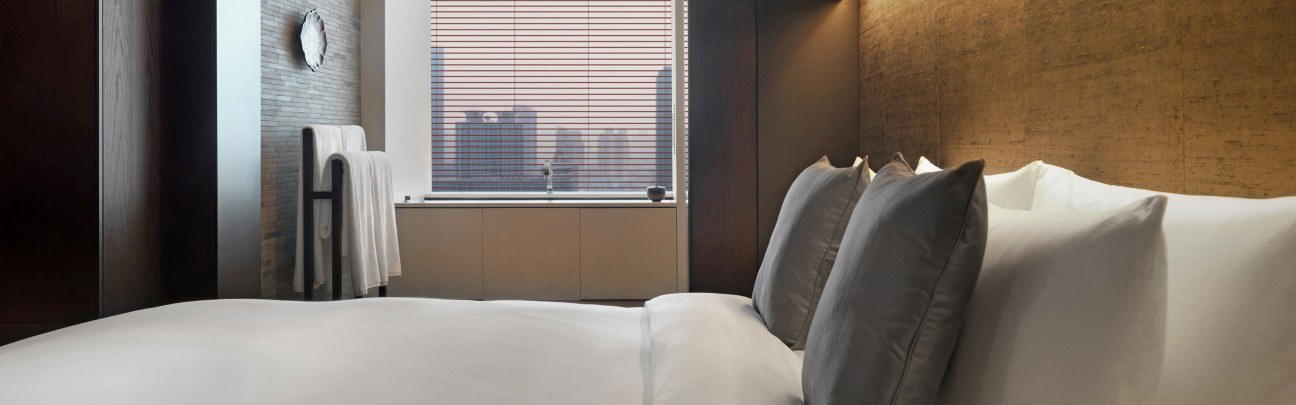
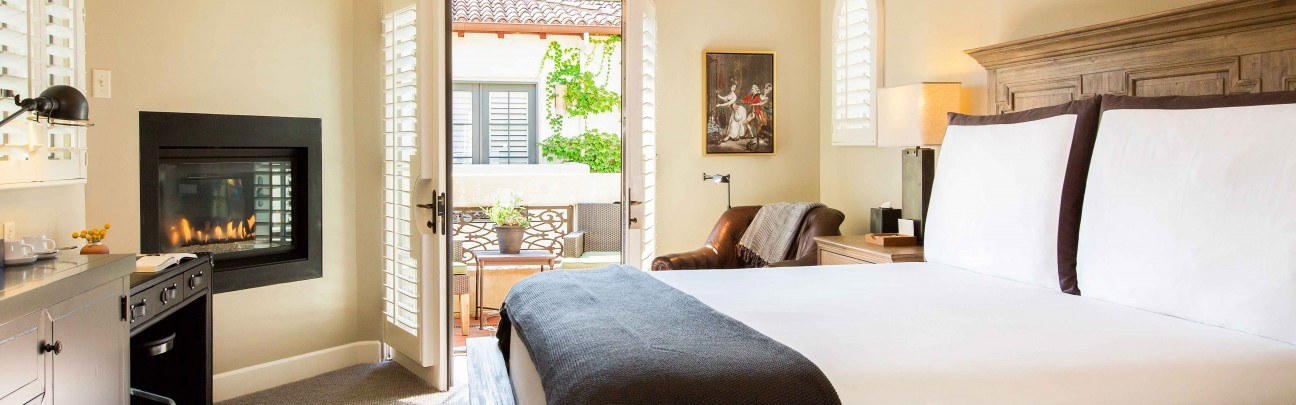
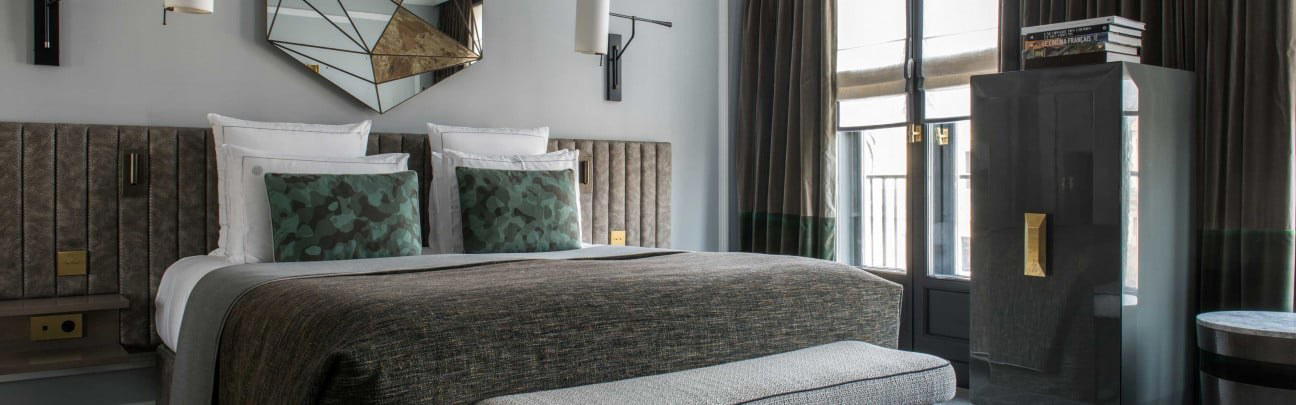
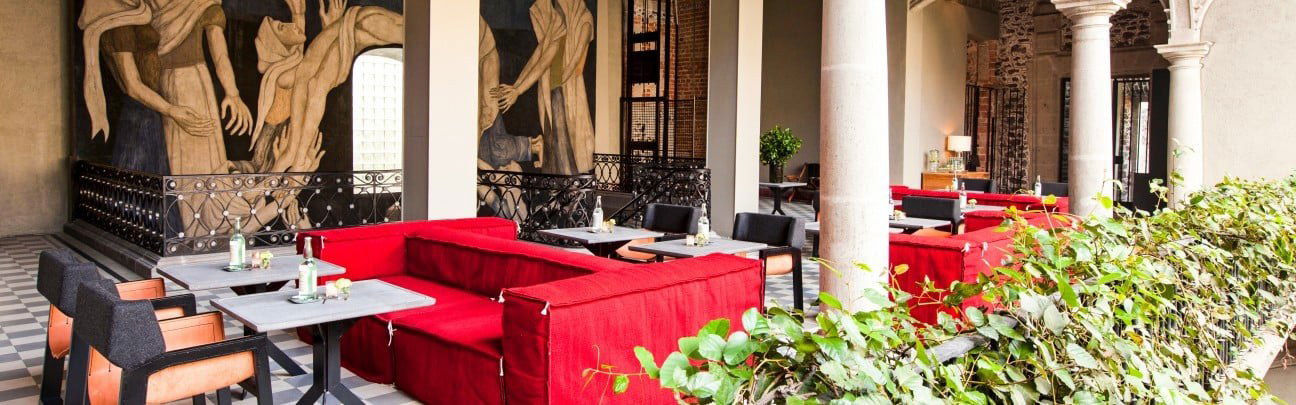
Downtown Mexico stages a deliberate tension between colonial formality and pared-back industrial design. The building’s baroque proportions — high ceilings and thick stone walls — read clearly against exposed materials and stripped-back surfaces, producing a bohemian-chic atmosphere that favors architectural legibility over nostalgic restoration. That restrained juxtaposition feels curated rather than decorative: the hotel leans into the weight of the historic fabric while applying contemporary, industrial-minded edits that keep the spaces visually taut and engaging for people who appreciate design-forward heritage conversions.
Best For
The hotel suits travelers who want to be in the thick of Centro Histórico’s layered history while staying in a design-led property. Its location on Calle Isabel la Católica places guests at the edge of the old city core, convenient for exploring baroque facades, museums and the neighborhood’s mezcalerías and independent restaurants. It works well for weekend escapes and romantic getaways and also fits business travelers seeking a central, characterful base; the property treats the UNESCO designation as context rather than constraint, making it a strong choice for culturally minded visitors.
Venue details
Ambiance
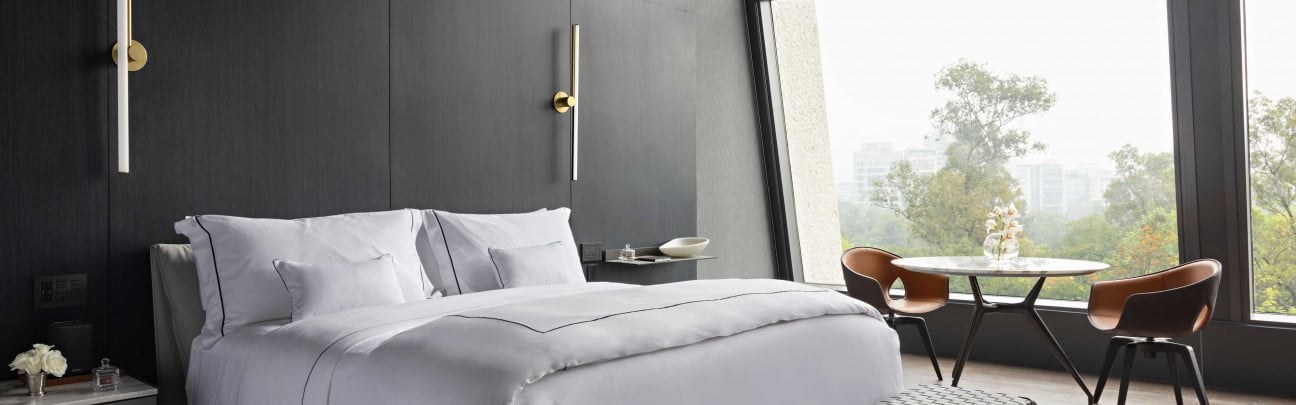
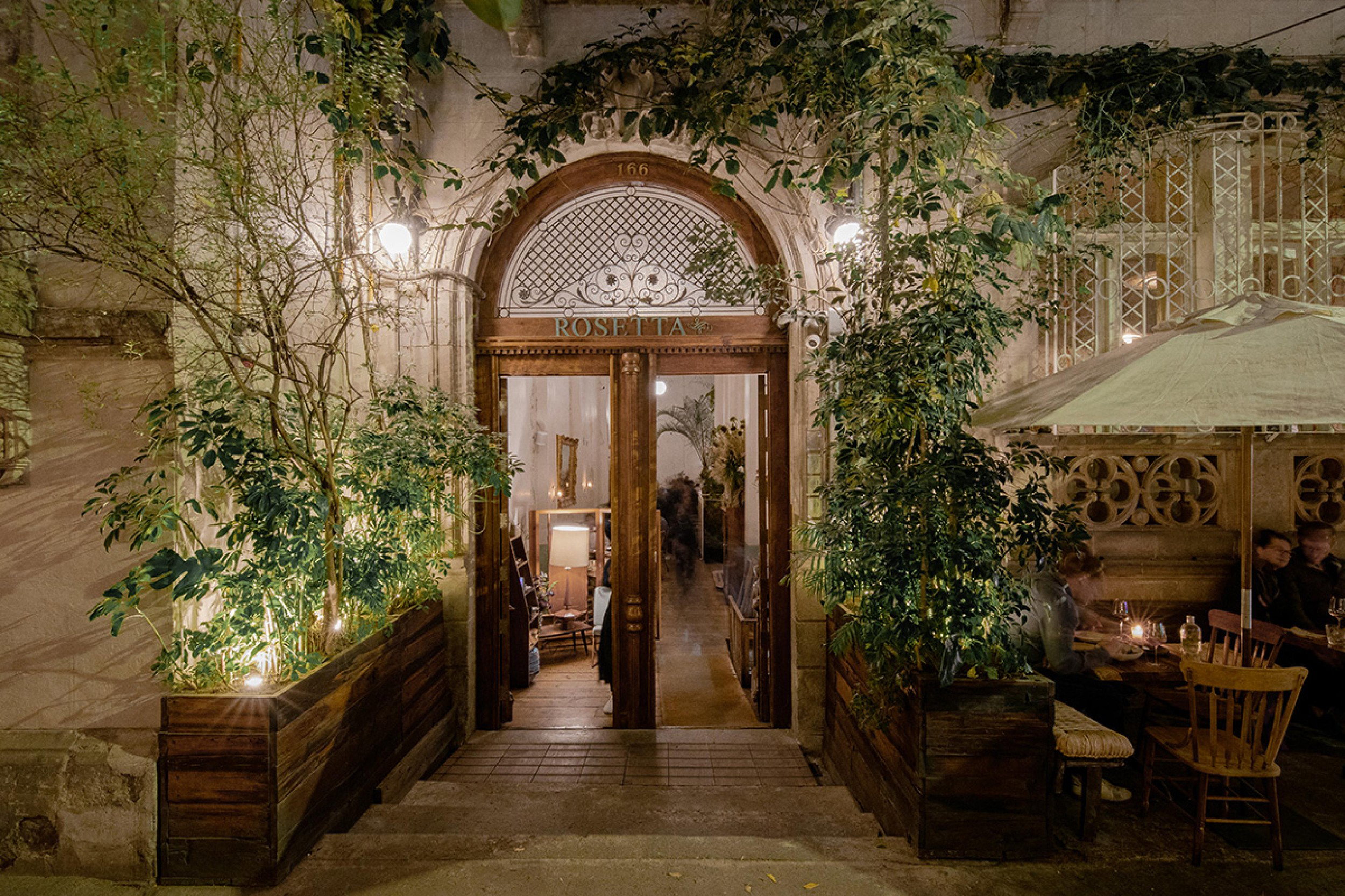
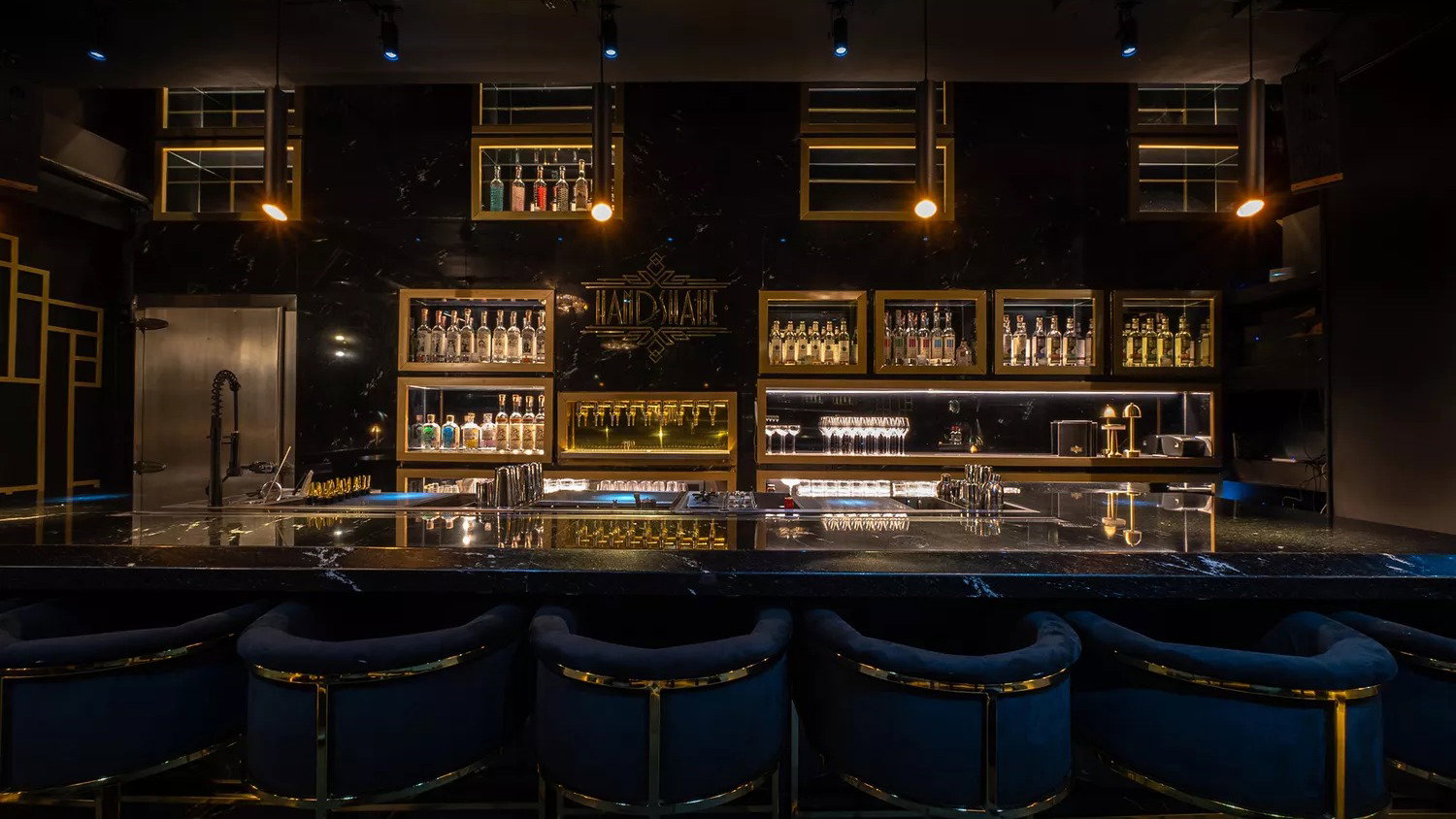
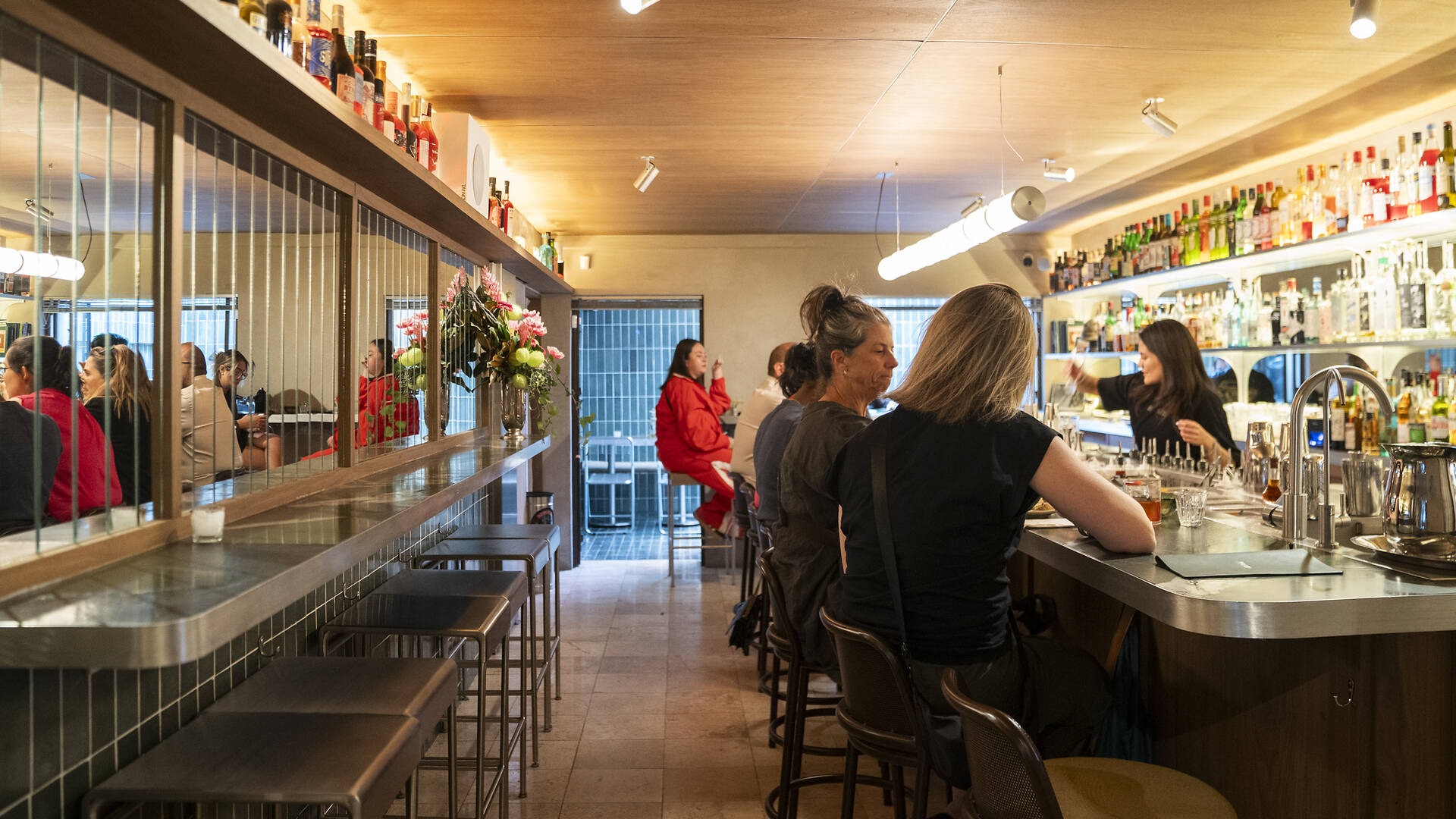
Sophisticated and moody with dim lighting, industrial touches, and a charming courtyard; rooftop terrace offers a relaxed vibe overlooking historic rooftops.
Tags
Vibe
Best For
Experience
Amenities
View
Accessibility
About the Stay
- Rooms
- 17
- Check-in
- 15:00
- Check-out
- 12:00
- Property Type
- Boutique hotel
- Property Style
- Renovated 17th Century Colonial with Bohemian Chic Elegance.
- Design Style
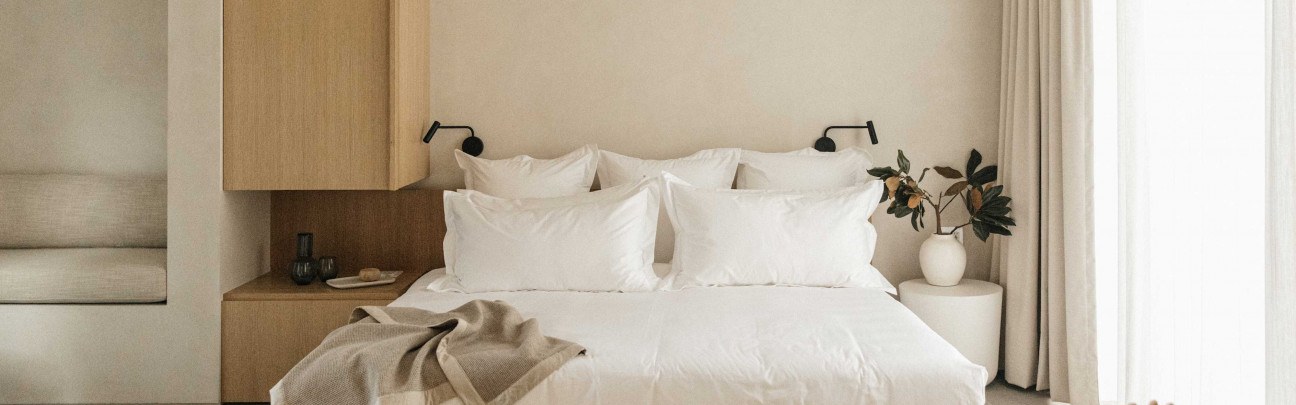
- Minimalist Industrial with Geometric Patterns and Raw Volcanic Stone.
- Breakfast
- Included
- Airport Transfer
- Available
- Pool
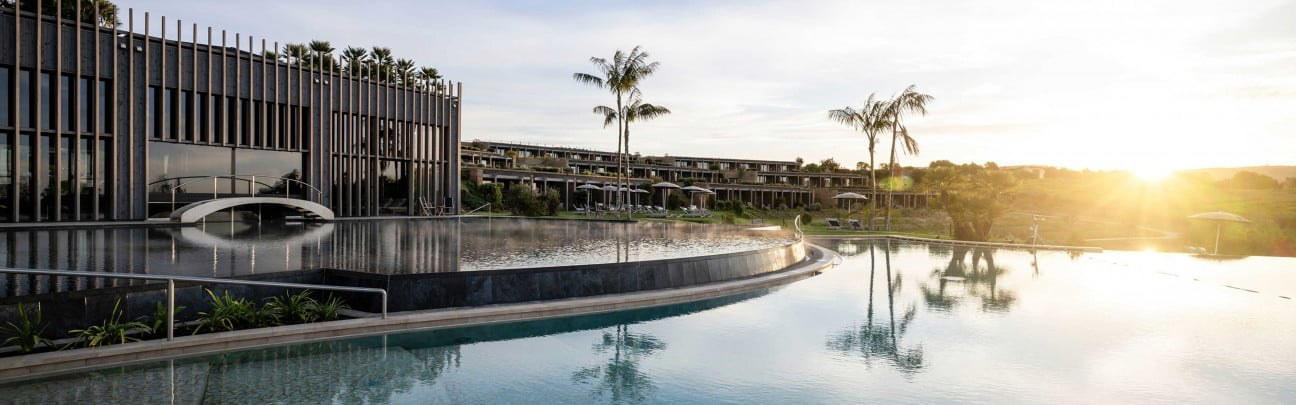
- Yes
- Spa
- Yes
- Pets
- Allowed
- Cancellation
- Moderate
Know before you go
Know Before You Go
- Getting there
- Isabel la Catolica, 30, Mexico City 6000, Mexico
Planning details
Location
Isabel la Catolica, 30, Mexico City 6000, Mexico · Directions
marriott.com/en-us/hotels/mexdd-downtown-mexico-a-member-of-design-hotels/overview
Recognition and awards
Also consider
Also Consider
- Círculo Mexicano, Notable alternative
- Chaya B & B Boutique, Notable alternative
- Hotel Oculto, Notable alternative
- Colima 71 - Casa de Arte Hotel, Notable alternative
- Casa Seis Siete, Notable alternative
Hotel context
How It Compares
Against Círculo Mexicano, Downtown Mexico is the more obvious pick if the decision is driven by design-hotel credibility and a Centro Histórico stay with a strong visual identity. Círculo Mexicano is the cleaner cross-shop for travelers who want to stay in the same central orbit but compare ambiance before choosing.
Chaya B & B Boutique and Hotel Oculto make sense if the priority is a smaller, more intimate hotel feel. Downtown Mexico is better for a special occasion where the building and design credentials carry weight; those peers are better for guests who prefer a lower-key stay and do not need the same recognition signals.
Colima 71 - Casa de Arte Hotel and Casa Seis Siete are stronger cross-shops if the trip is oriented toward Roma-style neighborhood dining, galleries, and quieter evenings. Choose Downtown Mexico for historic-center access and design presence; choose those alternatives when the daily rhythm matters more than staying close to the old-city landmarks.
Explore Mexico City
Around this place
Discover more on Pearl
Unlock the full Downtown Mexico guide in Pearl, including awards, comparisons, FAQs, planning details, and nearby places.
Compare Downtown Mexico
| Venue | Location | Awards |
|---|---|---|
| Downtown Mexico | Mexico City | 2026 Design Hotels Collection2026 Mr & Mrs Smith Luxury Hotels2025 Michelin Selected Hotels |
| Círculo Mexicano | Mexico City | No published awards |
| Chaya B & B Boutique | Mexico City | No published awards |
| Hotel Oculto | Mexico City | No published awards |
| Colima 71 - Casa de Arte Hotel | Mexico City | 2026 Vogue Best Hotels in Mexico City2026 Mr & Mrs Smith Luxury Hotels2026 Michelin 1 Key2025 Michelin 1 Key |
| Casa Seis Siete | Mexico City | No published awards |



How Downtown Mexico Mexico City compares with similar nearby venues.
FAQ
Frequently Asked Questions
When is the best time to book Downtown Mexico?
Book once your Mexico City dates are firm and you have confirmed the details that matter to your stay. Downtown Mexico has 2026 Design Hotels Member status, a Mr & Mrs Smith Seal of Approval (2026), and MICHELIN Guide, Hotels Selected (2025).
How is the dining at Downtown Mexico?
Dining details are not available here. If food is central to the trip, compare Downtown Mexico with Círculo Mexicano or Colima 71 - Casa de Arte Hotel and confirm the current dining setup directly before booking.
What is check-in like at Downtown Mexico?
How is the pool and spa at Downtown Mexico?
Pool and spa details are not available here. Do not base the booking on those facilities unless they are confirmed directly for your stay.
Do loyalty programs work at Downtown Mexico?
Loyalty-program details are not available here. If benefits are important, compare booking channels for Downtown Mexico, Casa Seis Siete, or Chaya B & B Boutique and choose the option with the clearest confirmed terms.