

Sextantio Le Grotte della Civita
Civita (Sassi), Matera
Hotel in Matera, Italy
 Book with Pearl
The Read
Paleolithic Immersion Hospitality
Why go
Book Sextantio Le Grotte della Civita if the room experience is meant to be a major part of the Matera trip, not just a place to sleep. Its Michelin 1 Key and Design Hotels membership support the splurge, but travelers wanting classic luxury polish should also compare Palazzo Gattini Luxury Hotel and Vetera Matera.
About Sextantio Le Grotte della Civita
Sextantio Le Grotte della Civita is a Matera stay to consider if you want the hotel choice itself to be a meaningful part of the trip. Its appeal is concise but strong: smart casual dress code, Michelin 1 Key recognition in 2024, Design Hotels membership for 2026, and a Mr & Mrs Smith Seal of Approval for 2026.
Evaluate it by comparing the exact room, policies, and facilities you need before booking rather than assuming a particular service style, amenity set, room format, or dining program. Treat it as a recognized Matera hotel. Guests who want a more traditional luxury-hotel frame can also compare Palazzo Gattini Luxury Hotel before committing.
Choose the room for immersion, not square footage
The room decision should be based on what is clearly shown at booking rather than on assumptions about category names or size. If the room itself is central to the trip, compare photos, inclusions, and cancellation terms carefully. If the stay is mainly a base for Matera, it is worth checking alternatives such as Vetera Matera and Sant'Angelo Matera as part of the same search.
Think of this as a hotel whose appeal rests on its Matera setting, notable recognition, and the overall stay rather than on a checklist of assumed amenities or services. It is a strong candidate for travelers who care about a distinctive hotel choice, while guests who prefer a familiar luxury template should compare closely before booking.
Who should cross-shop before booking
For a more traditional luxury comparison, Palazzo Gattini Luxury Hotel is the clearest alternative. For a residence-style option, Il Palazzotto I Residence & Winery is another Matera stay to review. Palazzo Del Duca Hotel & Restaurant is also worth checking if you want to compare a different hotel setup in the city.
The practical verdict: book Sextantio Le Grotte della Civita when its Matera setting, smart casual tone, and recognized credentials match the kind of stay you want. If you need specific facilities, dining arrangements, or room features, check those details directly before reserving. For broader planning, use our full Matera hotels guide, then map meals and drinks through our full Matera restaurants guide and our full Matera bars guide.
Planning details
- Location
- Via Civita, 28, 75100 Matera MT
- Website
- sextantio.it/legrottedellacivita/matera
- Phone
- +39 0835 332744
The take
The Take
The Vibe
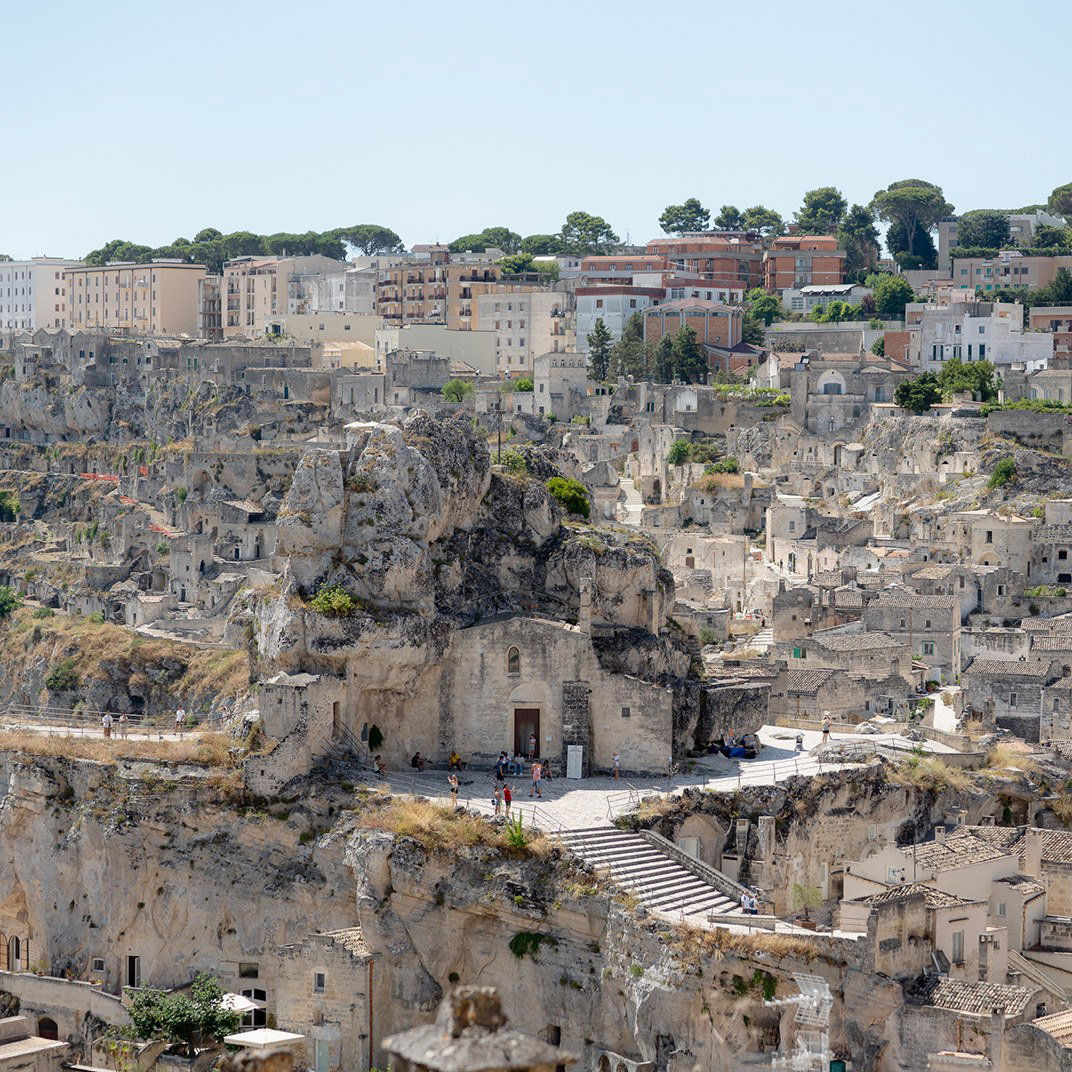
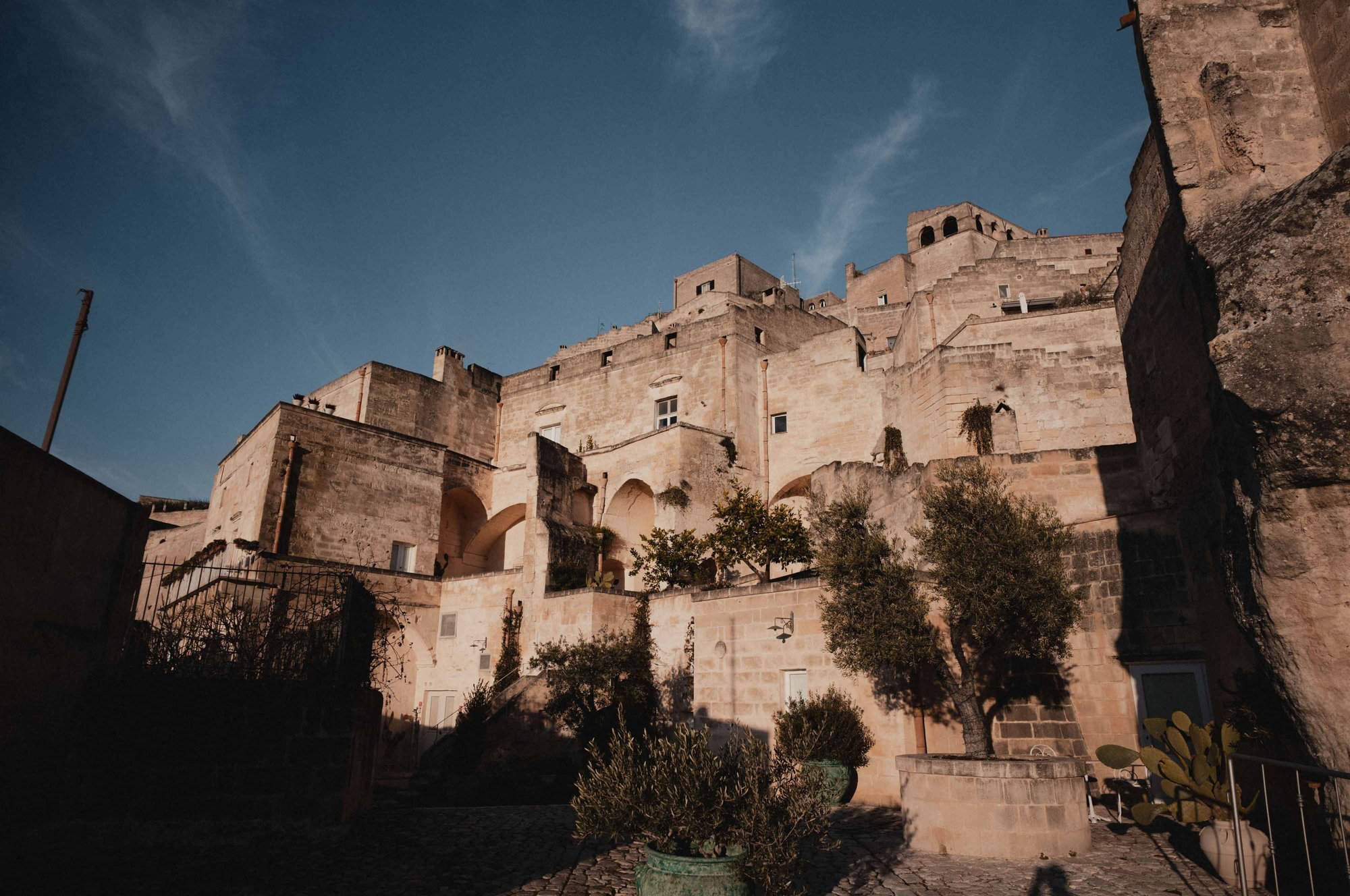
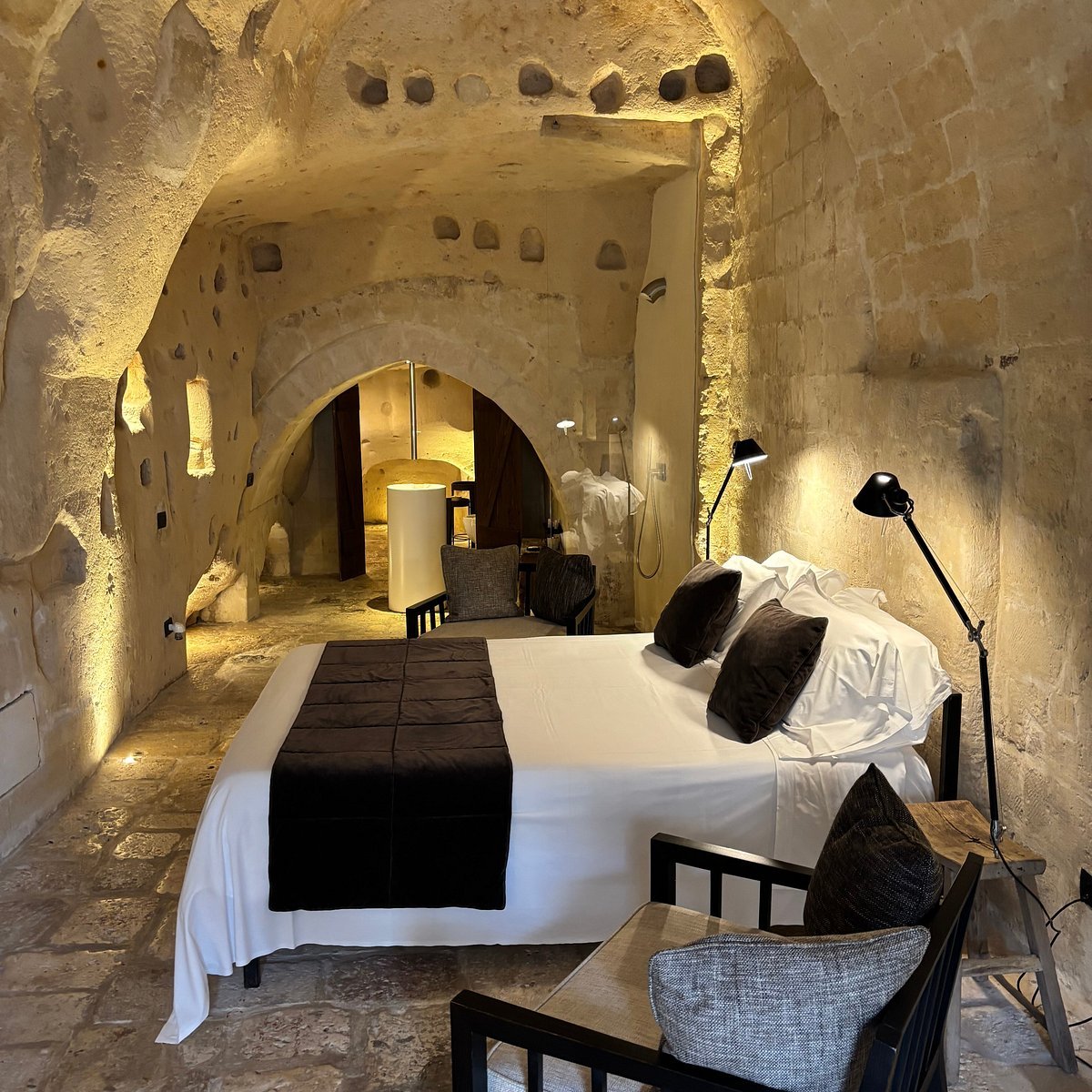
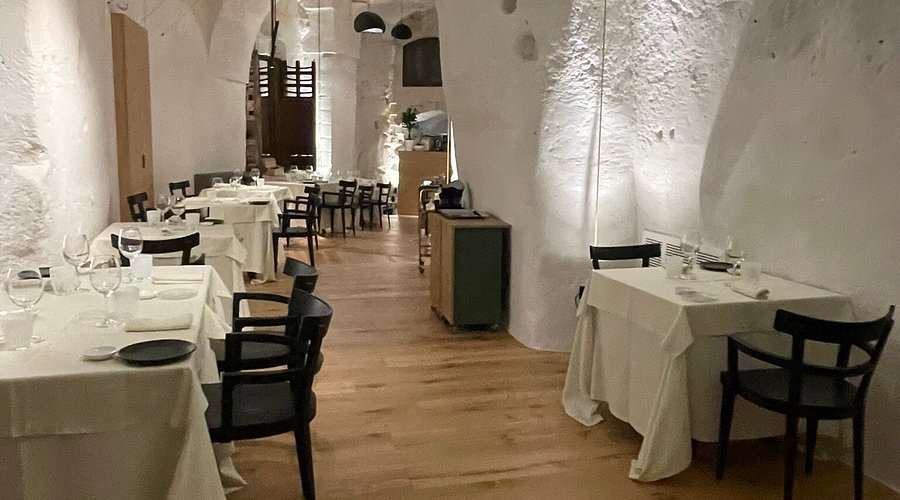
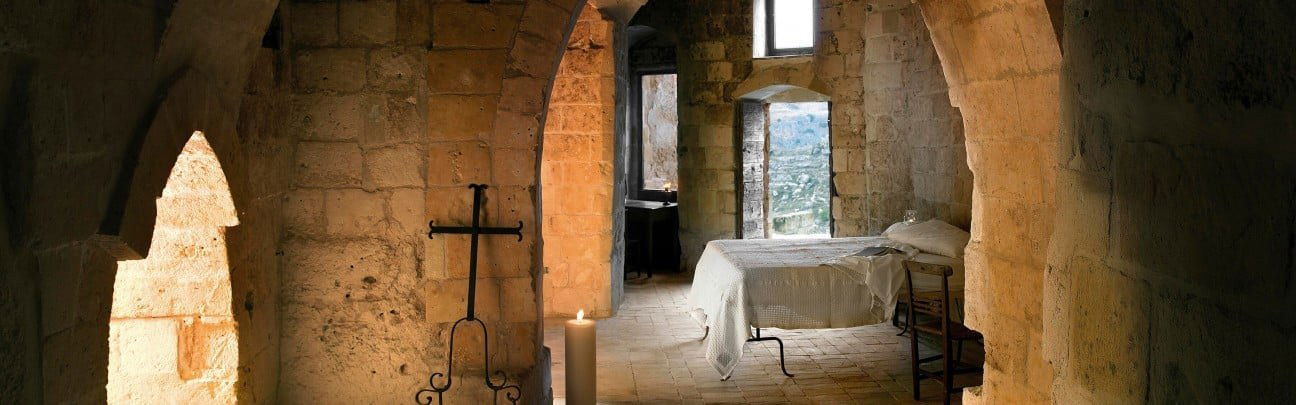
Sextantio Le Grotte della Civita presents a quietly radical hospitality that prioritizes place over polish. Guests sleep inside carved tufa chambers where bare rock walls, low ceilings and the absence of conventional hotel trappings create a pared-back, minimalist atmosphere. The property feels both rustic and intimate — the stone holds coolness in summer and warmth in winter — encouraging slow, contemplative stays. Rather than layering contemporary decoration over history, Sextantio exposes the architecture itself, producing a serene, cozy retreat for travelers who appreciate understatement, texture and the palpable sense of an ancient landscape translated into overnight accommodation.
Best For
This hotel is best for travelers seeking a deeply immersive cultural stay in Matera’s sassi rather than a conventional urban hotel experience. It suits visitors who value history, quiet and simplicity — solo explorers, couples on a contemplative escape and small groups curious about vernacular architecture. The distributed albergo diffuso format makes it ideal for those who want to inhabit the hillside fabric of Civita and prioritize authenticity over modern frills. It is less well suited to guests expecting a traditional lobby, abundant contemporary amenities or high-design hotel theatrics.
Stay Tips
Expect a stay that requires a small adjustment in expectations: there is no conventional lobby and rooms are the historic cave dwellings themselves. Book early (there are only eighteen rooms) and read room descriptions carefully; some units have low ceilings and uneven stone proportions. Pack layers—tufa stone keeps interiors cool in summer and absorbs warmth in winter—so you can be comfortable across seasons. Travel light and be prepared for a deliberately undecorated, minimal aesthetic; guests who embrace the raw architecture will get the most from the Sextantio experience.
Venue details
Ambiance
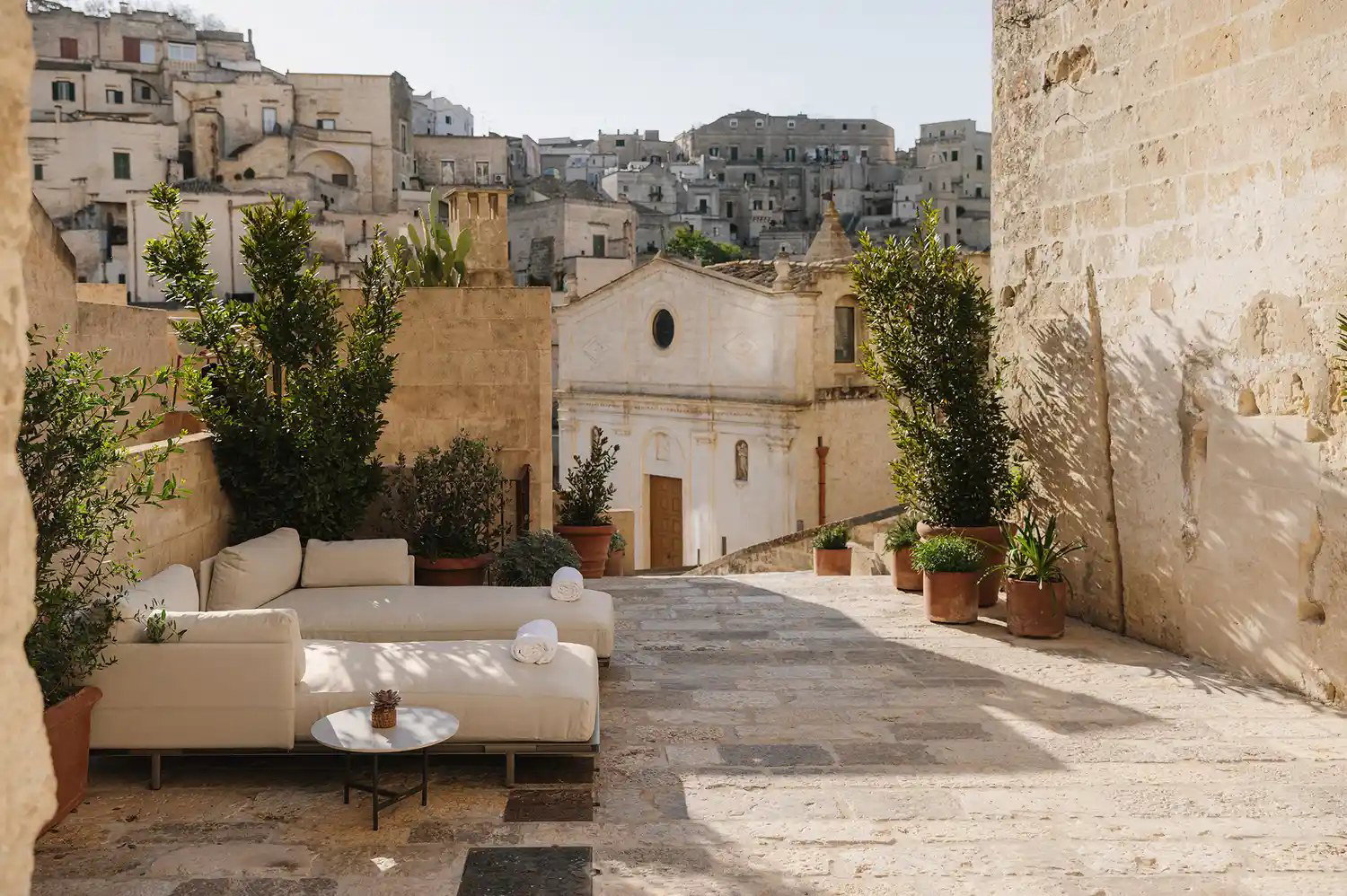
Candlelit, intimate atmosphere with stone walls and antique furnishings; warm, sensory experience enhanced by firelight, classical music, and carefully curated lighting that preserves the historic cave character while providing modern comfort.
Tags
Vibe
Best For
Experience
Amenities
View
About the Stay
- Rooms
- 18
- Check-in
- 15:00
- Check-out
- 12:00
- Property Style
- Albergo Diffuso (scattered Hotel) Concept Preserving Authentic Sassi Cave Dwellings with Contemporary Luxury Restoration; Blends Archaeological Heritage with Sensory Indulgence.
- Design Style
- Rustic Luxe with Stone Walls, Antique Furnishings, Heated Floors, and Candlelit Ambiance; Minimalist Modern Interventions Respect Original Cave Architecture and Materials.
Know before you go
Know Before You Go
- Getting there
- Via Civita, 28, 75100 Matera MT
Planning details
Location
Recognition and awards
Also consider
If you cannot get in
Try Vetera Matera first if the goal is a polished Matera stay with less emphasis on the room as the main event. Try Palazzo Gattini Luxury Hotel if the preference is a more traditional luxury hotel feel.
Hotel context
How it compares in Matera
Sextantio Le Grotte della Civita is the strongest pick for travelers who want the Sassi atmosphere to define the stay. Compared with Vetera Matera and Sant'Angelo Matera, it asks for more commitment to the cave-hotel format, so it is better for couples and design-led first-timers than for guests who want a broader, more conventional hotel setup.
Palazzo Gattini Luxury Hotel is the better cross-shop if the priority is classic luxury cues and a more familiar sense of service. Il Palazzotto I Residence & Winery should suit travelers who want something smaller and residence-like, while Palazzo Del Duca Hotel & Restaurant makes more sense for guests who want the hotel and dining decision bundled together.
On value, Sextantio is easiest to justify when upgrading the room meaningfully improves the stay. If the plan is to spend nearly all day outside, Vetera Matera or Sant'Angelo Matera may be the more balanced choice. If the trip is built around a high-impact room and quiet atmosphere, Sextantio is the more decisive splurge.
Explore Matera
Around this place
Discover more on Pearl
Unlock the full Sextantio Le Grotte della Civita guide in Pearl, including awards, comparisons, FAQs, planning details, and nearby places.
Compare Sextantio Le Grotte della Civita
| Venue | Location | Awards |
|---|---|---|
| Sextantio Le Grotte della Civita | Matera | 2026 Design Hotels Collection2026 Mr & Mrs Smith Luxury HotelsMichelin 1 Key 20252025 Michelin 1 Key2024 Michelin 1 Key |
| Vetera Matera | Matera | 2026 Travel + Leisure It List Hotels2026 Relais Chateaux Hotels2025 Michelin Selected Hotels2025 Relais Chateaux Award |
| Palazzo Gattini Luxury Hotel | Matera | No published awards |
| Il Palazzotto I Residence & Winery | Matera | No published awards |
| Palazzo Del Duca Hotel & Restaurant | Matera | No published awards |
| Sant’Angelo Matera | Matera | 2025 Michelin Selected HotelsSmall Luxury Hotels Member 2025 |




How Sextantio Le Grotte della Civita compares with similar nearby venues.
FAQ
Frequently Asked Questions
What is check-in like at Sextantio Le Grotte della Civita?
Confirm arrival timing and procedure directly with the hotel before travel. The hotel's key signals are its Matera location, smart casual dress code, Michelin 1 Key recognition in 2024, Design Hotels membership for 2026, and Mr & Mrs Smith Seal of Approval for 2026.
How is the location of Sextantio Le Grotte della Civita?
Sextantio Le Grotte della Civita is in Matera. Use Matera as the planning reference and confirm the exact arrival route with the hotel before you go.
How is the pool and spa at Sextantio Le Grotte della Civita?
Choose it on the basis of its Matera location and recognition, and check any wellness facilities directly before booking if they are important to your stay.
Do loyalty programs work at Sextantio Le Grotte della Civita?
For loyalty-program details, check directly with the hotel or booking channel. Recognition includes Michelin 1 Key in 2024, Design Hotels membership for 2026, and a Mr & Mrs Smith Seal of Approval for 2026.
Which room category is best at Sextantio Le Grotte della Civita?
Choose based on the current room descriptions, photos, inclusions, and cancellation terms shown at booking. For a residence-style alternative in Matera, Il Palazzotto I Residence & Winery is another option to compare.
How does Sextantio Le Grotte della Civita compare to nearby hotels?
Sextantio Le Grotte della Civita has recognition including Michelin 1 Key in 2024, Design Hotels membership for 2026, and Mr & Mrs Smith Seal of Approval for 2026. Palazzo Gattini Luxury Hotel, Vetera Matera, Sant'Angelo Matera, Il Palazzotto I Residence & Winery, and Palazzo Del Duca Hotel & Restaurant are other Matera options to compare depending on the style of stay you want.
When is the best time to book Sextantio Le Grotte della Civita?
If a particular room type or date matters, check current availability directly and compare it with Palazzo Del Duca Hotel & Restaurant or Sant'Angelo Matera before deciding.