
Le Farnatchi
Marrakech-Médina, Marrakech
Hotel in Marrakech, Morocco
 Book with Pearl
The Read
Medina Courtyard Seclusion
Price
$300–500per night
Why go
Le Farnatchi is a good Marrakech pick if medina access and a quieter riad atmosphere matter more than resort facilities or a destination restaurant. Recognition from La Liste Top Hotels and Mr & Mrs Smith supports the stay, but dining-specific details are thin, so food-focused travelers should plan meals around the city.
About Le Farnatchi
Le Farnatchi is a Marrakech venue. Points are direct and deliberately narrow: the dress code is smart casual, and the property has recognition from La Liste Top Hotels (2026): 90pts and a Mr & Mrs Smith Seal of Approval (2026). Those details are enough to establish it as a stay worth noting, but not enough to support broader assumptions. Beyond those facts, specific claims about cuisine, room count, facilities, pricing, service format, or exact location should be confirmed directly with the venue before booking.
Book it for a Marrakech stay with recognition
The strongest case for Le Farnatchi is its Marrakech setting and outside hotel recognition. La Liste Top Hotels lists it with 90pts for 2026, and Mr & Mrs Smith gives it a 2026 Seal of Approval. Those are useful trust signals for travelers building a shortlist, particularly when comparing properties from a distance, but they do not indicate a specific dining program, amenity set, or service style. In practical terms, the recognition helps place Le Farnatchi in the conversation; the finer details still need a direct check.
For dining-led travelers, set expectations carefully. Information on cuisine type, chef name, menu format, or standalone restaurant draw at Le Farnatchi is not available. That distinction matters if the stay is being planned around meals rather than lodging. Use Our full Marrakech restaurants guide if the trip is food-first, then treat Le Farnatchi as a hotel decision unless the venue confirms current dining details directly.
Where it fits in a Marrakech hotel shortlist
Le Farnatchi belongs on a Marrakech hotel shortlist for travelers who value recognition and a smart-casual setting. It is best approached as a recognized option to investigate further, not as a fully described property. For comparison, consider Dar Assiya, Dar Darma, Dar Housnia, Riad Dar Al Dall - This Time Tomorrow in Marrakech, and Riad Star when weighing other Marrakech stays. Specific facilities, prices, or room details for Le Farnatchi are not available, so compare current information directly before committing.
Timing, facilities, and arrival logistics should be confirmed with the venue. Seasonal recommendations, check-in policies, room categories, pool access, or transport arrangements are not available. The safest planning approach is to use the recognition as a starting point, then confirm the practical details that matter for your trip. That means asking the venue the questions that would affect comfort, scheduling, and value before treating the booking as settled.
Practical call: recognized Marrakech stay, limited detail
Reservations: confirm current booking requirements directly with Le Farnatchi, as booking rules or availability patterns are not available. Dress: smart casual. Budget: No price range is listed, so compare live rates before committing. Good for: travelers considering a Marrakech stay with hotel recognition. Less ideal for: guests who need specific facilities, dining details, or service formats confirmed before booking. The overall call is cautious but positive: the recognition is established, while the experience details should be checked at source.
For wider planning, use Our full Marrakech hotels guide, Our full Marrakech bars guide, Our full Marrakech wineries guide, and Our full Marrakech experiences guide.
Planning details
- Location
- Derb el Farnatchi, Rue Souk el Fassis, Marrakesh 40000
- Website
- lefarnatchi.com
- Phone
- +212 5 24 38 49 10
The take
The Take
The Vibe
Le Farnatchi sits deliberately inside the medina’s inward logic, the kind of property that reveals itself as you move through tightening streets and quieter derbs. The riad’s placement off Derb el Farnatchi and its requirement of local knowledge to find it mark it as a hidden gem rooted in Marrakech’s historic fabric. Rather than competing with the polished southern riads, it trades on discretion, texture and the sensory life of the working quarter: leather, dyes and spice stalls. The result is a calm, intimate atmosphere that privileges immersion in place over spectacle.
Best For
Le Farnatchi is best for travelers who value privacy, historic atmosphere and a quietly immersive medina stay. Its location in the Souk el Fassis quarter suits couples and small parties seeking a retreat that feels residential and discreet rather than performative. The property’s critical recognition signals consistent quality, so it also works for milestone stays — discreet anniversaries or low‑key honeymoon nights — and for anyone planning a weekend escape who wants to explore the authentic working quarters of Marrakech on foot.
Stay Tips
Because the riad sits deep in the medina and addresses can "require local knowledge to decode," organize logistics before arrival: confirm directions with the property and arrange an organized transfer or clear meeting point in Gueliz or Jemaa el‑Fna. Book well in advance if you want specific dates, since boutique properties with strong critical recognition tend to fill early. Plan to explore the surrounding souks on foot; the neighborhood is a working quarter with leather and dye workshops, so comfortable shoes and an openness to local commerce improve the visit.
Venue details
Ambiance
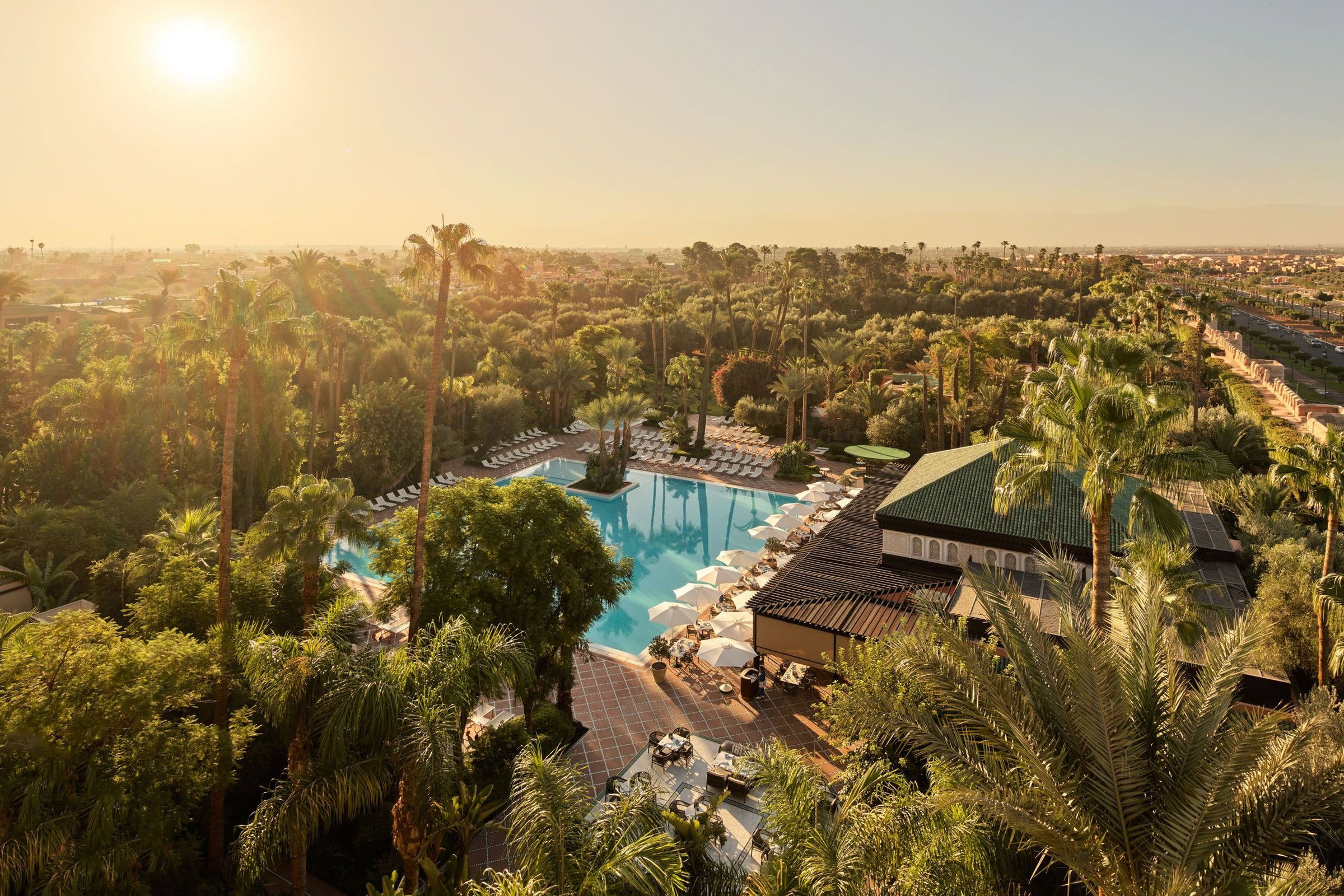
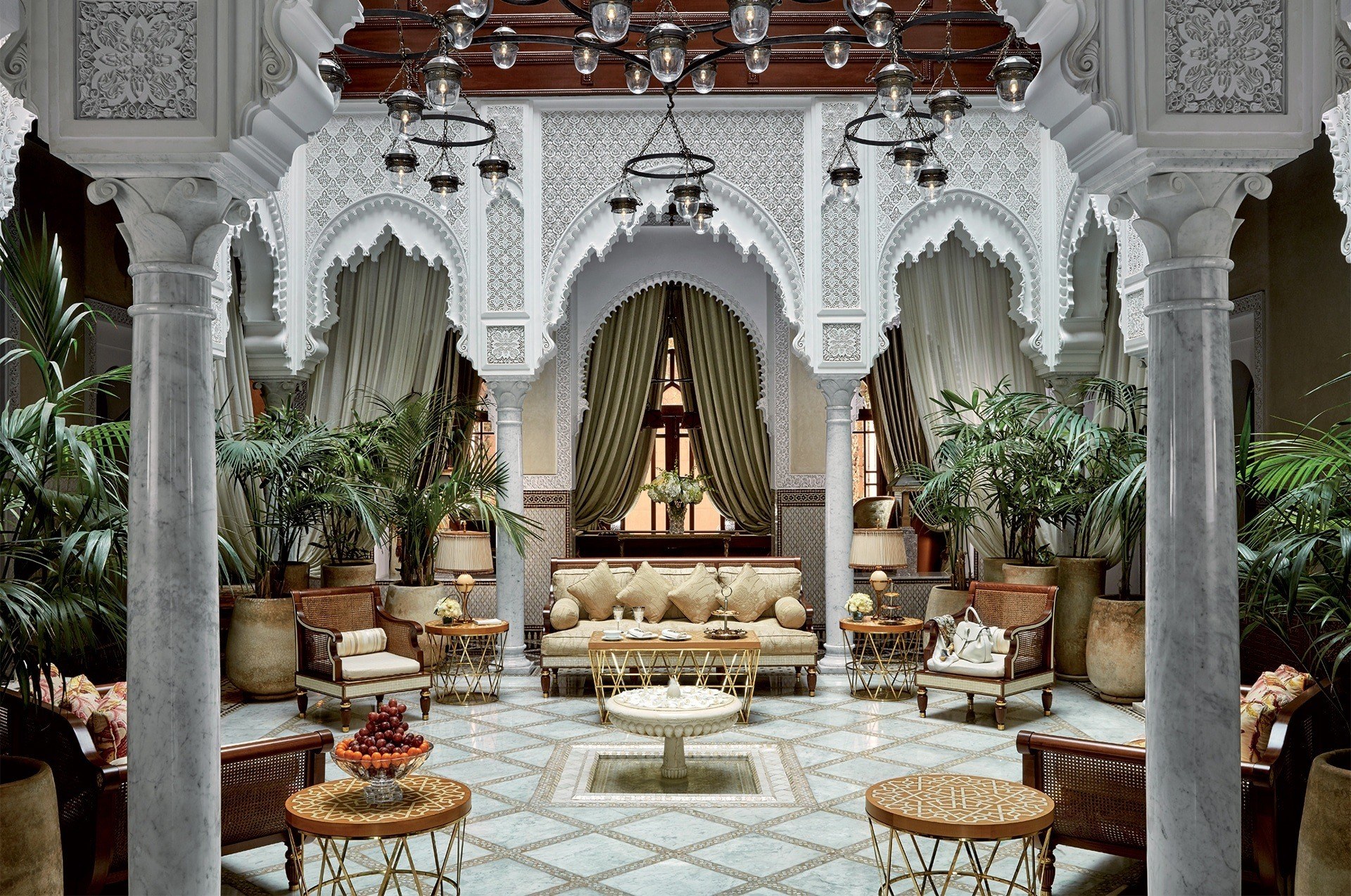
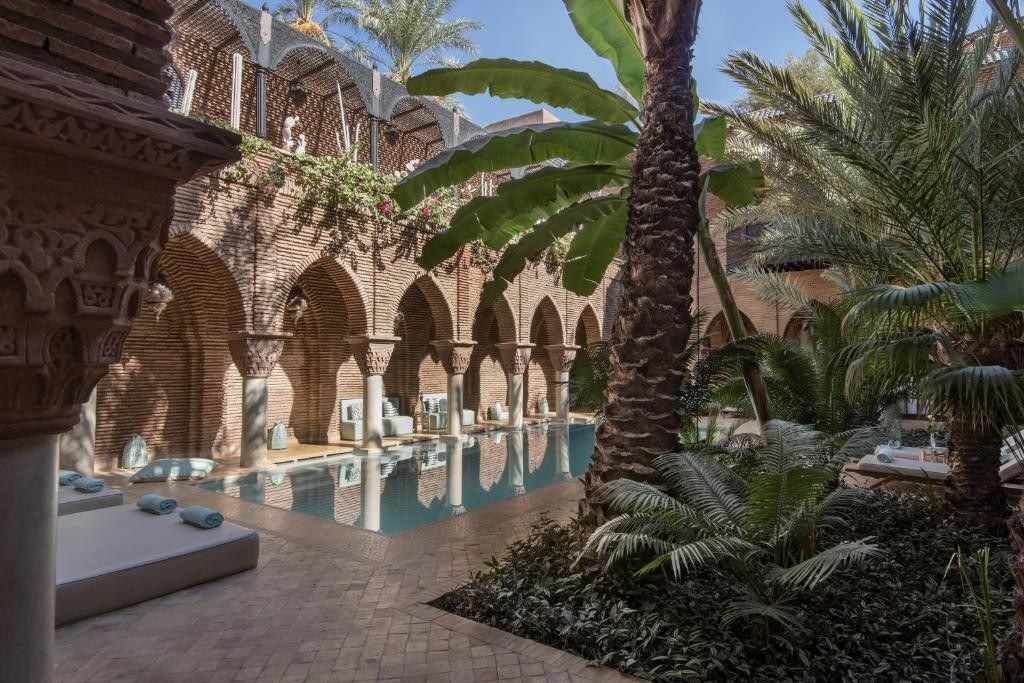
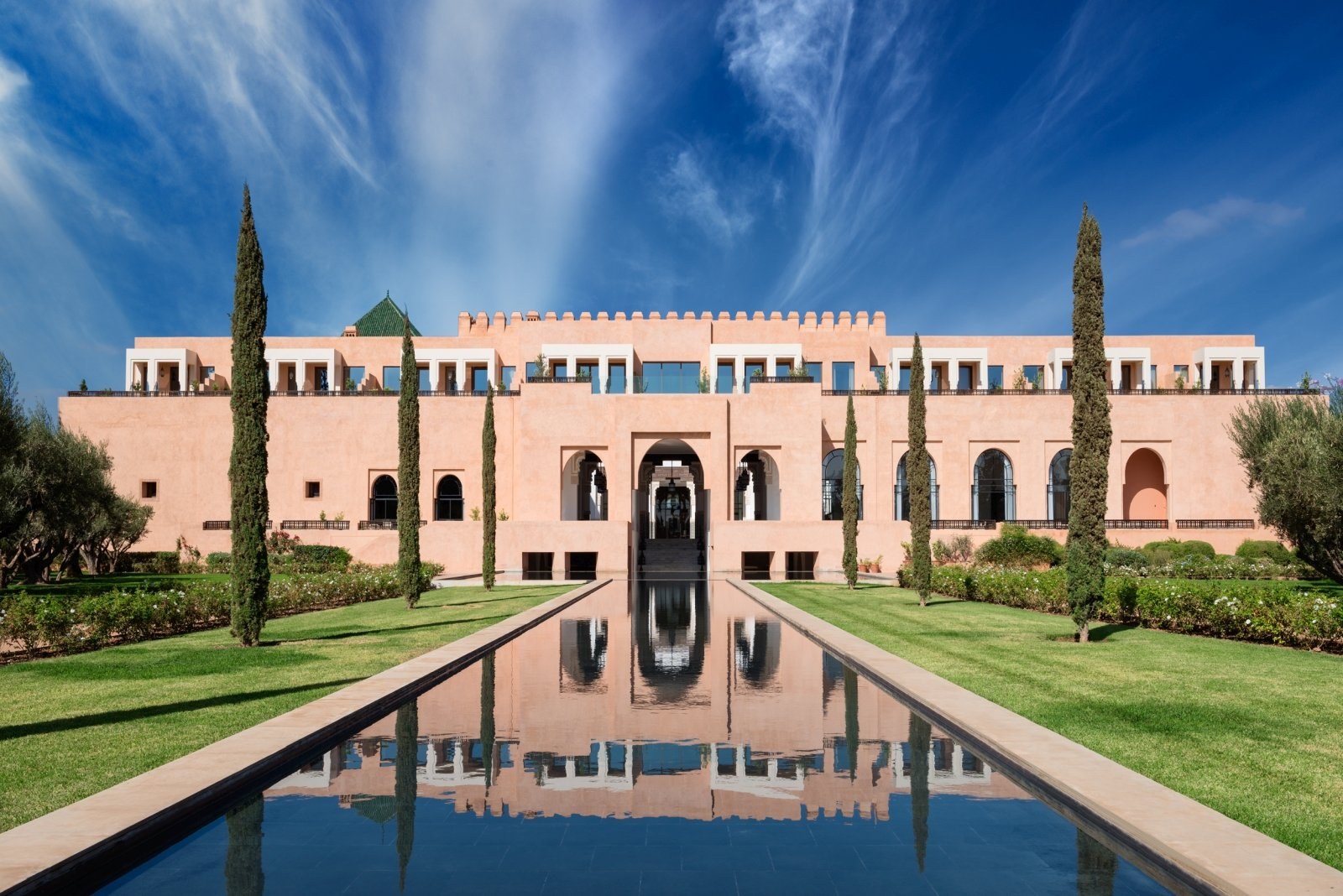
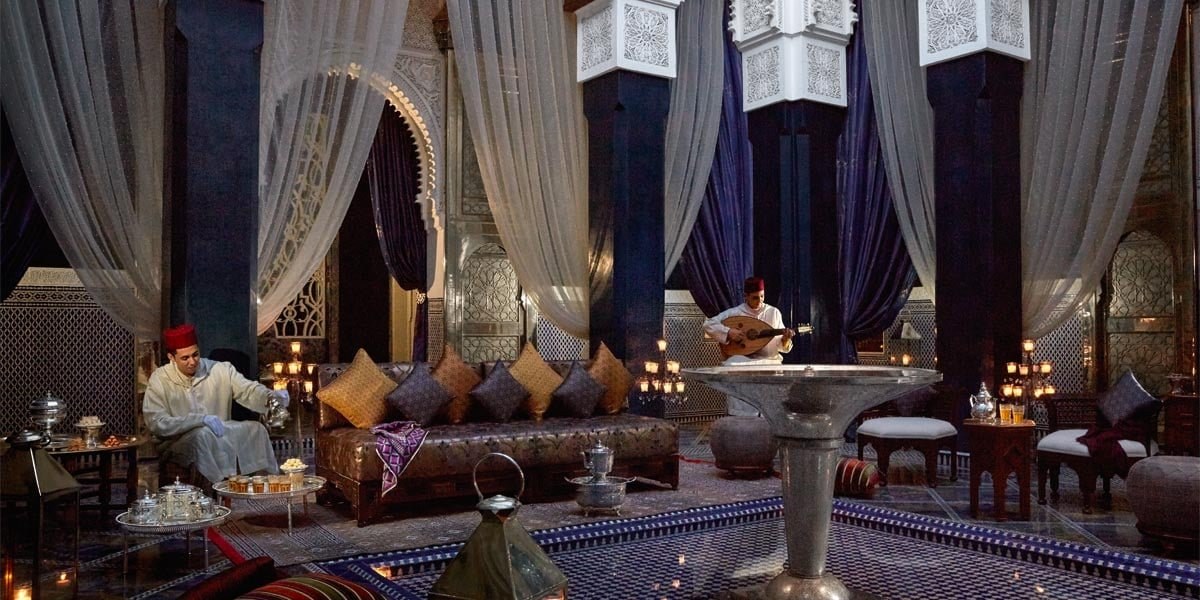
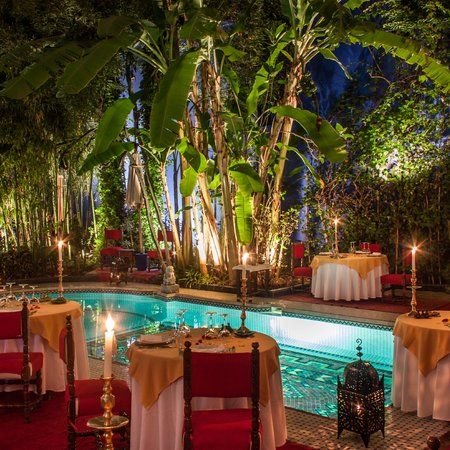
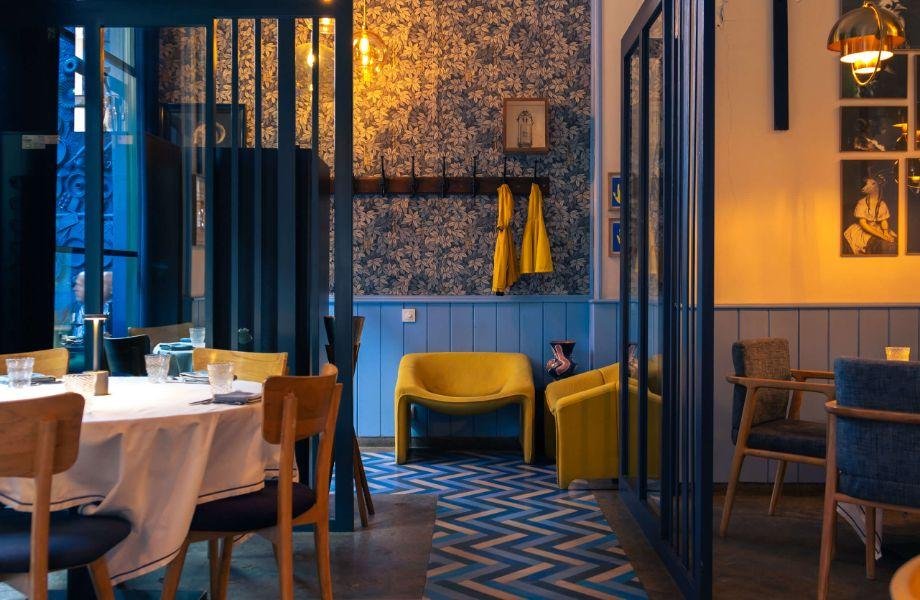
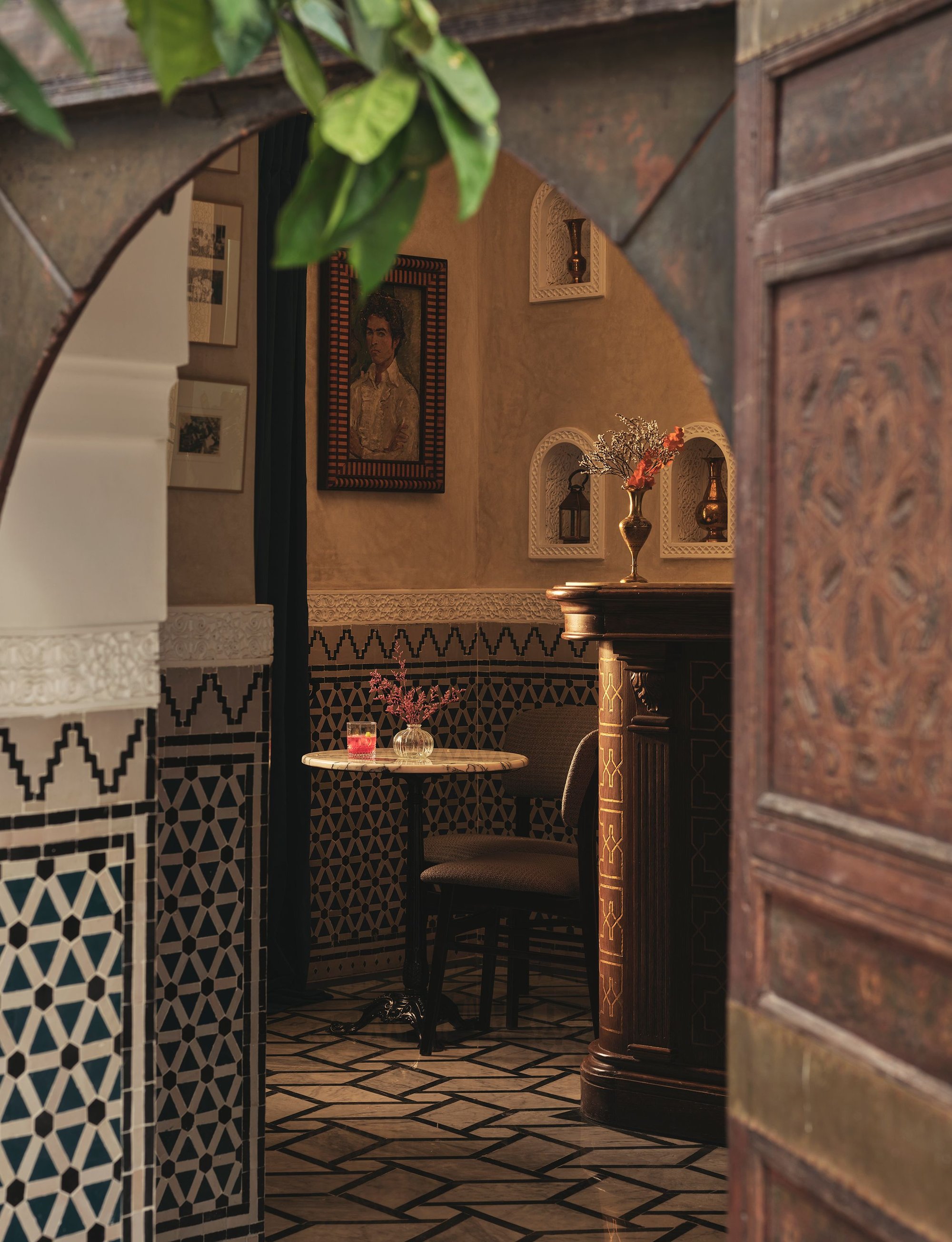
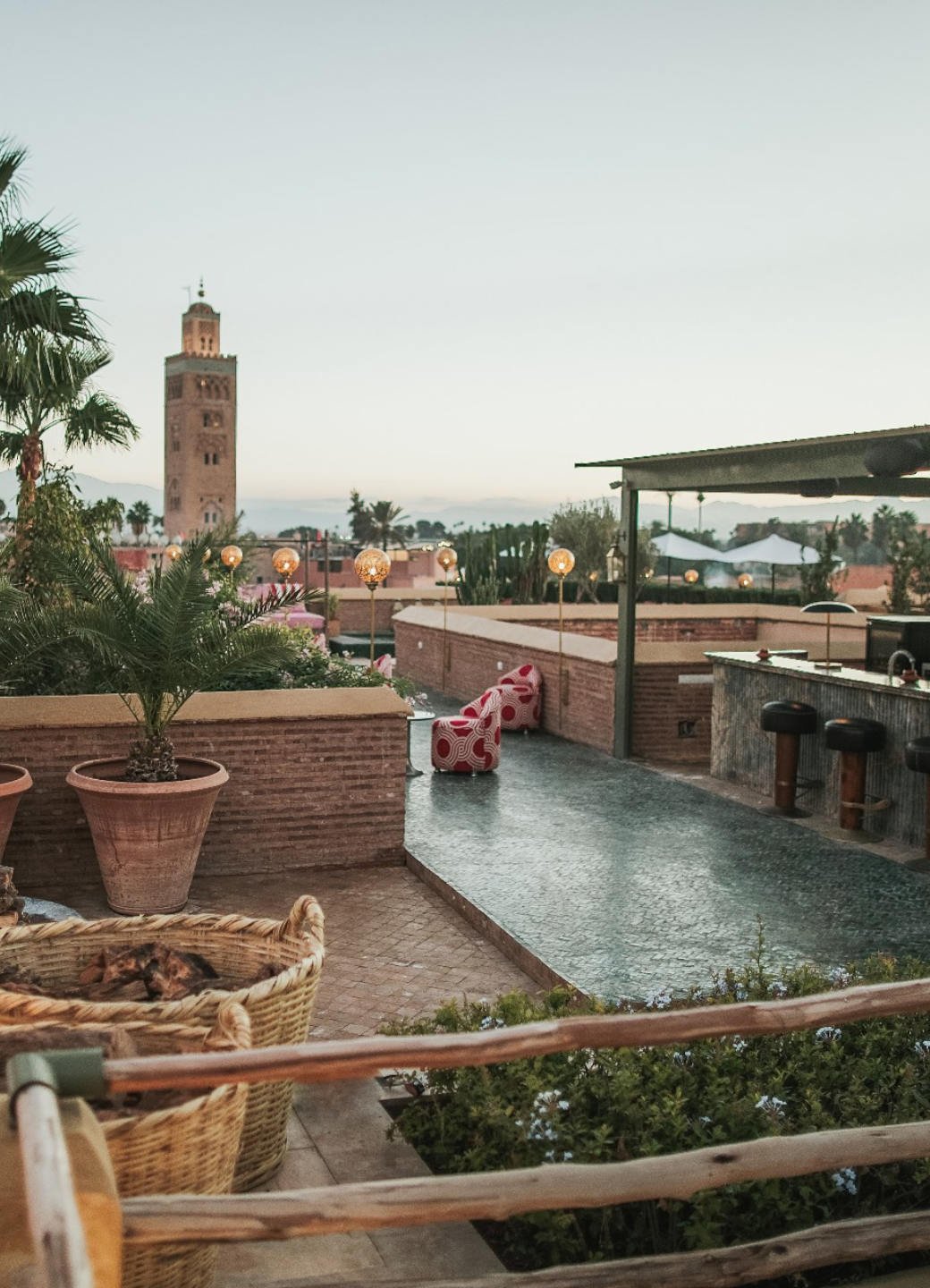
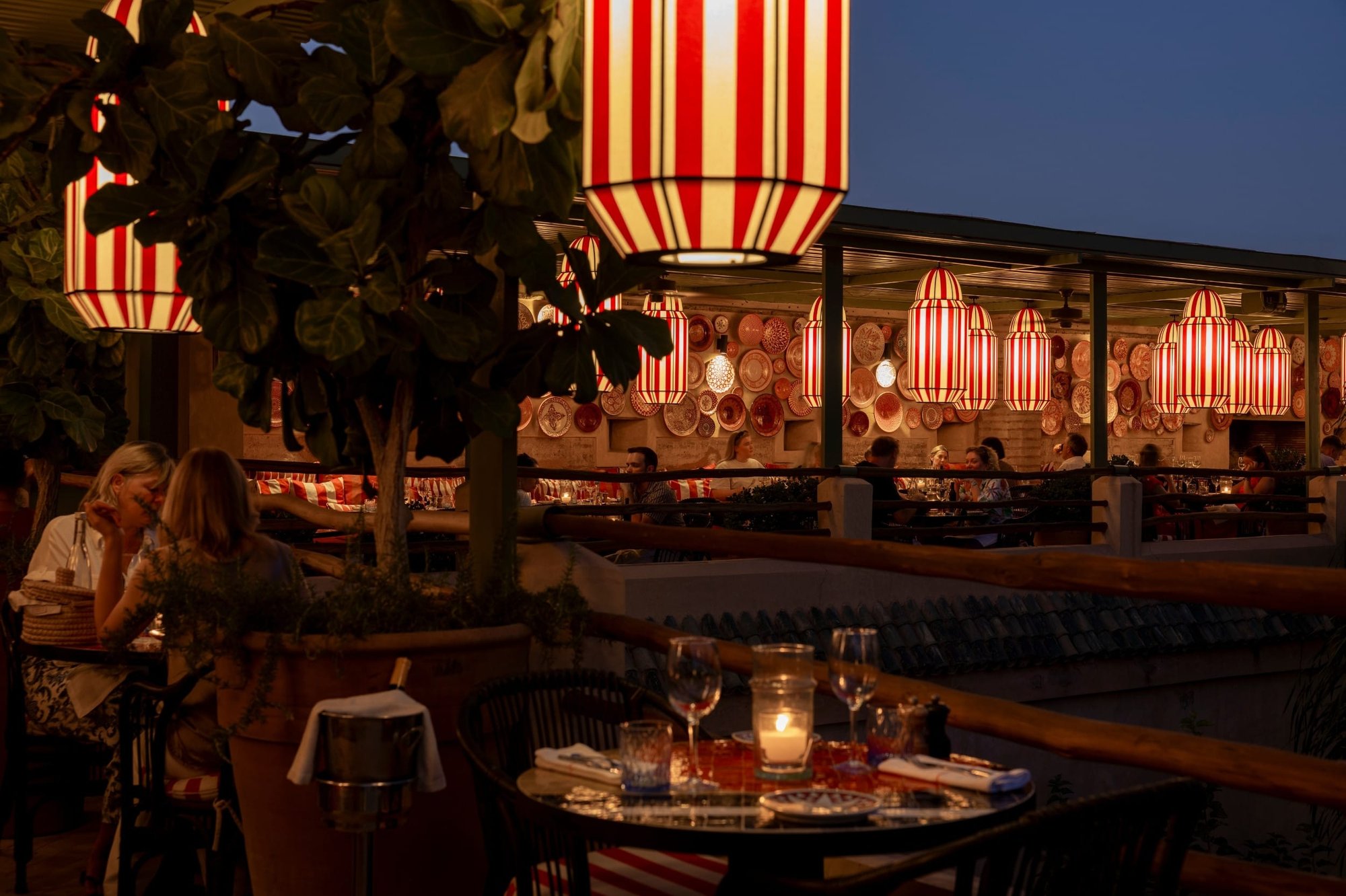
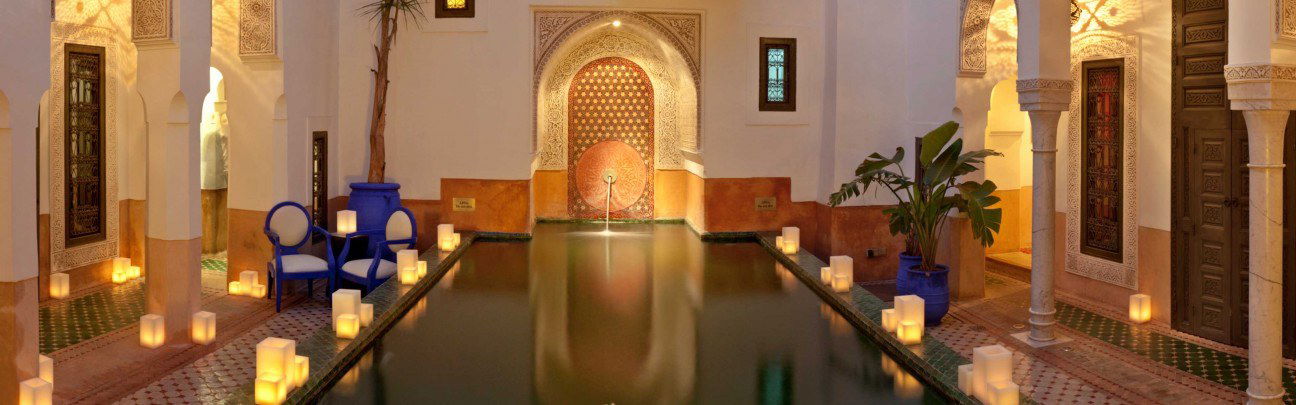
Serene oasis with tranquil courtyards, candlelit lounges, and relaxing rooftop terrace amid medina bustle.
Tags
Vibe
Best For
Experience
Amenities
View
About the Stay
- Rooms
- 10
- Check-in
- 14:00
- Check-out
- 11:00
- Property Type
- Boutique hotel
- Property Style
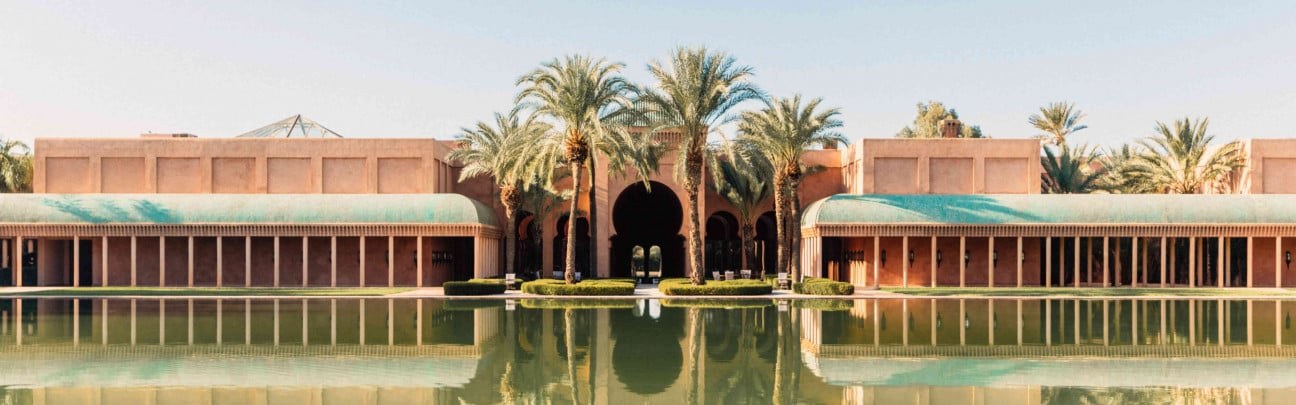
- Luxury Boutique Riad Blending Traditional Moroccan Architecture with Modern Comforts
- Design Style
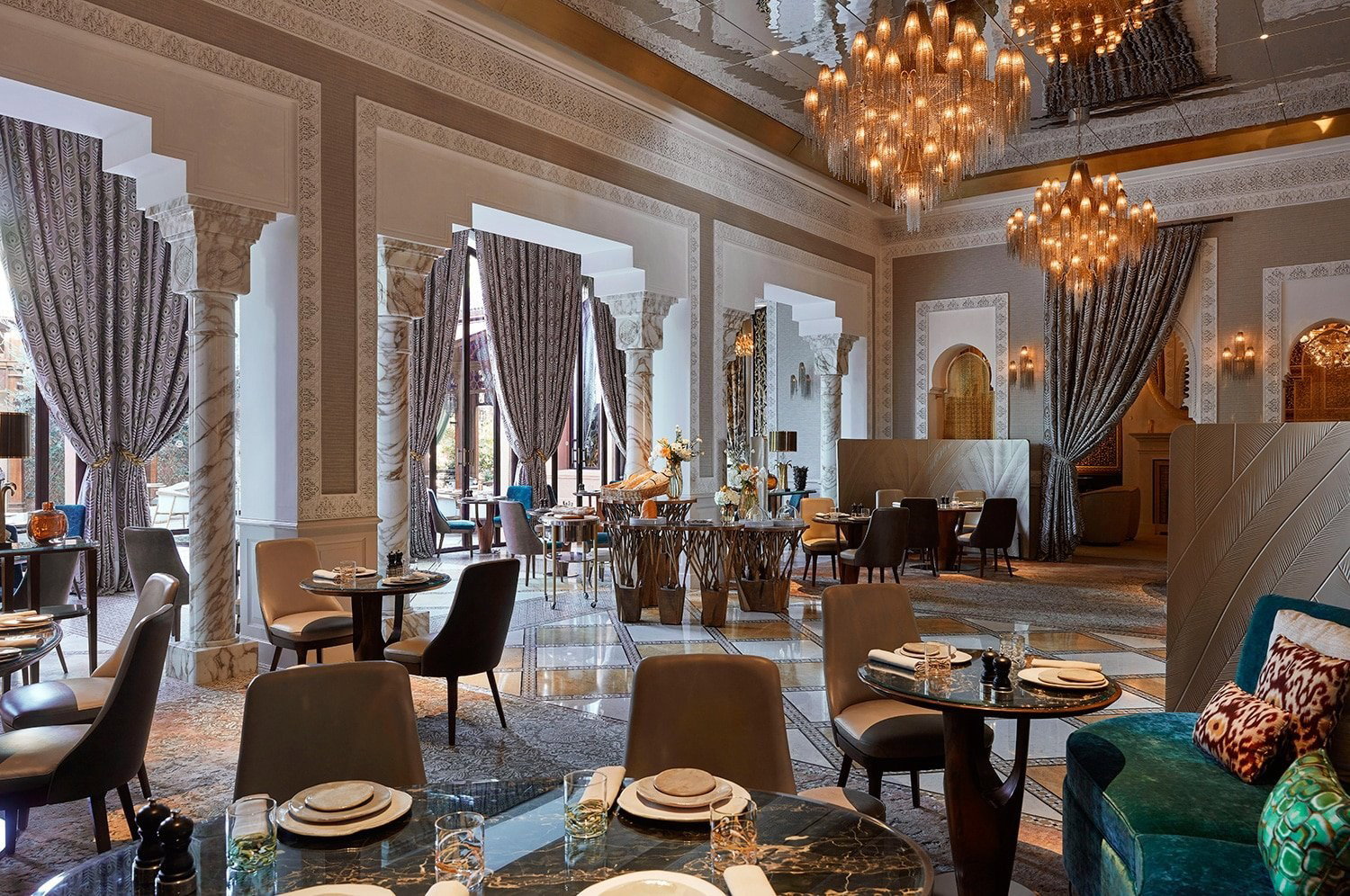
- Traditional Moroccan with Artisan Plasterwork, Zellige Tiles, and Bespoke Furniture
- Breakfast
- Included
- Airport Transfer
- Available
- Pool
- Yes
- Spa
- Yes
Know before you go
Know Before You Go
- Getting there
- Derb el Farnatchi, Rue Souk el Fassis, Marrakesh 40000
Planning details
Location
Derb el Farnatchi, Rue Souk el Fassis, Marrakesh 40000 · Directions
Recognition and awards

Also consider
Also Consider
- Riad Star, Notable alternative
- Dar Darma, Notable alternative
- Dar Assiya, Notable alternative
- Riad Dar Al Dall - This Time Tomorrow in Marrakech, Notable alternative
- Dar Housnia, Notable alternative
Hotel context
How it compares in Marrakech
Le Farnatchi is the safer choice for travelers who want a polished medina stay with outside hotel recognition and easy booking difficulty. Riad Star and Dar Assiya make more sense if the priority is simply staying in a smaller riad and comparing live rates closely.
Against Dar Darma and Dar Housnia, this is the pick for guests who value recognition signals over a purely price-led choice. If the trip is ambiance-first, compare photos and room categories carefully; riads can vary more by room than by headline property description.
If Le Farnatchi is unavailable, Riad Dar Al Dall - This Time Tomorrow in Marrakech is the practical cross-shop for another Marrakech riad-style stay. For value, start with Dar Assiya or Riad Star; for a more polished-feeling shortlist, keep Dar Darma and Dar Housnia in the mix.
Explore Marrakech
Around this place
Discover more on Pearl
Unlock the full Le Farnatchi guide in Pearl, including awards, comparisons, FAQs, planning details, and nearby places.
Compare Le Farnatchi
| Venue | Location | Awards |
|---|---|---|
| Le Farnatchi | Marrakech | 2026 Mr & Mrs Smith Luxury Hotels2026 La Liste Top Hotels |
| Riad Star | Marrakech | No published awards |
| Dar Darma | Marrakech | No published awards |
| Dar Assiya | Marrakech | No published awards |
| Riad Dar Al Dall - This Time Tomorrow in Marrakech | Marrakech | 2026 Michelin 1 Key2025 Michelin 1 Key |
| Dar Housnia | Marrakech | 2026 La Liste Top Hotels |


How Le Farnatchi Marrakech Review: Recognition & Stay Basics compares with similar nearby venues.
FAQ
Frequently Asked Questions
How is the location of Le Farnatchi?
Le Farnatchi is in Marrakech. A street address, neighborhood, or landmark is not available, so confirm exact arrival details directly with the venue before you go.
What is check-in like at Le Farnatchi?
Check-in hours, arrival procedures, or a formal booking policy are not available. Confirm arrival timing and any practical requirements directly with Le Farnatchi before travel.
Is Le Farnatchi good for business travel?
Meeting facilities, workspace, or business services are not available at Le Farnatchi. It may suit some Marrakech stays, but business travelers should confirm the specific services they need directly with the venue before booking.
Do loyalty programs work at Le Farnatchi?
Le Farnatchi has recognition from La Liste Top Hotels (2026): 90pts and a Mr & Mrs Smith Seal of Approval (2026). A loyalty program is not available, so points-focused travelers should confirm any benefits directly with the venue or booking channel.
How does Le Farnatchi compare to nearby hotels?
Le Farnatchi is a Marrakech option with recognition from La Liste Top Hotels and Mr & Mrs Smith. For other Marrakech stays, compare it with Riad Star, Dar Darma, Dar Assiya, Riad Dar Al Dall - This Time Tomorrow in Marrakech, and Dar Housnia, then confirm current rates, facilities, and booking terms directly.