
Dar Housnia
Marrakech-Médina, Marrakech
Hotel in Marrakech, Morocco
 Book with Pearl
The Read
Courtyard Architecture Restored
Why go
Dar Housnia is worth shortlisting if the goal is a smaller Marrakech riad stay rather than a resort-style hotel. Its La Liste Top Hotels recognition gives it a useful quality signal in a crowded medina category, but the value case depends on wanting intimacy, location, and room-category fit more than loyalty perks or large-hotel facilities.
About Dar Housnia
Dar Housnia is a Marrakech venue in Marrakech, with a smart casual dress code and La Liste Top Hotels (2026) recognition with 93pts.
Travelers should avoid assuming details that are not confirmed, such as a specific service format, facilities, room count, dining program, pricing, or exact location within the city. Dar Housnia is a Marrakech option to research directly before booking, especially if particular amenities or arrival logistics matter to the trip.
A Marrakech stay with limited detail
The clearest quality signal available here is the La Liste Top Hotels (2026): 93pts recognition. That is useful context, but it should not be stretched into claims about what the property offers on site. If you need specific amenities, accessibility details, business services, spa facilities, dining arrangements, or transport support, confirm those directly with Dar Housnia before committing.
The dress code is smart casual. For guests, that means planning polished but not overly formal clothing unless Dar Housnia provides different guidance for a particular occasion or space.
Where it fits in a Marrakech hotel shortlist
Dar Housnia can sit on a Marrakech shortlist for travelers who value a confirmed external hotel recognition signal and are comfortable verifying the operational details directly. The La Liste Top Hotels score helps establish a baseline of recognition, but the right choice still depends on the practical needs of the stay.
For a broader scan, use our full Marrakech hotels guide to compare Dar Housnia with other Marrakech options. If dining and nightlife are part of the trip, pair the hotel search with our full Marrakech restaurants guide and our full Marrakech bars guide. Quick reference: consider Dar Housnia for a Marrakech stay with La Liste Top Hotels (2026): 93pts recognition; confirm any specific amenities, services, or booking terms directly before deciding.
Planning details
- Location
- 2 Derb lalla Azouna, Marrakesh 40000
- Website
- dar-housnia.com
- Phone
- +212 5 24 37 66 97
The take
The Take
The Vibe
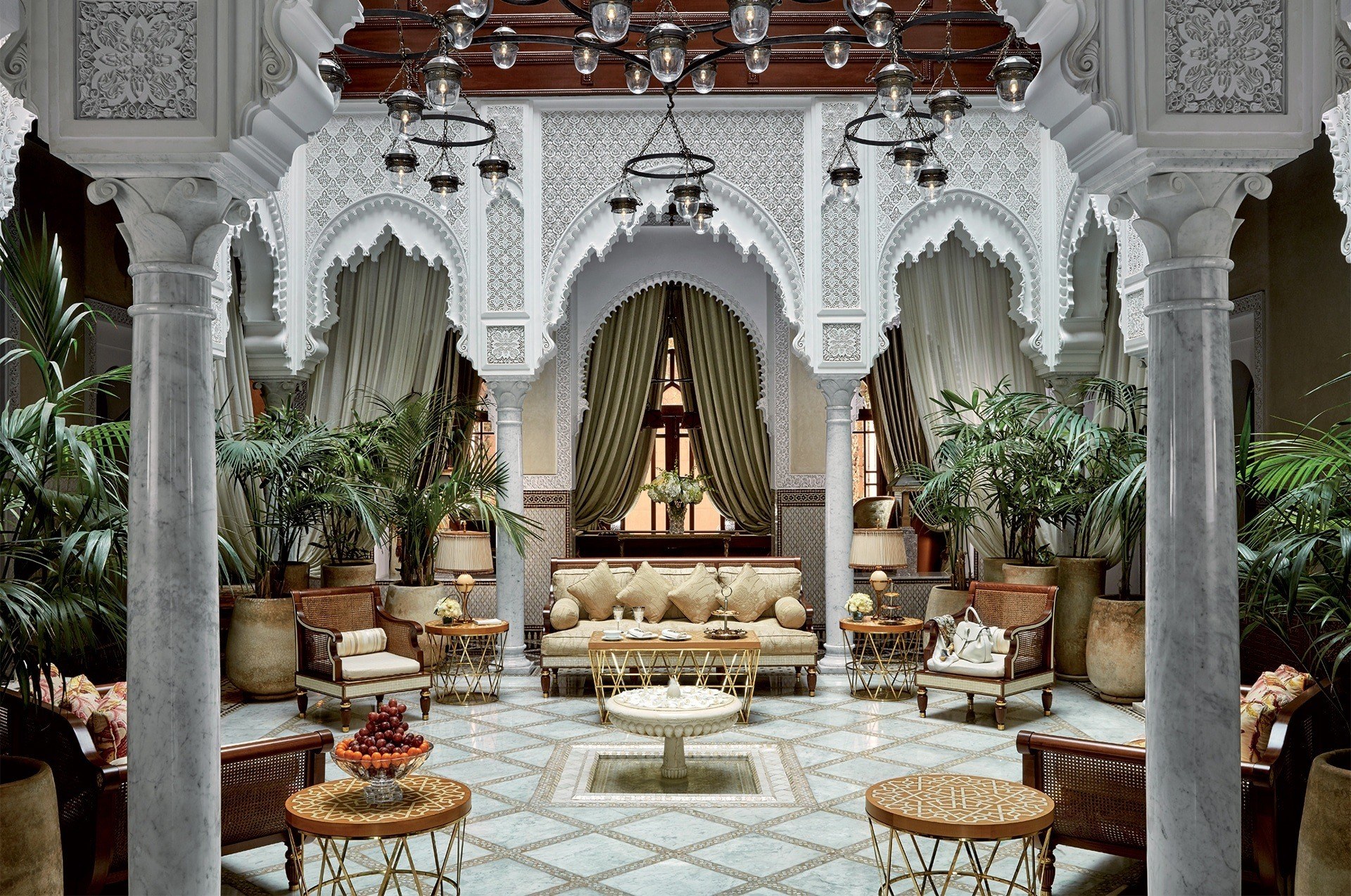
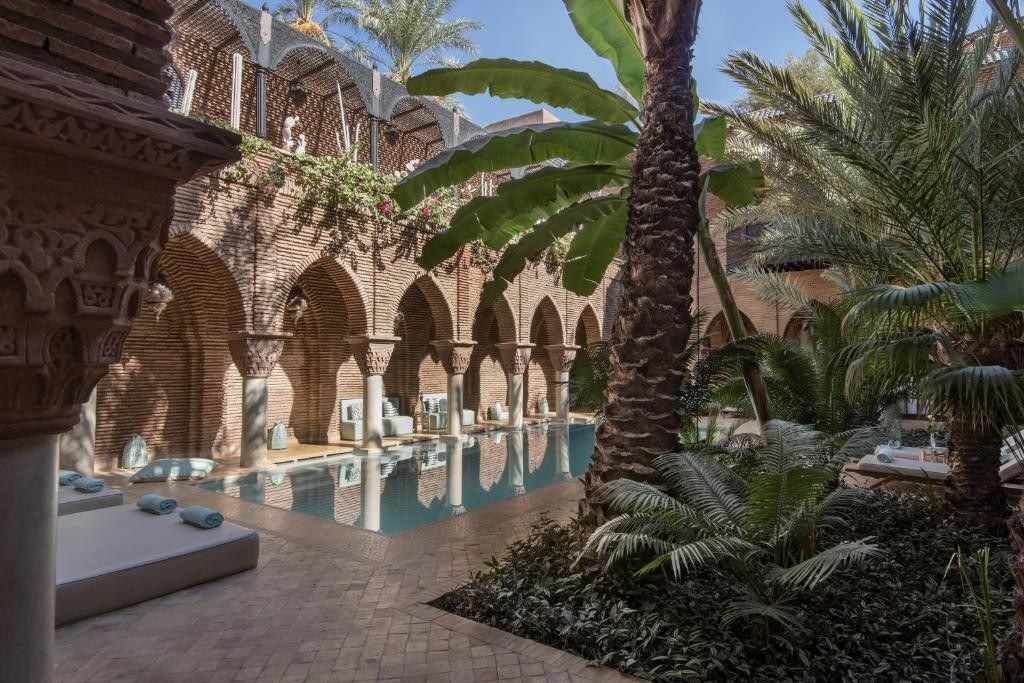
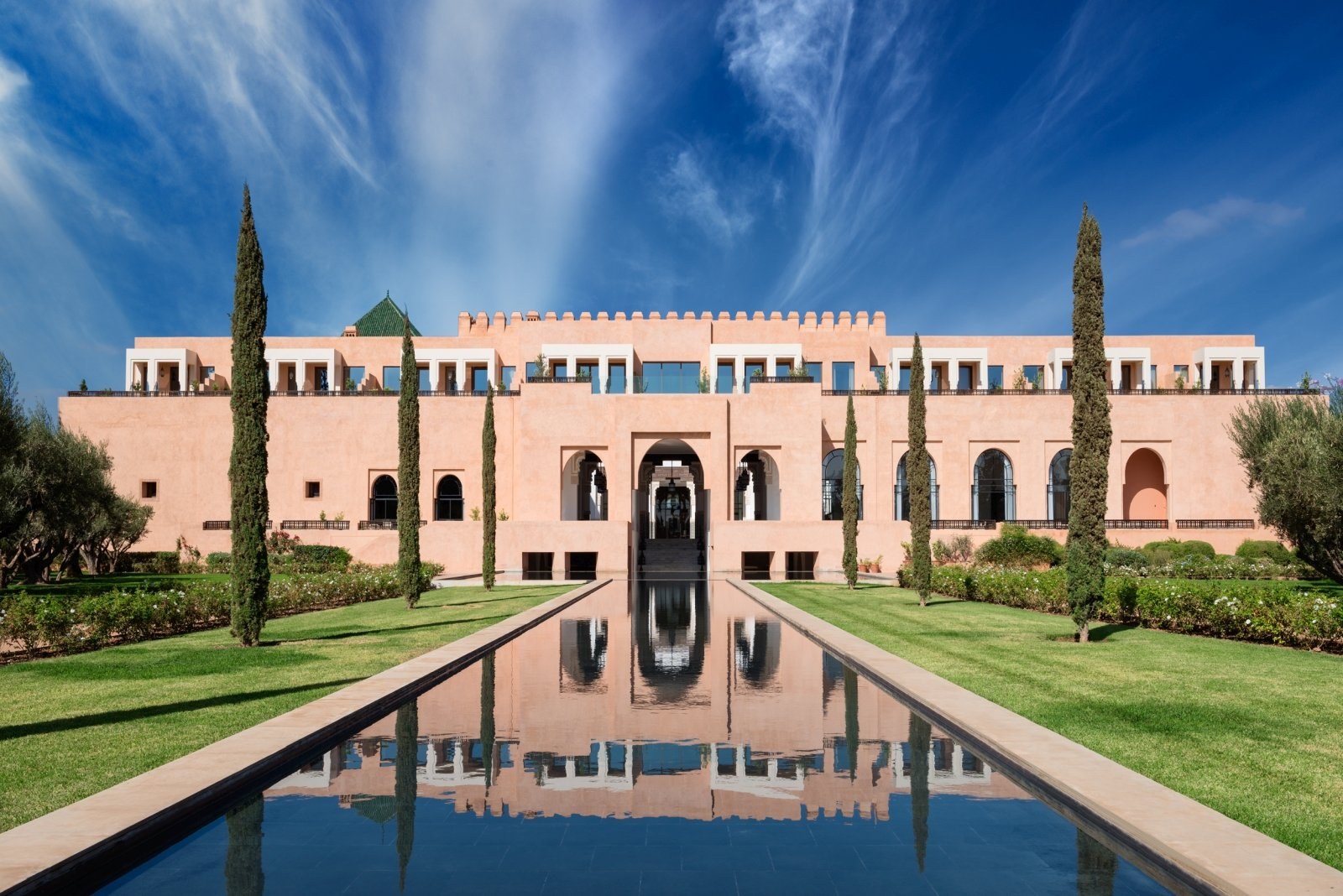
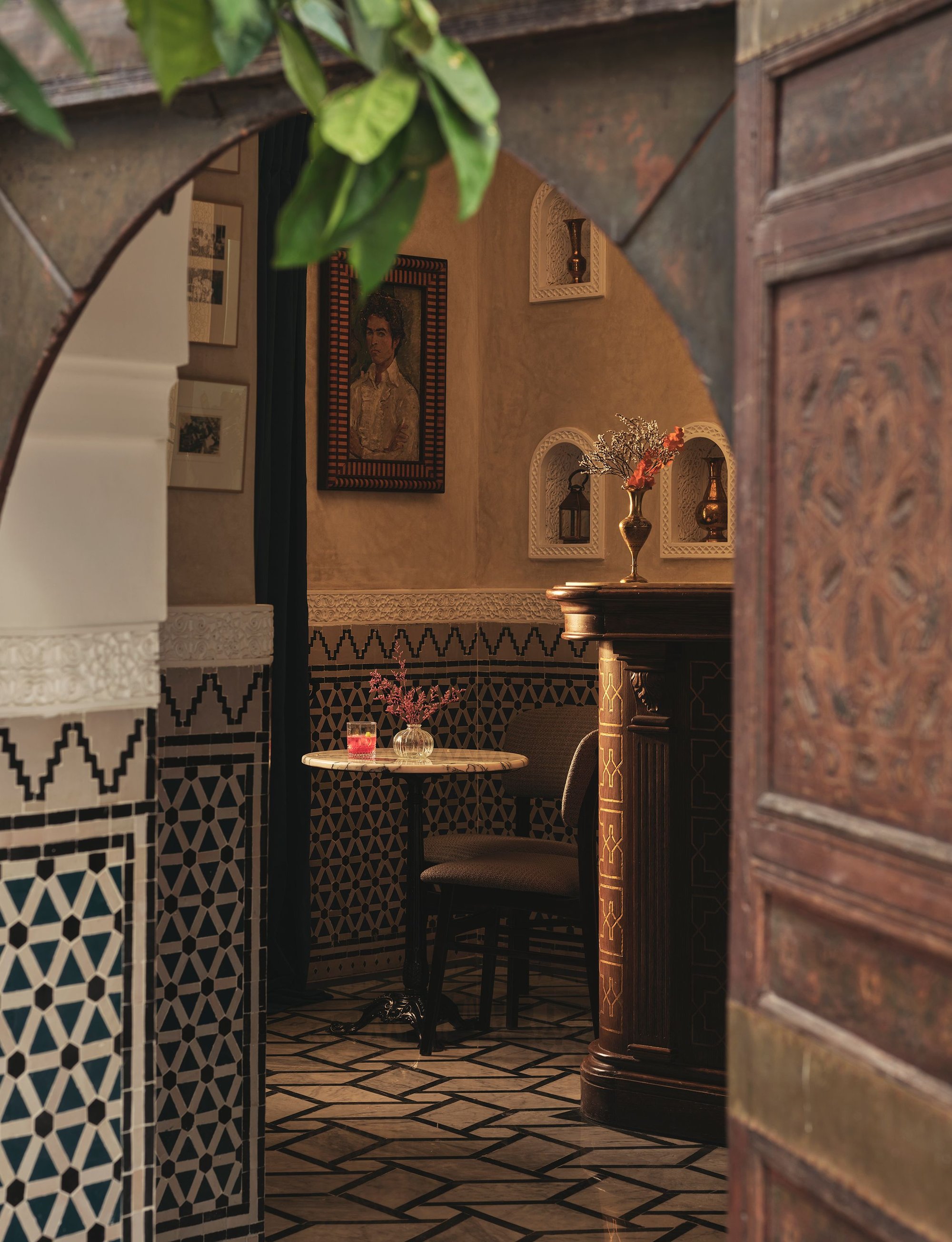
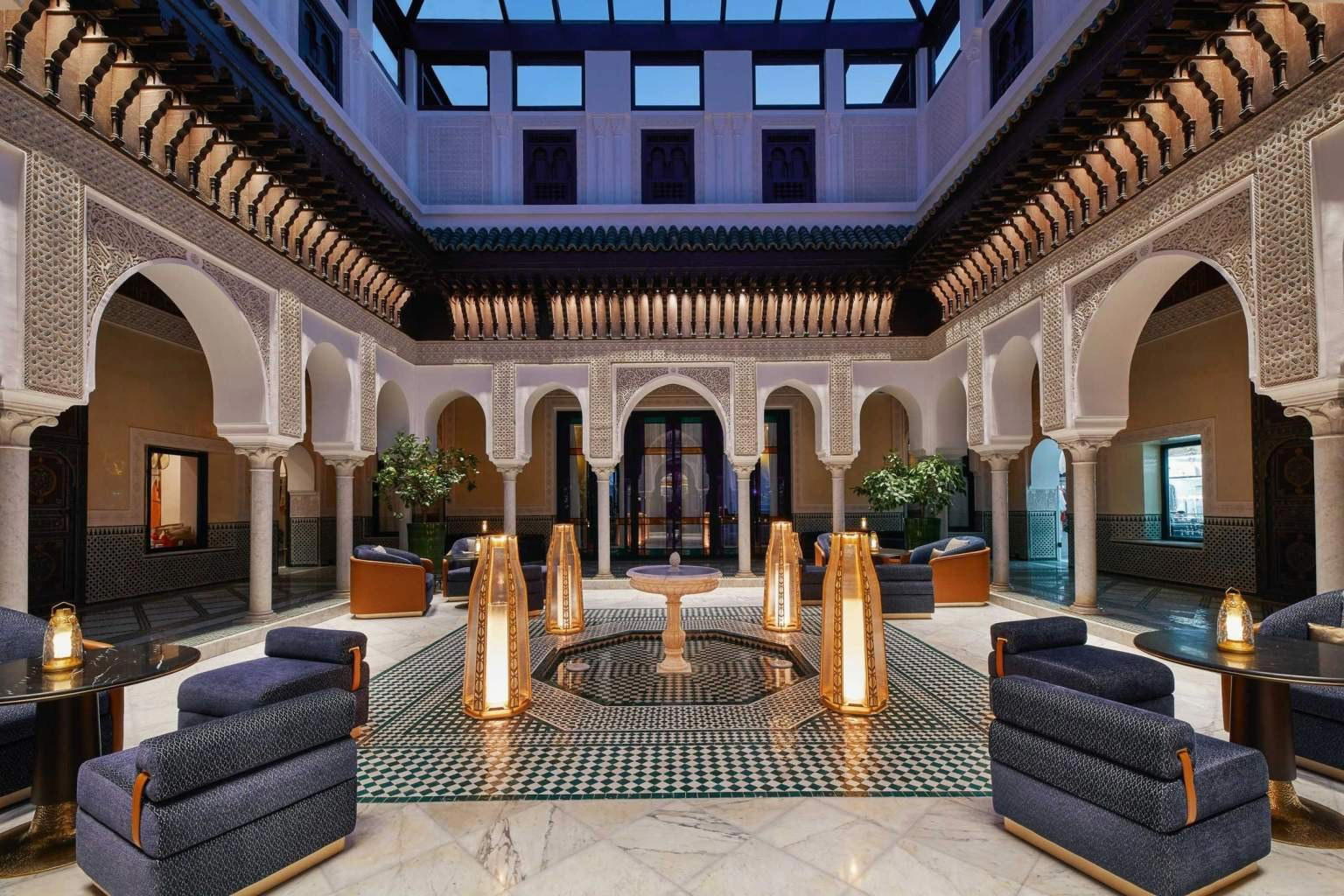
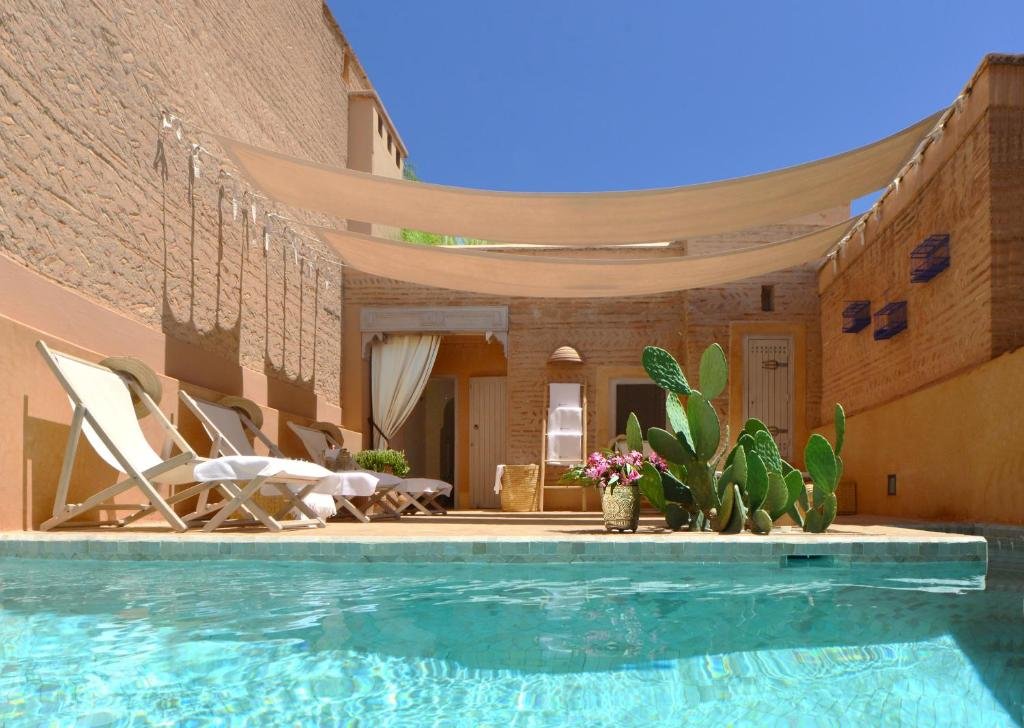
Dar Housnia reads like a refined example of the riad tradition: inward-facing spaces unfold from courtyard to salon to private terrace, and the architecture is the hotel’s primary argument. It sits on a derb — a semi-private lane off the medina’s main arteries — which gives it a residential calm by day and near-silence by night, even as Jemaa el‑Fna bubbles less than a kilometre away. The writing frames the property alongside internationally measured peers, so the feel is quietly authoritative rather than touristy: historic, intimate, and deliberately insulated from the medina’s spectacle.
Best For
This riad suits travelers who prize architecture, privacy, and a calm base inside Marrakech’s medina. It works well for couples and solo travelers who want to be embedded in the old city’s grain without sleeping on its busiest streets. The emphasis on room sequence and private terraces appeals to anyone for whom the accommodation itself is central to the trip, rather than merely a place to sleep. Guests who value attentive service and properties judged against international standards will also find Dar Housnia especially satisfying.
Stay Tips
When booking, prioritize a room that references private outdoor space: the description highlights 'private terraces' and the riad’s courtyard sequence, so a courtyard-facing or terrace room will deliver the classic experience. Note the house’s address on a derb — that semi-private laneway logic means mornings lean domestic and quiet; expect the neighborhood’s bakery rhythms. Given the property’s positioning among higher-tier riads and the emphasis on service and architecture, inquire about room location and any terrace access at reservation to secure the most atmospheric option.
Venue details
Ambiance
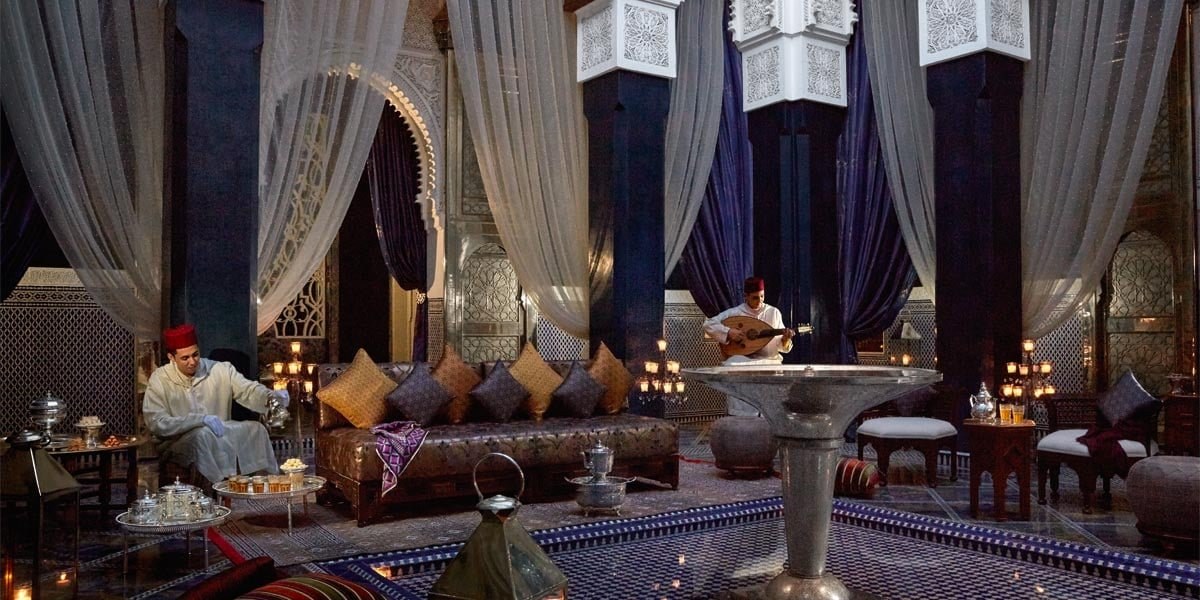
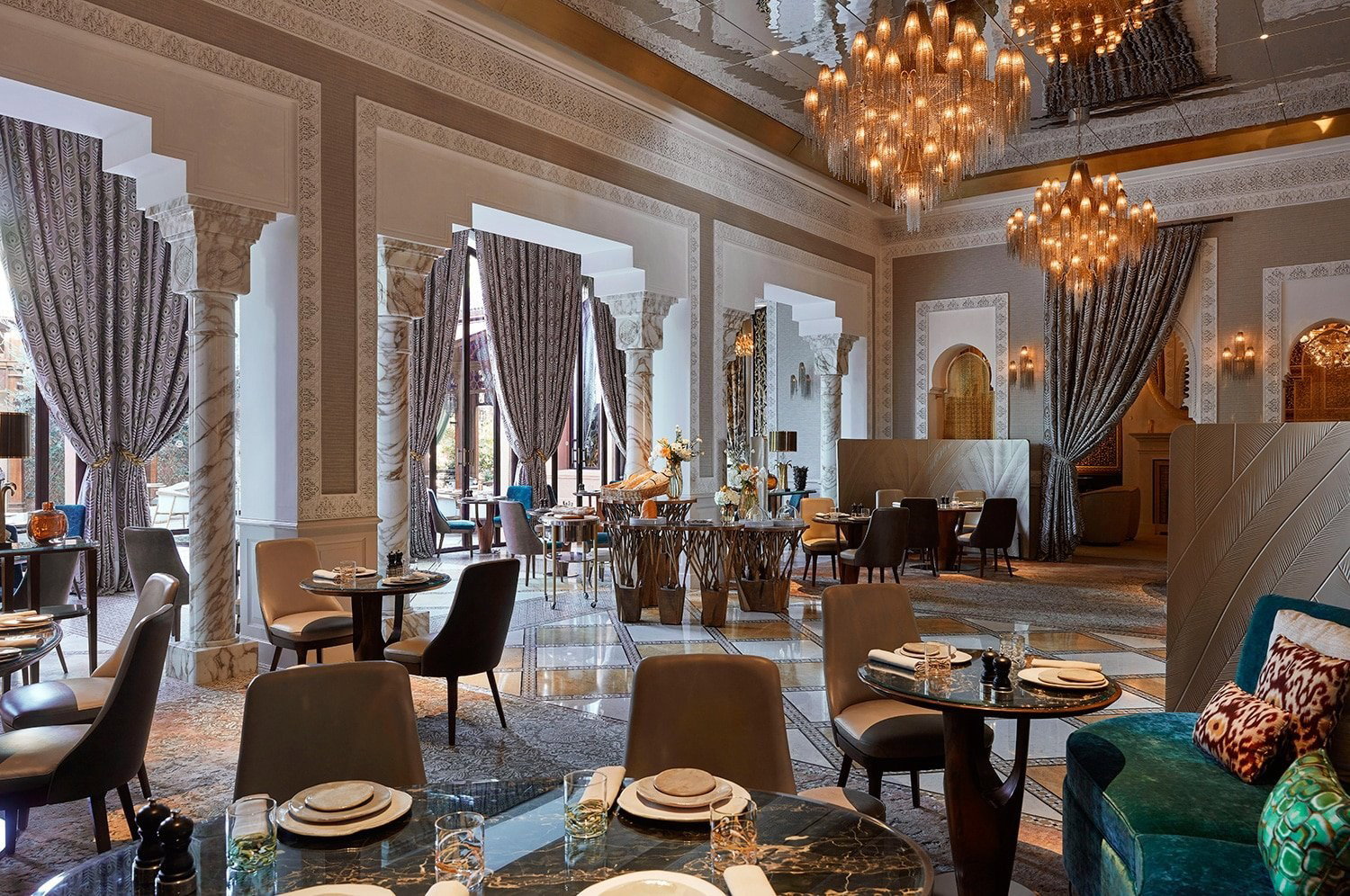
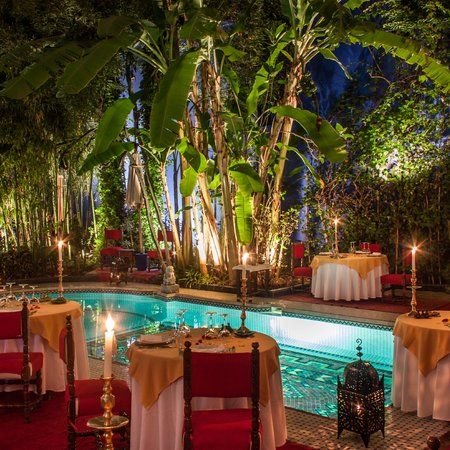
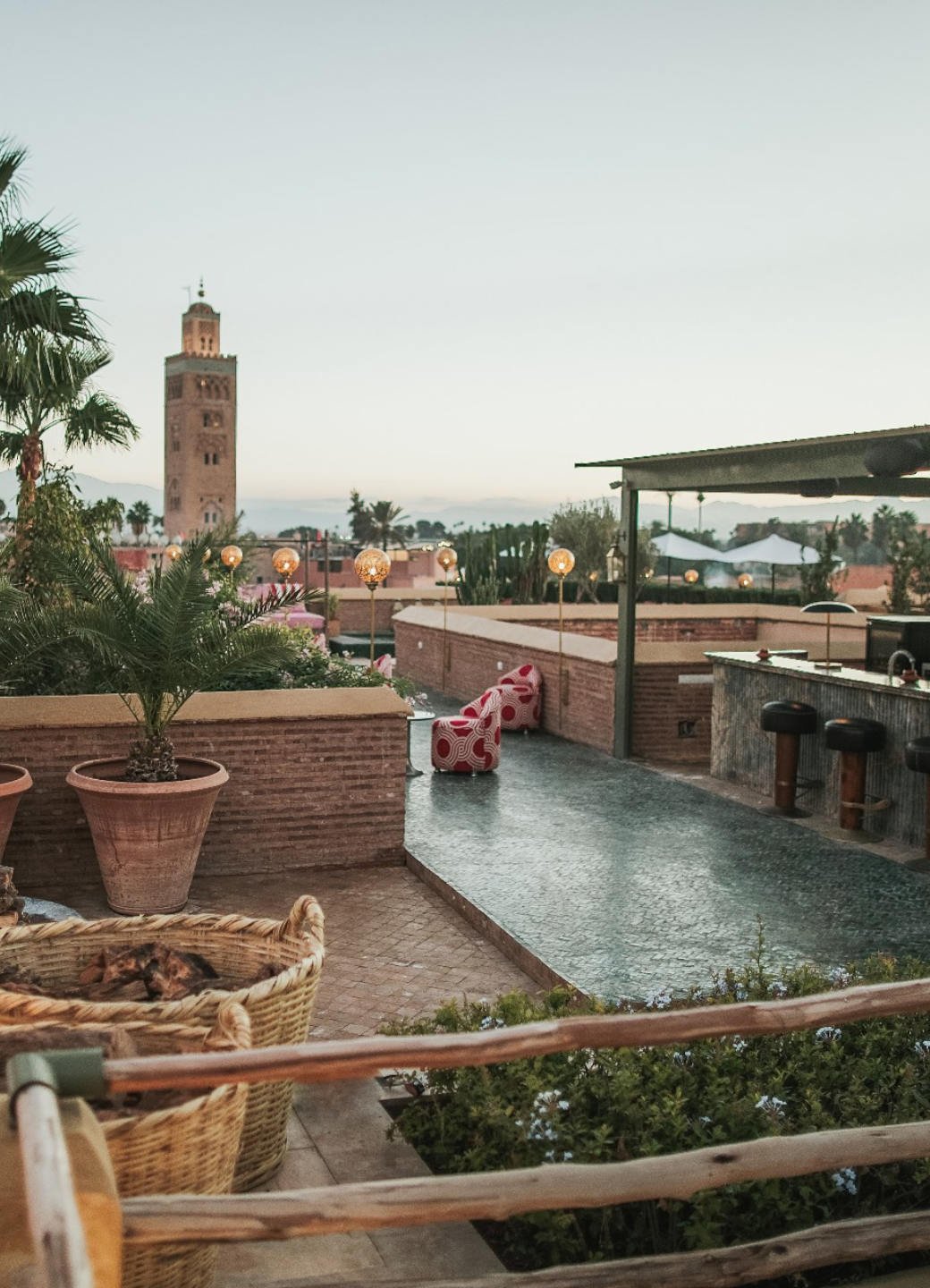
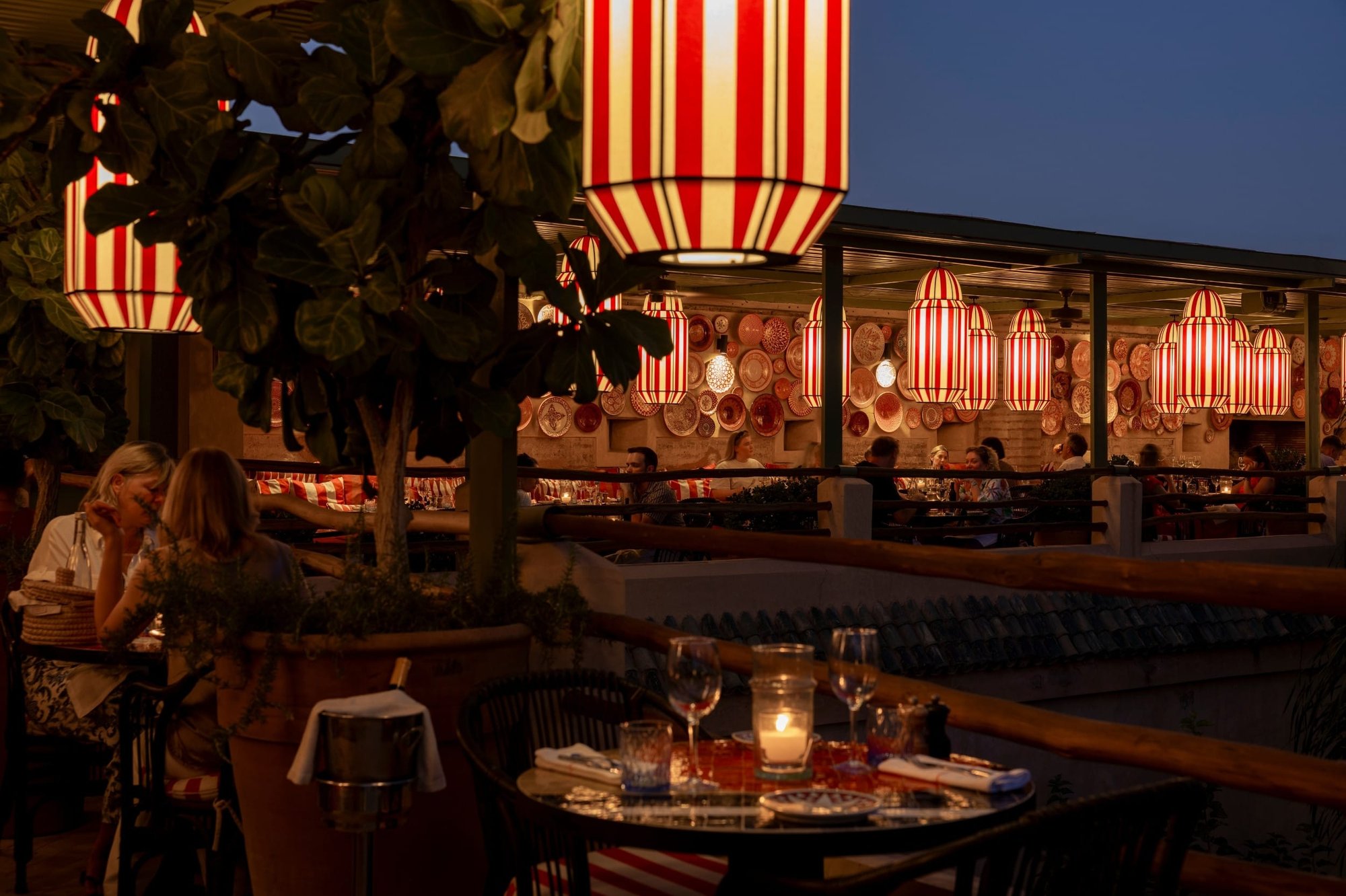
Serene and tranquil oasis with warm, intimate lighting from traditional Moroccan design elements, open-air courtyards, and peaceful rooftop spaces that contrast with the vibrant medina outside.
Tags
Vibe
Best For
Experience
Amenities
View
About the Stay
- Rooms
- 6
- Check-in
- 14:00
- Check-out
- 10:00
- Property Style
- Traditional Moroccan Riad with Contemporary Comfort, Blending Authentic Arabian Andalusian Architecture with Discrete Luxury.
- Design Style
- Arabo Andalusian with Refined, Understated Elegance; Traditional Medina Home Aesthetic with Modern Amenities, Featuring Open Air Courtyards, Intricate Tilework, and Berber Textiles.
Know before you go
Know Before You Go
- Getting there
- 2 Derb lalla Azouna, Marrakesh 40000
Planning details
Location
Recognition and awards

Also consider
Also Consider
- Riad Dar Al Dall - This Time Tomorrow in Marrakech, Notable alternative
- Dar Assiya, Notable alternative
- Riad Star, Notable alternative
- Le Farnatchi, Notable alternative
- Dar Darma, Notable alternative
Hotel context
How Dar Housnia compares in Marrakech
Choose Dar Housnia if the priority is a quieter riad-style base with an external quality signal. Compared with Riad Dar Al Dall - This Time Tomorrow in Marrakech and Dar Assiya, the decision should come down to the room you can secure and the terms attached to it, since these are all smaller Marrakech stays where the wrong room category can matter more than a small nightly-rate difference.
Le Farnatchi is the cross-shop for travelers who want a more polished luxury riad feel and are willing to pay for that positioning. Dar Darma is the better comparison for guests who care about a stronger design mood and a more dramatic setting. Dar Housnia is the more sensible pick when the brief is calm, credible, and medina-focused rather than showy.
If availability is tight, Riad Star is the practical backup to check before shifting to a resort outside the old city. The main call is format: stay with Dar Housnia or another riad if walking access and intimacy matter; move to a larger hotel only if arrival logistics, facilities, and loyalty recognition are doing more of the work for the trip.
Explore Marrakech
Around this place
Discover more on Pearl
Unlock the full Dar Housnia guide in Pearl, including awards, comparisons, FAQs, planning details, and nearby places.
Compare Dar Housnia
| Venue | Location | Awards |
|---|---|---|
| Dar Housnia | Marrakech | 2026 La Liste Top Hotels |
| Riad Dar Al Dall - This Time Tomorrow in Marrakech | Marrakech | 2025 Michelin 1 Key |
| Dar Assiya | Marrakech | No published awards |
| Riad Star | Marrakech | No published awards |
| Le Farnatchi | Marrakech | 2026 Mr & Mrs Smith Luxury Hotels2026 La Liste Top Hotels |
| Dar Darma | Marrakech | No published awards |

How Dar Housnia Marrakech compares with similar nearby venues.
FAQ
Frequently Asked Questions
Is Dar Housnia good for business travel?
Dar Housnia may be worth considering for a Marrakech stay, but specific business-travel services are not detailed here. Its confirmed signals are La Liste Top Hotels (2026): 93pts recognition, a Marrakech location, and a smart casual dress code. Confirm workspace, transport, meeting, and connectivity needs directly before booking.
What is check-in like at Dar Housnia?
Specific check-in details are not provided. Dar Housnia is in Marrakech, so guests should confirm arrival instructions, timing, luggage arrangements, and any transport guidance directly with the property before travel.
How is the pool and spa at Dar Housnia?
When is the best time to book Dar Housnia?
Specific booking patterns, rates, and availability are not provided. If Dar Housnia is a serious option for a Marrakech trip, check directly for current terms, cancellation rules, room availability, and any requirements tied to the smart casual dress code.