
Leonardo Trulli Resort
Locorotondo
Hotel in Locorotondo, Italy
 Book with Pearl
Why go
Leonardo Trulli Resort is worth booking if you want a Locorotondo countryside stay built around trulli architecture rather than a large full-service resort. The 2025 MICHELIN Guide hotel selection adds credibility, but the smart move is to choose it for atmosphere and location, not for chain-style perks or a dense amenity list.
About Leonardo Trulli Resort
Leonardo Trulli Resort is a Locorotondo property listed in the MICHELIN Guide hotel selection for 2025. For travelers comparing stays in and around Locorotondo, it is best assessed alongside other regional lodging options, with amenities, policies, and service details checked directly before booking.
Book for a Locorotondo stay with a MICHELIN hotel listing
A strong reason to keep Leonardo Trulli Resort on a shortlist is its MICHELIN Guide, Hotels Selected recognition for 2025. That is a useful trust signal for travelers comparing hotels in and around Locorotondo, while facilities, dining, spa, room, and service details should still be checked directly with the property.
For a traveler considering Locorotondo as a base, the practical next step is to check the details that matter for the trip directly with the property before booking. Use the MICHELIN selection as a starting point, then confirm current availability, room type, amenities, policies, and transport needs through official channels.
Who should pick it over regional alternatives
Pick Leonardo Trulli Resort if you specifically want to stay in Locorotondo and value the reassurance of a MICHELIN Guide hotel selection. Cross-shop Ottolire Resort, Masseria Torre Maizza, Masseria Calderisi, Masseriola Antiche Fogge, and Borgo Canonica if you are comparing other regional options with a similar premium-stay brief.
Quick reference: Leonardo Trulli Resort is listed in the MICHELIN Guide, Hotels Selected for 2025; other property-specific details should be checked directly before booking.
Planning details
- Location
- Contrada Semeraro, 107, 70010 Locorotondo BA, Italy
- Website
- leonardotrulliresort.com
- Phone
- +39 080 431 6298
The take
The Take
The Vibe
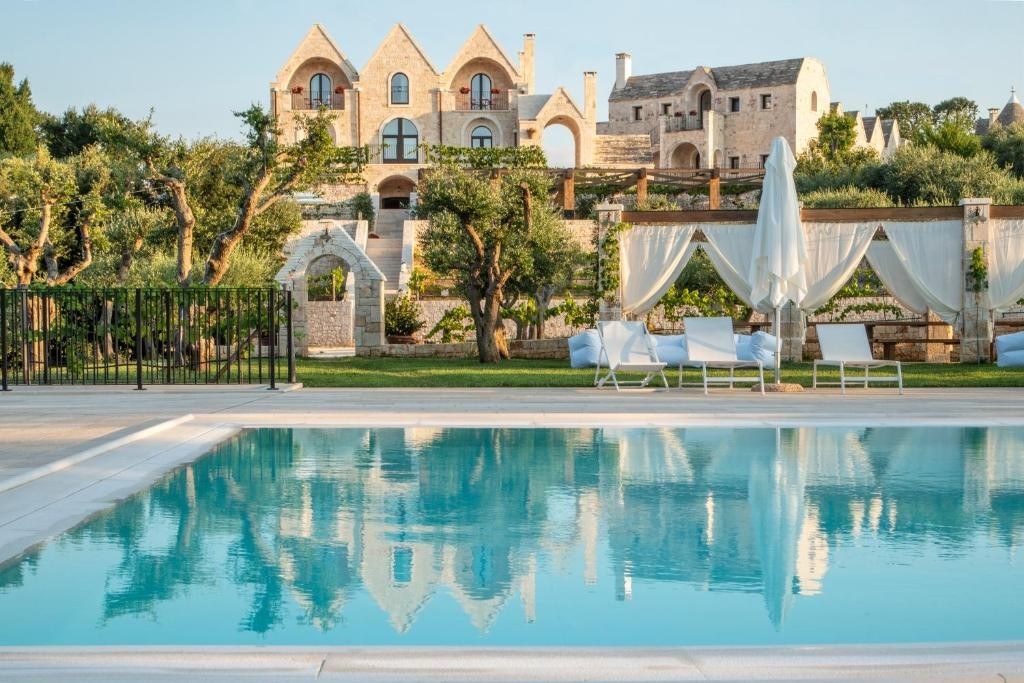
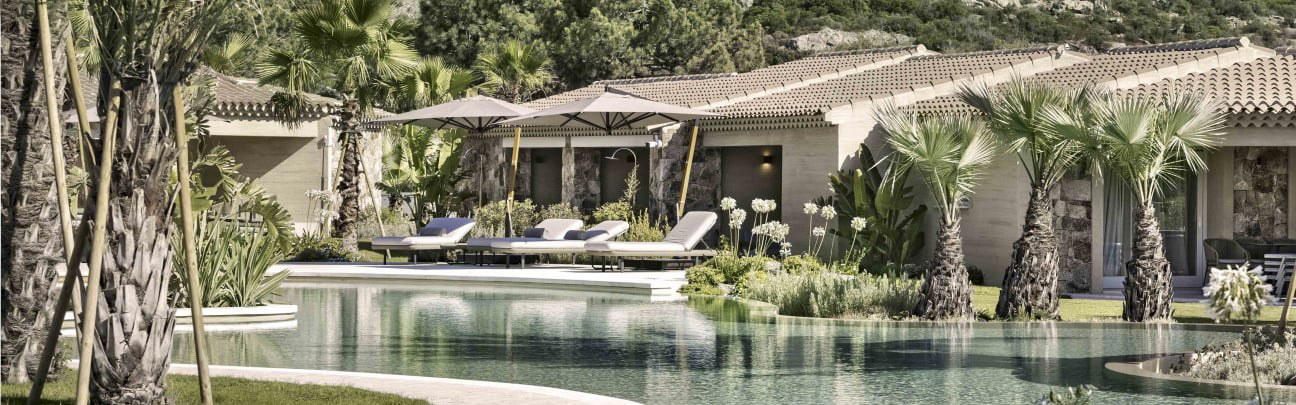
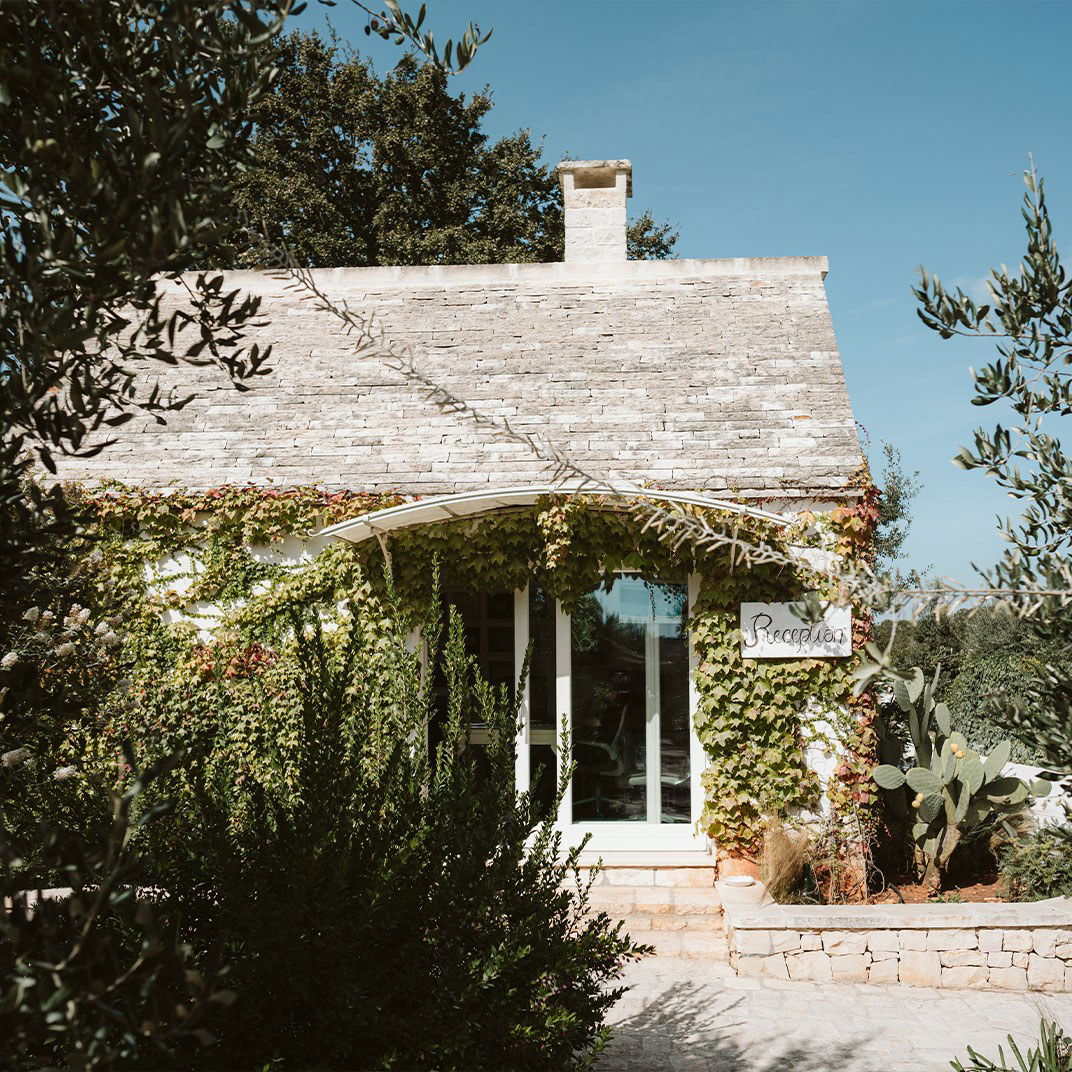
Leonardo Trulli Resort leans on architecture as the primary draw: dry‑stone walls, whitewashed exteriors and the distinctive conical roofs shape both the look and the experience. The property reads as authentic trulli rather than a decorative pastiche, so the preserved cellular volumes and compact rooms feel intimate and historically rooted. Set on the rolling hills of the Valle d'Itria outside Locorotondo, the resort pairs quiet countryside seclusion with easy access to a composed hill town. The result is a serene, charming stay that foregrounds vernacular craftsmanship and the unmistakable silhouette of Puglia’s trulli.
Best For
This resort is best for travelers who prize architectural authenticity and a slow, rural pace. Guests who want to sleep inside genuine trulli and appreciate the way thick stone walls and conical roofs shape interior spaces will find the property especially rewarding. It also suits those who like quiet country settings while keeping day‑trip access to a historic centro—Locorotondo’s white‑painted buildings and narrow vicoli are a short drive away. In short, it’s ideal for contemplative escapes, couples seeking intimate settings, and anyone curious about traditional Puglian building forms.
Stay Tips
When booking, ask about the degree to which a room preserves original trullo geometry: the copy explains some properties cut through walls for larger layouts while others maintain separate cells, and Leonardo is presented as preserving authentic forms. Because the resort sits on a rural road outside Locorotondo, arrange transport or a car for easy access to town restaurants and sights. Consult the Locorotondo dining guide mentioned in the description for nearby recommendations and plan day trips into Alberobello and Cisternino to experience the wider Valle d'Itria.
Venue details
Ambiance
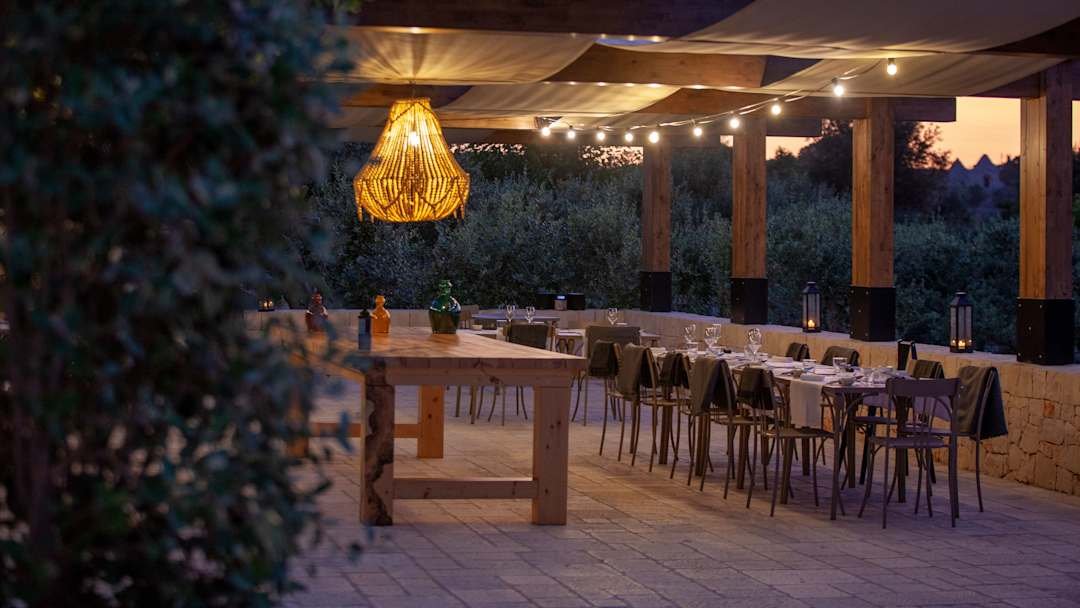
Warm and cosy atmosphere with cone vaults, exposed stones, serene rural setting surrounded by lush countryside and gardens.
Tags
Vibe
Best For
Experience
Amenities
View
About the Stay
- Rooms
- 14
- Check-in
- 15:00
- Check-out
- 11:00
- Property Style
- Restored Trulli and Liberty Style Masseria in Countryside Oasis
- Design Style
- Rustic Authentic with Exposed Stone and Vintage Details
Know before you go
Know Before You Go
- Getting there
- Contrada Semeraro, 107, 70010 Locorotondo BA, Italy
Planning details
Location
Contrada Semeraro, 107, 70010 Locorotondo BA, Italy · Directions
Recognition and awards
Also consider
Good backups if this is not the right fit
Try Ottolire Resort if the goal is to stay near Locorotondo with a more resort-like feel. Try Borgo Canonica if the trulli setting is the main reason for booking but you want another option in the same general category.
Hotel context
How it compares with nearby stays
Leonardo Trulli Resort is the more architecture-led pick if sleeping in trulli-style surroundings is central to the trip. Ottolire Resort is the cleaner cross-shop for travelers who want a more contemporary resort feel around Locorotondo, while Borgo Canonica is the natural alternative if the priority is also trulli atmosphere but with a different setting outside the town core.
For a more polished masseria stay, compare against Masseria Torre Maizza and Masseria Calderisi. Those are better targets for travelers who want a broader luxury-hotel feel and are less tied to Locorotondo itself. Masseriola Antiche Fogge is the one to consider if the brief is simpler: rural character first, fewer expectations around resort infrastructure.
Explore Locorotondo
Around this place
Discover more on Pearl
Unlock the full Leonardo Trulli Resort guide in Pearl, including awards, comparisons, FAQs, planning details, and nearby places.
Compare Leonardo Trulli Resort
| Venue | Location | Awards |
|---|---|---|
| Leonardo Trulli Resort | Locorotondo | 2025 Michelin Selected Hotels |
| Ottolire Resort | Locorotondo | 2025 Michelin 1 Key2024 Michelin 1 Key |
| Masseriola Antiche Fogge | Fasano | No published awards |
| Masseria Torre Maizza | Savelletri di Fasano | 2026 Virtuoso Luxury Hotel Collection2026 Mr & Mrs Smith Luxury Hotels2025 Michelin 1 Key2024 Michelin 1 Key |
| Masseria Calderisi | Savelletri di Fasano | 2026 Virtuoso Luxury Hotel Collection2026 Mr & Mrs Smith Luxury Hotels2025 Michelin 1 Key2024 Michelin 1 Key |
| Borgo Canonica | Cisternino | No published awards |


How Leonardo Trulli Resort Locorotondo compares with similar nearby venues.
FAQ
Frequently Asked Questions
How is the location of Leonardo Trulli Resort?
How does Leonardo Trulli Resort compare to regional hotels?
Leonardo Trulli Resort has a MICHELIN Guide hotel selection for 2025. If you are comparing premium stays in the region, also look at Ottolire Resort, Masseria Torre Maizza, Masseria Calderisi, Masseriola Antiche Fogge, and Borgo Canonica, then check each property's current amenities and policies directly.
Which room category is best at Leonardo Trulli Resort?
Review the property's current room descriptions and ask directly which option best fits your stay in Locorotondo.
When is the best time to book Leonardo Trulli Resort?
If your dates are important, compare current availability and terms through the property's official channels before making plans.