

Masseria Calderisi
Savelletri di Fasano
Hotel in Savelletri di Fasano, Italy
 Book with Pearl
The Read
Fortified Farmhouse Hospitality
Why go
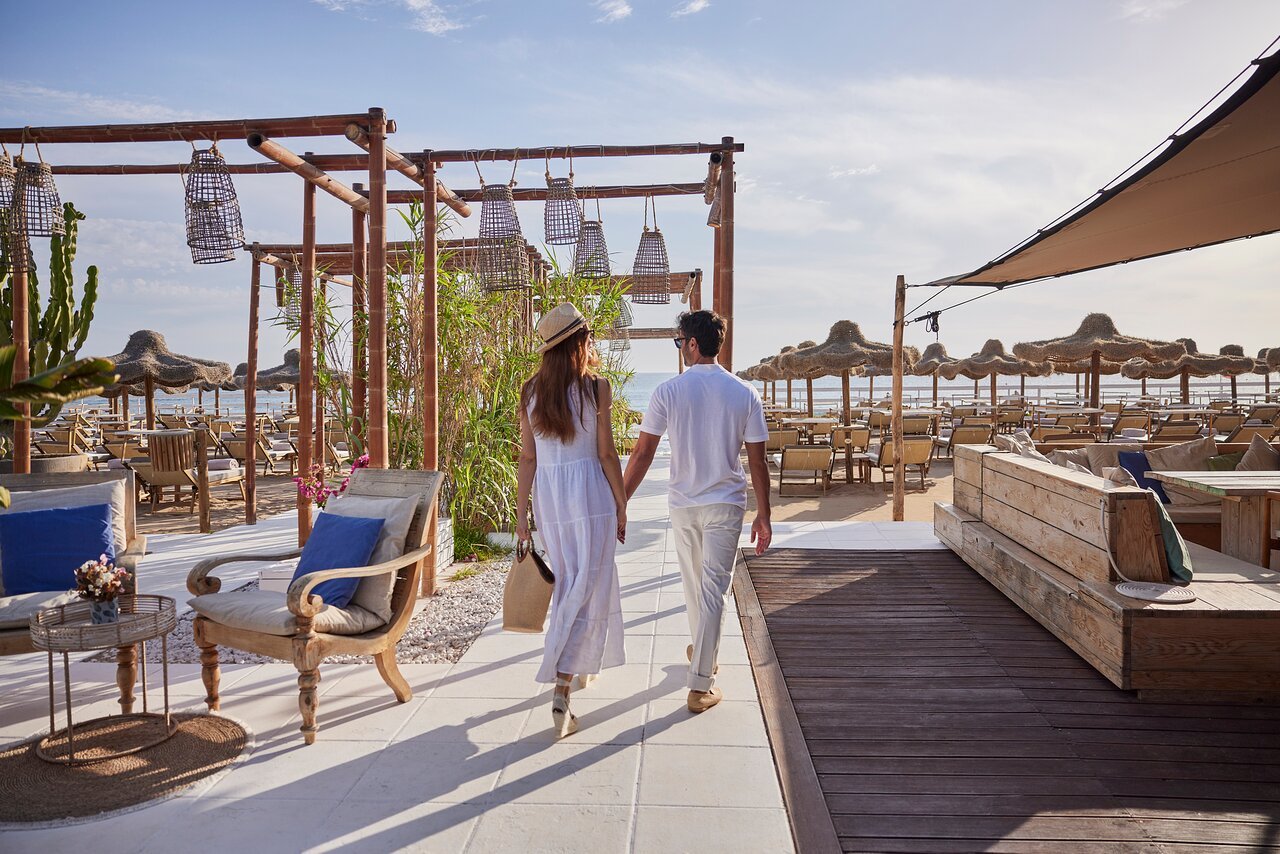
Choose Masseria Calderisi for a calm, wellness-leaning Puglia stay rather than a large resort experience. Its Michelin 1 Key recognition and 2026 luxury travel credentials make it a credible Savelletri option for couples and milestone trips, especially if pool time, privacy, and countryside pace matter more than extensive resort programming.
About Masseria Calderisi
Masseria Calderisi is a hotel in Savelletri di Fasano. For planning, consider its recognition, location, and dress code alongside other details you may want to confirm directly with the venue.
For comparison planning, consider it alongside other notable stays in and around Savelletri di Fasano. Borgo Egnazia, Masseria San Domenico, Masseria Torre Coccaro, Masseria Torre Maizza, and Masseriola Antiche Fogge are useful names to cross-shop depending on the style of stay you want.
Choose it for a Savelletri di Fasano hotel stay with confirmed recognition
Masseria Calderisi carries Michelin 1 Key recognition from 2024, plus Virtuoso Luxury Hotel Partner recognition for 2026 and a Mr & Mrs Smith Seal of Approval for 2026. Those are the clearest trust signals for the property.
Beyond those points, specific claims about amenities, dining style, room categories, prices, service format, or on-property programming should be checked directly with the venue before booking.
The value read depends on your priorities
Value here should be judged against other stays in and around Savelletri di Fasano rather than against unrelated city hotels elsewhere in Italy. If the main priority is recognition and a Savelletri di Fasano base, Masseria Calderisi belongs on the shortlist.
If you want a broader comparison set, Borgo Egnazia, Masseria San Domenico, Masseria Torre Coccaro, Masseria Torre Maizza, and Masseriola Antiche Fogge are the most relevant names to review alongside Masseria Calderisi.
Reservations: confirm availability directly with the venue. Dress: smart casual. Budget: compare against other stays in and around Savelletri di Fasano. Use case: choose based on the hotel recognition and the Savelletri di Fasano location, then verify any trip-specific needs before booking.
For broader planning, compare it against a Savelletri di Fasano hotels guide, then pair the stay with a Savelletri di Fasano restaurants guide and other Savelletri di Fasano planning resources.
Planning details
- Location
- Strada Comunale Sarzano, 12/A, 72015 Fasano BR
- Website
- masseriacalderisi.com
- Phone
- +39 080 433 4340
The take
The Take
The Vibe
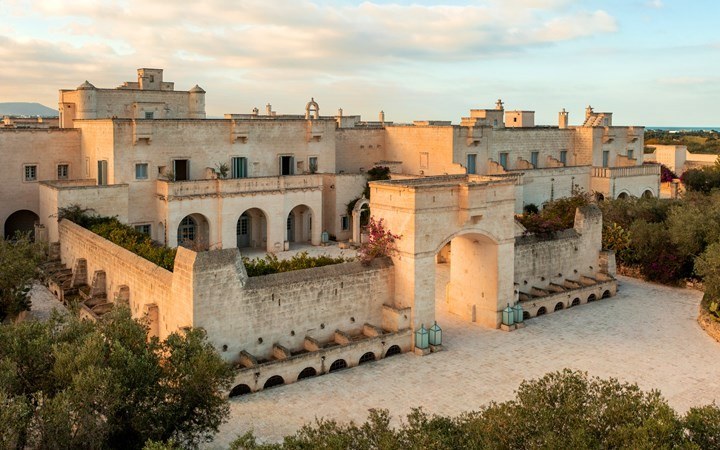
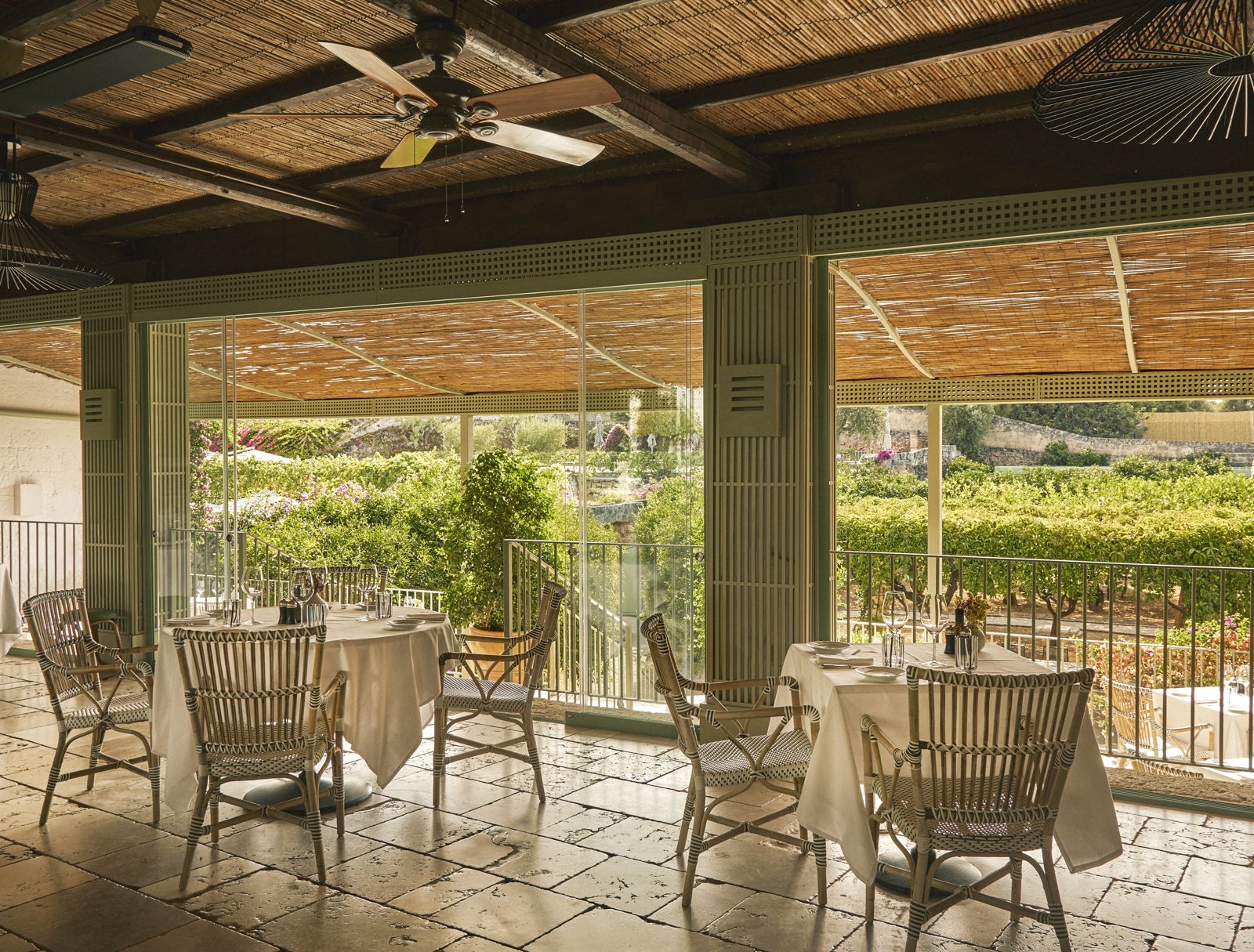
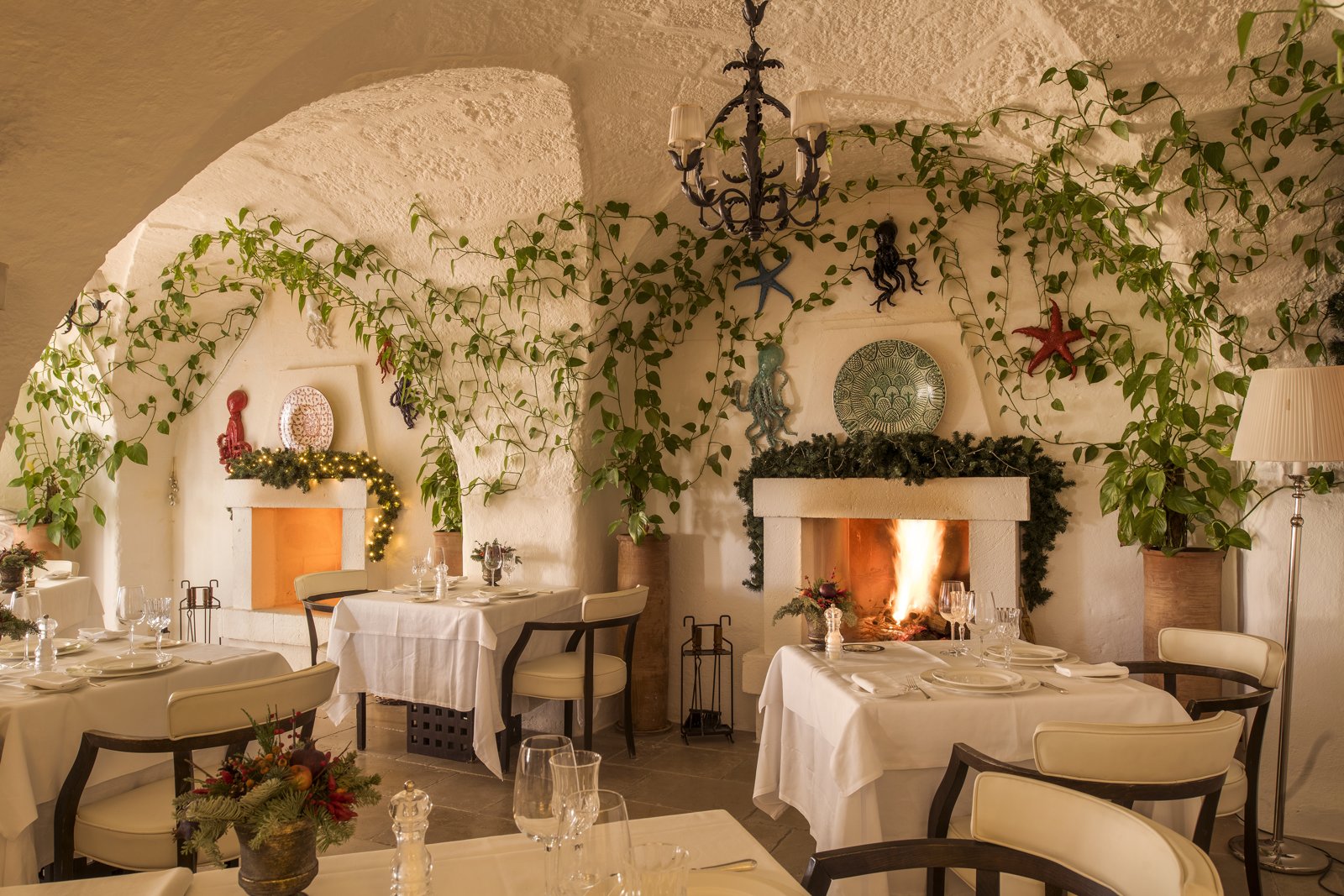
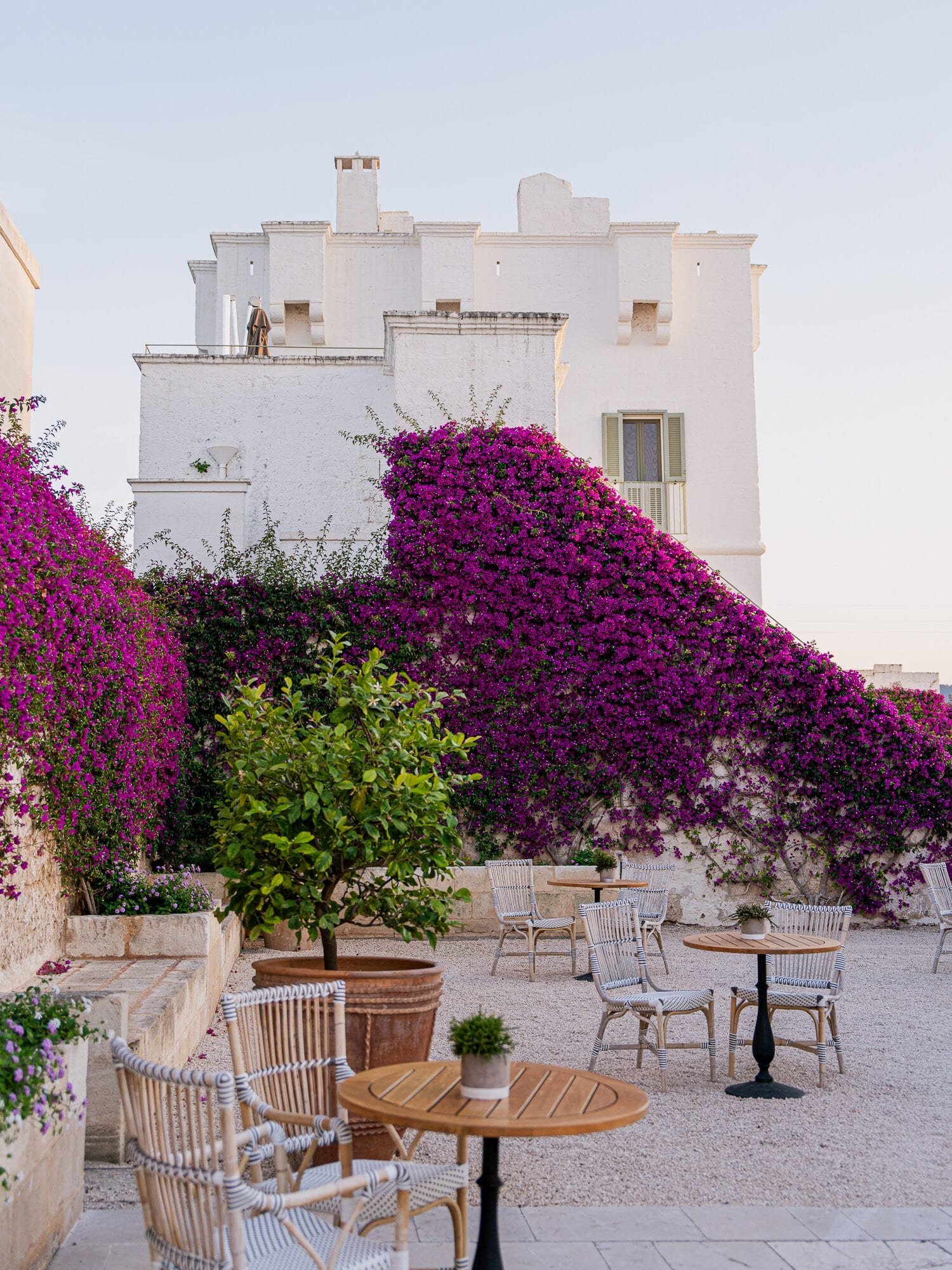
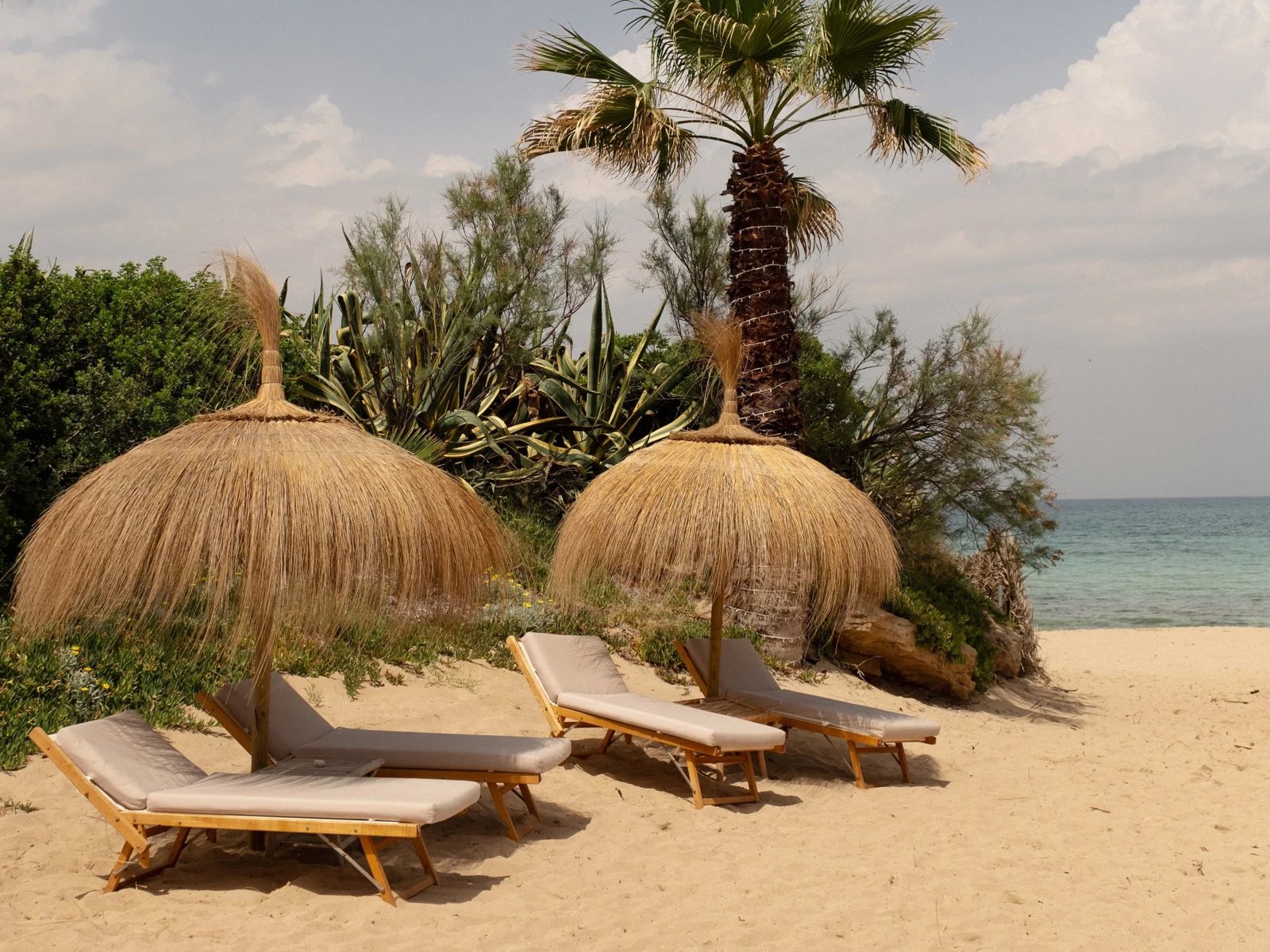
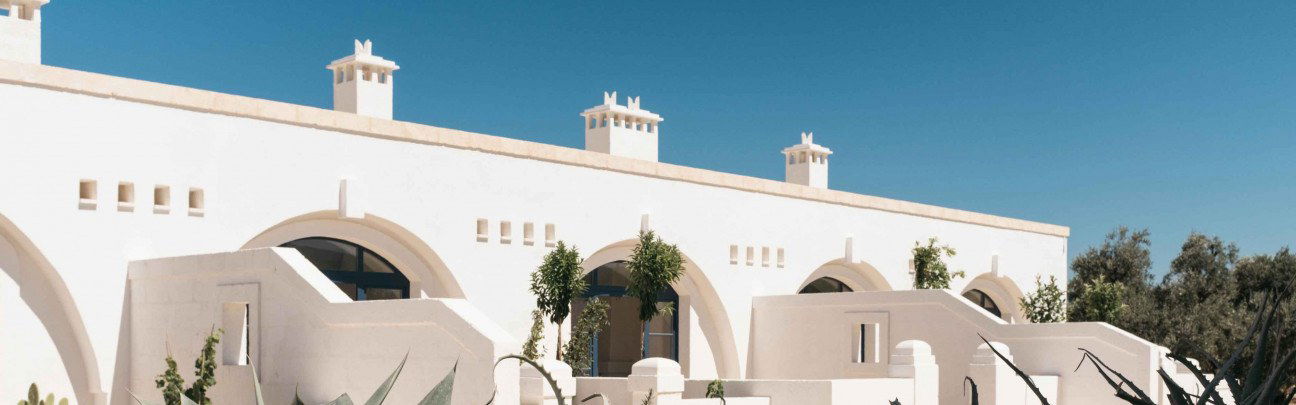
Masseria Calderisi reads as a historic country estate that privileges architecture and the slow rhythms of rural life. The 17th-century masseria vocabulary—thick limestone walls, low archways, courtyards and outbuildings—anchors the property in a tangible past, while contemporary comforts are layered in with restraint. Olive groves press in from both sides of the approach, and the estate’s scale (24 rooms across 24 acres) keeps energy deliberately low and thoughtful. The overall effect is serene and charming: a place where design serves patience, and historic fabric sets the pace for a quietly luxurious stay.
Best For
Calderisi suits travelers who favor space, calm and architectural character over resort-style bustle. With just 24 rooms spread across a 24-acre estate, the hotel maintains an agricultural scale that appeals to guests seeking privacy and an unhurried rhythm. The variety of room contexts—the main building, the old tower and the former stables—offers subtle differences in spatial grammar for design-minded travelers. It is especially well matched to couples or solo visitors who appreciate heritage buildings, courtyard life, and the contemplative atmosphere of the Itria Valley rather than louder, larger properties nearby.
Stay Tips
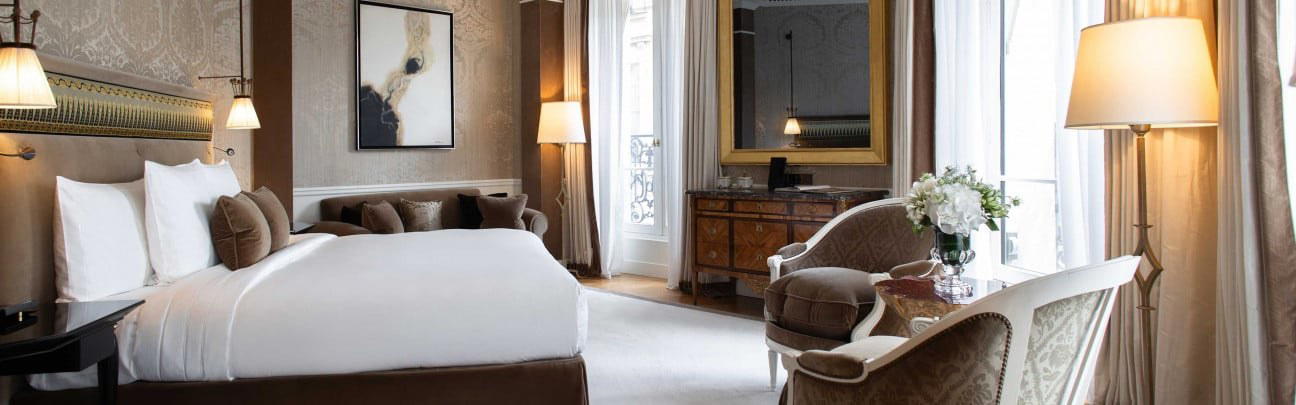
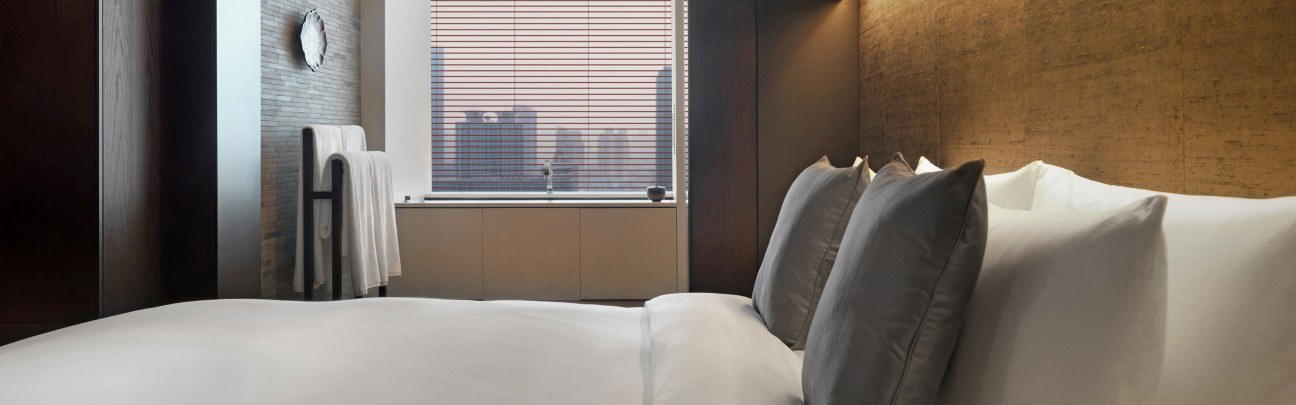
Pay attention to the three room categories described: main building rooms reflect the proportions of a 17th-century country estate, while the old tower and former stables each carry distinct spatial grammars. Those who prioritize architectural experience should choose based on that division rather than expecting uniform layouts. Note the hotel’s small scale—24 rooms across 24 acres—which is a deliberate part of its character and means the property feels quieter and more restrained than larger nearby resorts. Allow time for the approach through olive groves; the setting and courtyards are integral to the guest experience.
Venue details
Ambiance
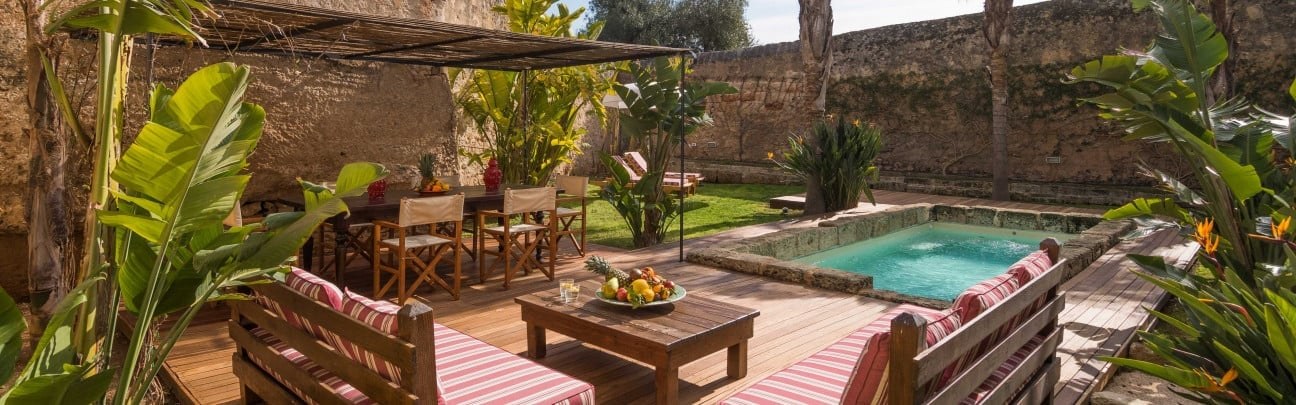
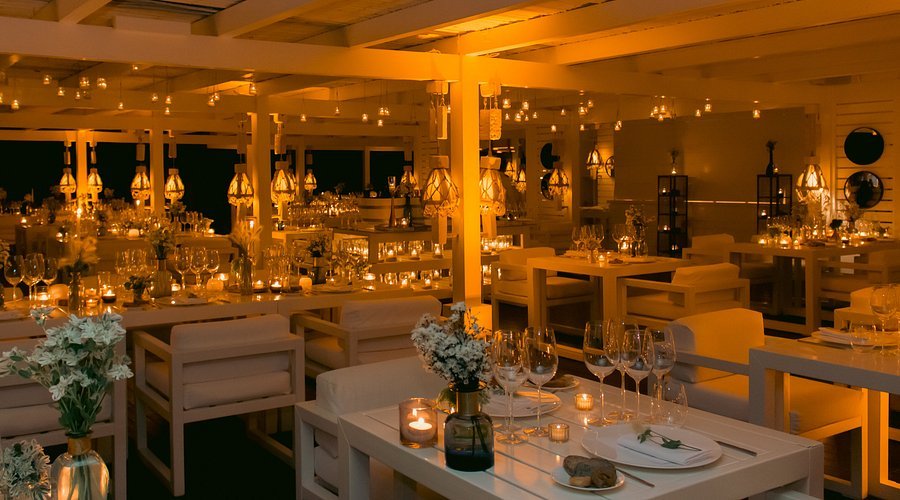
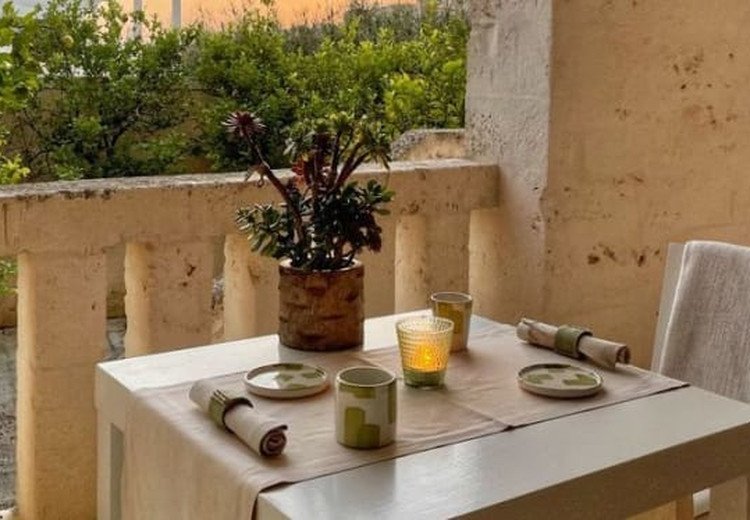
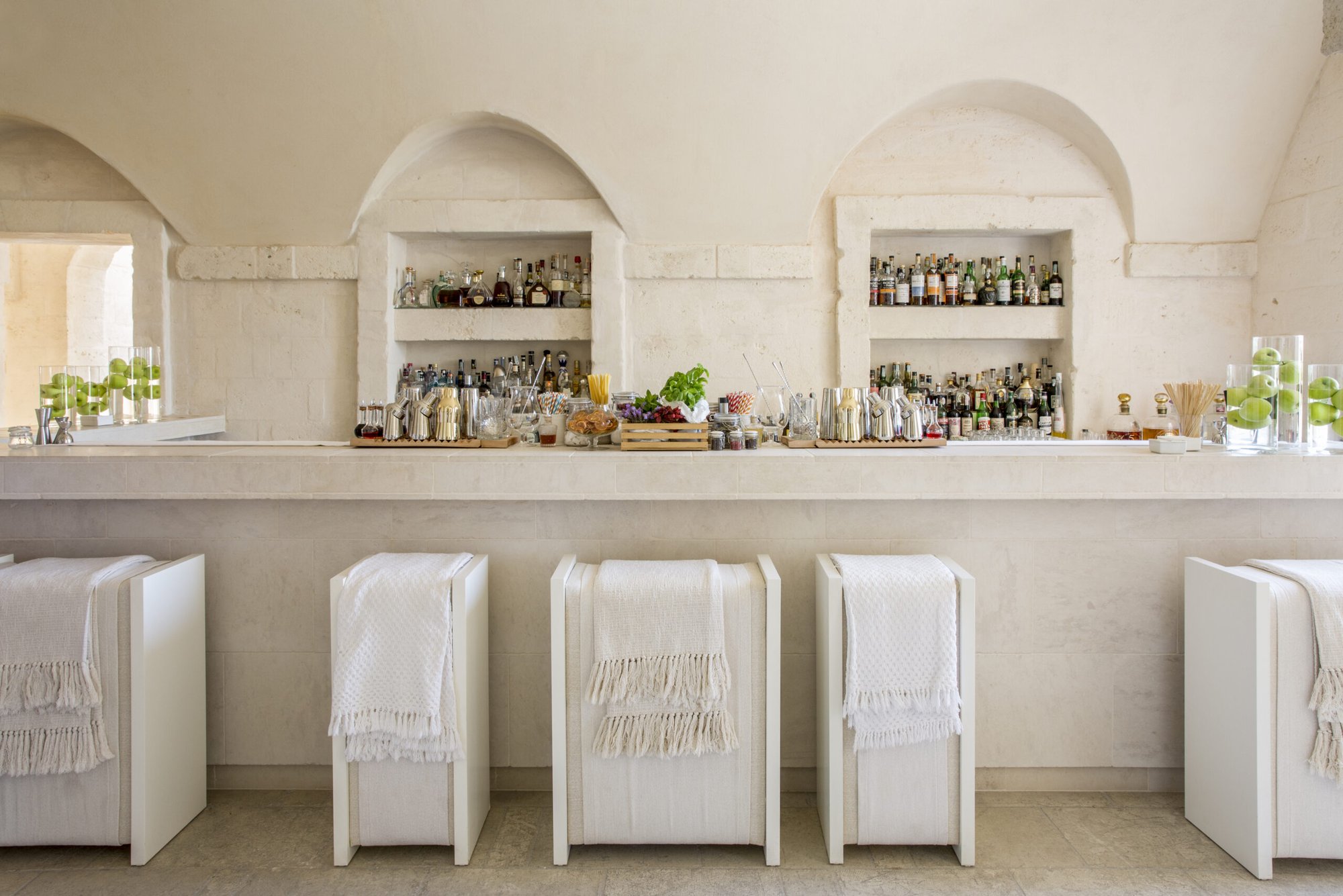
Rustic yet modern interiors with lime-washed stone walls, cozy lighting on candlelit terraces, and a peaceful countryside atmosphere amid olive groves.
Tags
Vibe
Best For
Experience
Amenities
View
Accessibility
About the Stay
- Rooms
- 24
- Check-in
- 14:30
- Check-out
- 11:30
- Property Style
- Restored 17th Century Puglian Masseria Blending Authentic Rustic Charm with Contemporary Luxury.
- Design Style
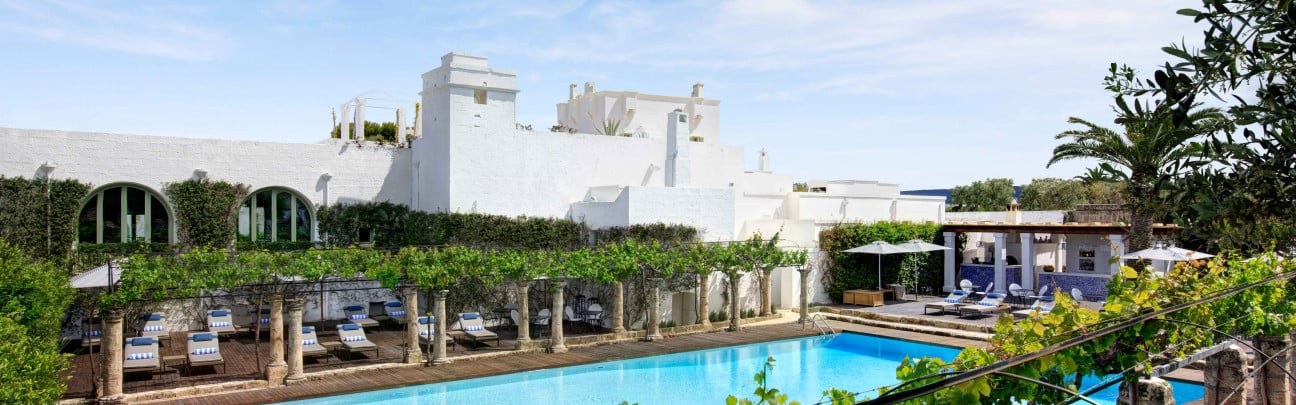
- Rustic Modern with Lime Washed Stone Walls, Traditional Materials, and Elegant Contemporary Touches.
Know before you go
Know Before You Go
- Getting there
- Strada Comunale Sarzano, 12/A, 72015 Fasano BR
Planning details
Location
Recognition and awards

Also consider
Also Consider
- Masseria Torre Maizza, Notable alternative
- Masseria Torre Coccaro, Notable alternative
- Borgo Egnazia, Notable alternative
- Masseria San Domenico, Notable alternative
- Masseriola Antiche Fogge, Notable alternative
Hotel context
How it compares in Savelletri di Fasano
Masseria Calderisi is the better fit if the trip calls for a quieter countryside hotel with luxury recognition and a wellness-forward pace. Borgo Egnazia is the stronger choice for travelers who want a larger resort feel and more built-in activity, while Calderisi makes more sense for couples who care more about privacy and a slower daily rhythm.
Against Masseria Torre Maizza, Masseria Torre Coccaro, and Masseria San Domenico, the decision comes down to atmosphere and availability. Calderisi is the pick for a polished but quieter masseria stay; Torre Coccaro and San Domenico are more natural cross-shops for guests who want a more established traditional-masseria feel, while Torre Maizza is worth checking if the brief is a sharper luxury-hotel experience.
If availability is tight, Masseriola Antiche Fogge is the alternate to check outside the immediate metro set, but it should be viewed as a different kind of stay rather than a direct substitute. For value, Calderisi works when the traveler will use the property as a retreat; for activity density, Borgo Egnazia is the safer comparison.
Explore Savelletri di Fasano
Around this place
Discover more on Pearl
Unlock the full Masseria Calderisi guide in Pearl, including awards, comparisons, FAQs, planning details, and nearby places.
Compare Masseria Calderisi
| Venue | Location | Awards |
|---|---|---|
| Masseria Calderisi | Savelletri di Fasano | 2026 Virtuoso Luxury Hotel Collection2026 Mr & Mrs Smith Luxury HotelsMichelin 1 Key 20252025 Michelin 1 Key2024 Michelin 1 Key |
| Masseria Torre Maizza | Savelletri di Fasano | 2026 Virtuoso Luxury Hotel Collection2026 Mr & Mrs Smith Luxury Hotels2025 Michelin 1 Key2024 Michelin 1 Key |
| Masseria Torre Coccaro | Savelletri di Fasano | 2026 Mr & Mrs Smith Luxury Hotels2025 Michelin 1 Key2024 Michelin 1 Key |
| Borgo Egnazia | Savelletri di Fasano | 2026 World’s 50 Best Hotels 51-100 · #882026 Virtuoso Luxury Hotel CollectionLeading Hotels of the World 20262025 World’s 50 Best Hotels · #632025 Michelin 2 Keys2024 Michelin 1 Key2023 World's 50 Best Hotels · #21 |
| Masseria San Domenico | Savelletri di Fasano | 2026 Virtuoso Luxury Hotel CollectionLeading Hotels of the World 20262025 Michelin Selected Hotels |
| Masseriola Antiche Fogge | Fasano | No published awards |




How Masseria Calderisi Savelletri di Fasano Hotel compares with similar nearby venues.
FAQ
Frequently Asked Questions
How does Masseria Calderisi compare to nearby hotels?
Use Masseria Calderisi as one Savelletri di Fasano hotel option to compare with Borgo Egnazia, Masseria San Domenico, Masseria Torre Coccaro, Masseria Torre Maizza, and Masseriola Antiche Fogge. The clearest points for Masseria Calderisi are its Savelletri di Fasano location, smart-casual dress code, Michelin 1 Key recognition from 2024, Virtuoso Luxury Hotel Partner recognition for 2026, and Mr & Mrs Smith Seal of Approval for 2026.
Is Masseria Calderisi family-friendly?
If you are planning a family stay in Savelletri di Fasano, confirm room setup, services, and any child-related policies directly with the venue before booking.
How is the location of Masseria Calderisi?
Which room category is best at Masseria Calderisi?
Ask the venue directly which option best fits your stay length, party size, and accessibility or layout needs.