
Ottolire Resort
Locorotondo
Hotel in Locorotondo, Italy
 Book with Pearl
The Read
Masseria Restraint
Why go
Ottolire Resort is worth prioritising for a polished countryside stay near Locorotondo, especially for families or couples planning a celebration in Puglia. Michelin 1 Key recognition gives it a stronger quality signal than many rural alternatives, but it is better for slow, car-based trips than loyalty-driven or business-heavy stays.
About Ottolire Resort
Ottolire Resort is a Locorotondo property with one clearly distinction: Michelin awarded it 1 Key in 2024. That recognition is the strongest grounded reason to treat it as a premium stay, but the available data here does not establish specific facilities, room types, dining details, prices, opening history, or service formats.
Because the confirmed information is limited, the safest way to evaluate Ottolire Resort is to keep the decision focused on the facts that are known: it is in Locorotondo, it carries Michelin 1 Key recognition from 2024, and the dress code is smart casual. Any choice beyond that should be checked directly with the property before booking.
A Locorotondo stay with confirmed Michelin 1 Key recognition
The main quality signal is Michelin 1 Key recognition in 2024. That does not, by itself, confirm a particular style of room, restaurant, spa, pool, family program, or service model. It simply gives travelers a confirmed external marker to consider when comparing Ottolire Resort with other stays.
The dress code is smart casual, which is useful to know for packing and expectations.
Who should choose it over another Locorotondo stay
Choose Ottolire Resort if you want a Locorotondo stay with confirmed Michelin 1 Key recognition and are comfortable verifying practical details directly before booking. It is not possible from the data here to make specific claims about family facilities, leisure amenities, business suitability, or on-property dining.
For comparison, travelers considering other stays may also look at Borgo Canonica, Leonardo Trulli Resort, Masseria Calderisi, Masseria Torre Maizza, and Masseriola Antiche Fogge. Use those comparisons to decide which setting and booking details fit your trip best, while confirming specifics directly with each property.
Planning details
- Location
- SC 107, Contrada Papariello Serafino, 59, 70010 Locorotondo BA
- Website
- ottolireresort.it
- Phone
- +39 080 443 4370
The take
The Take
The Vibe
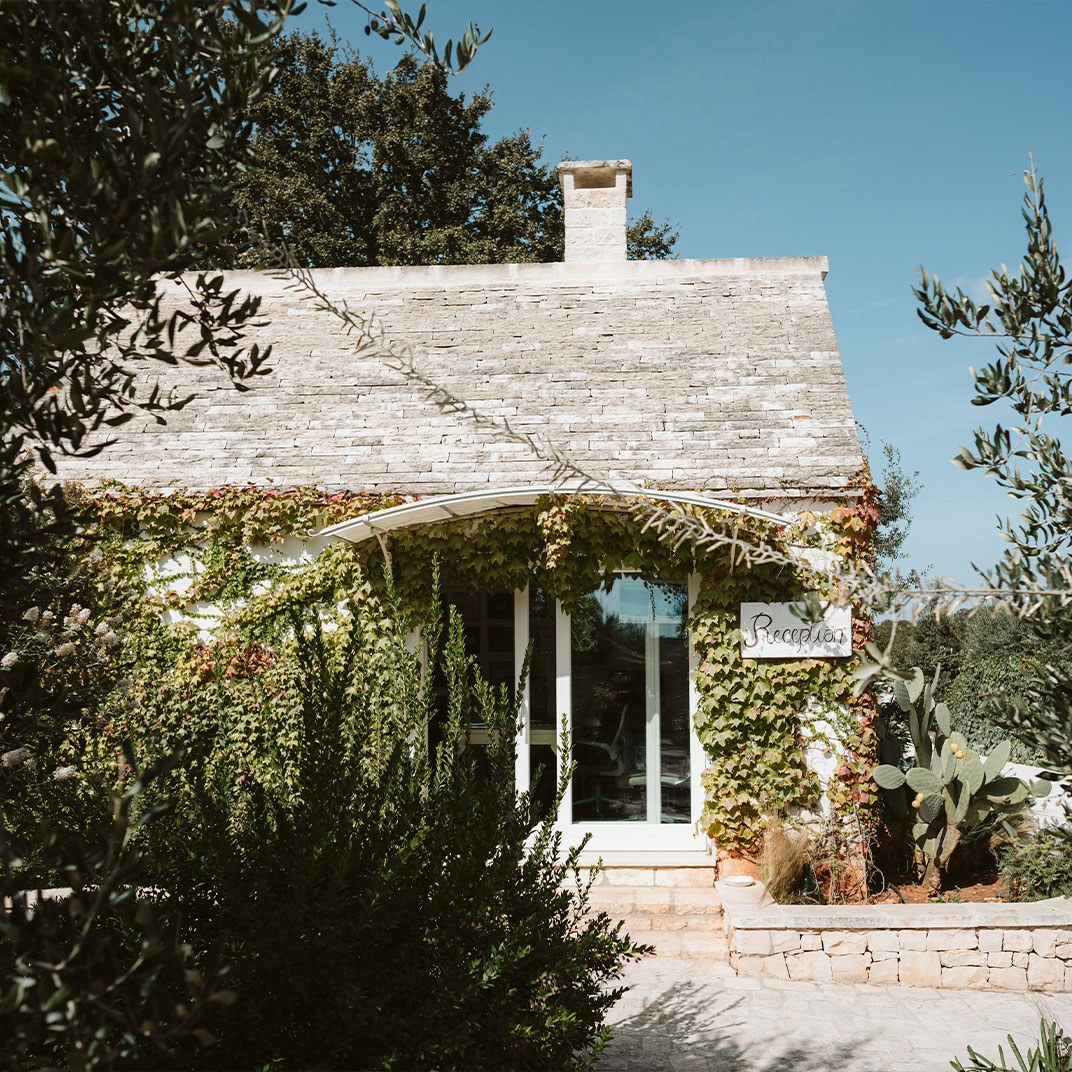
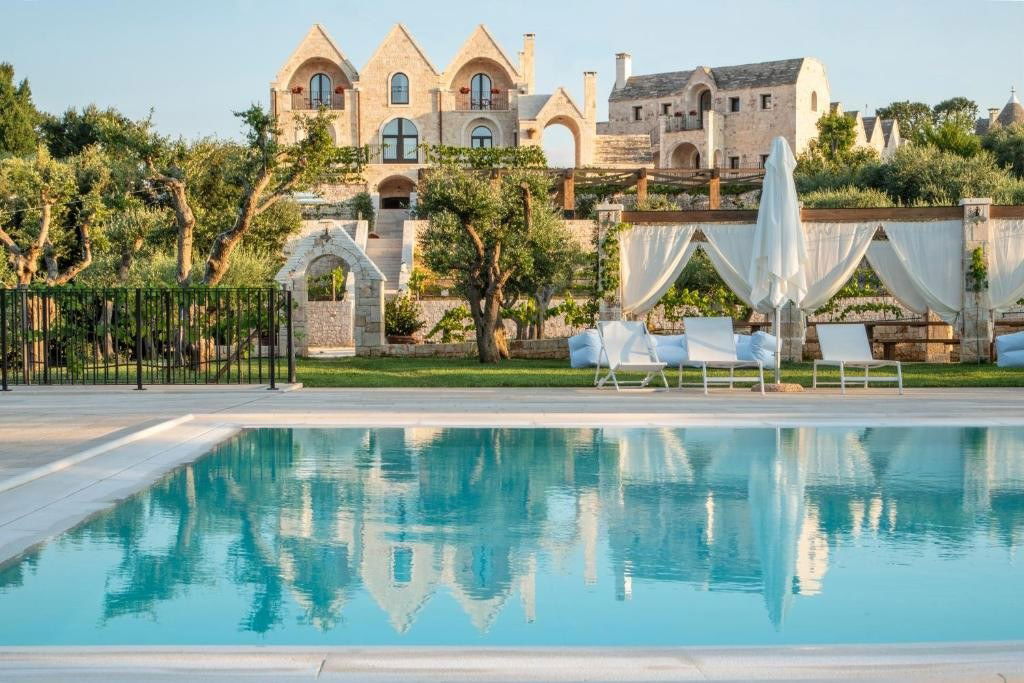
Ottolire Resort reads as a quietly refined, regionally rooted retreat that foregrounds the Itria Valley’s vernacular architecture. Dry-stone walls, whitewashed trulli cones and the masseria’s spatial logic are integral to the aesthetic, so the property feels accumulated over time rather than freshly staged. With just 13 rooms, interiors are spacious but simply furnished, leaning on local stones, terracotta tones and restrained detailing that echo the surrounding hills. The trullo used for the spa underscores the resort’s commitment to local forms. Overall the atmosphere is rustic and historic with an intimate, charming calm that privileges place over show.
Best For
Ottolire is best for travelers seeking a quiet, design-forward escape rooted in place. The boutique scale and seasonally informed architecture make it a natural pick for couples on romantic getaways or milestone celebrations such as anniversaries, while the presence of a spa housed in a trullo supports wellness-minded stays. It also appeals to visitors who appreciate vernacular buildings and slow, attentive renovation work—people who prefer a serene base from which to explore the Valle d’Itria’s stone villages and rolling countryside rather than a flashy, metropolitan hotel experience.
Venue details
Ambiance
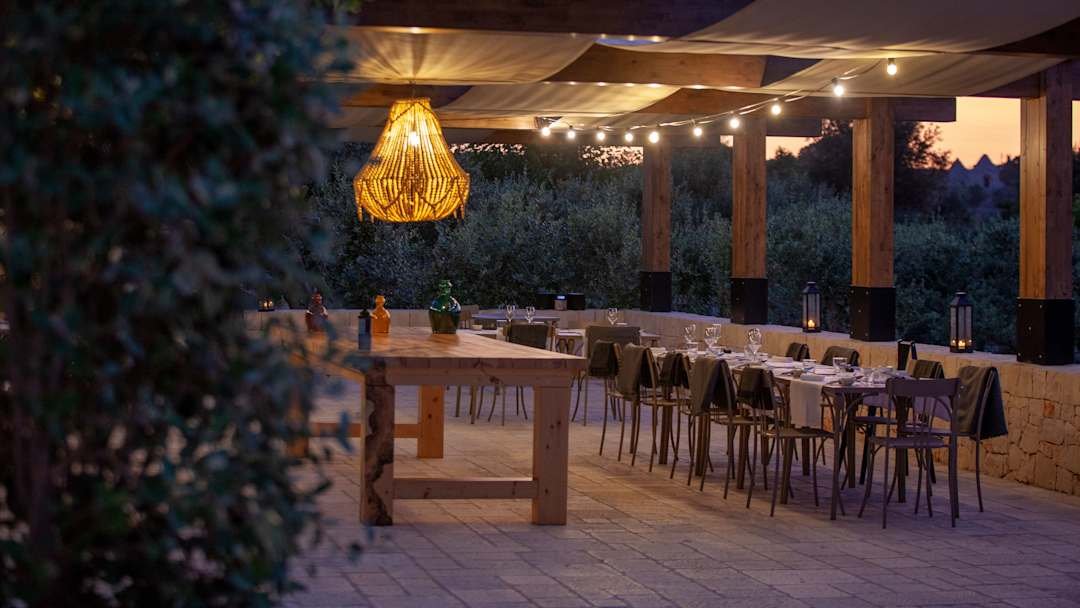
Peaceful and refined, with warm Mediterranean lighting throughout the property, terrace dining overlooking gardens, and a serene pool area surrounded by ancient olive trees and local vines.
Tags
Vibe
Best For
Experience
Amenities
View
Accessibility
About the Stay
- Rooms
- 6
- Check-in
- 16:00
- Check-out
- 10:30
- Property Style
- Contemporary Luxury Resort Designed with Local Artisanal Materials and Traditional Puglian Architecture Integrated Into a Natural Landscape.
- Design Style
- Modern Mediterranean with Locally Crafted Furnishings, Natural Stone, and Minimalist Elegance Emphasizing Connection to the Surrounding Countryside.
Know before you go
Know Before You Go
- Getting there
- SC 107, Contrada Papariello Serafino, 59, 70010 Locorotondo BA
Planning details
Location
SC 107, Contrada Papariello Serafino, 59, 70010 Locorotondo BA · Directions
Recognition and awards
Also consider
Also Consider
- Leonardo Trulli Resort, Notable alternative
- Masseriola Antiche Fogge, Notable alternative
- Borgo Canonica, Notable alternative
- Masseria Torre Maizza, Notable alternative
- Masseria Calderisi, Notable alternative
Hotel context
How It Compares
Ottolire Resort is the stronger choice when the stay needs to feel polished enough for a special occasion, especially with family in tow. Leonardo Trulli Resort is the closer cross-shop for travelers who want the trulli-resort feel around Locorotondo, while Masseriola Antiche Fogge and Borgo Canonica make more sense if the priority is a simpler countryside base rather than a recognition-led stay.
For a bigger resort mood, compare Masseria Torre Maizza and Masseria Calderisi. Those are better fits for travelers who want a more expansive masseria experience and are willing to look beyond Locorotondo. Ottolire Resort is easier to justify when the itinerary is centered on the town and the Valle d'Itria rather than a full-service resort bubble.
If availability is tight, start with Leonardo Trulli Resort for the closest Locorotondo alternative, then widen to Borgo Canonica or Masseriola Antiche Fogge for a quieter-value countryside option. Choose Masseria Torre Maizza or Masseria Calderisi when ambiance and resort depth matter more than being anchored in Locorotondo itself.
Explore Locorotondo
Around this place
Discover more on Pearl
Unlock the full Ottolire Resort guide in Pearl, including awards, comparisons, FAQs, planning details, and nearby places.
Compare Ottolire Resort
| Venue | Location | Awards |
|---|---|---|
| Ottolire Resort | Locorotondo | Michelin 1 Key 20252025 Michelin 1 Key2024 Michelin 1 Key |
| Leonardo Trulli Resort | Locorotondo | No published awards |
| Masseriola Antiche Fogge | Fasano | No published awards |
| Borgo Canonica | Cisternino | No published awards |
| Masseria Torre Maizza | Savelletri di Fasano | 2026 Virtuoso Luxury Hotel Collection2026 Mr & Mrs Smith Luxury Hotels2025 Michelin 1 Key2024 Michelin 1 Key |
| Masseria Calderisi | Savelletri di Fasano | 2026 Virtuoso Luxury Hotel Collection2026 Mr & Mrs Smith Luxury Hotels2025 Michelin 1 Key2024 Michelin 1 Key |

How Ottolire Resort Locorotondo Review: Michelin 1 Key Stay compares with similar nearby venues.
FAQ
Frequently Asked Questions
Is Ottolire Resort family-friendly?
What is confirmed is that Ottolire Resort is in Locorotondo and received Michelin 1 Key recognition in 2024.
How is the location of Ottolire Resort?
Ottolire Resort is in Locorotondo. No more specific location details are included here.
How is the dining at Ottolire Resort?
The confirmed dress code is smart casual.
How is the pool and spa at Ottolire Resort?
Do loyalty programs work at Ottolire Resort?
The confirmed recognition is Michelin 1 Key in 2024.
Which room category is best at Ottolire Resort?
Is Ottolire Resort good for business travel?
Ottolire Resort is in Locorotondo and has Michelin 1 Key recognition from 2024.