
Pieve Aldina
Radda in Chianti, Località Santa Maria Novella
Hotel in Località Santa Maria Novella, Italy
 Book with Pearl
The Read
Pre-Romanesque Terroir Stay
Why go
Pieve Aldina is the safer pick for travelers who want an award-backed Florence-area stay with a quieter feel than a central city hotel. Book it for the property experience and Relais & Châteaux signal, not because the dining is clearly documented as a standalone destination.
About Pieve Aldina
Pieve Aldina is a venue in Località Santa Maria Novella with two planning details: a smart casual dress code and a Relais Chateaux Award (2025).
The 2025 Relais Chateaux Award is a useful quality signal for travelers comparing Pieve Aldina with other premium options.
A Località Santa Maria Novella venue with a clear quality signal
Pieve Aldina is listed in Località Santa Maria Novella.
Pieve Aldina has a smart casual dress code and a 2025 Relais Chateaux Award. If you are deciding whether it fits a trip, confirm any practical requirements directly, including availability, current rates, dining details, and any facilities that matter to your plans.
For trip planning, use the confirmed details as a starting point rather than a complete profile. If the evening plan, room setup, or on-site amenities matter, verify those points with Pieve Aldina before locking the stay.
Who should consider Pieve Aldina
Consider Pieve Aldina if you want a Località Santa Maria Novella venue with a confirmed smart casual dress code and a recognized Relais Chateaux Award from 2025. Those are the reliable hooks available here.
Look elsewhere, or verify more directly before committing, if your decision depends on specifics such as cuisine, chef leadership, room type, price, spa or pool access, or a published restaurant format.
Quick reference: strongest for travelers who value a confirmed quality signal and smart casual setting; weaker for travelers who need detailed public information before choosing.
Planning details
- Location
- Via Guido Monaco, 25, 50144 Firenze FI
- Website
- lesdomainesdefontenille.com/fr/pievealdina.html
- Phone
- +39 0577 191 1511
The take
The Take
The Vibe
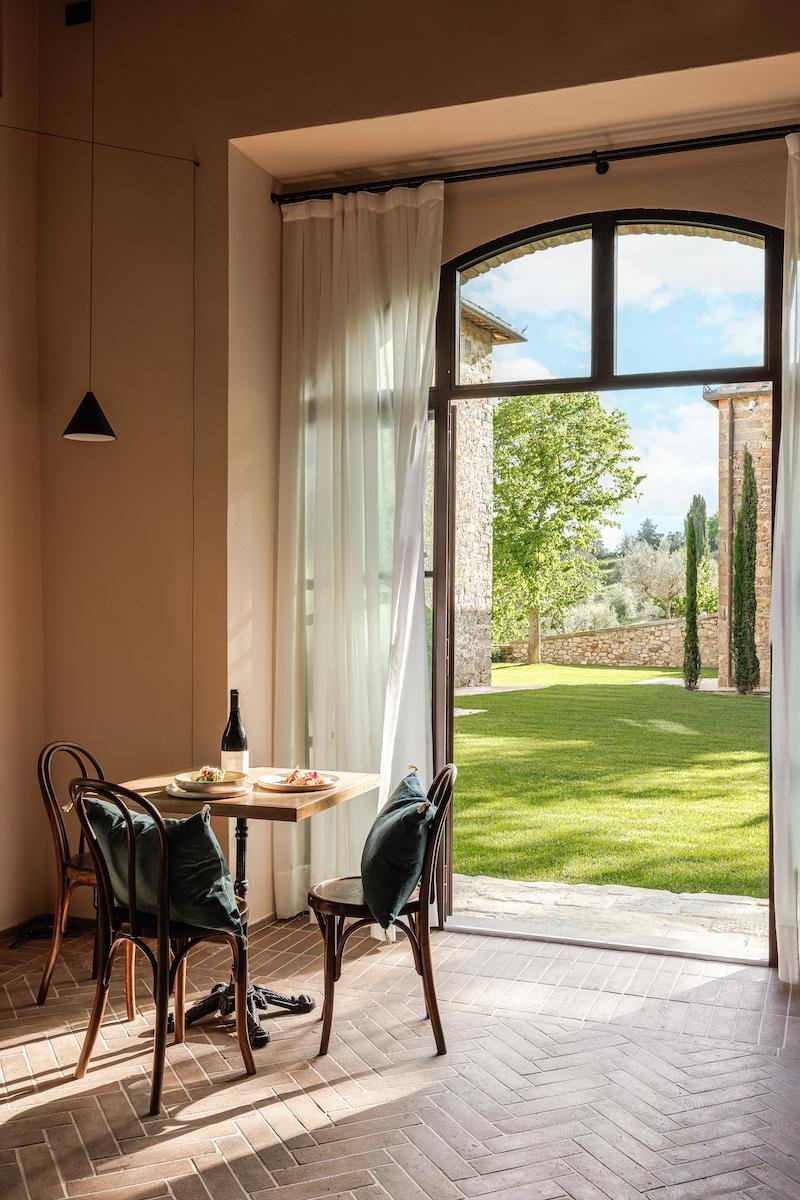
Pieve Aldina reads as an architectural meditation on place. The property is anchored by a historic pieve and a compact arrangement of stone buildings, so the atmosphere privileges material honesty and quiet over theatrical flourish. Interior and exterior interventions aim to clarify the original fabric rather than compete with it, and the scale remains human: low ceilings, loggias and a courtyard create an intimate, contemplative rhythm. Days here are measured by the quality of light through ancient windows and the soft chorus of cicadas at dusk, making the overall mood serene, classically Tuscan and quietly charming.
Best For
This is a stay for travelers who prize silence, light and a strong sense of history. Pieve Aldina suits romantic getaways and anniversaries already associated with the region, and it especially rewards solo explorers or couples seeking a reflective weekend escape. The property’s rural setting and compact, church-centered layout favor slow afternoons in courtyards or under loggias, reading, walking nearby lanes and soaking in panoramic hill views. It’s less about high-energy amenities and more about atmosphere, making it ideal for anyone who wants to experience Chianti’s architectural and pastoral character up close.
Venue details
Ambiance
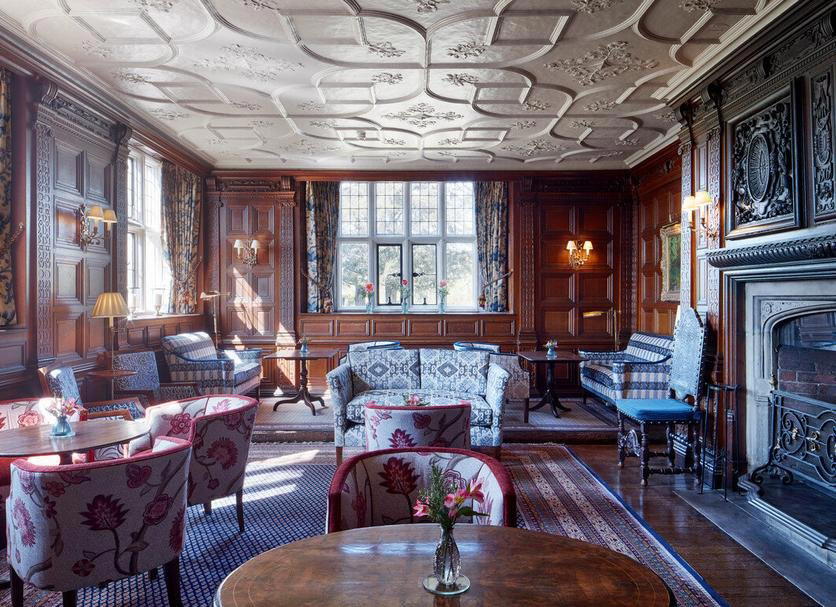
Tranquil and timeless with earthy tones, terracotta floors, lime plaster walls, carved wooden ceilings, and natural light framing verdant countryside views.
Tags
Vibe
Best For
Experience
Amenities
View
About the Stay
- Rooms
- 22
- Property Style
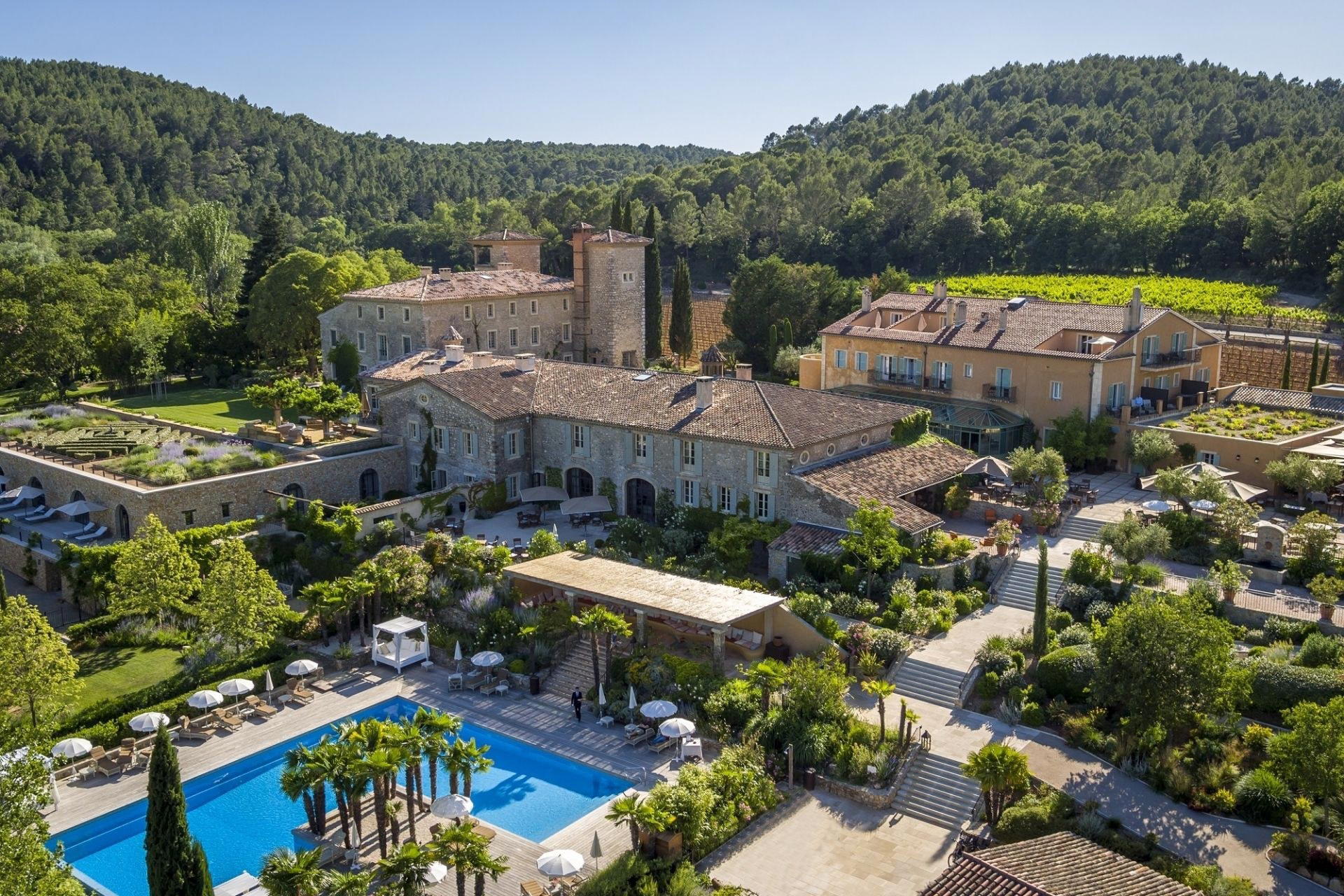
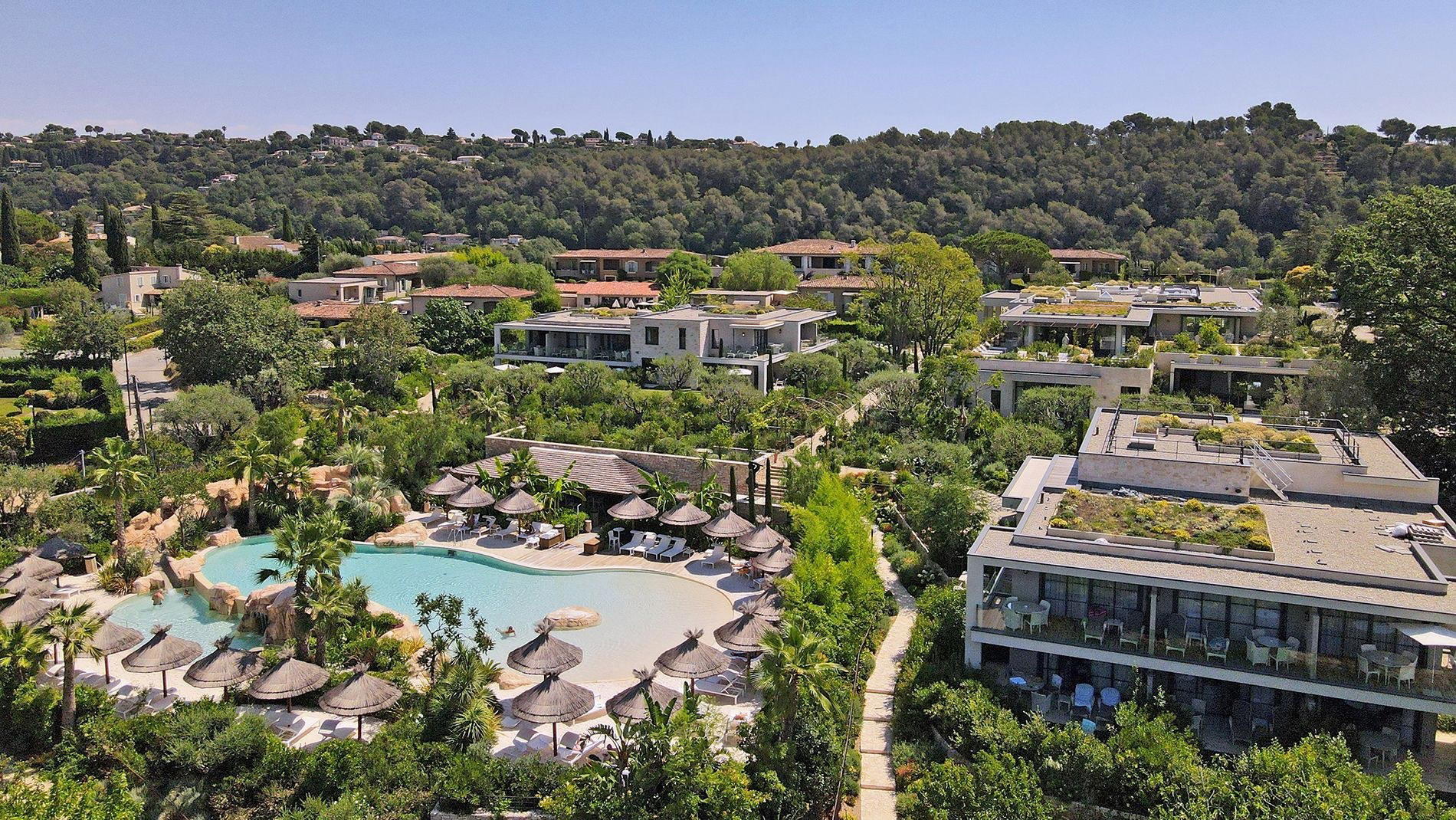
- Restored 12th Century Tuscan Farmhouse Ensemble with Three Historic Buildings Spanning 2,000m² Amid 40 Hectares of Olive Groves.
- Design Style
- Understated Luxury Blending Traditional Tuscan Materials Like Pietraforte Sandstone, Terracotta, Lime Plaster, and Wood with Modern Earthy Palettes and Contemporary Art.
Know before you go
Know Before You Go
- Getting there
- Via Guido Monaco, 25, 50144 Firenze FI
Planning details
Location
Via Guido Monaco, 25, 50144 Firenze FI · Directions
Recognition and awards

Also consider
Also Consider
- Sina Villa Medici, Autograph Collection, Notable alternative
- Velona's Jungle Luxury Suites, Notable alternative
- The Social Hub Florence Lavagnini, Notable alternative
- Casa Howard Firenze - Residenza d'Epoca, Notable alternative
- 4F Boutique Hotel Florence, Notable alternative
Hotel context
How It Compares
Choose Pieve Aldina if the priority is a quieter, award-backed stay with a more composed atmosphere than a large urban hotel. Sina Villa Medici, Autograph Collection is the safer cross-shop for travelers who want a more conventional Florence hotel setup, while Pieve Aldina is the better fit when the stay itself should feel calmer and more personal.
For boutique character, compare it against Velona's Jungle Luxury Suites, Casa Howard Firenze - Residenza d'Epoca, and 4F Boutique Hotel Florence. Those are stronger alternatives if the trip needs a smaller city-stay feel; Pieve Aldina is more compelling when the decision is about a retreat-like base with a recognized hospitality standard.
The Social Hub Florence Lavagnini is the practical counterpoint: pick it for a more casual, utility-driven stay, especially if price and flexibility matter more than ambiance. If the budget allows and the goal is a more polished experience, Pieve Aldina is the more reassuring choice.
Explore Località Santa Maria Novella
Around this place
Discover more on Pearl
Unlock the full Pieve Aldina guide in Pearl, including awards, comparisons, FAQs, planning details, and nearby places.
Compare Pieve Aldina
| Venue | Location | Awards |
|---|---|---|
| Pieve Aldina | Località Santa Maria Novella | 2025 Relais Chateaux Award |
| Sina Villa Medici, Autograph Collection | Florence | 2026 Forbes Recommended2025 Forbes Recommended |
| Velona's Jungle Luxury Suites | Florence | 2025 Michelin 1 Key2024 Michelin 1 Key |
| The Social Hub Florence Lavagnini | Florence | No published awards |
| Casa Howard Firenze - Residenza d'Epoca | Florence | No published awards |
| 4F Boutique Hotel Florence | Florence | No published awards |


How Pieve Aldina compares with similar nearby venues.
FAQ
Frequently Asked Questions
How is the location of Pieve Aldina?
Pieve Aldina is in Località Santa Maria Novella. Use Località Santa Maria Novella as the reliable location reference and confirm exact logistics directly before visiting.
When is the best time to book Pieve Aldina?
The record does not provide booking lead times, seasonal demand patterns, or availability guidance. If timing matters, check directly with Pieve Aldina. The confirmed quality signal is the Relais Chateaux Award (2025). If you are comparing alternatives, you may also review 4F Boutique Hotel Florence.
How is the pool and spa at Pieve Aldina?
Pool and spa details are not available here. Treat wellness facilities as a check-directly item rather than a reason to choose Pieve Aldina. If that feature is important, compare current information with another option such as Velona's Jungle Luxury Suites.
Which room category is best at Pieve Aldina?
No room-category information is available here. Choose based on the current options shown by Pieve Aldina at the time of booking, and confirm any space, quiet, or view preferences directly. For comparison shopping, Casa Howard Firenze - Residenza d'Epoca, Sina Villa Medici, Autograph Collection, and The Social Hub Florence Lavagnini may be useful reference points.