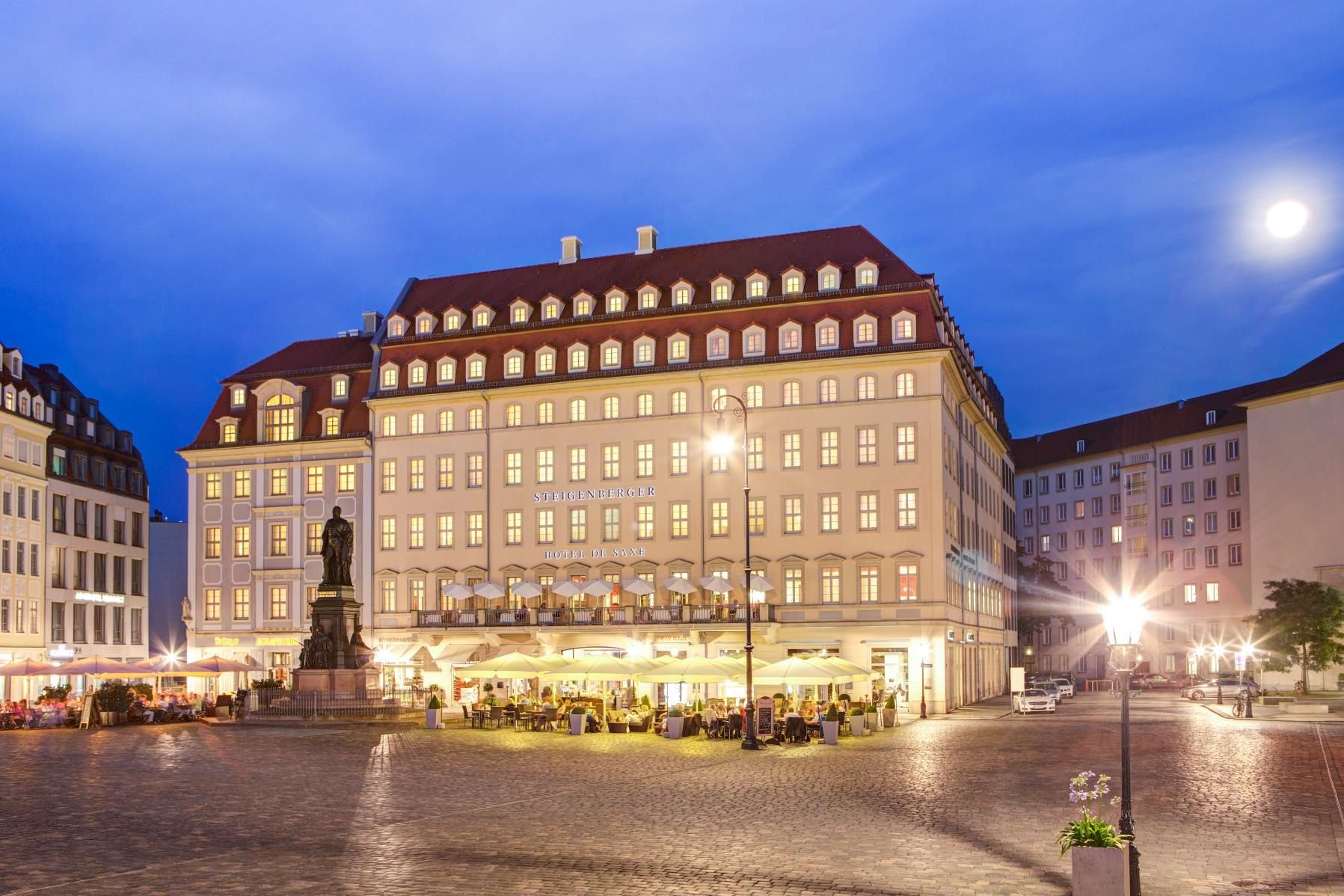

Steigenberger Icon Grandhotel Handelshof
Zentrum, Leipzig
Hotel in Leipzig, Germany
 Book with Pearl
The Read
Heritage Grand-Hotel Precision
Why go
A central Leipzig hotel to book when location, calm atmosphere, and a polished full-service feel matter more than design novelty. The value play is usually a standard or mid-tier room unless extra space will materially improve the stay; cross-shop Hyperion Hotel Leipzig for rail convenience and Vienna Townhouse Bach Leipzig for apartment-style independence.
About Steigenberger Icon Grandhotel Handelshof
For Steigenberger Icon Grandhotel Handelshof in Leipzig, the hotel has La Liste Top Hotels recognition for 2026 with a score of 91 points, and the dress code is smart casual. That makes the safest reading a simple one: consider it when you want a polished Leipzig hotel choice with a confirmed external hotel accolade, but avoid building the decision around assumptions about room types, facilities, dining, or service details.
The booking case is strongest when the name, Leipzig setting, smart-casual tone, and La Liste recognition match the kind of stay you want. If you are comparing other options, keep the comparison practical rather than assumption-led: Hyperion Hotel Leipzig, Vienna Townhouse Bach Leipzig, and Hotel Fürstenhof Leipzig are natural Leipzig cross-shops, while Gasthof Zufriedenheit and Hotel Elephant Weimar are broader regional alternatives to consider separately.
Choose the room for space, not status
The safest value strategy is to compare the live room descriptions directly before booking. Pay for a higher category only if the booking page clearly shows benefits that matter to your stay, such as more space or other confirmed inclusions.
The hotel's La Liste Top Hotels 2026 score of 91 points is the strongest external signal here. Treat that as reassurance that the property has recognized hotel standing, not as proof that every room category or package will be the right value for every guest. The better decision is still the practical one: match the rate to the confirmed room details and the purpose of the trip.
Who should book it, and who should cross-shop
Book this if you want a Leipzig hotel with a smart-casual tone and a confirmed La Liste Top Hotels 2026 recognition. It is a more secure choice for travelers who value a known hotel name and a clear external accolade than for travelers seeking a highly specific feature.
Cross-shop if the stay is driven by price, space, style, or a particular facility. Vienna Townhouse Bach Leipzig, Hyperion Hotel Leipzig, and Hotel Fürstenhof Leipzig are relevant Leipzig comparisons, while Gasthof Zufriedenheit and Hotel Elephant Weimar can be considered as regional alternatives rather than part of the Leipzig hotel set.
Practical read before committing
Before committing, verify the current rate, room description, cancellation terms, and any facilities or services that matter to your stay. The grounded facts support considering Steigenberger Icon Grandhotel Handelshof as a recognized Leipzig hotel with a smart-casual dress code and La Liste Top Hotels 2026 score of 91 points; more specific promises should come from the live booking source at the time you reserve.
Planning details
- Location
- Salzgäßchen 6, 04109 Leipzig
- Website
- hrewards.com/de/steigenberger-icon-grandhotel-handelshof-leipzig
- Phone
- +49 341 3505810
The take
The Take
The Vibe
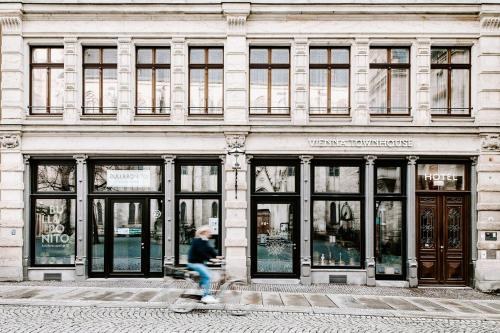
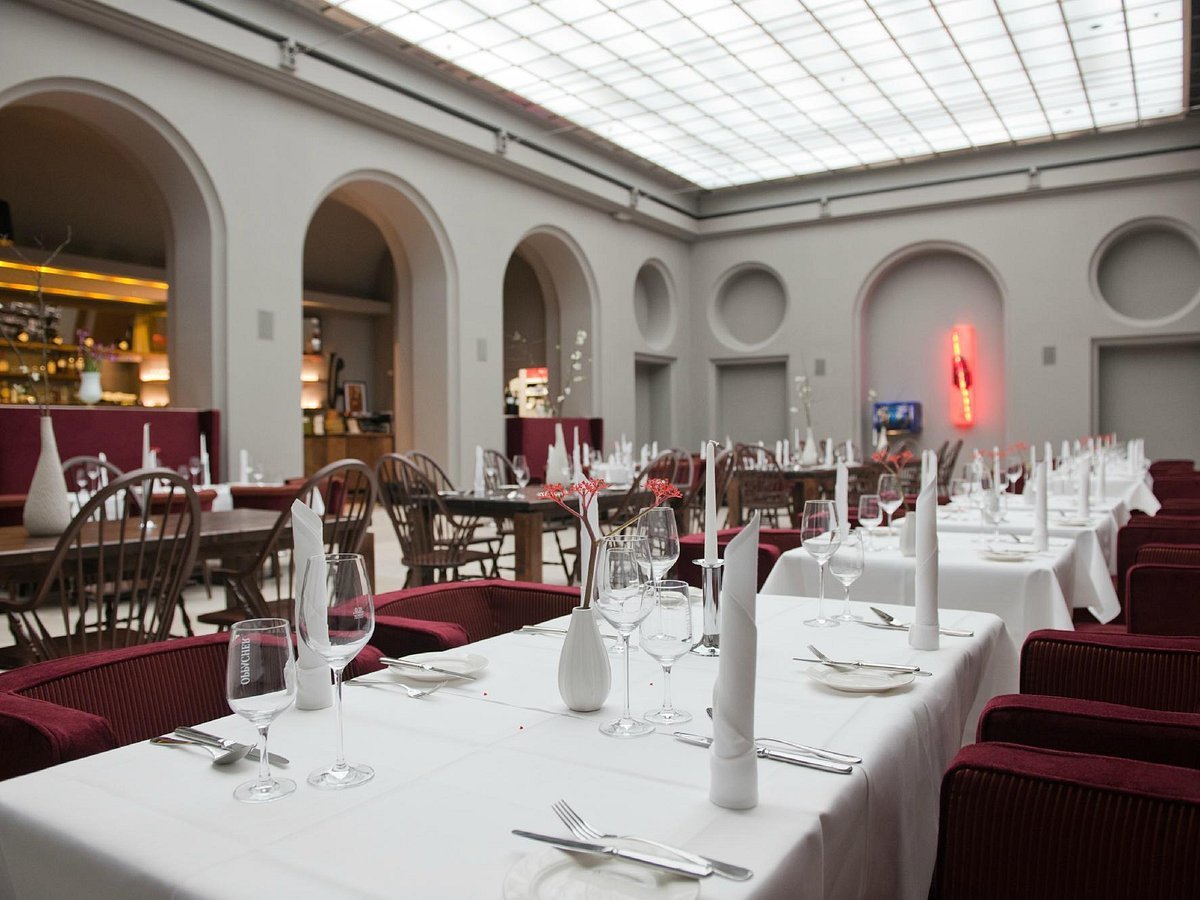
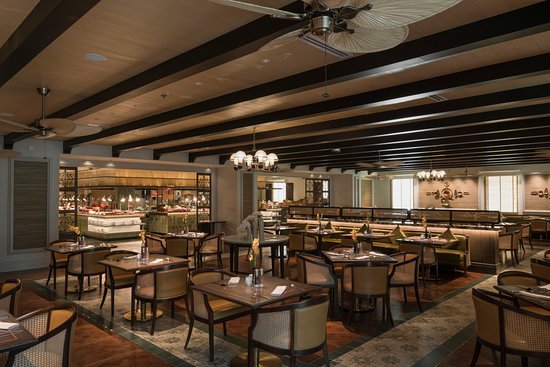
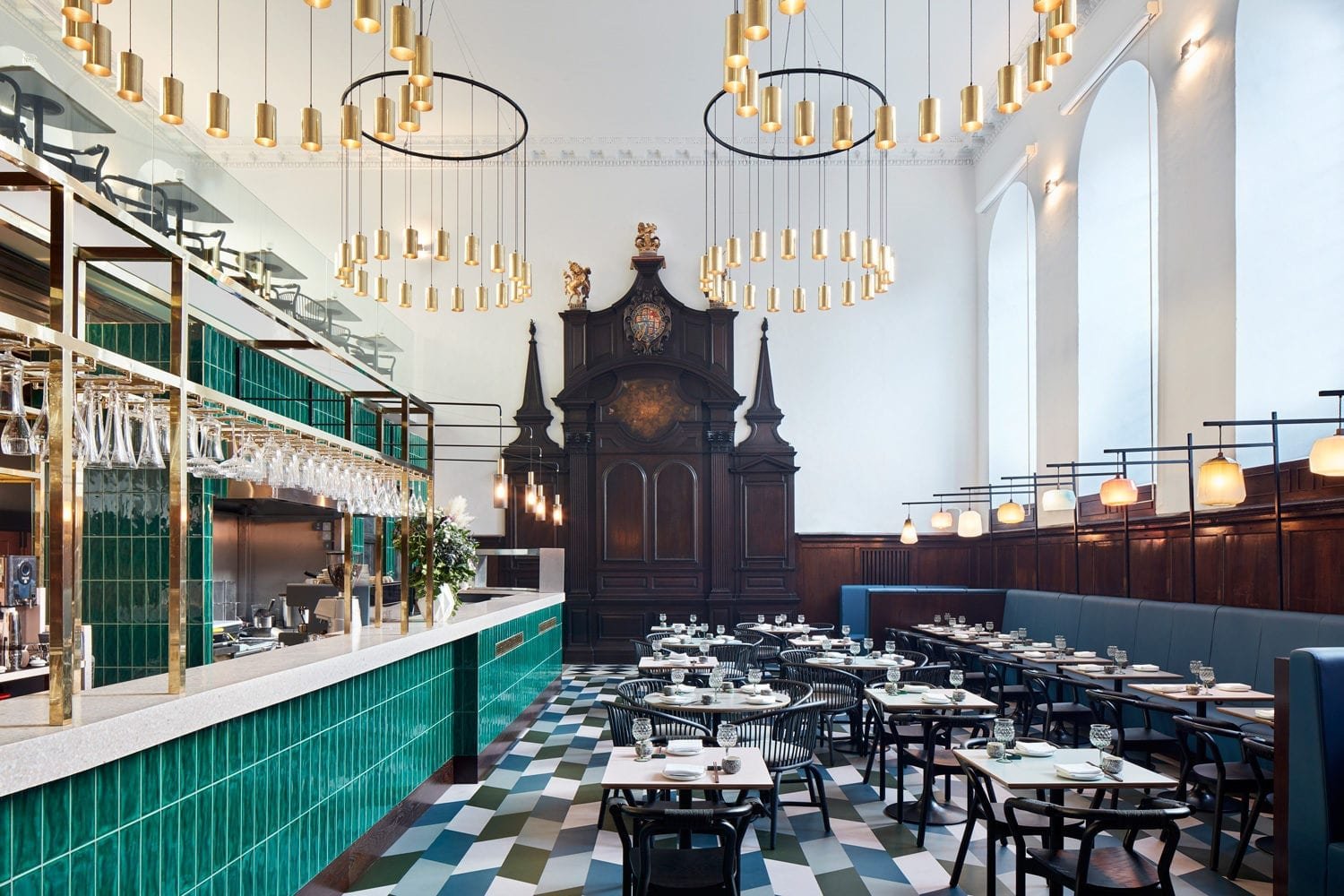
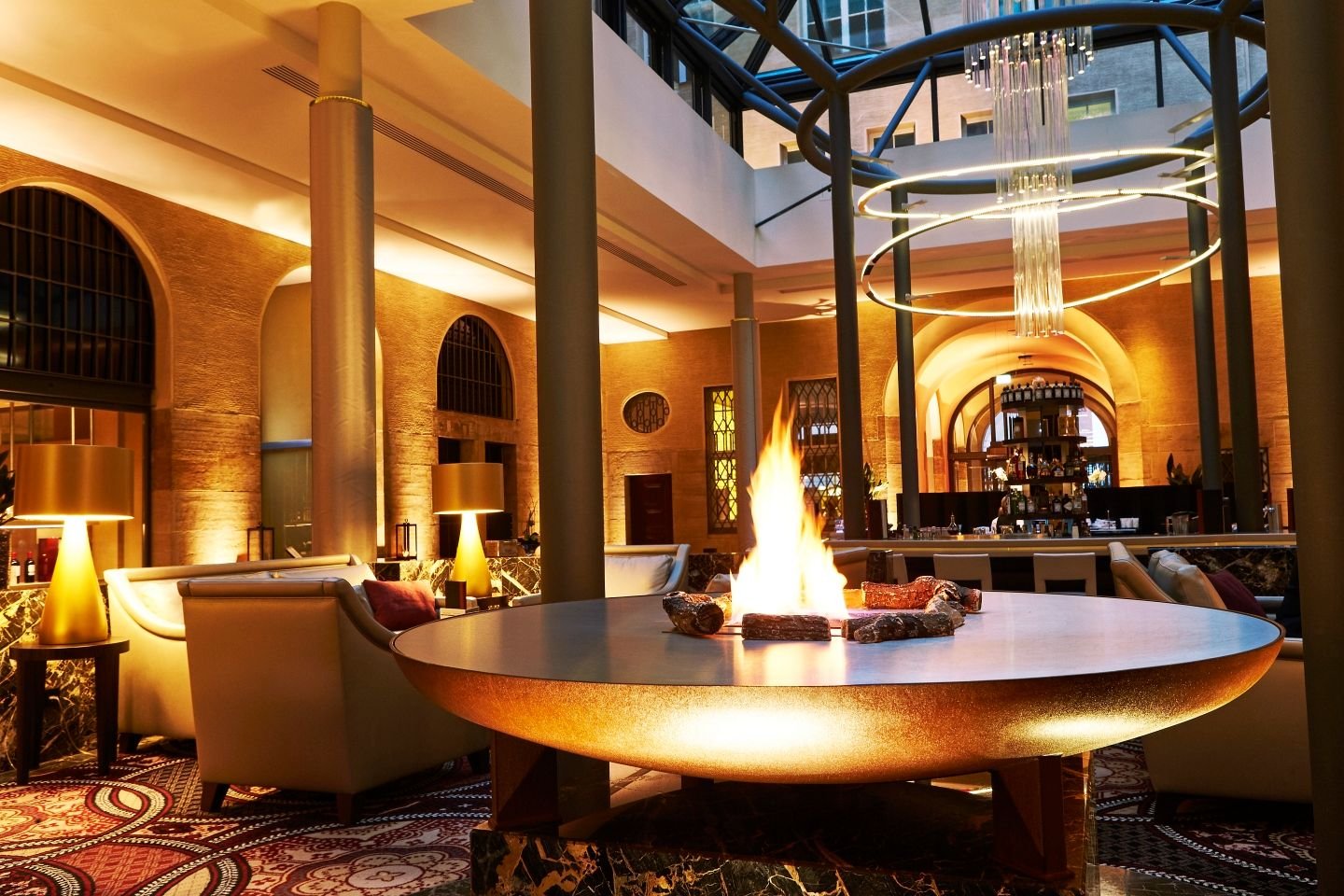
The Steigenberger Icon Grandhotel Handelshof reads as a preserved civic interior: a turn-of-the-century trading house repurposed into a hotel that foregrounds its architectural provenance. High ceilings, generous proportions and restored public spaces keep the building’s commercial past visible, and the property deliberately preserves those bones rather than erasing them. That approach gives the hotel a measured, dignified presence — more museum-like than fashion-forward — where history and hospitality coexist. External recognition such as a 91-point La Liste Leading Hotels score reinforces its standing in Germany’s premium, heritage-rooted cohort.
Best For
The Handelshof suits travellers who prize architectural character alongside dependable hotel standards: business guests attending fairs or meetings, couples on romantic getaways and visitors taking short weekend escapes. Its provenance as a trading-house conversion and its placement in Leipzig’s Zentrum make it convenient for city-centre activities and professional appointments. Public spaces designed with scale and formality are comfortable for meetings and relaxed socialising, so the hotel functions as both a practical base for work and a considered setting for leisure stays.
Venue details
Ambiance
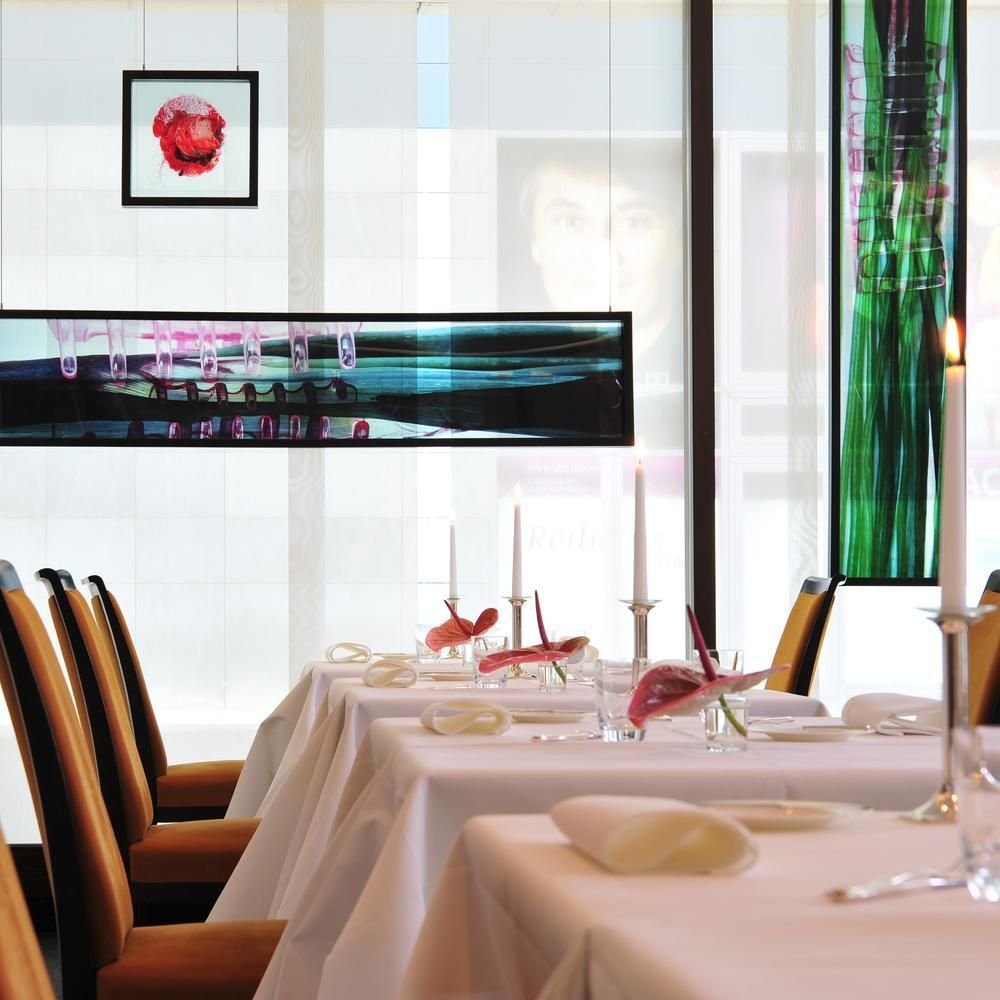
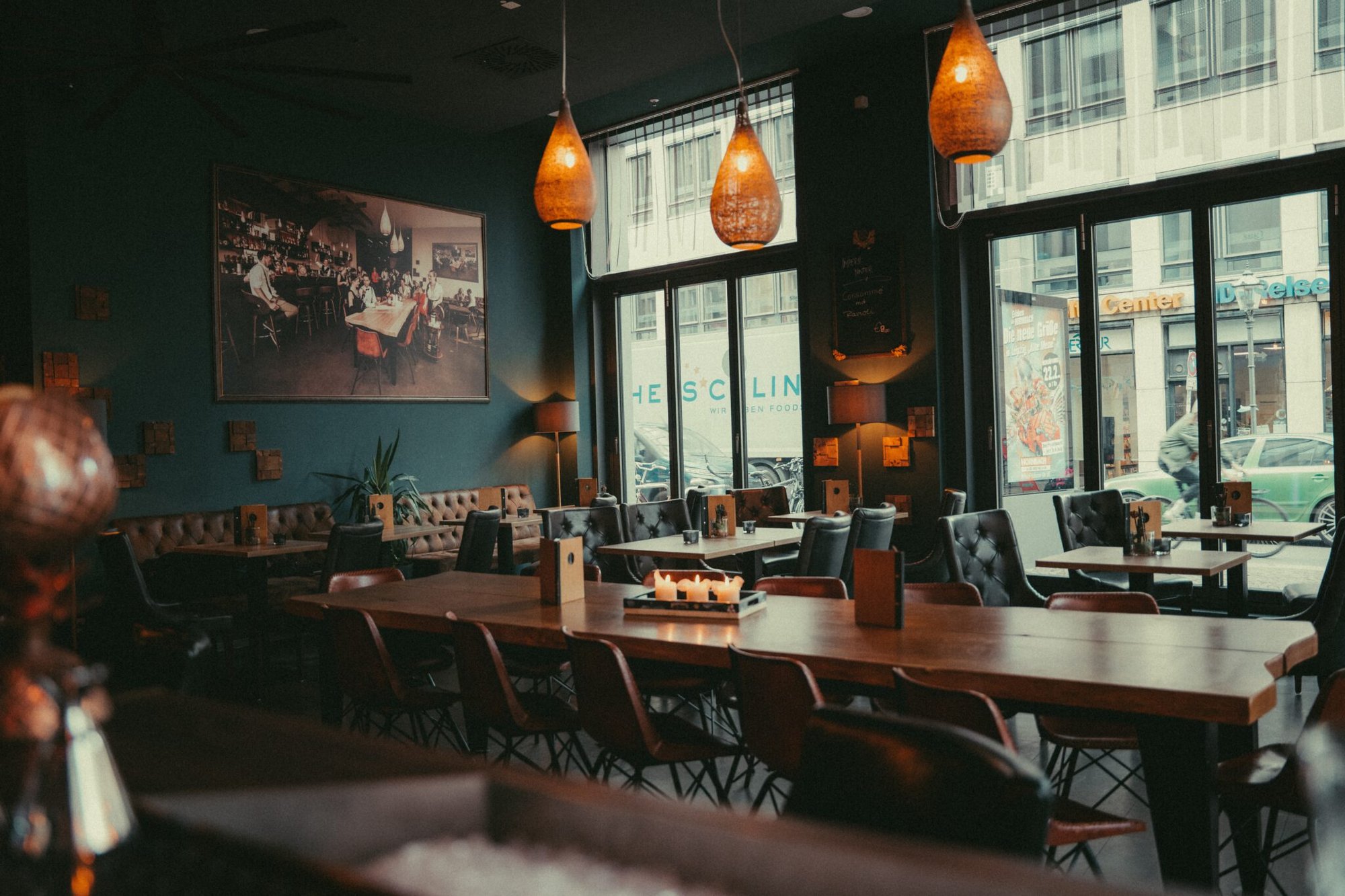
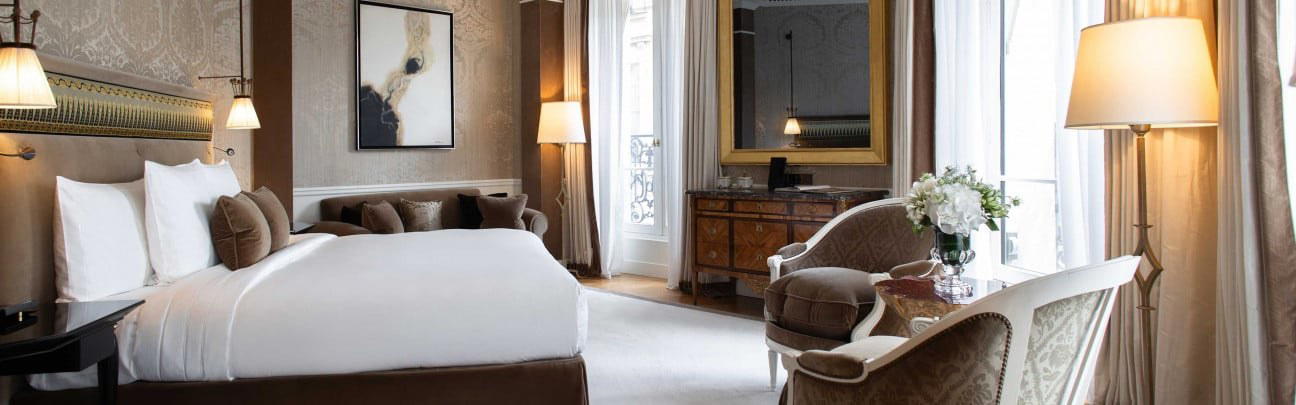
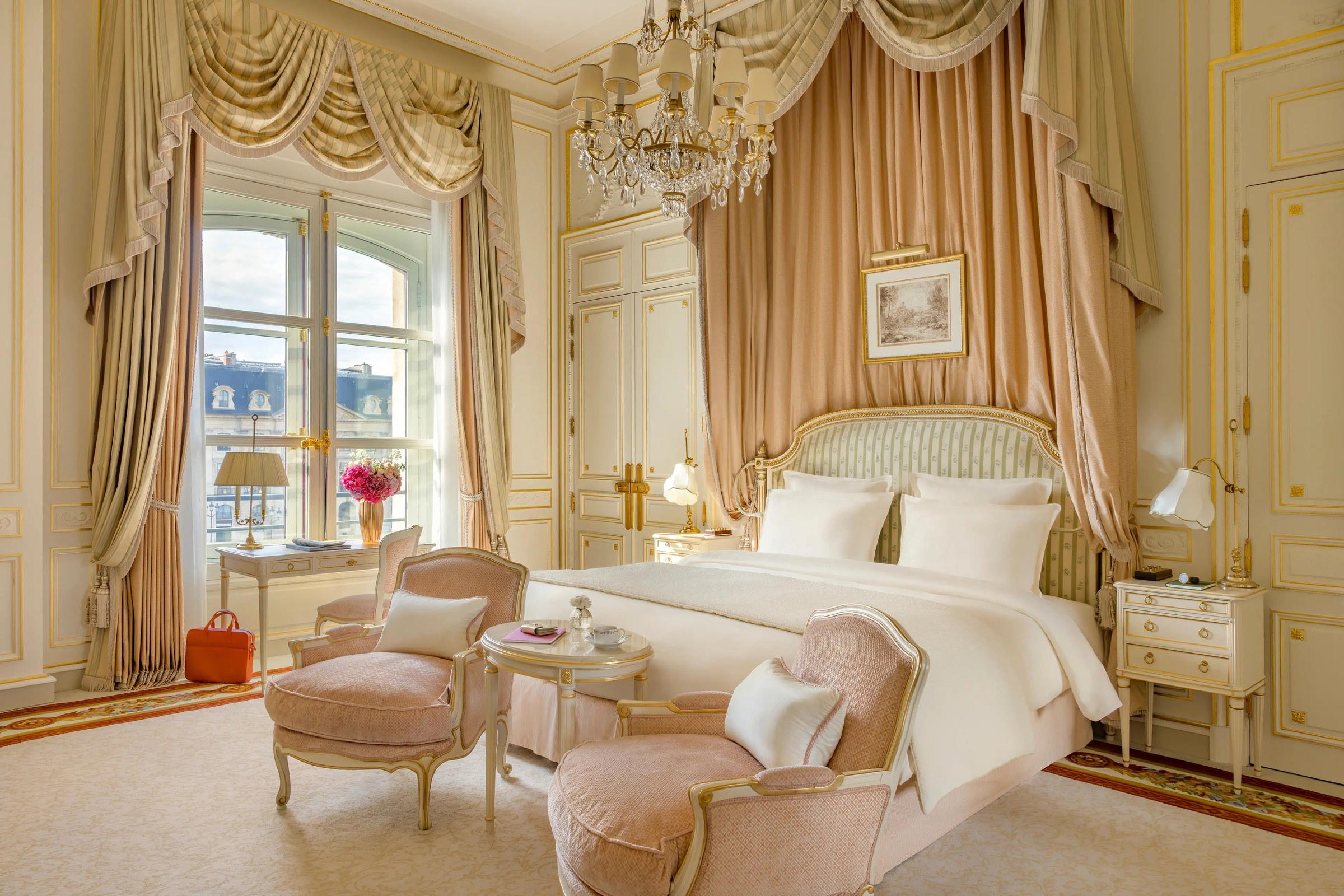
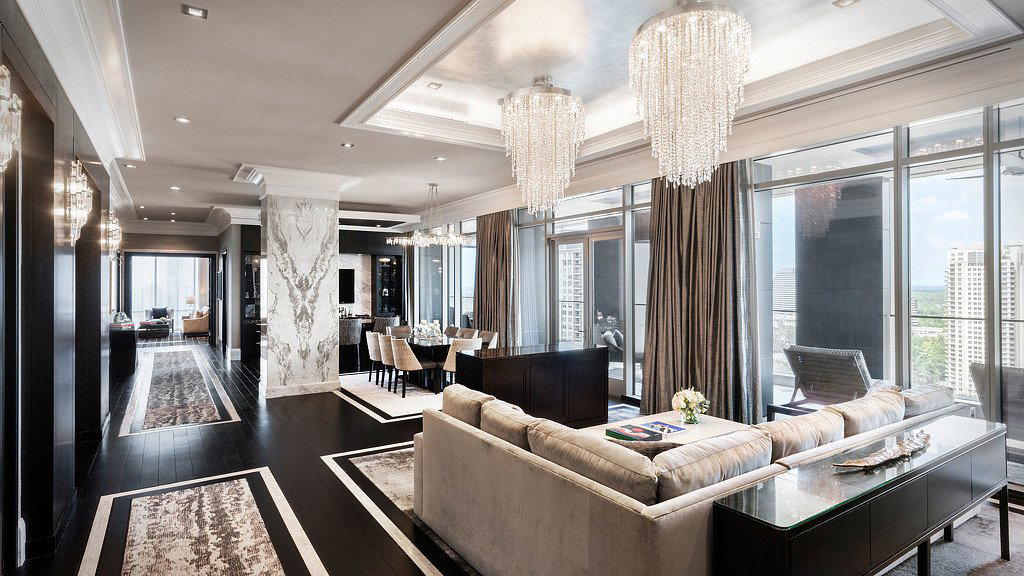
Elegant and quiet atmosphere with soundproofed rooms, modern bathrooms, and a spacious lobby bar; guests praise the high-quality service and feel-good vibe.
Tags
Vibe
Best For
Experience
Amenities
View
Accessibility
About the Stay
- Rooms
- 177
- Check-in
- 15:00
- Check-out
- 12:00
- Property Style
- Modern Luxury Within a Historic Exhibition Building
- Design Style
- Modern with Elegant, Spacious Interiors and High Quality Finishes
Know before you go
Know Before You Go
- Getting there
- Salzgäßchen 6, 04109 Leipzig
Planning details
Location
Salzgäßchen 6, 04109 Leipzig · Directions
hrewards.com/de/steigenberger-icon-grandhotel-handelshof-leipzig
Recognition and awards

Also consider
Also Consider
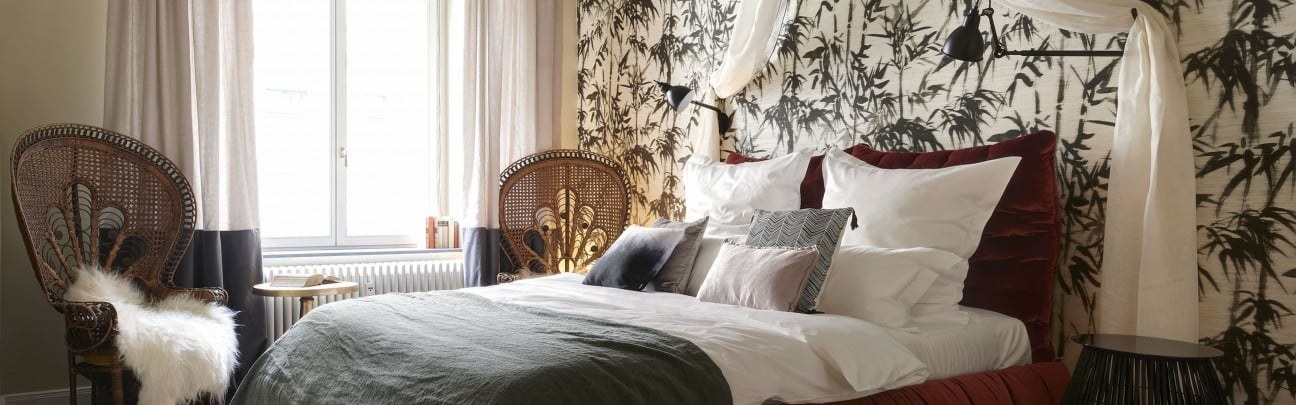
- Vienna Townhouse Bach Leipzig, Notable alternative
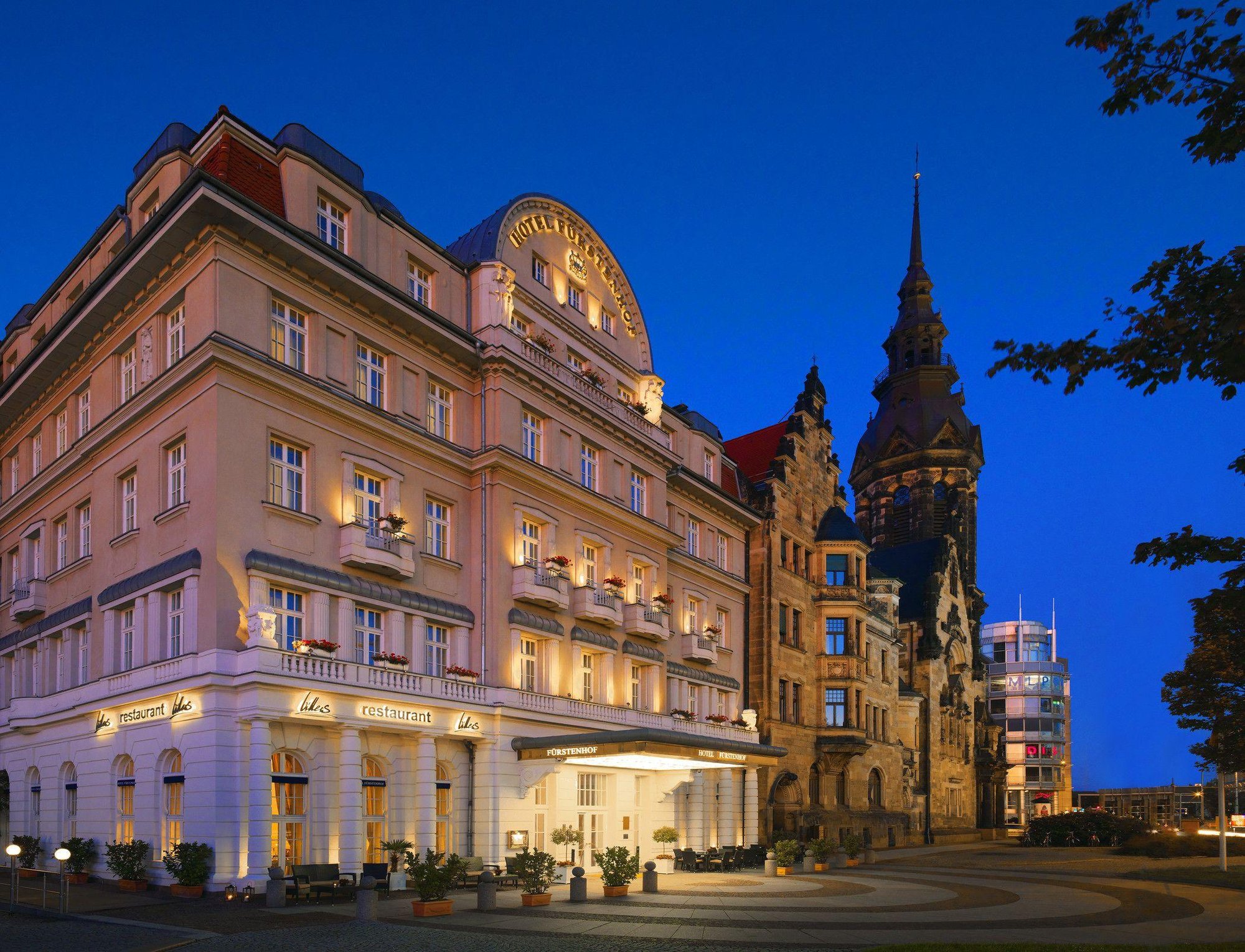
- Hotel Fürstenhof Leipzig, Notable alternative
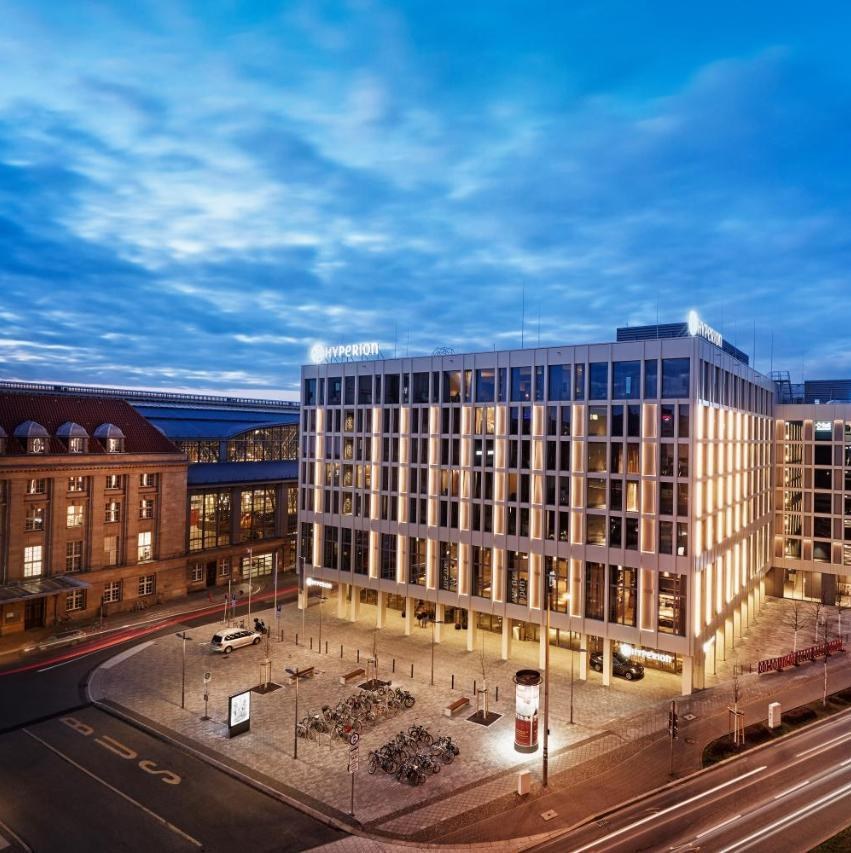
- Hyperion Hotel Leipzig, Notable alternative
- Gasthof Zufriedenheit, Notable alternative
- Hotel Elephant Weimar, Notable alternative
Hotel context
How it compares in Leipzig
Steigenberger Icon Grandhotel Handelshof is the safer central pick if the brief is polished, formal, and easy to book. Vienna Townhouse Bach Leipzig is the better alternative for travelers who value independence and room flexibility over a classic hotel feel. Hyperion Hotel Leipzig is the practical cross-shop for business travelers who care more about transport convenience and a contemporary setup than old-city atmosphere.
Hotel Fürstenhof Leipzig is the peer to check if the trip calls for a more heritage-luxury decision and the rate gap is acceptable. Gasthof Zufriedenheit and Hotel Elephant Weimar sit outside the Leipzig decision for most short stays; choose them only if the itinerary supports leaving the city-centre hotel cluster.
For value, the recommendation is simple: book Handelshof when the central Leipzig address and composed hotel mood justify the rate, but do not automatically pay for the upper room categories. If live pricing pushes too high, Hyperion is the cleaner business fallback and Vienna Townhouse Bach is the better space-led fallback.
Explore Leipzig
Around this place
Discover more on Pearl
Unlock the full Steigenberger Icon Grandhotel Handelshof guide in Pearl, including awards, comparisons, FAQs, planning details, and nearby places.
Compare Steigenberger Icon Grandhotel Handelshof
| Venue | Location | Awards |
|---|---|---|
| Steigenberger Icon Grandhotel Handelshof | Leipzig | 2026 La Liste Top Hotels |
| Vienna Townhouse Bach Leipzig | Leipzig | No published awards |
| Hotel Fürstenhof Leipzig | Leipzig | 2026 La Liste Top Hotels |
| Hyperion Hotel Leipzig | Leipzig | No published awards |
| Gasthof Zufriedenheit | Naumburg | 2026 Michelin 1 Key2025 Michelin 1 Key |
| Hotel Elephant Weimar | Weimar | No published awards |


How Steigenberger Icon Grandhotel Handelshof Leipzig compares with similar nearby venues.
FAQ
Frequently Asked Questions
How is the pool and spa at Steigenberger Icon Grandhotel Handelshof?
Pool and spa details should be confirmed directly with the hotel before booking.
What is check-in like at Steigenberger Icon Grandhotel Handelshof?
Do loyalty programs work at Steigenberger Icon Grandhotel Handelshof?
If points, upgrades, or member rates matter, confirm the current terms before choosing a rate.
When is the best time to book Steigenberger Icon Grandhotel Handelshof?
Compare live rates and cancellation terms for your Leipzig dates, especially if your plans are fixed.
How is the dining at Steigenberger Icon Grandhotel Handelshof?
The confirmed facts are the Leipzig setting, smart-casual dress code, and La Liste Top Hotels 2026 recognition with 91 points; check current dining options directly if meals are important to the stay.
Which room category is best at Steigenberger Icon Grandhotel Handelshof?
Choose based on the current room descriptions, rate differences, and cancellation terms shown at the time of booking.
Is Steigenberger Icon Grandhotel Handelshof good for business travel?
It may be worth considering for a Leipzig stay, especially if the hotel name, smart-casual tone, and La Liste Top Hotels 2026 recognition matter to you. Confirm any business-specific needs, such as workspace, meeting facilities, or connectivity, before booking.