

Thyme
Southrop, Lechlade
Hotel in Lechlade, United Kingdom
 Book with Pearl
The Read
Estate Village Hospitality
Why go
Thyme is worth prioritising for a polished Cotswolds country-house stay, especially when the hotel itself is the point of the trip. Its Michelin 2 Keys and 92.5-point La Liste recognition support the premium positioning, but availability can be tight, so value-seekers should compare rate inclusions and upgrade potential before committing.
About Thyme
92.5 is the number to pay attention to: for a Lechlade stay, Thyme has confirmed recognition that makes it more than a generic overnight option. Its profile is concise but meaningful: Michelin 2 Keys for 2025, a La Liste Top Hotels score of 92.5 points for 2026, and a Mr & Mrs Smith Seal of Approval for 2026.
The value case is clearest for guests who care about choosing a recognised hotel in Lechlade rather than simply finding the lowest-friction place to sleep. If flexibility matters more than confirmed recognition, cross-shop Highway or BULL Burford before locking in a date.
Book for the hotel recognition, check for other details
The safest reason to choose Thyme is its confirmed awards profile. It is a smart-casual Lechlade option with notable hotel recognition, but guests should confirm details such as specific facilities, room categories, dining format, prices, or inclusions.
For value-seekers, the practical move is simple: compare current rates and booking terms through the venue's official channels before assuming any listing tells the full story. At a recognised property, the better choice is often the booking that matches the stay you actually want, rather than the lowest headline rate. If the specific benefits you need are not clearly stated, confirm them directly before committing.
Recognition gives it weight, but details still need checking
Michelin 2 Keys in 2025, a La Liste Top Hotels score of 92.5 points in 2026, and a Mr & Mrs Smith Seal of Approval in 2026 put Thyme on a stronger footing than many hotels with less visible recognition. That does not automatically make it the right booking for every trip. It does mean the stay is easier to justify when confirmed hotel credentials are an important part of the decision.
The practical catch is that its profile does not confirm every stay detail a guest may care about. Before booking, check the current room options, inclusions, cancellation terms, and any facility access directly. If Thyme is not the right fit for the dates or style of trip, Wild Thyme & Honey, The Slaughters Manor House, and Artist Residence Oxfordshire are useful comparison points.
Use Lechlade as the filter for the rest of the trip
Use Lechlade as the planning anchor, then decide whether Thyme's confirmed recognition supports the rest of the trip. Pair the stay with broader area planning, and check current local options directly before assuming the surrounding plan supports the room spend.
The verdict: book Thyme when the venue's confirmed hotel recognition is central to the decision and the current booking terms make sense. Be more cautious if your trip depends on specifics such as dining details, facility access, exact room features, or package inclusions; those should be checked directly before committing.
Planning details
- Location
- Thyme, Southrop Manor, Southrop, Gloucestershire GL7 3NX
- Website
- thyme.co.uk
- Phone
- +44 1367 850174
The take
The Take
The Vibe
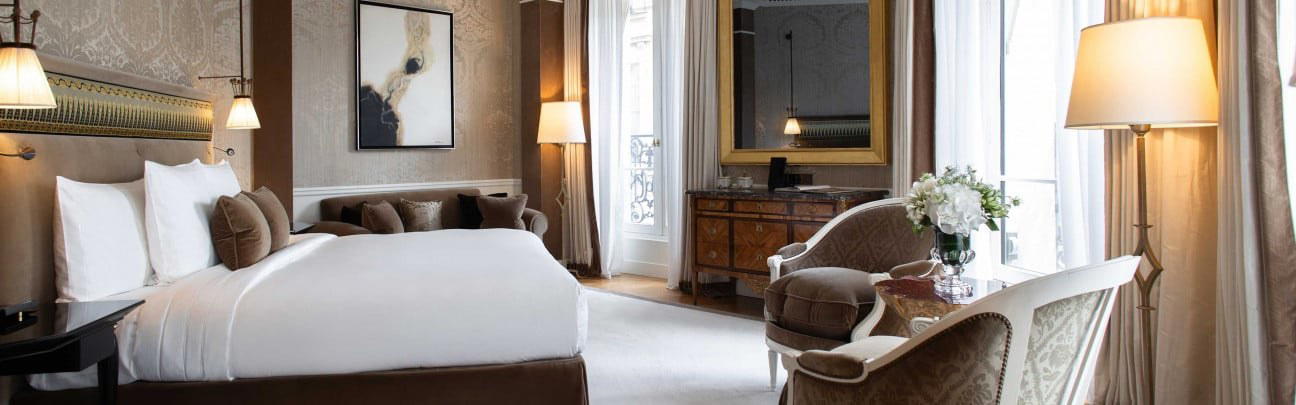
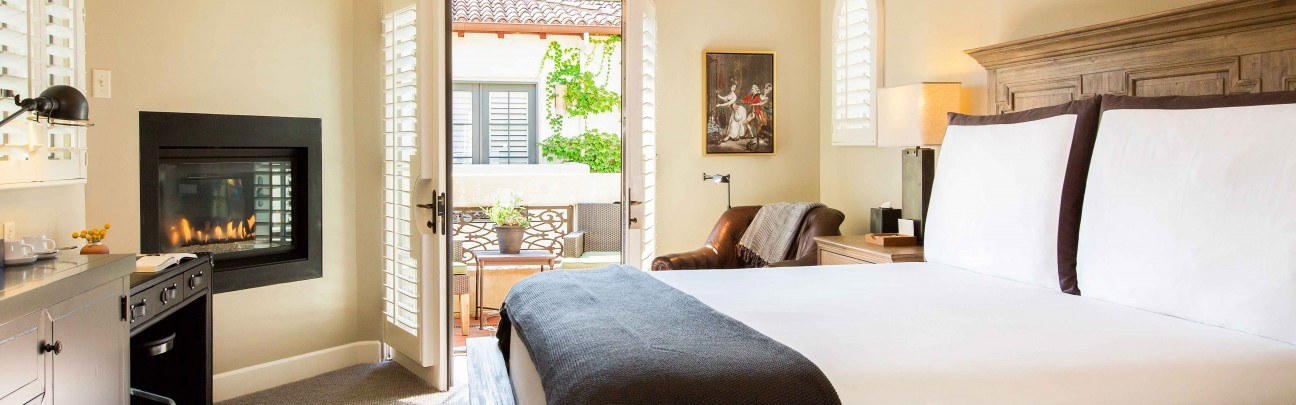
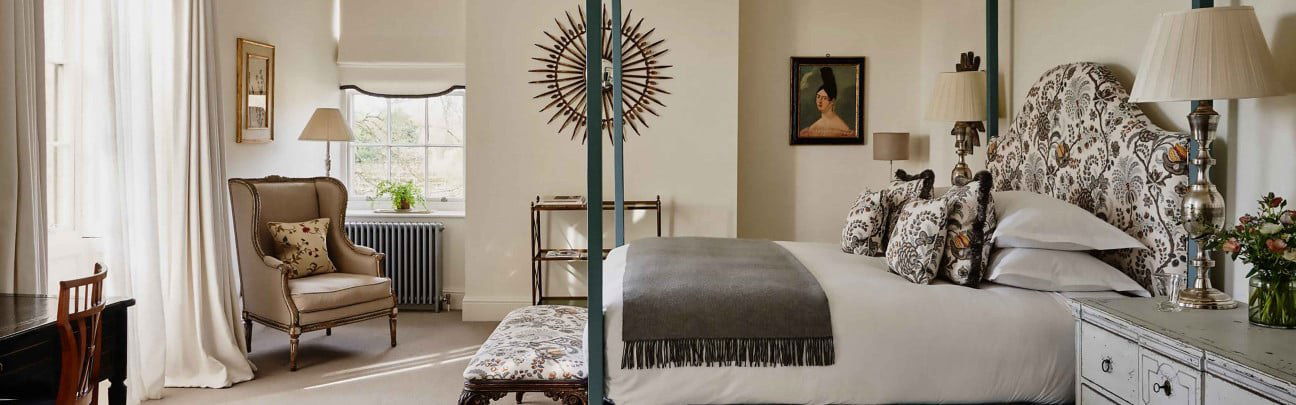
Thyme presents a restrained country-house charm that trusts the existing fabric to set the tone. The restored 17th-century stonework, low ceilings and open fires anchor the property in Cotswold tradition, while a design-led approach quietly refines rather than overhauls. Architecturally, the estate reads as a small village — a cluster of honey-coloured buildings — which gives the place an intimate, unflashy quality. Interiors and public rooms lean into the manor’s patina, so the overall feeling is classic and lived-in rather than minimalist or ultra-modern.
Best For
Thyme suits visitors seeking a restorative, low-key country escape rooted in history and craft. It appeals to anyone who prefers a manor that feels atmospheric rather than theatrical: couples after a romantic respite, guests drawn to slow hospitality, and people interested in hands-on food experiences (the cookery school is a prominent part of the estate). With 31 rooms spread across repurposed buildings and an on-site pub, it also works well for small groups or multi-generation stays that value quiet, considered surroundings over bustling resort-style amenities.
Stay Tips
Book early for any cookery-school classes — the school is a long-established element of the estate’s offer. Allow time to explore the cluster of buildings: the hotel, the old barn and The Swan pub are distinct parts of the property rather than a single compound, so check which building your room occupies if you have accessibility or proximity preferences. Expect traditional country-house comforts (open fires and historic architecture) and embrace the unhurried pace: reservations for on-site eating or activities are sensible, especially at busier times.
Venue details
Ambiance
Elegant and stylish common areas with calming colors, abundant flowers, cozy lounges, fireplaces, and a peaceful, magical atmosphere praised for attention to detail.
Tags
Vibe
Best For
Experience
Amenities
View
About the Stay
- Rooms
- 31
- Check-in
- 15:00
- Check-out
- 11:00
- Property Style
- Cluster of Honey Stone Cottages, Manor Houses, Barns, and Pub in a Serene Cotswolds Village Estate.
- Design Style
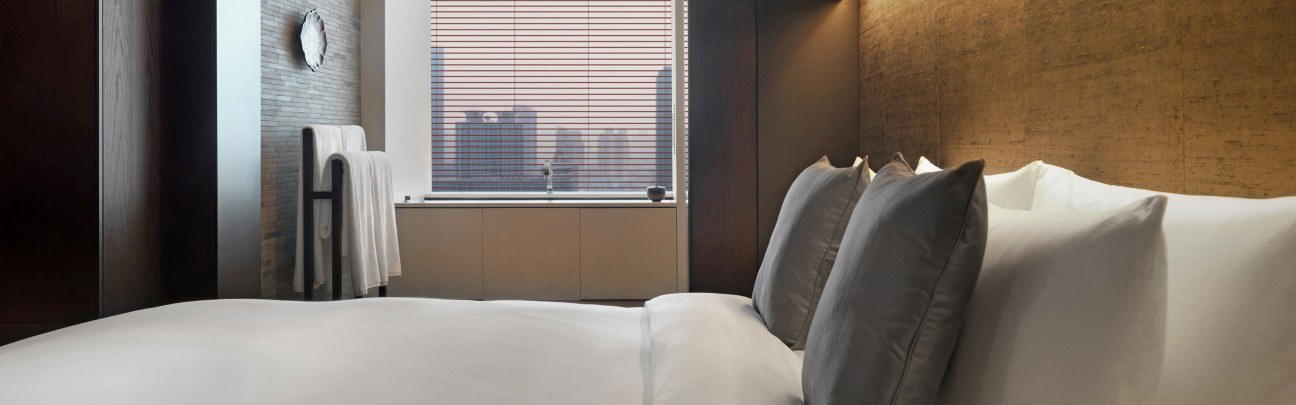
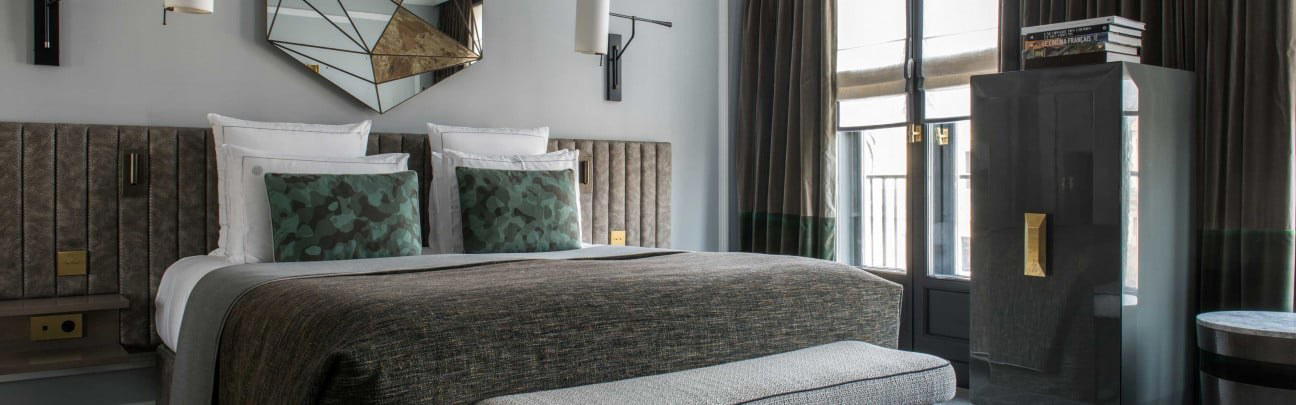
- Country Chic with Calming Colors, Stylish Fabrics, Tongue and Groove Paneling, Rolltop Baths, and Meticulous Attention to Detail.
Know before you go
Know Before You Go
- Getting there
- Thyme, Southrop Manor, Southrop, Gloucestershire GL7 3NX
Planning details
Location
Recognition and awards

Also consider
Where to look if Thyme is full
Start with Wild Thyme & Honey if the goal is another countryside stay in the same broad mood. For a more character-led alternative, check Artist Residence Oxfordshire before widening the search.
Hotel context
How it compares
Thyme is the strongest choice in this set when the stay needs to feel occasion-led and hotel-centric. Its Michelin 2 Keys and La Liste 92.5-point score give it more external validation than the named alternatives here, so it makes sense for travellers willing to plan ahead and pay for a more polished country-house experience.
Highway and BULL Burford are better cross-shops if the priority is a simpler Cotswolds stop with less booking pressure. Wild Thyme & Honey and The Slaughters Manor House are more relevant if the decision is about countryside atmosphere and a lower-friction booking rather than chasing the highest-recognition option.
Artist Residence Oxfordshire is the one to consider if a more character-led stay is the goal. Thyme is the pick when awards, rural setting, and a planned weekend matter more than spontaneity; the others are safer if dates, budget, or availability are driving the decision.
Explore Lechlade
Around this place
Discover more on Pearl
Unlock the full Thyme guide in Pearl, including awards, comparisons, FAQs, planning details, and nearby places.
Compare Thyme
| Venue | Location | Awards |
|---|---|---|
| Thyme | Lechlade | 2026 Michelin Guide New Hotels2026 Mr & Mrs Smith Luxury Hotels2026 La Liste Top Hotels2026 Michelin 2 KeysMichelin 2 Keys 20252025 Michelin 2 Keys |
| Highway | Burford | No published awards |
| BULL Burford | Burford | 2026 Michelin 1 Key2025 Michelin 1 Key |
| Wild Thyme & Honey | Cirencester | No published awards |
| The Slaughters Manor House | Lower Slaughter | No published awards |
| Artist Residence Oxfordshire | Oxford | 2026 Mr & Mrs Smith Luxury Hotels2026 Michelin 1 Key2025 Michelin 1 Key |


How Thyme Lechlade compares with similar nearby venues.
FAQ
Frequently Asked Questions
How does Thyme compare to other hotels in the area?
Thyme stands out for confirmed recognition: Michelin 2 Keys, a La Liste Top Hotels score of 92.5 points, and a Mr & Mrs Smith Seal of Approval. Highway and BULL Burford may suit travellers considering Burford, while Wild Thyme & Honey, The Slaughters Manor House, and Artist Residence Oxfordshire are useful broader comparisons for a stay in the area.