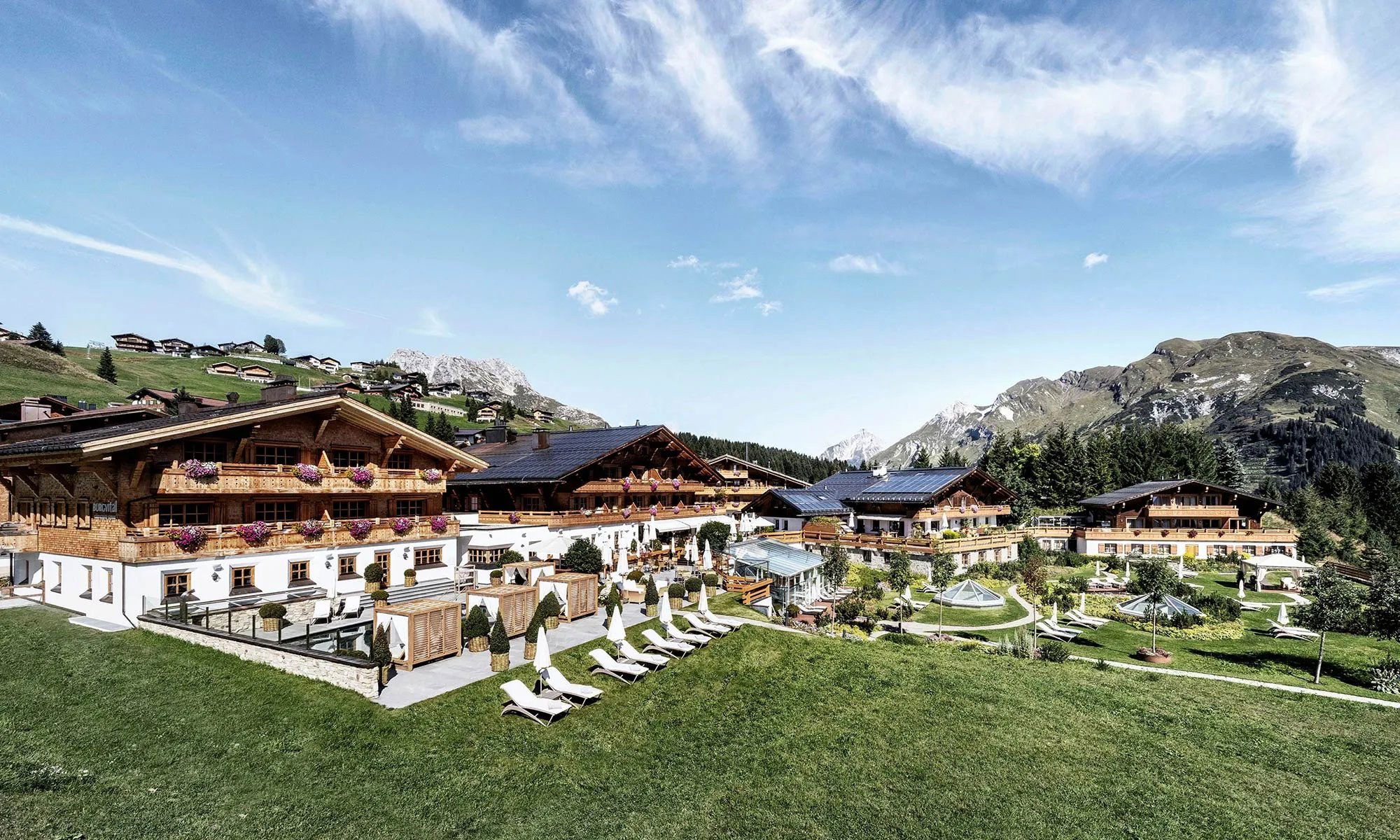



Burg Vital Resort
Oberlech, Lech am Arlberg
Hotel in Lech am Arlberg, Austria
 Book with Pearl
The Read
High-Altitude Chalet Seclusion
Why go
Burg Vital Resort is a strong Lech choice for families and repeat visitors who want an upscale Oberlech base with less town-centre friction. Book it for comfort, recognition, and a calmer alpine setting; compare chalet options if the trip needs full privacy or a large private-house format.
About Burg Vital Resort
For a Lech am Arlberg trip, Burg Vital Resort has Michelin 1 Key recognition for 2025, is part of the Preferred Hotels L.V.X. Collection for 2025, and appears in La Liste Top Hotels 2026 with 97.5 points. The dress code is smart casual. Beyond those points, specific claims about rooms, facilities, meal formats, service details, or family amenities should be confirmed directly before booking.
Book it for a recognized hotel stay in Lech am Arlberg
Burg Vital Resort is worth shortlisting if the priority is a hotel stay in Lech am Arlberg with recognition. It is a recognized resort, but details regarding particular room layouts, children's facilities, dining formats, ski access, or other operational details should be confirmed.
Use the accolades as quality signals, then verify the practical fit with the property: room category, arrival logistics, inclusions, dining availability, and any special requirements. For guests comparing several Lech am Arlberg stays, the key decision is whether Burg Vital Resort's recognition and smart-casual dress code match the trip's priorities.
Who should choose it over a chalet
Choose Burg Vital Resort if the group wants a recognized hotel in Lech am Arlberg and the smart-casual dress code suits the trip. If the group is also considering named chalet options, The Arula Chalets or Chalet 1551 may be relevant alternatives to compare.
The safest approach is to treat Burg Vital Resort as a hotel candidate with recognition, then confirm the specifics directly before committing. If the goal is a Lech am Arlberg hotel with Michelin 1 Key recognition and Preferred Hotels L.V.X. Collection affiliation, it belongs on the shortlist. If the goal is to compare different types of stays in Lech am Arlberg it carefully alongside chalet options before booking.
Inside Burg Vital Resort
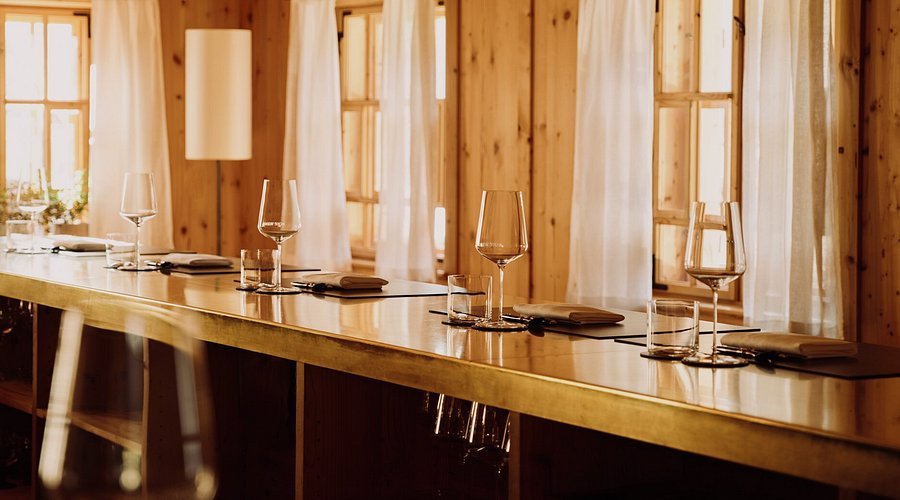
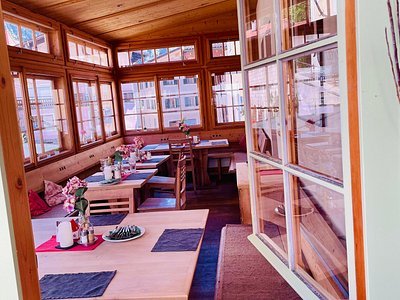
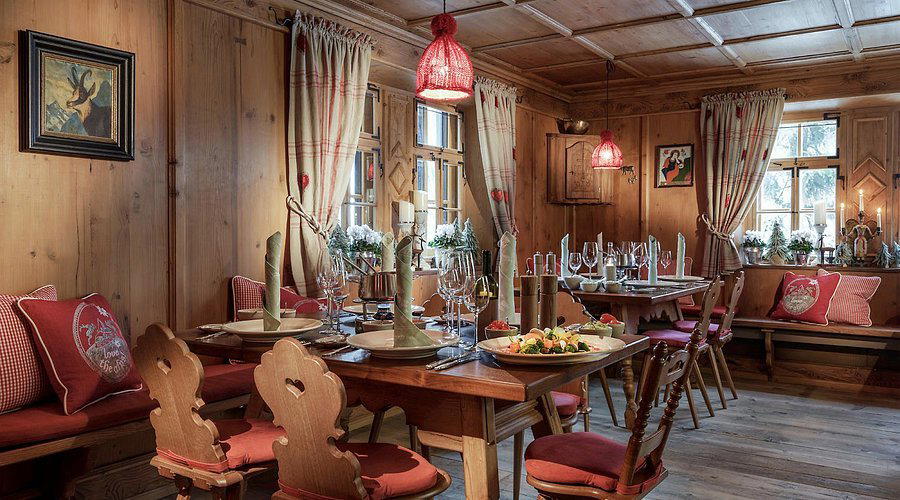 restaurantGriggeler StubaGriggeler Stuba is a restaurant in Oberlech, Austria.
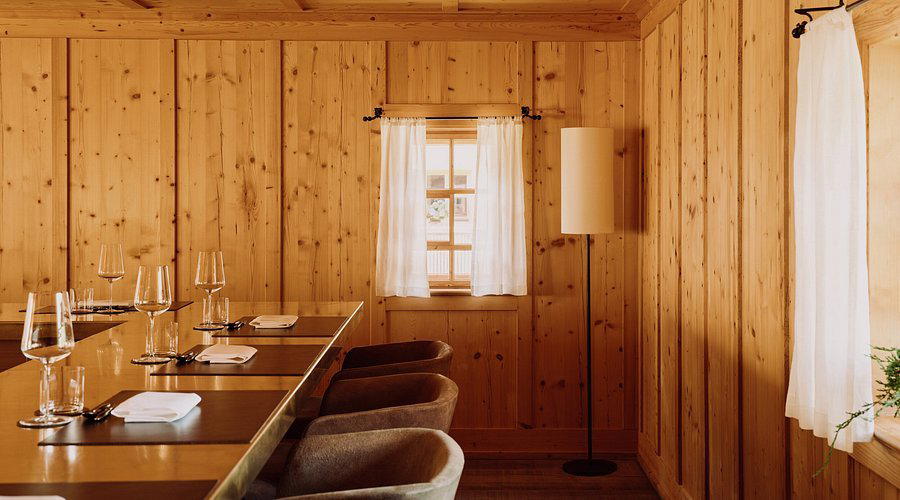 restaurantPiceaPicea is the signature restaurant of the five-star Burg Vital Resort in Oberlech, where chef Thorsten Probost builds menus around small-scale Austrian producers and a low-glycaemic cooking philosophy he calls vitalCOOKING. Holding a Michelin Plate in both 2024 and 2025, it sits in Lech's top tier of hotel-anchored dining, where regional sourcing and alpine produce define the editorial identity of the kitchen.
Planning details
- Location
- Oberlech 568, 6764 Lech
- Website
- burgvitalresort.com
- Phone
- +43 5583 3140
The take
The Take
The Vibe
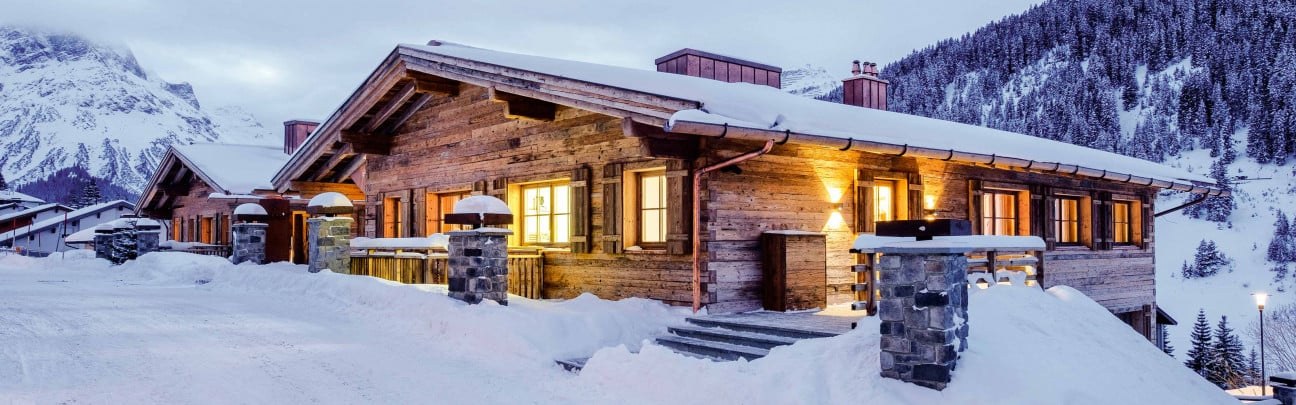
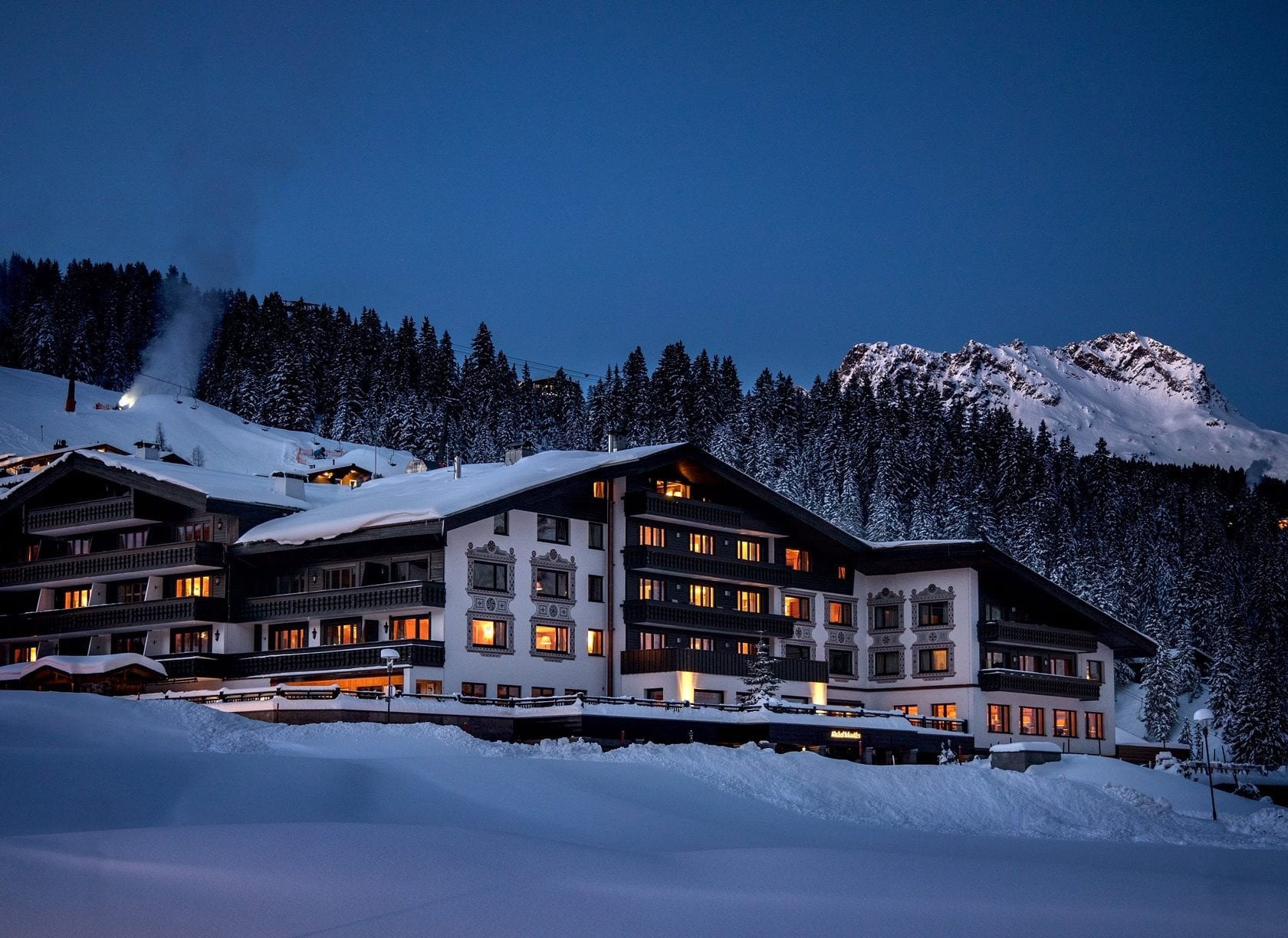
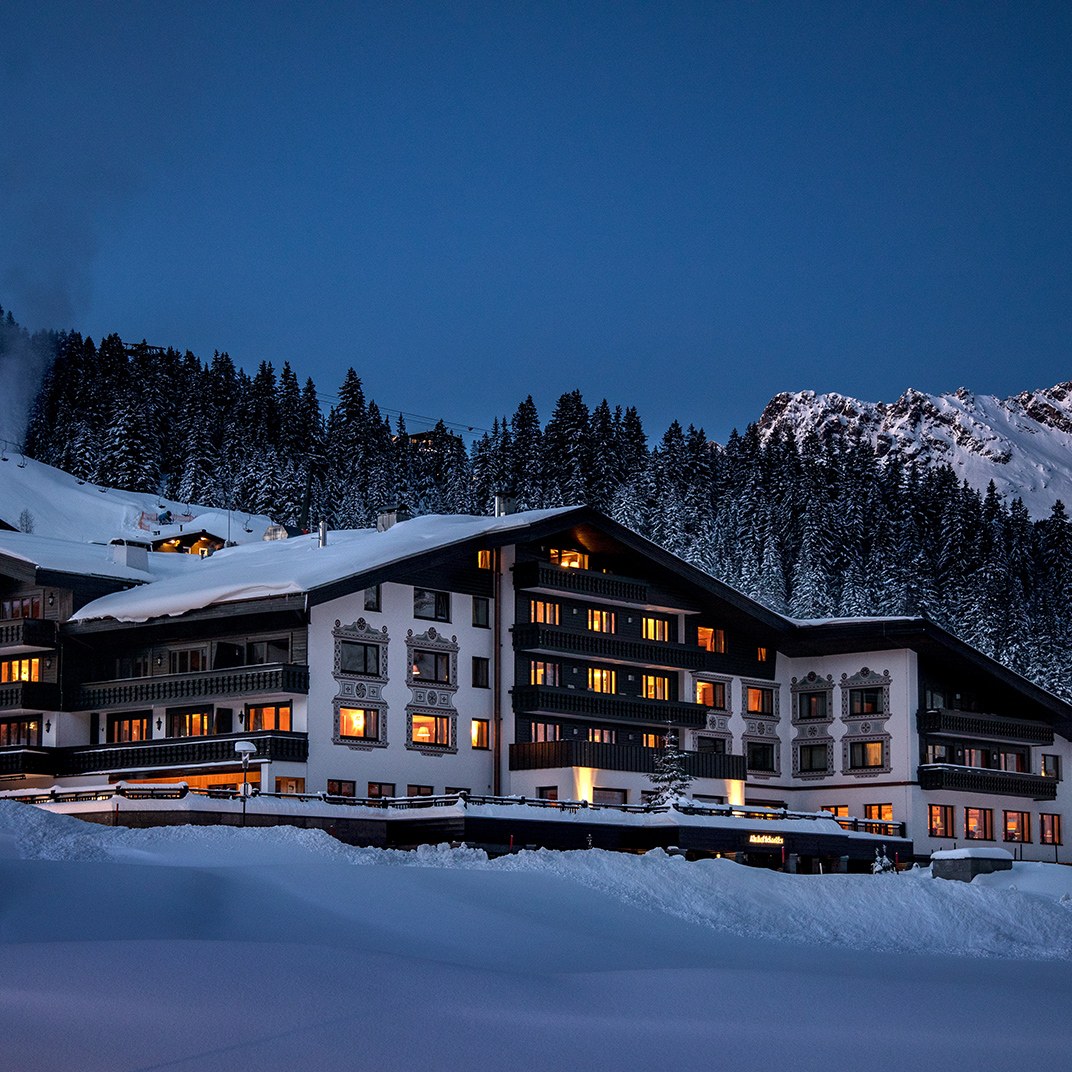
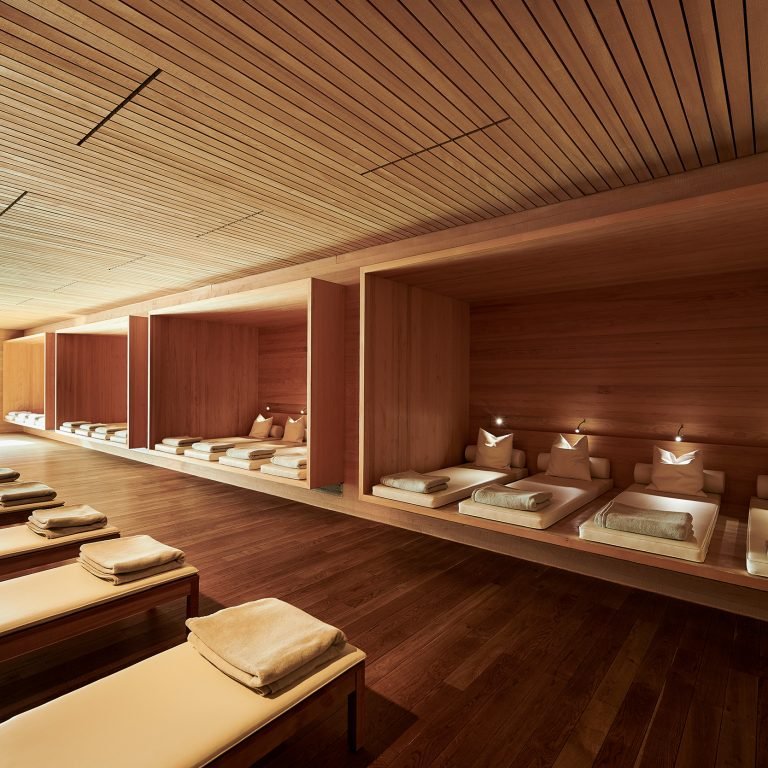
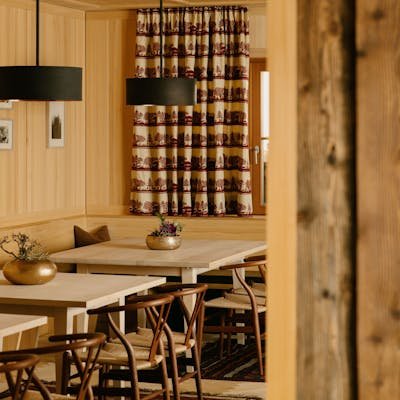
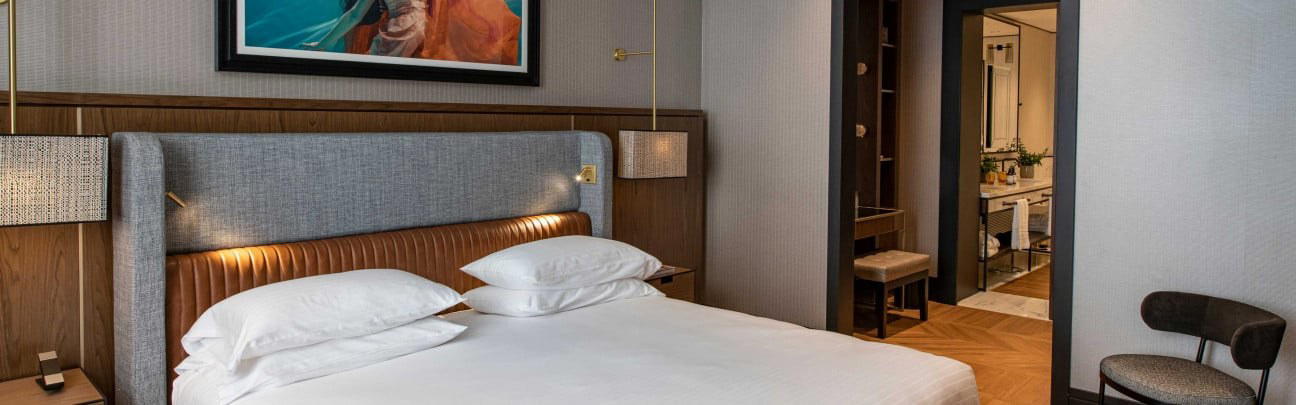
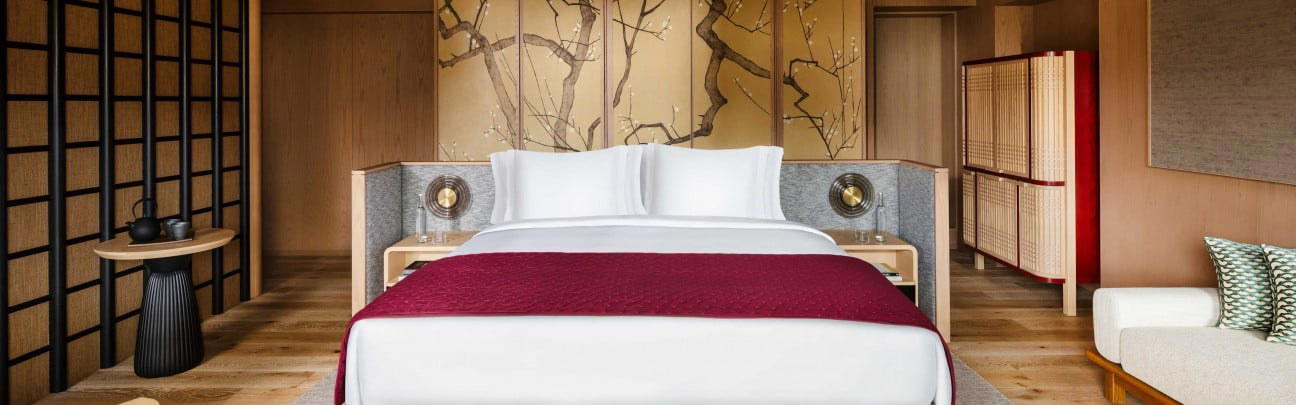
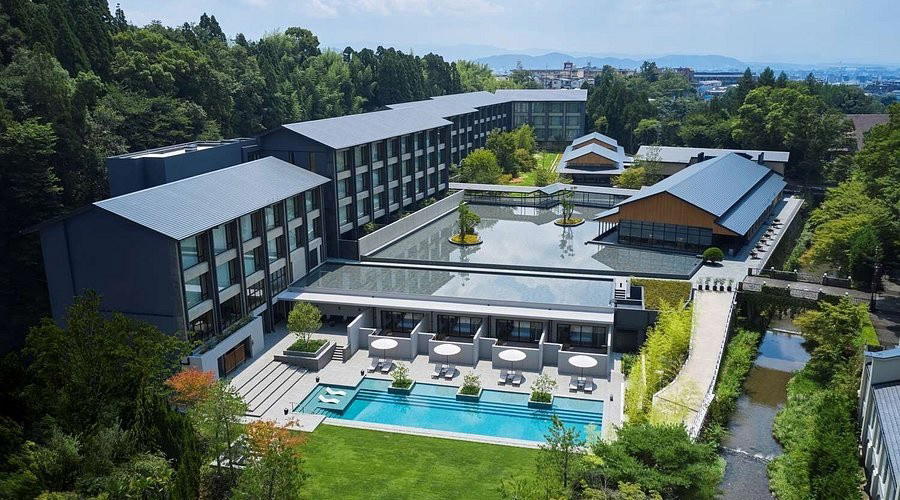
Burg Vital Resort reads like an exercise in alpine restraint: architecture that bends to the plateau rather than imposing itself on it. The property is composed as seven timber chalets, so interiors feel grounded in local building traditions rather than applied chalet tropes. Natural wood predominates—floors, ceilings and structural elements—so rooms register warmth without sentimentality. Design is treated as a dialogue with landscape, and the result is quietly assured rather than showy: rooms and public spaces are calibrated to the light and the massif outside the windows, giving the whole place a composed, classic-alpine character.
Best For
This is a mountain retreat for travelers who prize views, design and a calm atmosphere. The chalet format and emphasis on material authenticity suit couples on a romantic getaway, families seeking roomy alpine accommodation, and visitors focused on wellness or recuperation. Because every balcony and public space faces the surrounding massif, the resort is also appealing to photography-minded guests and anyone who prioritizes scenery as part of their stay. Burg Vital works best for travelers looking to be immersed in place rather than a generic resort experience.
Stay Tips
When booking, note that accommodation is distributed across seven individual chalets and that every balcony and window has a direct sightline to the surrounding mountain terrain. The hotel offers two distinct design registers—one explicitly called "classic"—so ask which aesthetic your room follows if you have a preference. Because orientation and balcony access are core features of the property, request a room with a balcony that faces the massif to maximize views and daylight; these details are central to the resort’s architectural intent.
Venue details
Ambiance
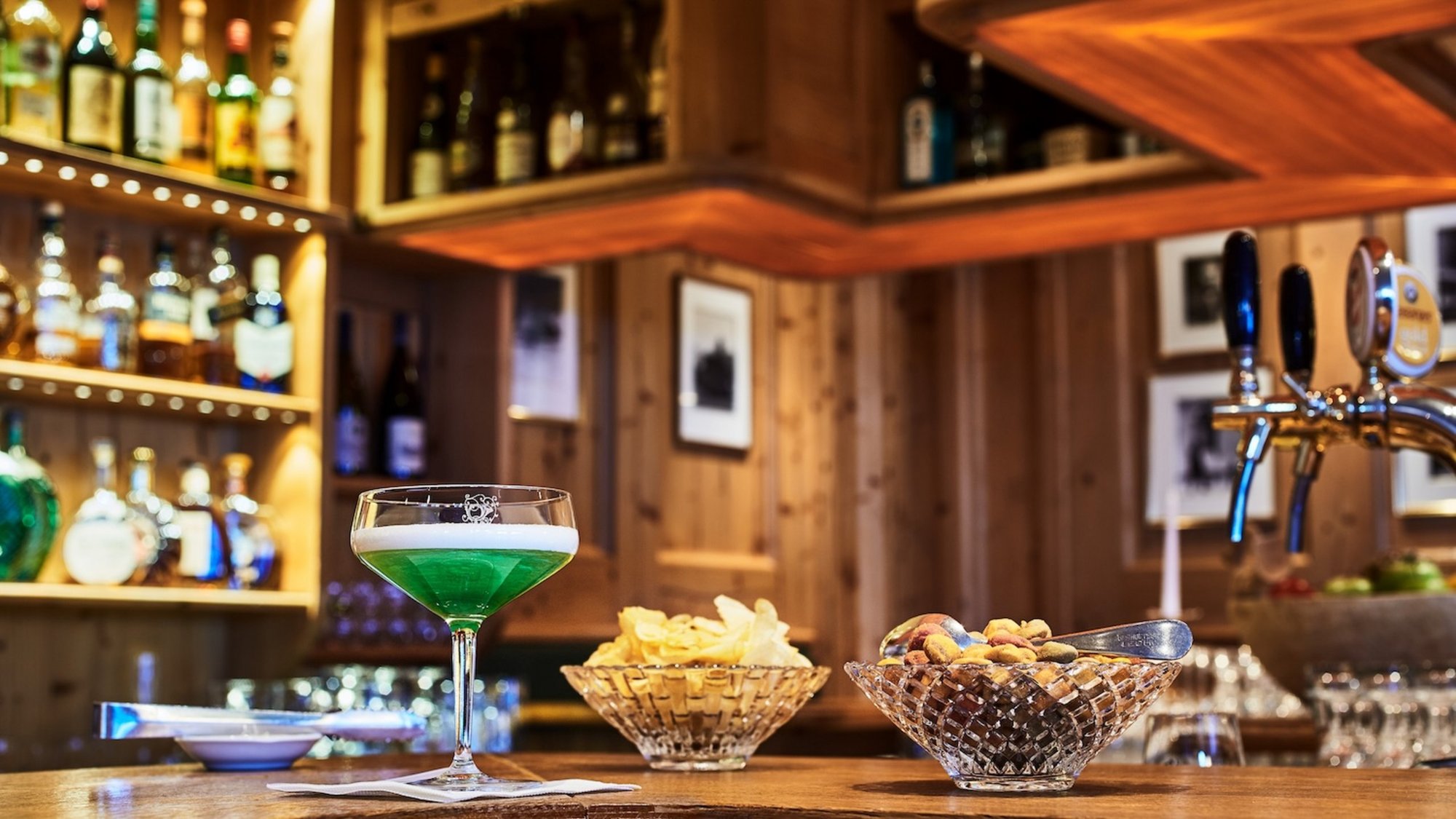
Cozy alpine luxury with natural wood interiors, relaxing spa lighting, panoramic mountain views, and warm chimney bar atmosphere.
Tags
Vibe
Best For
Experience
Amenities
View
Accessibility
About the Stay
- Rooms
- 59
- Check-in
- 16:00
- Check-out
- 11:00
- Property Style
- Family Run Luxury Chalets Blending Privacy and Expansive Mountain Living
- Design Style
- Classic and Contemporary Alpine with Natural Wood and in Room Saunas
Know before you go
Know Before You Go
- Getting there
- Oberlech 568, 6764 Lech
Planning details
Location
Recognition and awards

Also consider
Also Consider
- Hotel Goldener Berg, Notable alternative
- The Arula Chalets, Notable alternative
- Chalet 1551, Notable alternative
- pepper-collection, Notable alternative
- Aurelio Hotel & Chalet Lech, Notable alternative
Hotel context
How Burg Vital Resort compares in Lech
Burg Vital Resort is the hotel-structure choice in this set: better for guests who want a managed alpine stay in Oberlech than a fully private residence. Hotel Goldener Berg is the closest practical cross-shop for travellers who want to stay in the same Lech orbit but may prefer a different hotel atmosphere. If availability is tight, compare both early rather than treating one as an easy fallback.
For families or groups prioritising privacy over hotel services, The Arula Chalets and Chalet 1551 are the more logical alternatives. They make more sense for larger parties, multigenerational trips, or guests who want the stay to revolve around a private base. Burg Vital Resort is the better fit when the group wants hotel polish and less responsibility for logistics.
Aurelio Hotel & Chalet Lech is the sharper cross-shop for a higher-touch luxury hotel-and-chalet feel, while pepper-collection is worth checking when the brief is broader than one classic resort stay. For value, the answer depends on the room category and dates; for ease with children, Burg Vital Resort belongs on the shortlist before the fully private chalet options.
Explore Lech am Arlberg
Around this place
Discover more on Pearl
Unlock the full Burg Vital Resort guide in Pearl, including awards, comparisons, FAQs, planning details, and nearby places.
Compare Burg Vital Resort
| Venue | Location | Awards |
|---|---|---|
| Burg Vital Resort | Lech am Arlberg | 2026 La Liste Top Hotels2026 Michelin 1 KeyMichelin 1 Key 20252025 Michelin 1 KeyPreferred Hotels L.V.X. Collection 2025 |
| Hotel Goldener Berg | Lech am Arlberg | No published awards |
| The Arula Chalets | Lech | No published awards |
| Chalet 1551 | Lech | No published awards |
| pepper-collection | Lech | No published awards |
| Aurelio Hotel & Chalet Lech | Lech | 2026 La Liste Top Hotels |

How Burg Vital Resort Lech compares with similar nearby venues.
FAQ
Frequently Asked Questions
How is the location of Burg Vital Resort?
Burg Vital Resort is in Lech am Arlberg. A more specific address is not available. Its Michelin 1 Key recognition for 2025 is a hotel-quality signal, but practical location details should be checked directly with the property before booking.
Which room category is best at Burg Vital Resort?
There is no identified 'best' room category. Choose based on your group size, preferred layout, and the details confirmed by the hotel. If your group is comparing other Lech am Arlberg options, The Arula Chalets or Chalet 1551 may also be worth reviewing.
What is check-in like at Burg Vital Resort?
Burg Vital Resort is part of the Preferred Hotels L.V.X. Collection for 2025, but specific check-in details like arrival times, reception process, transfers, and inclusions should be confirmed directly with the property.
Is Burg Vital Resort family-friendly?
Specific family facilities or children's services are not detailed. Families can still consider Burg Vital Resort as a recognized hotel in Lech am Arlberg, but should confirm room configurations, dining arrangements, and any family-specific needs directly before booking.