



Le Grand Hôtel de Cala Rossa
Lecci
Hotel in Lecci, France
 Book with Pearl
The Read
Pine-Sheltered Cove Estate
Why go
Choose Le Grand Hôtel de Cala Rossa for a polished Lecci resort stay where privacy and recovery matter more than city-style business convenience. The award profile is strong, including Michelin 1 Key recognition, but the recommendation is clearest for travelers who can plan early and keep work demands contained.
About Le Grand Hôtel de Cala Rossa
Le Grand Hôtel de Cala Rossa is a premium hotel option in Lecci. Its award profile is concise but strong: the property has Michelin 1 Key recognition for 2024, La Liste Top Hotels 2026 recognition at 93.5 points, Gault & Millau Exceptional Hotel recognition for 2025 at 5 points, and a Relais Chateaux Award for 2025.
Use it as a Lecci hotel shortlist pick when award recognition matters to the decision. The dress code is smart casual. Other stay details should be checked directly with the hotel before booking, especially if your trip depends on specific services, timings, dining arrangements, or logistics.
Book with the award profile in mind
The clearest reason to consider Le Grand Hôtel de Cala Rossa is its award profile in Lecci. Michelin 1 Key recognition, La Liste Top Hotels scoring, Gault & Millau Exceptional Hotel recognition, and a Relais Chateaux Award all support its positioning as a serious premium hotel choice.
Beyond those accolades, avoid assuming details that could affect your stay. If your plans require particular arrival arrangements, dining formats, business facilities, transport support, or accessibility information, confirm them with the property before committing. For broader trip planning, use Our full Lecci hotels guide, then cross-check meals in Our full Lecci restaurants guide, drinks in Our full Lecci bars guide, local producers via Our full Lecci wineries guide, and off-property plans in Our full Lecci experiences guide.
The award profile supports the splurge, but only for the right trip
The property carries Michelin 1 Key recognition for 2024, La Liste Top Hotels 2026 recognition at 93.5 points, Gault & Millau Exceptional Hotel recognition for 2025 at 5 points, and a Relais Chateaux Award for 2025. That combination is a useful signal when comparing premium hotel options, but the decision should still be practical: book it when those hotel-level accolades matter to your stay, and confirm any operational details that could affect the trip.
For a local comparison set, consider Le Grand Hôtel de Cala Rossa alongside nearby or regional options such as Casadelmar, Domaine Les Oliviers de Palombaggia, Hôtel Don César, Les Bergeries de Palombaggia, and Mariosa. You can also compare it with other dining and hotel options in Lecci more generally, depending on the exact purpose of the trip.
Planning details
- Location
- Cala Rossa, 20137 Lecci
- Website
- hotel-calarossa.com
- Phone
- +33 4 95 71 61 51
The take
The Take
The Vibe
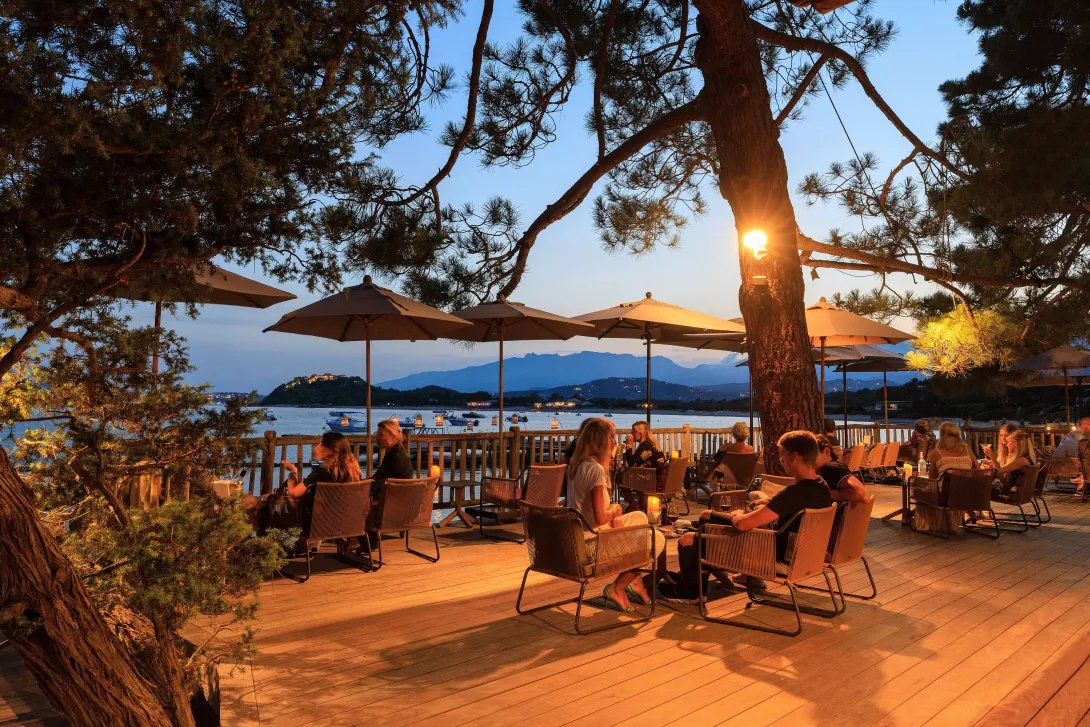
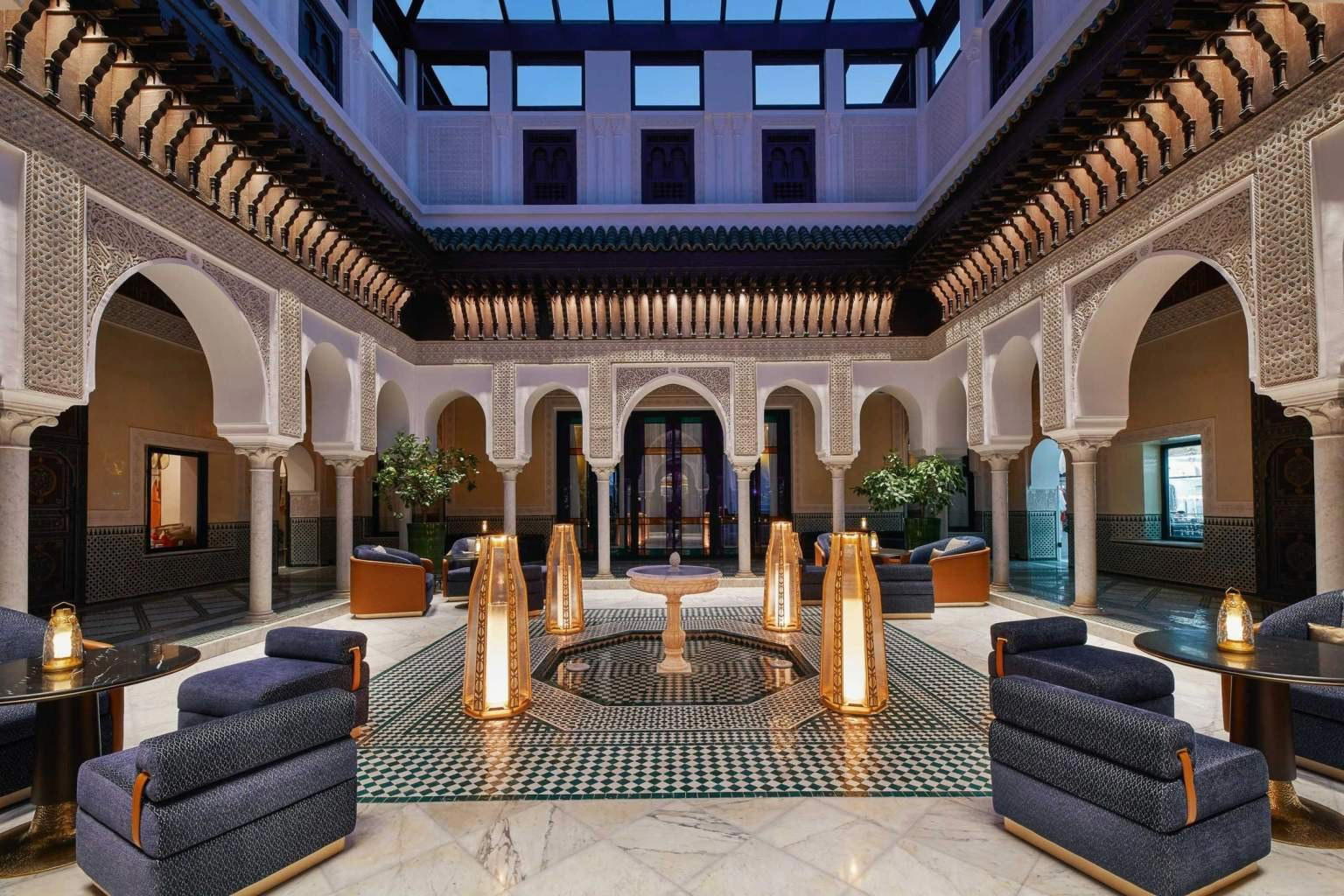
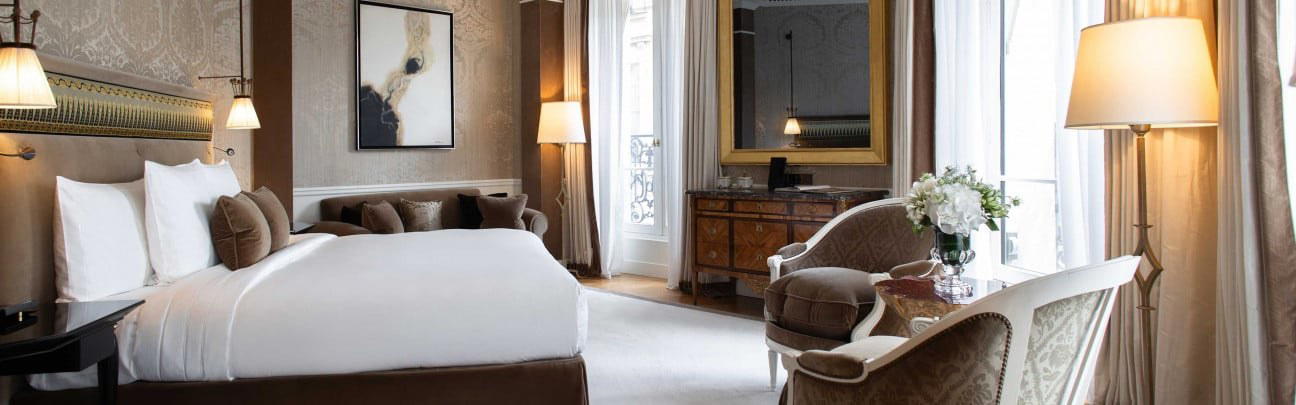
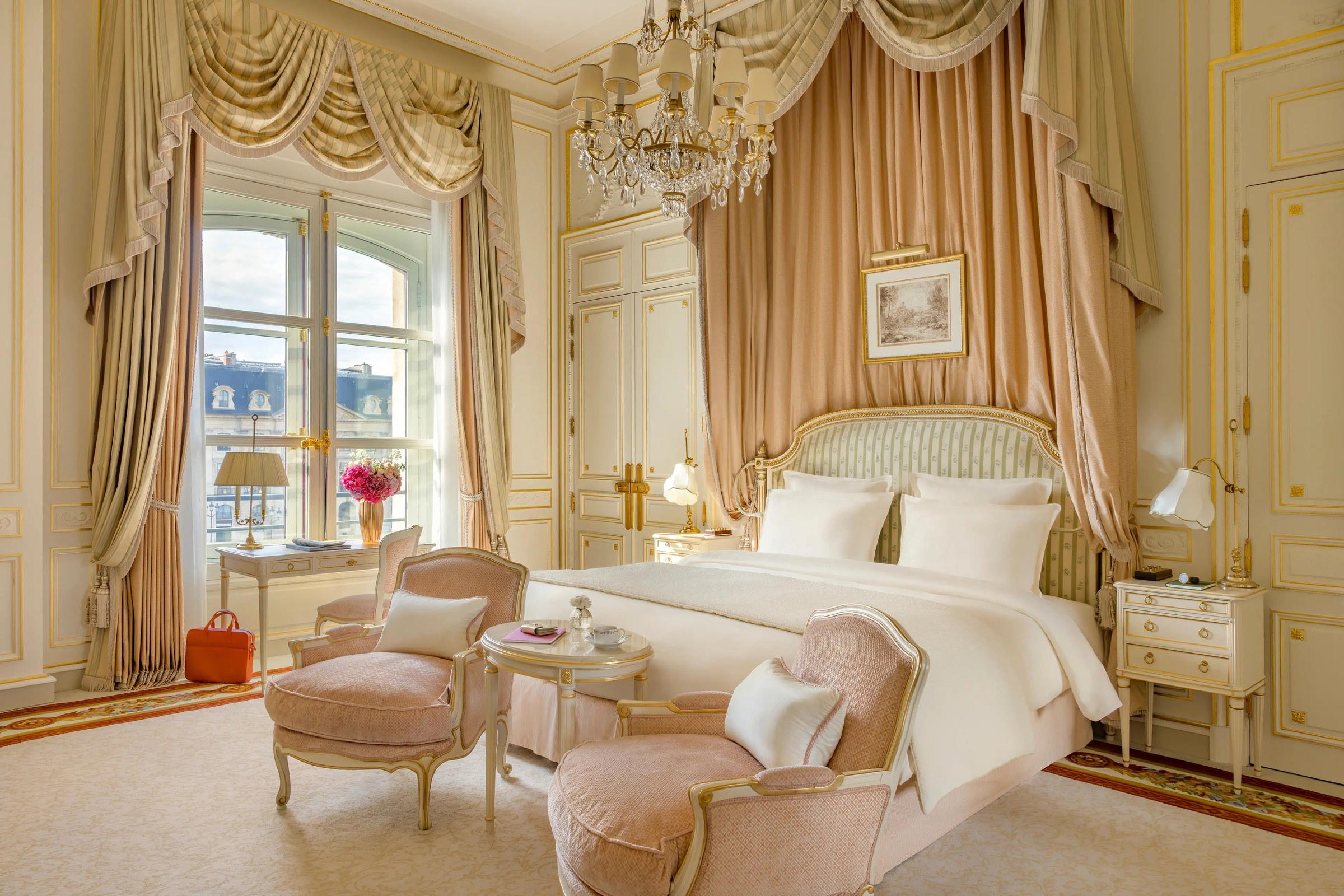
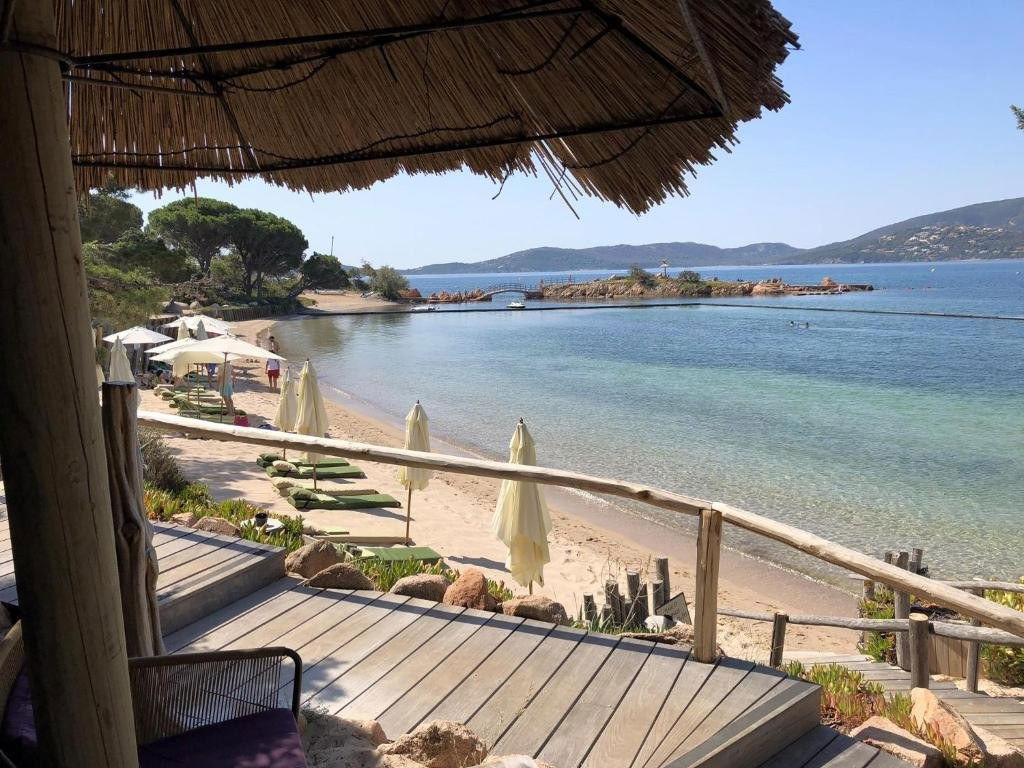
Le Grand Hôtel de Cala Rossa presents a quietly luxurious alternative to ostentation. You arrive through a gated drive set back from a coastal pine corridor, and the full view of the sea only reveals itself once you are inside — a deliberate sequencing that prioritises privacy and calm. With 32 rooms, the property operates at an intentionally small scale; common areas feel uncrowded and the design reads as Mediterranean restraint rather than theatrical glamour. Whites and cool ocean blues and greens thread through understated, design-led interiors, creating a minimalist, serene atmosphere for travelers who prefer subtlety over spectacle.
Best For
This hotel suits travelers seeking privacy, quiet and a convivially understated kind of luxury. It is ideal for couples on a honeymoon or romantic getaway, guests marking anniversaries, and anyone after a low-key weekend escape or wellness-focused retreat on Corsica’s quieter east coast. The private cove and small scale appeal to visitors who want beachfront access without the crowds; design-minded guests who value restraint and careful sequencing of arrival and views will appreciate the estate’s intentional approach to hospitality.
Stay Tips
Rooms are limited — the property operates with just 32 rooms — so book well in advance, especially during peak season. The hotel stages the arrival so the first full sea view comes once inside; if coastal access matters, ask about accommodations with the most direct cove or water proximity and confirm access to the private cove. Plan logistics ahead of arrival: the approach is understated and there is 'no grand boulevard' or visible valet theatre, so confirm arrival details with the hotel rather than assuming a grand resort-style drop-off.
Venue details
Ambiance
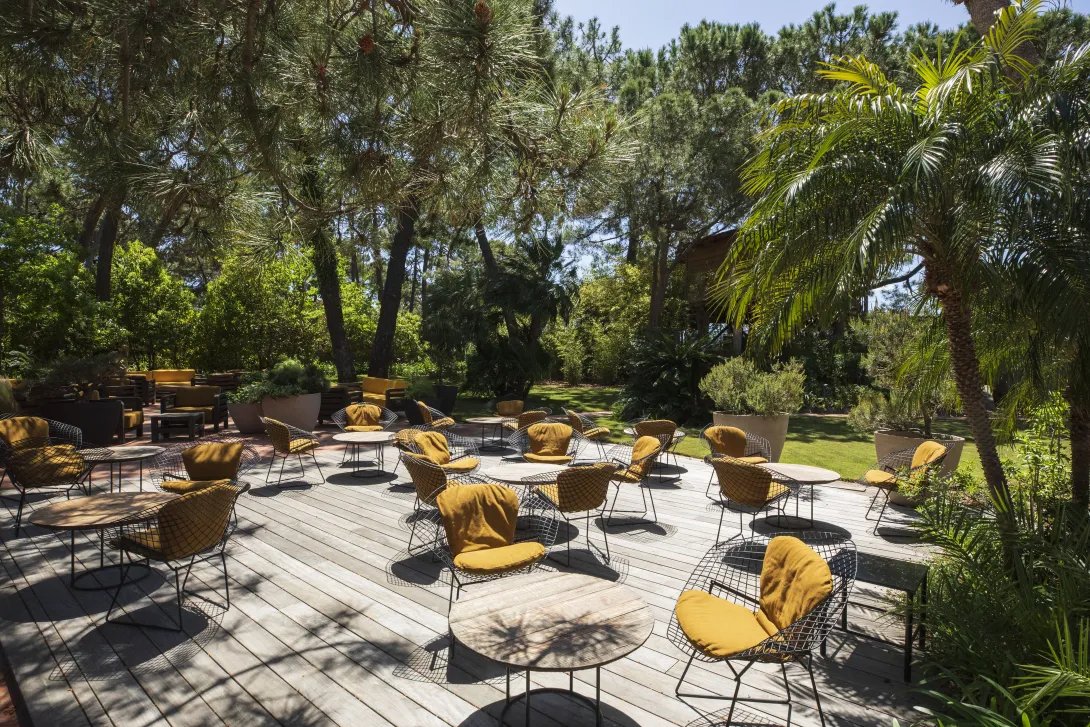
Refined luxury atmosphere with natural elegance, fresh flowers, jasmine scents, warm lighting, and panoramic sea views from private terraces amid lush gardens.
Tags
Vibe
Best For
Experience
Amenities
View
Accessibility
About the Stay
- Rooms
- 39
- Check-in
- 17:00
- Check-out
- 11:00
- Property Style
- Mediterranean Beachfront Grand Hotel with Mature Gardens and Spa.
- Design Style
- Chic Balnéaire with Subtle White and Beige Tones, Natural Wood, Vegetal Elements, and Contemporary Touches.
Know before you go
Know Before You Go
- Getting there
- Cala Rossa, 20137 Lecci
Planning details
Location
Recognition and awards



Also consider
Also Consider
- Casadelmar, Notable alternative
- Mariosa, Notable alternative
- Domaine Les Oliviers de Palombaggia, Notable alternative
- Hôtel Don César, Notable alternative
- Les Bergeries de Palombaggia, Notable alternative
Hotel context
How it compares in and around Lecci
Against Casadelmar, Le Grand Hôtel de Cala Rossa is the calmer first choice for travelers who want the hotel itself to carry the trip. Casadelmar is the sharper cross-shop if the priority is a more Porto-Vecchio-facing stay, while Cala Rossa makes more sense for a quieter resort base with a heavier award signal, including Michelin 1 Key and La Liste Top Hotels 2026 recognition.
Mariosa and Hôtel Don César are sensible alternatives if availability or price pressure makes Cala Rossa difficult. Pick Mariosa when the brief is simpler and more relaxed; pick Hôtel Don César when access to town energy matters more than retreat-like pacing. Cala Rossa is the splurge for travelers who will use the property fully rather than treat it as a sleep stop.
Domaine Les Oliviers de Palombaggia and Les Bergeries de Palombaggia are stronger cross-shops for guests focused on Palombaggia and a more nature-led stay. Choose them if beach proximity and a softer, less formal rhythm matter more than awards depth. Choose Cala Rossa when recognition, polish, and a quieter luxury setting are worth the harder booking path.
Explore Lecci
Around this place
Discover more on Pearl
Unlock the full Le Grand Hôtel de Cala Rossa guide in Pearl, including awards, comparisons, FAQs, planning details, and nearby places.
Compare Le Grand Hôtel de Cala Rossa
| Venue | Location | Awards |
|---|---|---|
| Le Grand Hôtel de Cala Rossa | Lecci | 2026 La Liste Top Hotels2025 Michelin 1 Key2025 Relais Chateaux AwardMichelin 1 Key 20252025 Gault & Millau Exceptional Hotel2024 Michelin 1 Key |
| Casadelmar | Porto-Vecchio | 2026 Virtuoso Luxury Hotel CollectionLeading Hotels of the World 20262025 Michelin 1 Key2024 Michelin 2 Keys |
| Mariosa | Porto-Vecchio | No published awards |
| Domaine Les Oliviers de Palombaggia | Porto-Vecchio | No published awards |
| Hôtel Don César | Porto-Vecchio | 2025 Gault & Millau Exceptional Hotel |
| Les Bergeries de Palombaggia | Porto-Vecchio | 2026 Relais Chateaux Hotels2025 Michelin Selected Hotels2025 Relais Chateaux Award2025 Gault & Millau Exceptional Hotel |




How Le Grand Hôtel de Cala Rossa compares with similar nearby venues.
FAQ
Frequently Asked Questions
How does Le Grand Hôtel de Cala Rossa compare to nearby hotels?
Choose it if you want a Lecci hotel with a clear award profile, including Michelin 1 Key recognition. For comparison, you may also look at Casadelmar, Domaine Les Oliviers de Palombaggia, Hôtel Don César, Les Bergeries de Palombaggia, and Mariosa, depending on the kind of stay you are planning.
Is Le Grand Hôtel de Cala Rossa good for business travel?
It is best considered as a premium Lecci hotel with award recognition, including Michelin 1 Key status; if your schedule depends on meeting space, transfers, or other work logistics, confirm those details directly with the hotel.
Do loyalty programs work at Le Grand Hôtel de Cala Rossa?
Check the hotel's official booking channels before reserving if points, status benefits, or booking conditions matter to your stay.
How is the location of Le Grand Hôtel de Cala Rossa?
Le Grand Hôtel de Cala Rossa is in Lecci. Specific address details and local logistics should be confirmed directly with the hotel before travel.