



Domaine de Fontenille
Luberon, Lauris
Hotel in Lauris, France
 Book with Pearl
The Read
Estate-Vineyard Retreat
Why go
Book Domaine de Fontenille if you want a polished Luberon countryside stay where the hotel is central to the trip. The Michelin 2 Keys signal makes it a stronger choice for couples and design-led Provence travelers than for last-minute, budget-first, or nightlife-focused stays.
About Domaine de Fontenille
Should you stay at Domaine de Fontenille? Consider it if you are looking for a hotel in Lauris with strong recognition. Michelin 2 Keys (2024), La Liste Top Hotels (2026): 91.5pts, a Relais Chateaux Award (2026), and the Mr & Mrs Smith Seal of Approval (2026) support its standing.
The best reason to keep Domaine de Fontenille on the shortlist is that the hotel itself has credible third-party recognition. Beyond those accolades and its Lauris location, practical specifics such as exact facilities, dining format, room categories, pricing, and service details should be checked directly with the property before booking.
A recognized Lauris hotel to verify against your trip needs
Plan this as a Lauris hotel option with a strong awards profile, then confirm the details that matter for your stay. Domaine de Fontenille is a recognized hotel in Lauris, but the awards do not establish specific amenities, restaurant details, room types, or rates.
The main caution is not to infer more than the recognition supports. Michelin 2 Keys and other hotel awards are meaningful, but they do not confirm every practical detail a traveler may care about. Book it when the recognized hotel profile fits your priorities; contact the venue for current specifics before relying on amenities, dining, or room details.
Who should choose it, and who should not
Choose it if you want a Lauris hotel with recognition from Michelin, La Liste, Relais Chateaux, and Mr & Mrs Smith. Avoid making a decision based on assumptions about exact services, dining, pricing, or facilities. If you are comparing options in the wider area, look at each property's details separately rather than assuming the same services or setting.
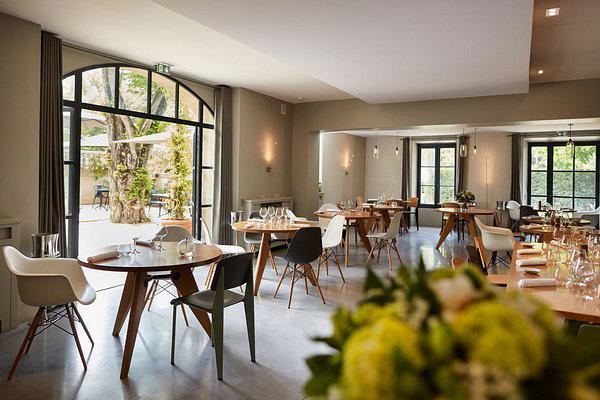
Inside Domaine de Fontenille
Planning details
- Location
- 1681 Rte de Roquefraiche, 84360 Lauris
- Website
- domainedefontenille.fontenille-collection.com
- Phone
- +33 4 13 98 00 00
The take
The Take
The Vibe
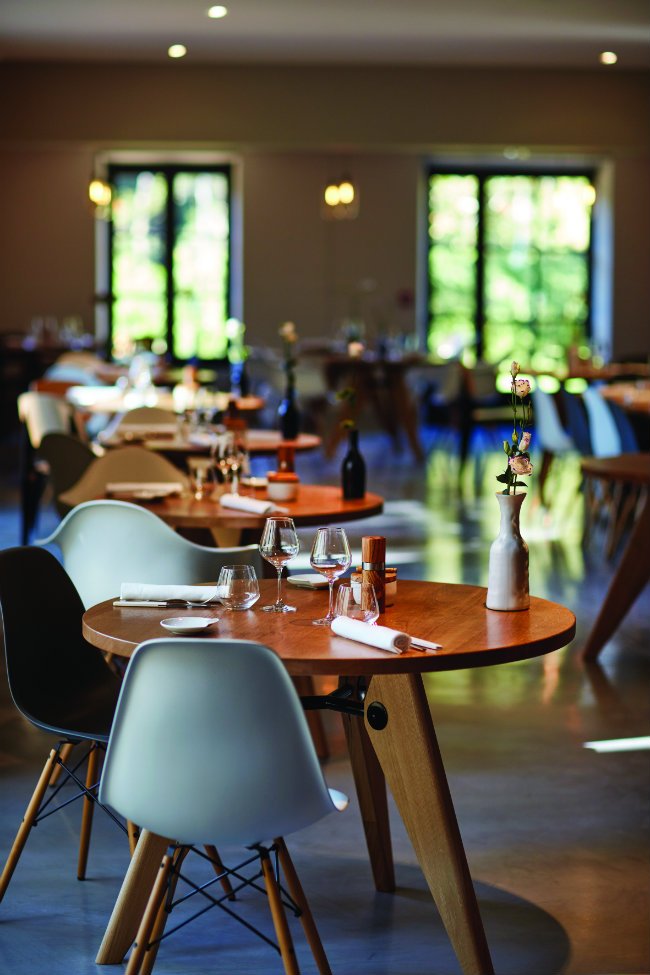
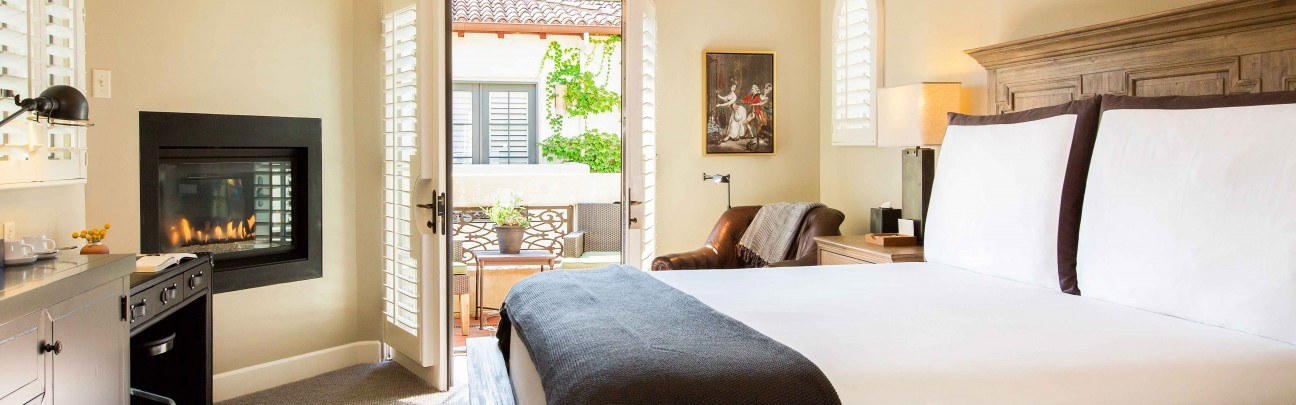
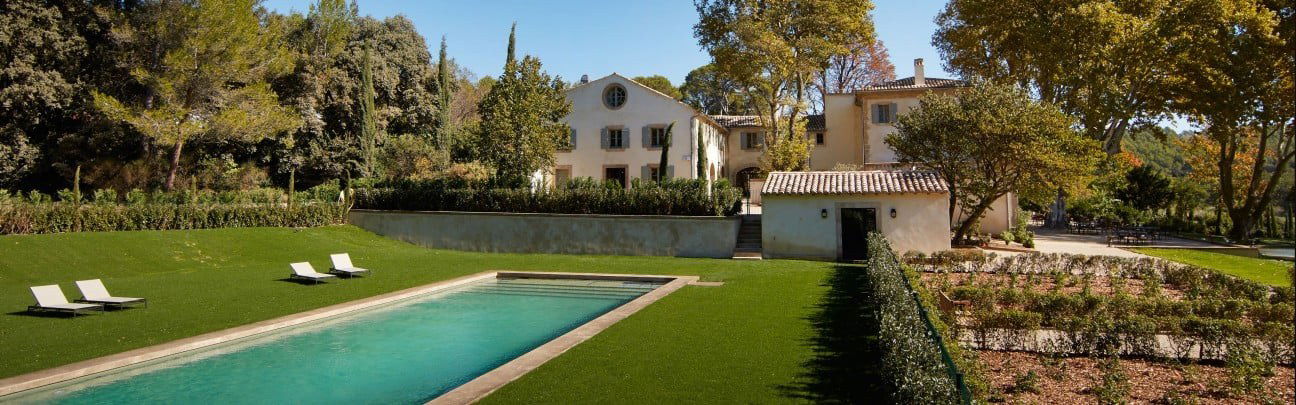
Domaine de Fontenille pairs centuries-old stone and proportion with a quietly modern edit. The estate’s roots—dating to 1638 with an 18th-century main house—remain legible in the architecture and stonework, while interiors adopt a contemporary sheen that doesn’t erase the building’s character. The hotel favors restraint over spectacle: it reads as confident rather than theatrical. Set amid vineyards on the Luberon plateau, the property feels scenic and measured, offering an elegant, sophisticated atmosphere that privileges architectural authenticity and an understated rural luxury.
Best For
This property suits travelers who prize architectural history, calm country settings, and discreet luxury. Positioned on an estate with surrounding vineyards in the Luberon, Domaine de Fontenille is a fit for guests seeking a quiet, scenic base for a Provençal weekend escape or a refined romantic getaway. The hotel’s emphasis on restraint and material authenticity appeals to visitors who prefer thoughtful design and heritage over overt drama, and to those wanting to experience rural Provence from an architecturally anchored estate.
Venue details
Ambiance
Elegant, understated, and quiet, with a refined country-house atmosphere set among vineyards, gardens, and historic Provençal architecture.
Tags
Vibe
Best For
Experience
Amenities
View
About the Stay
- Rooms
- 21
- Check-in
- 15:30
- Check-out
- 11:00
- Property Style
- Luxury Provençal Bastide Hotel and Vineyard Estate with Discreet, Refined Hospitality.
- Design Style
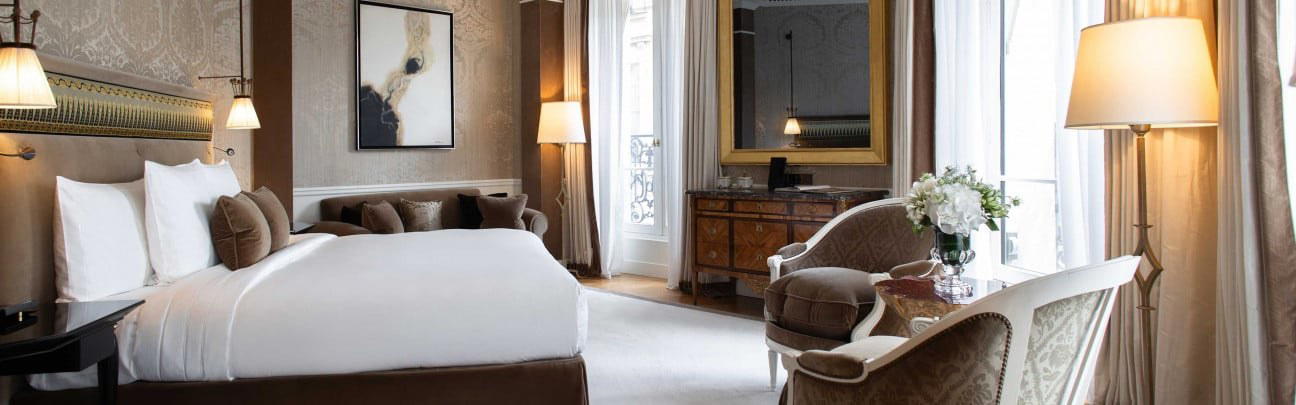
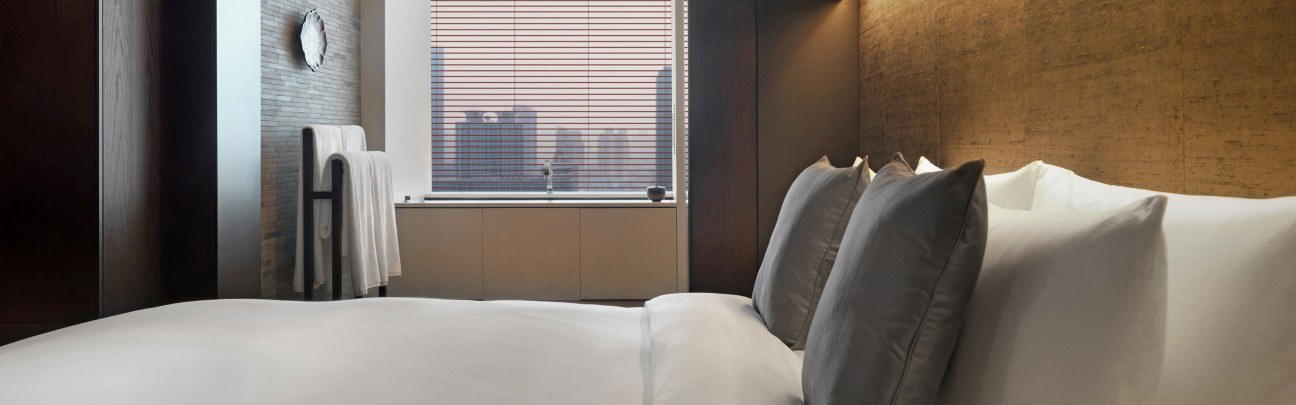
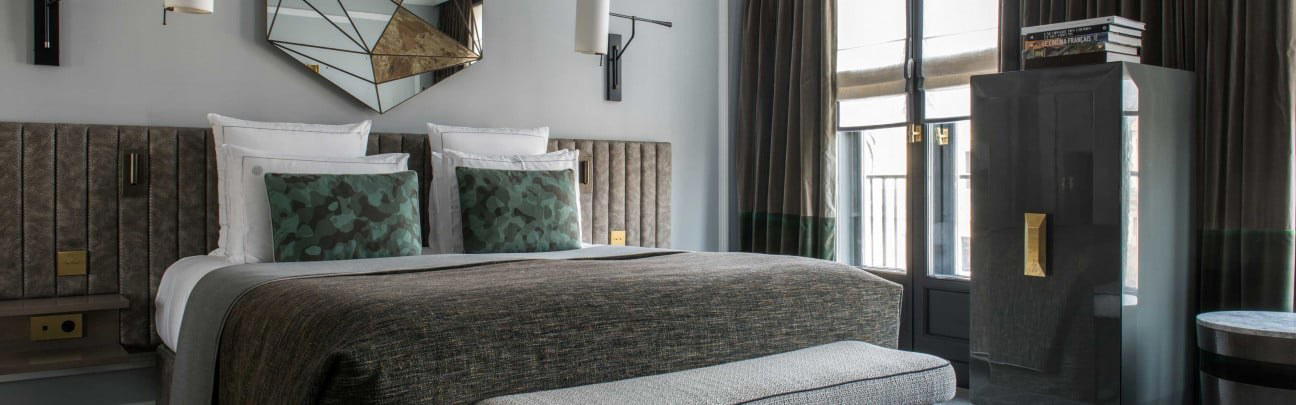
- Refined Provençal Bastide Style with Contemporary, Understated Interiors, Neutral Tones, Natural Stone, and Elegant Modern Touches.
Know before you go
Know Before You Go
- Getting there
- 1681 Rte de Roquefraiche, 84360 Lauris
Planning details
Location
1681 Rte de Roquefraiche, 84360 Lauris · Directions
Recognition and awards



Also consider
Also Consider
- Le Moulin, Beaumier Hotel, Notable alternative
- Le Galinier, Lourmarin, Beaumier Guesthouse, Notable alternative
- Auberge La Fenière, Notable alternative
- Capelongue, a Beaumier hotel, Notable alternative
- La Bastide de Marie, Notable alternative
Hotel context
How it compares in the Luberon
Domaine de Fontenille is the stronger pick if the priority is a polished countryside hotel with recognized luxury credentials. Le Moulin, Beaumier Hotel and Le Galinier, Lourmarin, Beaumier Guesthouse are better cross-shops for travelers who want the Beaumier feel closer to Lourmarin's village rhythm, while Fontenille suits guests who want a more settled rural base.
For food-led trips, compare it with Auberge La Fenière; that is the more obvious choice when dining is the anchor of the stay. Capelongue, a Beaumier hotel reads as the bigger splurge-style Luberon option, while Fontenille is the more measured choice for travelers who want countryside calm without turning the whole trip into a resort stay.
La Bastide de Marie is the natural alternative for a wine-country Provence mood with a more established estate-hotel profile. If booking here is tight, start with La Bastide de Marie for atmosphere, or Le Galinier if village access matters more than hotel ceremony.
Explore Lauris
Around this place
Discover more on Pearl
Unlock the full Domaine de Fontenille guide in Pearl, including awards, comparisons, FAQs, planning details, and nearby places.
Compare Domaine de Fontenille
| Venue | Location | Awards |
|---|---|---|
| Domaine de Fontenille | Lauris | 2026 Vogue Best Hotels in Provence2026 Mr & Mrs Smith Luxury Hotels2026 Relais Chateaux Hotels2026 La Liste Top HotelsMichelin 2 Keys 20252025 Relais Chateaux Award2025 Michelin 2 Keys2024 Michelin 2 Keys |
| Le Moulin, Beaumier Hotel | Lourmarin | No published awards |
| Le Galinier, Lourmarin, Beaumier Guesthouse | Lourmarin | No published awards |
| Auberge La Fenière | Cadenet | 2026 Vogue Best Hotels in Provence2025 Michelin 1 Key2024 Michelin 1 Key |
| Capelongue, a Beaumier hotel | Bonnieux | 2026 Virtuoso Luxury Hotel Collection2026 Vogue Best Hotels in Provence2026 Mr & Mrs Smith Luxury Hotels2025 Michelin 1 Key2025 Gault & Millau Exceptional Hotel2024 Michelin 1 Key |
| La Bastide de Marie | Ménerbes | 2026 Vogue Best Hotels in Provence2025 Gault & Millau Exceptional Hotel2025 Michelin 1 Key2024 Michelin 1 Key |



How Domaine de Fontenille Lauris compares with similar nearby venues.
FAQ
Frequently Asked Questions
How is the pool and spa at Domaine de Fontenille?
Pool and spa details should be confirmed directly with the property. The grounded case for Domaine de Fontenille is its Lauris location and hotel recognition, including Michelin 2 Keys (2024) and a Relais Chateaux Award (2026). Check the venue directly for current facility details.
When is the best time to book Domaine de Fontenille?
If Domaine de Fontenille is central to your Lauris stay, confirm availability early with the property or your booking channel, especially because the hotel has recognition such as Michelin 2 Keys (2024) and La Liste Top Hotels (2026): 91.5pts.
What is check-in like at Domaine de Fontenille?
Check-in details should be confirmed directly with the hotel before travel. Domaine de Fontenille is in Lauris and has recognition including Michelin 2 Keys (2024) and a Relais Chateaux Award (2026).
Which room category is best at Domaine de Fontenille?
The main value signals are the hotel recognitions: Michelin 2 Keys (2024), La Liste Top Hotels (2026): 91.5pts, and a Relais Chateaux Award (2026). Ask the property which room best fits your needs before booking.
Do loyalty programs work at Domaine de Fontenille?
Do not plan around a loyalty program here unless your booking channel clearly confirms one. The more reliable signals are the published recognitions, especially Michelin 2 Keys (2024) and Mr & Mrs Smith Seal of Approval (2026).
How is the location of Domaine de Fontenille?
Domaine de Fontenille is in Lauris. If you are comparing hotel options in the wider area, Capelongue, a Beaumier hotel and Le Galinier, Lourmarin, Beaumier Guesthouse may also be worth checking, but confirm each property's location and practical fit separately.