



Santa Catalina, a Royal Hideaway Hotel
Santa Catalina, Las Palmas de Gran Canaria
Hotel in Las Palmas de Gran Canaria, Spain
 Book with Pearl
The Read
Colonial Atlantic Grandeur
Why go
Choose Santa Catalina, a Royal Hideaway Hotel for a polished Las Palmas stay where the address and atmosphere matter more than resort sprawl. It is strongest for celebrations, business trips, and city-focused breaks, with Michelin 1 Key recognition backing the luxury positioning. Cross-shop resort peers if beach-and-pool ease is the main priority.
About Santa Catalina, a Royal Hideaway Hotel
Book Santa Catalina, a Royal Hideaway Hotel if you want a recognized hotel stay in Las Palmas de Gran Canaria with a more polished profile than a basic city base. The hotel has a smart-casual dress code and a recognition set that includes Michelin 1 Key in 2024, Preferred Hotels L.V.X. Collection in 2025, La Liste Top Hotels 2026 with 93 points, and a World Luxury Hotel Awards 2025 regional win.
The strongest case is not a specific restaurant, room category, pool setup, or service format. The reason to keep Santa Catalina on the shortlist is its combination of Las Palmas de Gran Canaria location, smart-casual dress code, and hotel recognition.
A city-hotel choice for guests who want ceremony, not just convenience
The mood to expect should be read from the dress code and recognition profile rather than from claims about facilities or service style. Smart casual points to a more composed hotel environment, and the awards suggest a property positioned above a simple place to sleep.
Recognition profile supports that positioning. Michelin 1 Key, Preferred Hotels L.V.X. Collection, La Liste Top Hotels recognition, and a World Luxury Hotel Awards regional win all point in the same direction: this is being recognized as a serious hotel product. That does not automatically make it the right choice for every traveler, but it does justify considering it when the stay needs to feel more special than routine.
When the Las Palmas de Gran Canaria location matters
The location case is direct: choose Santa Catalina, a Royal Hideaway Hotel when your plans are centered on Las Palmas de Gran Canaria. Specific neighborhood, street-address, or landmark-based recommendations are not available, so the decision should be framed at city level.
Timing and pricing should be checked directly with the hotel or booking channel for your dates. Nightly rates, seasonal booking patterns, minimum stays, or package details are not available, so avoid assuming a specific value story beyond the hotel's recognition and city setting.
Dining should be treated carefully. With no cuisine, restaurant format, menu structure, or specific food-and-beverage program described, the safer expectation is simply that this is a recognized hotel in Las Palmas de Gran Canaria rather than a dining-led recommendation. Travelers choosing mainly for food should review other dining in Las Palmas de Gran Canaria generically; travelers building the whole trip around the stay should compare hotel options that fit their itinerary.
Who should book, and who should cross-shop
Book if you want Santa Catalina, a Royal Hideaway Hotel specifically: a Las Palmas de Gran Canaria hotel with a smart-casual dress code and recognition from Michelin, Preferred Hotels, La Liste, and the World Luxury Hotel Awards. Cross-shop only if you are still deciding between this property and other premium hotel options such as Seaside Grand Hotel, Seaside Palm Beach, Bohemia Suites, Bohemia Suites & Spa, or Hotel Botanico.
Inside Santa Catalina, a Royal Hideaway Hotel
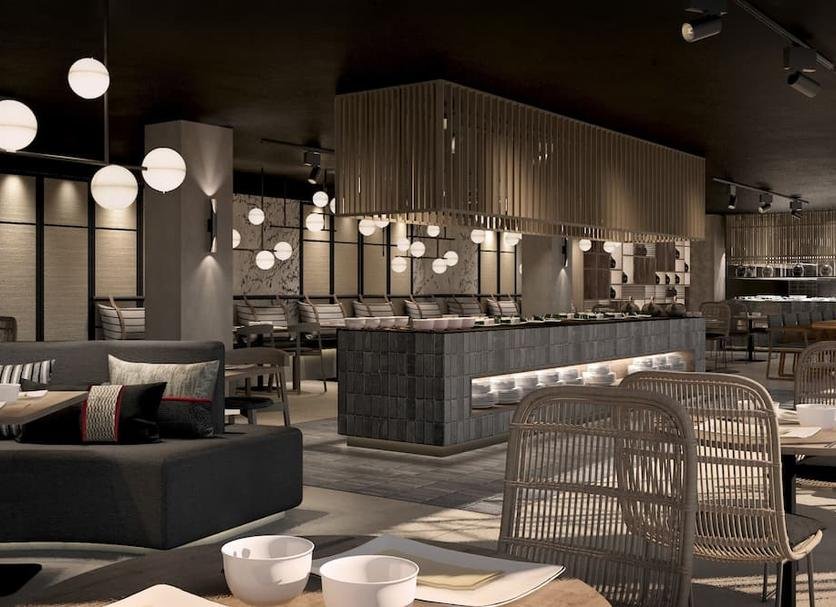
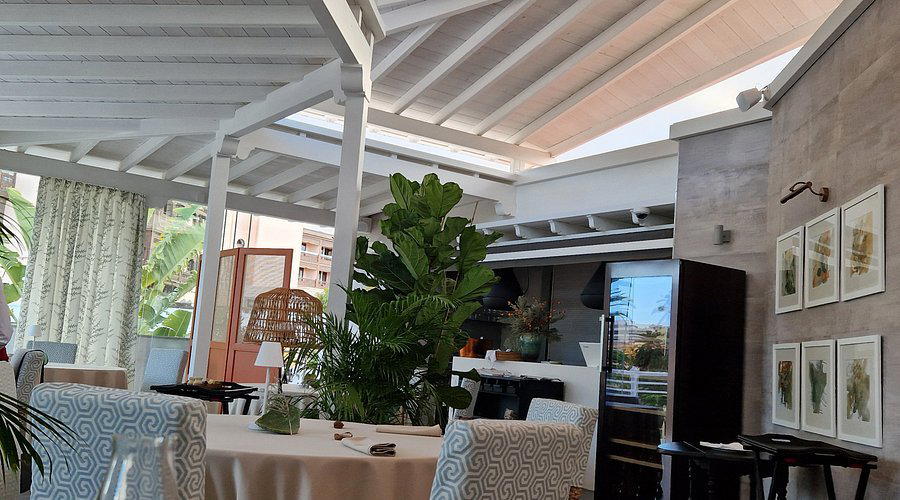 restaurantMuxgoInside Las Palmas de Gran Canaria's Santa Catalina Royal Hideaway hotel, Muxgo holds a Michelin star for creative cooking grounded in the Canary Islands' own land. Chef Borja Marrero sources directly from his farm in Tejeda, pulling ingredients like pine bark, millet, and prickly pear into three structured tasting menus. It is one of the clearest arguments in the city for what island-sourced fine dining can look like at its most considered.
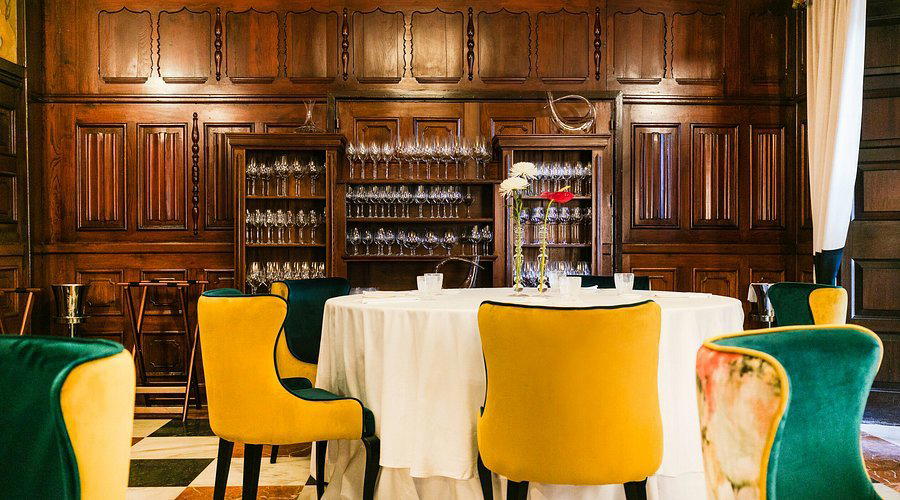 restaurantPoemas by Hermanos PadrónPoemas by Hermanos Padrón holds a Michelin star inside the historic Santa Catalina hotel in Las Palmas de Gran Canaria, delivering the creative cuisine of the award-winning Padrón brothers through chef Adrián García. Two tasting menus, the full Poemas sequence and the more concise Clásicos, run Tuesday through Saturday from 7:30 PM. At the €€€ price tier, it occupies a distinct middle position in the city's fine dining bracket.
Planning details
- Location
- C. León y Castillo, 227, 35005 Las Palmas de Gran Canaria, Las Palmas
- Website
- barcelo.com/es-es/santa-catalina-a-royal-hideaway-hotel
- Phone
- +34 928 24 30 40
The take
The Take
The Vibe
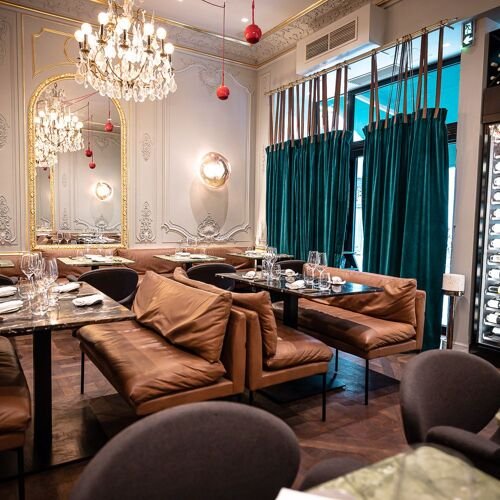
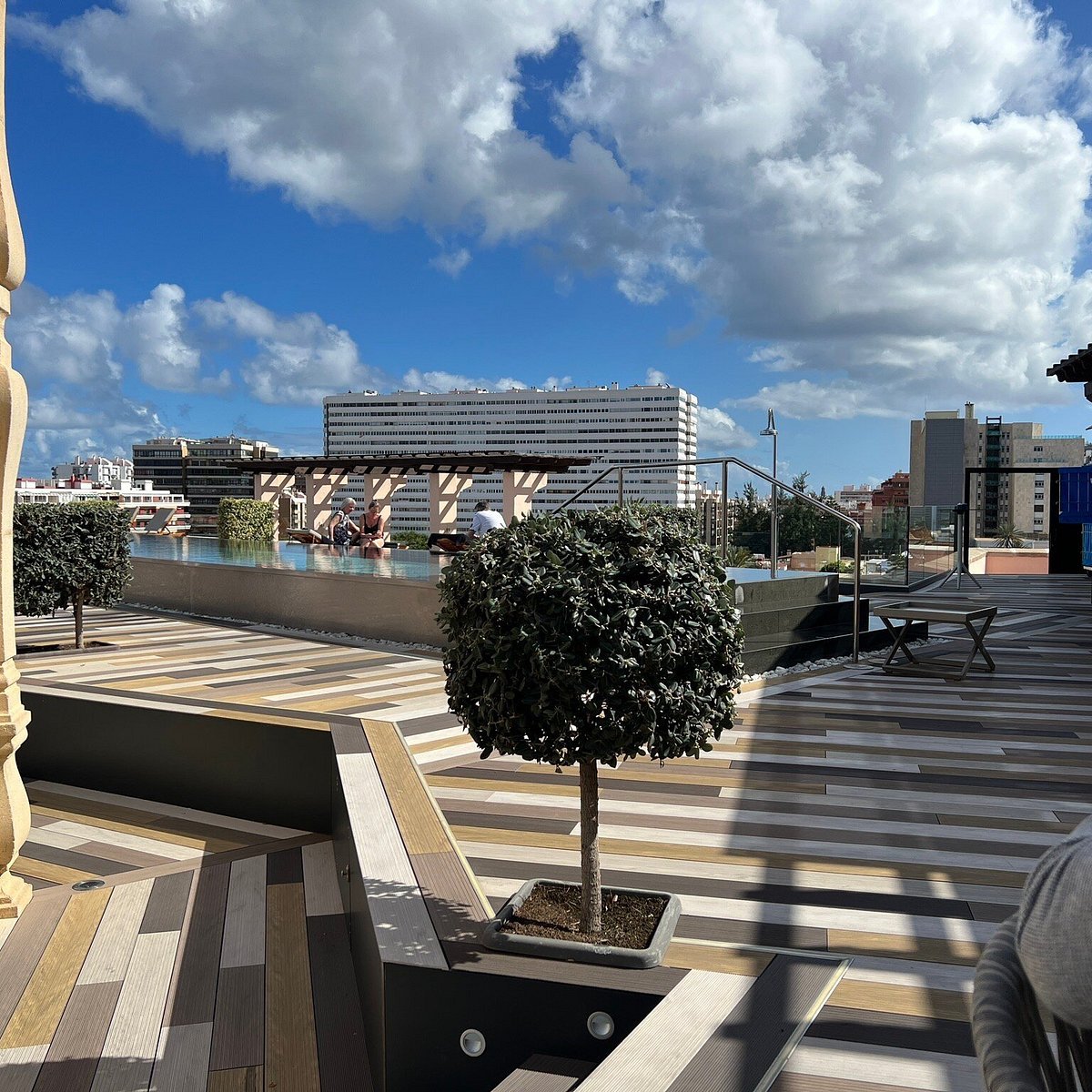
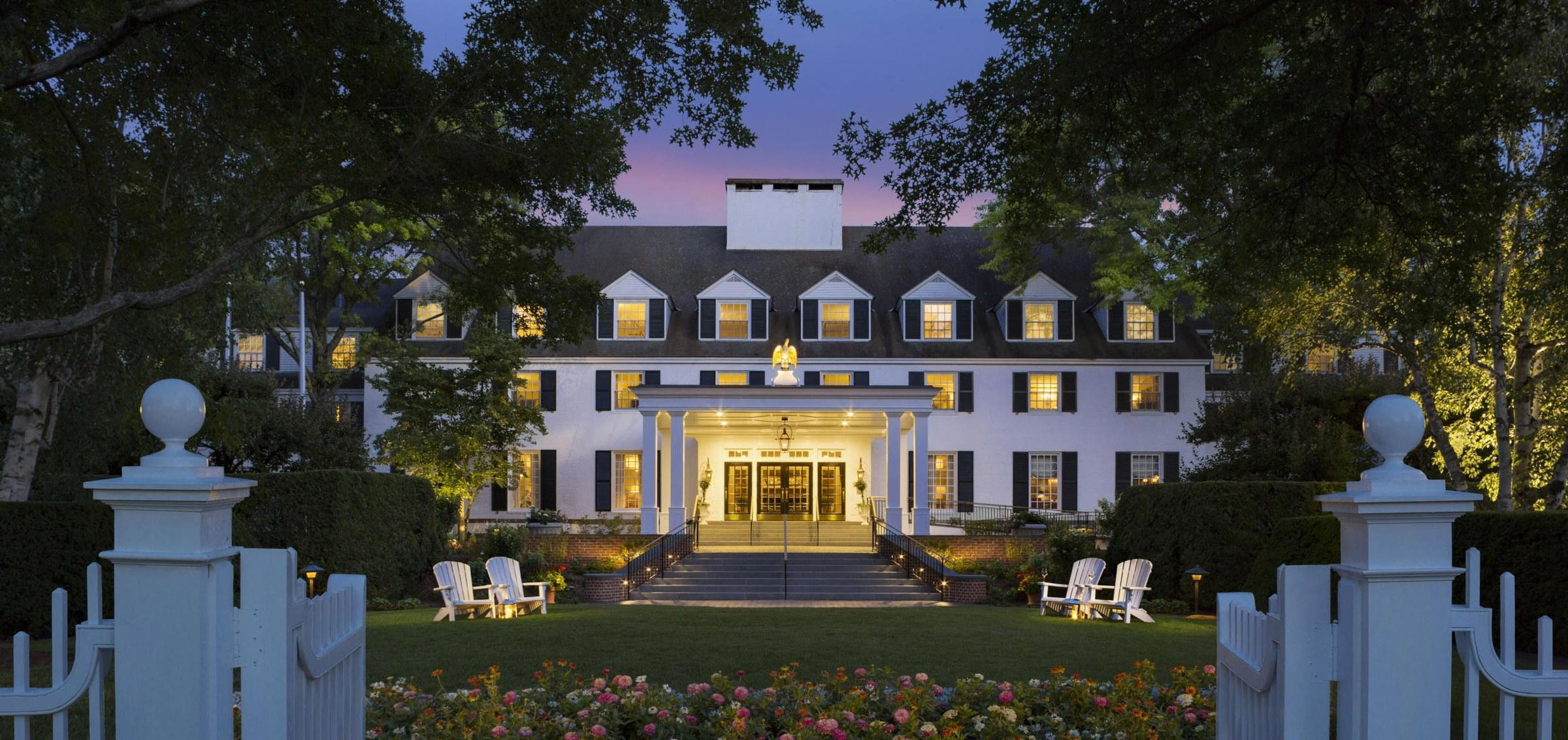
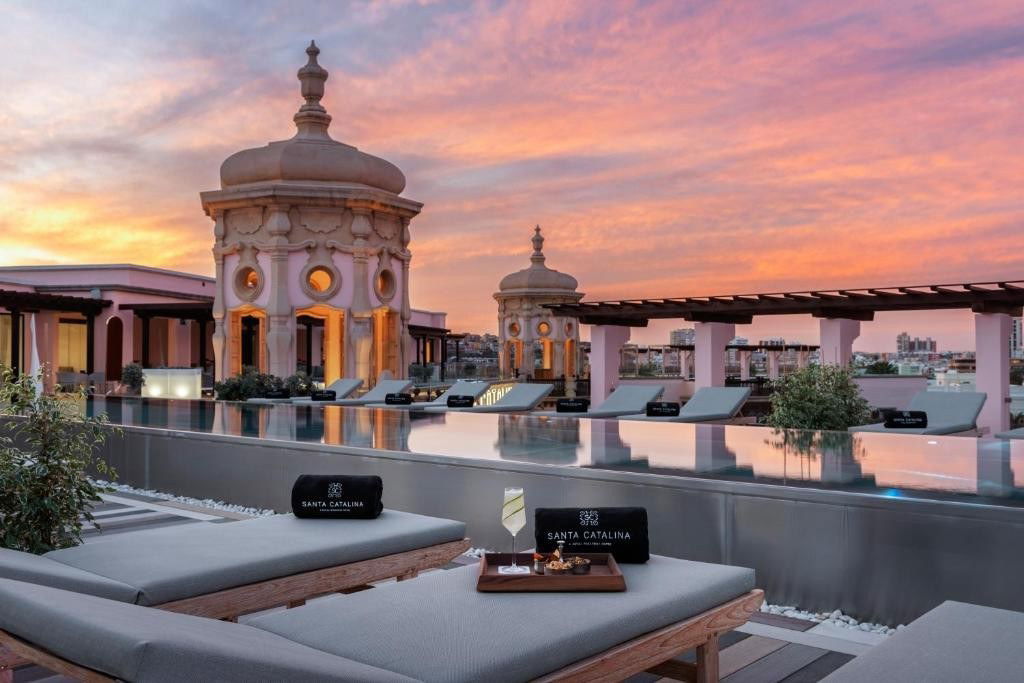
Santa Catalina presents a colonial frame that reads as an argument for permanence rather than trend-driven overhaul. The hotel, open since 1890, preserves original room proportions, carved-wood detailing in the main salon and a curated Spanish art collection, so its historic fabric remains front and center. That preservation sits beside contemporary infrastructure—an oceanview infinity pool, a rooftop bar and a modern spa—so the property feels both timeless and deliberately luxurious. The result is a classic, slightly opulent hotel that leans on its history and civic stature to create a refined, storied stay rather than a fashion-forward reinvention.
Best For
This is a property for travelers who prize historic stature paired with contemporary hotel comforts. It suits couples and guests marking special occasions—its long history as the island’s address for visiting dignitaries and the Royal Hideaway positioning underline a ceremonial quality—while the spa and infinity pool make it a clear fit for wellness-minded stays. Art and architecture lovers will appreciate the preserved details and curated collection, and anyone seeking a scenic, elevated hotel experience on Gran Canaria finds the rooftop bar and ocean views especially appealing.
Venue details
Ambiance
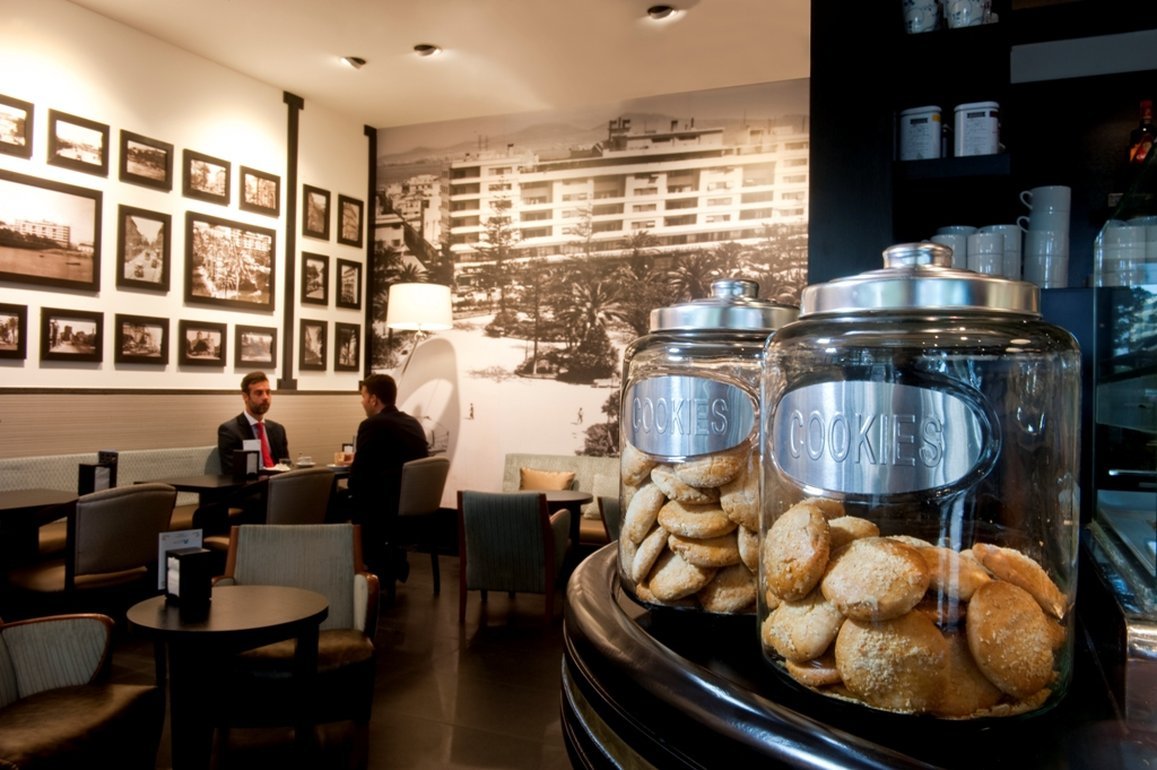
Serene and elegant oasis with beautiful gardens, water features, sophisticated lighting, and a tranquil atmosphere praised for relaxation.
Tags
Vibe
Best For
Experience
Amenities
View
Accessibility
About the Stay
- Rooms
- 203
- Check-in
- 15:00
- Check-out
- 12:00
- Property Style
- Historic Luxury Hotel in Lush Park Setting
- Design Style
- Colonial Elegant with Modern Luxury
Know before you go
Know Before You Go
- Getting there
- C. León y Castillo, 227, 35005 Las Palmas de Gran Canaria, Las Palmas
Planning details
Location
C. León y Castillo, 227, 35005 Las Palmas de Gran Canaria, Las Palmas · Directions

Also consider
Also Consider
- Bohemia Suites, Notable alternative
- Bohemia Suites & Spa, Notable alternative
- Seaside Grand Hotel, Notable alternative
- Seaside Palm Beach, Notable alternative
- Hotel Botanico, Notable alternative
Hotel context
How it compares in Gran Canaria
Bohemia Suites and Bohemia Suites & Spa are better cross-shops if the stay is leisure-first and spa time matters more than being based in Las Palmas. Santa Catalina, a Royal Hideaway Hotel is the stronger pick for a city-led occasion, especially when dinners, meetings, and cultural plans sit in the capital.
Seaside Grand Hotel and Seaside Palm Beach make more sense for travelers who want a resort routine and easier pool-centered days. Santa Catalina is the more formal choice, and its booking difficulty signals that key dates should be handled earlier, especially around winter sun and holiday demand.
Hotel Botanico belongs on the list for travelers comparing polished Canary Islands hotel stays beyond Gran Canaria. For this specific trip, book Santa Catalina if the value is in Las Palmas access and a more ceremonial atmosphere; cross-shop the others if the value is in resort seclusion, spa emphasis, or a slower beach-holiday pace.
Explore Las Palmas de Gran Canaria
Around this place
Discover more on Pearl
Unlock the full Santa Catalina, a Royal Hideaway Hotel guide in Pearl, including awards, comparisons, FAQs, planning details, and nearby places.
Compare Santa Catalina, a Royal Hideaway Hotel
| Venue | Location | Awards |
|---|---|---|
| Santa Catalina, a Royal Hideaway Hotel | Las Palmas de Gran Canaria | 2026 La Liste Top Hotels2026 Michelin 1 KeyWorld Luxury Hotel Awards 2025Michelin 1 Key 20252025 Michelin 1 KeyPreferred Hotels L.V.X. Collection 20252024 Michelin 1 Key |
| Bohemia Suites | Gran Canaria | No published awards |
| Bohemia Suites & Spa | Playa del Ingles | No published awards |
| Seaside Grand Hotel | Maspalomas | Leading Hotels of the World 20262026 Michelin 1 Key2025 Michelin Selected Hotels |
| Seaside Palm Beach | Maspalomas | 2026 Design Hotels Collection2026 La Liste Top Hotels2025 Michelin Selected Hotels |
| Hotel Botanico | Tenerife | Leading Hotels of the World 2026 |




How Santa Catalina, a Royal Hideaway Hotel compares with similar nearby venues.
FAQ
Frequently Asked Questions
How is the location of Santa Catalina, a Royal Hideaway Hotel?
Santa Catalina, a Royal Hideaway Hotel is in Las Palmas de Gran Canaria. The location should be described at city level only, so the safest comparison is simply whether you want to stay in Las Palmas de Gran Canaria or consider another premium hotel option such as Seaside Palm Beach or Seaside Grand Hotel.
When is the best time to book Santa Catalina, a Royal Hideaway Hotel?
Book when the dates and terms work for your trip. Seasonal booking patterns, rate guidance, or availability rules are not available. The hotel's recognition profile includes Michelin 1 Key in 2024, Preferred Hotels L.V.X. Collection in 2025, La Liste Top Hotels 2026 with 93 points, and a World Luxury Hotel Awards 2025 regional win. Bohemia Suites is another option to compare if you are still choosing between premium hotel stays.
What is check-in like at Santa Catalina, a Royal Hideaway Hotel?
Check-in procedures or arrival formats are not described. Santa Catalina, a Royal Hideaway Hotel has a smart-casual dress code and recognition including Michelin 1 Key and Preferred Hotels L.V.X. Collection status. For current check-in times, requirements, and arrival details, confirm directly with the hotel.
How does Santa Catalina, a Royal Hideaway Hotel compare to other premium hotels?
Choose Santa Catalina if you specifically want a Las Palmas de Gran Canaria hotel with a smart-casual dress code and recognition including Michelin 1 Key, Preferred Hotels L.V.X. Collection, La Liste Top Hotels, and a World Luxury Hotel Awards regional win. Bohemia Suites, Bohemia Suites & Spa, Seaside Grand Hotel, Seaside Palm Beach, and Hotel Botanico are natural names to compare when you are still deciding among premium hotel options.
Which room category is best at Santa Catalina, a Royal Hideaway Hotel?
Room-category data is not available, so there is no basis for naming a best category. Choose based on the room descriptions, cancellation terms, and rates shown by the hotel or booking channel for your dates. The recognition, including Michelin 1 Key status, supports considering the property for a more special stay, but it does not describe any specific room type.
How is the pool and spa at Santa Catalina, a Royal Hideaway Hotel?
Pool or spa details are not available. Do not book on the assumption of a specific pool, spa, treatment, or wellness setup without checking the hotel's current information directly. The hotel's Las Palmas de Gran Canaria location, smart-casual dress code, and recognition including Michelin 1 Key are available.