

Hotel Windsor
Laigueglia center, Laigueglia Liguria
Hotel in Laigueglia Liguria, Italy
 Book with Pearl
Why go
Book Hotel Windsor if you want a design-led Laigueglia base rather than a large Ligurian resort. The strongest case is location and atmosphere, supported by Design Hotels membership and a Mr & Mrs Smith Seal of Approval; cross-shop Alassio or Sanremo properties if spa scale, business amenities, or resort facilities matter more.
About Hotel Windsor
Hotel Windsor is a hotel in Laigueglia Liguria with design-oriented recognition: it is listed as a 2026 Design Hotels Member and carries the Mr & Mrs Smith Seal of Approval for 2026. Beyond those credentials and a smart casual dress code, planning should be based on the hotel's current booking information rather than assumptions about facilities, dining, or services.
A design-recognized stay in Laigueglia Liguria
The clearest reason to consider Hotel Windsor is its positioning through Design Hotels membership and Mr & Mrs Smith recognition. Those signals support treating it as a style-conscious hotel choice in Laigueglia Liguria, while checking room types, amenities, dining, and service format directly before booking.
For a first visit, Hotel Windsor is best assessed as a Laigueglia Liguria base with design-related credentials. For broader planning beyond the hotel, use our full Laigueglia Liguria hotels guide, plus the local restaurants, bars, wineries, and experiences guides.
Who should book it, and who should cross-shop
Book this if you specifically want Hotel Windsor in Laigueglia Liguria and value its design-hotel recognition. If your decision depends on particular facilities, dining, room categories, family services, business amenities, or wellness features, check those details directly with the hotel before booking.
For a broader Ligurian hotel search, compare Hotel Windsor with Grand Hotel Alassio Beach & SPA Resort or Grand Hotel Alassio Resort & Spa. Villa della Pergola, La Meridiana, and Europa Palace Sanremo are also relevant alternatives for travelers who are flexible on exact location and want to compare different styles of stay.
Bottom line: Hotel Windsor is a credible Laigueglia Liguria option when the decision is grounded in its Design Hotels Member status, Mr & Mrs Smith Seal of Approval, and smart casual dress code. Avoid making the booking on assumptions; check any specific service or facility needs before committing.
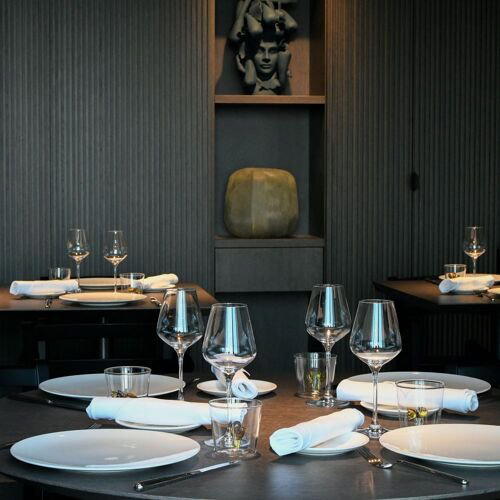
Inside Hotel Windsor
Planning details
- Location
- Piazza 25 aprile, 8, Laigueglia, Liguria 17053, Italy
The take
The Take
The Vibe
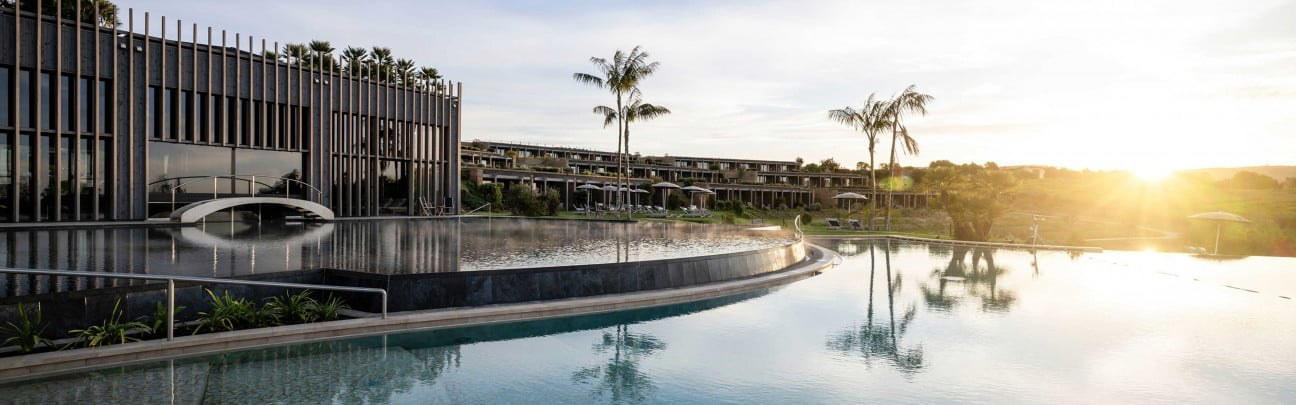
Hotel Windsor presents a restrained, old-Riviera elegance rooted in early twentieth-century design. The building reads like a classic Belle Époque seafront hotel: broad facades facing the water, architectural detail that nods to Liberty-era ornament, and public spaces that balance interior formality with Mediterranean informality. Its presence in a quieter Ligurian town gives the property a low-key charm — not flashy, but quietly assured. The overall tone is calm and unhurried, ideal for travelers who want the visual romance of the Italian Riviera without the theatricality of more crowded resorts.
Best For
This is a property for mellow coastal escapes where the view and atmosphere matter more than spectacle. Because it sits directly on the sea in a small, pastel-painted fishing town, the hotel suits couples seeking a quiet romantic break and visitors who prefer slow walks along the promenade, seaside dining, and time spent watching the Gulf of Genoa light. Its modest scale and historic character also make it a sensible choice for weekend escapes focused on place and pace rather than nightlife or busy resort programming.
Stay Tips
Prioritize booking accommodations with sea-facing orientation — the description emphasises the hotel's direct position on the waterfront, so a seafront room will deliver the defining experience. Book early for peak travel periods: Laigueglia is presented as a quieter, less overrun corner of the Riviera, implying limited local inventory. When confirming, mention a preference for quieter floors or early-evening views of the piazza to make the most of the town’s gentle seaside rhythm.
Venue details
Ambiance
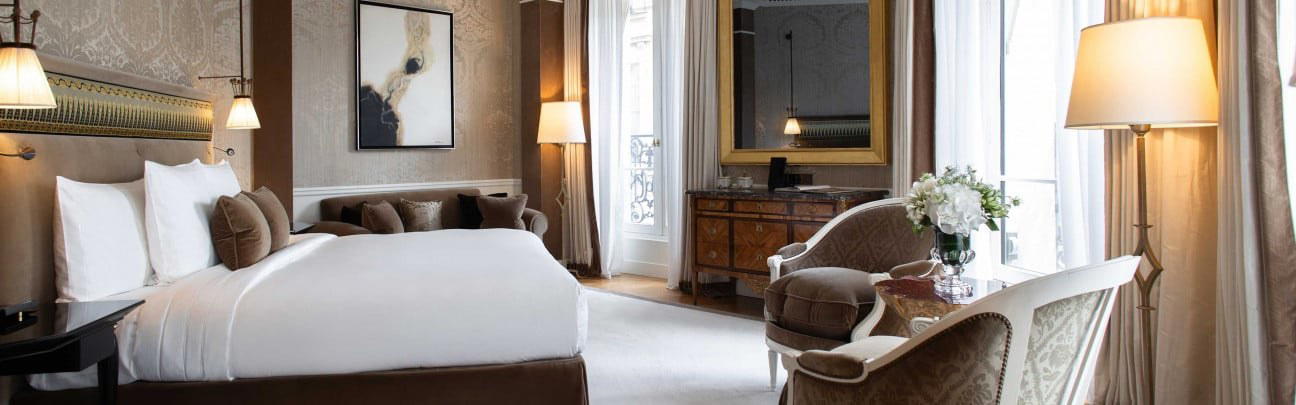
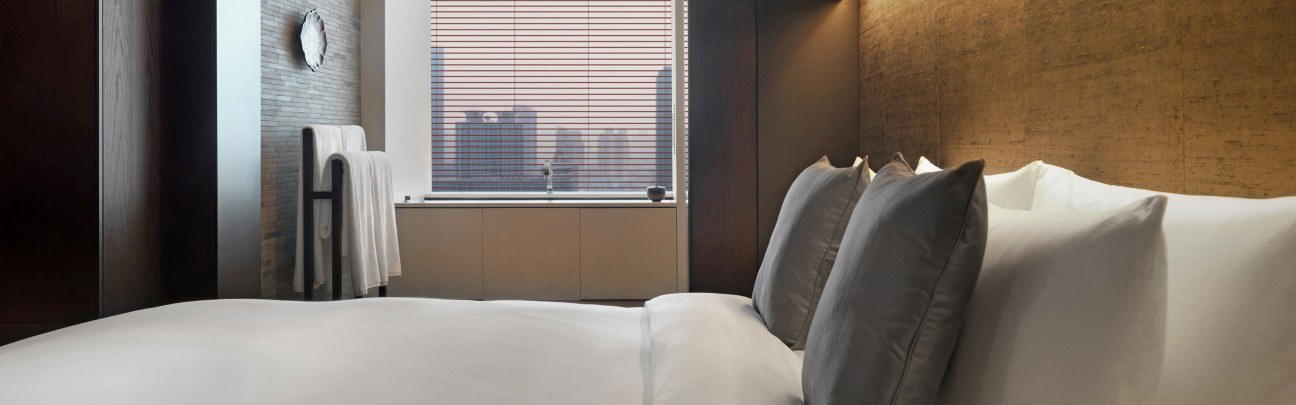
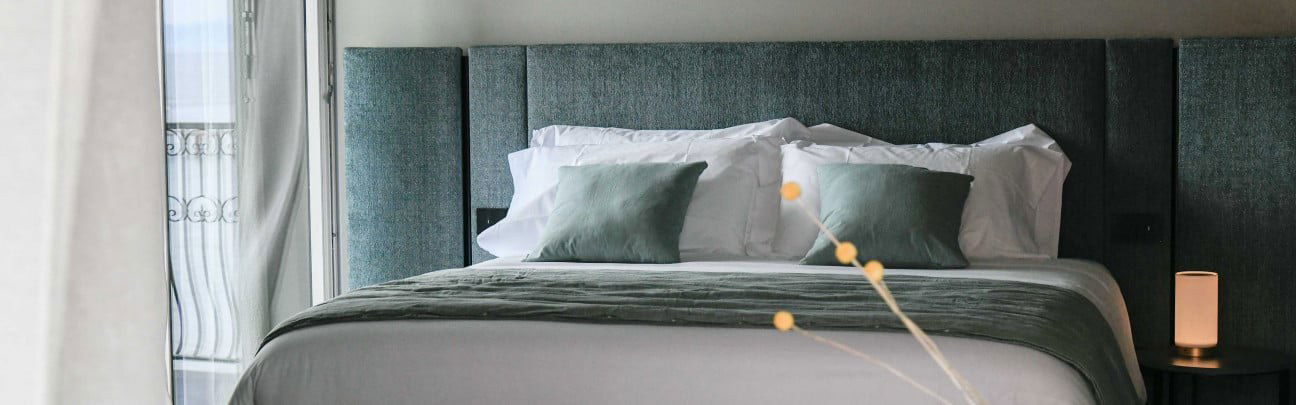
Refined chic atmosphere with neutral tones, custom Italian design furniture, large sea-facing windows, and soft elegant Riviera glamour.
Tags
Vibe
Best For
Experience
Amenities
View
Accessibility
About the Stay
- Rooms
- 25
- Check-in
- 15:00
- Check-out
- 11:00
- Property Style
- Historic Riviera Beachfront Boutique Revived to Golden Age Glamour
- Design Style
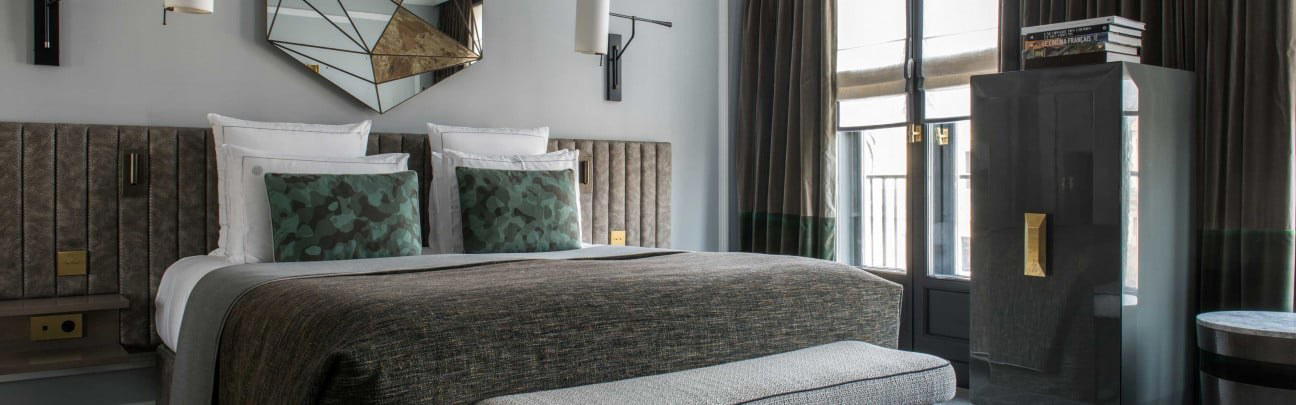
- Neutral Geometries with Custom Italian Furniture and 20th Century Design Influences
Know before you go
Know Before You Go
- Getting there
- Piazza 25 aprile, 8, Laigueglia, Liguria 17053, Italy
Planning details
Location
Piazza 25 aprile, 8, Laigueglia, Liguria 17053, Italy · Directions
Recognition and awards
Also consider
Where to look if this is not the right fit
If resort amenities matter more than staying in Laigueglia, cross-shop Grand Hotel Alassio Beach & SPA Resort first. If the trip calls for a calmer retreat rather than a town base, compare Villa della Pergola.
Hotel context
How it compares with nearby Ligurian hotels
Hotel Windsor is the cleaner choice if the goal is to stay in Laigueglia with a design-forward feel and an easier planning profile. Grand Hotel Alassio Beach & SPA Resort and Grand Hotel Alassio Resort & Spa make more sense for travelers who want a larger resort setup and are willing to base the trip outside Laigueglia.
Villa della Pergola is the better cross-shop for a quieter, retreat-style stay where the grounds and atmosphere matter more than being in the center of Laigueglia. La Meridiana is worth checking if flexibility on location opens up better value or availability.
Europa Palace Sanremo shifts the trip toward Sanremo, so choose it only if that city is part of the plan. For a first-timer focused on Laigueglia itself, Hotel Windsor is the more direct booking; for spa scale, broader facilities, or a bigger resort mood, the Alassio options are stronger fits.
Explore Laigueglia Liguria
Around this place
Discover more on Pearl
Unlock the full Hotel Windsor guide in Pearl, including awards, comparisons, FAQs, planning details, and nearby places.
Compare Hotel Windsor
| Venue | Location | Awards |
|---|---|---|
| Hotel Windsor | Laigueglia Liguria | 2026 Design Hotels Collection2026 Mr & Mrs Smith Luxury Hotels2025 Michelin Selected Hotels |
| Grand Hotel Alassio Beach & SPA Resort | Alassio | Leading Hotels of the World 20262025 Michelin Selected Hotels |
| Grand Hotel Alassio Resort & Spa | Alassio | No published awards |
| Villa della Pergola | Alassio | 2026 Relais Chateaux Hotels2026 La Liste Top Hotels2025 Michelin Selected Hotels2025 Relais Chateaux Award |
| La Meridiana | Garlenda | 2026 Virtuoso Luxury Hotel Collection2026 Relais Chateaux Hotels2025 Michelin Selected Hotels2025 Relais Chateaux Award |
| Europa Palace Sanremo | Sanremo | No published awards |




How Hotel Windsor Laigueglia Liguria compares with similar nearby venues.
FAQ
Frequently Asked Questions
What is check-in like at Hotel Windsor?
Which room category is best at Hotel Windsor?
Is Hotel Windsor family-friendly?
Is Hotel Windsor good for business travel?
It may suit some travelers as a Laigueglia Liguria hotel base, but meeting rooms, work amenities, and corporate services should be confirmed directly with the property.
How is the dining at Hotel Windsor?
Check the hotel's current dining information before relying on in-house dining, and consider other dining in Laigueglia Liguria if meals are a priority.
How does Hotel Windsor compare to other hotels?
Pick Hotel Windsor if you want a Laigueglia Liguria stay with Design Hotels Member status and the Mr & Mrs Smith Seal of Approval. Grand Hotel Alassio Beach & SPA Resort, Grand Hotel Alassio Resort & Spa, Villa della Pergola, La Meridiana, and Europa Palace Sanremo are useful alternatives to compare if you are considering a wider Ligurian hotel search.
Do loyalty programs work at Hotel Windsor?
For loyalty-program participation or benefits, check directly with Hotel Windsor. Its recognition includes Design Hotels Member status for 2026 and the Mr & Mrs Smith Seal of Approval for 2026.