
THE THOUSAND KYOTO
Shimogyō, Kyoto
Hotel in Kyoto, Japan
 Book with Pearl
The Read
Station-Adjacent Scale
Price
$200–300per night
Why go
THE THOUSAND KYOTO is the sensible Kyoto pick for travelers who want a polished, low-friction base near the city's main transit hub. Book it for a celebration, business stay, or sightseeing-heavy trip; restaurant-led travelers should treat the dining as secondary and plan standout meals elsewhere in Kyoto.
About THE THOUSAND KYOTO
Book THE THOUSAND KYOTO as a Kyoto hotel choice when the priority is a stay with a clearly affiliation: Preferred Hotels L.V.X. Collection (2025). The available profile is limited, so do not build the decision around unconfirmed details such as a specific restaurant concept, room count, amenities, address-level convenience, or dining program.
For planning purposes, keep the confirmed facts simple: the venue is in Kyoto, the dress code guidance is smart casual, and the hotel is associated with Preferred Hotels L.V.X. Collection (2025). If your trip depends on a particular location within the city, a specific wellness facility, a named culinary format, or detailed service inclusions, confirm those directly before booking.
A Kyoto hotel to use as a base, with dining details to verify separately
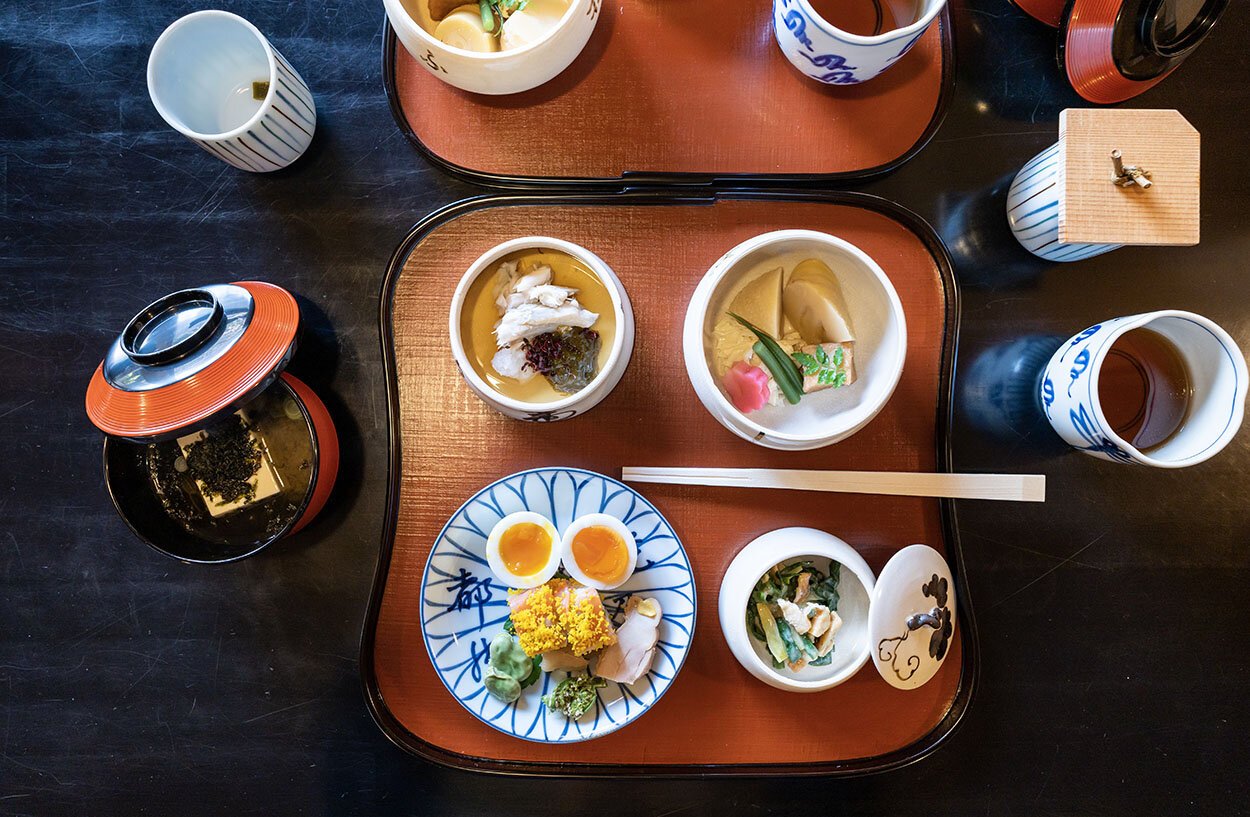
The dining question needs a cautious answer: the profile does not establish a specific cuisine, chef, menu format, bar program, or restaurant-led reason to book. Restaurant-focused travelers should plan meals through Our full Kyoto restaurants guide rather than assuming the hotel's dining will define the trip.
This can still be a sensible Kyoto stay for guests who want a hotel option with smart-casual guidance and a recognized hotel collection affiliation. If the occasion depends on a small inn atmosphere, a particular lodging style, or a highly specific setting, compare it with other Kyoto options before committing.
Who should book, and who should cross-shop
Choose THE THOUSAND KYOTO if the hooks are enough for your trip: Kyoto, smart casual, and Preferred Hotels L.V.X. Collection (2025). For broader hotel scouting, use Our full Kyoto hotels guide; for after-dinner planning, use a Kyoto bars guide or confirm options directly.
The trade-off is that the available data does not support claims about cuisine, pricing, exact location within Kyoto, amenities, check-in style, or booking difficulty. Quick reference: consider it for a Kyoto hotel stay with a confirmed collection affiliation; look elsewhere or verify directly if your decision depends on more specific features.
Inside THE THOUSAND KYOTO
Planning details
- Location
- 570 Higashishiokōjichō, Shimogyo Ward, Kyoto, 600-8216
- Website
- keihanhotels-resorts.co.jp/the-thousand-kyoto
- Phone
- +81 75-354-1000
The take
The Take
The Vibe
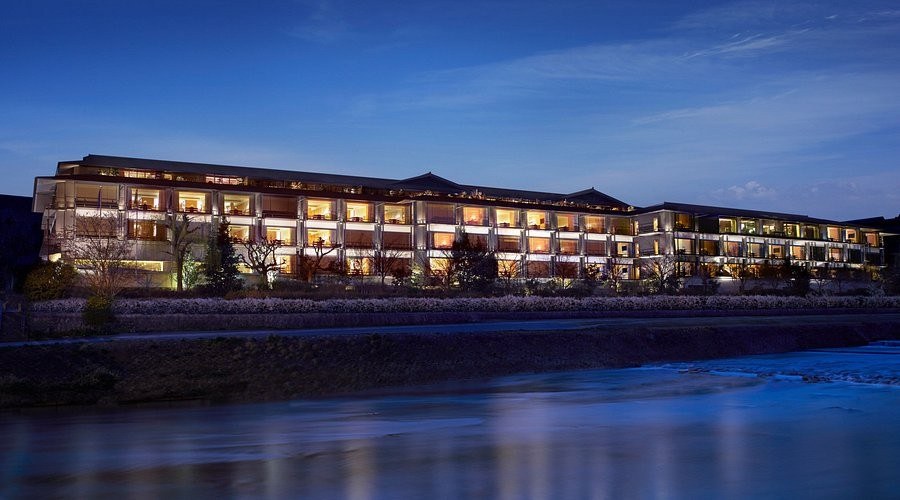
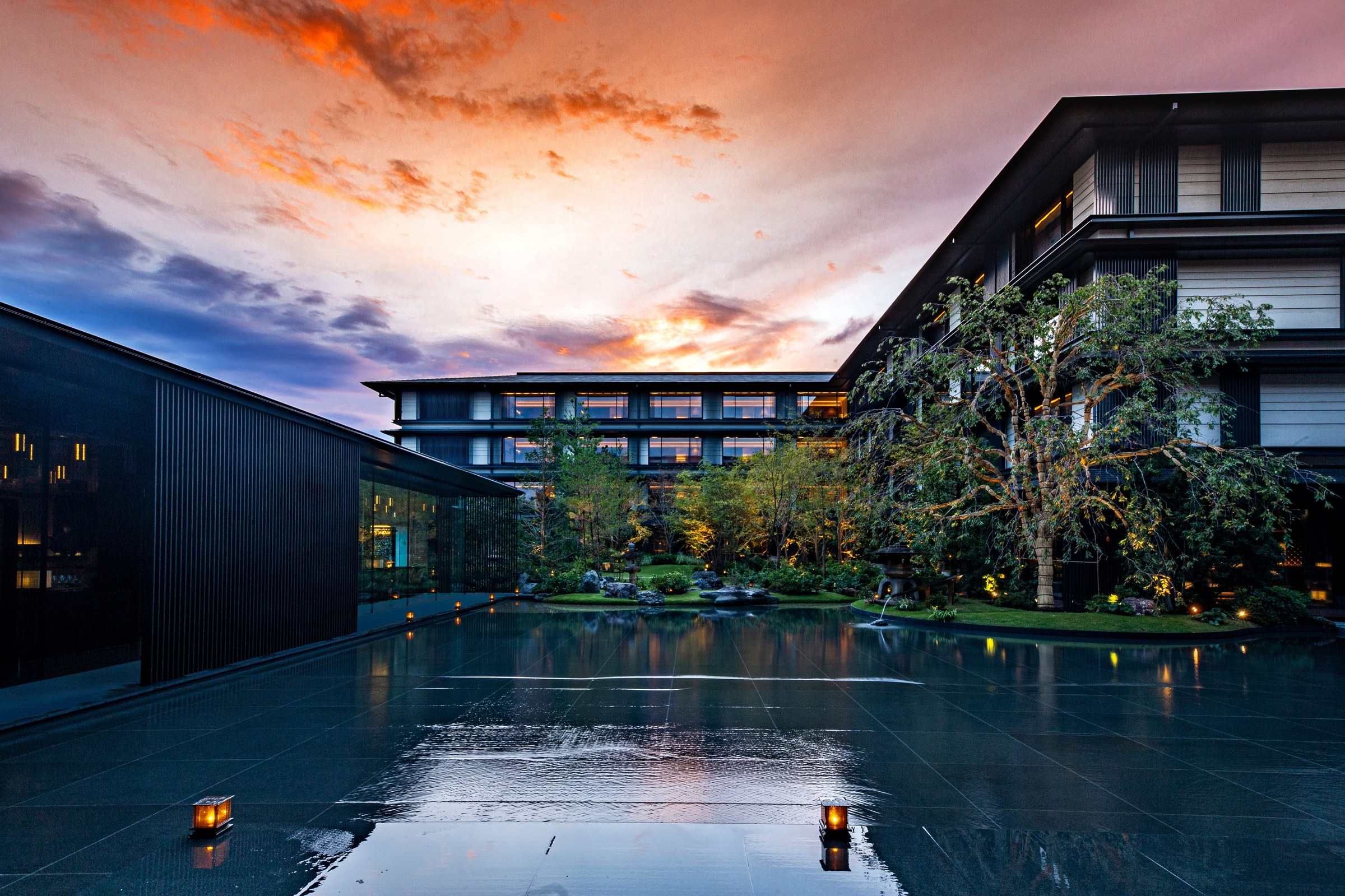
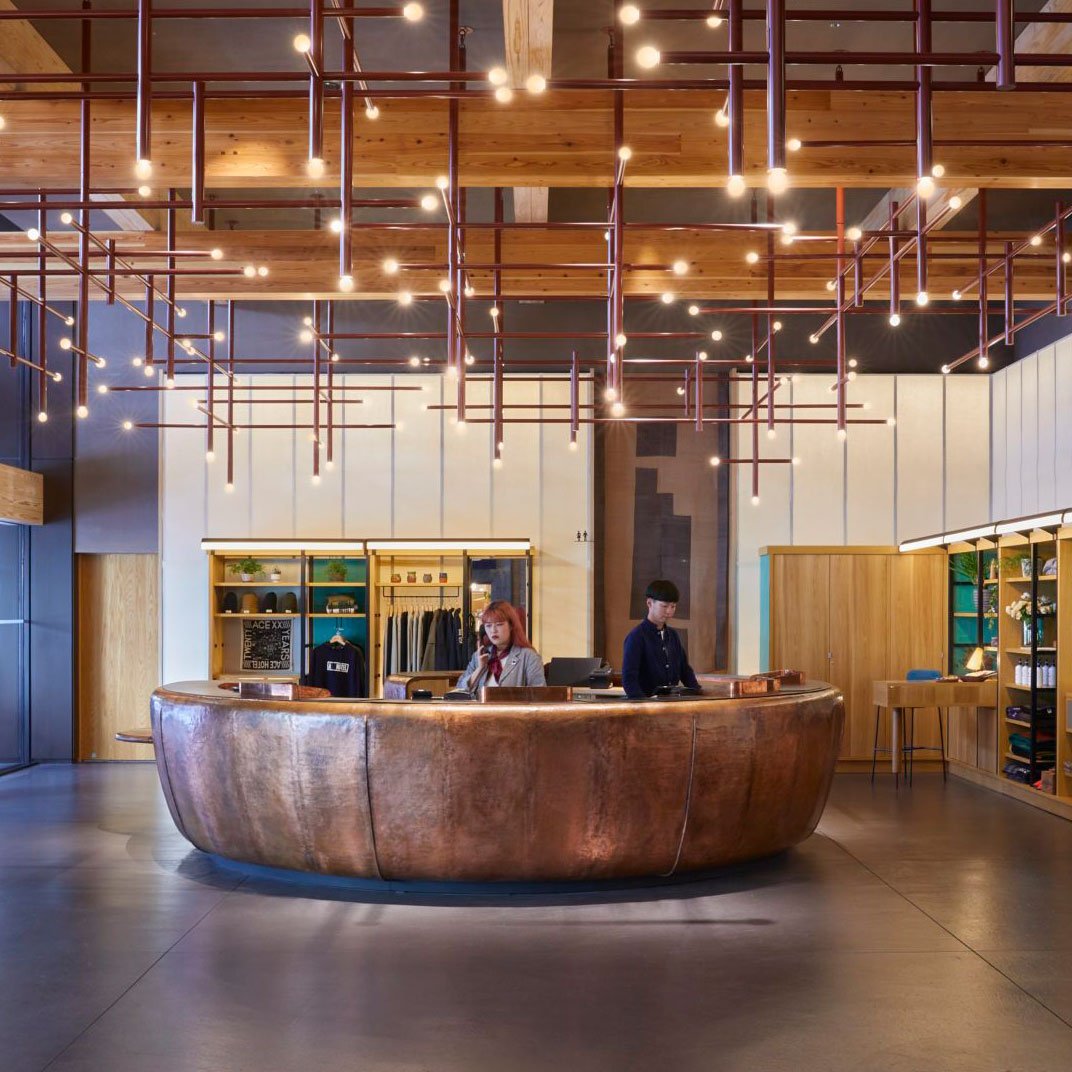
The Thousand Kyoto reads as an urban, design-minded luxury hotel that leans into the scale and convenience of its station-quarter setting. It sits within the practical hierarchy of Kyoto lodging—larger and more program-driven than boutique ryokans or design-led small hotels—so guests encounter a polished, contemporary environment rather than intimate traditionality. The copy frames the property as part of a modern urban fabric, adjacent to a steel-and-glass transport hub, and oriented toward travelers who prioritise seamless access to the city over secluded retreat. The overall tone is metropolitan and deliberately service-forward.
Best For
This is a choice property for travelers who prioritise Kyoto Station access and a full-service hotel experience. With 222 rooms and a programme that competes on facilities rather than exclusivity, it suits business travellers, city visitors with tight itineraries, and anyone who values convenience over the intimacy of a small ryokan. The Thousand Kyoto functions as a practical home base for exploring Kyoto’s cultural sites while offering the scale and amenities expected from an urban luxury hotel; it is less about rustic escape and more about efficient, comfortable city stay.
Venue details
Ambiance
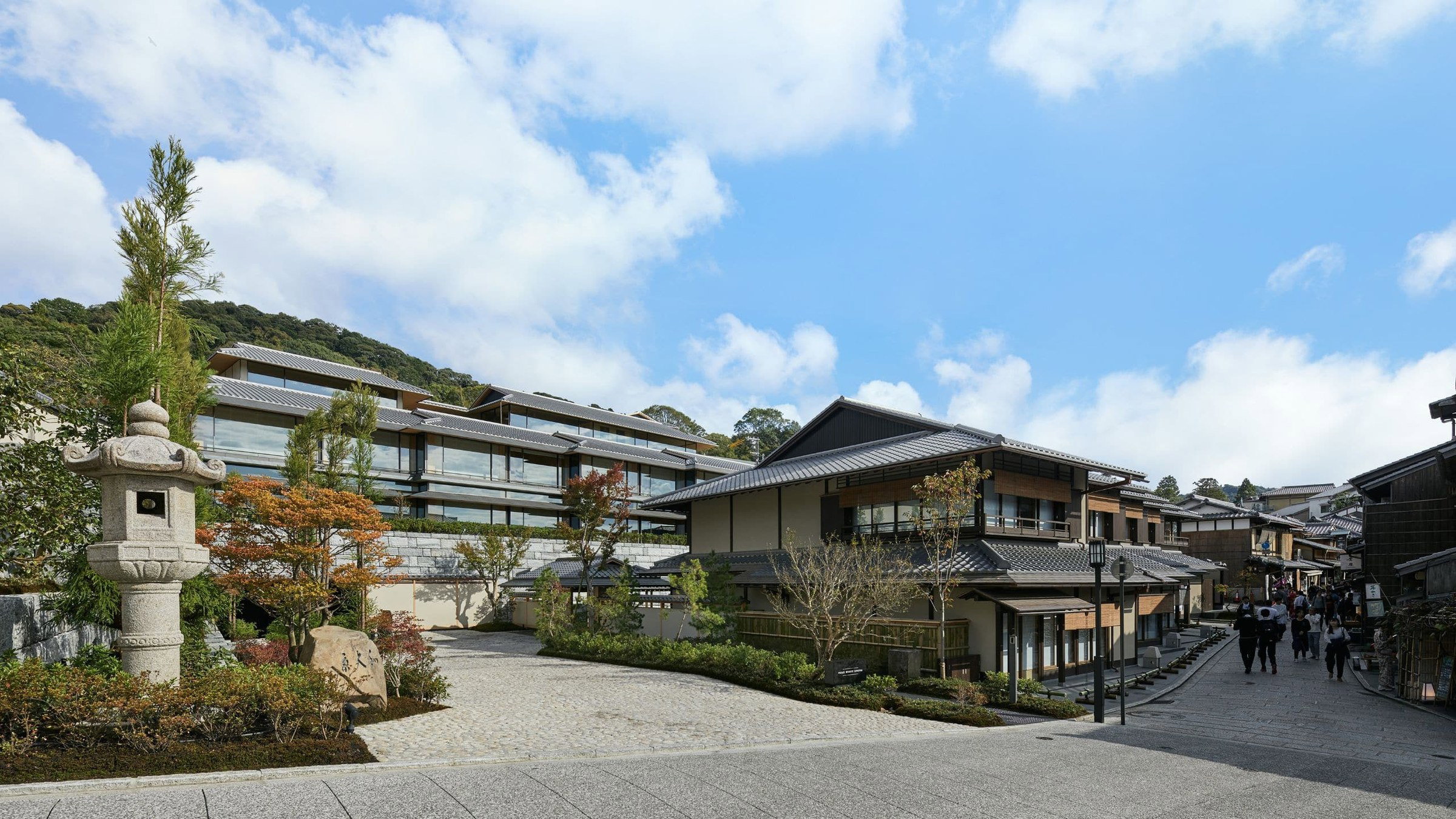
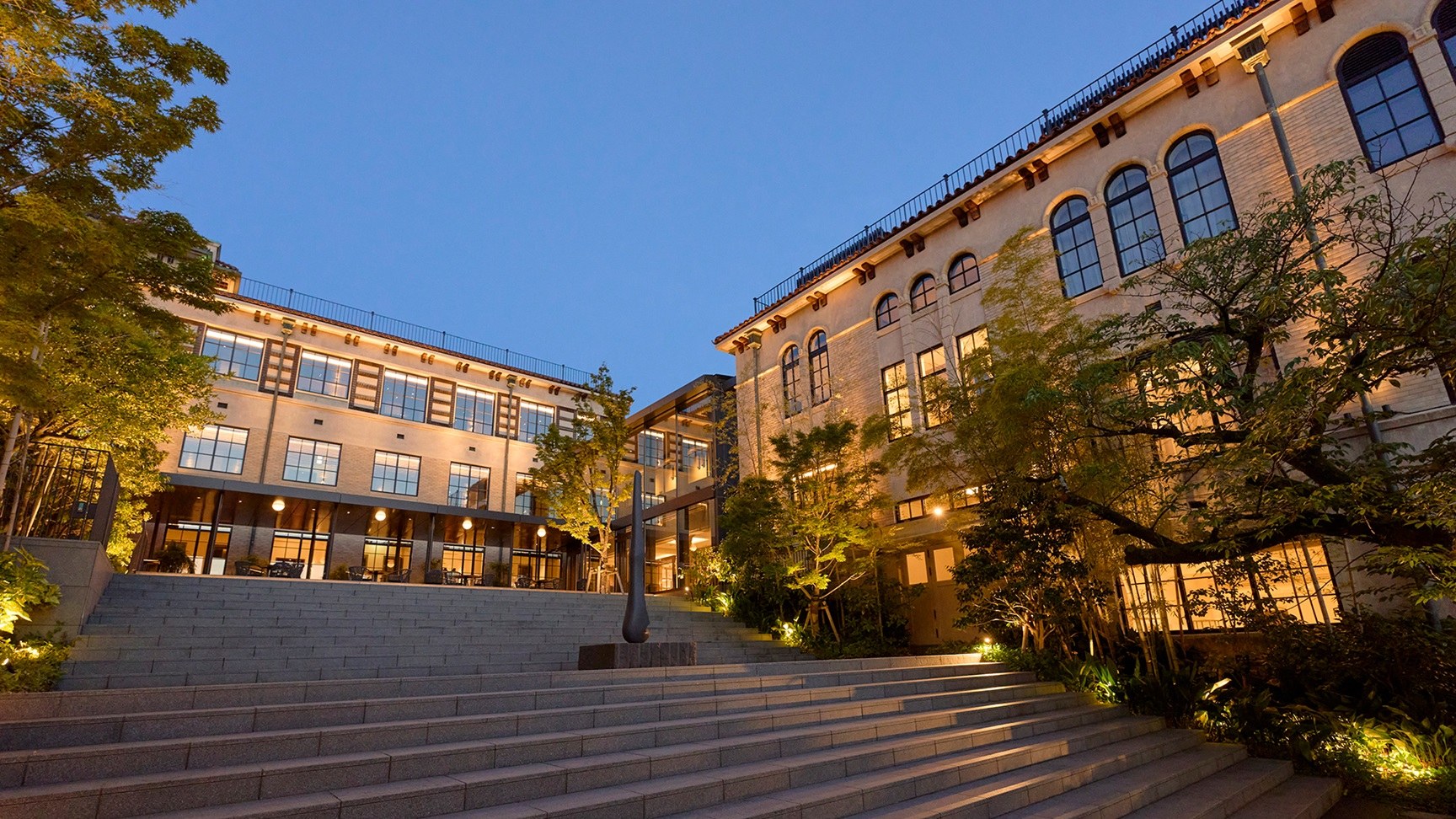
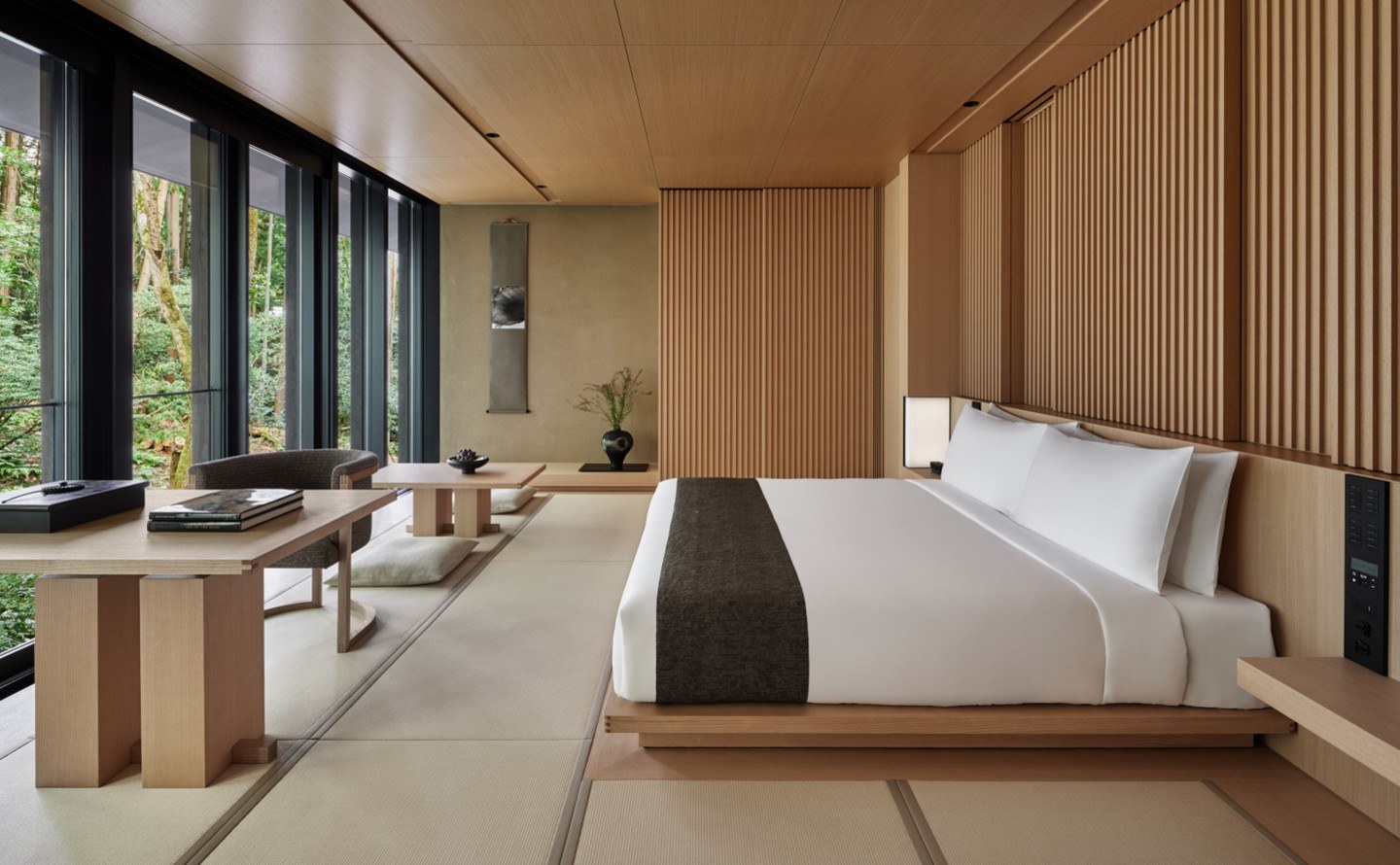
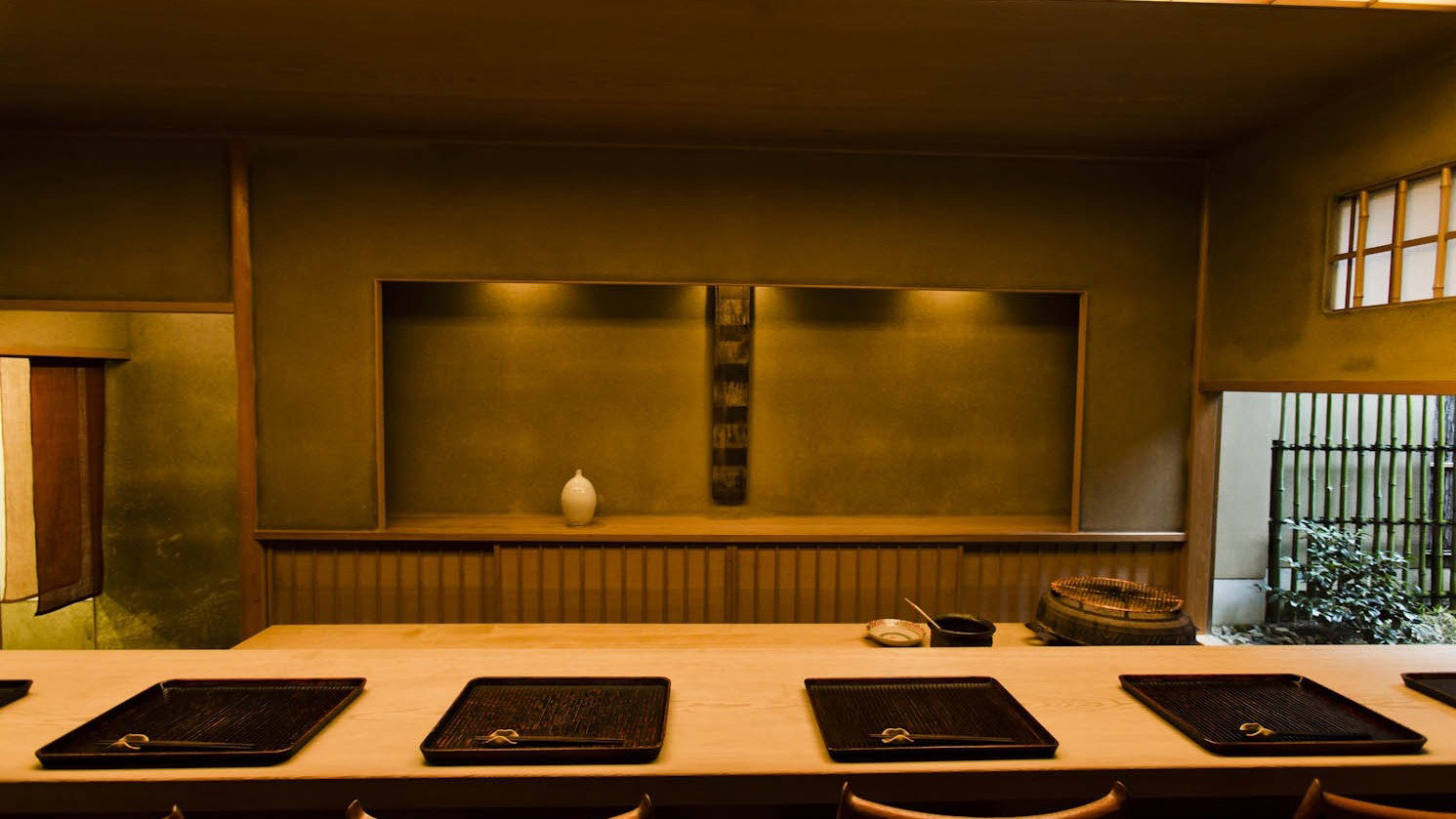
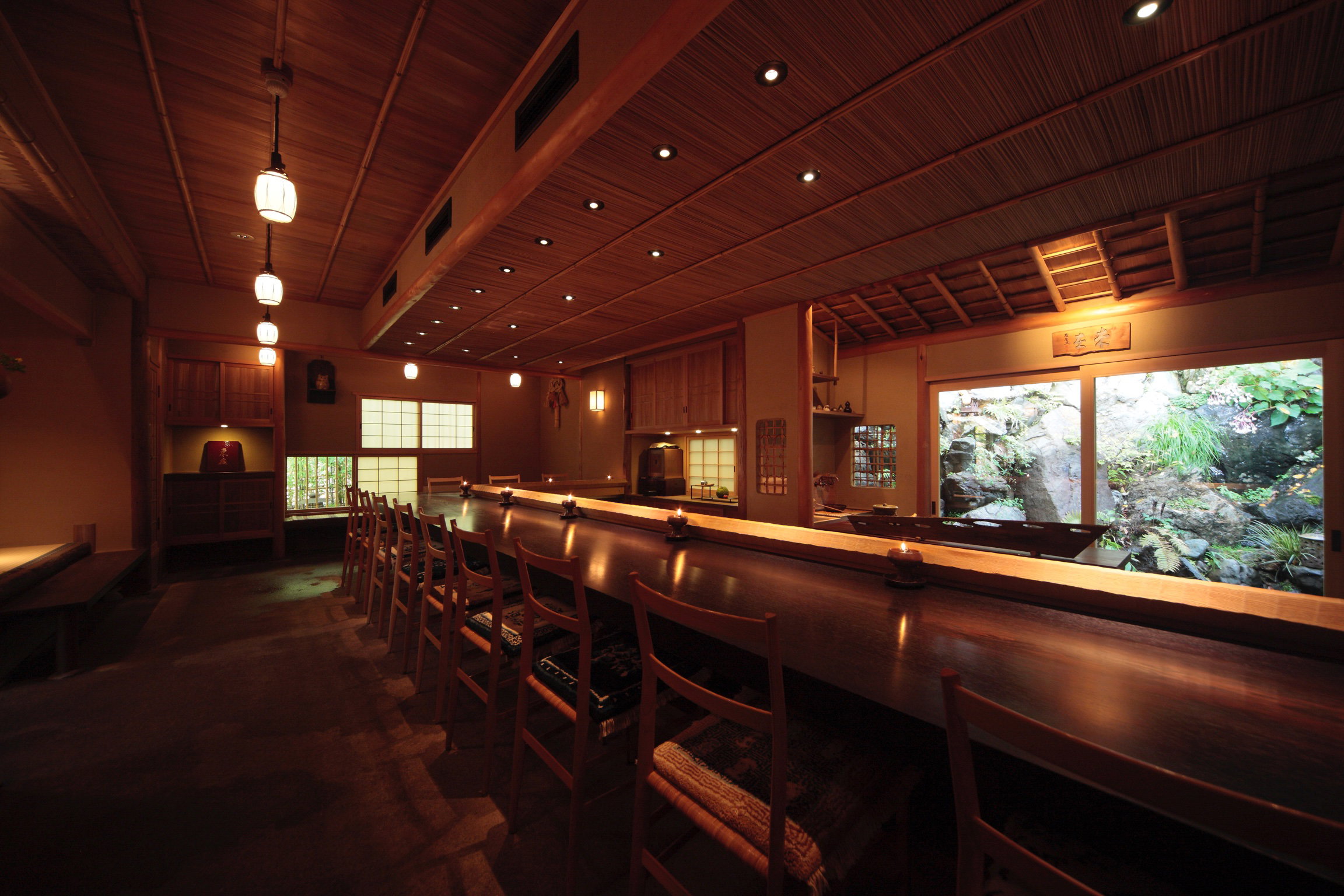
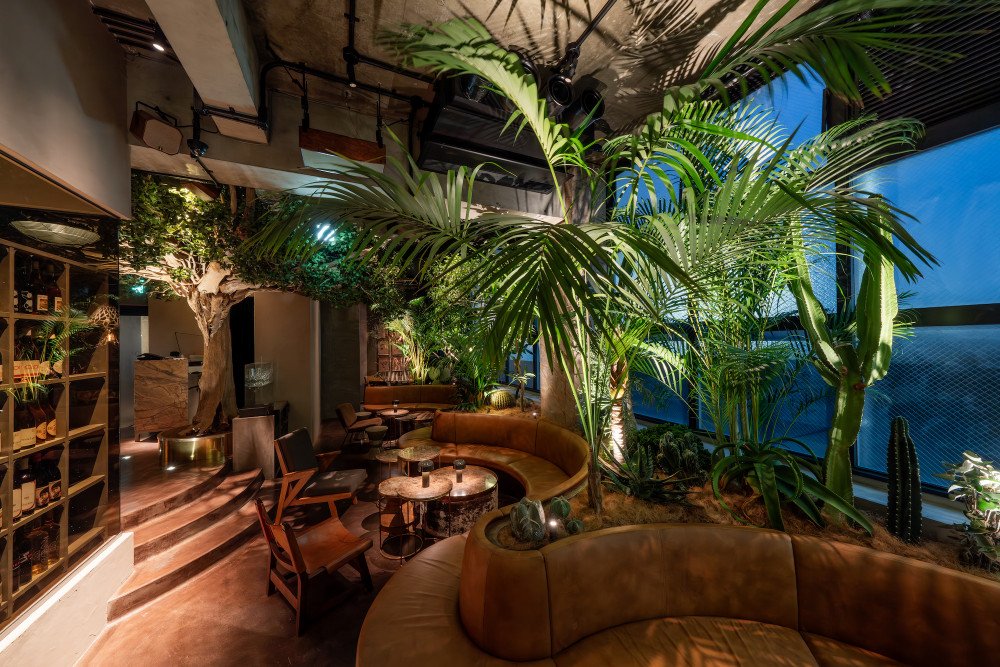
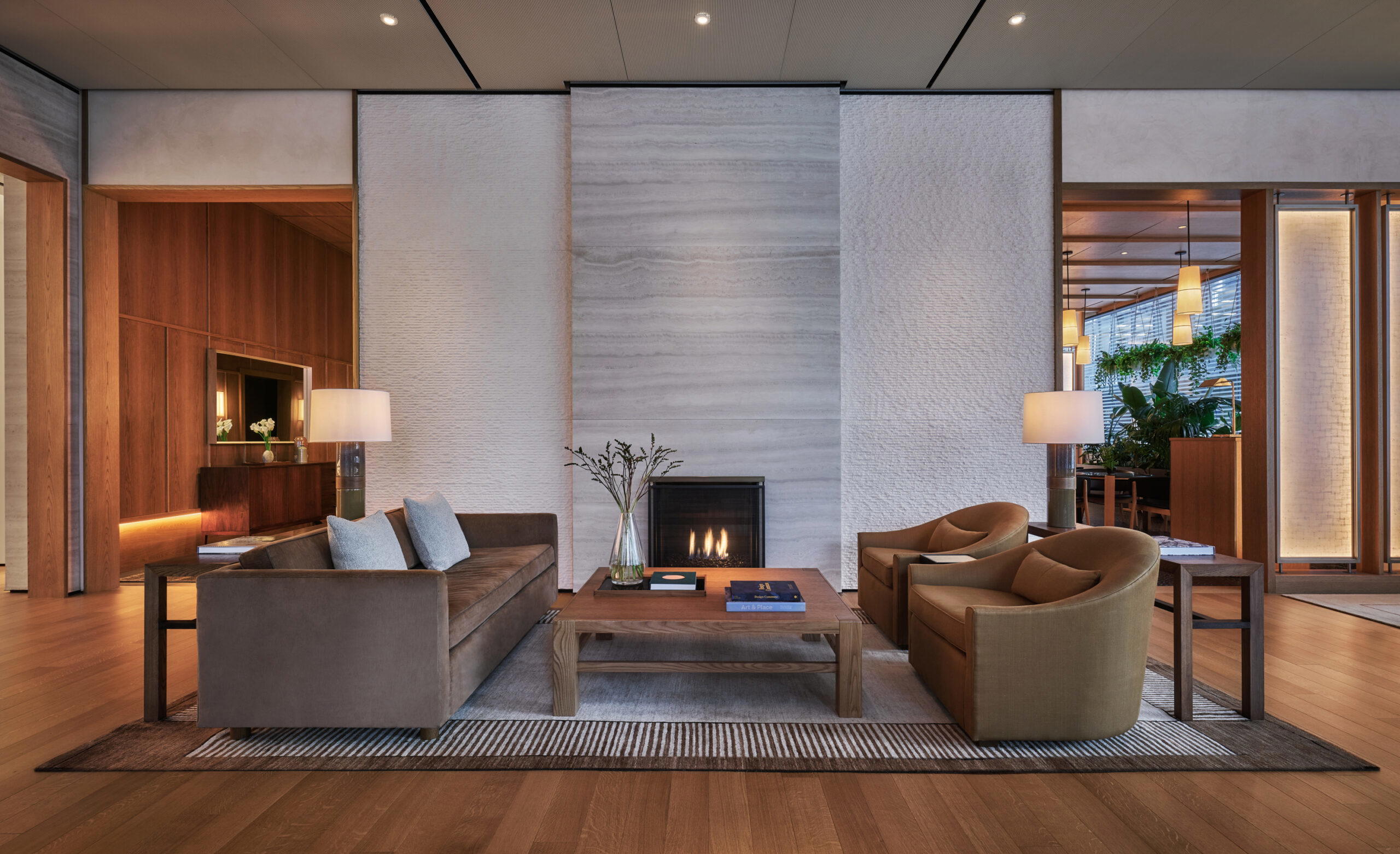
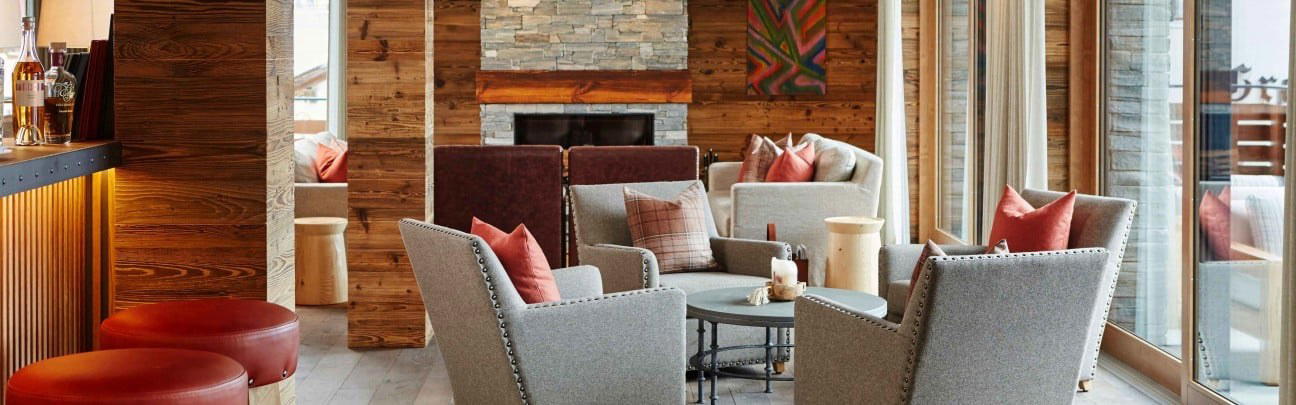
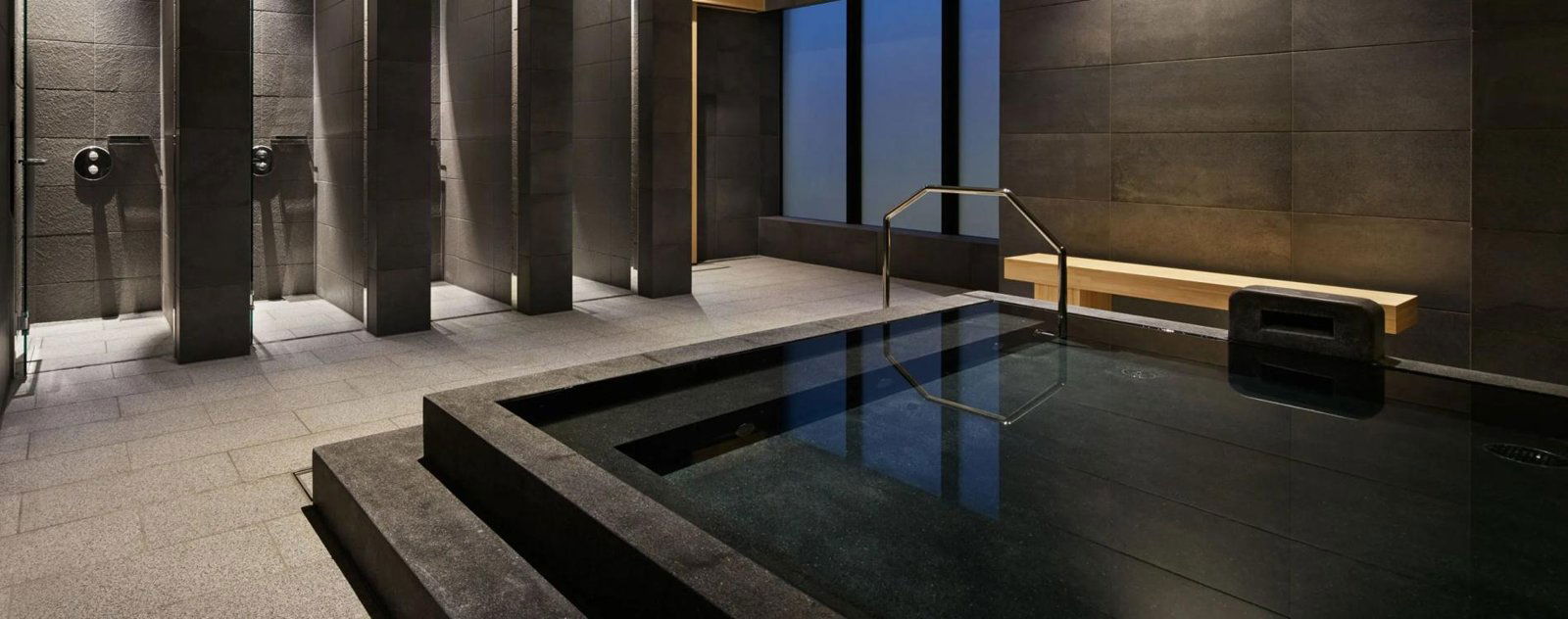
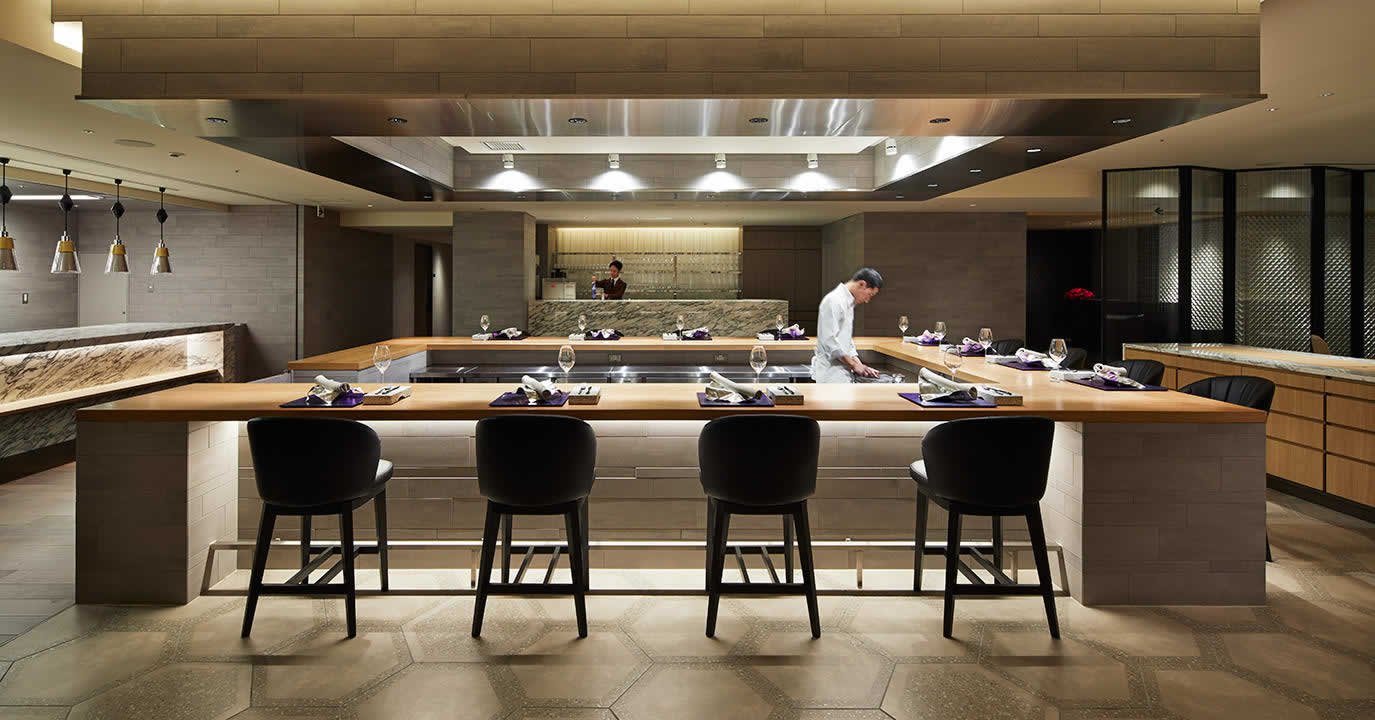
Serene and refined with warm lighting, natural materials like slate and wood, abundant greenery, and an oasis-like atmosphere that evokes peace and harmony with nature.
Tags
Vibe
Best For
Experience
Amenities
View
Accessibility
About the Stay
- Rooms
- 222
- Check-in
- 15:00
- Check-out
- 11:00
- Property Type
- Boutique hotel
- Property Style
- Contemporary Luxury Boutique Hotel Blending Minimalist Japanese Design with Modern Comfort, Inspired by Traditional Kyoto Machiya Architecture and Tea House Aesthetics.
- Design Style
- Minimalist with Natural Materials, Abundant Greenery, and Garden Elements Creating an Oasis of Peace; Rooms Feature Clean Lines, Pillow Menus, and Technology Integrated Through Ipad Controls.
- Airport Transfer
- Available
- Spa
- Yes
- Families
- Welcome
- Cancellation
- Moderate
Know before you go
Know Before You Go
- Getting there
- 570 Higashishiokōjichō, Shimogyo Ward, Kyoto, 600-8216
Planning details
Location
570 Higashishiokōjichō, Shimogyo Ward, Kyoto, 600-8216 · Directions
Recognition and awards
Also consider
Also Consider
- eph KYOTO, Notable alternative
- KIKOKUTEI Bekkan, Notable alternative
- Nazuna Kyoto Higashihonganji, Notable alternative
- Marufukuro, Notable alternative
- 〒600-8176 Kyoto, Shimogyo Ward, Kitamachi, 190 ホテルカンラ京都, Notable alternative
Hotel context
How It Compares
THE THOUSAND KYOTO is the safer choice if convenience and a polished city-hotel feel matter more than boutique character. eph KYOTO is the better cross-shop for travelers who want a smaller, simpler stay, while KIKOKUTEI Bekkan and Nazuna Kyoto Higashihonganji are more compelling if the goal is a quieter, more residential Kyoto mood.
For a special occasion, choose THE THOUSAND KYOTO when the trip needs smooth logistics and a composed base rather than a hotel that dominates the itinerary. Marufukuro is the stronger alternative for guests who want more design personality and a stay with a clearer sense of place. 〒600-8176 Kyoto, Shimogyo Ward, Kitamachi, 190 ホテルカンラ京都 is the practical comparison for travelers prioritizing Kyoto-style atmosphere over a larger hotel format.
Booking difficulty favors THE THOUSAND KYOTO for shorter-lead planning. If value means ease, location, and less coordination, start here. If value means a more intimate room count, stronger local texture, or a stay that feels less like a full-service city hotel, cross-shop eph KYOTO, Nazuna Kyoto Higashihonganji, and Marufukuro first.
Explore Kyoto
Around this place
Discover more on Pearl
Unlock the full THE THOUSAND KYOTO guide in Pearl, including awards, comparisons, FAQs, planning details, and nearby places.
Compare THE THOUSAND KYOTO
| Venue | Location | Awards |
|---|---|---|
| THE THOUSAND KYOTO | Kyoto | Preferred Hotels L.V.X. Collection 2025 |
| eph KYOTO | Kyoto | No published awards |
| KIKOKUTEI Bekkan | Kyoto | No published awards |
| Nazuna Kyoto Higashihonganji | Kyoto | No published awards |
| Marufukuro | Kyoto | No published awards |
| 〒600-8176 Kyoto, Shimogyo Ward, Kitamachi, 190 ホテルカンラ京都 | Kyoto Shi | No published awards |
How THE THOUSAND KYOTO compares with similar nearby venues.
FAQ
Frequently Asked Questions
How does THE THOUSAND KYOTO compare to other Kyoto stays?
Pick THE THOUSAND KYOTO if you want a Kyoto hotel with Preferred Hotels L.V.X. Collection (2025) status and smart-casual dress code guidance. For comparison, consider other Kyoto options such as Marufukuro, KIKOKUTEI Bekkan, Nazuna Kyoto Higashihonganji, and eph KYOTO, then confirm the specific features that matter for your stay.
How is the pool and spa at THE THOUSAND KYOTO?
The profile does not establish specific pool or spa details. Treat wellness facilities as something to confirm directly with the hotel rather than a reason to book based on this guide alone.
Is THE THOUSAND KYOTO family-friendly?
The profile does not establish specific family services or policies. If you are planning a family stay in Kyoto, confirm room setup, child policies, and any family-focused services directly before booking.
Do loyalty programs work at THE THOUSAND KYOTO?
The confirmed program-related signal is the hotel's Preferred Hotels L.V.X. Collection (2025) affiliation. If earning, redeeming, or status benefits matter, verify the current program terms directly before booking.
What is check-in like at THE THOUSAND KYOTO?
The profile does not establish a specific check-in process or time. Confirm arrival details directly with the hotel, especially if your Kyoto itinerary depends on early arrival, late check-in, or luggage handling.
How is the dining at THE THOUSAND KYOTO?
The profile does not establish a specific cuisine, chef, restaurant format, bar program, or menu. Use the hotel as a Kyoto stay option and plan dining separately if meals are central to the trip.