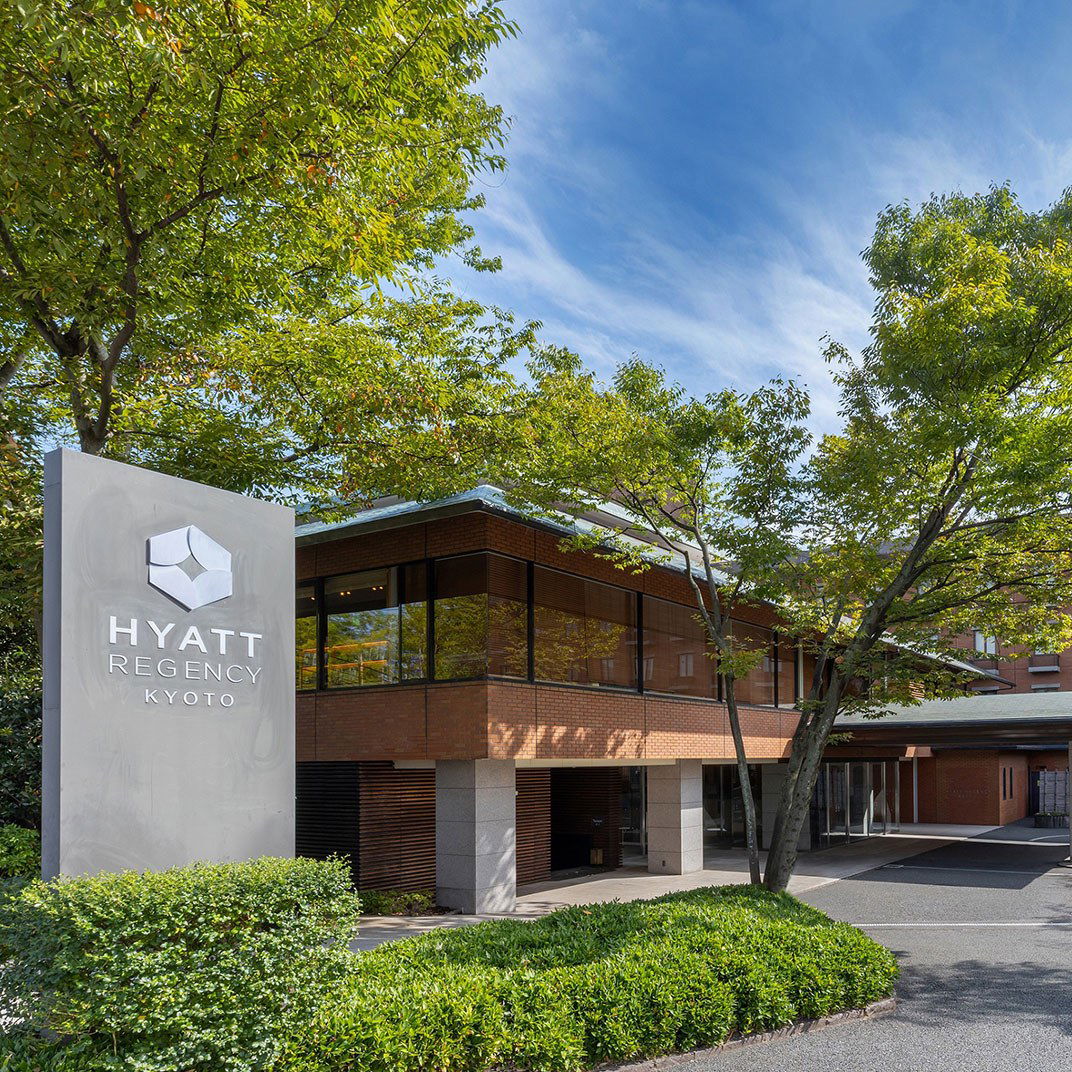


Hyatt Regency Kyoto
Higashiyama, Kyoto
Hotel in Kyoto, Japan
 Book with Pearl
The Read
Price
$300–500per night
Why go
Hyatt Regency Kyoto is the practical Higashiyama pick for first-time visitors who want a full-service hotel rather than a small Kyoto hideaway. It is less character-driven than Maana Kiyomizu or Marufukuro, but easier to recommend for business travel, families, and itineraries built around the east side of the city.
About Hyatt Regency Kyoto
Hyatt Regency Kyoto is a Kyoto hotel with confirmed MICHELIN Guide Hotels Selected recognition for 2025. With limited public details available here, the safest way to frame the stay is direct: consider it as a Kyoto base, then confirm current room types, facilities, rates, and policies directly before booking.
The confirmed location detail is Kyoto. More specific address, neighborhood, landmark, access, or sightseeing claims should be checked with the hotel or booking platform before relying on them for an itinerary.
A Kyoto hotel with confirmed MICHELIN Guide recognition
dress code is smart casual. Guests should still confirm any venue-specific requirements directly with the hotel, especially if planning dining, meetings, or special occasions during the stay.
Who should book it, and who should compare alternatives
Hyatt Regency Kyoto makes sense to consider if you want a recognized hotel option in Kyoto and prefer to compare established stays before booking. If you are deciding across premium Kyoto options, Four Seasons Hotel Kyoto and Six Senses Kyoto are natural names to review alongside it.
Travelers who are also considering smaller or more design-led stays can compare Hyatt Regency Kyoto with Maana Kiyomizu, Maana Kamo, or Marufukuro. The right choice will depend on current availability, price, room needs, and the kind of Kyoto stay you want, all of which should be confirmed at the time of booking.
Know Before You Go
- Recognition: MICHELIN Guide Hotels Selected, 2025.
- Location: Kyoto.
- Dress code: Smart casual.
- Good fit: Travelers comparing recognized hotel options in Kyoto.
- Before booking: Confirm current facilities, rates, room categories, access details, and policies directly with the hotel or booking platform.
Planning details
- Location
- 644-2 Sanjusangendomawari, Higashiyama Ward, Kyoto, 605-0941, Japan
- Website
- hyatt.com/hyatt-regency/en-US/kyoto-hyatt-regency-kyoto?src=corp_lclb_google_seo_kyoto
- Phone
- +81 75-541-1234
The take
The Take
The Vibe
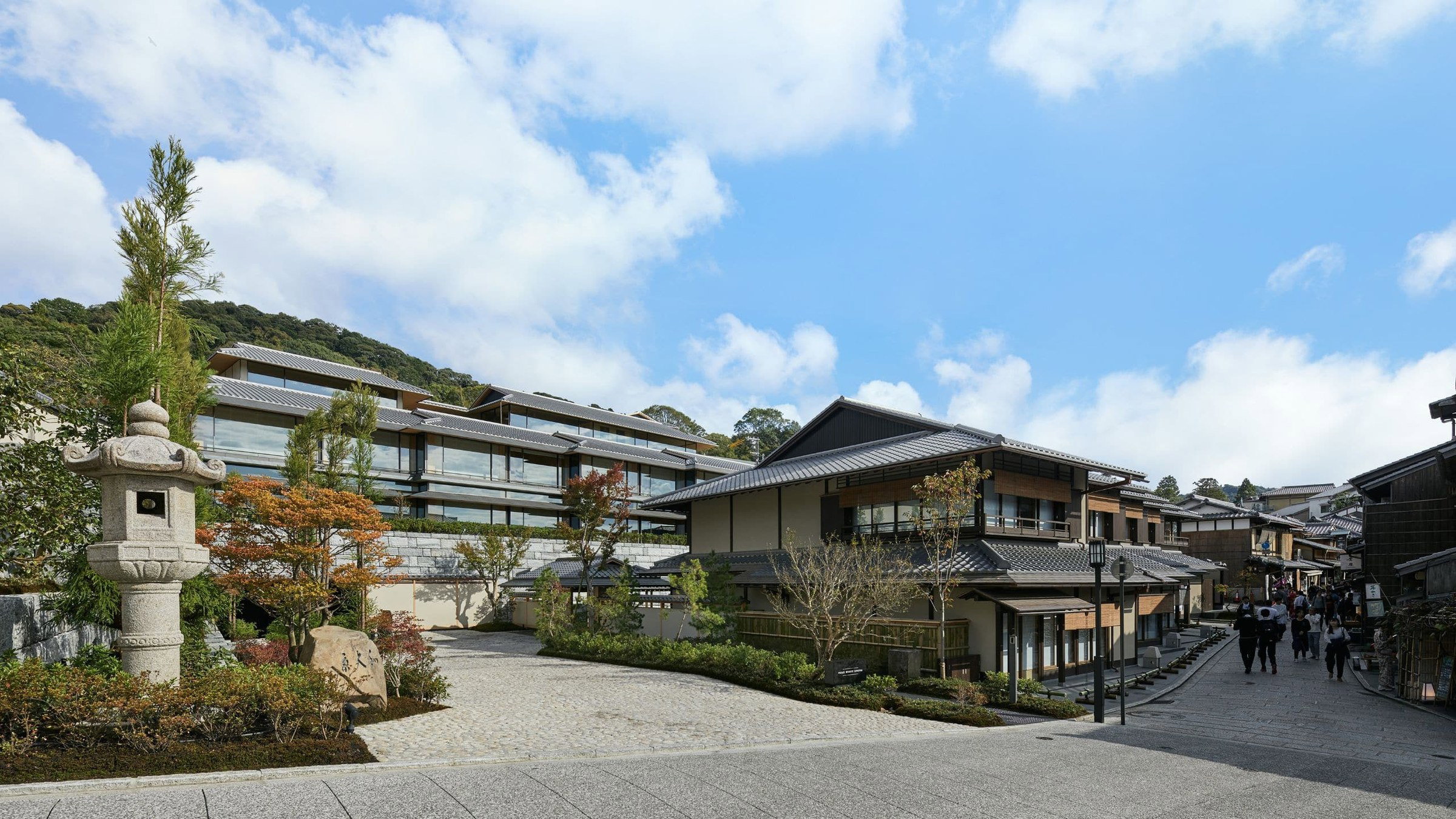
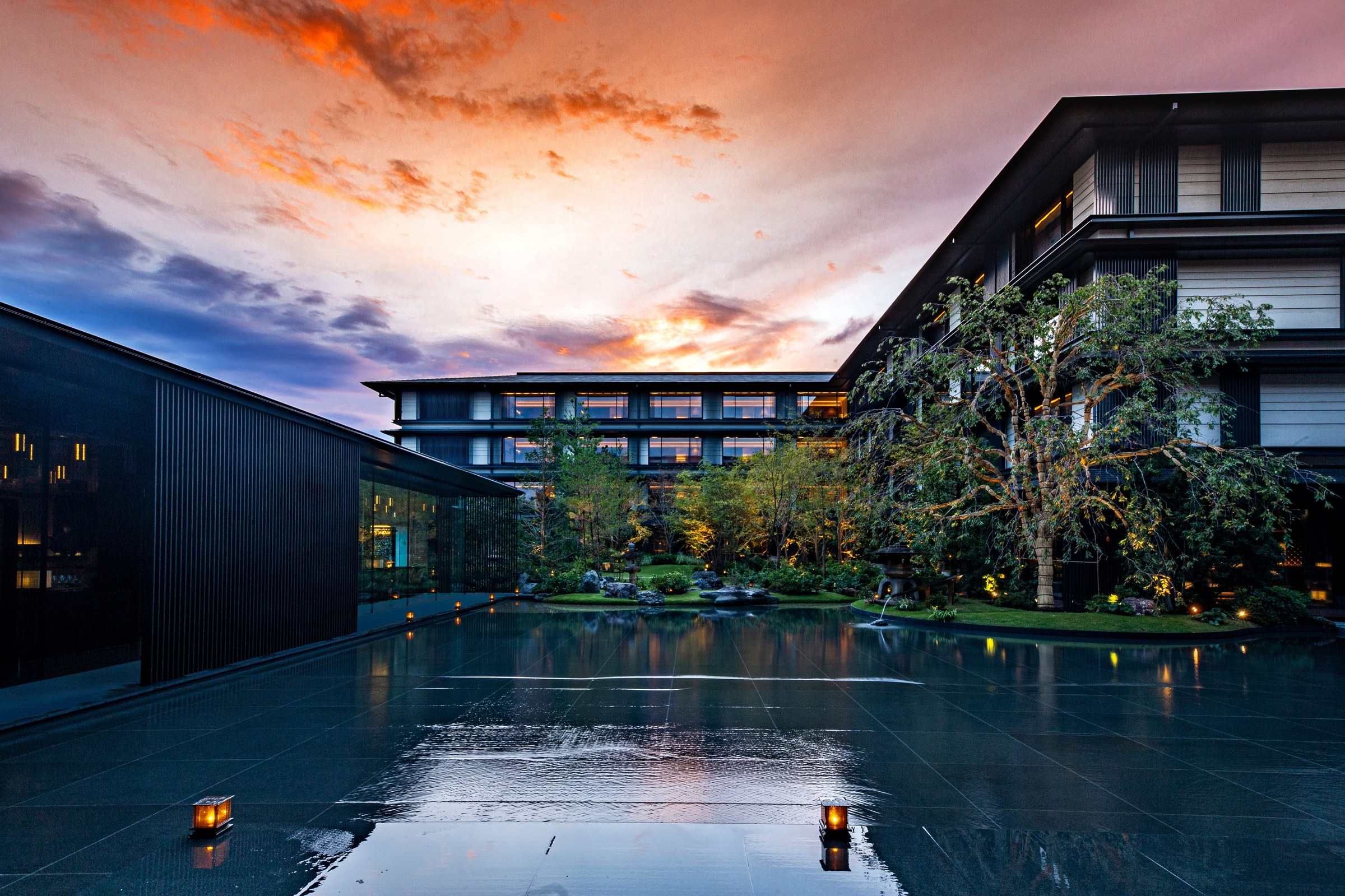
The Hyatt Regency Kyoto anchors a modern, international hospitality operation within one of Kyoto’s most intact historic neighborhoods. It sits amid stone-paved lanes, machiya blocks and temples, so the immediate setting feels scenic and rooted in the city’s pre-modern fabric. The hotel’s scale and full-service infrastructure read as an urban, service-oriented counterpoint to the surrounding traditional streetscape—offering contemporary comforts while placing guests a short walk from major cultural landmarks. That tension between international brand amenities and a quietly historic neighborhood defines the property’s distinctive character.
Best For
This hotel is best for travelers prioritizing proximity to Kyoto’s temples, shrines and traditional arts rather than a central-business location. The location in Higashiyama puts visitors within easy walking distance of Sanjusangendo and Kiyomizudera, making it a smart base for daytime cultural exploration. At the same time, the Hyatt’s scale and meeting facilities make it a dependable choice for visitors who want the predictability and service of an international full-service property—useful for mixed-purpose stays that combine sightseeing with meetings or group logistics.
Venue details
Ambiance
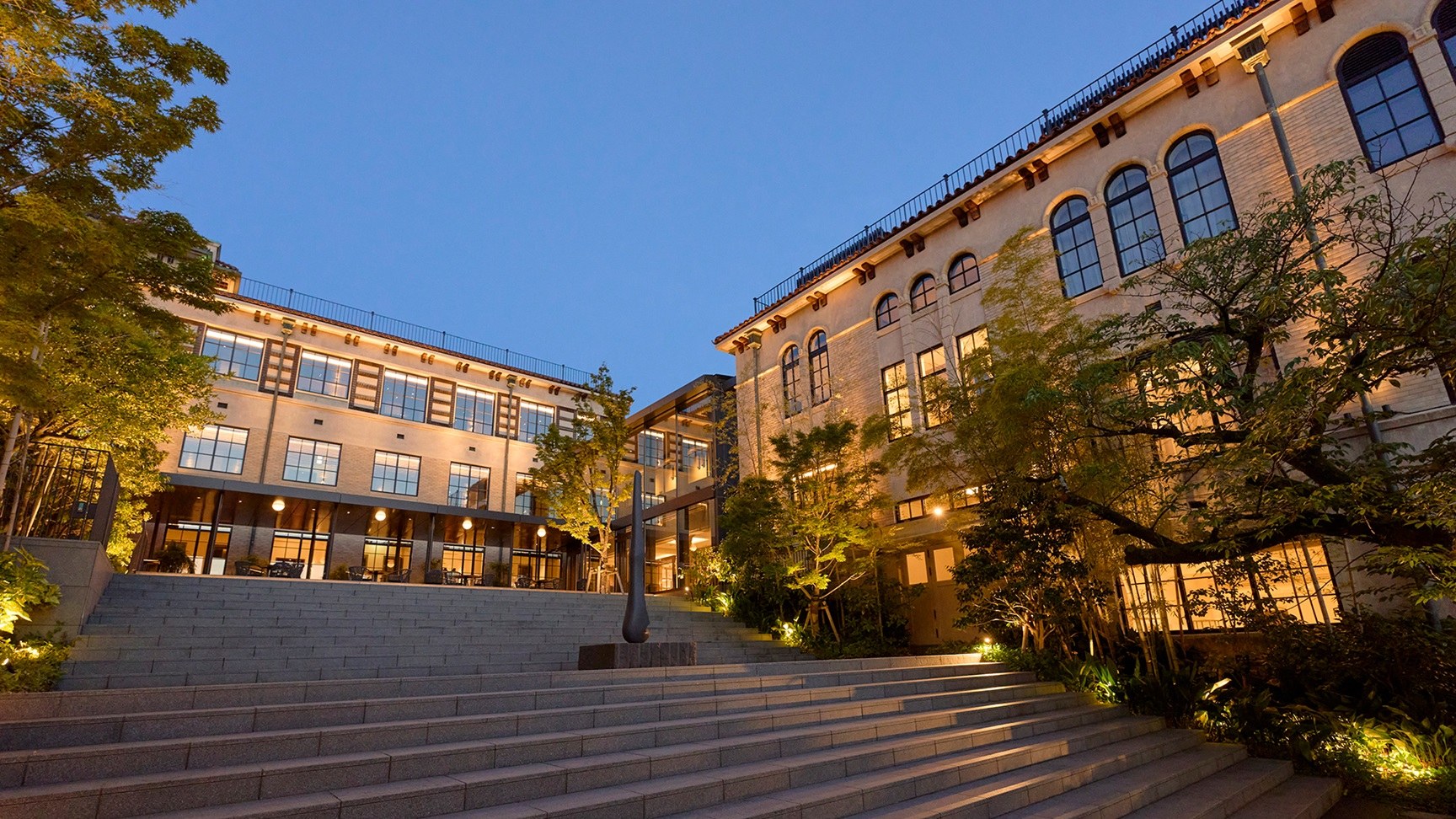
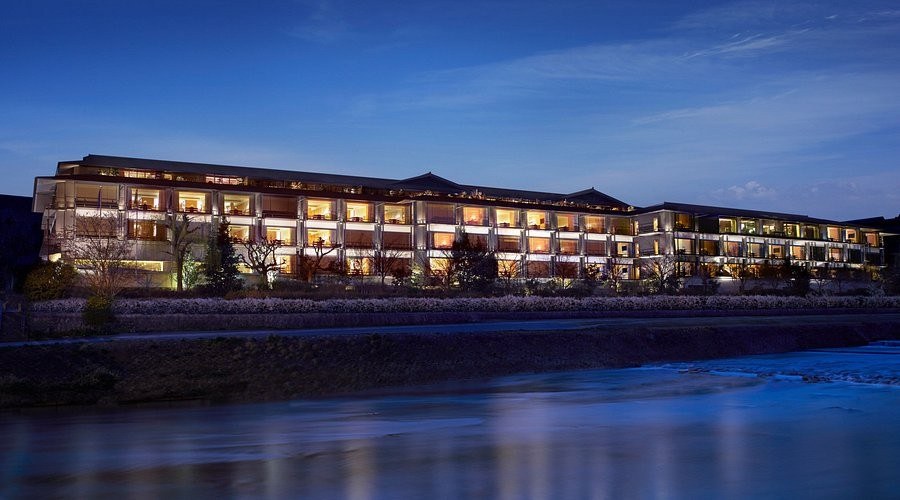
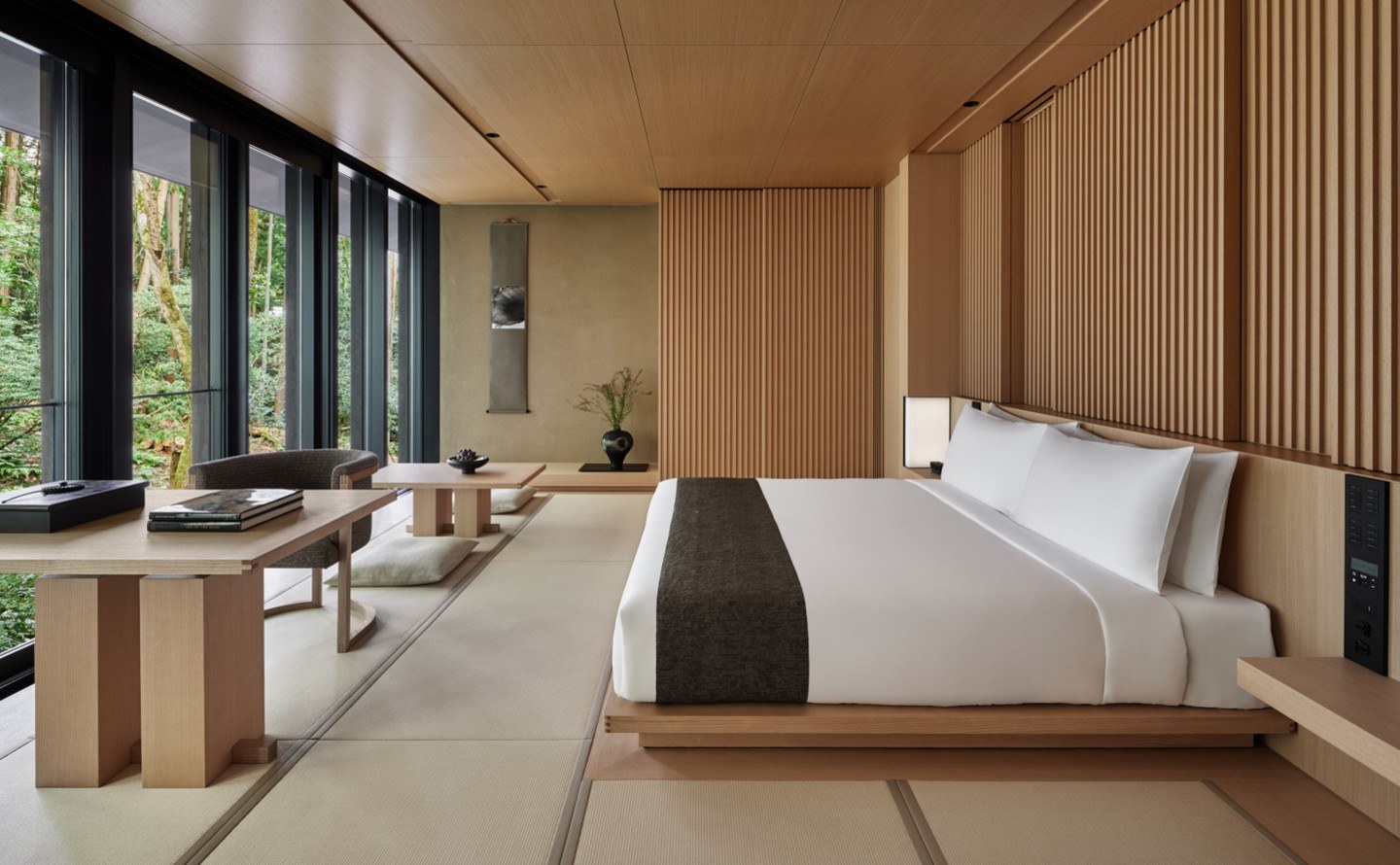
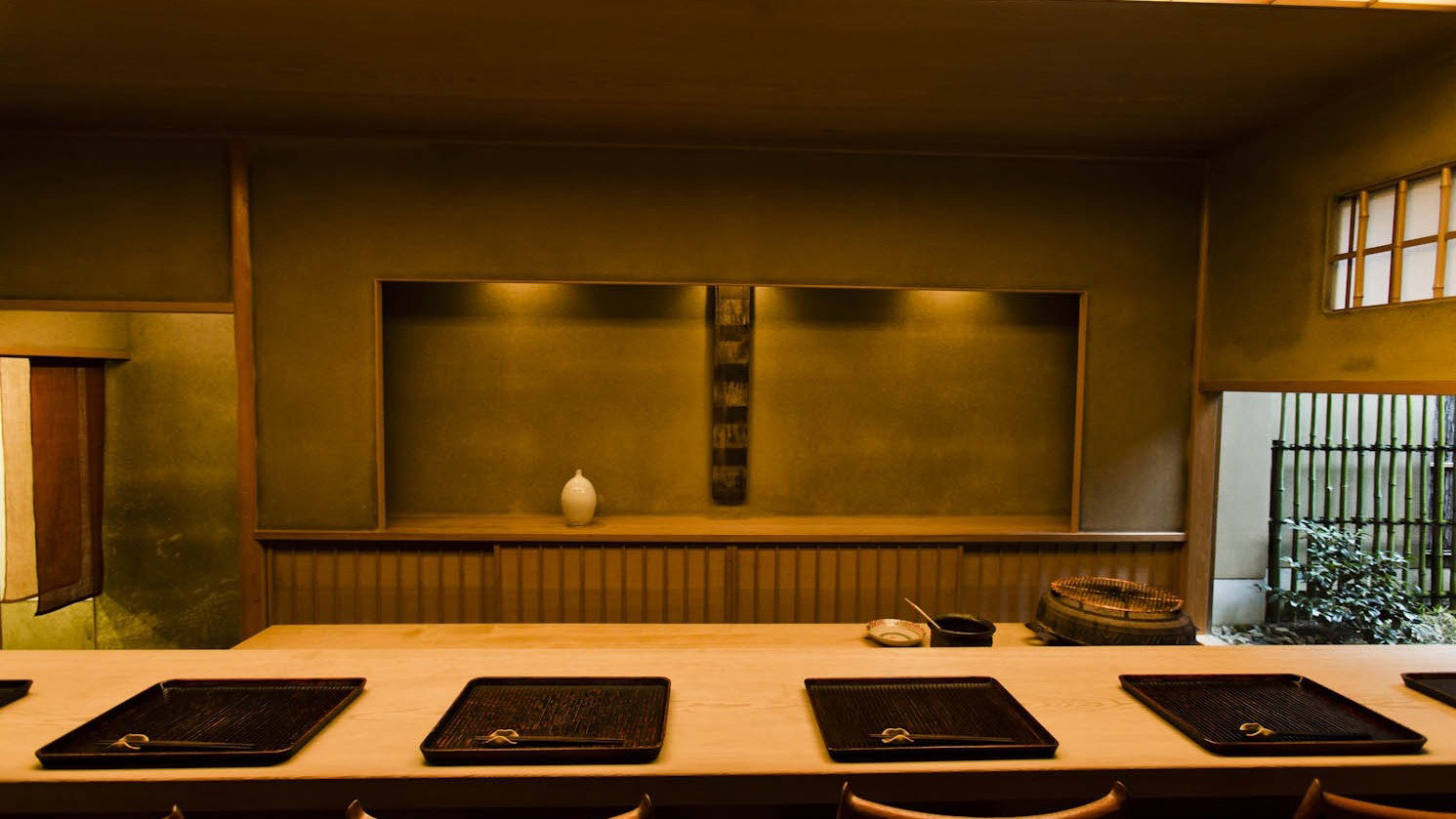
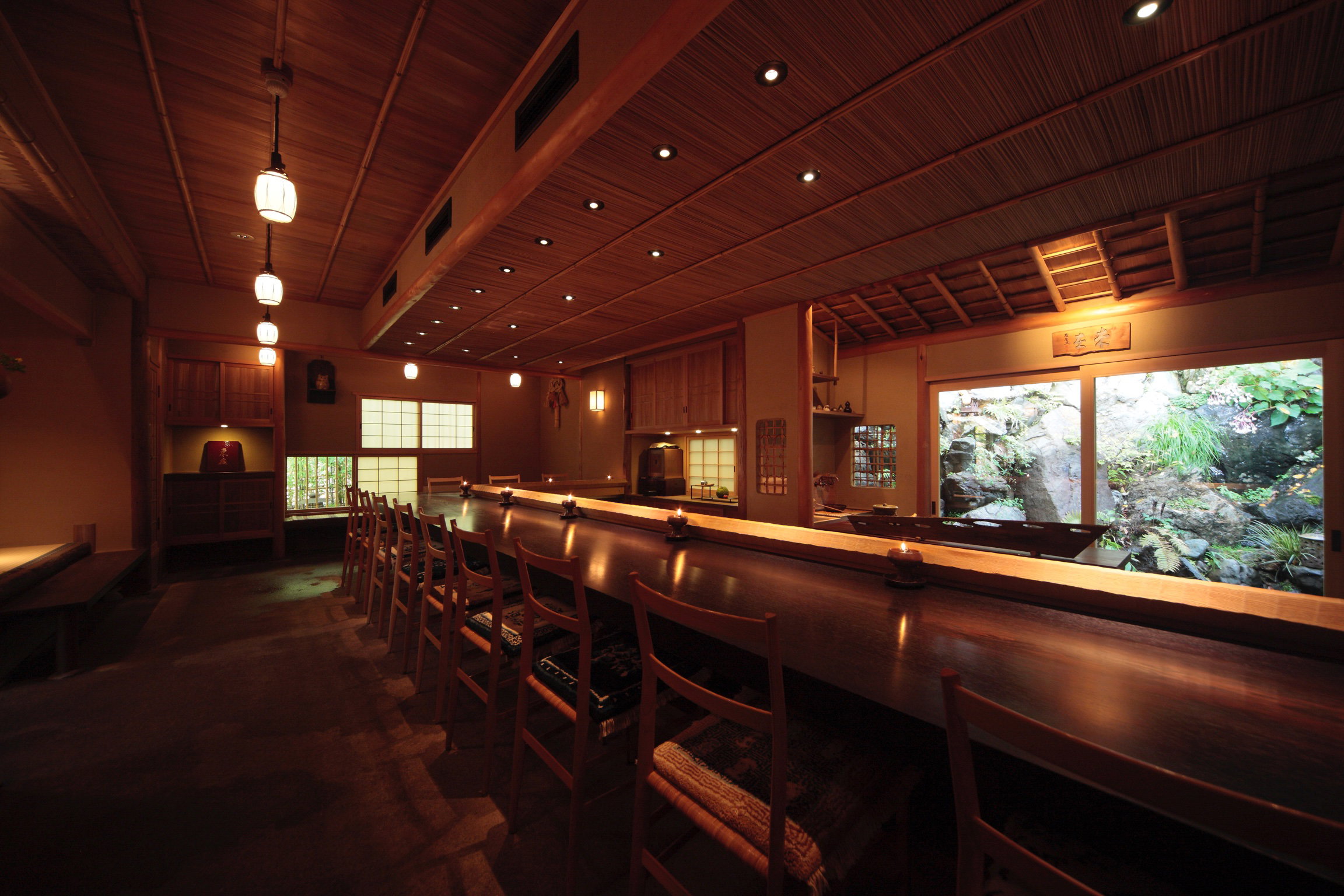
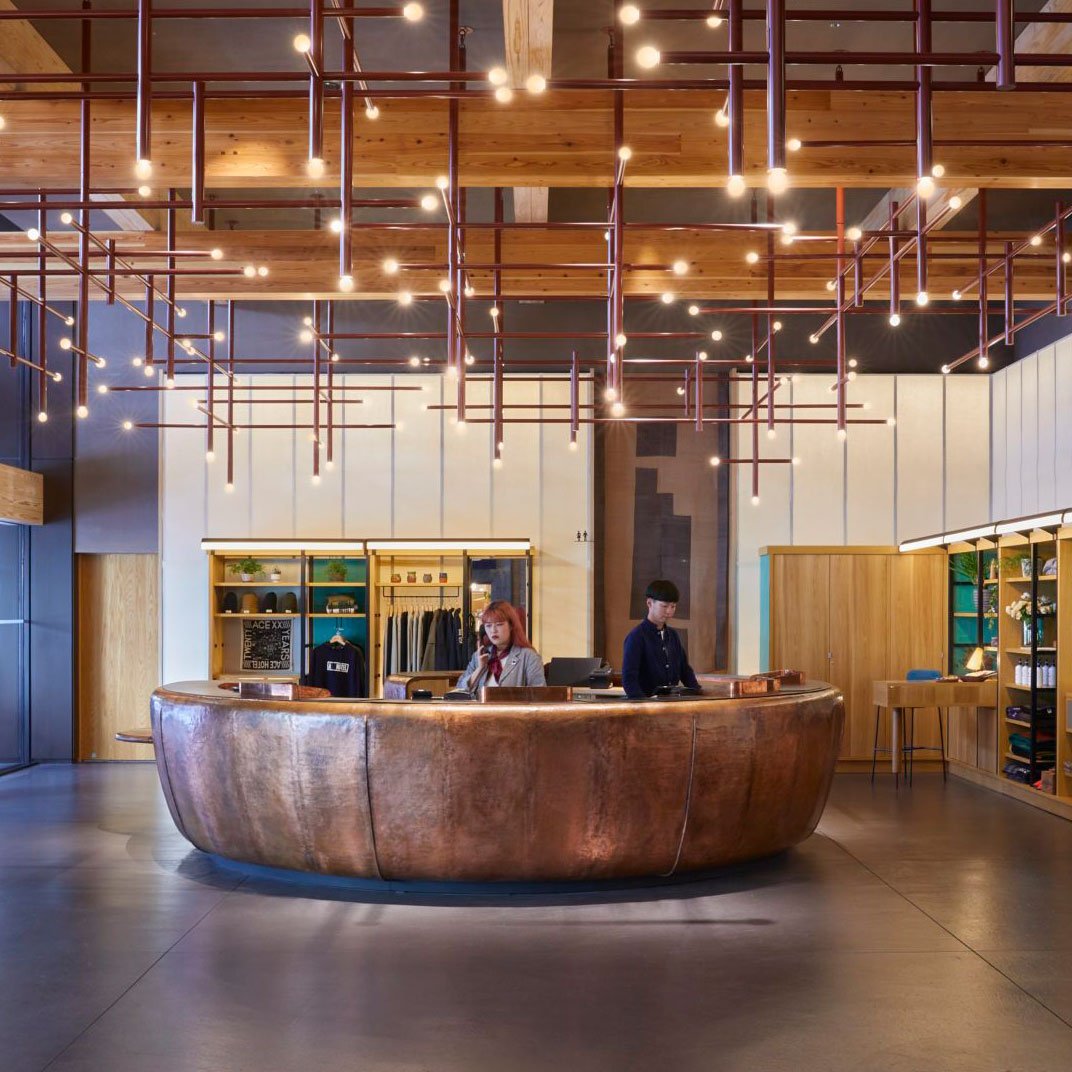
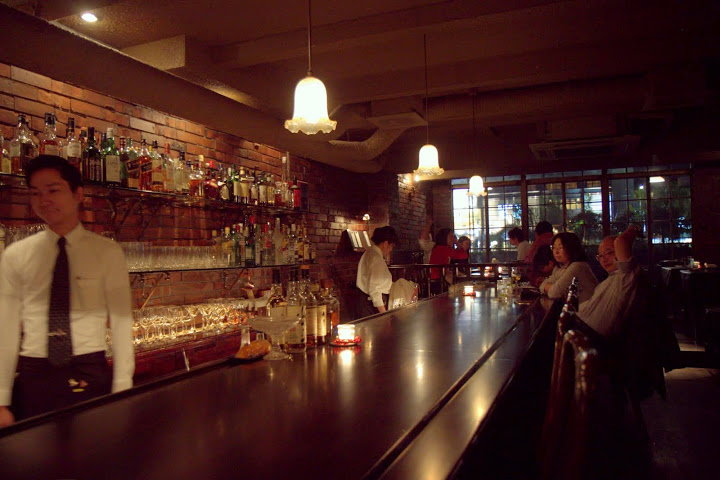
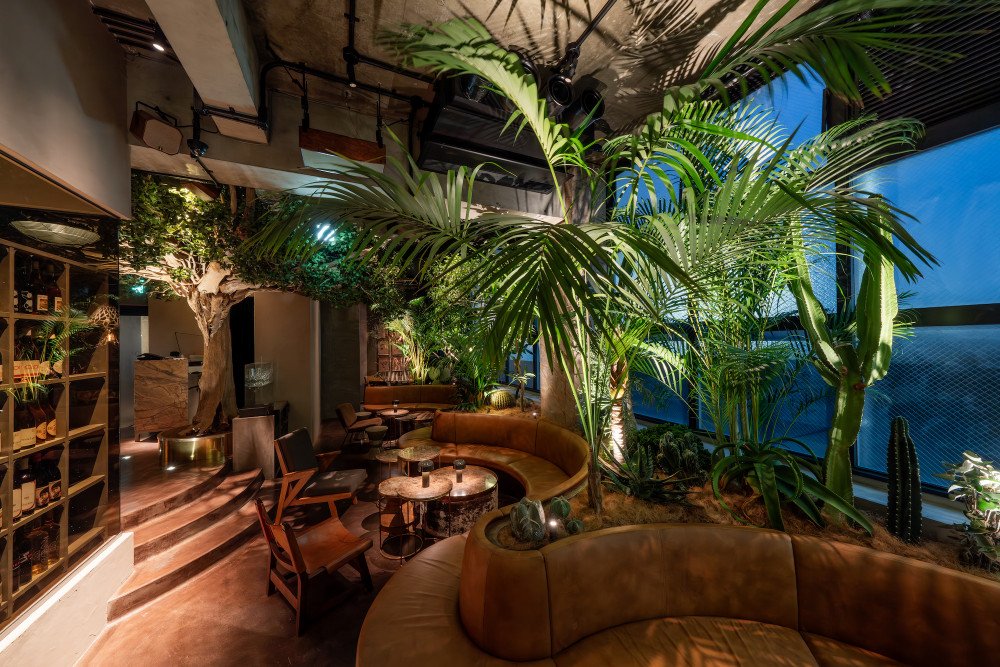
Soft indirect lighting, warm wood elements, serene bamboo garden views, and elegant minimalist spaces create a tranquil and sophisticated atmosphere.
Tags
Vibe
Best For
Experience
Amenities
View
Accessibility
About the Stay
- Rooms
- 187
- Check-in
- 15:00
- Check-out
- 12:00
- Property Type
- Heritage hotel
- Property Style
- Contemporary Japanese Fusion with Historic Garden Centerpiece
- Design Style
- Minimalist Modern Japanese by Super Potato
- Airport Transfer
- Available
- Spa
- Yes
- Families
- Welcome
- Cancellation
- Moderate
Know before you go
Know Before You Go
- Getting there
- 644-2 Sanjusangendomawari, Higashiyama Ward, Kyoto, 605-0941, Japan
Planning details
Location
644-2 Sanjusangendomawari, Higashiyama Ward, Kyoto, 605-0941, Japan · Directions
hyatt.com/hyatt-regency/en-US/kyoto-hyatt-regency-kyoto?src=corp_lclb_google_seo_kyoto
Recognition and awards

Also consider
Also Consider
- Six Senses Kyoto, Notable alternative
- Maana Kiyomizu, Notable alternative
- Four Seasons Hotel Kyoto, Notable alternative
- Maana Kamo, Notable alternative
- Marufukuro, Notable alternative
Hotel context
How It Compares
Choose Hyatt Regency Kyoto over Maana Kiyomizu or Maana Kamo if hotel infrastructure matters more than a residential Kyoto mood. The Maana properties are better for travelers who want a smaller, more design-led stay; Hyatt is the safer pick for first-timers, families, and work trips because the experience is built around full-service hotel rhythms.
Four Seasons Hotel Kyoto and Six Senses Kyoto are the stronger splurge comparisons. Four Seasons is the better move when the hotel itself needs to feel like a major part of the trip, while Six Senses is better for wellness-led luxury. Hyatt Regency Kyoto is the value-minded alternative in this set: less theatrical, usually easier to book, and more about dependable comfort than destination-hotel drama.
Marufukuro is the cross-shop for guests who want atmosphere and a more distinctive design story. Pick Marufukuro if the stay should feel intimate and specific; pick Hyatt Regency Kyoto if the priority is a calm Higashiyama base with fewer planning variables.
Explore Kyoto
Around this place
Discover more on Pearl
Unlock the full Hyatt Regency Kyoto guide in Pearl, including awards, comparisons, FAQs, planning details, and nearby places.
Compare Hyatt Regency Kyoto
| Venue | Location | Awards |
|---|---|---|
| Hyatt Regency Kyoto | Kyoto | 2026 Virtuoso Luxury Hotel Collection2025 Michelin Selected Hotels |
| Six Senses Kyoto | Kyoto | 2026 Virtuoso Luxury Hotel Collection2026 Mr & Mrs Smith Luxury Hotels2026 Michelin 1 Key2025 Esquire Best New HotelsTatler Best Hotels Asia-Pacific 20252025 Michelin 1 Key2024 Michelin 1 Key |
| Maana Kiyomizu | Kyoto | No published awards |
| Four Seasons Hotel Kyoto | Kyoto | 2026 Forbes 4-Star2026 Virtuoso Luxury Hotel Collection2026 La Liste Top Hotels2026 Michelin 1 Key2025 Forbes 4-StarMichelin 1 Key 20252025 Michelin 1 Key2024 Michelin 1 KeyFour Seasons Hotels |
| Maana Kamo | Kyoto | No published awards |
| Marufukuro | Kyoto | No published awards |







How Hyatt Regency Kyoto compares with similar nearby venues.
FAQ
Frequently Asked Questions
Is Hyatt Regency Kyoto good for business travel?
It may be worth considering if you need a Kyoto hotel with confirmed MICHELIN Guide Hotels Selected recognition for 2025. Specific business facilities, meeting support, loyalty benefits, and room features should be confirmed directly before booking. For comparison, you may also review Four Seasons Hotel Kyoto.
How is the location of Hyatt Regency Kyoto?
The location is Kyoto. Confirm the exact address, access details, and suitability for your itinerary directly with the hotel or booking platform. If you want to compare other Kyoto stays, Maana Kiyomizu and Maana Kamo are also names to review.
How is the pool and spa at Hyatt Regency Kyoto?
Check directly with Hyatt Regency Kyoto before booking if those facilities are important to your stay. Six Senses Kyoto is another Kyoto option to compare when planning a premium hotel stay.
How is the dining at Hyatt Regency Kyoto?
The confirmed dress code is smart casual, but guests should confirm current dining details directly with the hotel. Marufukuro is another Kyoto stay to compare if you are reviewing different hotel options.
Which room category is best at Hyatt Regency Kyoto?
room-category guidance is not available in the available data. Choose based on current room descriptions, party size, budget, and cancellation terms shown at booking. If you are comparing different styles of Kyoto stays, Maana Kiyomizu is another option to review.
Do loyalty programs work at Hyatt Regency Kyoto?
Confirm directly with Hyatt Regency Kyoto or the relevant booking channel before assuming points, elite benefits, upgrades, or credits apply. The confirmed recognition is MICHELIN Guide Hotels Selected, 2025. Four Seasons Hotel Kyoto is another Kyoto hotel to compare.
What is check-in like at Hyatt Regency Kyoto?
Confirm these details directly before travel, especially if arriving early or late in Kyoto. Maana Kamo is another Kyoto stay to review while comparing options.