
Hotel in Kutchancho, Abuta Gun, Japan
Park Hyatt Niseko Hanazono
200Pearl PointsPowder-Base Luxury

About Park Hyatt Niseko Hanazono
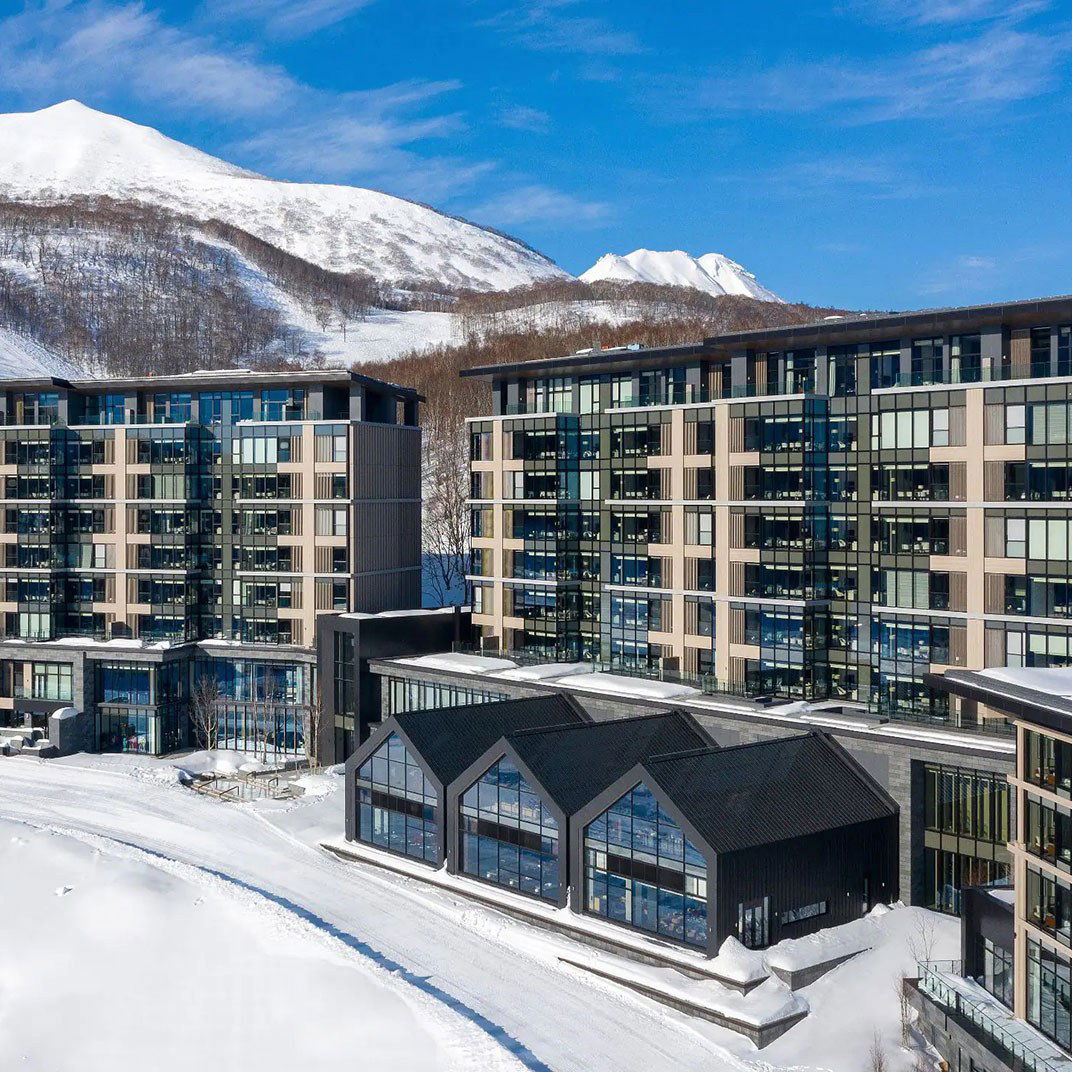
Park Hyatt Niseko Hanazono holds a Michelin One Key distinction (2025), placing it among a select tier of recognized luxury stays in Hokkaido's Niseko region. The property sits at the foot of Hanazono ski terrain in Kutchan, Abuta-gun, and draws a guest profile that comes for both powder access and food-serious dining programming. It competes in the international resort bracket alongside properties like Zaborin nearby.
Where International Resort Ambition Meets Hokkaido Snow Country
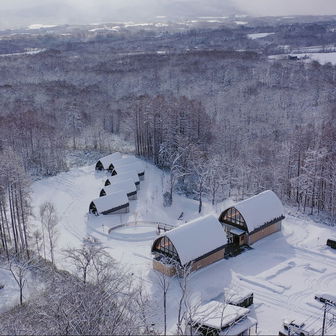
The approach to Niseko's Hanazono zone in winter reads like a geographic argument for altitude. Birch trees give way to open snowfields, and the ski runs of the Hanazono terrain drop into view before the hotel does. This sequencing matters: Park Hyatt Niseko Hanazono is a property that positions itself through its terrain relationship first, its architecture second, and its food and drink programming in a third register that has become increasingly difficult to separate from the other two. The hotel earned a Michelin One Key distinction in the 2025 guide — the first cohort year for Michelin's hotel recognition programme in Japan — which places it inside a credentialed peer set that includes some of the country's most seriously rated mountain and resort properties.
Niseko has spent roughly two decades converting from a domestic ski destination into one of Asia-Pacific's most international resort corridors. The town of Kutchan and its surrounding Abuta-gun district now house properties that compete on a global scale, drawing visitors from Australia, Southeast Asia, Europe, and North America who arrive specifically for the Siberian-origin dry powder and stay for an increasingly sophisticated hospitality offer. Park Hyatt Niseko Hanazono fits squarely inside that international resort trajectory, operating as the area's most globally branded luxury anchor.
The Dining Programme as Resort Identity
At mountain resorts operating at this price tier, the food and beverage programme has shifted from amenity to core product. Guests at properties like Park Hyatt Niseko Hanazono are no longer content with aprés-ski convenience; they expect a culinary offer that would justify a visit independent of the skiing. This shift is visible across the competitive set: Zaborin nearby has built its reputation around kaiseki-driven food as much as its ryokan architecture, while internationally branded resorts have had to respond with programming that goes beyond hotel-standard buffet formats.
Park Hyatt's positioning in Niseko follows the brand's established pattern of treating restaurants and bars as standalone destinations within the hotel envelope. The Park Hyatt brand has deployed this model across its network , from the New York property's cocktail programme to the Tokyo flagship's top-floor dining, which helped anchor Shinjuku's premium hotel dining identity for decades. In Niseko, that model intersects with Hokkaido's exceptional local produce culture: dairy, seafood from the Sea of Japan and Pacific coasts, winter vegetables, and the kind of regional ingredient depth that gives kitchens working in this geography a natural advantage over comparable mountain resorts in other parts of the world.
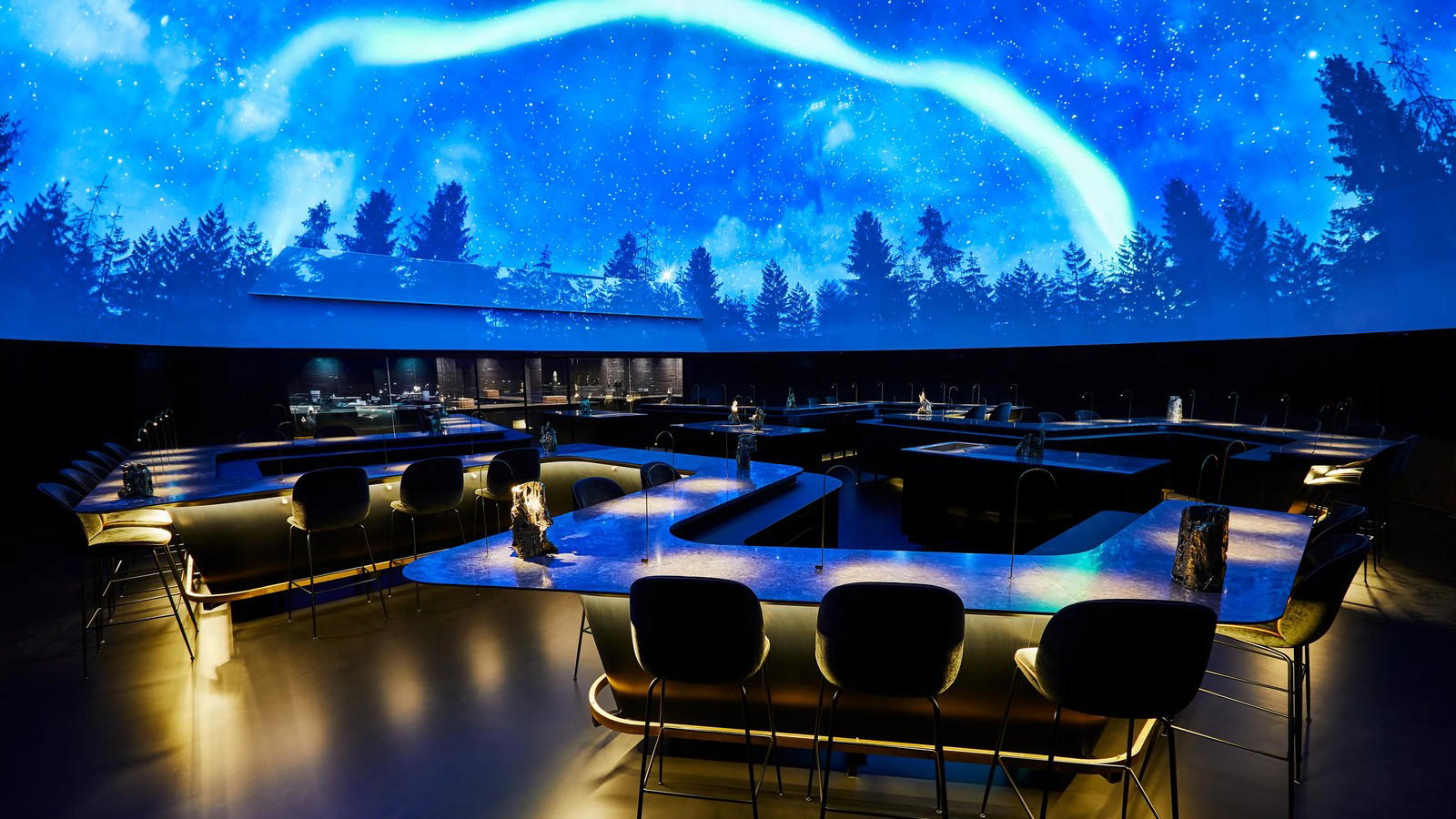
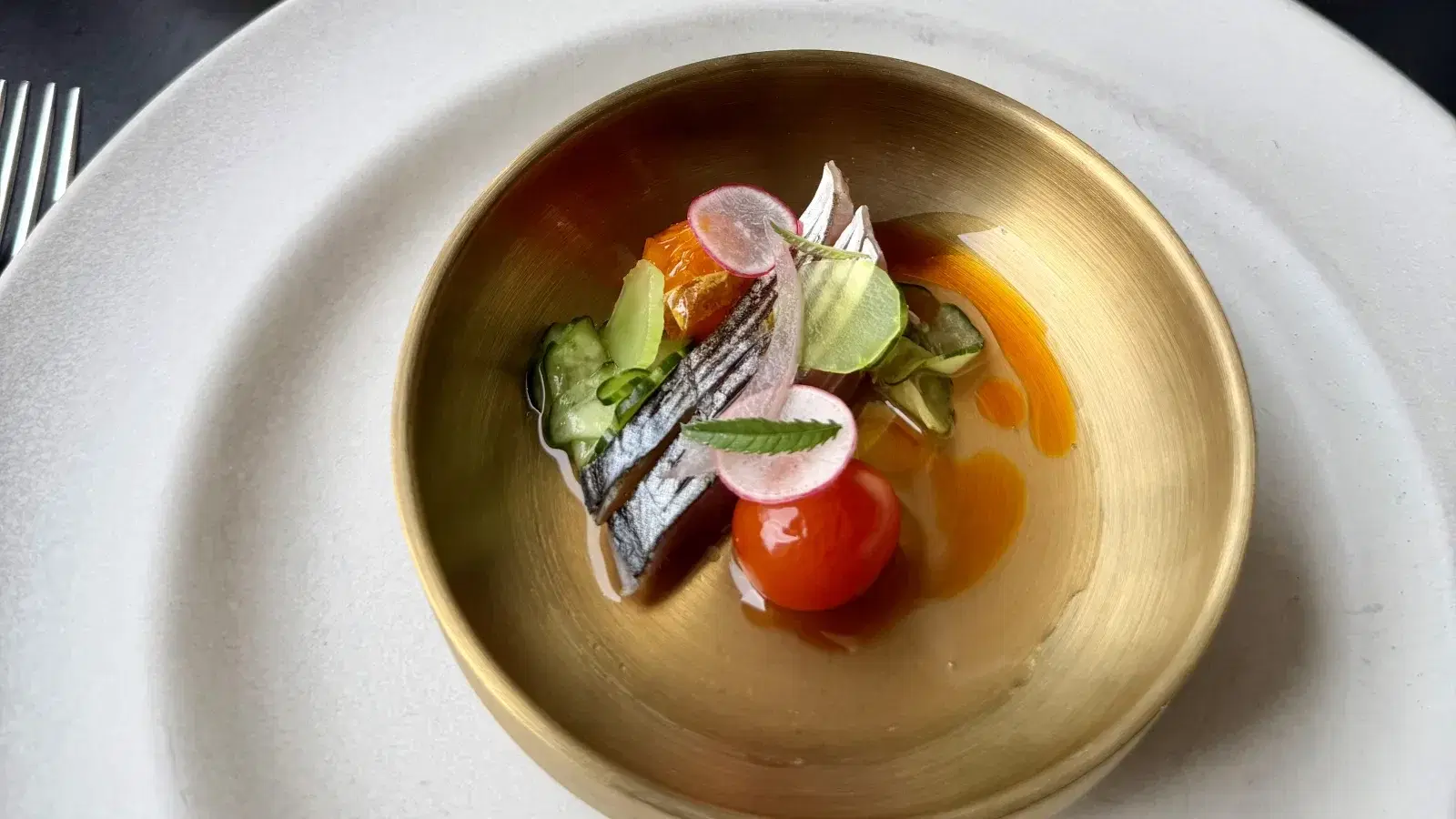
Hokkaido as a culinary region punches considerably above its domestic profile. The island accounts for a disproportionate share of Japan's agricultural and seafood output, and chefs based here have access to hairy crab, scallops, sea urchin, Wagyu from the Shiretoko peninsula, and dairy products that supply some of Tokyo's most respected kitchens. A hotel dining programme in this region that takes that supply chain seriously has raw material that resort kitchens in, say, the European Alps or the North American Rockies cannot replicate. The Michelin Key recognition signals that Park Hyatt Niseko Hanazono is doing something substantive with that material rather than treating it as scenery.
The Niseko Resort Context
Understanding what Park Hyatt Niseko Hanazono represents requires a read on where Niseko sits in the broader Japan luxury travel map. Japan's premium hotel circuit now runs from urban flagships , Bvlgari Hotel Tokyo in Tokyo, HOTEL THE MITSUI KYOTO in Kyoto , through traditional ryokan strongholds like Gora Kadan in Hakone, Amanemu in Mie, and Asaba in Izu, to a smaller cohort of internationally branded mountain resorts. Niseko is the primary address for that last category on Hokkaido. Properties like Andaru Collection Niseko and Raku Suisan show the range of formats now operating in this corridor, from design-led independents to food-specialist concepts. Park Hyatt Niseko Hanazono positions itself at the internationally branded end of that spectrum, with the infrastructure and food programming to match.
Seasonality shapes this property more than most in Japan. The primary draw is the December-to-March powder season, when snowfall from weather systems originating over Siberia deposits some of the driest snow in Asia on Hokkaido's interior ranges. Outside ski season, the property operates in a different mode: summer hiking, cycling, and the green-season Hokkaido landscape attract a smaller but growing off-season audience. The culinary programme carries different seasonal weight at each end of the calendar, with winter menus anchored to warming formats and peak-season produce, and summer menus drawing on Hokkaido's extraordinary vegetable and dairy abundance.
For readers building a Japan itinerary that extends beyond the standard Tokyo-Kyoto circuit, the Niseko routing adds a category that most Japan hotel programmes cannot cover: ski-season resort luxury with a food offer that operates at Michelin-recognised standards. Properties like Fufu Nikko in Nikko, Kamenoi Besso in Yufu, or Satoyama-Jujo in Niigata serve different regional propositions, but none operates in the ski-mountain format that Hanazono delivers. See our full Kutchancho, Abuta Gun restaurants guide for a broader read on the area's food scene.
Planning a Stay
The property is located at 328-47 Iwaobetsu, Kutchancho, Abuta-gun , at the Hanazono ski area base, which means ski-in access during peak season. Niseko is reached most practically via New Chitose Airport (CTS), which handles direct international flights from multiple Asian hubs during the ski season; the transfer to Kutchan takes roughly 90 minutes by road or a combination of train and local transit. Peak-season rooms at this tier in Niseko book months ahead, particularly for the January and February powder windows when demand from Australian and Southeast Asian markets is highest. Guests considering the property for shoulder-season travel will find easier availability and a quieter, greener version of the Hokkaido experience. Given the Michelin One Key recognition in 2025, the hotel's profile in international travel circles has sharpened, and forward planning for winter 2025-26 should begin well in advance of the season.
For comparison at the international luxury resort end of the Japan spectrum, Halekulani Okinawa in Okinawa and Jusandi in Ishigaki serve warmer-climate resort formats, while Benesse House in Naoshima represents the art-island niche. Beyond Japan, the mountain luxury resort bracket includes properties like Badrutt's Palace Hotel in St. Moritz, which gives a useful calibration point for the tier Park Hyatt Niseko Hanazono is operating within internationally.
Frequently Asked Questions
What's the leading room type at Park Hyatt Niseko Hanazono?
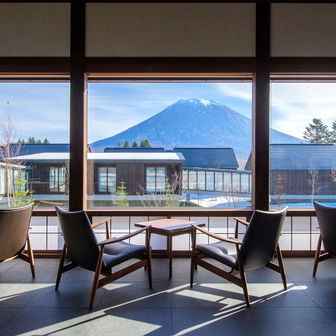
The Michelin One Key recognition (2025) signals that the hotel operates at a standard where the experience is consistent across its key room categories rather than concentrated in a single suite tier. At internationally branded ski resorts in this price bracket, rooms with mountain-facing orientations and ski-terrain views tend to command premiums and book earliest during peak season. For guests prioritising the culinary programme as much as the skiing, room type is secondary to securing dates during high-demand windows , the dining experience is property-wide rather than room-specific.
Why do people go to Park Hyatt Niseko Hanazono?
The primary draw is the combination of Niseko's documented powder reputation with internationally branded luxury infrastructure and a food programme that earned Michelin One Key distinction in 2025. Niseko's Hanazono terrain provides some of the most consistent dry-snow skiing in Asia, and Park Hyatt's presence at its base means guests access that terrain without trading down on the hospitality standard. It sits in a specific niche: those who want the Niseko ski experience but require the guarantees of a globally recognised hotel brand rather than a design-led independent.
How hard is it to get in to Park Hyatt Niseko Hanazono?
At this tier in Niseko, the January and February peak windows are the constraint point. Demand from Australian and East Asian markets during those months is substantial, and properties with Michelin recognition see accelerated interest following each guide cycle. The 2025 Michelin One Key distinction means the property's international profile has increased. Booking six or more months ahead for midwinter dates is the practical baseline for securing availability; shoulder-season and early-winter dates in December or late-season March carry more flexibility.
What's the leading use case for Park Hyatt Niseko Hanazono?
The clearest use case is a ski-season trip where access to Niseko's Hanazono terrain and a food-serious hotel programme are both non-negotiable. The Michelin One Key (2025) positions it above the standard resort-hotel tier, making it the logical choice for guests who would otherwise be choosing between urban Japan luxury , the level of HOTEL THE MITSUI KYOTO in Kyoto or Fufu Kyu-Karuizawa Restful Forest in Karuizawa , and a mountain resort compromise. Here, no such compromise is required.
Does Park Hyatt Niseko Hanazono make sense as a dining destination beyond skiing?
For guests based elsewhere in Hokkaido during off-peak months, the property's culinary programme, recognised by Michelin's 2025 One Key award, gives it a plausible case as a food destination independent of the ski season. Hokkaido's produce calendar is strongest in summer and autumn, when dairy, seafood, and vegetables are at peak. A hotel kitchen operating at this credentialed level in that setting has material to work with that most resort properties in the region do not. It is worth considering as part of a broader Hokkaido itinerary that might also take in areas like Furano or the Shiretoko coast.
Location
328-47 Iwaobetsu, Kutchancho, Abuta-gun, Japan

Kutchancho, Abuta Gun, Japan
Recognized By
Save or rate Park Hyatt Niseko Hanazono on Pearl
Keep this venue in your Pearl passport, rate it after you visit, and track it alongside every other place you collect.