



Schlosshotel Kronberg
Kronberg im Taunus, Kronberg
Hotel in Kronberg, Germany
 Book with Pearl
The Read
Imperial Residence Hospitality
Why go
Schlosshotel Kronberg is the better fit for travelers who want a quieter Taunus stay with luxury-hotel recognition, not a pure Frankfurt business base. Book it for a weekend, celebration, or hotel-led itinerary; compare against city peers if convenience, late nights, or office access matter more.
About Schlosshotel Kronberg
Schlosshotel Kronberg is a hotel in Kronberg with several luxury-hotel recognition signals. Its credentials include Small Luxury Hotels of the World membership for 2025, a La Liste Top Hotels 2026 score of 96.5 points, Virtuoso Luxury Hotel Partner status for 2026, and MICHELIN Guide Hotels selection for 2025.
Use those credentials as the clearest way to judge the stay, and check rooms, dining, service style, amenities, and location details directly before booking. The dress code is smart casual.
Book it for hotel recognition, not assumed extras
The practical case for Schlosshotel Kronberg rests on recognition from established hotel-selection and luxury-travel networks. Those signals make it a stronger candidate for travelers who value third-party hotel credentials when choosing where to stay in Kronberg.
Do not assume specific room types, dining formats, transfer times, amenities, or included benefits. If those details matter, confirm them directly before booking rather than relying on general expectations for a luxury hotel.
Loyalty value depends on how the room is booked
Schlosshotel Kronberg is a Virtuoso Luxury Hotel Partner for 2026. That makes the booking channel worth checking, though specific stay benefits, upgrade terms, credits, breakfast inclusions, and cancellation conditions should be reviewed before reserving.
Compare the final booking terms carefully. The strongest grounded value argument is the hotel's recognition profile; any specific package inclusions should be confirmed at the time of reservation.
Use other hotel options as the control group
If you are comparing Schlosshotel Kronberg with other hotel options, Sofitel Frankfurt Opera, 25hours Hotel The Trip, Kimpton Main Frankfurt, LUME Boutique Hotel, Autograph Collection, and The Pure are useful reference points. Schlosshotel Kronberg remains the Kronberg option in that set.
Keep the broader planning simple: use the hotel recognition, the Kronberg location, and the smart-casual dress code as the grounded facts, then confirm any room, dining, amenity, or booking details directly before making plans.
Planning details
- Location
- Hainstraße 25, 61476 Kronberg im Taunus
- Website
- schlosshotel-kronberg.com
- Phone
- +49 6173 70101
The take
The Take
The Vibe
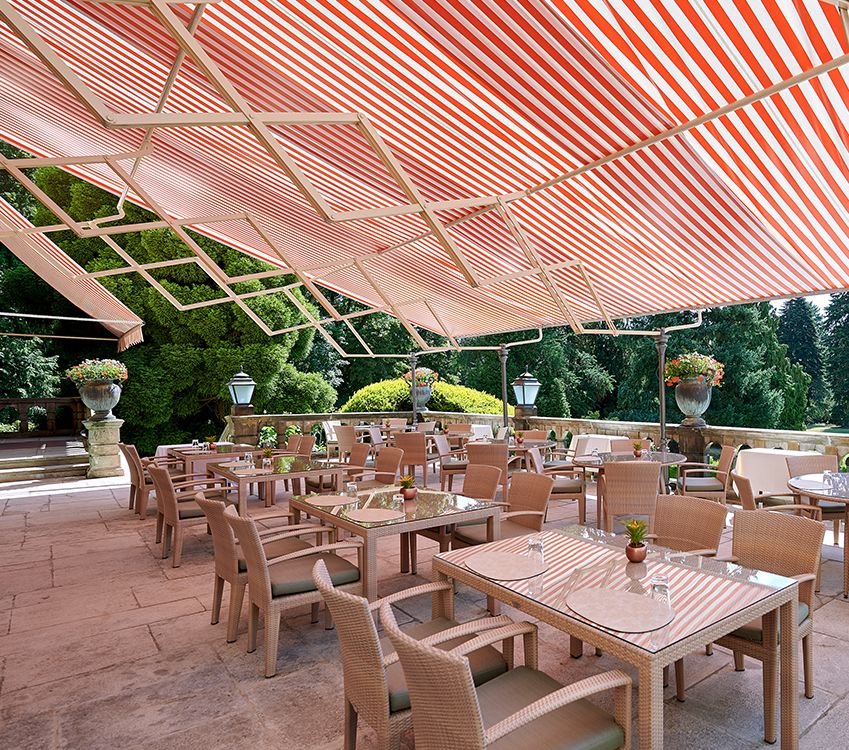
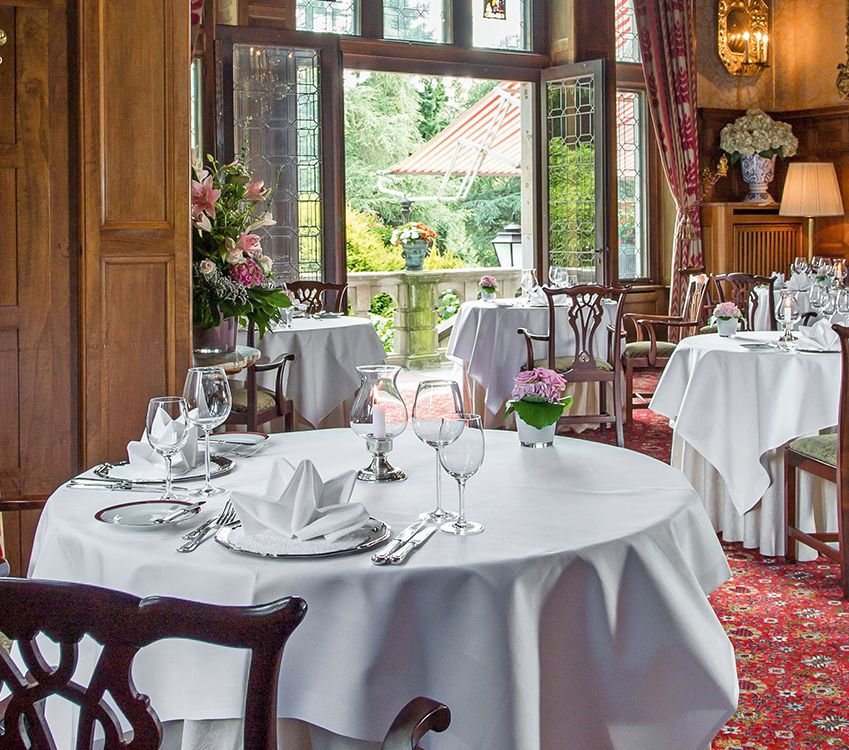
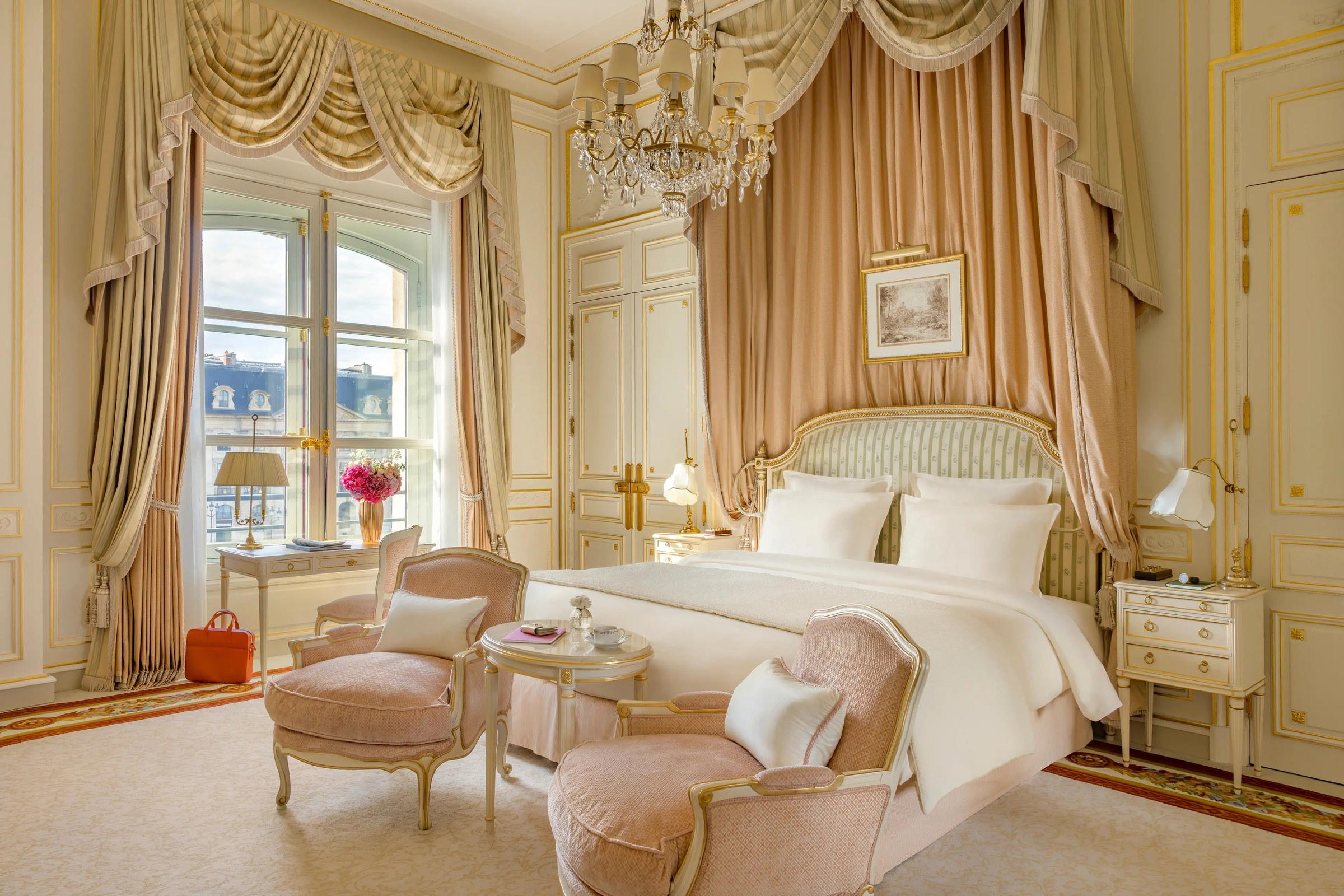
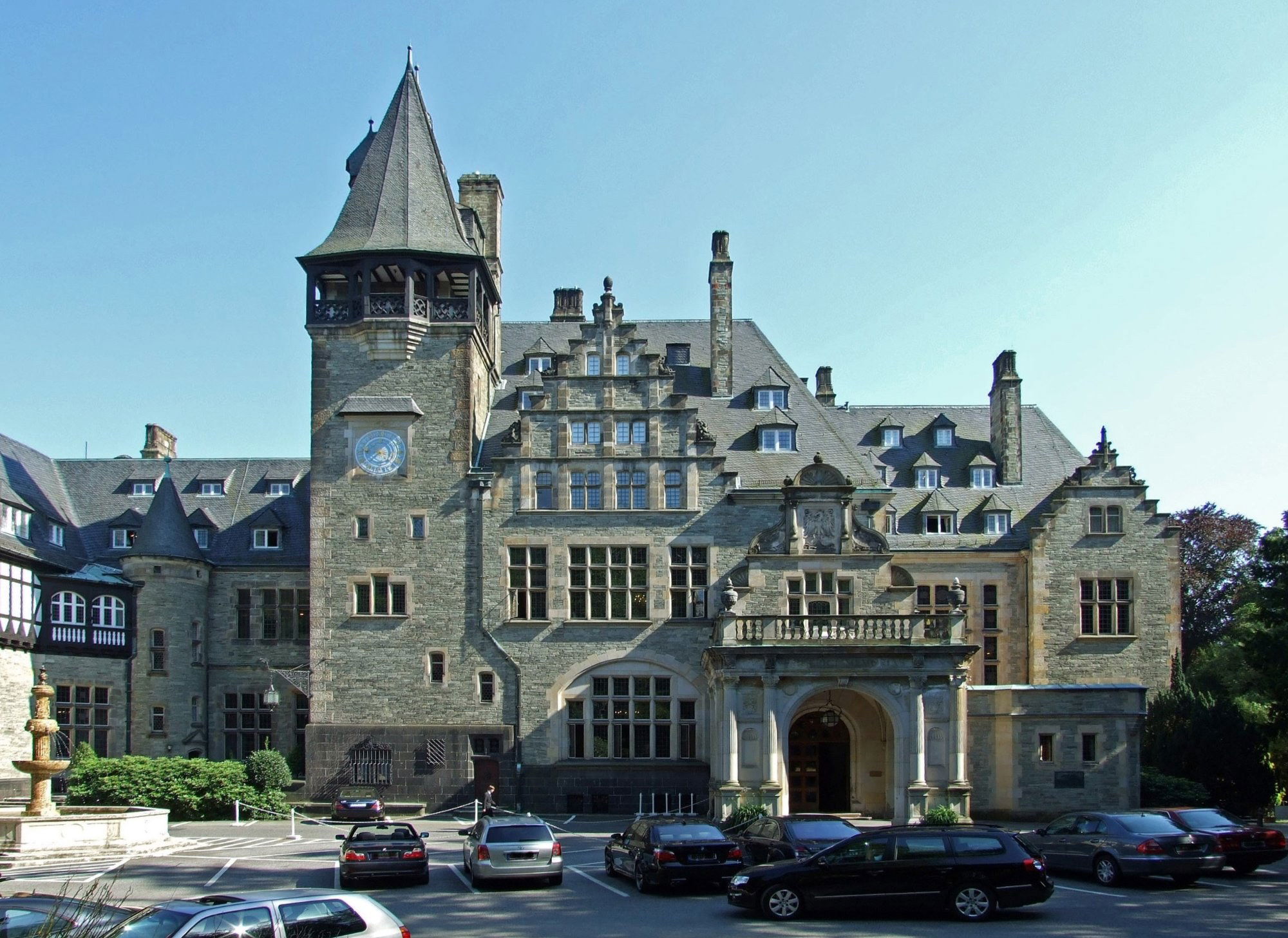
Schlosshotel Kronberg reads first as an intact late‑19th‑century castle and only second as a hotel, and that ordering shapes its personality. The House of Hesse maintains private ownership and the former living quarters of the Empress are still guest rooms, so interiors feel domestic rather than museum‑stage. Architectural references to English Gothic and Scottish baronial traditions, the stone towers and formal symmetry reinforce a weighty historic character. Renovation work with designer Nina Campbell leans into the existing fabric, while the surrounding 58‑hectare park gives the place a calm, generous scale. The result is a quietly majestic, intimate historic retreat.
Best For
This hotel suits travellers who prize architectural authenticity and a private, low‑key luxury experience. Guests who enjoy reading rooms and objects as part of their stay find plenty to study in original antiques and paintings that remain in situ. The castle setting and reserved, residence‑like service make it a natural pick for romantic getaways, milestone anniversaries and unhurried weekend escapes. The expansive parkland also appeals to guests seeking a tranquil base outside an urban centre rather than a buzzy city hotel. It favors couples and solo travellers who value calm, history and discreet formality.
Venue details
Ambiance
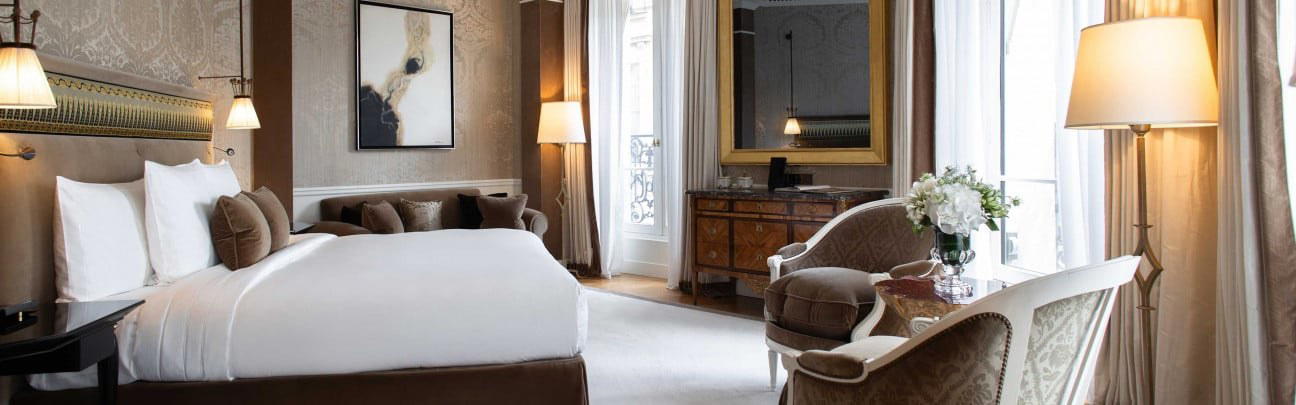
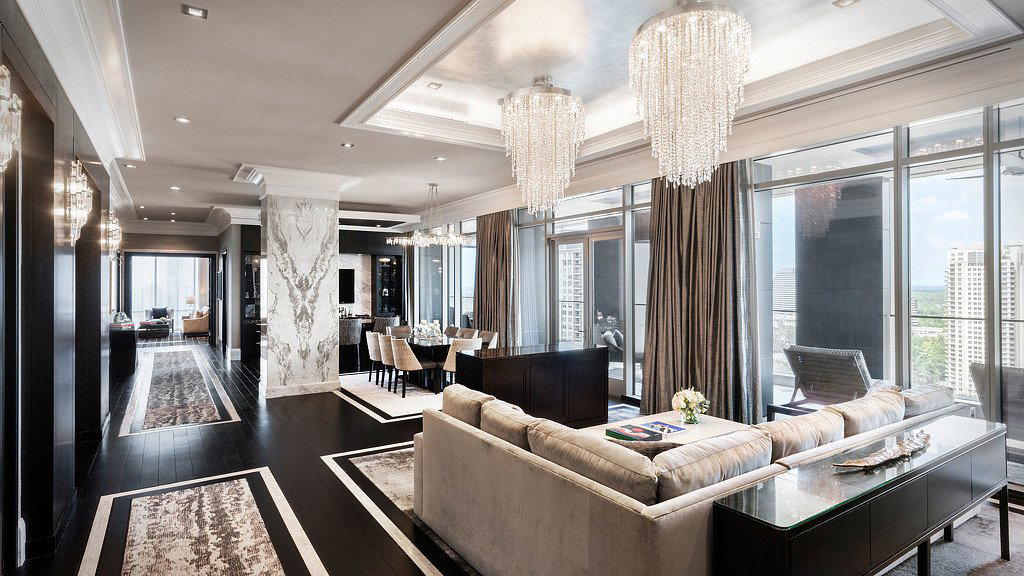
Elegant historic atmosphere with antique furnishings, spacious rooms, and serene park views, praised for tranquility and attentive service.
Tags
Vibe
Best For
Experience
Amenities
View
Accessibility
About the Stay
- Rooms
- 61
- Check-in
- 15:00
- Check-out
- 12:00
- Property Style
- Historic Castle Hotel with Victorian Architecture and Extensive Grounds
- Design Style
- Antique Prussian Era Furnishings Blended with Modern Comforts
Know before you go
Know Before You Go
- Getting there
- Hainstraße 25, 61476 Kronberg im Taunus
Planning details
Location



Also consider
Also Consider
- The Pure, Notable alternative
- 25hours Hotel The Trip, Notable alternative
- Sofitel Frankfurt Opera, Notable alternative
- LUME Boutique Hotel, Autograph Collection, Notable alternative
- Kimpton Main Frankfurt, Notable alternative
Hotel context
How It Compares
Schlosshotel Kronberg is the heritage-led choice in this set: stronger for a calmer, occasion-driven stay than for a fast Frankfurt itinerary. Sofitel Frankfurt Opera is the safer city-luxury pick if opera, shopping, business meetings, and short transfers matter more than a retreat-style base.
25hours Hotel The Trip and The Pure are better cross-shops for travelers watching value and convenience. They make more sense for a shorter Frankfurt stay where the room is mainly a base. Schlosshotel Kronberg asks for a more intentional trip, but gives a stronger sense of escape.
LUME Boutique Hotel, Autograph Collection and Kimpton Main Frankfurt sit between lifestyle comfort and city practicality. Choose them if points strategy, central plans, or a more contemporary mood matter. Choose Kronberg when the stay itself is the point and the extra planning is acceptable.
Explore Kronberg
Around this place
Discover more on Pearl
Unlock the full Schlosshotel Kronberg guide in Pearl, including awards, comparisons, FAQs, planning details, and nearby places.
Compare Schlosshotel Kronberg
| Venue | Location | Awards |
|---|---|---|
| Schlosshotel Kronberg | Kronberg | 2026 Virtuoso Luxury Hotel Collection2026 La Liste Top Hotels2025 Michelin Selected HotelsSmall Luxury Hotels Member 2025 |
| The Pure | Frankfurt | No published awards |
| 25hours Hotel The Trip | Frankfurt | No published awards |
| Sofitel Frankfurt Opera | Frankfurt on the Main | 2026 Virtuoso Luxury Hotel Collection2026 Michelin 2 KeysWorld Luxury Hotel Awards 20252025 Michelin 2 Keys2024 Michelin 2 Keys |
| LUME Boutique Hotel, Autograph Collection | Frankfurt | No published awards |
| Kimpton Main Frankfurt | Frankfurt | No published awards |


How Schlosshotel Kronberg compares with similar nearby venues.
FAQ
Frequently Asked Questions
What is check-in like at Schlosshotel Kronberg?
Check-in details should be confirmed directly with the hotel before arrival. Schlosshotel Kronberg is in Kronberg and has hotel recognition including MICHELIN Guide Hotels selection for 2025 and Small Luxury Hotels of the World membership for 2025.
Is Schlosshotel Kronberg good for business travel?
Business-travel facilities or services should be checked directly before booking. It may be worth considering if you want a recognized hotel in Kronberg, while Sofitel Frankfurt Opera or Kimpton Main Frankfurt may be relevant comparisons for travelers considering other hotel options.
Which room category is best at Schlosshotel Kronberg?
Choose based on the current room descriptions and booking terms provided by the hotel or booking channel, and confirm any desired features before reserving.
How is the location of Schlosshotel Kronberg?
How does Schlosshotel Kronberg compare to other hotels?
Schlosshotel Kronberg is the Kronberg option with recognition from Small Luxury Hotels of the World, La Liste Top Hotels, Virtuoso, and the MICHELIN Guide Hotels selection. Sofitel Frankfurt Opera, Kimpton Main Frankfurt, 25hours Hotel The Trip, LUME Boutique Hotel, Autograph Collection, and The Pure are useful hotel comparisons for a broader decision set.