

Hotel La Suite Kobe Harborland
Chūō, Kobe
Hotel in Kobe, Japan
 Book with Pearl
The Read
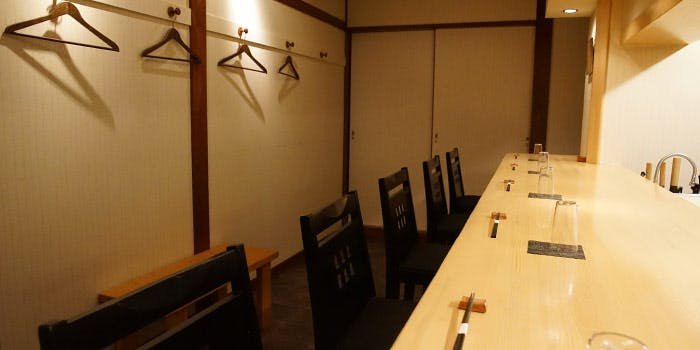
Harbor-Front Dual Dining
Why go
Book Hotel La Suite Kobe Harborland if a waterfront Kobe stay is the point, especially for a first visit or couple's trip. Its 2025 Small Luxury Hotels of the World membership and MICHELIN hotel selection give it credible quality signals, but the smart move is to prioritize room view and layout over vague premium tiers.
About Hotel La Suite Kobe Harborland
For 2025, Hotel La Suite Kobe Harborland has two meaningful third-party credentials in Kobe: membership in Small Luxury Hotels of the World and selection in the MICHELIN Guide's hotel category. For a first trip to Kobe, it is worth considering if you want a hotel with recognized standing.
Read it straightforwardly: this is a Kobe hotel recognized in 2025 by Small Luxury Hotels of the World and the MICHELIN Guide's hotel selection. If you are comparing it with other premium stays, include Arimasansoh Goshobessho or Tocen Goshobo as separate alternatives rather than assuming the same trip fit.
Book it for the hotel recognition, then check the practical details
The right guest is someone who wants a Kobe base with credible hotel recognition and is comfortable checking the practical details directly before booking. Its public credentials support the property's standing as a selected hotel; room categories, views, restaurants, facilities, prices, and service formats should be reviewed through the booking channel.
Trade-off is information clarity. The safe booking strategy is to avoid paying up for vague premium language. Prioritize the room description, cancellation terms, and inclusions shown at purchase. If an upgrade is offered, judge it by the concrete details provided at booking rather than by room-name alone.
Where it fits in a Kobe hotel shortlist
Against Oriental Hotel Kobe, this is another Kobe option to compare. Oriental Hotel Kobe may be worth including if you are building a Kobe shortlist, while Hotel La Suite Kobe Harborland is the choice to keep on the list if SLH membership and MICHELIN Guide hotel selection matter to you.
Compared with other named alternatives, the distinction should be made by booking details rather than assumptions. Arimasansoh Goshobessho and Tocen Goshobo are separate options to evaluate on their own current terms. For travelers also weighing Osaka stays, Waldorf Astoria Osaka and The Ritz-Carlton, Osaka belong to an Osaka shortlist. Choose those if Osaka is the trip anchor; choose this if Kobe itself is the base.
Know Before You Go
- Dress code: Smart casual.
- Recognition: Small Luxury Hotels of the World Member in 2025 and MICHELIN Guide Hotels Selected in 2025.
- Room strategy: Confirm room type, inclusions, and cancellation terms directly at booking rather than relying on general descriptions.
- Trip fit: Best assessed as a recognized Kobe hotel; compare other named properties by their current booking details and by whether Kobe or Osaka is the main base.
Inside Hotel La Suite Kobe Harborland
Planning details
- Location
- 〒650-0042 Hyogo, Kobe, Chuo Ward, Hatobachō, 7−2 ホテルラ・スイート神戸ハーバーランド 2階
- Website
- l-s.jp
- Phone
- +81 78-371-1111
The take
The Take
The Vibe
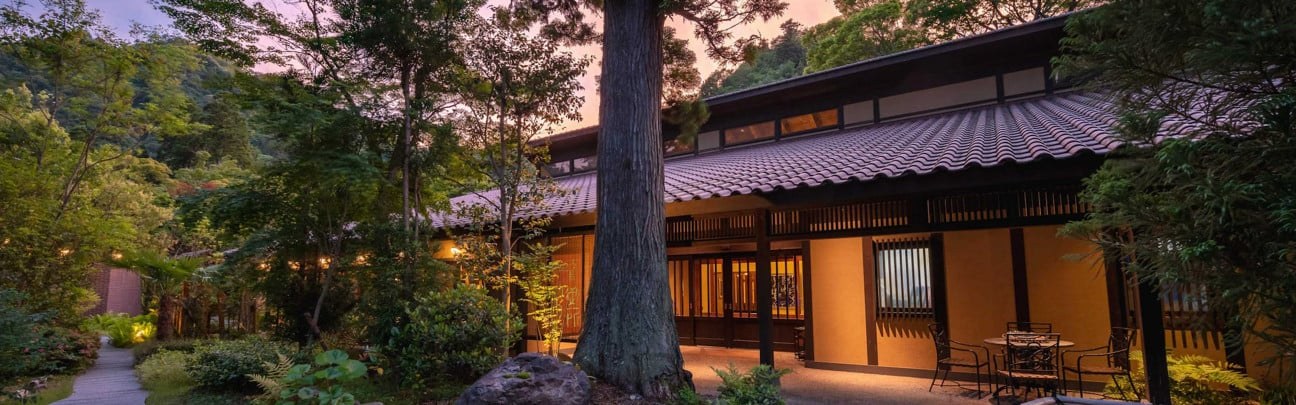
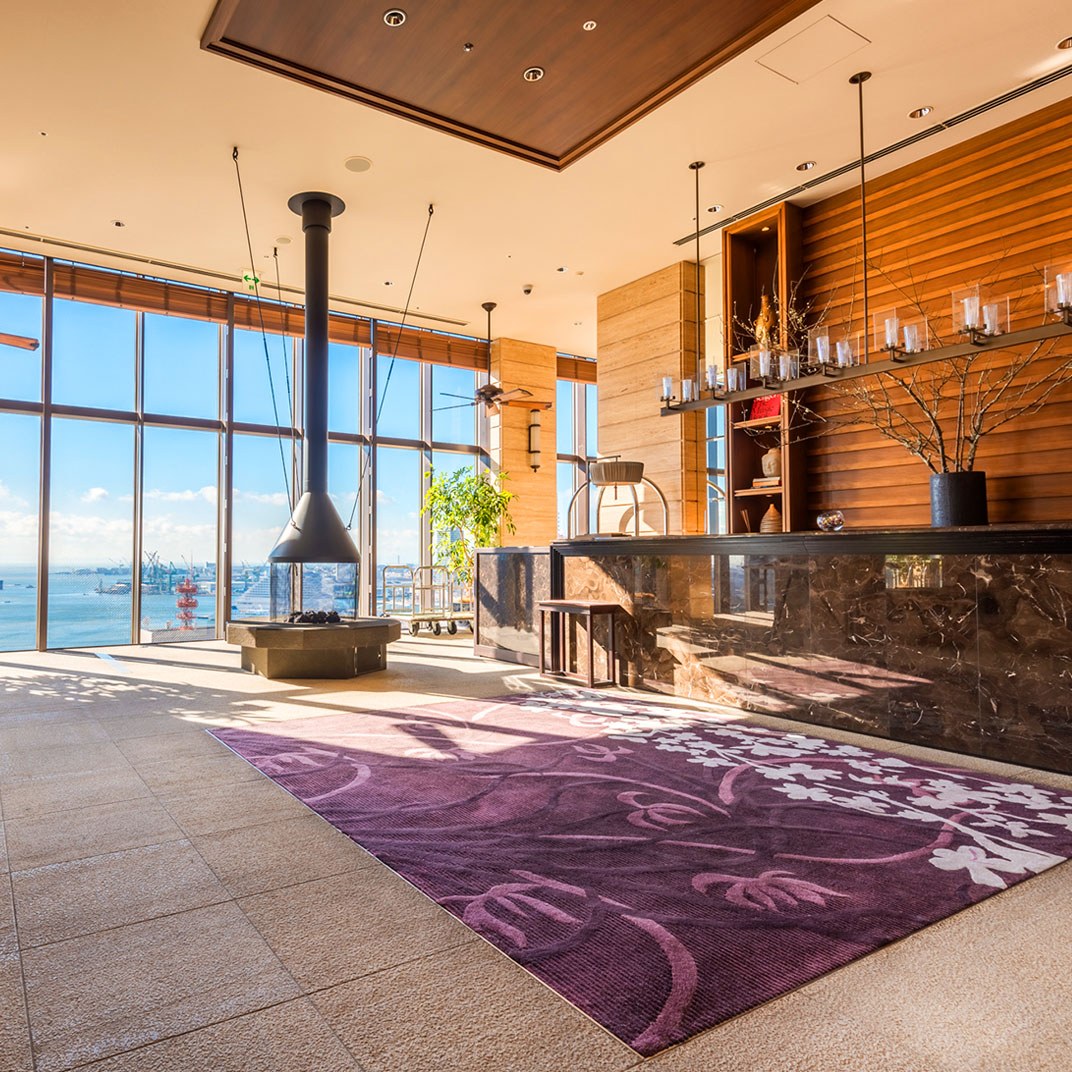
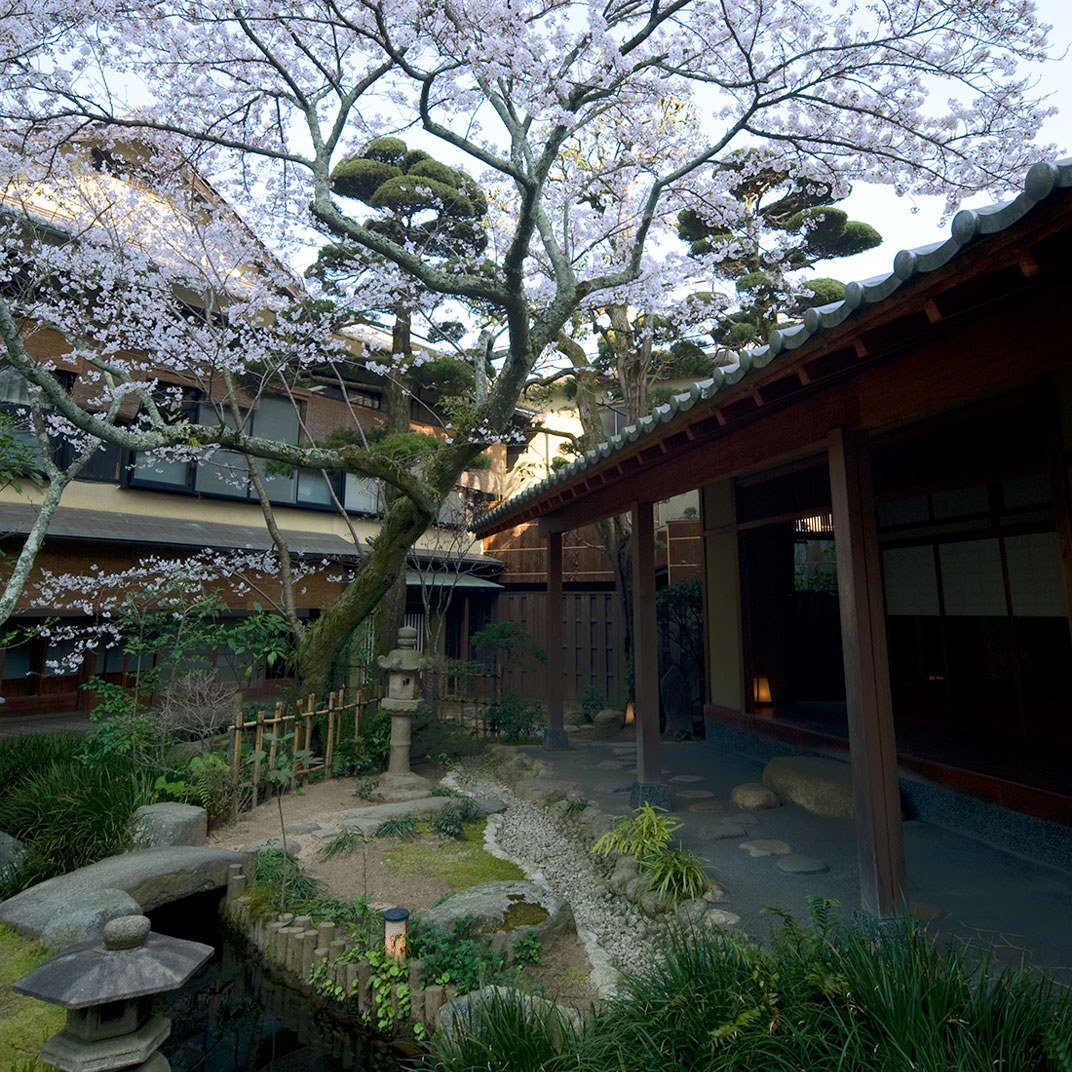
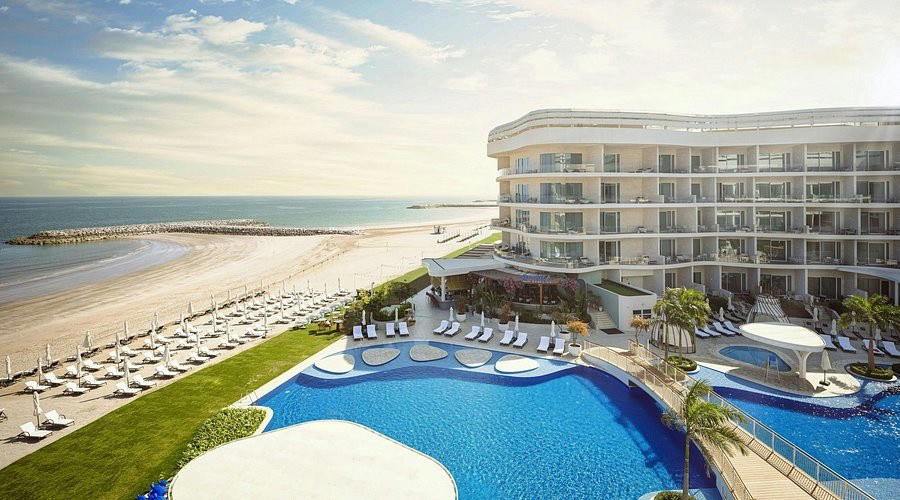
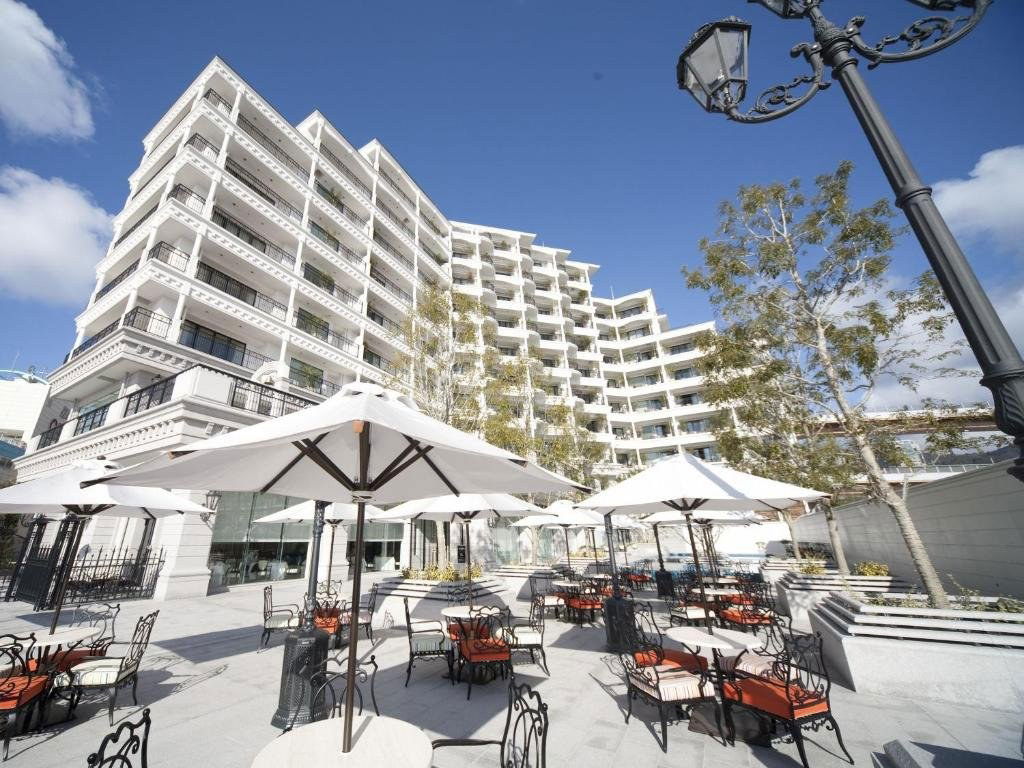
Hotel La Suite Kobe Harborland presents a measured, seaside elegance that reads as both refined and quietly scenic. The property orients itself toward Kobe's waterfront, so natural light and open water views shape rooms and public areas throughout the day. The aesthetic nods to serious hotelcraft—there are references to European-inflected formality and composed reception spaces—yet the overall effect remains human in scale and unshowy rather than theatrical. Guests experience a serene, relaxed luxury where the harbor's presence is integral to the atmosphere rather than an afterthought.
Best For
La Suite is ideal for travelers who want a quietly luxurious waterfront stay in Kobe—especially couples on romantic getaways, honeymooners, and those marking anniversaries. The hotel's Harborland location, its proximity to Kobe Station, and its emphasis on open water views make it a strong pick for weekend escapes and leisure travelers who prefer scenic urban hotels over high-rise, in-city theatrics. It also suits visitors who value composed, formal service delivered in a calm, intimate setting rather than a bustling, high-energy hotel scene.
Stay Tips
When booking, request a water-facing room on an upper floor to maximize the structural sea views and the shifting daylight the description highlights. The hotel’s positioning on Hatobachō and its proximity to Kobe Station mean a waterfront-facing room will deliver both harbor panoramas and easy access to Harborland. Time your stay for daylight hours if you want strong sea light in public spaces and rooms; late afternoon and early evening tend to show the harbor’s changing mood most clearly. Confirm room orientation with reservations rather than assuming a view.
Venue details
Ambiance
Soundproofed rooms with luxurious interiors, jetted bathtubs, and a serene spa atmosphere.
Tags
Vibe
Best For
Experience
Amenities
View
Accessibility
About the Stay
- Rooms
- 70
- Check-in
- 15:00
- Check-out
- 12:00
- Property Style
- Waterfront Luxury Boutique with Mediterranean Architecture
- Design Style
- Individually Decorated Rooms with Contemporary Elegant Furnishings
Know before you go
Know Before You Go
- Getting there
- 〒650-0042 Hyogo, Kobe, Chuo Ward, Hatobachō, 7−2 ホテルラ・スイート神戸ハーバーランド 2階
Planning details
Location
〒650-0042 Hyogo, Kobe, Chuo Ward, Hatobachō, 7−2 ホテルラ・スイート神戸ハーバーランド 2階 · Directions
Recognition and awards

Also consider
Also Consider
- Oriental Hotel Kobe, Notable alternative
- Arimasansoh Goshobessho, Notable alternative
- Tocen Goshobo, Notable alternative
- Waldorf Astoria Osaka, Notable alternative
- The Ritz-Carlton, Osaka, Notable alternative
Hotel context
How It Compares
Hotel La Suite Kobe Harborland is the waterfront choice in this Kobe set. Oriental Hotel Kobe is the cleaner city-hotel alternative if central access matters more than harbor atmosphere. For leisure travelers, the Harborland option has the stronger visual setting; for work-heavy stays, Oriental Hotel Kobe may be easier if appointments sit closer to the commercial core.
Arimasansoh Goshobessho and Tocen Goshobo are not direct substitutes so much as different trip types. Choose them when the plan is Arima Onsen, quiet time, and a ryokan-leaning rhythm. Choose Hotel La Suite Kobe Harborland when the trip should stay anchored in Kobe city with waterfront views and easier urban access.
Waldorf Astoria Osaka and The Ritz-Carlton, Osaka make more sense if Osaka is the main base and the budget is aimed at a larger luxury-hotel experience. If the itinerary is Kobe-first, shifting to Osaka adds friction. For an easy booking with a strong sense of place, Harborland is the practical Kobe pick.
Explore Kobe
Around this place
Discover more on Pearl
Unlock the full Hotel La Suite Kobe Harborland guide in Pearl, including awards, comparisons, FAQs, planning details, and nearby places.
Compare Hotel La Suite Kobe Harborland
| Venue | Location | Awards |
|---|---|---|
| Hotel La Suite Kobe Harborland | Kobe | 2025 Michelin Selected HotelsSmall Luxury Hotels Member 2025 |
| Oriental Hotel Kobe | Kobe | No published awards |
| Arimasansoh Goshobessho | Kobe | No published awards |
| Tocen Goshobo | Kobe | No published awards |
| Waldorf Astoria Osaka | Osaka | No published awards |
| The Ritz-Carlton, Osaka | Osaka | 2026 Forbes 5-Star2026 Virtuoso Luxury Hotel Collection2026 La Liste Top Hotels2025 Michelin 1 Key2024 Michelin 1 Key |




How Hotel La Suite Kobe Harborland compares with similar nearby venues.
FAQ
Frequently Asked Questions
Do loyalty programs work at Hotel La Suite Kobe Harborland?
The hotel's Small Luxury Hotels of the World membership is the clearest affiliation-related point. Confirm any earning, redemption, or partner benefits through the booking channel you plan to use, and compare with Oriental Hotel Kobe, Waldorf Astoria Osaka, or The Ritz-Carlton, Osaka if loyalty structure is a major factor.
How is the dining at Hotel La Suite Kobe Harborland?
The MICHELIN Guide Hotels Selected recognition in 2025 applies to the hotel, not to a named restaurant, so check current dining information directly before planning meals around the property.
Is Hotel La Suite Kobe Harborland family-friendly?
Is Hotel La Suite Kobe Harborland good for business travel?
It may be considered for a Kobe stay. The SLH membership and MICHELIN Guide hotel selection speak to hotel recognition, while travelers with corporate requirements should confirm meeting needs, desk setup, and transport logistics before booking.
How is the location of Hotel La Suite Kobe Harborland?
It is in Kobe. Use current maps and the hotel's own booking information to confirm the exact address and whether it suits your itinerary.
Which room category is best at Hotel La Suite Kobe Harborland?
Choose based on the room details, inclusions, cancellation terms, and any clearly stated features shown at the time of booking.