

SCHLOSS Roxburghe Hotel & Golf Course
Kelso
Hotel in Kelso, United Kingdom
 Book with Pearl
Why go
A plan-ahead countryside hotel near Kelso for travellers who want golf, dining, and a quieter Scottish Borders base in one stay. It is easier to justify for a weekend built around the property than for a quick town-centre stopover, and the Forbes Recommended and Star Wine List recognition add useful quality signals.
About SCHLOSS Roxburghe Hotel & Golf Course
SCHLOSS Roxburghe Hotel & Golf Course is a Kelso hotel to consider when the property itself is central to the trip. The public signals are limited but useful: the dress code is smart casual, and the hotel is listed with Forbes Recommended (2026) and Star Wine List (2026) recognition.
Because the confirmed information here is narrow, the safest way to assess value is to focus on fit rather than assume details about menus, facilities, prices, or service style. If the name, Kelso setting, smart-casual tone, and confirmed recognition match the kind of stay you want, it belongs on the shortlist; if you need specific amenities or dining details, confirm them directly before booking.
Choose it for a Kelso stay where the hotel is part of the plan
The practical appeal is clearest for travellers who are not simply looking for the quickest possible overnight stop. SCHLOSS Roxburghe Hotel & Golf Course makes most sense when the stay itself matters and when a smart-casual hotel environment is a positive rather than incidental detail.
Treat those as booking-stage questions, especially if the trip is tied to a specific date, occasion, or itinerary.
For wider planning, compare it with other Kelso options and other comparison choices such as Burts Hotel, Carfraemill, The Tempus, The Tempus, Northumberland, and Traquair House, depending on the kind of stay you are building.
The value case depends on the confirmed fit
The strongest confirmed reasons to pay attention are the smart-casual positioning and the two recognition signals: Forbes Recommended (2026) and Star Wine List (2026). Those points give the hotel more context than a generic listing, but they should not be stretched into claims about a particular menu, cellar depth, service model, or price point.
That makes the decision direct: use SCHLOSS Roxburghe Hotel & Golf Course as a serious Kelso candidate if you want a hotel with those signals. If your stay depends on specific practical details, compare directly with other options and confirm the current offer before committing.
Verdict: prioritise it when a smart-casual Kelso hotel with Forbes Recommended (2026) and Star Wine List (2026) recognition is the right match. Skip it if you need confirmed specifics that are not publicly here.
Planning details
- Location
- Heiton by Kelso
- Website
- schlosshotel-roxburghe.com/en/home
- Phone
- 44-0-1573-450-331
The take
The Take
The Vibe
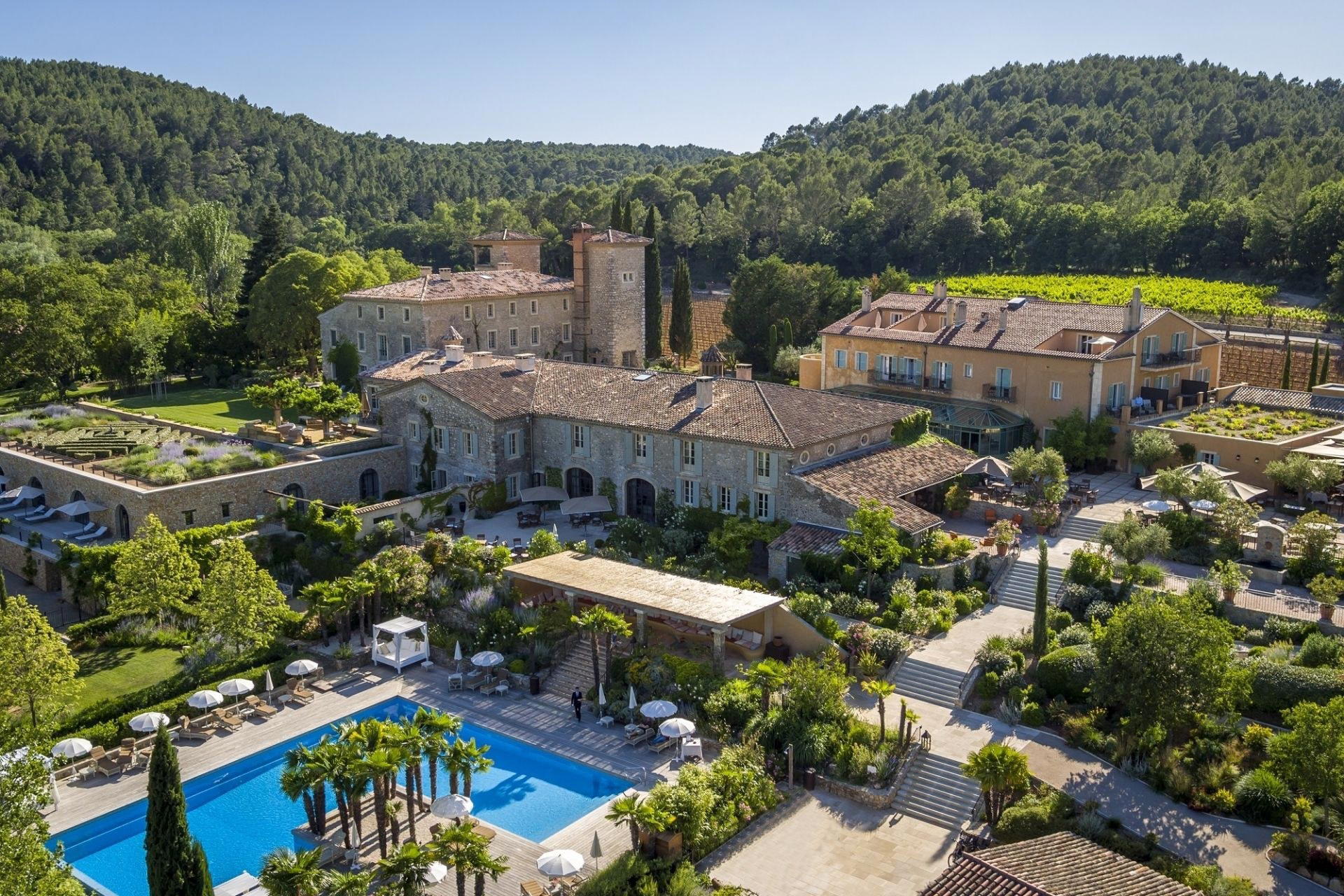
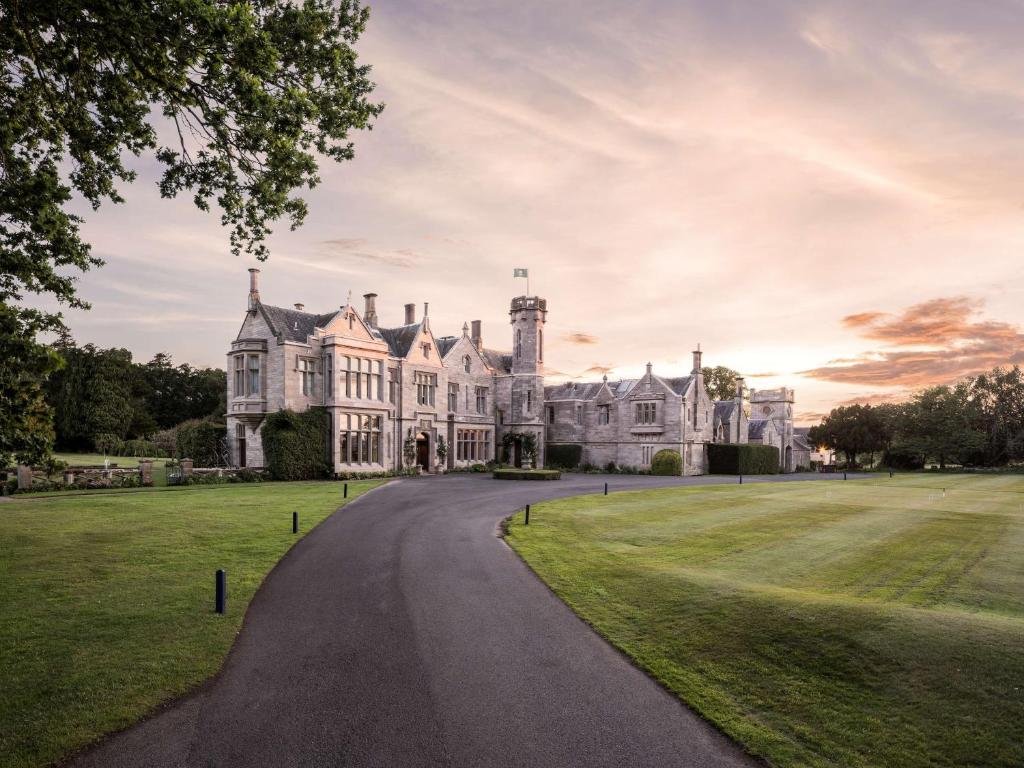
SCHLOSS Roxburghe reads like a genuine ducal country house rather than a purpose-built resort. The approach through Heiton and the Scottish Borders primes you for stone, broad parkland and weathered proportions; the estate’s 300 acres make the scale apparent before the main house appears. Architectural details and materials carry the weight of provenance, and the tone is quietly grand rather than showy. The result is a restrained, historic country-house atmosphere—calm, composed and rooted in the surrounding landscape—where the drama comes from the land and the building’s measured proportions rather than theatrical design gestures.
Best For
This is a property for slow, countryside stays: weekend escapes, wellness-minded breaks and multi‑day golf trips work particularly well on the estate. Couples who value historic ambiance and quiet seclusion will appreciate the ducal provenance and measured scale; families and small groups can use the broad grounds for walks and outdoor time. The hotel’s placement within vast parkland also suits retreats that need space to roam—think restorative weekends, small group retreats and classic country‑house vacations where landscape and history are the draw.
Venue details
Ambiance
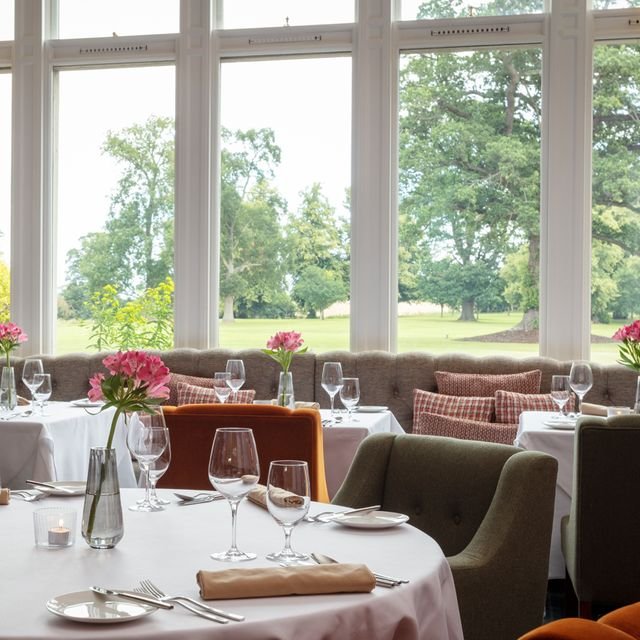
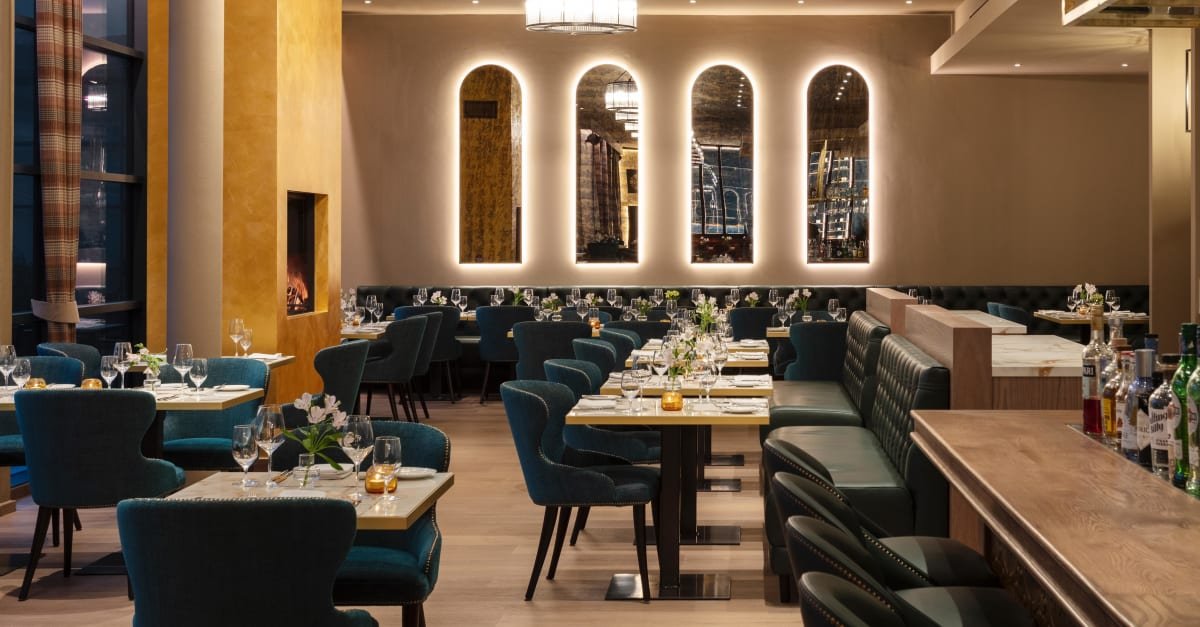
Serene and luxurious with natural light from large windows overlooking parkland and gardens, cozy open fires, and a relaxing spa atmosphere praised by guests.
Tags
Vibe
Best For
Experience
Amenities
View
Accessibility
About the Stay
- Rooms
- 129
- Property Type
- Heritage hotel
- Property Style
- Historic Manor House Blended with Contemporary Estate Wings on a Riverside Estate
- Design Style
- Timeless Aristocratic Scottish Charm with Antique Furnishings in Manor Rooms and Modern Luxury in Estate House Featuring Tartan Accents and Rainfall Showers
- Breakfast
- Included
- Pool
- Yes
- Spa
- Yes
- Pets
- Allowed
- Families
- Welcome
Know before you go
Know Before You Go
- Getting there
- Heiton by Kelso
Planning details
Location
Recognition and awards


Also consider
Where to Look If This Is Full
Try Burts Hotel if staying closer to Kelso routines matters more than the resort setting. It is the cleaner fallback for a practical overnight.
Try The Tempus, Northumberland if the trip can shift south and the priority is a comparable countryside escape rather than a Kelso-specific stay.
Hotel context
How It Compares
Burts Hotel is the more practical comparison if the priority is a simpler hotel stay with easier access to town routines. SCHLOSS Roxburghe Hotel & Golf Course is the better fit when the hotel itself is the itinerary, especially for golf-led trips or a slower countryside weekend.
Carfraemill and Traquair House make more sense for travellers who want a lighter, more flexible Borders base. Choose Roxburghe when the value comes from staying put; choose those peers when the room is only one part of a wider road-trip plan.
The Tempus and The Tempus, Northumberland are the cross-shop options for guests willing to look beyond Kelso. Roxburghe has the clearer golf-resort angle, while The Tempus options are better considered when Northumberland is the more useful base for the trip.
Explore Kelso
Around this place
Discover more on Pearl
Unlock the full SCHLOSS Roxburghe Hotel & Golf Course guide in Pearl, including awards, comparisons, FAQs, planning details, and nearby places.
Compare SCHLOSS Roxburghe Hotel & Golf Course
| Venue | Location | Awards |
|---|---|---|
| SCHLOSS Roxburghe Hotel & Golf Course | Kelso | 2026 Forbes RecommendedStar Wine Lists 2026 |
| Burts Hotel | Melrose | No published awards |
| Carfraemill | Scottish Borders | No published awards |
| Traquair House | Scottish Borders | No published awards |
| The Tempus | Chathill | 100 Most Incredible Hotels in the World · 20262025 Michelin Selected Hotels |
| The Tempus, Northumberland | Alnwick | No published awards |


How SCHLOSS Roxburghe Hotel & Golf Course Kelso compares with similar nearby venues.
FAQ
Frequently Asked Questions
How does SCHLOSS Roxburghe Hotel & Golf Course compare to other options?
Choose SCHLOSS Roxburghe Hotel & Golf Course if its Kelso setting, smart-casual dress code, and Forbes Recommended (2026) and Star Wine List (2026) recognition fit the stay you want. Burts Hotel, Carfraemill, The Tempus, The Tempus, Northumberland, and Traquair House may suit different trip styles, so compare based on the details that matter to your booking.
How is the dining at SCHLOSS Roxburghe Hotel & Golf Course?
The dining-related signal is Star Wine List (2026). Beyond that, do not assume a particular cuisine, menu format, price, or service style without checking directly with the hotel.
Is SCHLOSS Roxburghe Hotel & Golf Course good for business travel?
It may work for business travel if a Kelso hotel with a smart-casual tone suits the trip. Specific business facilities, transport details, and schedules should be confirmed directly before booking.
What is check-in like at SCHLOSS Roxburghe Hotel & Golf Course?
The location to use is Kelso. Specific check-in procedures, arrival arrangements, and transport needs should be confirmed with the hotel before travel.
Do loyalty programs work at SCHLOSS Roxburghe Hotel & Golf Course?
Treat loyalty benefits as a booking-channel question rather than an assumed feature. The confirmed points are the smart-casual dress code plus Forbes Recommended (2026) and Star Wine List (2026) recognition.