



The Dwarika's Hotel
Kathmandu
Hotel in Kathmandu, Nepal
 Book with Pearl
The Read
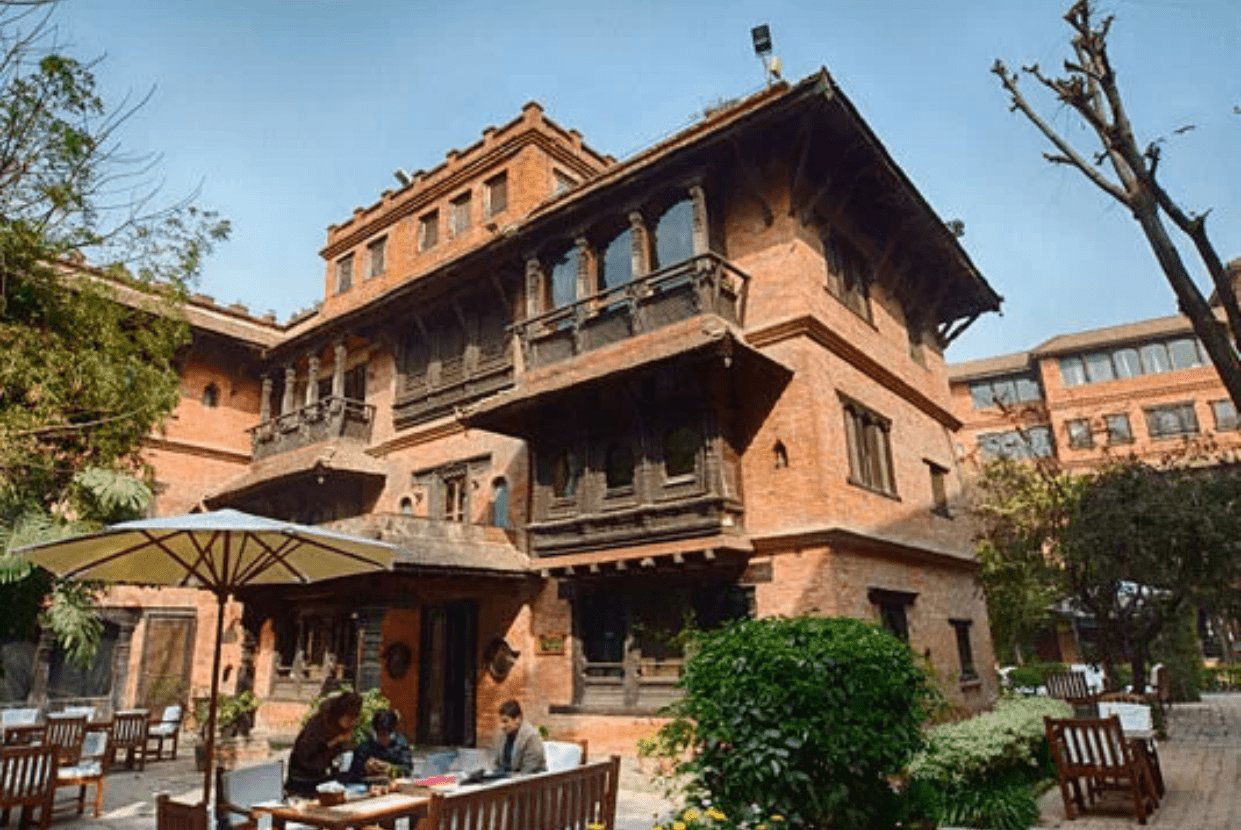
Salvaged Newari Architecture
Why go
Choose The Dwarika's Hotel when the hotel needs to be part of the occasion, not just a place to sleep. Its strongest case is atmosphere and heritage-led design in Kathmandu, backed by major hotel recognition; cross-shop Aloft Kathmandu Thamel for a simpler central stay or The Terraces Resort and Spa for a retreat-style alternative.
About The Dwarika's Hotel
The Dwarika's Hotel is a Kathmandu hotel with a smart-casual dress code and recognition from major travel lists. Assess it as a premium Kathmandu stay with award backing, and avoid assumptions about details such as room categories, dining style, amenities, pricing, or exact location within the city. If you are comparing options, Aloft Kathmandu Thamel, The Terraces Resort and Spa, Varnabas Museum Hotel, Dwarika's Sanctuary, and The Happy House are natural names to review alongside it.
A premium Kathmandu hotel with recognition
The strongest reason to pay attention to The Dwarika's Hotel is its recognition profile. La Liste Top Hotels lists it at 95 points for 2026, and it also appears in Fodor's Most Incredible Hotels in the World for 2026 and the Conde Nast Gold List for 2025. Those signals should carry more weight than any claims about design, service format, cuisine, room count, or amenities.
The best booking approach is direct: treat The Dwarika's Hotel as an award-recognized Kathmandu hotel, then confirm the practical details directly with the property before committing. That includes room type, services, dining, transport, cancellation terms, and any special requirements for your trip.
The dress code is smart casual. Travelers should not infer more specific rules about dining, events, facilities, or service style from this description alone.
Who should book it, and who should cross-shop
The Dwarika's Hotel makes the most sense for travelers who want a premium Kathmandu hotel with international recognition. It may be especially relevant when award history matters in the decision, but the final choice should still depend on current rates, availability, room fit, and the hotel's own latest information.
For comparison, consider Aloft Kathmandu Thamel, Varnabas Museum Hotel, The Terraces Resort and Spa, Dwarika's Sanctuary, and The Happy House. Use them as comparison points rather than as fixed substitutes.
Dining should not be the primary reason to book The Dwarika's Hotel. Cuisine, menu format, pricing, and service details should be confirmed directly with the hotel. If meals will drive the itinerary, use Our full Kathmandu restaurants guide and check current restaurant details separately.
Quick reference: book The Dwarika's Hotel if you want a Kathmandu hotel with recognition from La Liste Top Hotels, Fodor's, and Conde Nast, and confirm all operational details directly before booking.
Planning details
- Location
- Battisputali Rd, Kathmandu 44600
- Website
- dwarikas.com
- Phone
- +977 1-4579488
The take
The Take
The Vibe
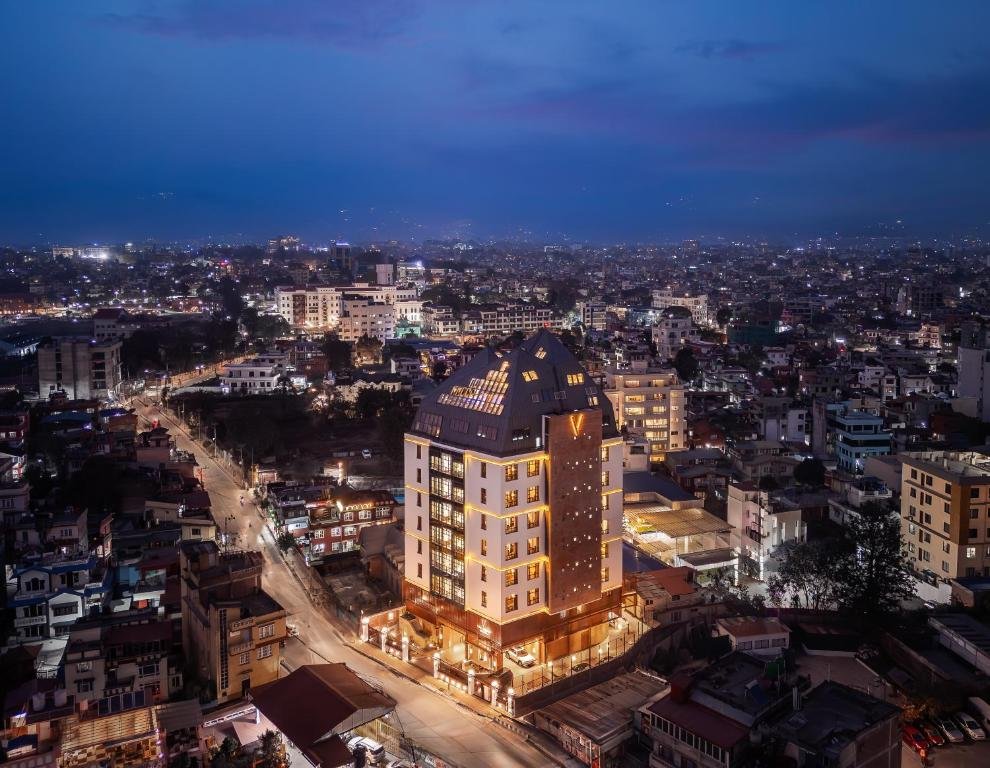
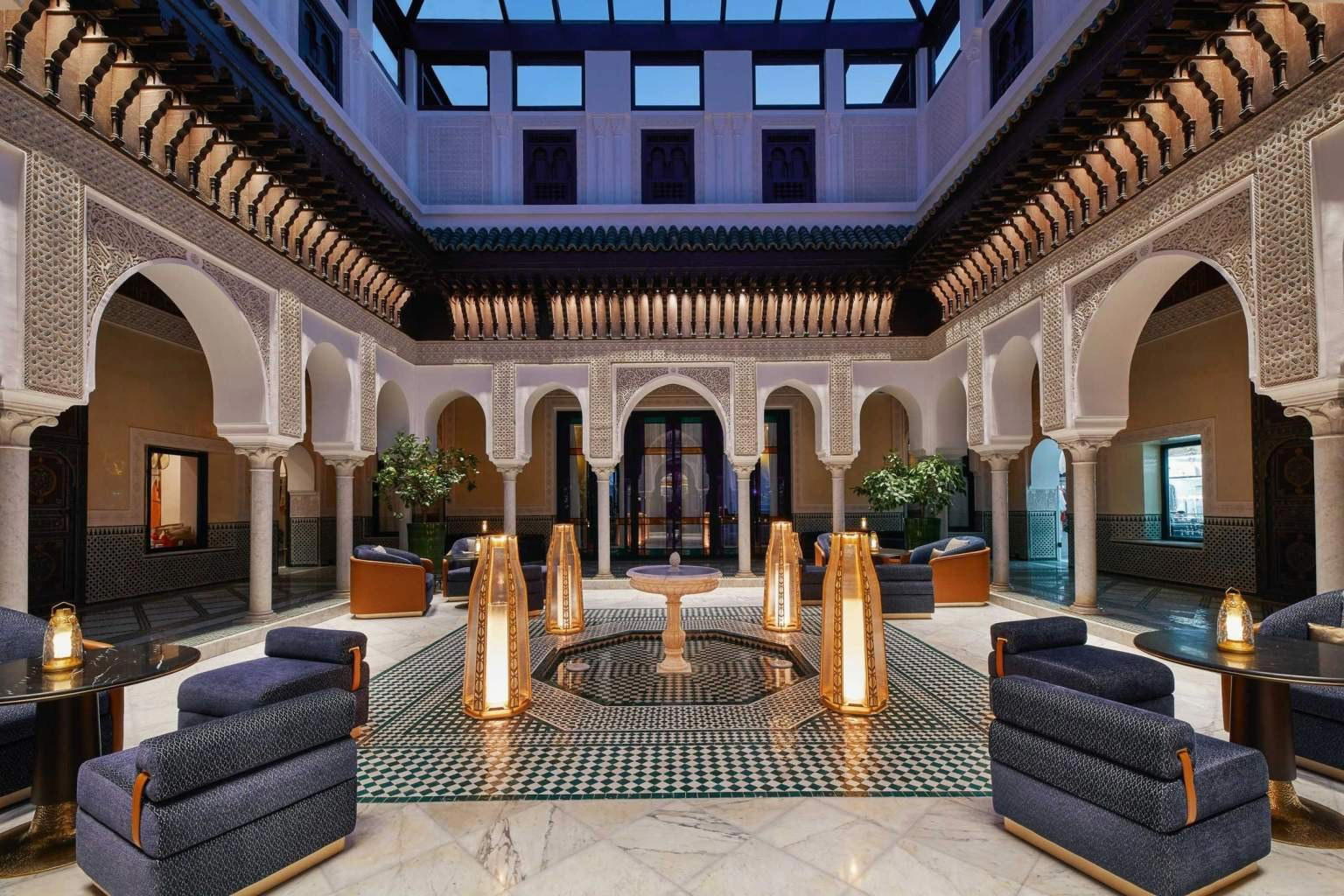
The Dwarika's Hotel feels like an assembled work of cultural conservation: centuries of Newari craftsmanship are woven into a compact, boutique property where carved timber eaves, latticed peacock windows and painted pillars create a lived-in, historic atmosphere. The hotel deliberately privileges its courtyard as the social heart, turning circulation and common life outward so guests experience the architecture as a communal stage. It reads as intimate and charming rather than ostentatious — a design-minded, place-specific refuge that rewards slow appreciation of detail and tradition.
Best For
This hotel is best for travelers who prioritize cultural authenticity, heritage design and quiet, restorative stays. It's a natural choice for couples seeking a romantic or honeymoon setting anchored in local craft, and for design-minded visitors who come to experience how rescued Newari elements are recomposed into a functioning hotel. With just 80 rooms and a courtyard-centric social life, it also suits guests after a relaxed, contemplative stay near Kathmandu's spiritual landmarks rather than those seeking flashy city-center nightlife.
Stay Tips
Reserve in advance given the property's boutique scale and reputation; La Liste recognition suggests high demand. Ask for a room with easy access to or a view of the central courtyard to make the most of the hotel's social architecture, and build time into your itinerary to explore the Pashupatinath Temple area nearby. If you value detailed craft and quiet communal spaces, request guidance from staff on the property's architectural highlights so you can appreciate the salvaged elements dispersed through the grounds.
Venue details
Ambiance
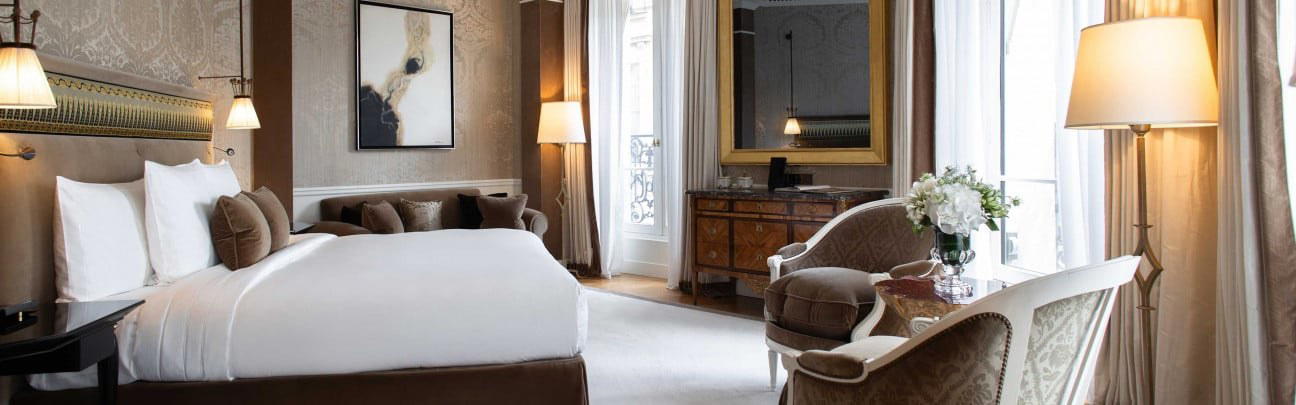
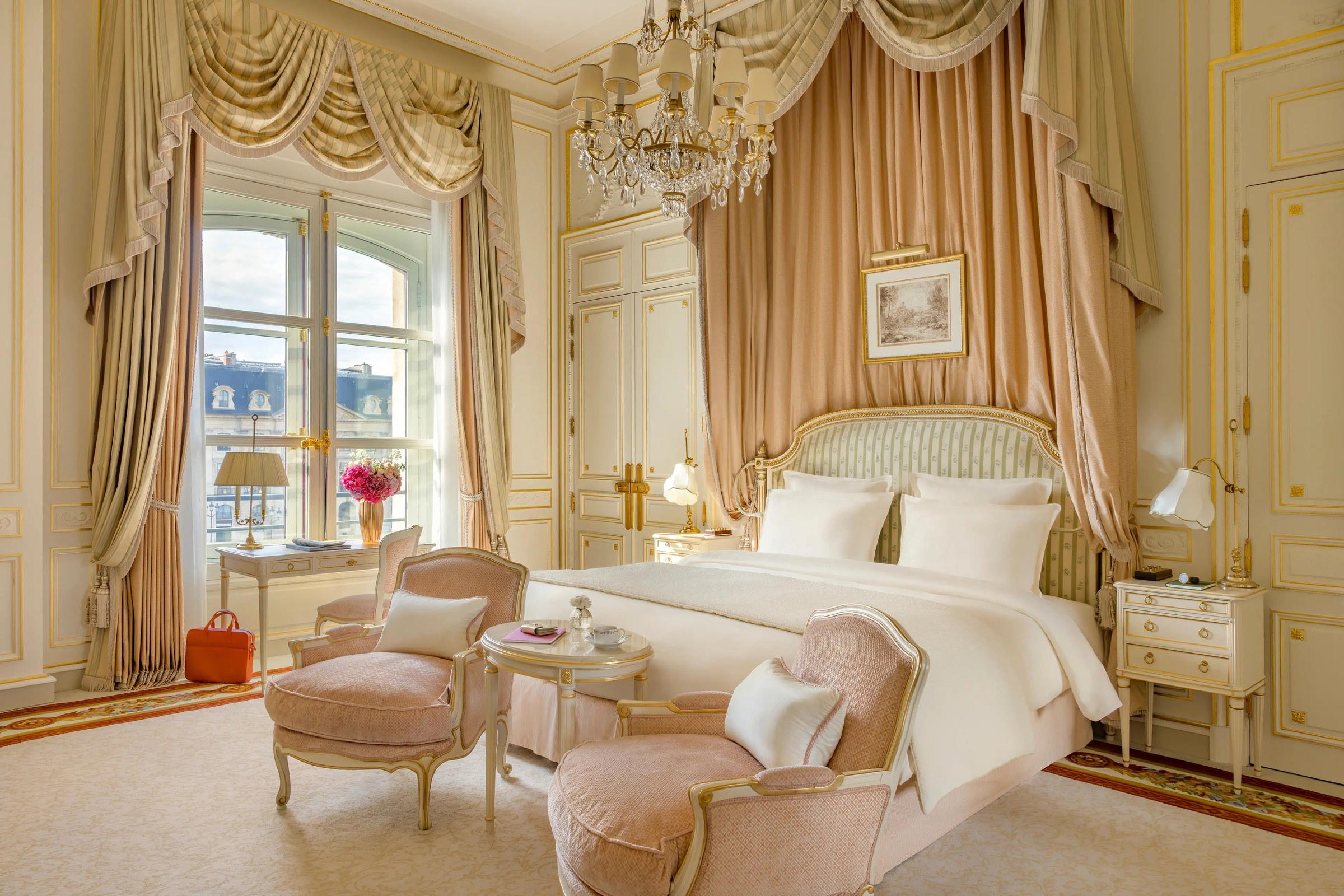
Tranquil and luxurious with natural light, well-tended gardens, and an atmosphere evoking a traditional Nepali palace.
Tags
Vibe
Best For
Experience
Amenities
View
Accessibility
About the Stay
- Rooms
- 86
- Check-in
- 15:00
- Check-out
- 11:00
- Property Style
- Heritage Newari Palace Style Architecture with Modern Luxury Amenities
- Design Style
- Traditional Newari with Intricate Wood Carvings, Antiques, and Organic Linens
Know before you go
Know Before You Go
- Getting there
- Battisputali Rd, Kathmandu 44600
Planning details
Location
Recognition and awards



Also consider
Also Consider
- Varnabas Museum Hotel, Notable alternative
- Aloft Kathmandu Thamel, Notable alternative
- The Terraces Resort and Spa, Notable alternative
- Dwarika's Sanctuary, Notable alternative
- The Happy House, Notable alternative
Hotel context
How it compares in Kathmandu
Varnabas Museum Hotel is the closest comparison for travelers who want a hotel with a strong visual identity in Kathmandu, but The Dwarika's Hotel is the stronger pick when the stay needs a heritage-heavy, special-occasion feel. Choose Varnabas if the museum-hotel concept is the draw; choose The Dwarika's when atmosphere, recognition, and a more established luxury-hotel profile matter more.
Aloft Kathmandu Thamel is the practical cross-shop: easier for travelers who want a modern, familiar setup and a Thamel-focused base. It is the better fit for short business stays or guests prioritizing location efficiency. The Dwarika's is better for couples, hosting, and travelers willing to trade some neighborhood immediacy for a more memorable room-and-courtyard experience.
The Terraces Resort and Spa, Dwarika's Sanctuary, and The Happy House are better comparisons if the question is not Kathmandu access but retreat value. Pick The Terraces or Dwarika's Sanctuary when the trip needs more quiet and space outside the city; keep The Dwarika's Hotel on the shortlist when Kathmandu itself remains central to the itinerary.
Explore Kathmandu
Around this place
Discover more on Pearl
Unlock the full The Dwarika's Hotel guide in Pearl, including awards, comparisons, FAQs, planning details, and nearby places.
Compare The Dwarika's Hotel
| Venue | Location | Awards |
|---|---|---|
| The Dwarika's Hotel | Kathmandu | 100 Most Incredible Hotels in the World · 20262026 La Liste Top HotelsMichelin 1 Key 20252025 Michelin 1 Key2025 Conde Nast Hotels Gold List |
| Varnabas Museum Hotel | Kathmandu | Small Luxury Hotels Member 2025 |
| Aloft Kathmandu Thamel | Kathmandu | World Luxury Hotel Awards 2025 |
| The Terraces Resort and Spa | Kathmandu | No published awards |
| Dwarika’s Sanctuary | Dhulikhel | 2026 Virtuoso Luxury Hotel Collection2025 Michelin 1 Key |
| The Happy House | Phaplu | Conde Nast Gold List 2026 |



How The Dwarika's Hotel Kathmandu compares with similar nearby venues.
FAQ
Frequently Asked Questions
Is The Dwarika's Hotel family-friendly?
Family-specific services and room details are not provided. Families should ask the hotel directly about room setup, extra beds, child policies, dining options, and any other practical needs before booking.
How does The Dwarika's Hotel compare to other hotels?
The Dwarika's Hotel can be compared with Aloft Kathmandu Thamel, Varnabas Museum Hotel, The Terraces Resort and Spa, Dwarika's Sanctuary, and The Happy House. A distinction is The Dwarika's Hotel's recognition: La Liste Top Hotels (2026) at 95 points, Fodor's Most Incredible Hotels in the World (2026), and Conde Nast Gold List (2025).
How is the dining at The Dwarika's Hotel?
Dining details are not provided. Cuisine, menu format, pricing, and service details should be checked directly with the hotel before making dining plans.
When is the best time to book The Dwarika's Hotel?
Specific booking windows and demand patterns are not provided. Because The Dwarika's Hotel has recognition from La Liste Top Hotels (2026), Fodor's Most Incredible Hotels in the World (2026), and Conde Nast Gold List (2025), it is sensible to check availability early for important trips.
Which room category is best at The Dwarika's Hotel?
Room categories and room-specific features are not provided. Choose based on the hotel's current descriptions, your budget, and your space requirements, and confirm details directly before booking.