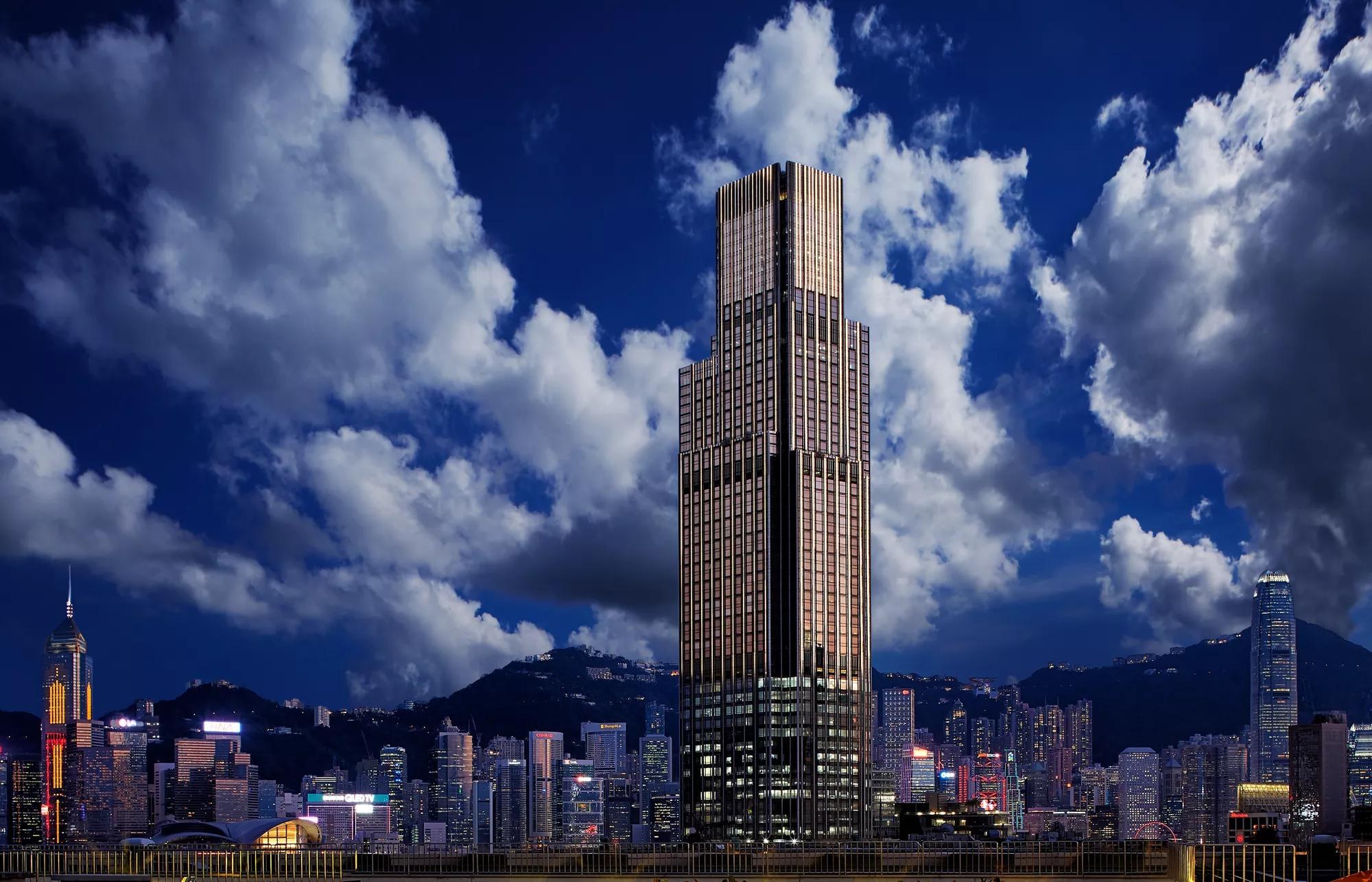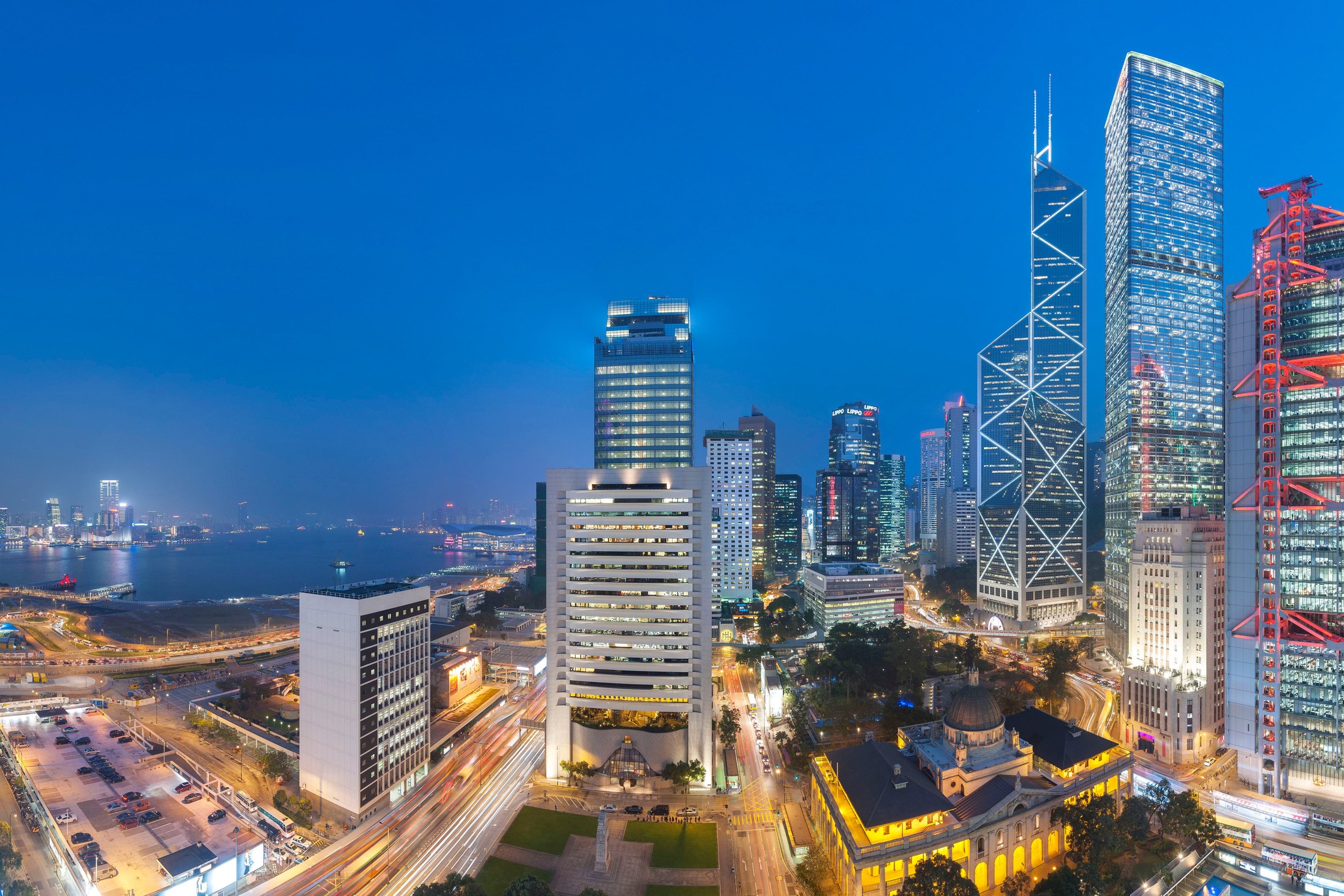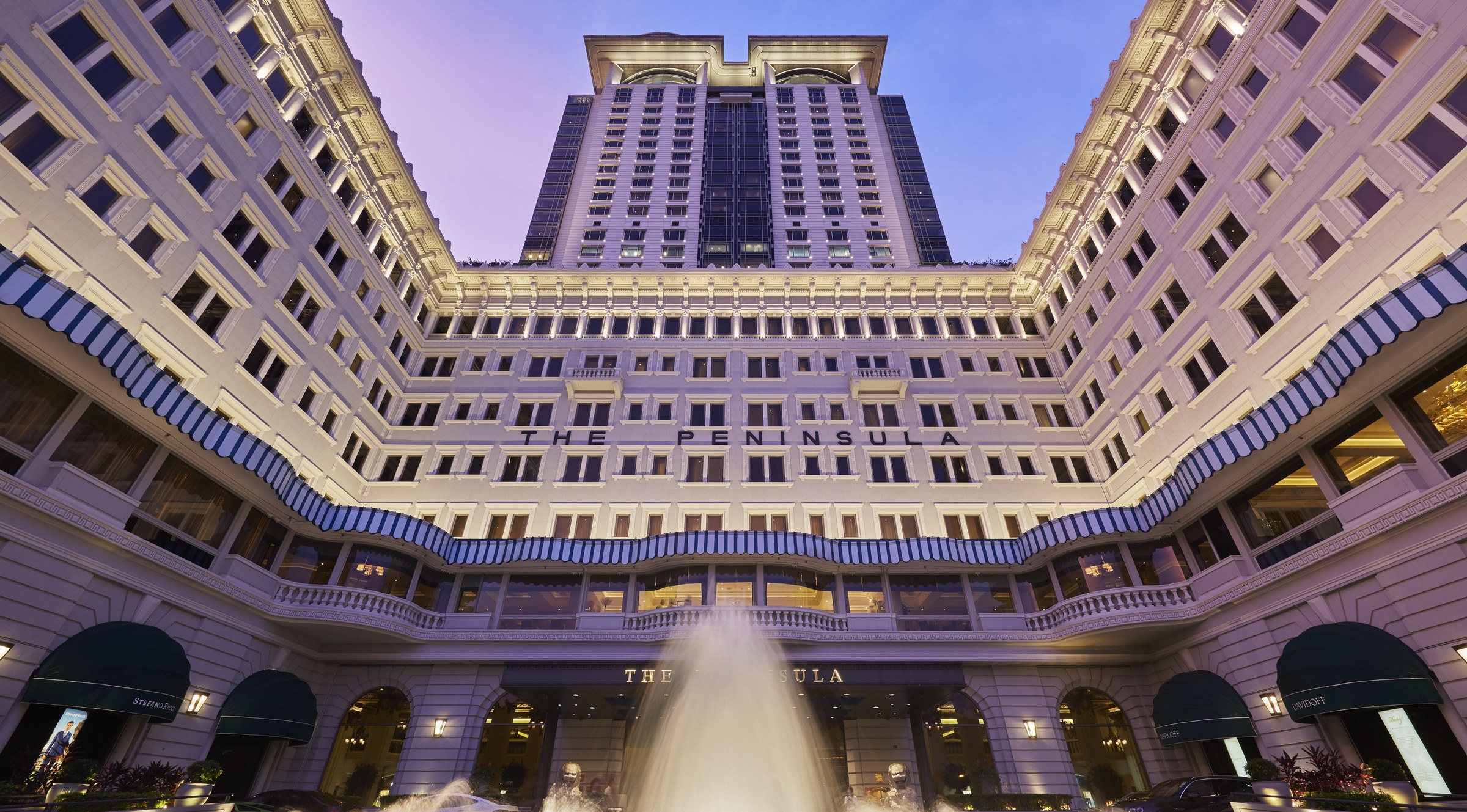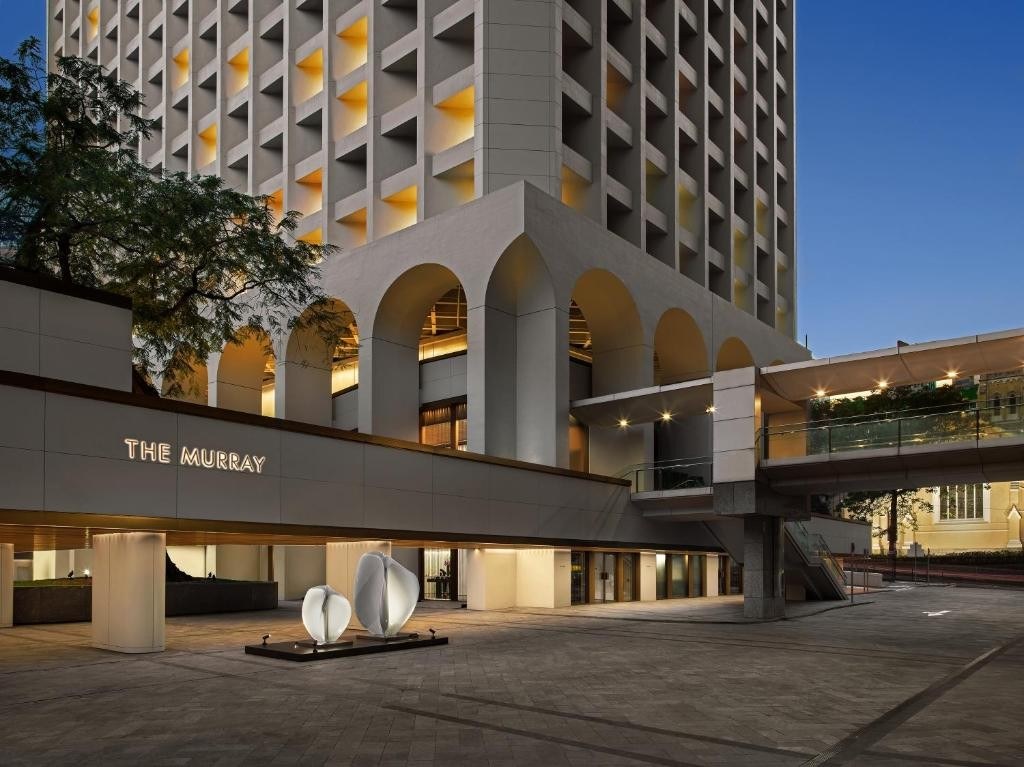


The Langham, Hong Kong
Yau Tsim Mong South, Hong Kong
Hotel in Hong Kong, Hong Kong
 Book with Pearl
The Read
British Heritage, Kowloon Address
Why go
The Langham, Hong Kong is a strong Tsim Sha Tsui pick for special occasions, business stays, and travelers who want classic luxury positioning in Kowloon. Forbes 4-Star recognition in 2025, Forbes Recommended status in 2026, and MICHELIN Guide hotel selection in 2025 give it useful credibility, but compare rates against The Peninsula Hong Kong and nearby practical hotels before committing.
About The Langham, Hong Kong
The Langham, Hong Kong is a Hong Kong hotel recognized by Forbes and the MICHELIN Guide. For travelers deciding whether to shortlist it, the case is direct: it has Forbes 4-Star recognition for 2025, Forbes Recommended recognition for 2026, and MICHELIN Guide Hotels Selected recognition for 2025.
For room categories, service style, dining, pricing, amenities, or exact location details, check directly with the hotel before booking. The property dress code is smart casual.
Choose it for recognition in Hong Kong
The clearest reason to consider The Langham, Hong Kong is its recognition. The Forbes and MICHELIN Guide hotel listings give it a stronger third-party signal than a general description of style, service, or amenities would.
It may suit travelers who value a recognized Hong Kong hotel and want to compare it against other established options before committing. For room layouts, family facilities, dining formats, or prices, confirm those points directly for the exact dates and needs of the trip.
The main decision: compare recognition, fit, and current availability
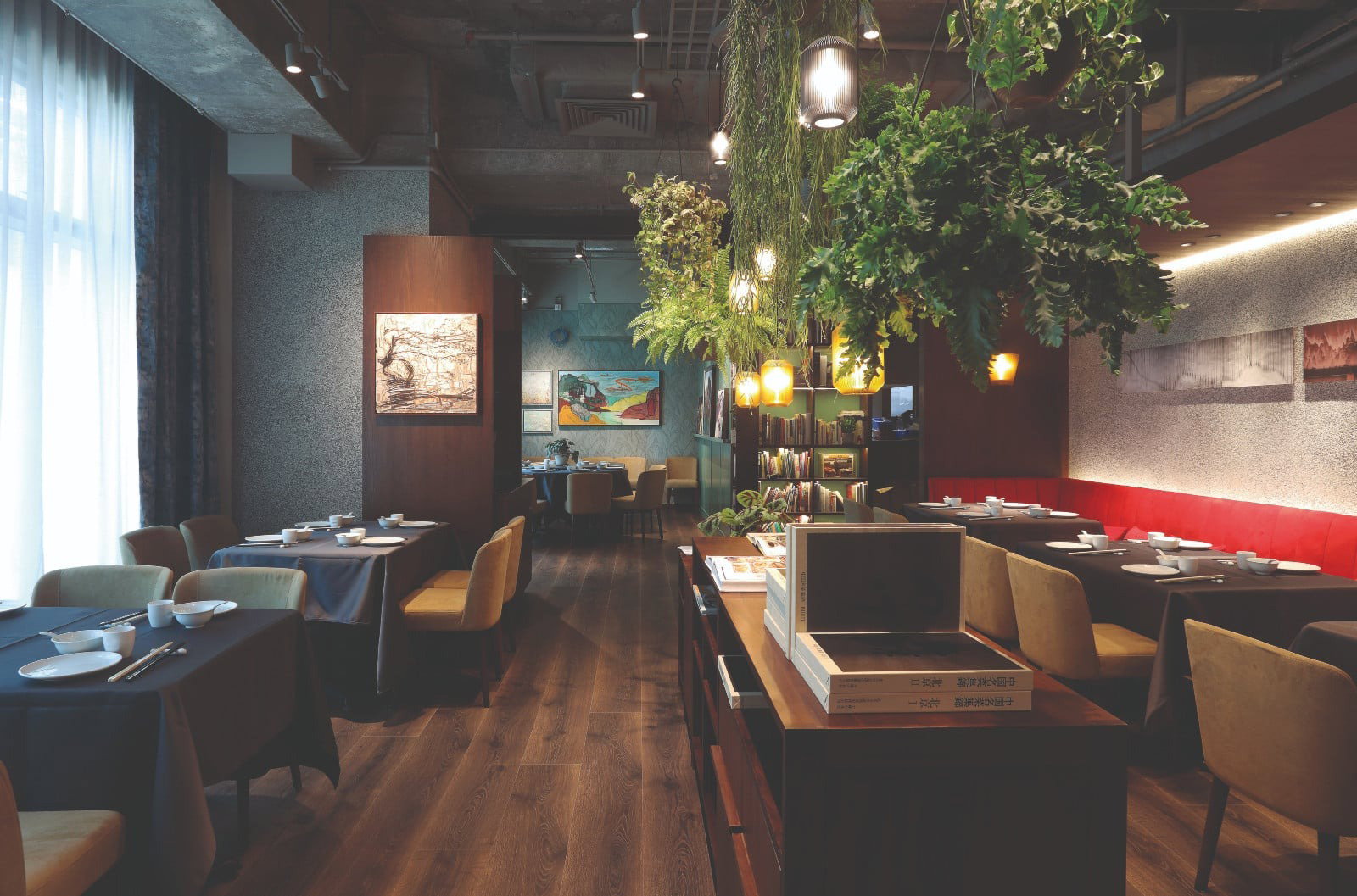
The competitive set is tight. The Peninsula Hong Kong, Marco Polo Hongkong Hotel, Sheraton Hong Kong Hotel & Towers, and Kimpton Tsim Sha Tsui are natural hotel comparisons for travelers considering a Hong Kong stay. Spring Moon may be a useful dining comparison if the trip is also being planned around a meal.
Book The Langham, Hong Kong if its recognition, current availability, and booking terms fit the trip. Cross-shop if another Hong Kong hotel better matches the specific room, dining, or itinerary requirements that matter most.
Inside The Langham, Hong Kong
Planning details
- Location
- 8 Peking Rd, Tsim Sha Tsui
- Website
- langhamhotels.com/en/the-langham/hong-kong/?htl=tlhkg&src=organic&eng=google&size=na&cid=yext_profile&y_source=1_MTA0MjQ3MDktNzE1LWxvY2F0aW9uLndlYnNpdGU%3D
- Phone
- +852 2375 1133
The take
The Take
The Vibe
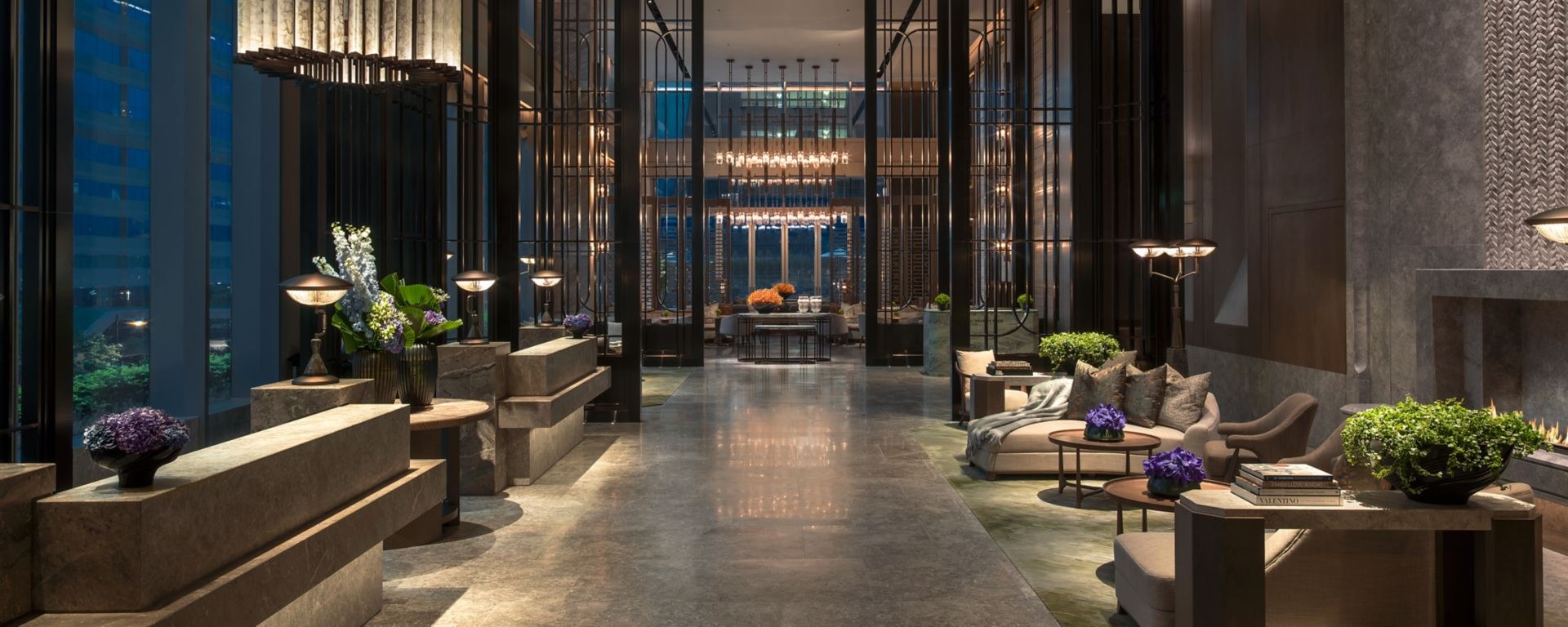
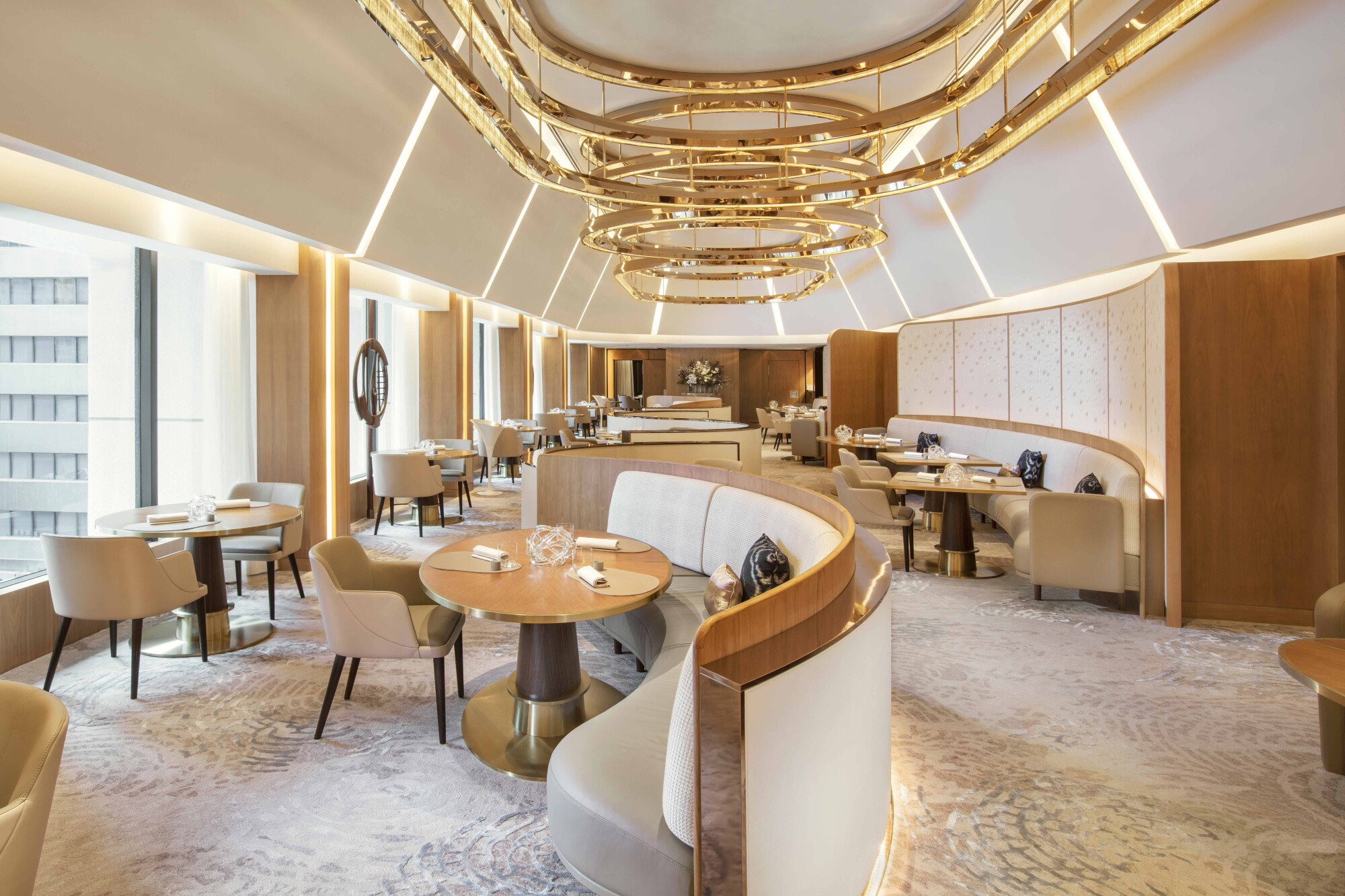
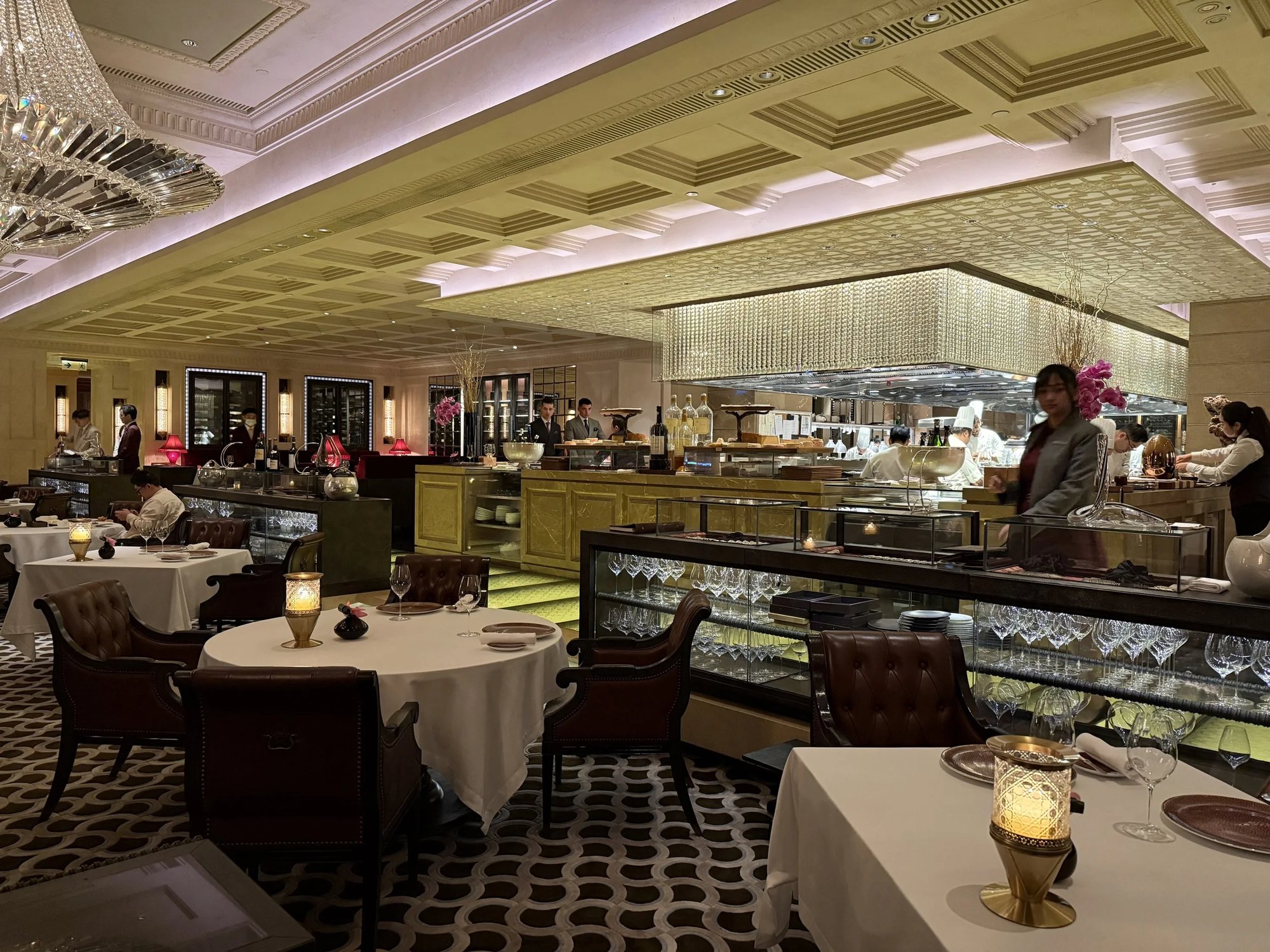
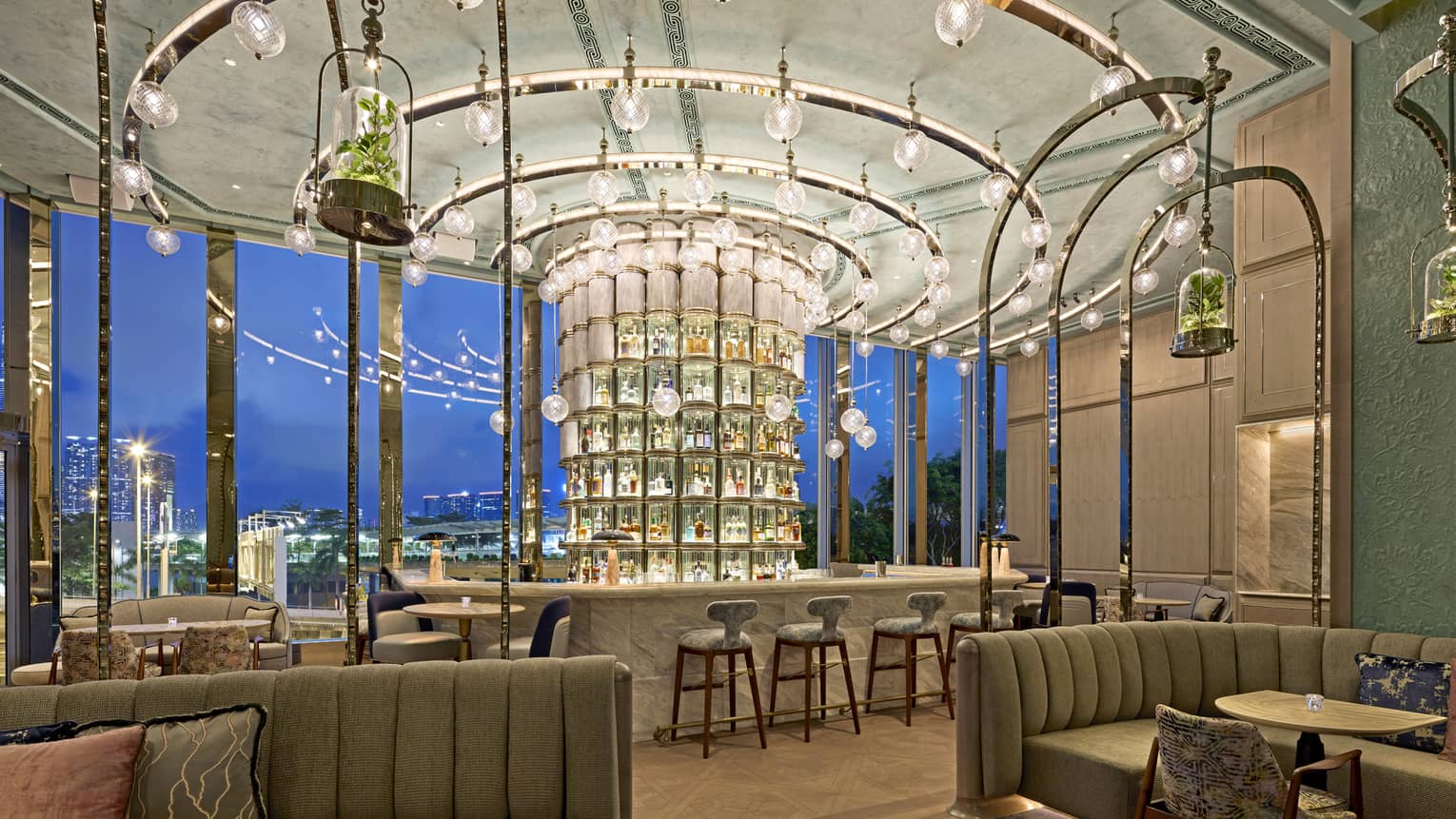
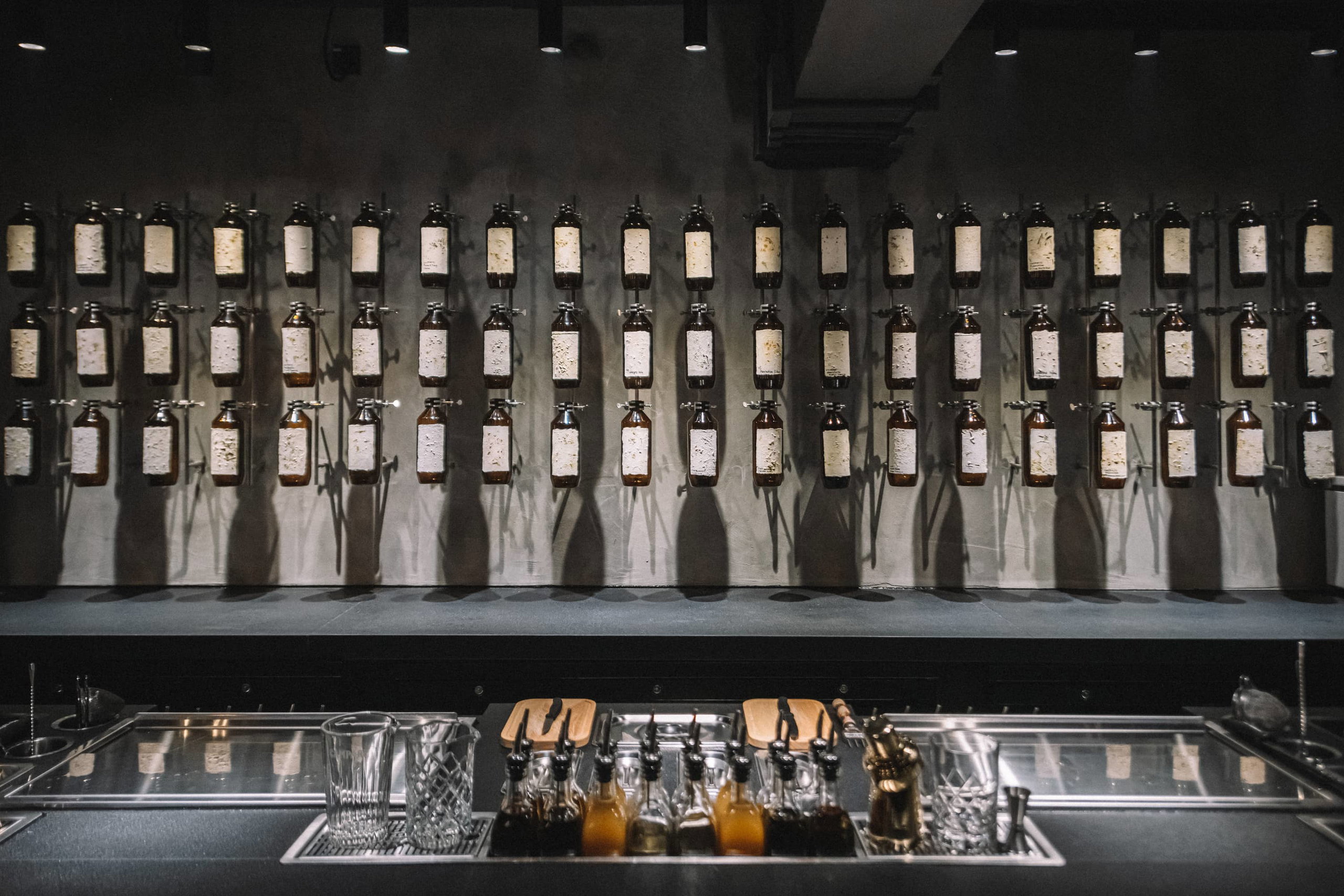
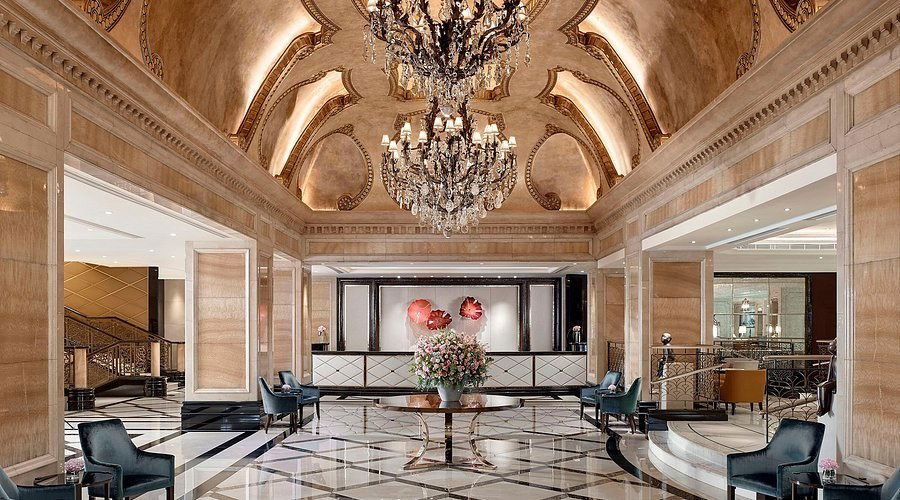
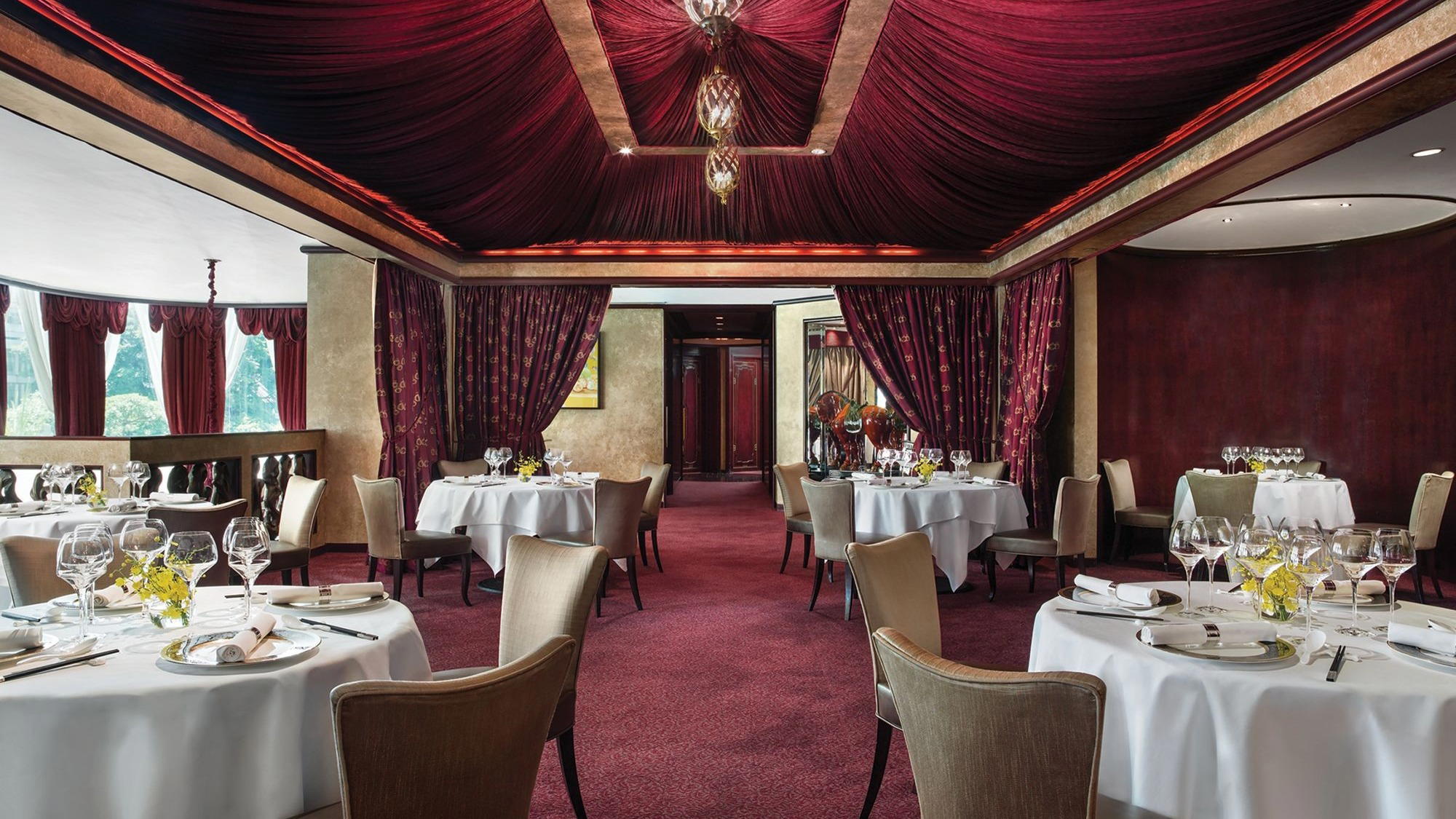
The Langham, Hong Kong translates a specific London lineage into a Kowloon address, so the hotel reads as intentionally referential rather than trend-driven. Design choices and programming—most visibly the Palm Court’s afternoon tea and the Artesian bar concept—anchor the property in institutional hospitality. That heritage focus gives the property a composed, dignified presence among Kowloon’s luxury options: it privileges continuity, measured formality and a curated sense of tradition over spectacle or ephemeral design moves. Guests encounter a hotel that makes its argument through lineage and ritual rather than novelty.
Best For
This is a hotel for travelers who value heritage and programmatic consistency. It suits guests choosing a steady, institutionally minded luxury stay—business travelers who want dependable service, couples seeking a classic romantic escape and anyone marking a celebration with a formal touch. Afternoon-tea devotees and those who appreciate bar concepts grounded in craft will find obvious draws in the Palm Court and Artesian bar. Compared with newer, spectacle-focused openings, the Langham appeals to visitors who prioritize continuity and a clear, historically informed hotel identity.
Stay Tips
Reserve a Palm Court afternoon tea to experience the property’s defining program—the description links the Hong Kong Palm Court directly to the Langham’s London tradition. For evening drinks, head to the hotel’s Artesian bar concept for cocktail-focused service tied to the brand’s bar identity. If you value quieter, ritualized moments, ask about the club lounge and its tailored references: the hotel emphasizes curated, heritage-driven experiences, so scheduling key activities (tea service, prime bar seating or lounge access) around a reservation will help secure the moments the Langham highlights.
Venue details
Ambiance
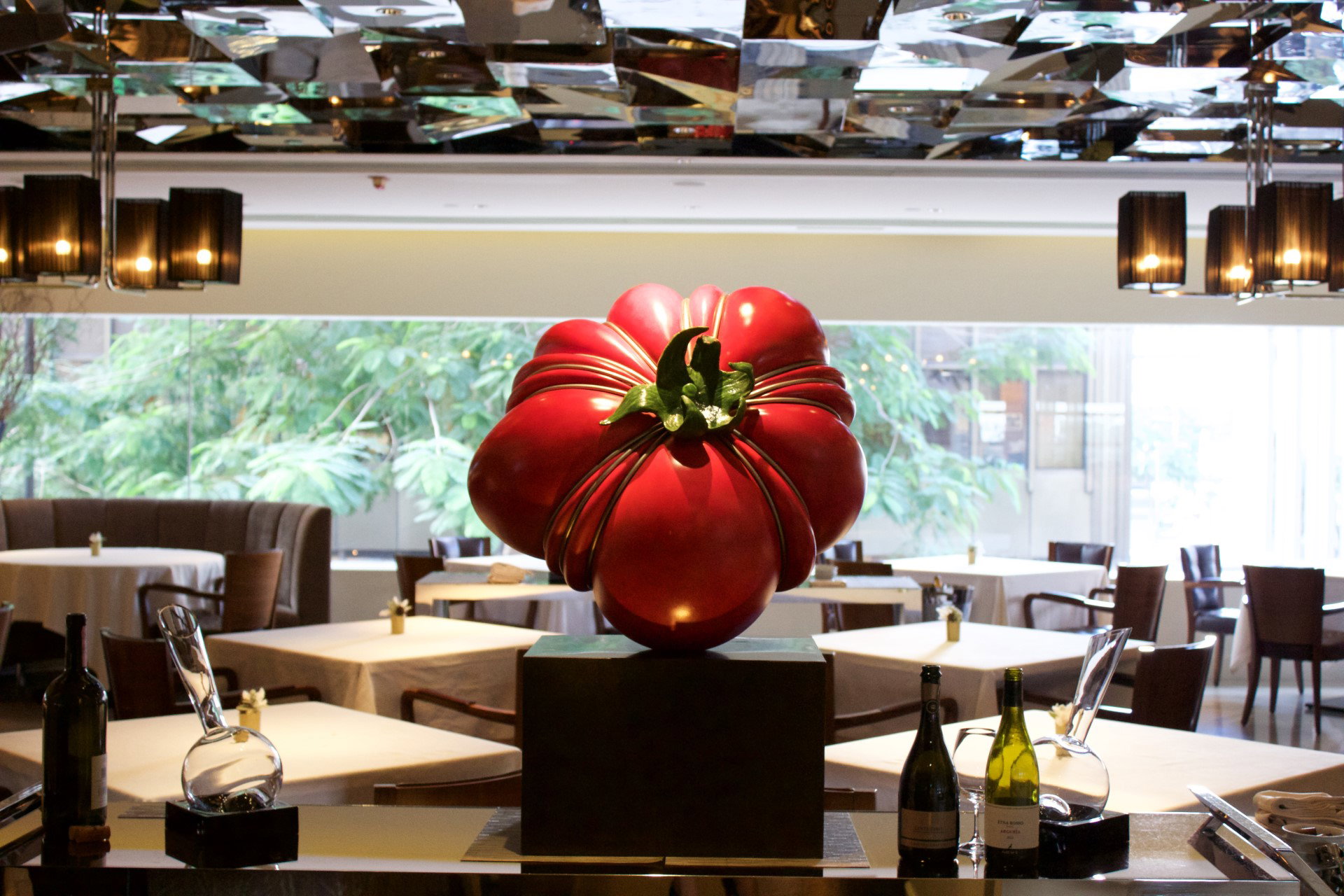
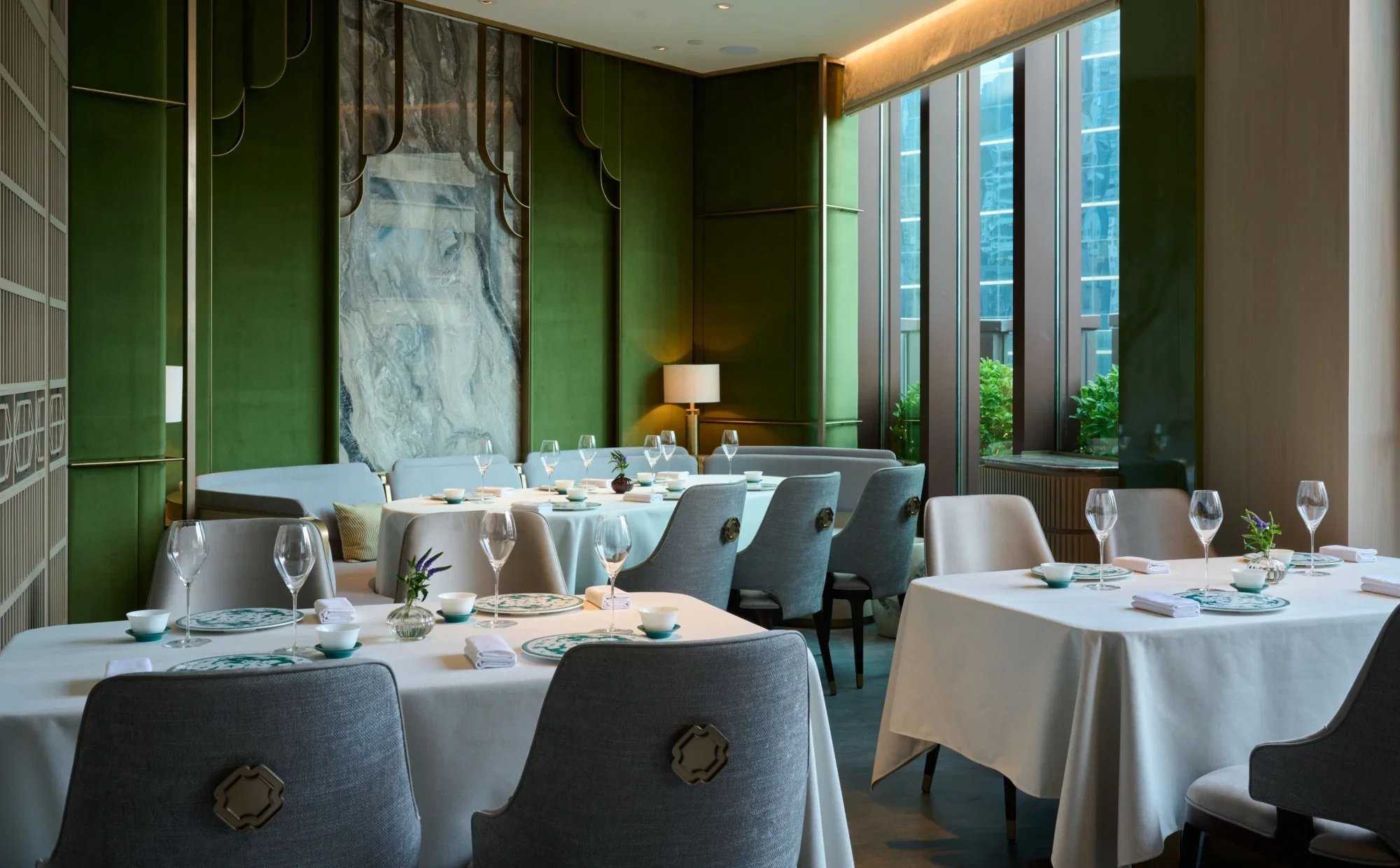
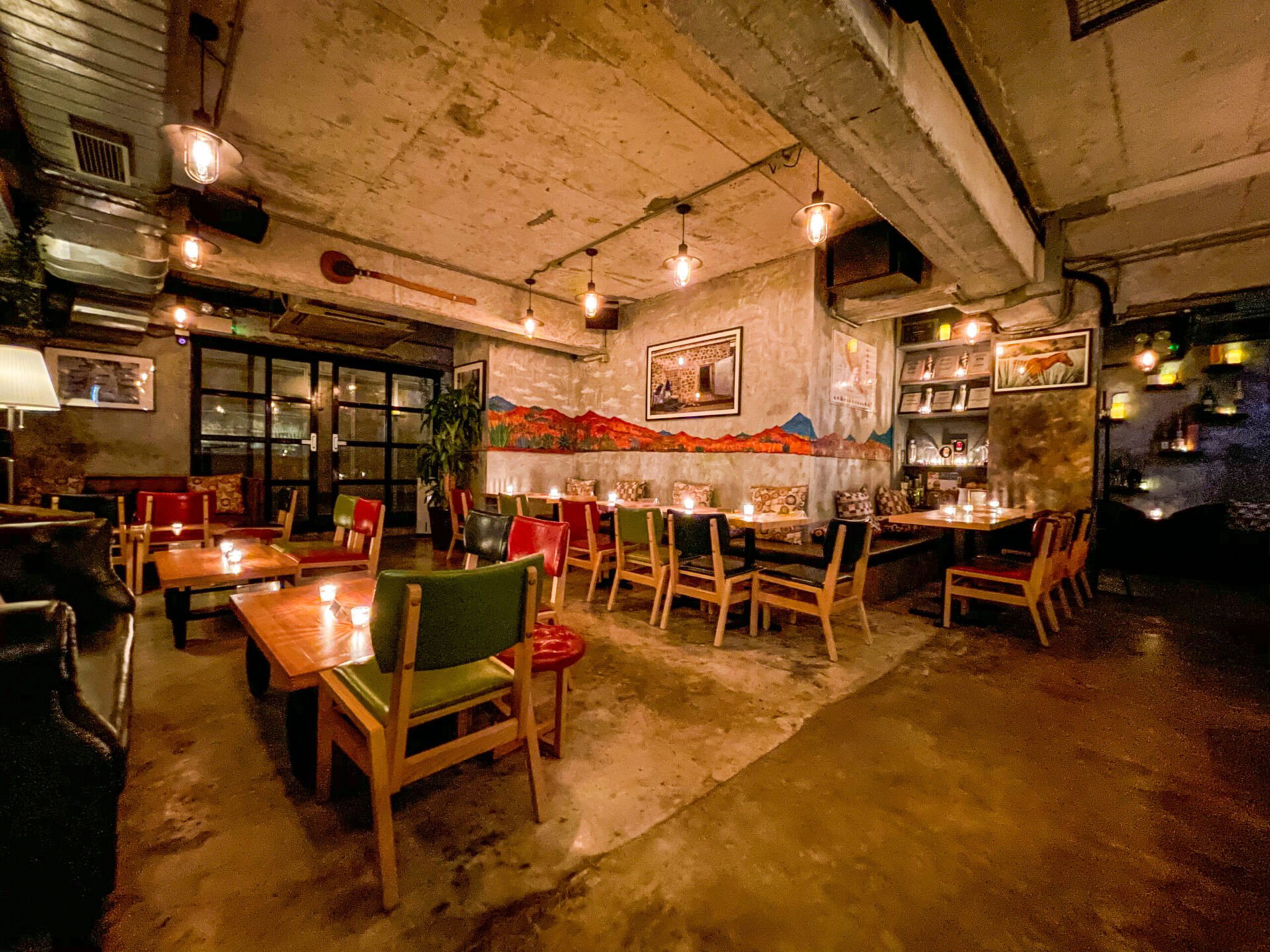
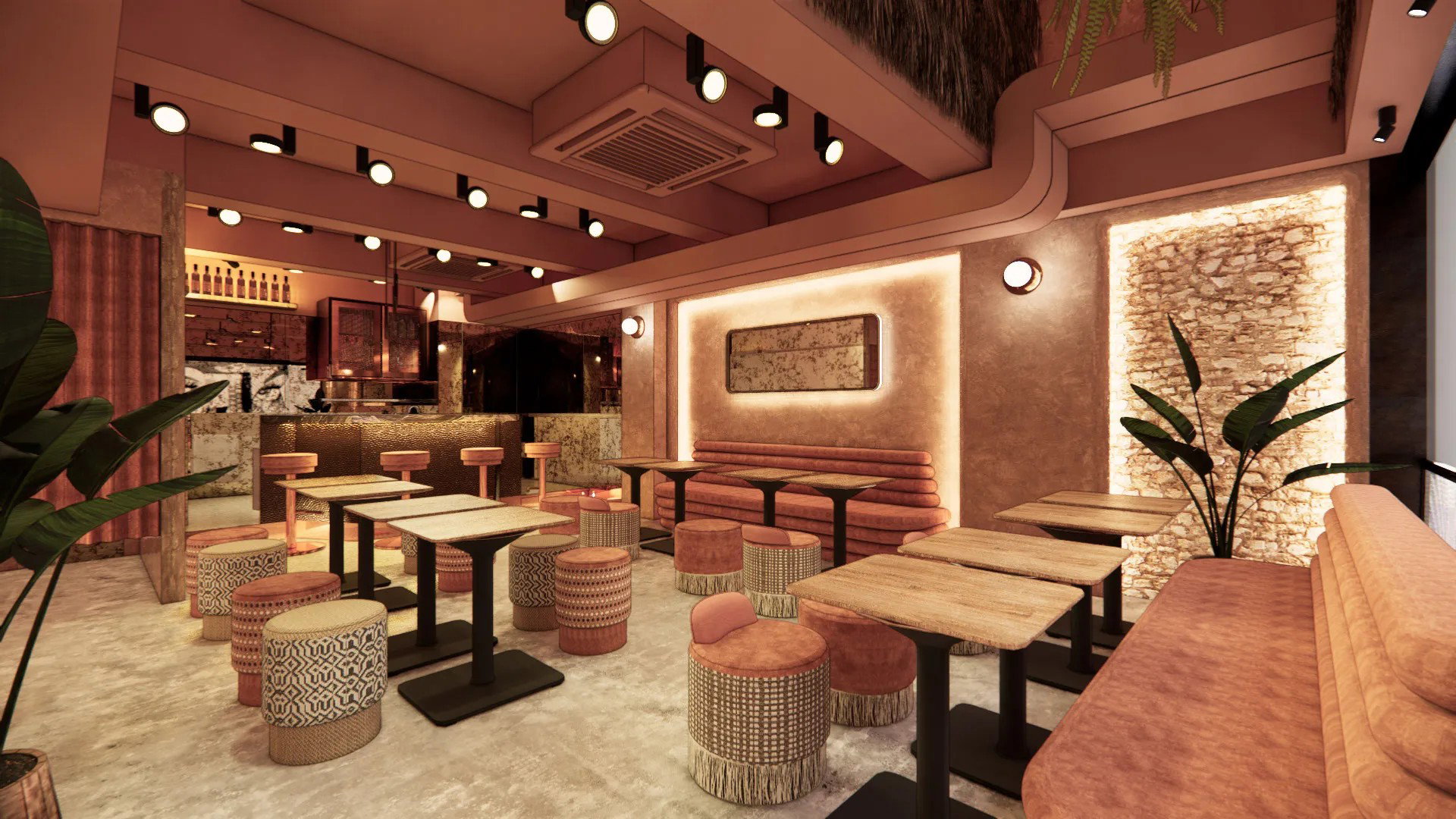
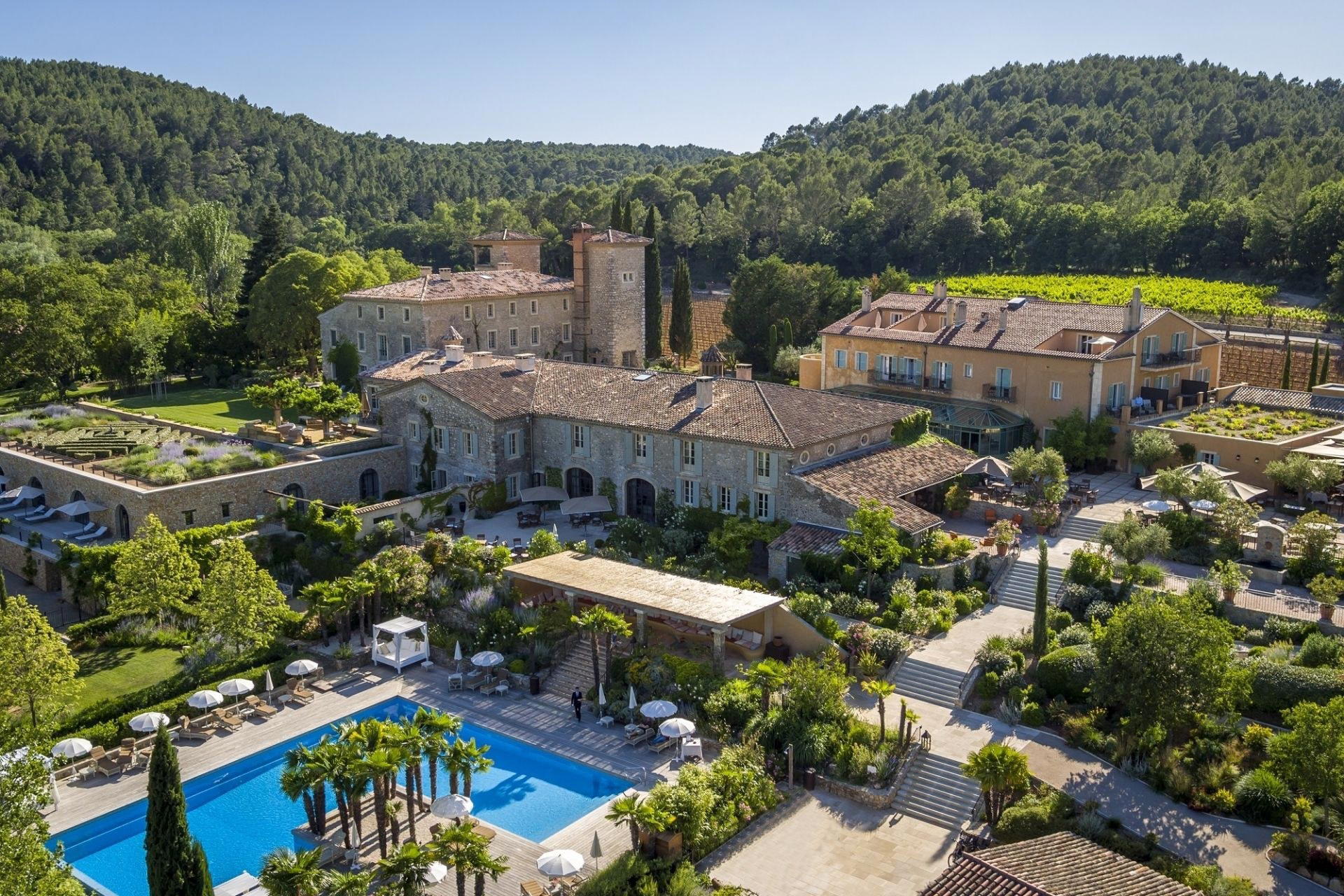
Classic and refined with plush furnishings, natural light from floor-to-ceiling windows, bright marble bathrooms, and an atmosphere of timeless elegance.
Tags
Vibe
Best For
Experience
Amenities
View
Accessibility
About the Stay
- Rooms
- 498
- Check-in
- 15:00
- Check-out
- 12:00
- Property Type
- Heritage hotel
- Property Style
- Victorian Architecture with European Fashion House Styling
- Design Style
- Modern Classic with Calming Colors, Plush Furnishings, and Handcrafted Furniture
- Airport Transfer
- Available
- Pool
- Yes
- Spa
- Yes
- Pets
- Allowed
- Families
- Welcome
Know before you go
Know Before You Go
- Getting there
- 8 Peking Rd, Tsim Sha Tsui
Planning details
Recognition and awards

Also consider
Also Consider
- Marco Polo Hongkong Hotel, Notable alternative
- Spring Moon, Notable alternative
- The Peninsula Hong Kong, Notable alternative
- Sheraton Hong Kong Hotel & Towers, Notable alternative
- Kimpton Tsim Sha Tsui, Notable alternative
Hotel context
How It Compares
The Peninsula Hong Kong is the bigger splurge choice if the hotel itself is the occasion. The Langham, Hong Kong is the more measured pick for travelers who want luxury credentials and Tsim Sha Tsui convenience without making the stay feel as formal or ceremonial as The Peninsula.
Marco Polo Hongkong Hotel and Sheraton Hong Kong Hotel & Towers are the value-minded cross-shops in the same general decision set: book them when location matters more than atmosphere. The Langham is the better fit when a celebration, client trip, or polished weekend needs a stronger luxury signal.
Kimpton Tsim Sha Tsui is the alternative for travelers who prefer a newer lifestyle-hotel feel. Spring Moon is better treated as a dining comparison than a hotel substitute; use it when the meal is the anchor, not the overnight stay.
Explore Hong Kong
Around this place
Discover more on Pearl
Unlock the full The Langham, Hong Kong guide in Pearl, including awards, comparisons, FAQs, planning details, and nearby places.
Compare The Langham, Hong Kong
| Venue | Location | Awards |
|---|---|---|
| The Langham, Hong Kong | Hong Kong | 2026 Forbes Recommended2025 Michelin Selected Hotels2025 Forbes 4-Star |
| Marco Polo Hongkong Hotel | Hong Kong | 2026 Forbes Recommended2025 Forbes Recommended |
| Spring Moon | Hong Kong | No published awards |
| The Peninsula Hong Kong | Hong Kong | 2026 World’s 50 Best Hotels 1-50 · #462026 Forbes 5-Star2026 Virtuoso Luxury Hotel Collection2026 La Liste Top Hotels2026 Michelin 2 KeysWorld Travel Awards 2025 · #12025 World’s 50 Best Hotels · #54Tatler Best Hotels Asia-Pacific 20252025 Conde Nast Hotels Gold List |
| Sheraton Hong Kong Hotel & Towers | Hong Kong | No published awards |
| Kimpton Tsim Sha Tsui | Hong Kong | 2026 Michelin Guide New Hotels2026 Conde Nast Traveler Hot List Hotels2026 Cathay Members’ Choice Awards — Venue Winners2025 Michelin Selected Hotels |









How The Langham, Hong Kong compares with similar nearby venues.
FAQ
Frequently Asked Questions
Do loyalty programs work at The Langham, Hong Kong?
Confirm loyalty or booking benefits directly with the hotel or booking channel. The Langham, Hong Kong has Forbes 4-Star recognition for 2025, Forbes Recommended recognition for 2026, and MICHELIN Guide Hotels Selected recognition for 2025.
Is The Langham, Hong Kong family-friendly?
When is the best time to book The Langham, Hong Kong?
Book when the available booking terms and room type match your trip requirements.
How is the dining at The Langham, Hong Kong?
If dining is central to the trip, confirm current restaurant details directly; Spring Moon can also be considered as a focused Hong Kong dining comparison.
How does The Langham, Hong Kong compare to other hotels?
Choose The Langham, Hong Kong if its recognition and current booking terms fit your stay. The Peninsula Hong Kong, Sheraton Hong Kong Hotel & Towers, Kimpton Tsim Sha Tsui, and Marco Polo Hongkong Hotel are useful comparisons when weighing other Hong Kong hotel options.