
The Madrona
historical district, Healdsburg
Hotel in Healdsburg, United States
 Book with Pearl
The Read
Aesthetic Movement Hospitality
Price
$200–300per night
Why go
The Madrona is the Healdsburg pick for travelers who value a quieter wine-country base over pure downtown convenience. It makes the strongest case for special occasions, executive retreats, and stays where the hotel atmosphere matters; value-seeking business travelers should compare it closely with more central Healdsburg options before committing.
About The Madrona
The Madrona is a Healdsburg hotel with clearly confirmed recognition: Michelin 2 Keys in 2025, a La Liste Top Hotels score of 92 points for 2026, and a Mr & Mrs Smith Seal of Approval for 2026. With limited service details, the best approach for booking is direct: consider it when those hotel accolades matter to the trip, and compare it carefully with other options before deciding.
For planning purposes, consider The Madrona a premium Healdsburg stay. The dress code is smart casual.
Recognition-led Healdsburg hotel, with practical details to confirm
The strongest argument for The Madrona is its recognition. Michelin 2 Keys places it among hotels noted by Michelin, while the La Liste and Mr & Mrs Smith recognition add further support for travelers who value third-party hotel signals. These factors make it a credible candidate for a Healdsburg stay.
For work trips, group stays, or tightly planned itineraries, the right choice depends on the details. If the trip requires a specific routine, compare The Madrona with Harmon Guest House or 27 North and confirm the practical details directly.
Where the value sits against other options
The value argument depends on what the traveler wants from a hotel and how much weight they place on recognition. Compared with The Cottages at Little Saint, Liora Estate, Harmon Guest House, Hotel Les Mars, or 27 North, The Madrona should be evaluated on its suitability rather than assumptions about amenities or location style.
Recognition supports the splurge case: Michelin 2 Keys, a La Liste Top Hotels score of 92 points, and a Mr & Mrs Smith Seal of Approval place The Madrona in a clearly credentialed set of hotel options. For broader planning, use Healdsburg resources alongside the Healdsburg restaurants guide and wineries guide to decide whether The Madrona best fits the trip.
Inside The Madrona
Planning details
- Location
- 1001 Westside Rd, Healdsburg, CA 95448
- Website
- themadronahotel.com
- Phone
- +1 707-395-6700
The take
The Take
The Vibe
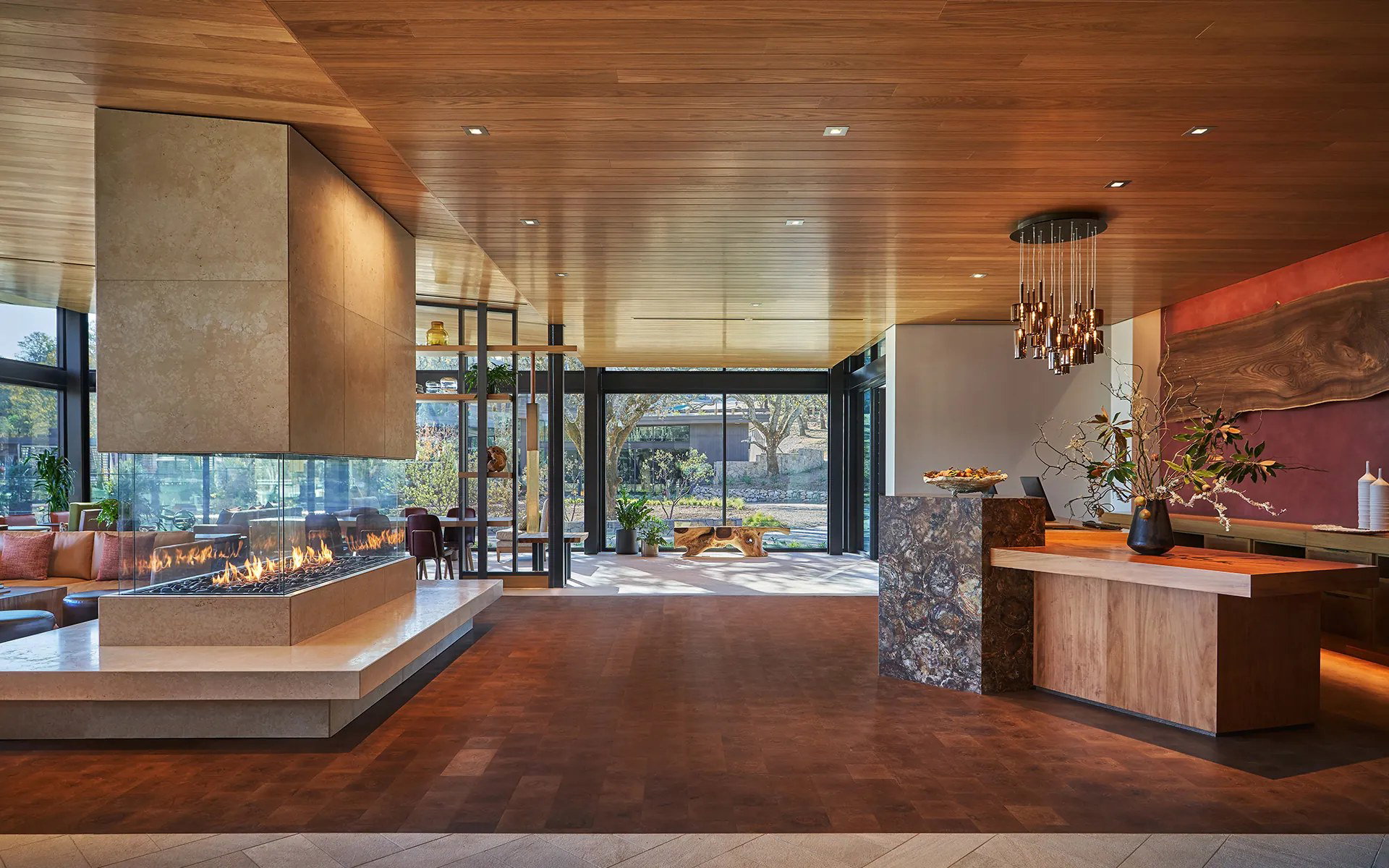
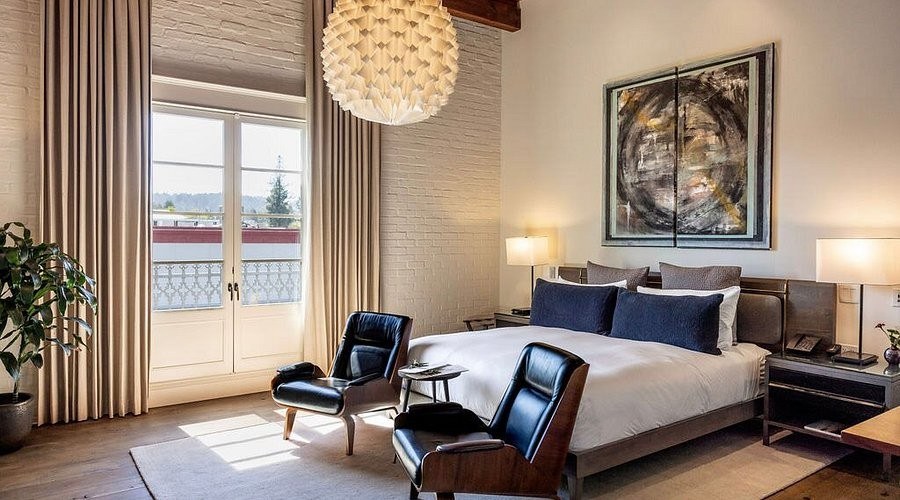
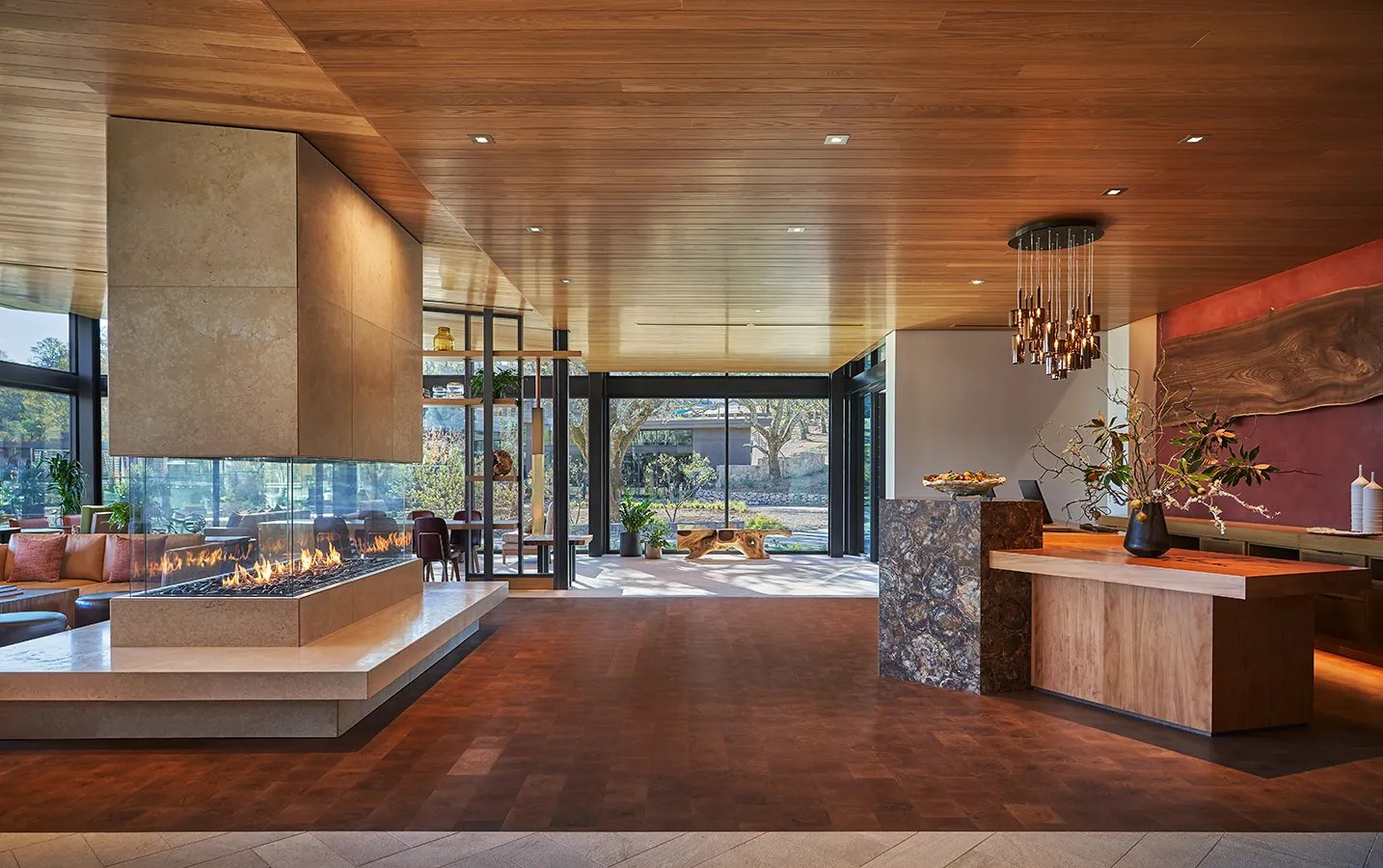
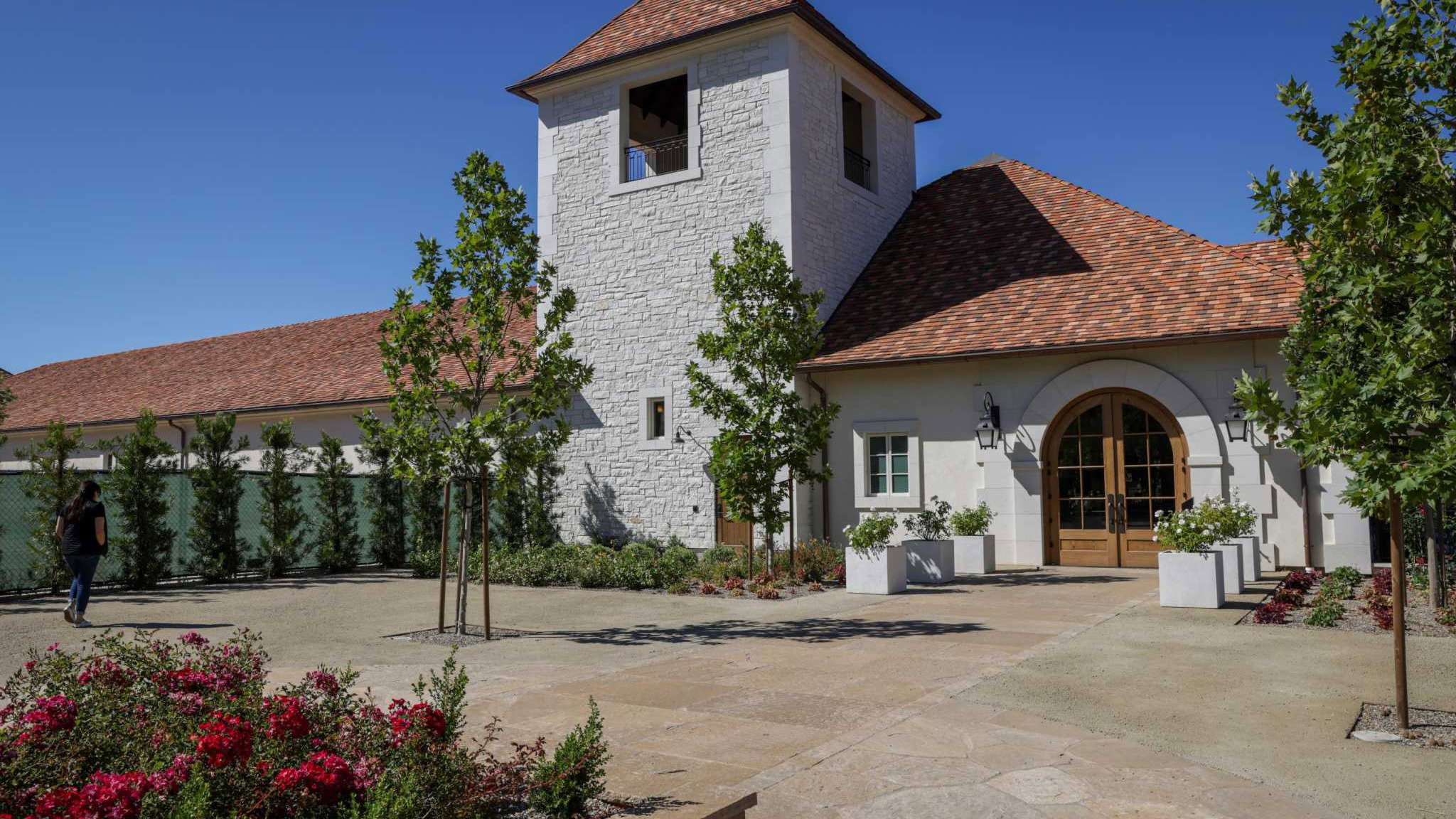
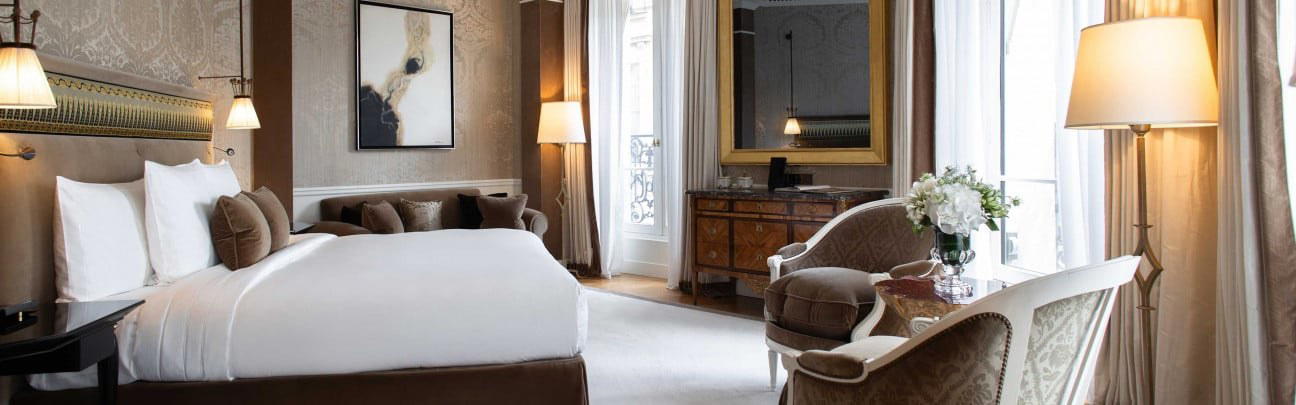
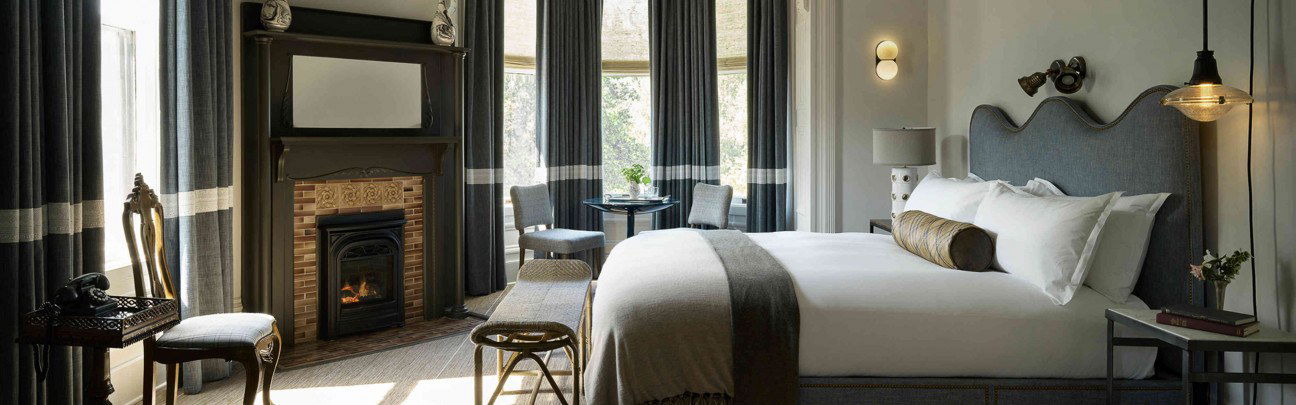
The Madrona presents itself as a distinctly historic, design-forward alternative to the usual wine-country formula. Housed in an 1881 Aesthetic Movement mansion, its ornate silhouette and preserved period architecture give the property a clear architectural identity. Inside, co-owner and designer Jay Jeffers layers antiques, fine art and global curios with modern interventions, producing interiors that feel personal and richly detailed without tipping into clutter. The effect is a quietly theatrical kind of charm: historically specific and thoughtfully edited, ideal for travelers who appreciate provenance, craftsmanship and a hotel that reads more like a lived-in collection than a brand template.
Best For
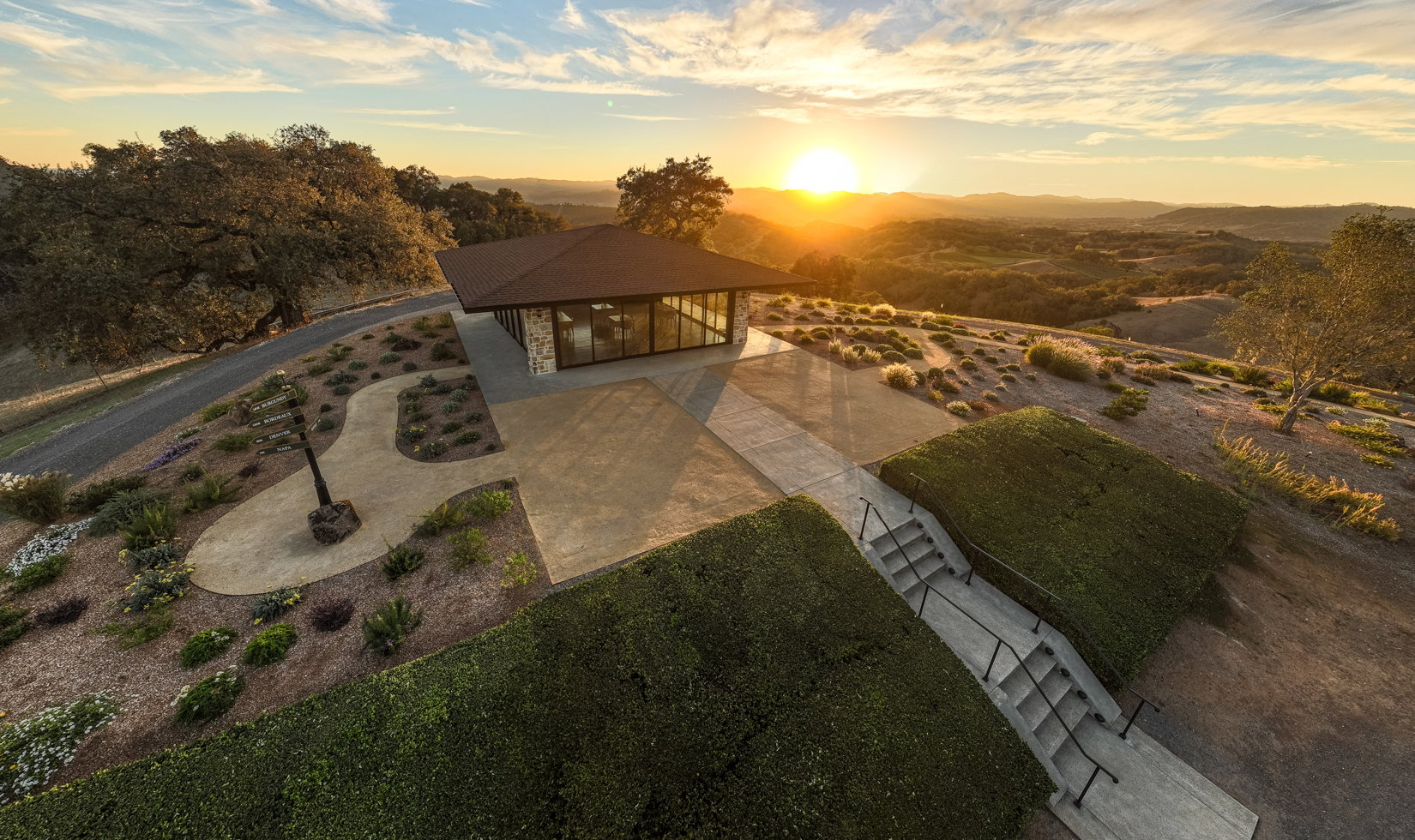
The Madrona is well suited to guests who prioritize architecture and design as much as wine-country leisure. It works especially well for couples and small-party travelers seeking a romantic or restorative weekend away, including honeymooners and anniversary celebrants, because its mansion setting and intimate, interiors emphasize quiet character over resort-style programming. Sitting across Dry Creek from Healdsburg’s town center, the property feels slightly removed from the main strip, making it a good pick for visitors who want an atmospheric base that still keeps downtown and tasting rooms within easy reach.
Venue details
Ambiance
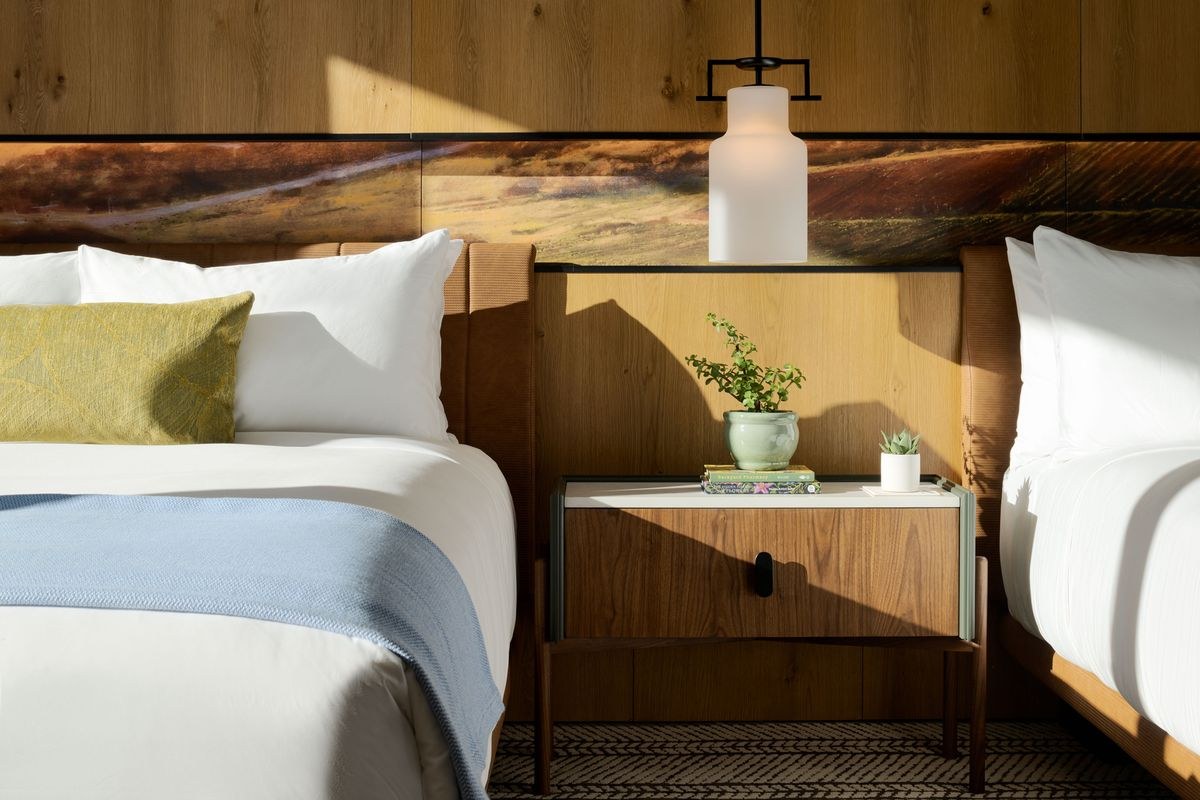
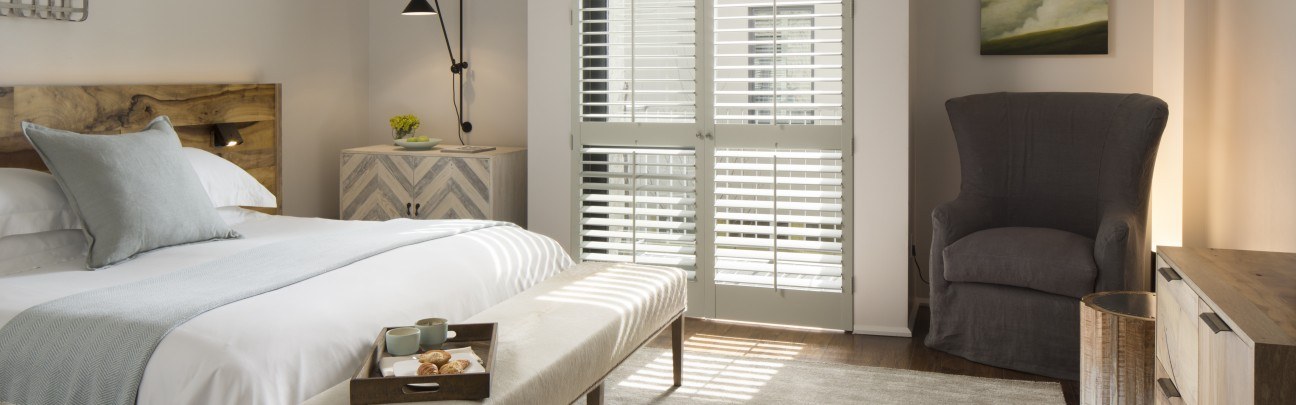
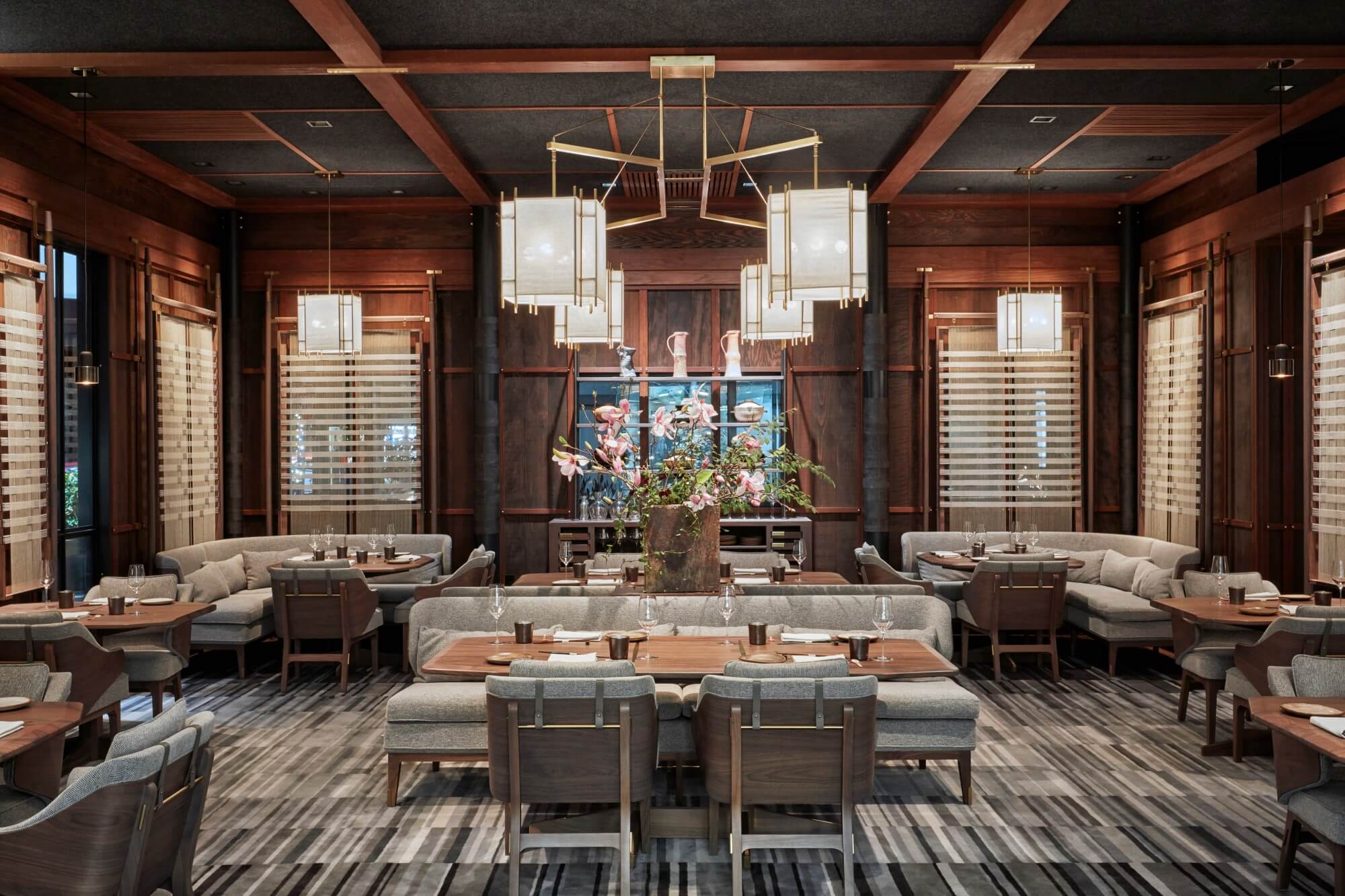
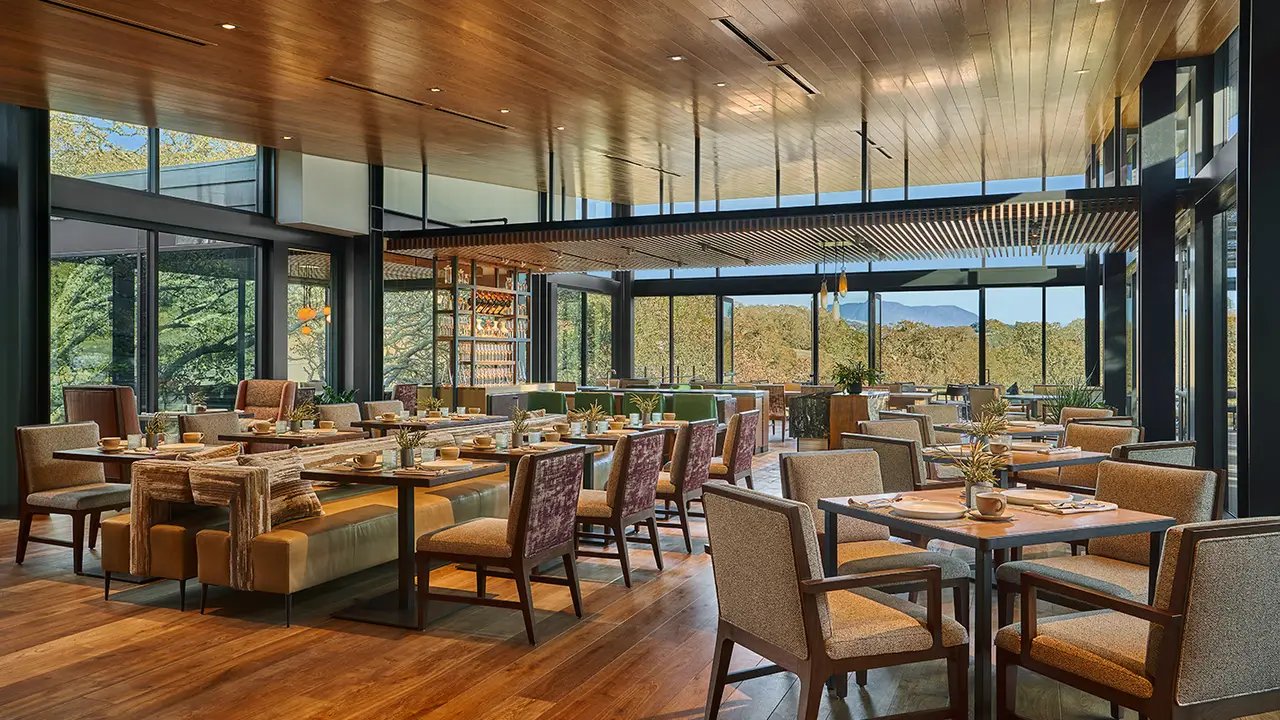
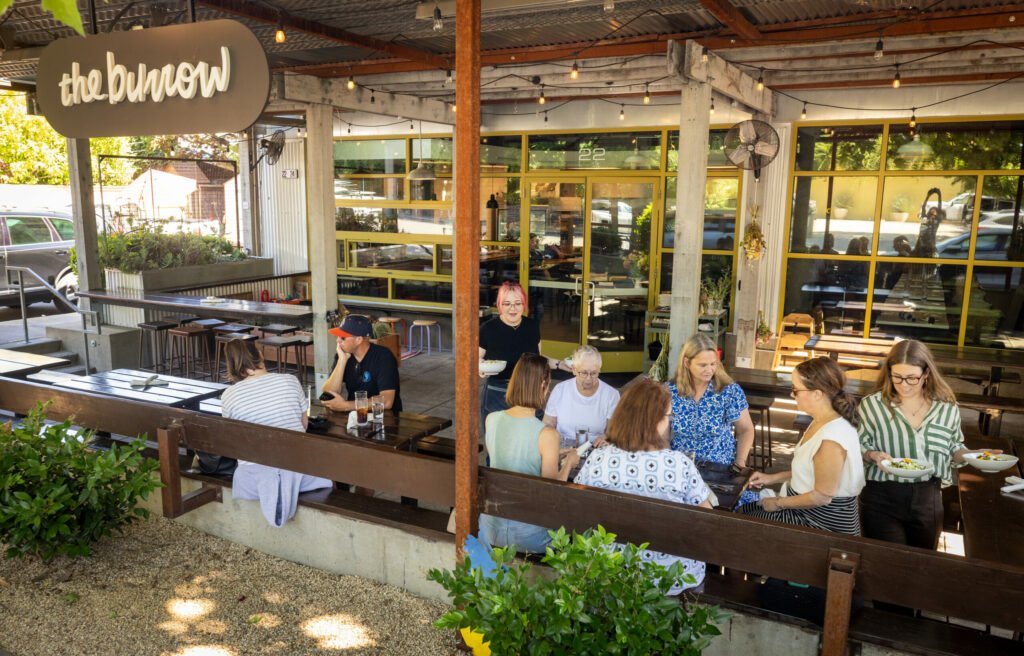
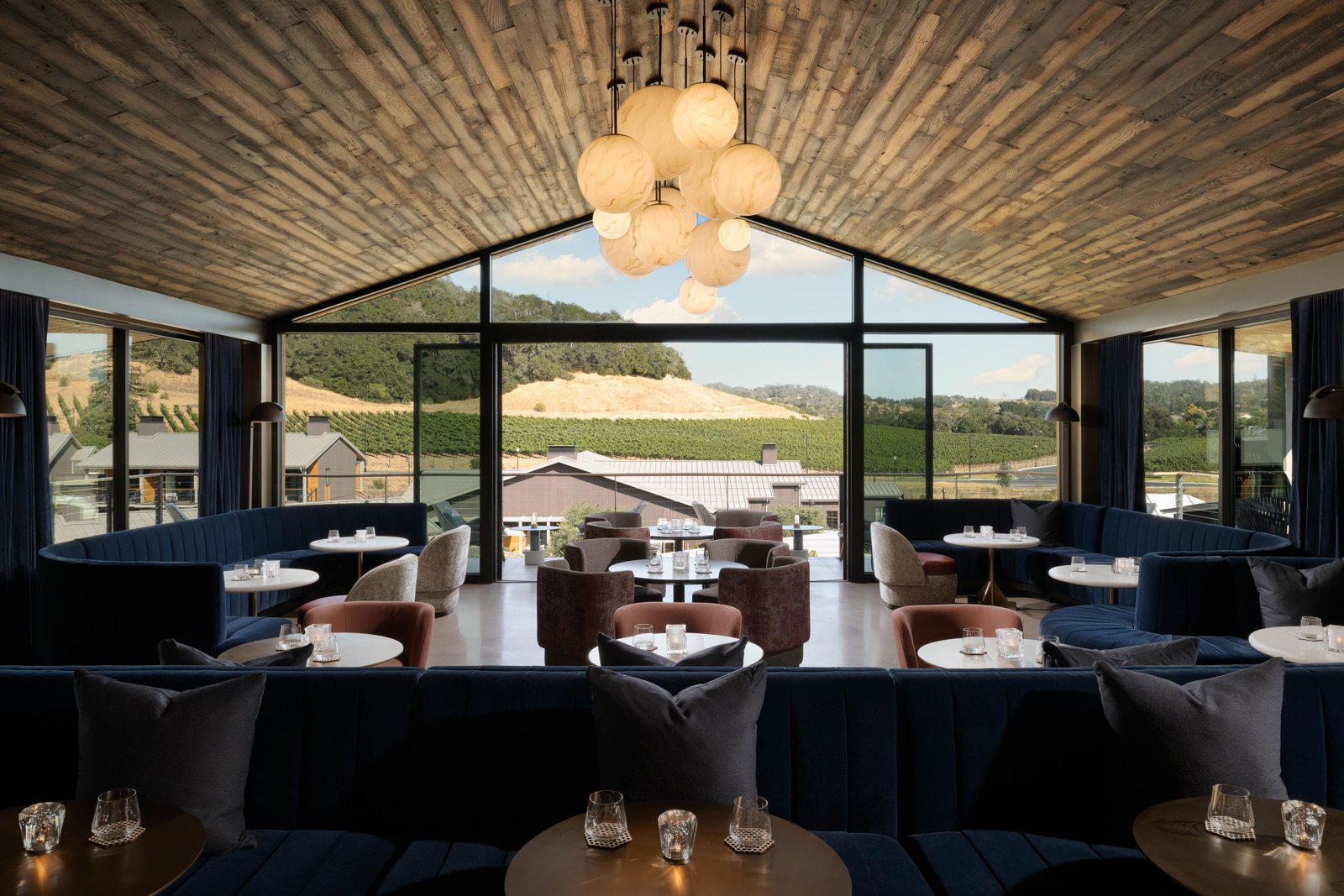
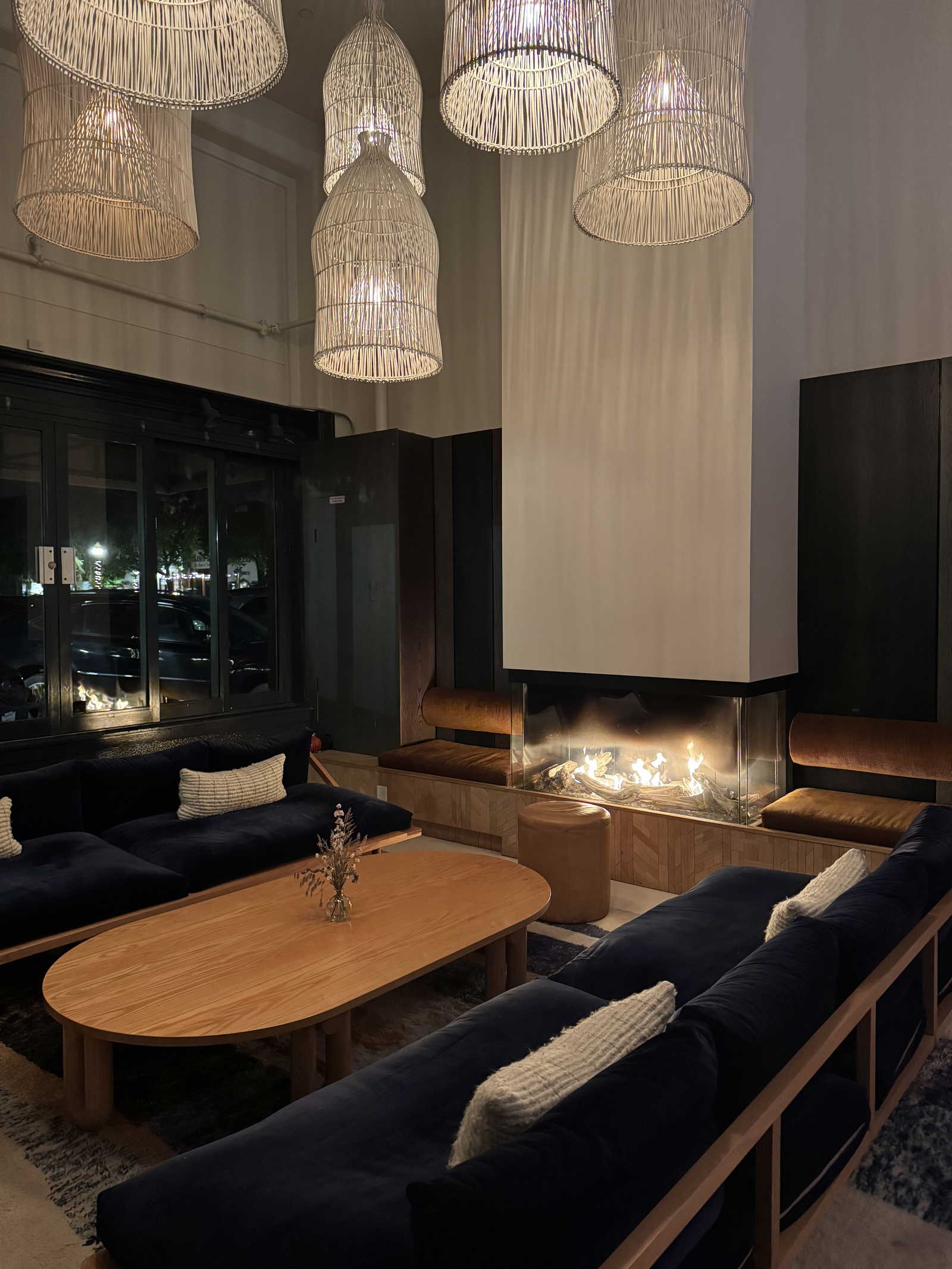
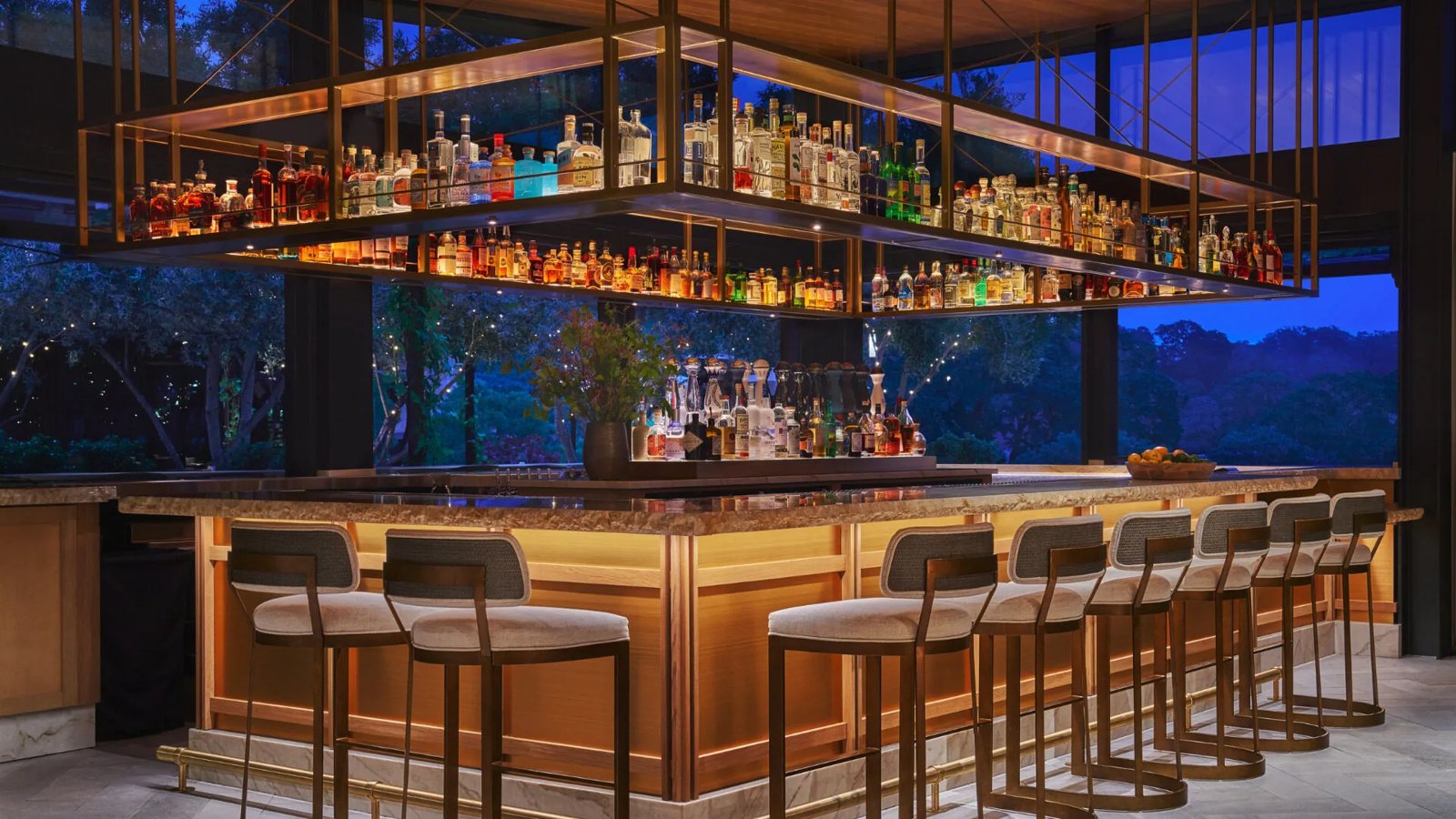
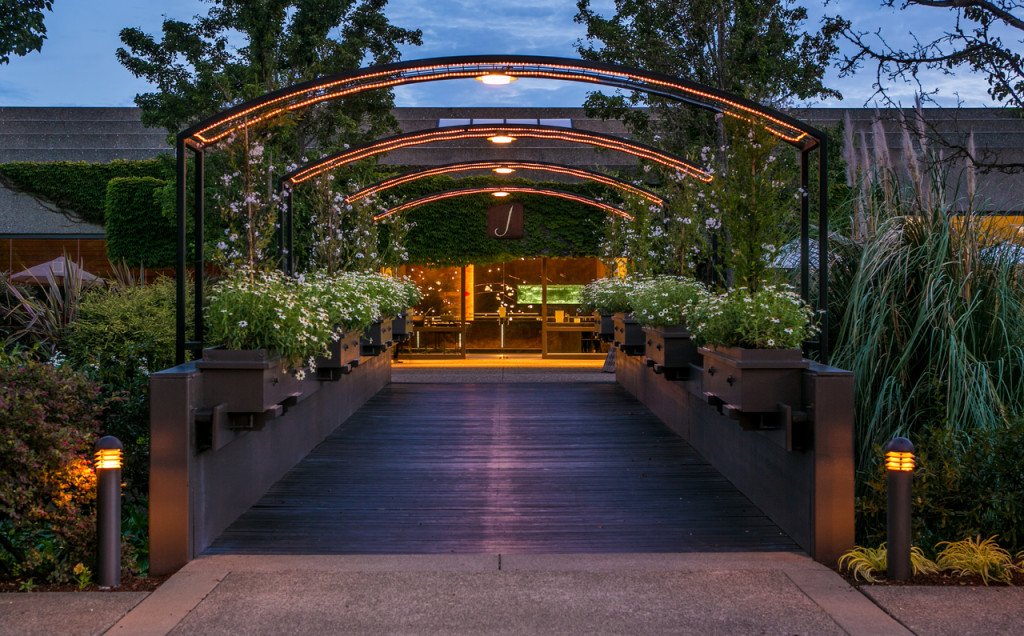
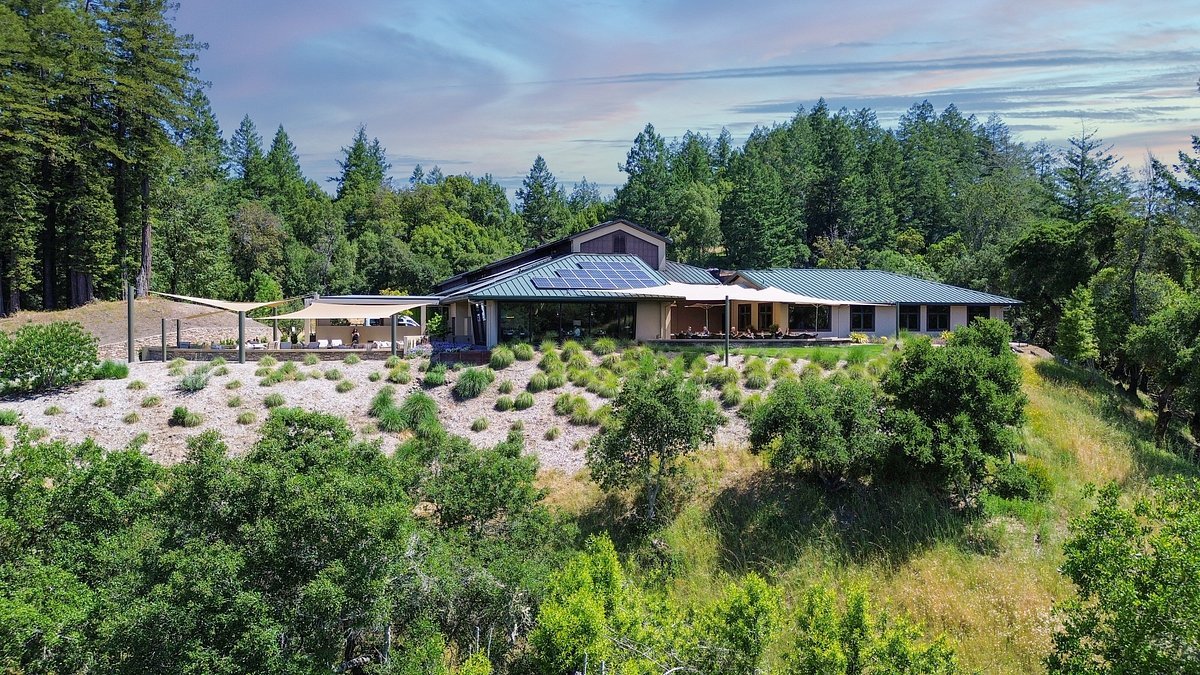
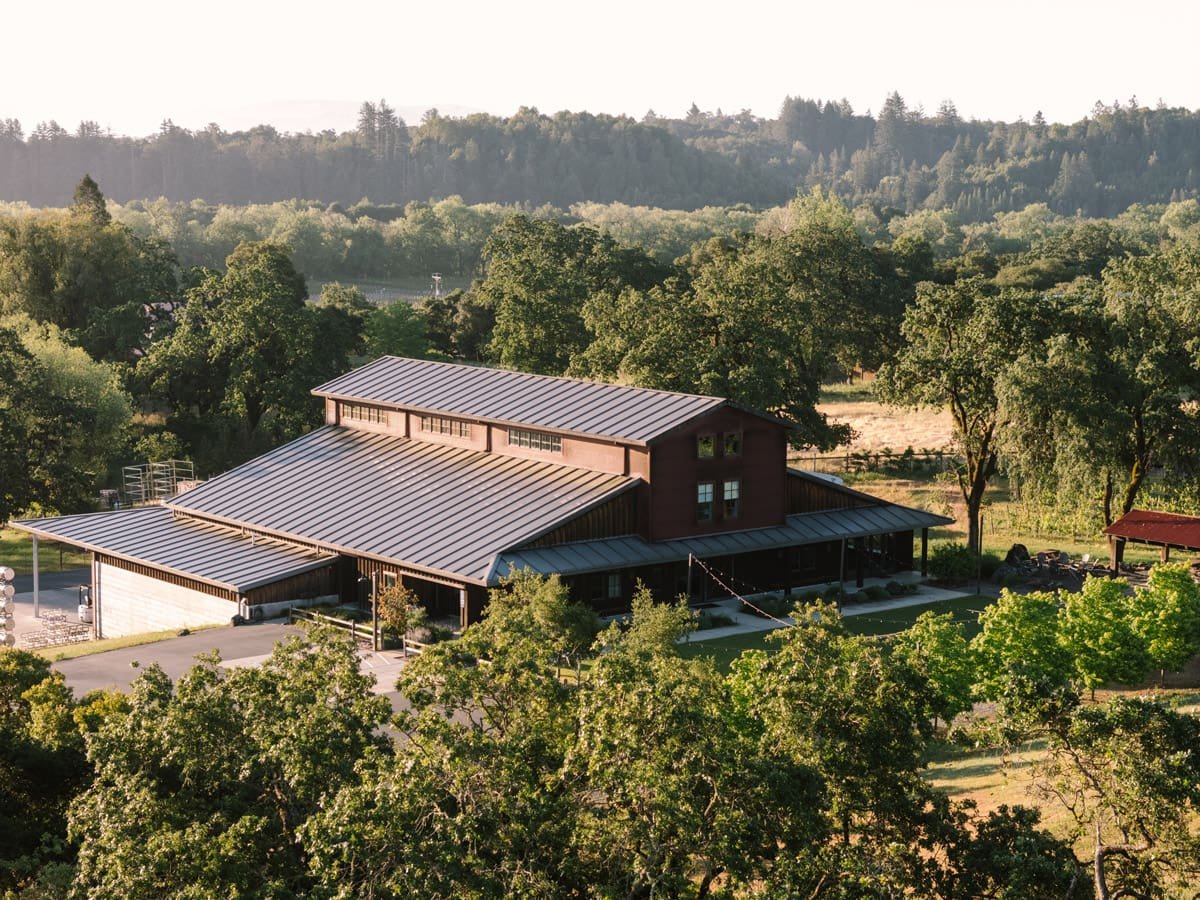
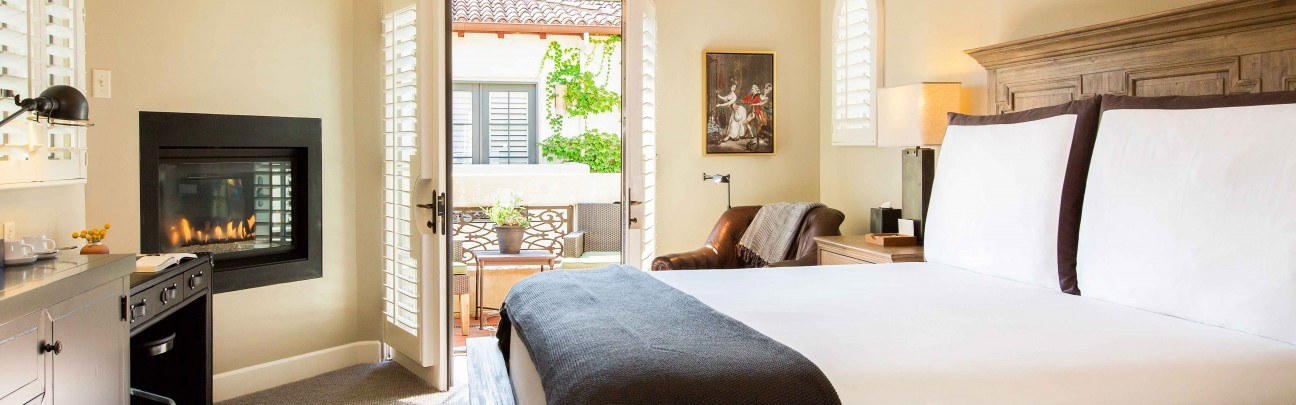
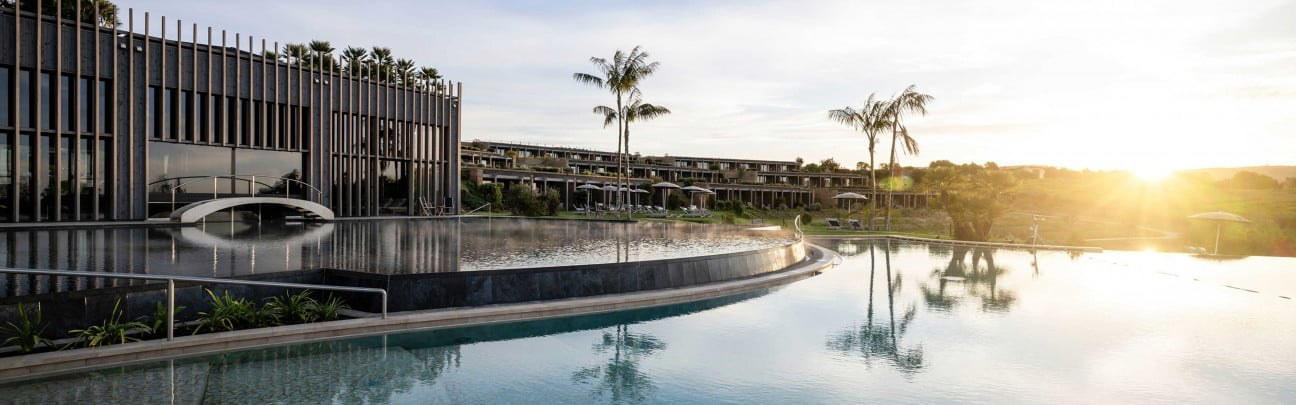
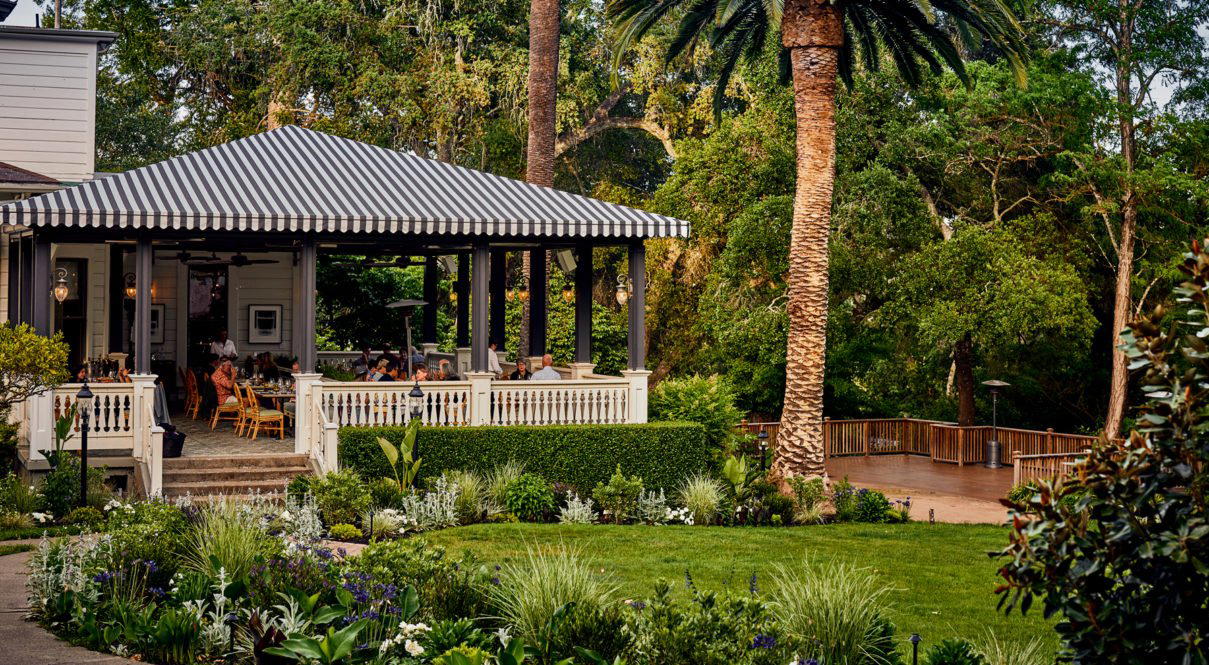
Artistic and stylish with modern interiors in a historic setting, lush gardens, cozy firepits, and a serene pool area praised for its spotless and peaceful atmosphere.
Tags
Vibe
Best For
Experience
Amenities
View
Accessibility
About the Stay
- Rooms
- 24
- Check-in
- 15:00
- Check-out
- 11:00
- Property Type
- Boutique hotel
- Property Style
- Historic Boutique Mansion with Eclectic Modern Design
- Design Style
- Flamboyant and Stylish with Artistic Modern Interiors Juxtaposed Against Historic Architecture
- Breakfast
- Included
- Pool
- Yes
- Pets
- Allowed
Know before you go
Know Before You Go
- Getting there
- 1001 Westside Rd, Healdsburg, CA 95448
Planning details
Location
Recognition and awards

Also consider
If The Madrona is not the right fit
Book Harmon Guest House instead if the priority is central Healdsburg access, easier work-trip logistics, and less dependence on transport between plans.
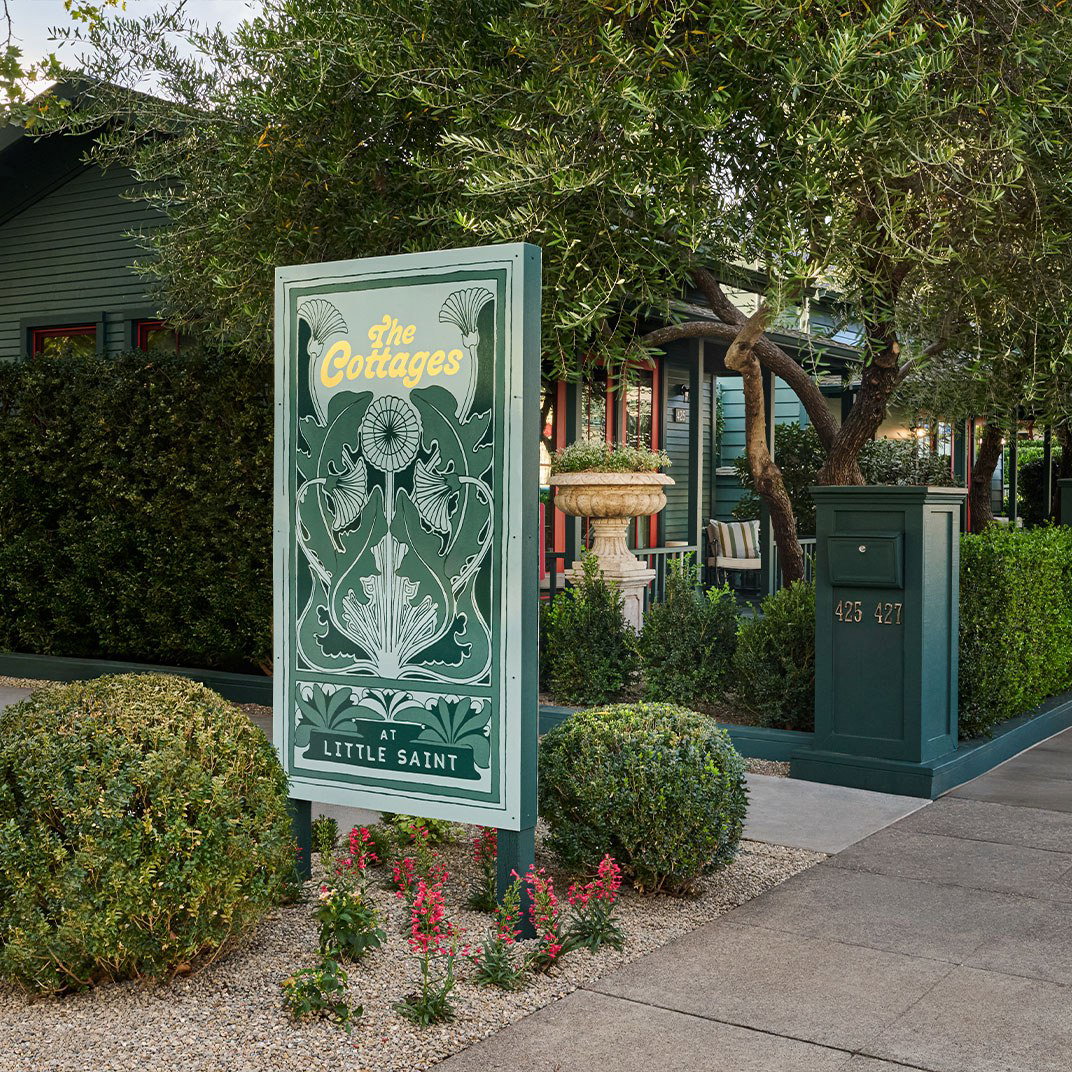
Choose The Cottages at Little Saint if the trip calls for a more independent stay with a residential feel, or 27 North if value and simplicity matter more than a retreat-like atmosphere.
Hotel context
How The Madrona compares in Healdsburg
Choose The Madrona when the stay needs polish, quiet, and recognition-backed confidence. Against Harmon Guest House, it is the more retreat-like call; Harmon Guest House is easier to justify for guests who want a central Healdsburg base with less friction between meals, meetings, and short walks.
The Cottages at Little Saint is the better cross-shop for travelers who want a more independent, residential feel near Healdsburg's dining rhythm. Hotel Les Mars suits guests who want classic boutique formality, while The Madrona makes more sense for a quieter wine-country mood.
For value-first stays, 27 North is the practical comparison: likely the easier pick when the room is mainly a base. Liora Estate is the alternative for guests leaning toward a private-estate style stay. The Madrona is the stronger choice when the trip needs both atmosphere and externally validated hotel quality.
Around this place
Discover more on Pearl
Unlock the full The Madrona guide in Pearl, including awards, comparisons, FAQs, planning details, and nearby places.
Compare The Madrona
| Venue | Location | Awards |
|---|---|---|
| The Madrona | Healdsburg | 2026 Mr & Mrs Smith Luxury Hotels2026 La Liste Top Hotels2026 Michelin 2 KeysMichelin 2 Keys 20252025 Michelin 2 Keys2024 Michelin 2 Keys |
| Harmon Guest House | Healdsburg | No published awards |
| The Cottages at Little Saint | Healdsburg | No published awards |
| Hotel Les Mars | Sonoma | 2025 Forbes Recommended |
| 27 North | Healdsburg | No published awards |
| Liora Estate | Healdsburg | No published awards |


How The Madrona Healdsburg compares with similar nearby venues.
FAQ
Frequently Asked Questions
How does The Madrona compare to other hotels?
Pick The Madrona if its recognition matters to you: Michelin 2 Keys, a La Liste Top Hotels score of 92 points, and a Mr & Mrs Smith Seal of Approval. For a final decision, compare it with Harmon Guest House, Hotel Les Mars, 27 North, The Cottages at Little Saint, and Liora Estate based on your own itinerary and booking needs.