
Hotel in Hamburg, Germany
Tortue Hamburg
650Pearl PointsMood-first Hamburg


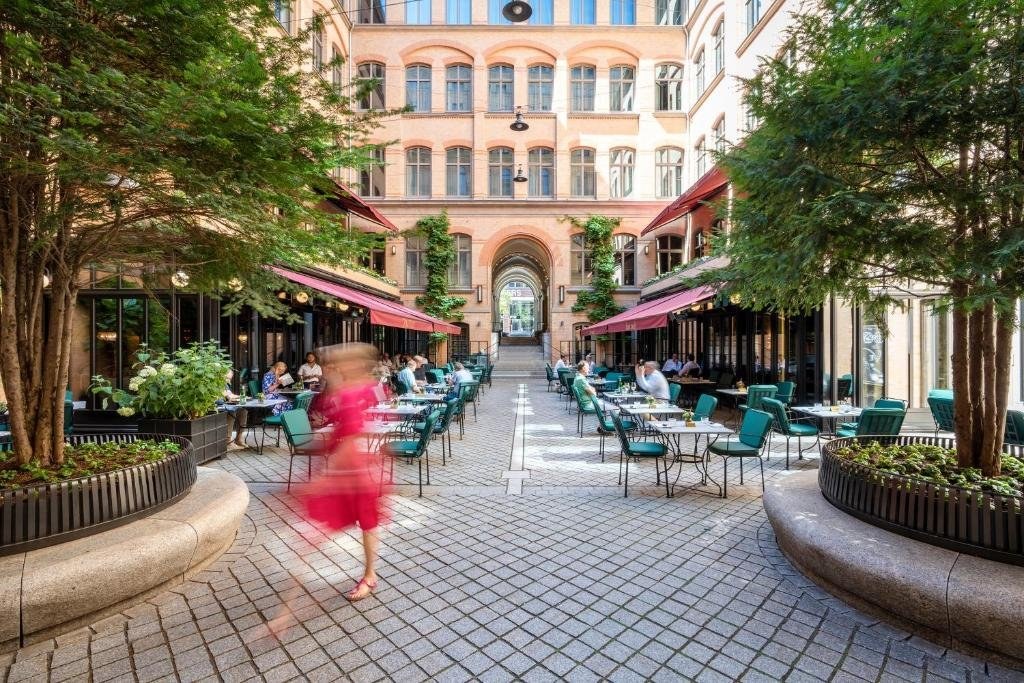
About Tortue Hamburg
Tortue Hamburg is worth shortlisting for a design-led Hamburg stay where atmosphere matters, especially for couples, celebrations, or polished business travel. Cross-shop Fairmont Hotel Vier Jahreszeiten for classic luxury, Fraser Suites Hamburg for more practical space, and Barcelo Hamburg when value is the deciding factor.
For a Hamburg stay where verified recognition matters, Tortue Hamburg has two clear signals: it holds a Michelin 1 Key for 2025 and is listed as a 2026 Design Hotels member. Beyond those points, treat highly specific claims about facilities, dining, room categories, or service details as details to confirm directly before booking.
The strongest confirmed reason to shortlist Tortue Hamburg is its recognized hotel positioning in Hamburg. It may suit travelers who want a stay with design credentials, but the verified information here does not confirm specific room types, restaurants, amenities, pricing, or service formats.
A design-first Hamburg stay for occasions that need more mood than formality
Tortue Hamburg is best described from the confirmed facts: a Hamburg hotel with Michelin 1 Key recognition and Design Hotels membership. Those credentials support considering it for a stay where the hotel itself is part of the appeal.
The verified dress code is smart casual. No confirmed family-specific facilities, business services, loyalty benefits, room sizes, or amenity lists are available here, so travelers with practical requirements should check current hotel details before committing.
Dining should not be treated as the main booking reason based on the verified information available here. With no confirmed cuisine type, named chef, menu format, signature dishes, or dining schedule, do not choose this stay because of a specific restaurant promise. For a food-led Hamburg plan, pair the hotel search with our full Hamburg restaurants guide, then decide whether sleeping somewhere design-forward matters as much as the dinner booking.
Where it fits among Hamburg hotels
When comparing Tortue Hamburg with Fraser Suites Hamburg, SIDE Design Hotel Hamburg, Fairmont Hotel Vier Jahreszeiten, The Nikolai Hamburg, or Barcelo Hamburg, keep the comparison focused on confirmed needs and current availability rather than assumed differences in service, room size, or atmosphere. Tortue Hamburg's verified advantages are its Michelin 1 Key recognition and Design Hotels membership.
For a broader short list, use our full Hamburg hotels guide, or branch into Hamburg bars and Hamburg experiences if the stay is being built around a night out.
Quick reference: choose Tortue Hamburg for a Hamburg stay with confirmed Michelin 1 Key recognition, Design Hotels membership, and a smart casual dress code; compare it with Fairmont Hotel Vier Jahreszeiten, Fraser Suites Hamburg, SIDE Design Hotel Hamburg, The Nikolai Hamburg, and Barcelo Hamburg before booking.
Frequently Asked Questions
Is Tortue Hamburg family-friendly?
The verified information does not confirm family-specific facilities at Tortue Hamburg. If you are booking with children, compare current room and amenity details directly with alternatives such as Fraser Suites Hamburg before committing.
When is the best time to book Tortue Hamburg?
The verified information does not confirm booking windows, seasonal demand, or rate patterns. Book when your Hamburg dates are firm, and check current cancellation and availability terms before you commit.
Which room category is best at Tortue Hamburg?
No specific room categories or room sizes are verified here. Choose based on the current room descriptions provided at booking, especially if you need extra space, work setup, or particular amenities.
Do loyalty programs work at Tortue Hamburg?
The verified information does not confirm loyalty-program participation or benefits. Check the booking terms directly before you commit, and compare with Fairmont Hotel Vier Jahreszeiten if loyalty benefits are a priority for your trip.
Is Tortue Hamburg good for business travel?
Tortue Hamburg may be relevant for a Hamburg business trip if its current rooms, services, and location fit your needs, but no specific business facilities are verified here. Its confirmed signals are a Michelin 1 Key, Design Hotels membership, and a smart casual dress code.
How is the dining at Tortue Hamburg?
No specific cuisine, chef, menu format, signature dishes, or dining schedule is verified here. If dining is important, confirm current options directly and compare your hotel choice with other Hamburg dining plans, as well as hotels such as SIDE Design Hotel Hamburg or The Nikolai Hamburg.
Location
Stadthausbrücke 10, 20355 Hamburg
Hamburg, Germany
Compare Tortue Hamburg
How Tortue Hamburg compares in Hamburg
Pick Tortue Hamburg when design, central positioning, and occasion mood are the deciding factors. Fairmont Hotel Vier Jahreszeiten is the more formal luxury choice, Fraser Suites Hamburg is better for space-led stays, and Barcelo Hamburg is the more value-driven alternative.
Where to look if it is not available
Try The Nikolai Hamburg for a boutique-feeling backup with a stronger fit for couples, or SIDE Design Hotel Hamburg if the design-hotel brief matters and the exact address is less important.
How It Compares
Fairmont Hotel Vier Jahreszeiten is the splurge alternative if the trip needs old-school luxury polish and a more formal sense of occasion. Tortue Hamburg is the better fit when the brief is design atmosphere rather than grand-hotel ceremony. For anniversaries or date weekends, choose Tortue if mood leads the decision; choose Fairmont if service depth and tradition matter more.
Fraser Suites Hamburg is the more practical cross-shop for longer stays, extra space, or travelers who care less about a design-hotel feel. SIDE Design Hotel Hamburg is the closest design comparison, better for guests who want a more contemporary edge. Tortue is the more occasion-friendly call if the stay needs to feel polished without becoming stiff.
The Nikolai Hamburg should be on the list for travelers who prefer a smaller boutique mood, while Barcelo Hamburg is the easier value play when ambiance is secondary. If availability is tight at Tortue, Barcelo is the pragmatic fallback; if the trip is romantic, The Nikolai is the more relevant backup.
Recognized By


Explore Hamburg
Save or rate Tortue Hamburg on Pearl
Keep this venue in your Pearl passport, rate it after you visit, and track it alongside every other place you collect.