

Hotel in Guadalajara, Mexico
Casa Habita
300Pearl PointsDesign-first stay


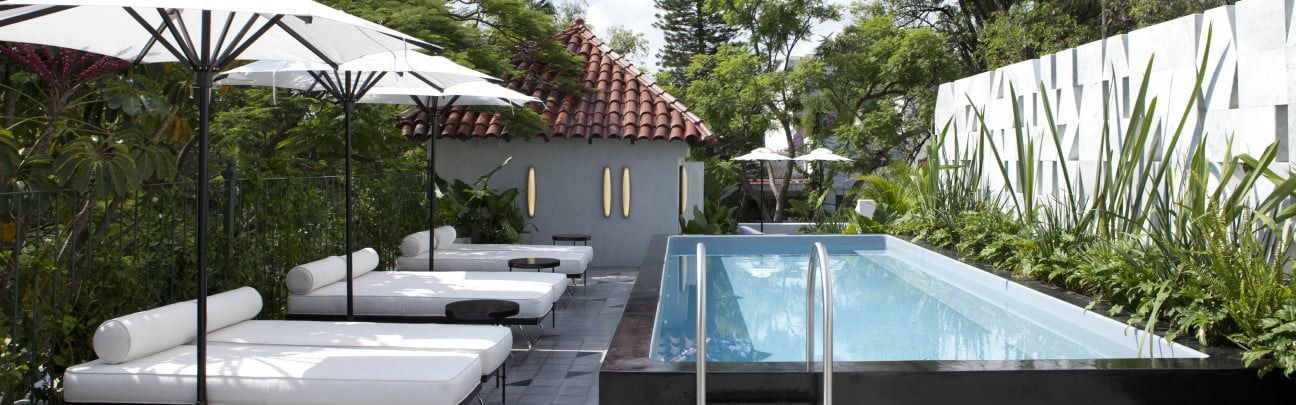
About Casa Habita
Casa Habita is the Guadalajara pick for travelers who want a design-led stay in Colonia Americana rather than a standardized chain hotel. It makes the strongest case for couples, celebration weekends, and city-focused trips; compare JW Marriott Hotel Guadalajara for business predictability and Quinta Real Guadalajara for a more formal classic stay.
In Guadalajara, Casa Habita is a fit for travelers who want to consider a hotel with externally verified design and hotel-selection signals. Its confirmed recognition includes 2026 Design Hotels Member status, a 2026 Mr & Mrs Smith Seal of Approval, and selection in the 2025 MICHELIN Guide hotel listings. If you are comparing options, JW Marriott Hotel Guadalajara, Quinta Real Guadalajara, Hotel Demetria, Av. de la Paz 2231, and PALPATIO HOTEL are natural names to cross-shop in the city.
Pick it for design and occasion value, not assumptions
The clearest verified reason to consider Casa Habita is its design-hotel positioning in Guadalajara, supported by confirmed hotel-selection recognition rather than only by style claims. For guests planning a city stay where the hotel itself matters, that external validation can be useful.
For room-category value, avoid paying purely for status language and focus on the room that gives the trip enough breathing room. Without confirmed category-by-category pricing or amenity detail here, the practical advice is simple: choose based on the room qualities you can verify before booking. If the trip is a proposal weekend, anniversary, or design-focused city break, paying up for a stronger room setting may make sense if the specific room supports it. If the room is only a base between plans, spend the difference at Guadalajara restaurants instead.
Who should choose a peer instead
Casa Habita is not the automatic answer for every Guadalajara stay. Hotel Demetria is a natural comparison for travelers also considering other design-minded stays, so cross-shop both if room style is the deciding factor. Av. de la Paz 2231 and PALPATIO HOTEL are useful alternatives if availability, rates, or room fit make the decision.
The strongest verified reason to choose Casa Habita is recognition from design and hotel-selection channels, which gives it external validation beyond a purely aesthetic pitch. That can matter for a special occasion, but the decision should stay practical. Choose it if the confirmed recognition and Guadalajara setting match the trip. Choose another hotel if a specific facility, loyalty program, room type, or service detail matters and Casa Habita does not clearly confirm it for your dates.
Timing the stay around the city
Guadalajara works well for this kind of hotel when the plan includes time outside the room, so city weekends and restaurant-led trips are a clean fit. For a celebration, aim for dates when the itinerary is not overloaded; the value is having a verified design-led base between meals and city time. Use the full Guadalajara hotels guide to compare hotel styles, then pair the stay with other Guadalajara dining or experiences if the trip needs more structure.
Frequently Asked Questions
Is Casa Habita family-friendly?
Casa Habita is best considered as a design-led city hotel in Guadalajara. The verified information does not establish specific family amenities, so families should confirm practical needs directly before booking. JW Marriott Hotel Guadalajara is another Guadalajara option to compare if you are weighing different hotel types.
How does Casa Habita compare to nearby hotels?
Choose Casa Habita when confirmed design recognition and a Guadalajara city stay matter to your decision. Hotel Demetria, JW Marriott Hotel Guadalajara, Quinta Real Guadalajara, Av. de la Paz 2231, and PALPATIO HOTEL are useful comparison points if you are weighing style, availability, rates, or specific booking needs.
When is the best time to book Casa Habita?
Book as soon as your Guadalajara dates are fixed, especially if room choice matters. Casa Habita has confirmed recognition as a 2026 Design Hotels Member, a 2026 Mr & Mrs Smith Seal of Approval, and a 2025 MICHELIN Guide hotel selection.
How are the amenities at Casa Habita?
Use the verified signals carefully: Casa Habita is confirmed as a design-recognized hotel in Guadalajara, but specific amenity details are not established here. If a particular feature is important to your trip, confirm it directly before booking and compare against PALPATIO HOTEL or JW Marriott Hotel Guadalajara.
How is the dining at Casa Habita?
Do not book Casa Habita based on unverified dining claims. The stronger confirmed signals are its 2026 Design Hotels Member status, 2026 Mr & Mrs Smith Seal of Approval, and 2025 MICHELIN Guide hotel selection. If dining at the hotel is important, confirm current options directly before booking.
Do loyalty programs work at Casa Habita?
Do not treat Casa Habita as a points-first booking unless you have confirmed the relevant program terms for your stay. The verified value here is the hotel's design and recognition, including Design Hotels Member status and MICHELIN Guide hotel selection. If earning or redeeming points matters most, compare the terms at JW Marriott Hotel Guadalajara or another Guadalajara hotel before booking.
Location
Lerdo de Tejada no. 2308, Col. Americana, Guadalajara 44150, Mexico
Guadalajara, Mexico
Compare Casa Habita
| Venue | Awards | Booking Difficulty |
|---|---|---|
| Casa Habita | 2026 Design Hotels Member - Casa Habita; Mr & Mrs Smith Seal of Approval (2026); MICHELIN Guide, Hotels Selected (2025) | Easy |
| Av. de la Paz 2231 | Unknown | |
| Hotel Demetria | Unknown | |
| Quinta Real Guadalajara | Unknown | |
| JW Marriott Hotel Guadalajara | Unknown | |
| PALPATIO HOTEL | Unknown |
What to weigh when choosing between Casa Habita and comparable nearby venues.
Also Consider
- Av. de la Paz 2231, Notable alternative
- Hotel Demetria, Notable alternative
- Quinta Real Guadalajara, Notable alternative
- JW Marriott Hotel Guadalajara, Notable alternative
- PALPATIO HOTEL, Notable alternative
Casa Habita is the more design-led choice in this Guadalajara set, and that makes it stronger for couples or celebration weekends than for travelers who want a predictable corporate stay. JW Marriott Hotel Guadalajara is the cleaner pick for business infrastructure and loyalty-driven trips, while Casa Habita is better when atmosphere and neighborhood feel matter more than standardization.
Against Hotel Demetria, the decision is closest: both sit in the design-hotel lane, so compare actual room availability and the room category that gives the right amount of space for the trip. Quinta Real Guadalajara is the better fit for guests who want a more formal, traditional hotel mood, especially for family occasions or conservative business travel.
If Casa Habita is priced above comfort or the preferred room type is gone, Av. de la Paz 2231 and PALPATIO HOTEL are the practical cross-shops to check first. They are more useful as availability and value checks than direct replacements for the same design-hotel recognition, but they can make sense when the trip is short and the hotel is not the main event.
Recognized By


Explore Guadalajara
Save or rate Casa Habita on Pearl
Keep this venue in your Pearl passport, rate it after you visit, and track it alongside every other place you collect.