

Castello di Spaltenna
Gaiole in Chianti
Hotel in Gaiole in Chianti, Italy
 Book with Pearl
The Read
Medieval Chianti Classico Retreat
Why go
Book Castello di Spaltenna for a slower Chianti stay where the hotel matters as much as the itinerary. Its 2025 Small Luxury Hotels of the World membership and MICHELIN Guide hotel selection make it a lower-risk countryside splurge, but it is better for leisure than business-heavy travel.
About Castello di Spaltenna
Castello di Spaltenna is a hotel in Gaiole in Chianti. Its strongest reasons to consider it are its placement in Gaiole in Chianti, its smart-casual dress code, and its recognition as a Small Luxury Hotels of the World Member in 2025 and a MICHELIN Guide, Hotels Selected property in 2025.
Book it for a Chianti base, not a packed city schedule
The hotel is in Gaiole in Chianti, so it is best considered by travelers who specifically want to stay in that area. If the trip depends on a larger-city rhythm, compare whether Gaiole in Chianti is the right base before committing.
For broader planning around the area, pair the hotel search with our full Gaiole in Chianti restaurants guide, our full Gaiole in Chianti wineries guide, and our full Gaiole in Chianti experiences guide.
Confirm amenities before you build the stay around them
Specific wellness facilities are not listed, so they should not be assumed from this guide. If spa, pool, fitness, treatment, or relaxation facilities are important to the stay, check the hotel's official information before booking.
The same caution applies to any other on-property services. Castello di Spaltenna is a recognized hotel in Gaiole in Chianti, but this summary does not provide a detailed list of amenities, meal services, room categories, or guest programs.
Who should cross-shop before committing
If you are comparing hotels in and around Gaiole in Chianti, consider Castello di Garga, Le Lappe, Villa Sassolini Country Boutique Hotel, Pieve Aldina, and Pieve Aldina - Fontenille Collection alongside Castello di Spaltenna. Use the comparison to check availability, location fit, and the currently published details from each property.
The clean verdict: book Castello di Spaltenna when you want a Gaiole in Chianti hotel with 2025 MICHELIN Guide hotel selection and Small Luxury Hotels of the World membership. Skip it if the decision depends on specific details that need direct confirmation. For a wider local scan, use our full Gaiole in Chianti bars guide and our full Gaiole in Chianti hotels guide before locking the route.
Inside Castello di Spaltenna
Planning details
- Location
- Via Spaltenna, 13, 53013 Gaiole in Chianti SI
- Website
- spaltenna.it
- Phone
- +39 0577 749483
The take
The Take
The Vibe
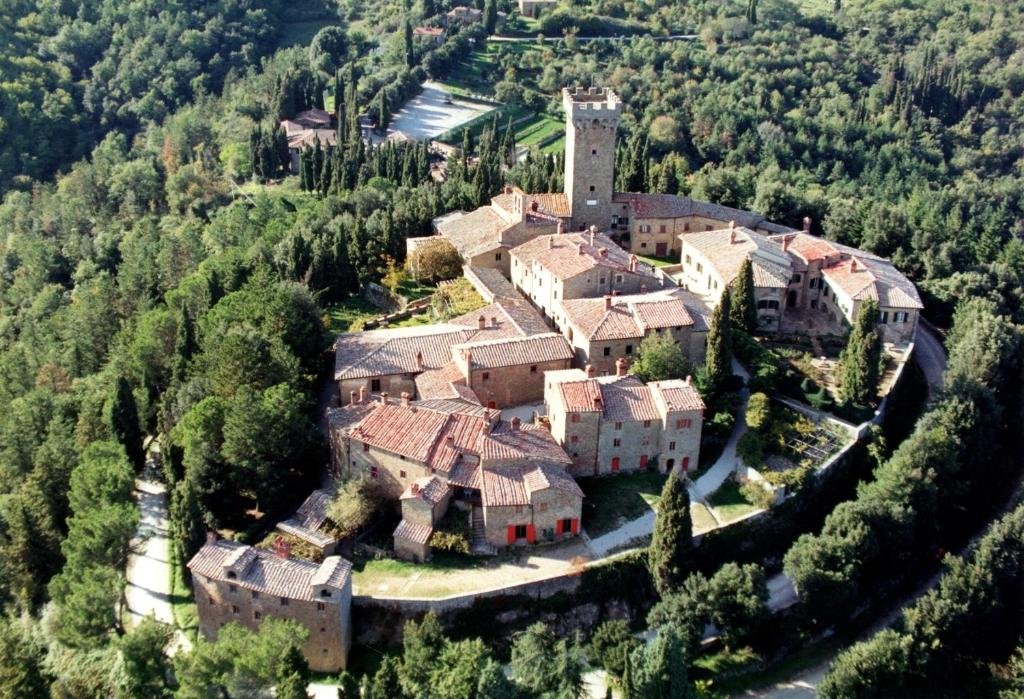
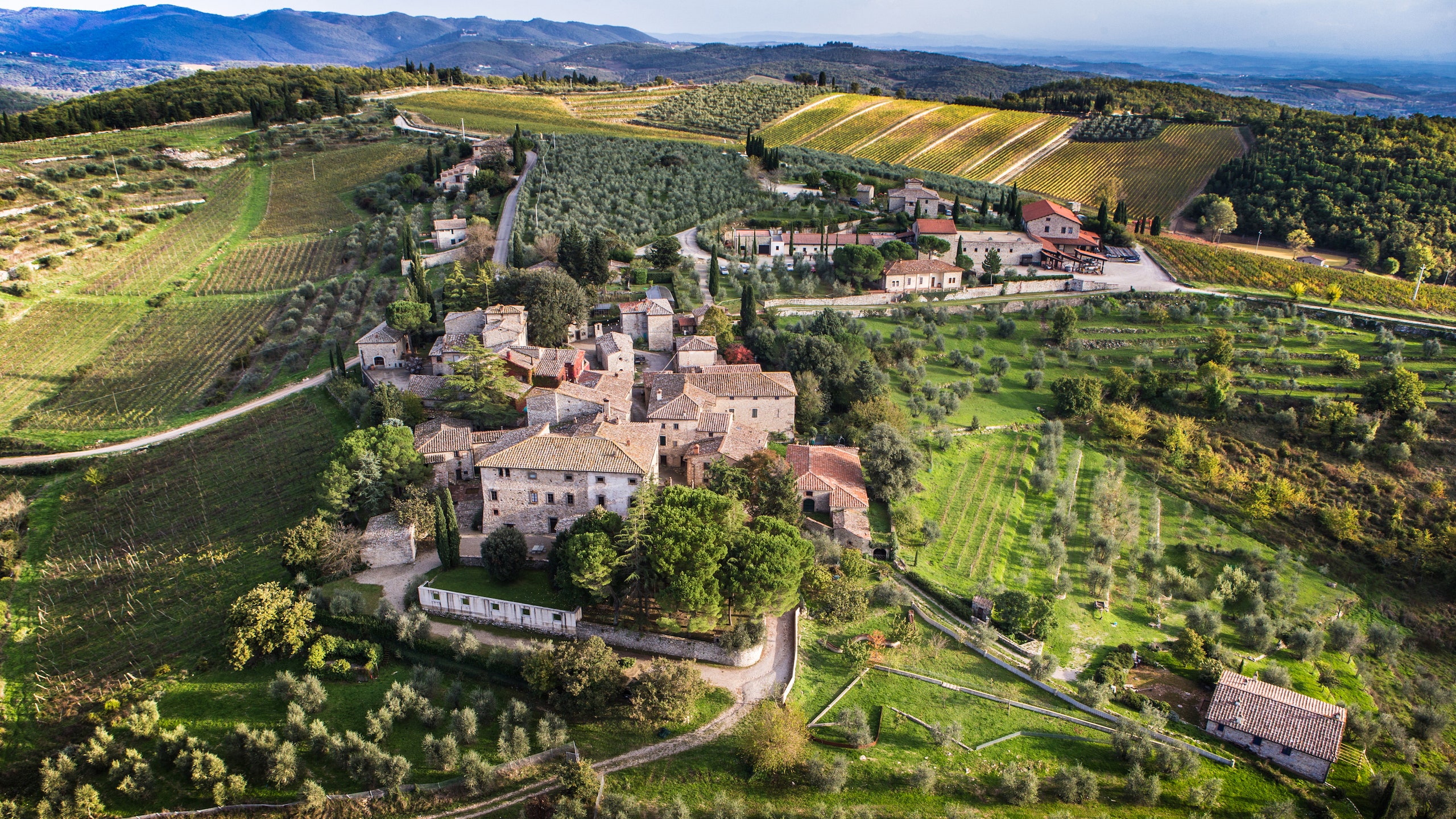
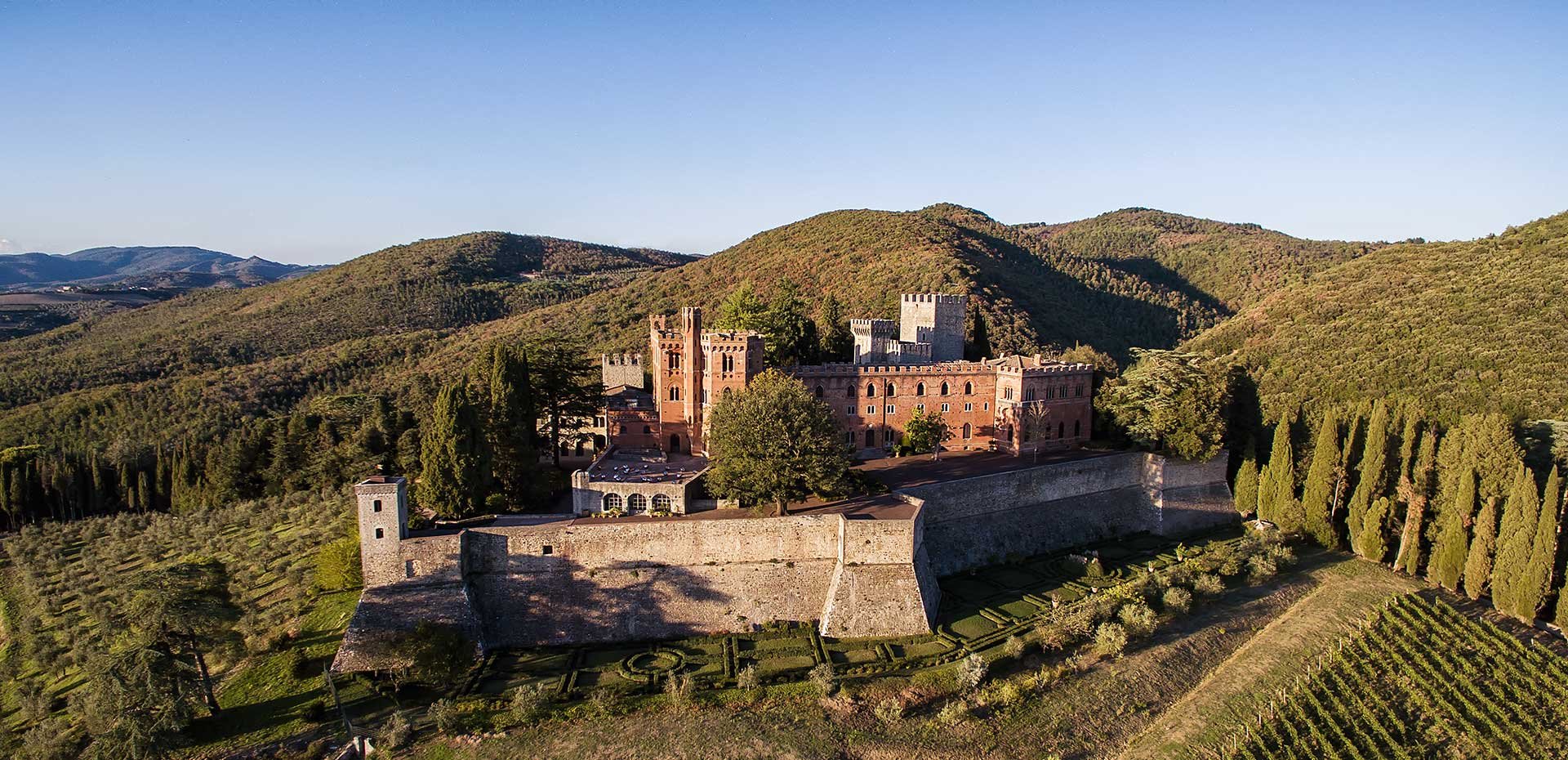
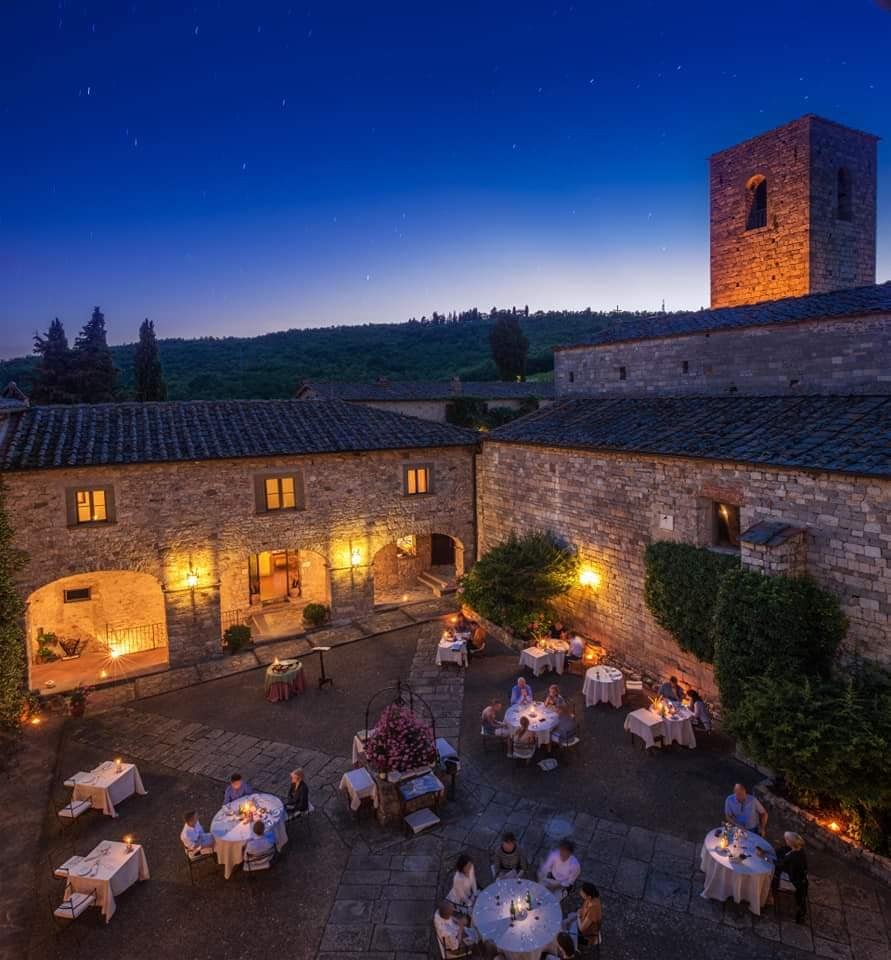
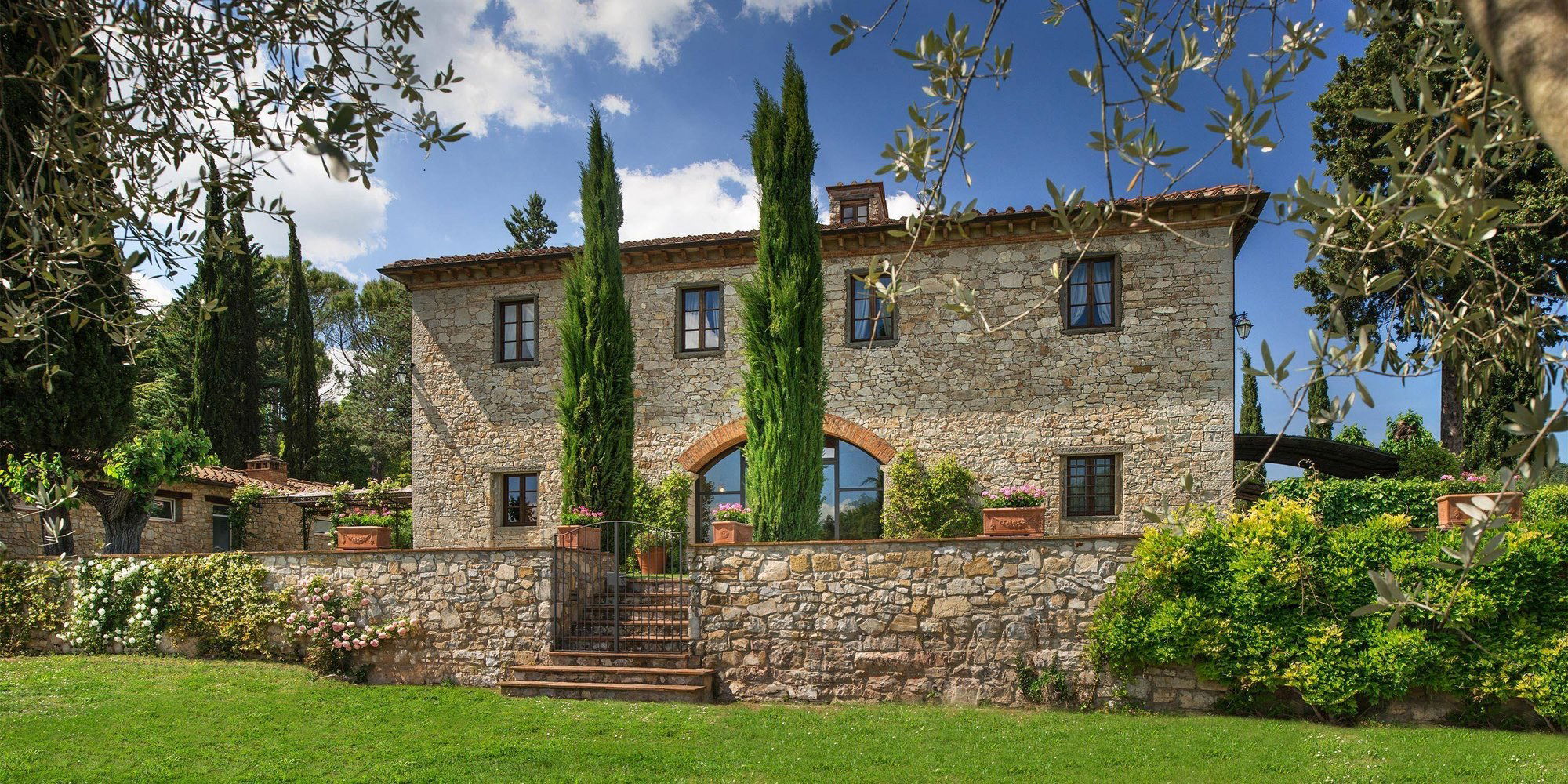
Castello di Spaltenna reads like a lived medieval compound rather than a recreated past. Thick stone walls and real towers sit above Gaiole in Chianti, surrounded by uninterrupted olive groves and Sangiovese vineyards. The property feels rooted in place: weathered masonry, agricultural rhythms and views that continually point back to the land that produces its wines. The overall mood is quietly timeless and rustic-historic, with an understated elegance that comes from authenticity rather than stagecraft. Guests experience a serene, countryside atmosphere where the architecture and the landscape are the dominant gestures.
Best For
This hotel is particularly well suited to travelers who want to understand Chianti Classico from the ground up: its geography, vineyards and food culture. The property functions as a base for wine-minded stays, where the vineyards that inform the wine list are visible from dining areas and the menu foregrounds local agrarian products. It also appeals to those seeking a quiet, scenic retreat on a ridge above a small village—guests who value contemplative terrace views, territorial cooking and easy access to the Classico zone's working cellars.
Stay Tips
Order from the menu that emphasizes territorial classics: ribollita for a genuine regional soup, pici made in-house, and bistecca with documented provenance when available. The dining program deliberately ties dishes to nearby agricultural producers, so ask servers about the specific vineyards and producers behind bottles on the list—wines from Gaiole’s higher, cooler slopes tend to be more structured and pair well with robust local fare. When possible request a table by the dining-room window or the terrace to enjoy the vineyard views while you eat.
Venue details
Ambiance
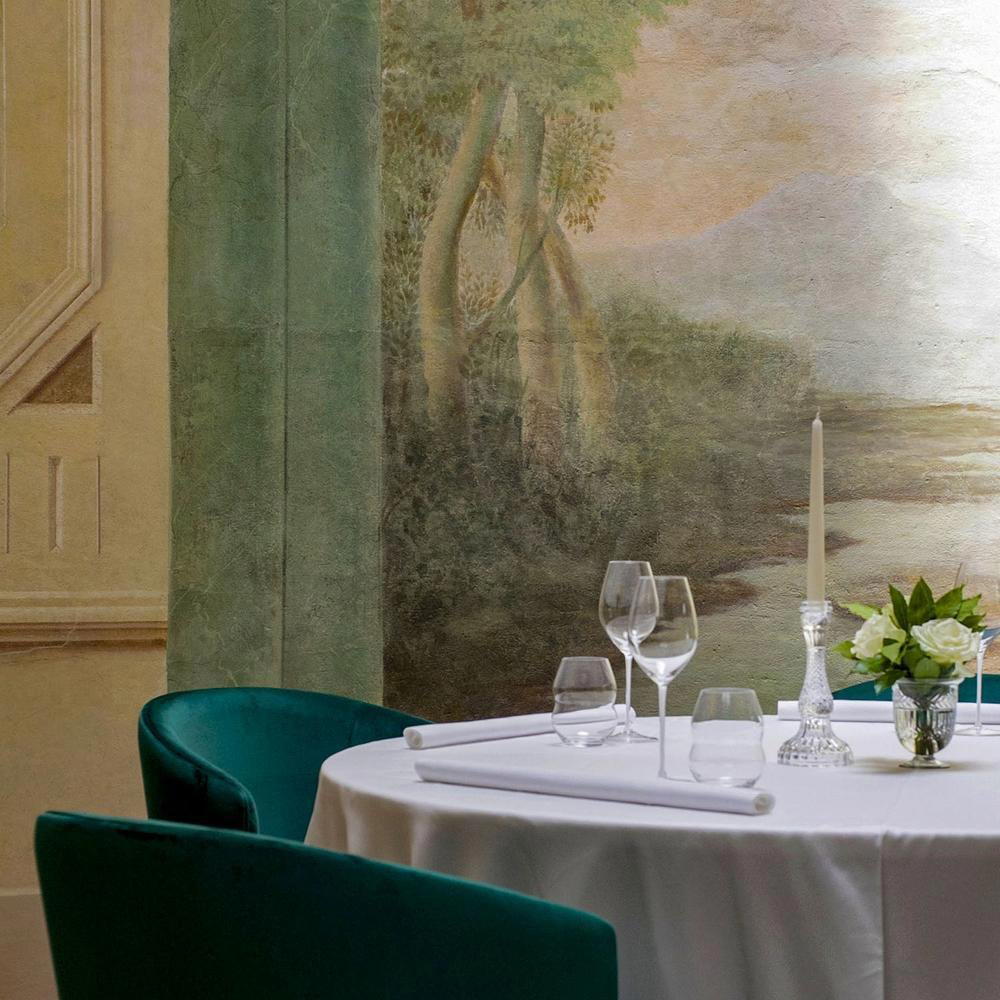
Warm, sophisticated, and romantic with historic stone architecture, candlelit dining, and panoramic terrace views that evoke timeless Italian elegance.
Tags
Vibe
Best For
Experience
Amenities
View
Accessibility
About the Stay
- Rooms
- 37
- Check-in
- 15:00
- Check-out
- 12:00
- Property Style
- Historic Luxury Castle Resort Blending Medieval Architecture with Contemporary Wellness Amenities in the Heart of Chianti Wine Country.
- Design Style
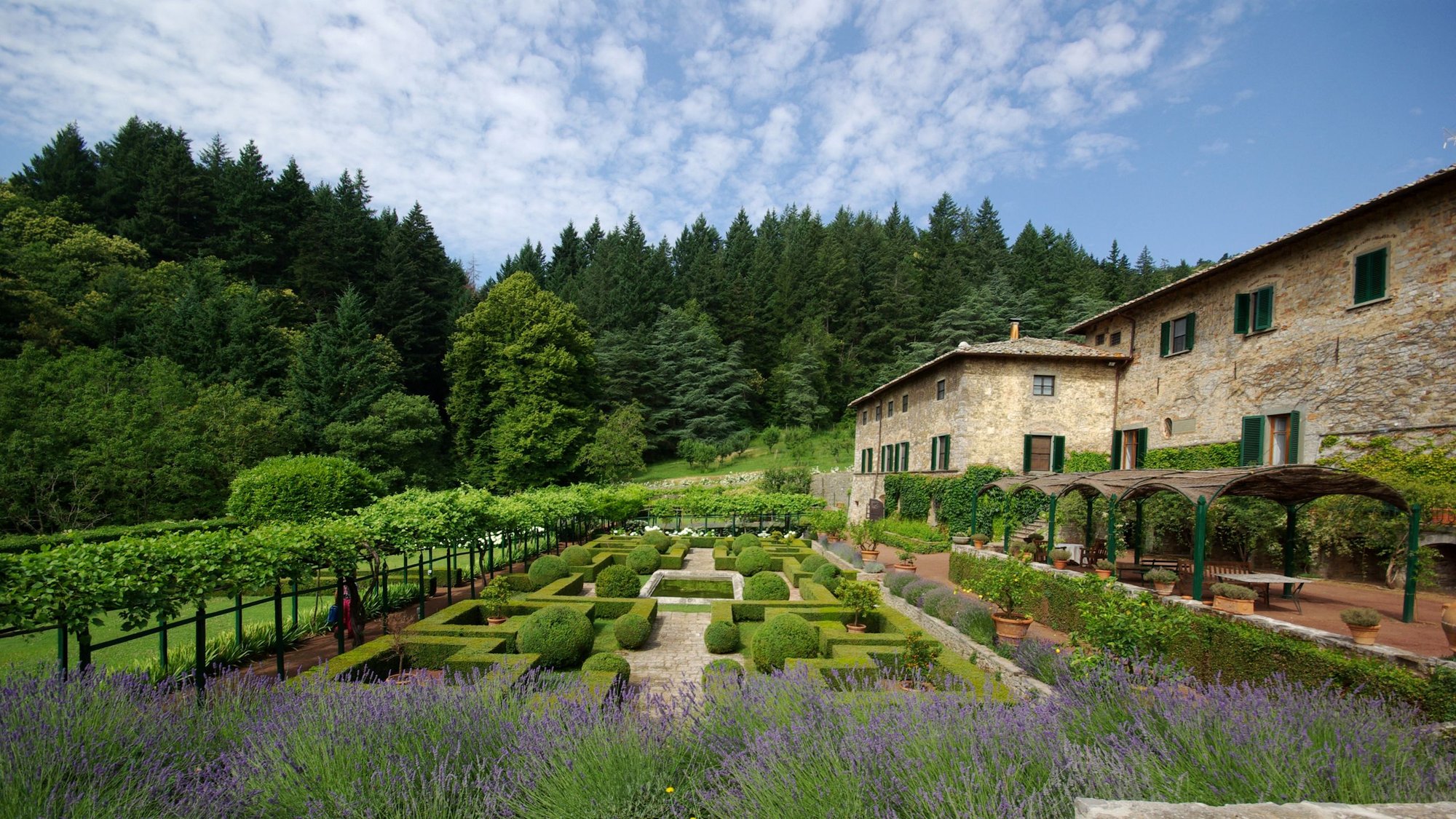
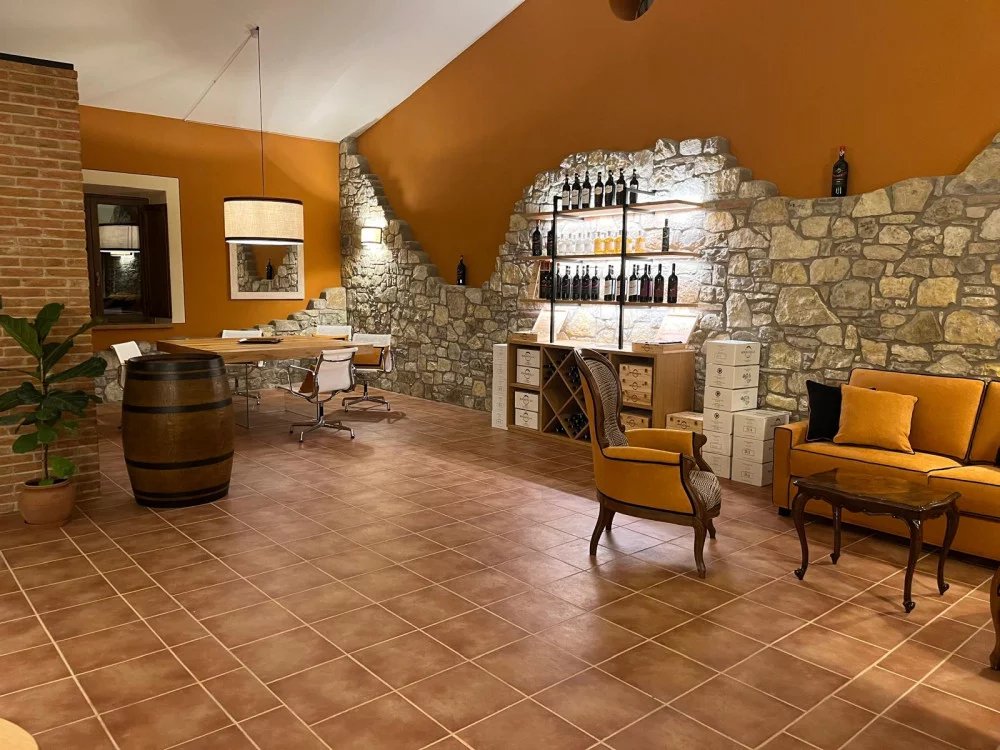
- Tuscan Heritage with Traditional Stone Walls, Wooden Ceilings, Four Poster Beds, and Modern Comforts; Individually Decorated Rooms Featuring Fireplaces, Jacuzzis, and Vineyard Views.
Know before you go
Know Before You Go
- Getting there
- Via Spaltenna, 13, 53013 Gaiole in Chianti SI
Planning details
Location
Recognition and awards

Also consider
Also Consider
- Castello di Garga, Notable alternative
- Le Lappe, Notable alternative
- Pieve Aldina - Fontenille Collection, Notable alternative
- Villa Sassolini Country Boutique Hotel, Notable alternative
- Pieve Aldina, Notable alternative
Hotel context
How Castello di Spaltenna compares in Gaiole in Chianti
Castello di Spaltenna is the safer choice if recognition matters: its Small Luxury Hotels of the World membership and MICHELIN Guide hotel selection give it a clearer quality signal than the. Castello di Garga is the closest cross-shop for travelers who want the castle-hotel idea in Gaiole, so compare those two first if ambiance is the deciding factor.
For a softer countryside stay, Le Lappe and Villa Sassolini Country Boutique Hotel are the more natural alternatives. They make sense if the priority is a quieter boutique feel rather than a more formally recognized hotel. Castello di Spaltenna is the stronger pick for travelers who want the amenity package and heritage mood to carry more of the trip.
Pieve Aldina - Fontenille Collection and Pieve Aldina are the right cross-shops for guests who prefer a country-house feel with a more contemporary hospitality angle. If availability is easy across the set, choose Castello di Spaltenna for a classic Chianti base, Pieve Aldina for a fresher design read, and Villa Sassolini for a smaller boutique mood.
Explore Gaiole in Chianti
Around this place
Discover more on Pearl
Unlock the full Castello di Spaltenna guide in Pearl, including awards, comparisons, FAQs, planning details, and nearby places.
Compare Castello di Spaltenna
| Venue | Location | Awards |
|---|---|---|
| Castello di Spaltenna | Gaiole in Chianti | 2025 Michelin Selected HotelsSmall Luxury Hotels Member 2025 |
| Castello di Garga | Gaiole in Chianti | No published awards |
| Le Lappe | Cavriglia | No published awards |
| Pieve Aldina - Fontenille Collection | Radda in Chianti | No published awards |
| Villa Sassolini Country Boutique Hotel | Moncioni Montevarchi | No published awards |
| Pieve Aldina | Radda in Chianti | 2025 Relais Chateaux Award |

How Castello di Spaltenna compares with similar nearby venues.
FAQ
Frequently Asked Questions
How is the location of Castello di Spaltenna?
Castello di Spaltenna is in Gaiole in Chianti. Choose it if that is the base you want for the trip; if you are still comparing options, Pieve Aldina or Villa Sassolini Country Boutique Hotel may be worth checking as other hotels.
How is the dining at Castello di Spaltenna?
Compare the currently published information for Castello di Spaltenna with Pieve Aldina - Fontenille Collection or Pieve Aldina, and check each venue's official channels for the latest details.
Is Castello di Spaltenna family-friendly?
Castello di Spaltenna is a hotel in Gaiole in Chianti with 2025 MICHELIN Guide hotel selection and Small Luxury Hotels of the World membership, but family amenities, room configurations, childcare, and activity options should be checked directly before booking.
How does Castello di Spaltenna compare to other hotels?
Castello di Spaltenna has 2025 MICHELIN Guide hotel selection and Small Luxury Hotels of the World membership. For comparison, also check the latest published details for Castello di Garga, Le Lappe, Villa Sassolini Country Boutique Hotel, Pieve Aldina, and Pieve Aldina - Fontenille Collection.