


Quinta da Casa Branca
Funchal
Hotel in Funchal, Portugal
 Book with Pearl
The Read
Botanical Architecture Hotel
Price
$200–300per night
Why go
Book Quinta da Casa Branca if the goal is a quieter Funchal stay with luxury credibility rather than a large resort scene. Its MICHELIN Guide Hotels 1 Key distinction, Small Luxury Hotels of the World membership, and La Liste 2026 score of 97 points make it a serious choice for repeat Madeira travelers who value calm, scale, and a practical São Martinho base.
About Quinta da Casa Branca
Quinta da Casa Branca is a hotel in Funchal. For travelers comparing premium stays in Funchal, Quinta da Casa Branca has a smart casual dress code and is recognized with a MICHELIN Guide Hotels 1 Key distinction, Small Luxury Hotels of the World membership, and La Liste Top Hotels 2026 recognition with 97 points.
Book it for confirmed hotel credentials in Funchal
The case for Quinta da Casa Branca is its Funchal location and recognition. Those credentials make it a serious option to include in a premium Funchal hotel shortlist, especially for travelers who prefer to compare hotels by published distinctions rather than by unconfirmed descriptions.
Quinta da Casa Branca has a MICHELIN Guide Hotels 1 Key distinction, Small Luxury Hotels of the World membership, and a La Liste Top Hotels 2026 score of 97 points. The listed dress code is smart casual.
Who should cross-shop before committing
If you are comparing premium hotels, consider Quinta da Casa Branca alongside Reid's Palace, A Belmond Hotel, Madeira, Les Suites at The Cliff Bay - PortoBay, The Cliff Bay hotel, Savoy Palace, and The Reserve Hotel. Choose between them based on the details that matter most to your trip.
For broader planning, use Our full Funchal hotels guide alongside Our full Funchal restaurants guide, Our full Funchal bars guide, Our full Funchal wineries guide, and Our full Funchal experiences guide. For Portugal hotel cross-shopping beyond Funchal, compare the overall trip requirements against other hotels in Portugal.
Planning details
- Location
- R. da Casa Branca 7, São Martinho, 9000-088 Funchal
- Website
- quintacasabranca.com
- Phone
- +351 291 700 770
The take
The Take
The Vibe
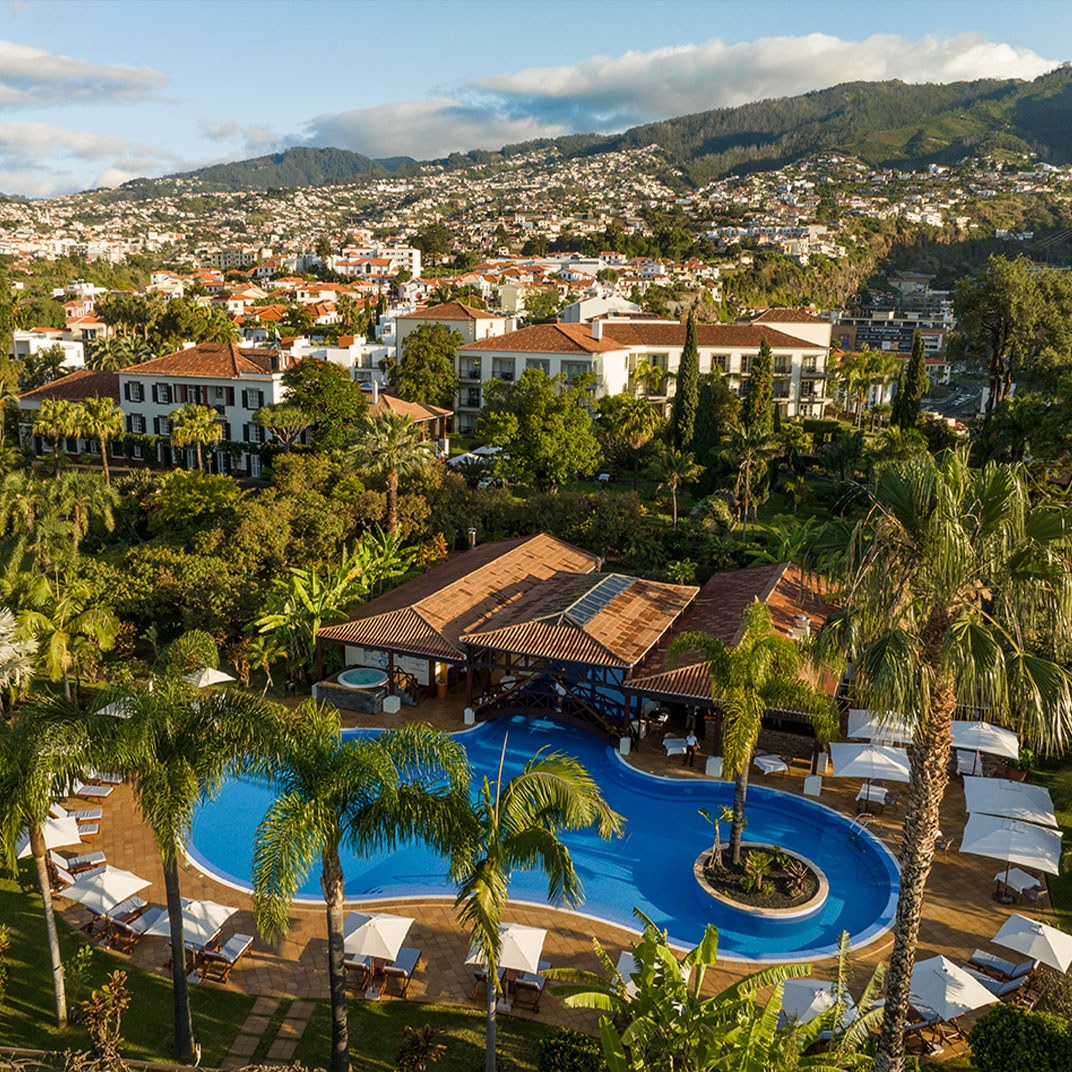
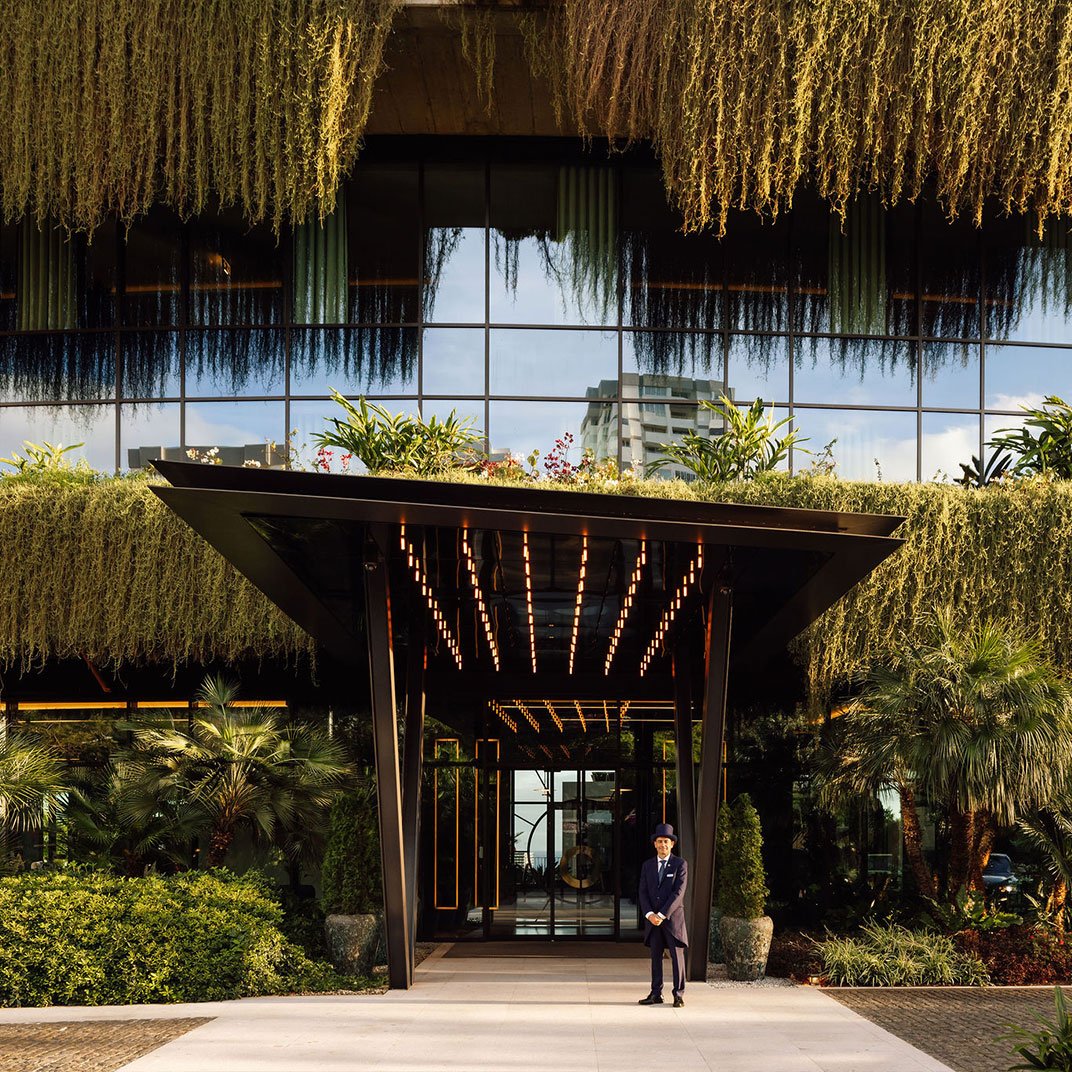
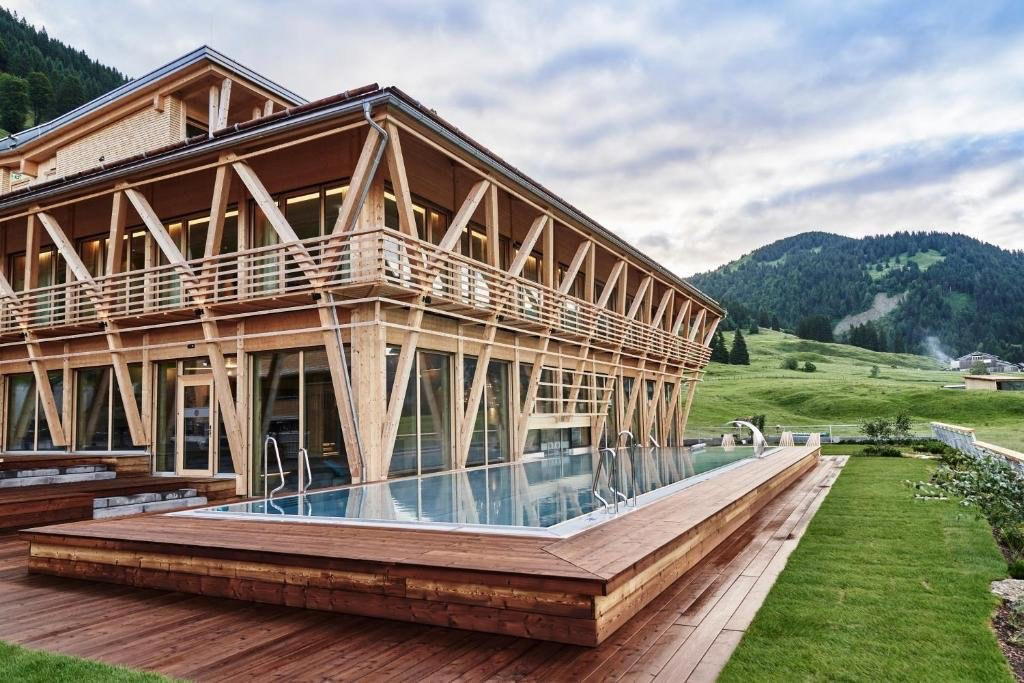
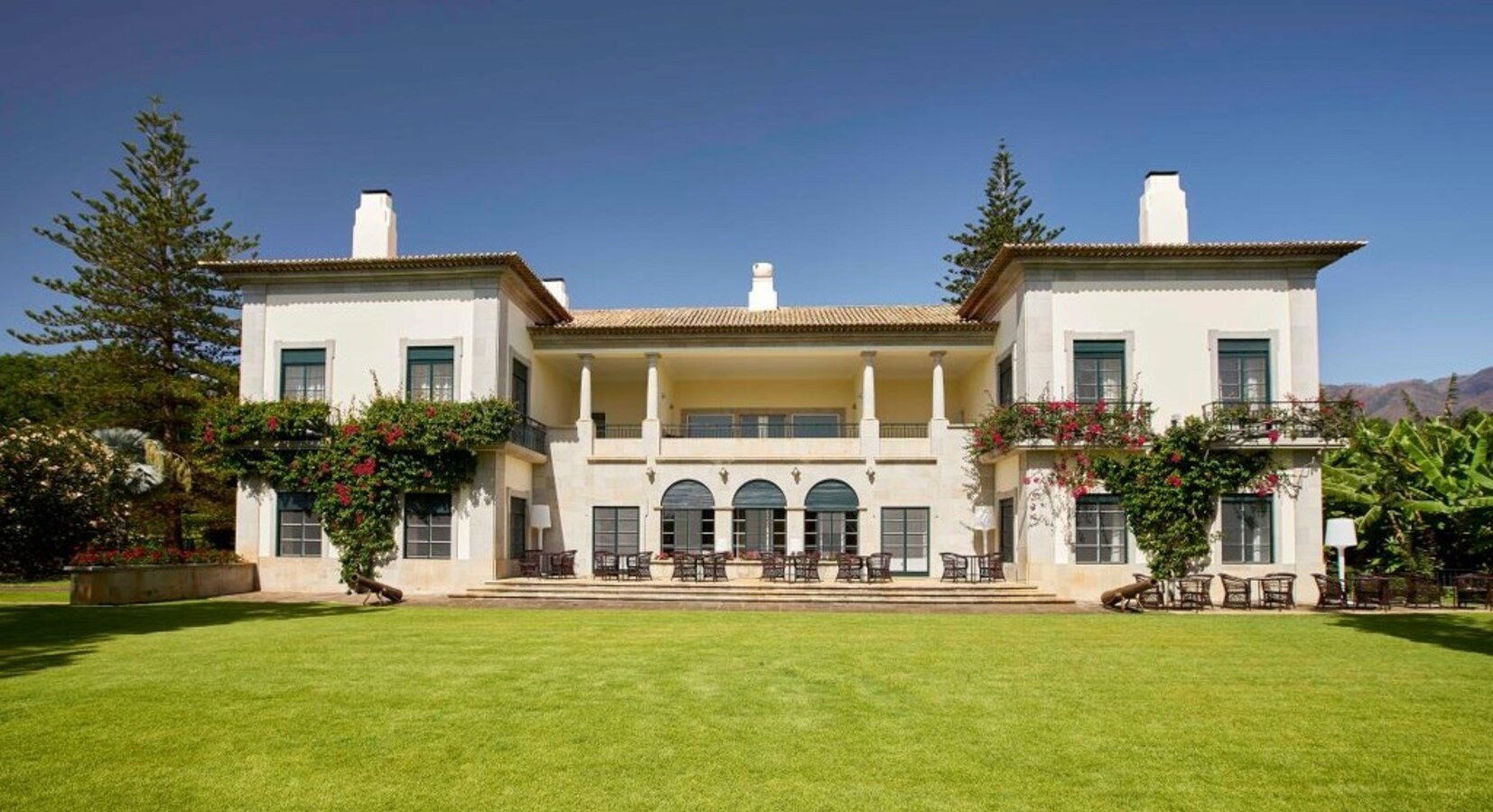
Quinta da Casa Branca presents a garden-first version of Madeiran luxury, where botanical collections and careful material choices shape the guest experience. Architecture and landscape operate in deliberate unison: large glass facades and restrained use of wood, glass and stone frame inward-facing planted grounds so the garden becomes the property’s principal focus. The result reads as a quietly sophisticated quinta—historic in lineage but modern in execution—appealing to travelers who appreciate considered design, curated planting and calm, inward-looking spaces rather than cliffside spectacle.
Best For
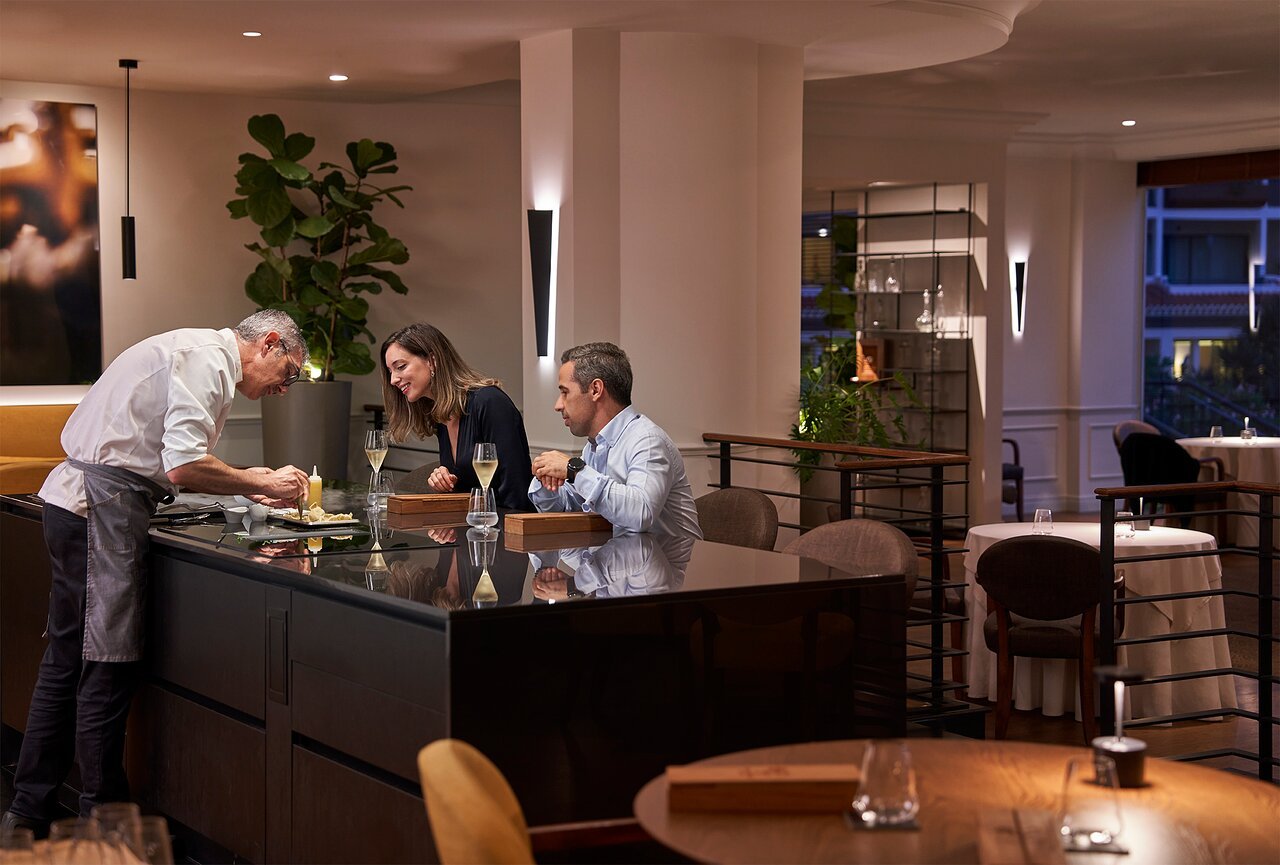
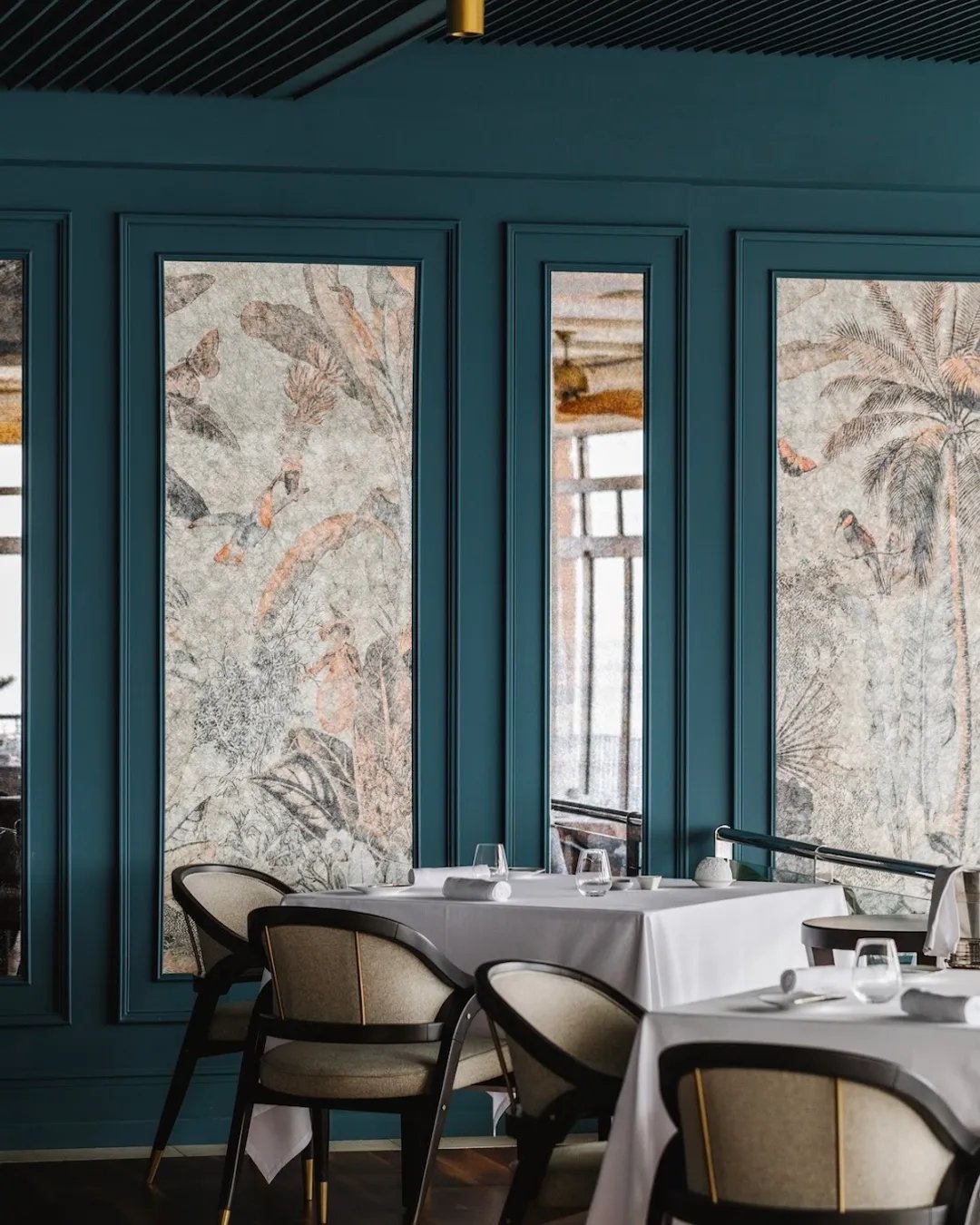
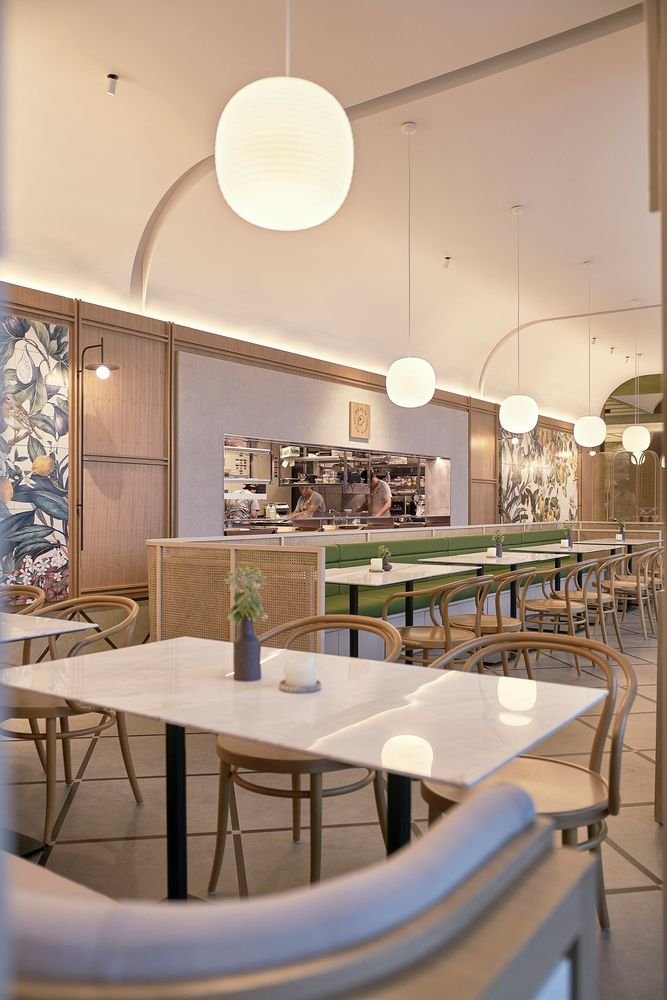
This hotel suits travelers who prioritize a quiet, design-forward retreat anchored by gardens and estate grounds. Guests who enjoy botanical interest, architecture that foregrounds landscape, and a compact luxury hotel programme find the property especially rewarding. The dual-restaurant setup lets visitors move between a more formal evening experience and a lighter, casual outlet for mornings and poolside afternoons, so the hotel works well for multi-night stays where guests expect varied yet coherent dining within a single, thoughtfully designed property.
Stay Tips
Use the hotel’s two-outlet approach to structure meals: favor the more formal restaurant for evening service and the lighter outlet for breakfast and pool-adjacent lunches. Plan to experience both venues across separate meals so you get the full range of the hotel’s culinary registers. When possible, choose seating near the large glass facades—the planted grounds are intentionally presented as the primary visual experience and are most immediate from rooms and dining areas that face the gardens.
Venue details
Ambiance
Tranquil and relaxing with natural light through large glass windows overlooking meticulously maintained gardens, creating a peaceful subtropical retreat.
Tags
Vibe
Best For
Experience
Amenities
View
Accessibility
About the Stay
- Rooms
- 49
- Property Type
- Boutique hotel
- Property Style
- Modern Architectural Gem Blended with Elegant Manor House in Stunning Subtropical Gardens
- Design Style
- Modernist with Light Wood, White Walls, Neutral Tones, and Lush Garden Integration
- Breakfast
- Included
- Airport Transfer
- Available
- Pool
- Yes
- Spa
- Yes
- Families
- Welcome
Know before you go
Know Before You Go
- Getting there
- R. da Casa Branca 7, São Martinho, 9000-088 Funchal
Planning details
Location
R. da Casa Branca 7, São Martinho, 9000-088 Funchal · Directions
Recognition and awards


Also consider
Where to look if it is full
If Quinta da Casa Branca is unavailable, try Quinta Jardins do Lago for another garden-led Funchal stay, or The Cliff Bay hotel if seafront resort convenience matters more than a quieter mood.
For a bigger-hotel alternative, Savoy Palace is the practical fallback. It is a better fit for travelers who want more facilities and a livelier public-space rhythm.
Hotel context
How it compares in Funchal
Quinta da Casa Branca is the better fit for travelers who want a quieter hotel rhythm in Funchal. Reid's Palace, A Belmond Hotel, Madeira is the stronger cross-shop for classic Madeira grandeur, while Savoy Palace makes more sense for guests who want a larger resort feel and more public-area energy.
Les Suites at The Cliff Bay - PortoBay and The Cliff Bay hotel are better comparisons for travelers prioritizing a seafront resort setup. Quinta da Casa Branca is the sharper pick when ambiance matters more than scale: calmer, more contained, and less driven by resort traffic.
The Reserve Hotel and Savoy Palace are the names to check if the stay should feel newer or more facilities-led. For value, the right question is not which hotel has more, but which one matches the trip: choose Quinta da Casa Branca for a composed Funchal base, and choose the larger peers when the hotel itself needs to provide more of the day.
Around this place
Discover more on Pearl
Unlock the full Quinta da Casa Branca guide in Pearl, including awards, comparisons, FAQs, planning details, and nearby places.
Compare Quinta da Casa Branca
| Venue | Location | Awards |
|---|---|---|
| Quinta da Casa Branca | Funchal | 2026 La Liste Top Hotels2026 Michelin 1 KeyMichelin 1 Key 20252025 Michelin 1 KeySmall Luxury Hotels Member 2025 |
| Les Suites at The Cliff Bay - PortoBay | Funchal | 2026 Michelin 2 Keys2025 Michelin 2 Keys |
| Reid's Palace, A Belmond Hotel, Madeira | Madeira | 2026 Forbes Recommended2026 Virtuoso Luxury Hotel Collection2026 La Liste Top Hotels2026 Michelin 2 KeysMichelin 2 Keys 20252025 Michelin 2 Keys2025 Forbes Recommended |
| The Cliff Bay hotel | Funchal | 2026 La Liste Top Hotels |
| The Reserve Hotel | Madeira | Leading Hotels of the World 20262026 Michelin 2 Keys2025 Michelin 2 Keys |
| Savoy Palace | Madeira | 2026 Virtuoso Luxury Hotel Collection2026 Forbes 4-StarLeading Hotels of the World 20262026 La Liste Top Hotels2026 Michelin 1 KeyWorld Travel Awards 2025 · #12025 Forbes 4-Star2025 Michelin 1 Key |






How Quinta da Casa Branca Funchal compares with similar nearby venues.
FAQ
Frequently Asked Questions
What is check-in like at Quinta da Casa Branca?
Quinta da Casa Branca is in Funchal and has MICHELIN Guide Hotels 1 Key recognition, Small Luxury Hotels of the World membership, and a La Liste Top Hotels 2026 score of 97 points.
How is the dining at Quinta da Casa Branca?
The listed dress code is smart casual, but no specific restaurant or bar details are included.
Is Quinta da Casa Branca family-friendly?
Travelers should confirm family facilities, children's programming, room configurations, or policies for families directly before booking.
Which room category is best at Quinta da Casa Branca?
Choose a category only after checking the hotel's current room descriptions and matching them to your needs.
How does Quinta da Casa Branca compare to other premium hotels?
For a premium hotel shortlist, compare Quinta da Casa Branca with Reid's Palace, A Belmond Hotel, Madeira, Savoy Palace, The Cliff Bay hotel, Les Suites at The Cliff Bay - PortoBay, and The Reserve Hotel. The differentiators for Quinta da Casa Branca are its Funchal location, smart casual dress code, MICHELIN Guide Hotels 1 Key distinction, Small Luxury Hotels of the World membership, and La Liste Top Hotels 2026 score of 97 points.
Is Quinta da Casa Branca good for business travel?
Business travelers should confirm business facilities, meeting rooms, workspaces, or corporate services directly; the hotel credentials are MICHELIN Guide Hotels 1 Key recognition, Small Luxury Hotels of the World membership, and a La Liste Top Hotels 2026 score of 97 points.