


Palazzo Fiuggi
Fiuggi, Province of Frosinone, Lazio, Fiuggi
Hotel in Fiuggi, Italy
 Book with Pearl
The Read
Thermal-Town Wellness Retreat
Price
$500–750per night
Why go
Palazzo Fiuggi is worth booking for a wellness-first stay in Fiuggi, especially if the hotel itself is the reason for the trip. The value case improves when benefits, inclusions, and room-category upgrades are handled before booking rather than treated as afterthoughts.
About Palazzo Fiuggi
Is Palazzo Fiuggi worth booking? For travelers considering Fiuggi specifically, a strong signal is its wellness-hotel recognition: La Liste Top Hotels (2026) lists Palazzo Fiuggi at 91.5 points, and the World Travel Awards named it Leading Wellness Hotel in 2025. It is also a Virtuoso Luxury Hotel Partner for 2026. That makes it a more natural fit for a destination stay in Fiuggi than for travelers who simply need a convenient city overnight.
The value case depends on whether Palazzo Fiuggi itself is the reason for the trip. If the goal is a wellness-oriented hotel stay in Fiuggi, its recognition gives the property a clear premium-hotel signal. If the goal is flexible urban sightseeing or a standard business base, compare it with city options instead. The dress code is smart casual, so guests should plan for a polished but not overly formal stay.
Choose it for a wellness-led stay, not a Rome substitute
The smart way to approach this hotel is to decide what kind of trip is being purchased. A stay here makes the most sense when Fiuggi and the hotel experience are central to the itinerary. It is less compelling for travelers who plan to spend most of their time elsewhere and only need a place to sleep.
Booking strategy matters because the property is a Virtuoso Luxury Hotel Partner. Value-focused guests should compare available booking channels and booking terms before committing. The better play is not automatically the cheapest room; it is the booking channel that best matches the stay. For more local context, start with a Fiuggi hotel search, then cross-check other Fiuggi options through relevant city guides.
Where the value case is strongest
The strongest case is for a planned Fiuggi stay where Palazzo Fiuggi is the main event. If the visit is only a brief overnight, or if the schedule is packed with off-property plans, the return on spend may be harder to justify. If the trip is built around a slower hotel-focused break, the property's wellness recognition becomes more relevant.
Booking timeline should follow the reason for travel. For flexible dates, compare rates and terms carefully. For any stay where the hotel experience is the priority, earlier planning is the safer move. Guests should prioritize booking channels that can clarify the specific reservation terms before payment, rather than trying to adjust the stay after arrival.
Use the broader hotel set only as a style check, not a direct substitute. In Rome, options such as NH Collection Palazzo Cinquecento, Room Mate Collection Mia, Rome Colosseum, Colosseum Garden, and Rooms of Rome are more relevant for travelers who want city access. Antonello Colonna Resort & Spa is another comparison point for a more destination-led stay, while Palazzo Fiuggi remains the Fiuggi-specific wellness-hotel choice.
Planning details
- Location
- Via dei Villini, 34, 03014 Fiuggi FR
- Website
- palazzofiuggi.com
- Phone
- +39 0775 7661
The take
The Take
The Vibe
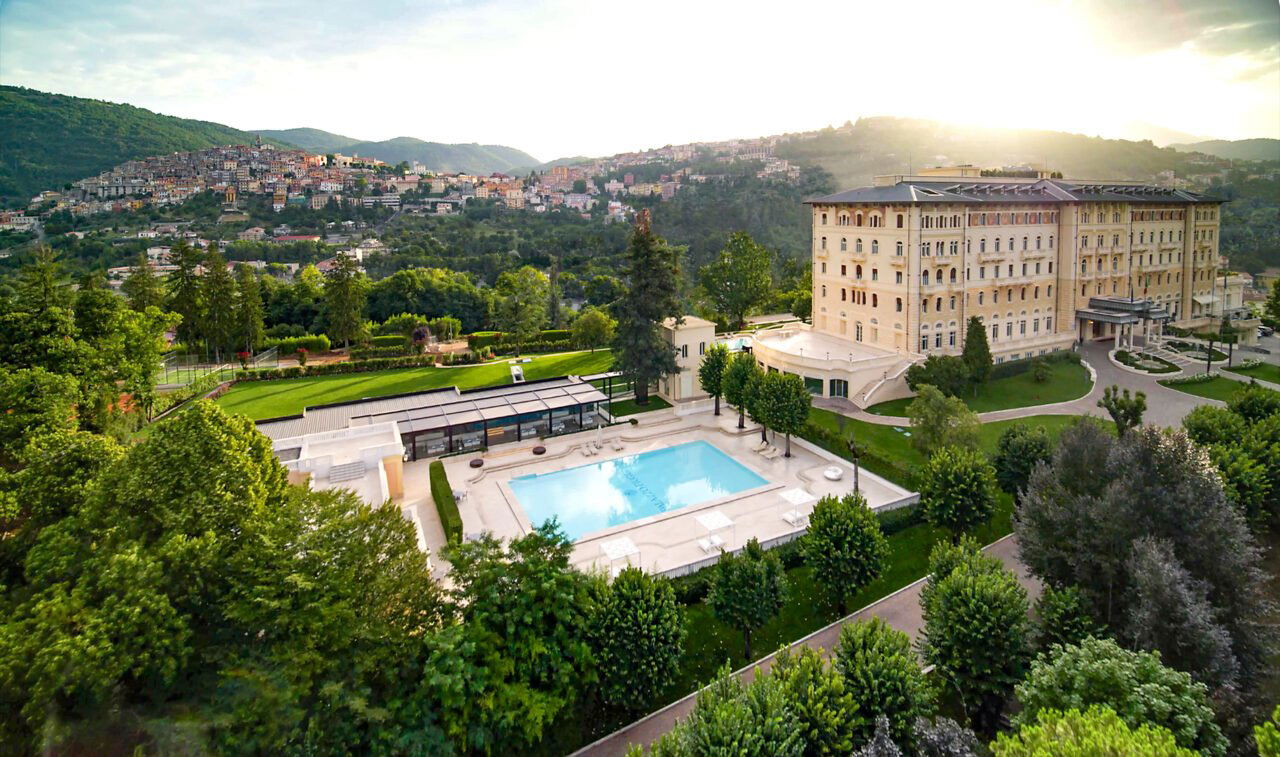
Palazzo Fiuggi presents as a quietly elegant, historically rooted retreat where Liberty‑style Art Nouveau shapes every guest encounter. The 1913 Belle Époque volumes—curved lines, organic ornament and high‑ceilinged rooms—are not mere decoration but the organizing logic of the property. That architectural clarity dovetails with a clinical wellness program, so the atmosphere reads as both refined and restorative. Guests experience a measured calm: the hotel feels sophisticated and serene rather than flashy, with its garden park and heritage rooms reinforcing a sense of place in the hill towns southeast of Rome.
Best For
This is primarily for travelers focused on wellness and design: those seeking a destination spa rooted in historical architecture. The hotel is well suited to couples on a romantic getaway and guests marking an anniversary, where quiet, restorative programming and elegant surroundings are priorities. It's also attractive to anyone who values heritage details—Liberty‑style ornamentation, Belle Époque public rooms—and a deliberate, spa‑first approach to hospitality. Palazzo Fiuggi favors stays that prioritize treatments, relaxation and an appreciation of architectural character over nightlife or urban buzz.
Stay Tips
Treat the spa program as the centerpiece of a stay and plan accordingly: reserve treatments and any prescribed medical or thermal programs in advance, since the property positions its wellness offerings as the raison d'être. Choose accommodations that reference the building’s historic volumes or face the garden park if you value views and a tranquil setting. Allow time to move between public rooms and treatment areas—part of the experience is the building’s spatial rhythm—rather than packing the schedule with external excursions.
Venue details
Ambiance
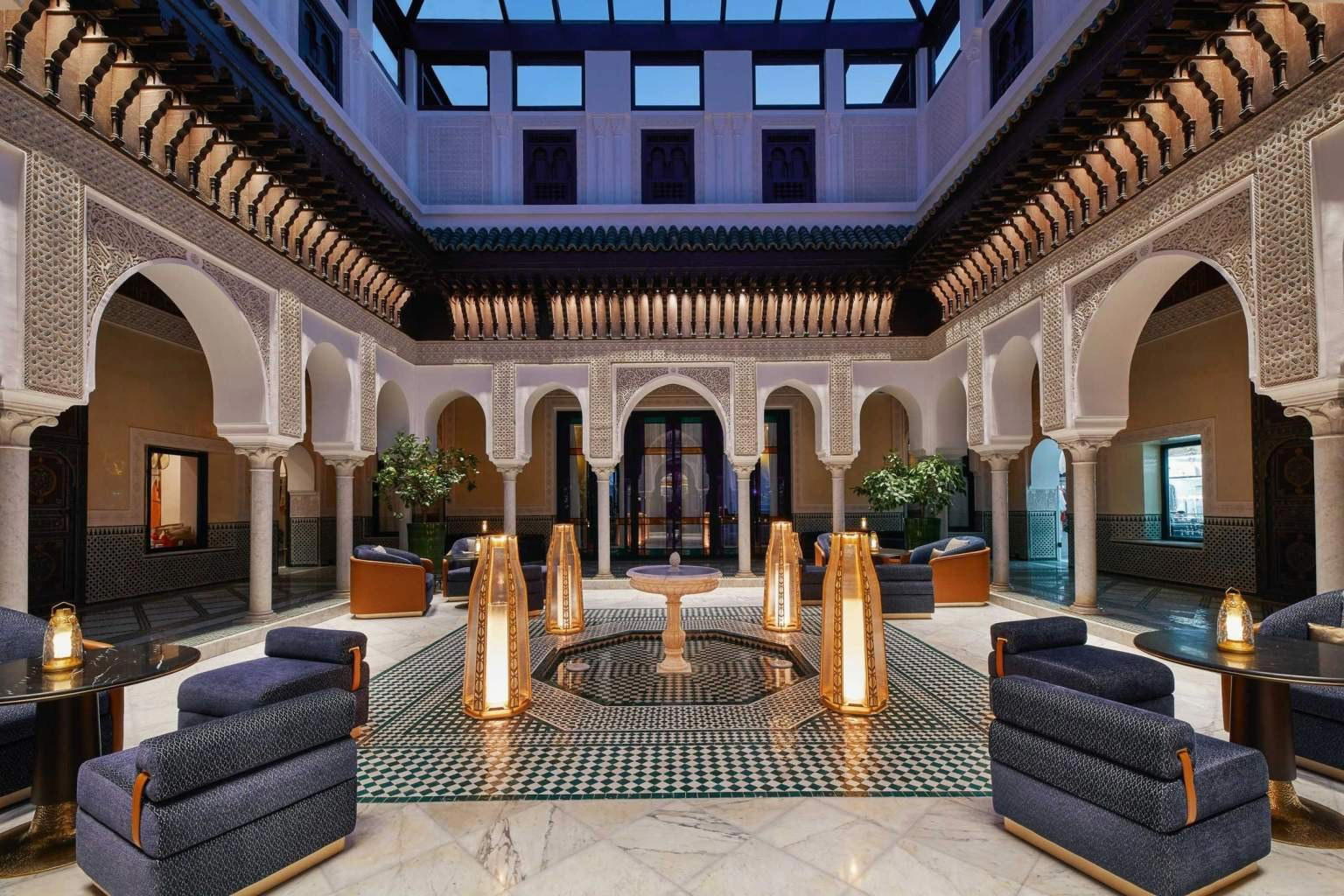
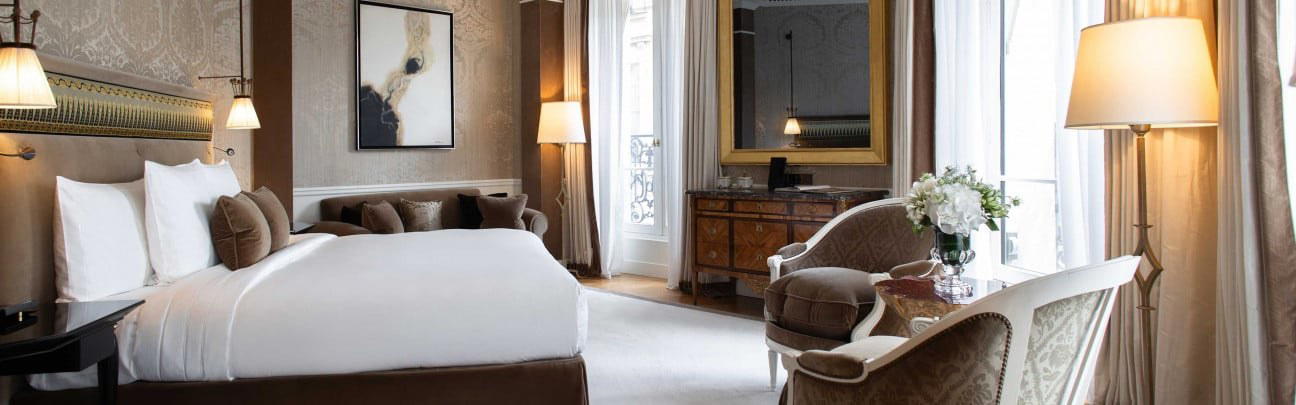
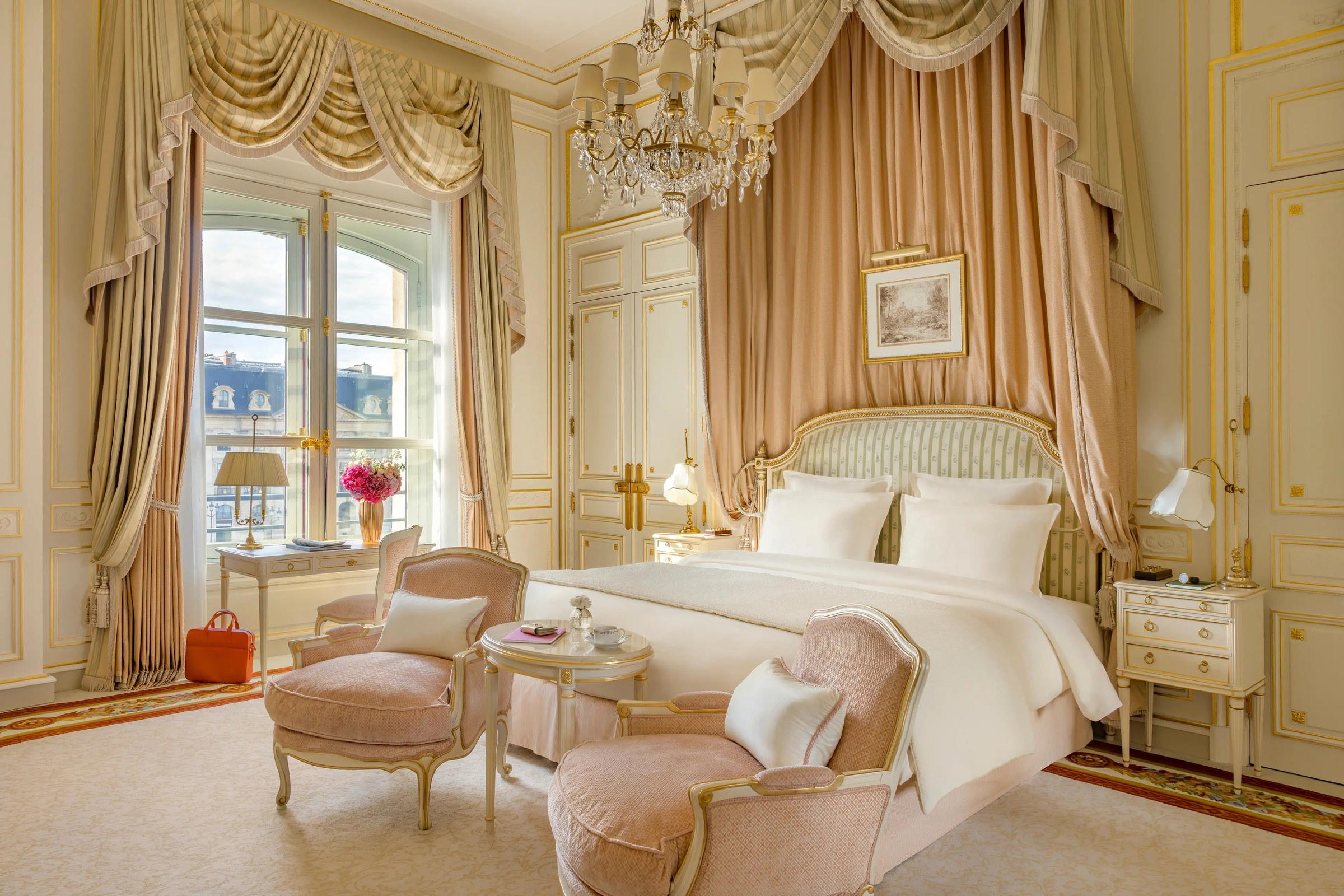
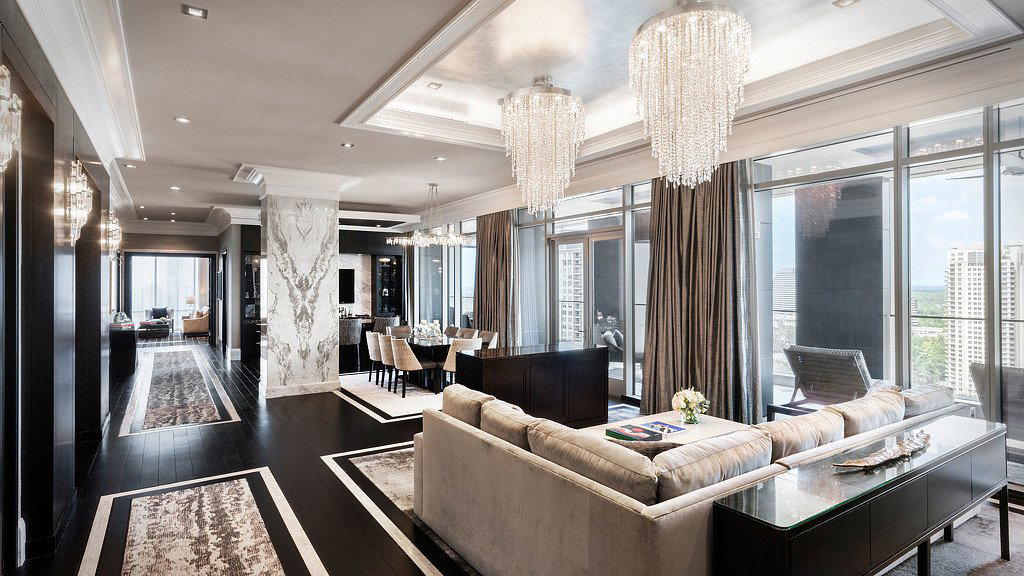
Palatial interiors with grand spaces featuring glass ceilings, crystal chandeliers and frescoes; light-filled spa areas with floor-to-ceiling windows overlooking gardens; marble hallways with indoor fountains creating a serene, luxurious atmosphere.
Tags
Vibe
Best For
Experience
Amenities
View
Accessibility
About the Stay
- Rooms
- 102
- Check-in
- 14:00
- Check-out
- 12:00
- Property Type
- Palace hotel
- Property Style
- Historic 1913 Villa Hotel Completely Renovated with Contemporary Luxury Finishes, Blending Classical Architecture with Modern Wellness Infrastructure.
- Design Style
- Neoclassical Palatial Aesthetic with Marble, Crystal, and Contemporary Furnishings; Spa Areas Feature Precious Elemental Materials Including Stone and Marble with Minimalist Modern Design.
- Breakfast
- Included
- Airport Transfer
- Available
- Pool
- Yes
- Spa
- Yes
- Families
- Welcome
- Cancellation
- Moderate
Know before you go
Know Before You Go
- Getting there
- Via dei Villini, 34, 03014 Fiuggi FR
Planning details
Location
Recognition and awards



Also consider
Also Consider
- Antonello Colonna Resort & Spa, Notable alternative
- Rooms of Rome, Notable alternative
- NH Collection Palazzo Cinquecento, Notable alternative
- Room Mate Collection Mia, Rome Colosseum, Notable alternative
- Colosseum Garden, Notable alternative
Hotel context
How Palazzo Fiuggi compares in the Fiuggi and Rome set
Choose Palazzo Fiuggi over Antonello Colonna Resort & Spa if the priority is a wellness-led hotel stay in Fiuggi rather than a countryside resort closer to Rome's orbit. Antonello Colonna Resort & Spa is the more relevant cross-shop for travelers who want resort calm with easier Rome access; Palazzo Fiuggi is the stronger fit when the trip is built around recovery and a slower schedule.
Against city options such as Rooms of Rome, NH Collection Palazzo Cinquecento, Room Mate Collection Mia, Rome Colosseum, and Colosseum Garden, the decision is simple: pick the Rome hotels for sightseeing, meetings, train convenience, and shorter stays. Pick Palazzo Fiuggi when ambiance and wellness infrastructure matter more than immediate city access.
For booking difficulty, Palazzo Fiuggi is the less stressful choice than small, high-demand urban stays because the appeal is more planned and destination-specific. Value is strongest for guests who will use the property as the center of the itinerary; if the room is just a place to sleep, NH Collection Palazzo Cinquecento or Room Mate Collection Mia will usually make more practical sense.
Explore Fiuggi
Around this place
Discover more on Pearl
Unlock the full Palazzo Fiuggi guide in Pearl, including awards, comparisons, FAQs, planning details, and nearby places.
Compare Palazzo Fiuggi
| Venue | Location | Awards |
|---|---|---|
| Palazzo Fiuggi | Fiuggi | 2026 Virtuoso Luxury Hotel Collection2026 La Liste Top HotelsWorld Travel Awards 2025 |
| Antonello Colonna Resort & Spa | Labico | No published awards |
| Rooms of Rome | Rome | No published awards |
| NH Collection Palazzo Cinquecento | Rome | No published awards |
| Room Mate Collection Mia, Rome Colosseum | Rome | No published awards |
| Colosseum Garden | Rome | No published awards |
How Palazzo Fiuggi Review: Wellness Stay Worth It? compares with similar nearby venues.
FAQ
Frequently Asked Questions
How is the location of Palazzo Fiuggi?
Palazzo Fiuggi is in Fiuggi. The location works best if the goal is a destination-style stay in Fiuggi rather than a Rome city base.
Is Palazzo Fiuggi good for business travel?
It is a stronger fit for a wellness-oriented Fiuggi stay than for a conventional business trip. Its recognition includes La Liste Top Hotels (2026): 91.5pts and World Travel Awards 2025, Leading Wellness Hotel.
Do loyalty programs work at Palazzo Fiuggi?
Its partnership is clear: Virtuoso Luxury Hotel Partner (2026). That makes it relevant for travelers considering luxury-advisor booking channels rather than guests focused only on a standard points-heavy chain stay.
Is Palazzo Fiuggi family-friendly?
Family-specific facilities are not detailed, so confirm directly with the hotel before booking with children. For sightseeing-focused family trips in Rome, compare city options such as Room Mate Collection Mia, Rome Colosseum or Colosseum Garden instead.