




Le Cap Estel
Èze-Bord-de-Mer
Hotel in Èze-Bord-de-Mer, France
 Book with Pearl
Why go
Le Cap Estel is the Èze-Bord-de-Mer choice for a quiet, high-spend Riviera celebration rather than a busy village stay. Its strongest signals are luxury-hotel recognition and Star Wine List status, making it a better fit for couples and milestone trips than for travelers who want constant activity or easy business logistics.
About Le Cap Estel
Le Cap Estel is a hotel in Èze-Bord-de-Mer with several travel and hospitality recognitions. Its recognitions include Forbes Recommended for 2026, Virtuoso Luxury Hotel Partner for 2026, Mr & Mrs Smith Seal of Approval for 2026, Star Wine List for 2026, and MICHELIN Guide, Hotels Selected for 2025. For planning, the dress code is smart casual.
Use these basics as a conservative guide rather than a full service, menu, facilities, or pricing profile. Specific details such as room inventory, restaurant format, menus, chef names, spa facilities, pool details, opening hours, rates, and family amenities should be checked directly with the property before booking.
Choose it for hotel recognition in Èze-Bord-de-Mer
The clearest reason to keep Le Cap Estel on a premium shortlist is its third-party recognition. Forbes Recommended, Virtuoso Luxury Hotel Partner, Mr & Mrs Smith Seal of Approval, Star Wine List, and MICHELIN Guide hotel selection place it among hotels with external validation.
The Star Wine List recognition is the main dining-related signal. It supports interest from guests who care about wine, but for a particular restaurant concept, menu, cellar size, pricing, or service style, confirm current details with Le Cap Estel.
How to plan the stay so expectations stay accurate
Plan with the key facts first: the hotel is in Èze-Bord-de-Mer, it has the recognitions listed above, and the dress code is smart casual. Other practical details should be checked directly before committing, especially if the trip depends on a particular dining experience, amenity, schedule, or budget.
Reservations: confirm availability and booking terms directly with the hotel. Dress: smart casual is the dress code. Budget: check current rates and inclusions before booking. Good for: travelers who value hotel recognition in Èze-Bord-de-Mer. Less good for: travelers who need a fully documented service, amenity, or dining profile before choosing.
If you are comparing options, look at Le Cap Estel alongside Château de la Chèvre d'Or, Château Eza, La Réserve de Beaulieu, Royal Riviera, and Hotel Les Terrasses D'Eze. Use those comparisons to decide which hotel best fits your itinerary, then confirm current details directly with the property you choose.
Inside Le Cap Estel
Planning details
- Location
- 1312 Avenue Raymond Poincaré
- Website
- capestel.com/en
- Phone
- 33-4-93-76-29-29
The take
The Take
The Vibe
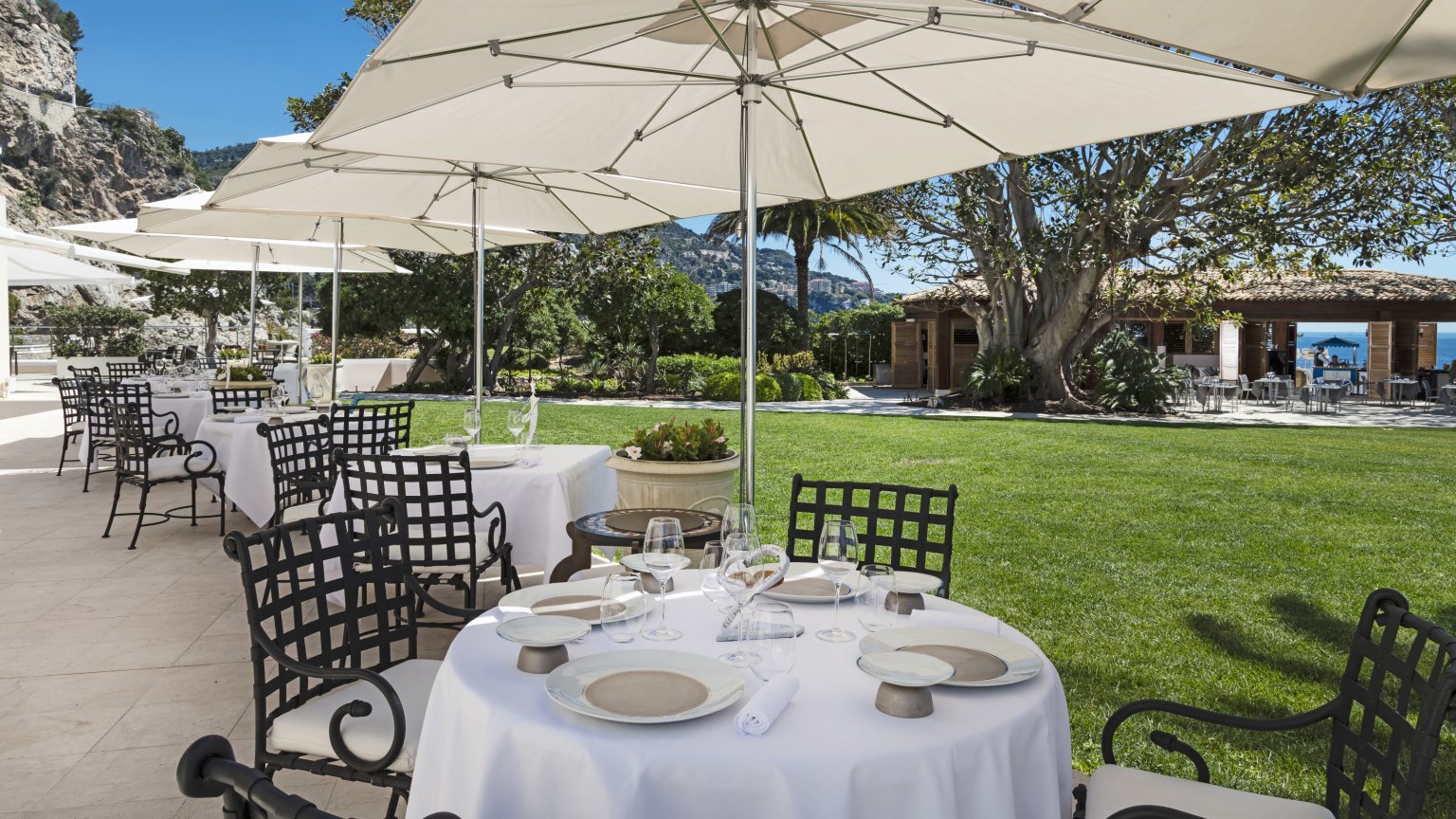
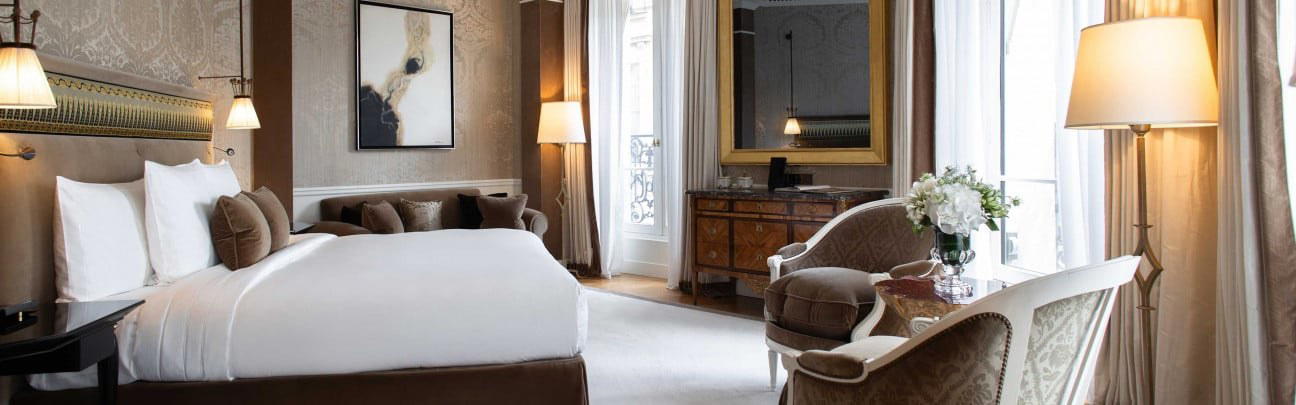
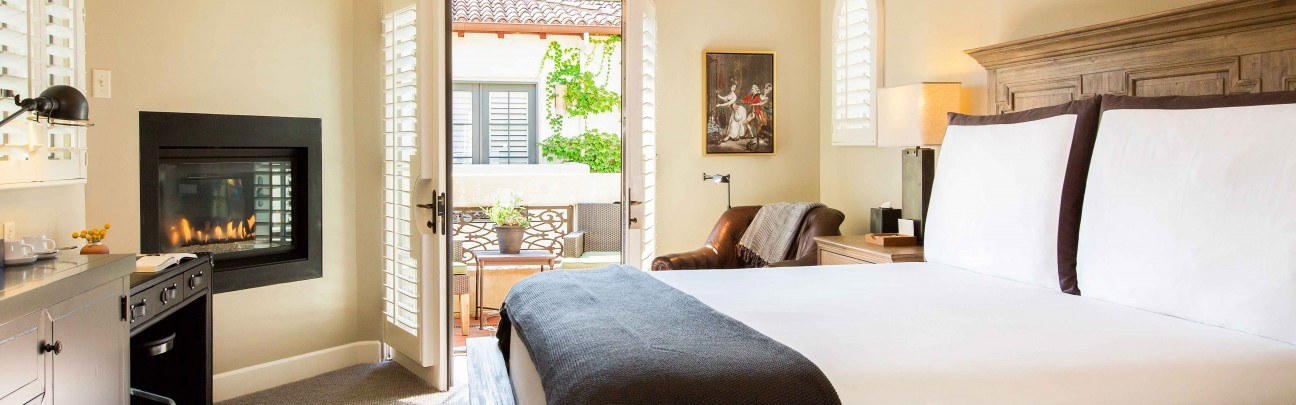
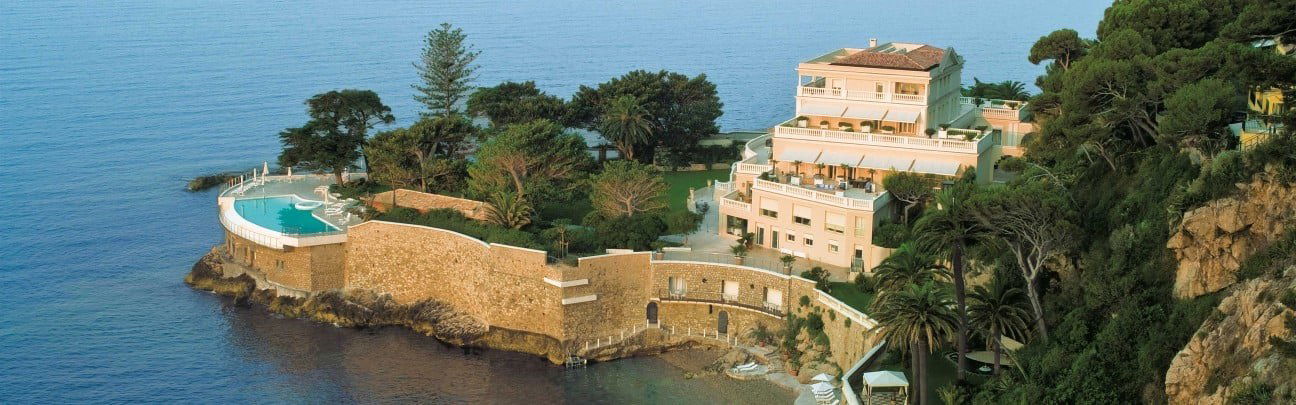
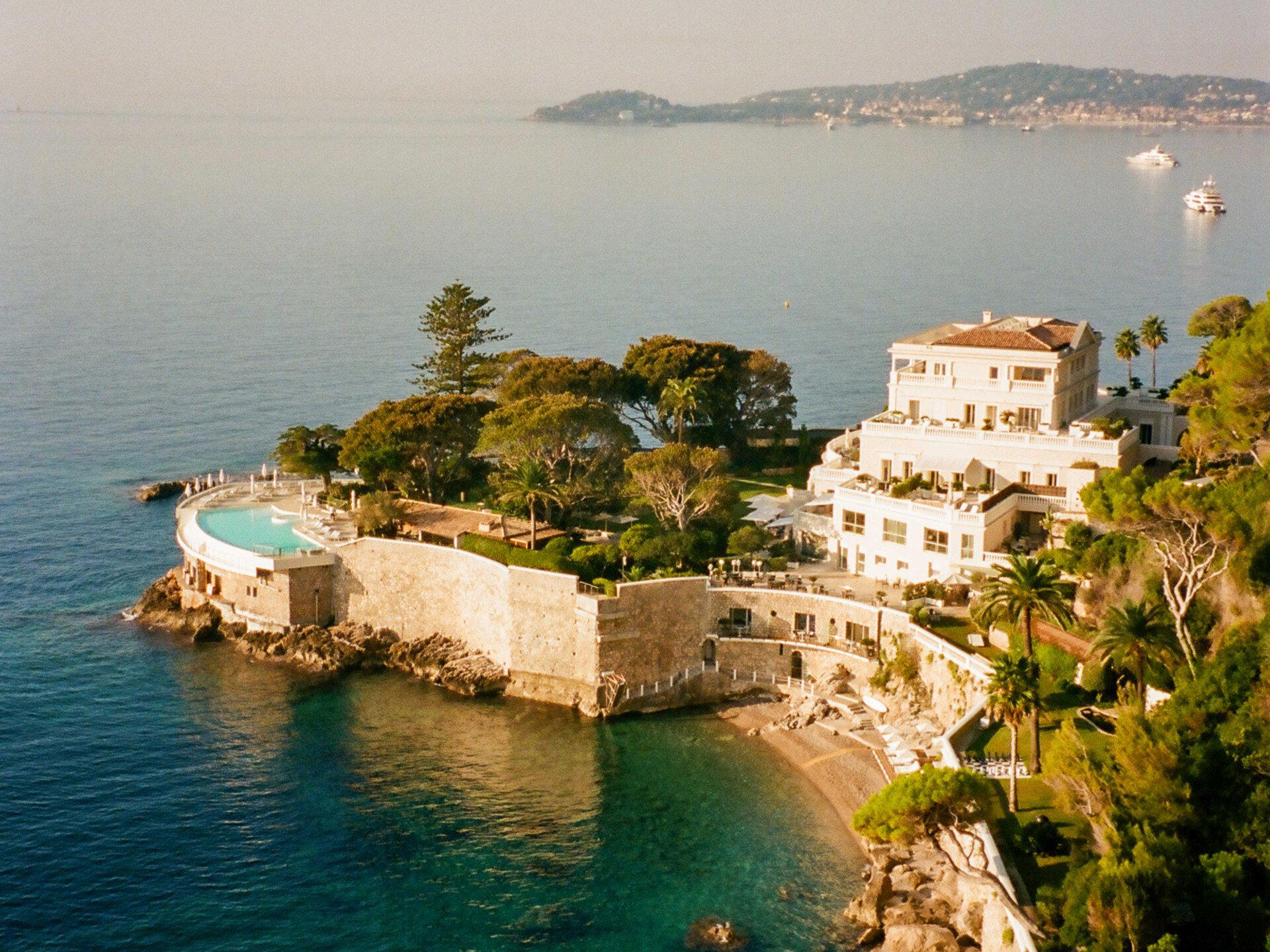
Le Cap Estel reads as a quietly imposing seaside estate rather than a showy Riviera hotel. Housed on a peninsular five-acre site and originally built as a private dacha, the property emphasizes enclosure, discretion and a restored historic character. With only a handful of suites and guest rooms and private balconies oriented toward the Mediterranean, the atmosphere is deliberately restrained and intimate. The sense of being tucked away from the boulevard—combined with views that terminate in open water—creates a serene, classic retreat that rewards guests seeking privacy and a refined, old-world coastal experience.
Best For
This is a destination for travelers who prize privacy and scenic seclusion: couples on a honeymoon or anniversary, guests seeking a romantic getaway, and anyone after a quietly luxurious weekend escape. The small number of suites and the estate’s restored, private-compound character also suit wellness-focused retreats that favor calm over bustle. Its room configuration and sea-facing orientation make it less about nightlife or group activity and more about slow, contemplative stays focused on views, solitude and refined comfort.
Stay Tips
When booking, prioritize a sea-facing suite or one of the larger self-contained suites to make the most of the peninsula setting and private terraces. Reserve well in advance—the hotel’s small number of rooms and suites means availability is limited, especially during high season. Expect a discreet, understated arrival rather than grand theatrics; request details about terrace orientation if a direct Mediterranean view is important. The property’s restored, private-estate ethos suggests guests planning a restorative or romantic stay will find the hotel most rewarding.
Venue details
Ambiance
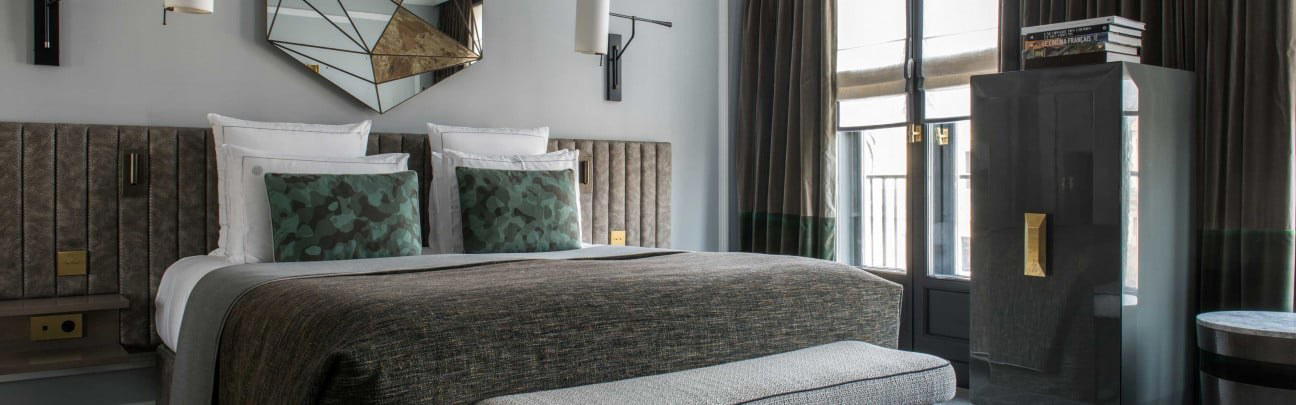
Serene and elegant with natural light from sea-view bay windows, marble interiors, soothing spa atmosphere, and peaceful garden surroundings.
Tags
Vibe
Best For
Experience
Amenities
View
Accessibility
About the Stay
- Rooms
- 20
- Check-in
- 16:00
- Check-out
- 12:00
- Property Type
- Boutique hotel
- Property Style
- Glamorous Mediterranean Mansion on Private Peninsula
- Design Style
- Modern Classic with Understated Chic Stone and Stucco
- Pool
- Yes
- Spa
- Yes
- Pets
- Allowed
Know before you go
Know Before You Go
- Getting there
- 1312 Avenue Raymond Poincaré
Planning details
Location




Also consider
Where to look if dates do not work
If Le Cap Estel is unavailable, try Château Eza for a more village-centered Èze stay, especially if the trip depends on atmosphere around the hotel rather than seafront quiet. For a broader Riviera resort feel nearby, Royal Riviera is the cleaner fallback.
Hotel context
How it compares in Èze-Bord-de-Mer and nearby
Choose Le Cap Estel when privacy and a coastal special-occasion mood matter more than being in the hilltop village. Château de la Chèvre d'Or and Château Eza are stronger if the goal is Èze village atmosphere, dining with a more destination-driven feel, and a stay built around wandering the old streets.
Hotel Les Terrasses D'Eze is the practical cross-shop if value matters more than a full luxury signal set. It is the easier recommendation for travelers who want the area without committing to the same occasion-level spend. Le Cap Estel is the better pick when the hotel itself needs to carry the trip.
For a broader Riviera resort comparison, look at La Réserve de Beaulieu and Royal Riviera. Both make more sense for guests who want a livelier nearby base and a more classic resort rhythm. Le Cap Estel is the narrower, more private choice, and that is exactly why it works for anniversaries and proposals.
Explore Èze-Bord-de-Mer
Around this place
Discover more on Pearl
Unlock the full Le Cap Estel guide in Pearl, including awards, comparisons, FAQs, planning details, and nearby places.
Compare Le Cap Estel
| Venue | Location | Awards |
|---|---|---|
| Le Cap Estel | Èze-Bord-de-Mer | 2026 Forbes Recommended2026 Virtuoso Luxury Hotel Collection2026 Vogue Best Hotels on the South of France CoastStar Wine Lists 20262026 Mr & Mrs Smith Luxury Hotels2025 Michelin Selected Hotels |
| Château de la Chèvre d'Or | Èze | Star Wine Lists 2026 · #12026 Virtuoso Luxury Hotel Collection2026 Relais Chateaux Hotels2026 La Liste Top Hotels2026 Michelin 3 Keys2025 Relais Chateaux Award2025 Gault & Millau Exceptional Hotel2025 Michelin 2 Keys2024 Michelin 2 Keys |
| Château Eza | Èze | 2026 Virtuoso Luxury Hotel Collection2026 Michelin 2 Keys2025 Michelin 2 KeysSmall Luxury Hotels Member 20252024 Michelin 2 Keys |
| Hotel Les Terrasses D'Eze | Èze | Preferred Hotels Member 2025 |
| La Réserve de Beaulieu | Beaulieu-sur-Mer | Leading Hotels of the World 20262026 La Liste Top Hotels2026 Michelin 2 Keys2025 Michelin 1 Key2024 Michelin 1 Key |
| Royal Riviera | Saint-Jean-Cap-Ferrat | 2026 Virtuoso Luxury Hotel CollectionLeading Hotels of the World 20262026 Michelin 1 Key2025 Michelin 1 Key2024 Michelin 1 Key |









How Le Cap Estel Èze-Bord-de-Mer compares with similar nearby venues.
FAQ
Frequently Asked Questions
How is the dining at Le Cap Estel?
Dining-related recognition includes Star Wine List in 2026. For a specific menu, restaurant format, chef, price level, or service style, check current dining details directly with Le Cap Estel. If you are comparing hotels, Château de la Chèvre d'Or is another option to review.
How is the pool and spa at Le Cap Estel?
For pool and spa details, contact Le Cap Estel directly. The hotel’s recognitions include Forbes Recommended, Virtuoso Luxury Hotel Partner, Mr & Mrs Smith Seal of Approval, and MICHELIN Guide, Hotels Selected recognition. Royal Riviera is another hotel to compare if facilities are central to the trip.
When is the best time to book Le Cap Estel?
For booking windows and availability patterns, check dates directly with the hotel before planning around the stay. Recognitions include Forbes Recommended 2026 and MICHELIN Guide, Hotels Selected 2025. Hotel Les Terrasses D'Eze is another option to compare.
How is the location of Le Cap Estel?
Le Cap Estel is in Èze-Bord-de-Mer. Use that location when reviewing the wider trip plan. La Réserve de Beaulieu is another hotel to compare.
How does Le Cap Estel compare to other hotels?
Choose Le Cap Estel if its recognitions match what you value: Forbes Recommended, Virtuoso Luxury Hotel Partner, Mr & Mrs Smith Seal of Approval, Star Wine List, and MICHELIN Guide, Hotels Selected. Château Eza, Royal Riviera, La Réserve de Beaulieu, Château de la Chèvre d'Or, and Hotel Les Terrasses D'Eze are useful comparison points, but current details should be checked directly with each property.
Do loyalty programs work at Le Cap Estel?
Le Cap Estel is a Virtuoso Luxury Hotel Partner for 2026, alongside the other listed recognitions. If benefits or points are important, confirm directly with Le Cap Estel before booking.
Is Le Cap Estel family-friendly?
Le Cap Estel is in Èze-Bord-de-Mer, has a smart casual dress code, and carries the listed recognitions. If you are traveling with children, confirm suitability and current policies directly with the hotel; Hotel Les Terrasses D'Eze is another property to compare.