


Château Eza
Eze Village, Èze
Hotel in Èze, France
 Book with Pearl
The Read
Clifftop Medieval Seclusion
Price
$300–500per night
Why go
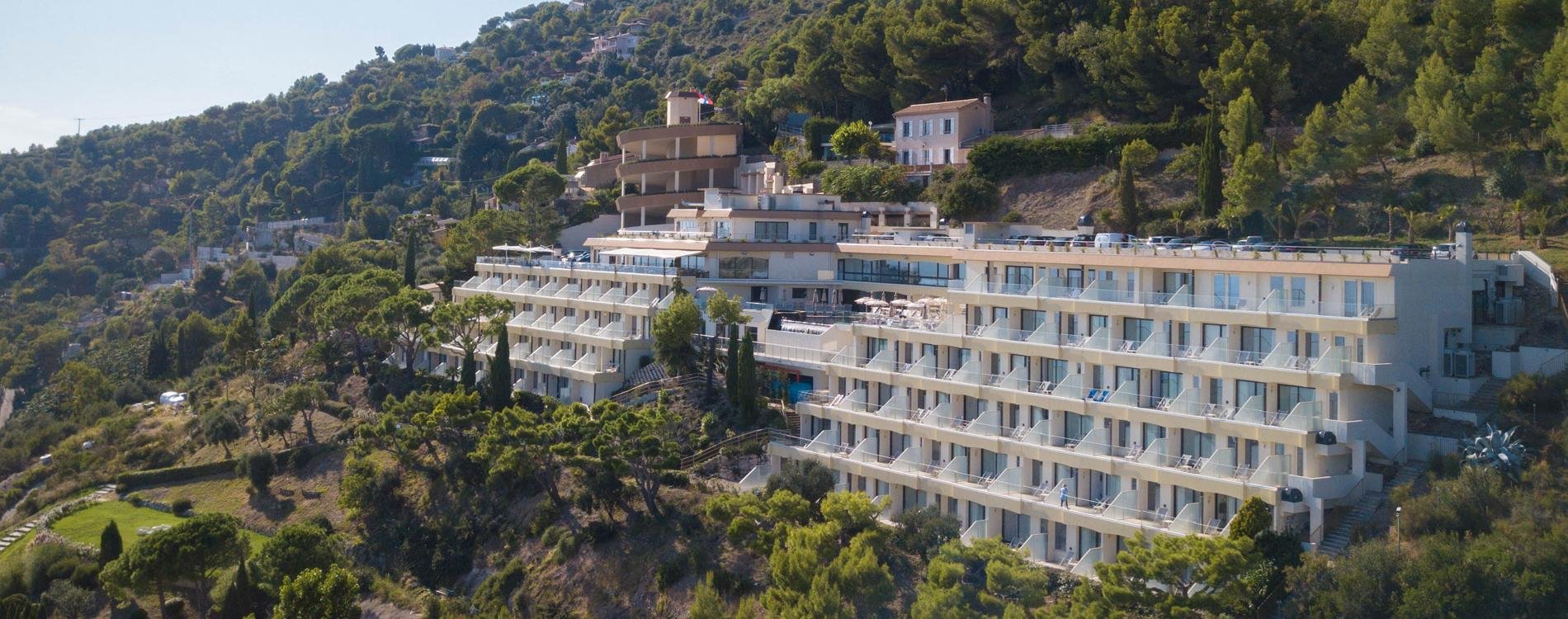
Château Eza is worth booking if the priority is a high-recognition stay inside Èze Village rather than a full resort setup. The strongest use case is a couple's short Riviera stay, especially if the room category secures the outlook or extra space that makes the premium feel justified.
About Château Eza
Château Eza is a luxury hotel in Èze with several recognition signals: Michelin 2 Keys in 2024, Small Luxury Hotels of the World membership in 2025, and Virtuoso Luxury Hotel Partner status in 2026. Those are the grounded facts to use when deciding whether it belongs on a Riviera shortlist.
Choose it for Èze and hotel recognition
The decision should start with place and credentials rather than unsupported assumptions about facilities, room layouts, dining style, or service format. Château Eza is in Èze, and the confirmed recognition above gives it a clearer luxury-hotel profile than a listing with no comparable validation.
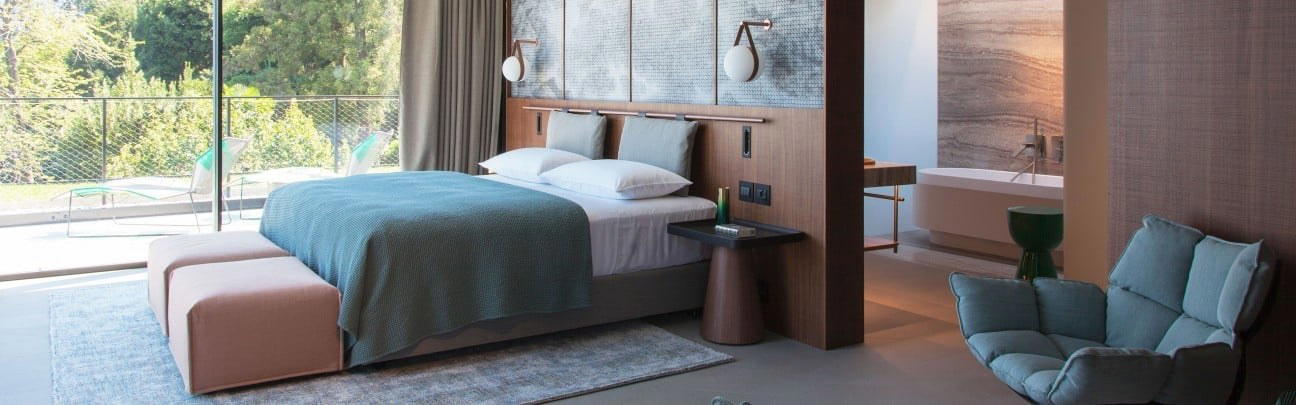
Room choice should be handled directly with the hotel or booking advisor. The data here does not establish specific room categories, views, terraces, sizes, or value differences, so avoid relying on room-by-room claims when comparing options.
The value case depends on your trip priorities
Château Eza is best evaluated as a recognized luxury hotel in Èze, not through promises about family suitability, resort-style facilities, beach access, or a particular dining format. If those details matter, confirm them before booking.
When comparing it with other high-end choices, keep the comparison practical and fact-based. Château de la Chèvre d'Or and Hotel Les Terrasses D'Eze are natural names to check alongside Château Eza, while La Réserve de Beaulieu, Le Cap Estel, and Royal Riviera may also be relevant depending on the wider Riviera itinerary.
For planning beyond the hotel, use our full Èze hotels guide first, then cross-check dining through our full Èze restaurants guide. Treat restaurants, bars, and activities as separate planning decisions unless their details are confirmed for your dates.
Planning details
- Location
- Rue de la Pise, 06360 Eze Village, France1234
- Website
- chateaueza.com13
- Phone
- +33
The take
The Take
The Vibe
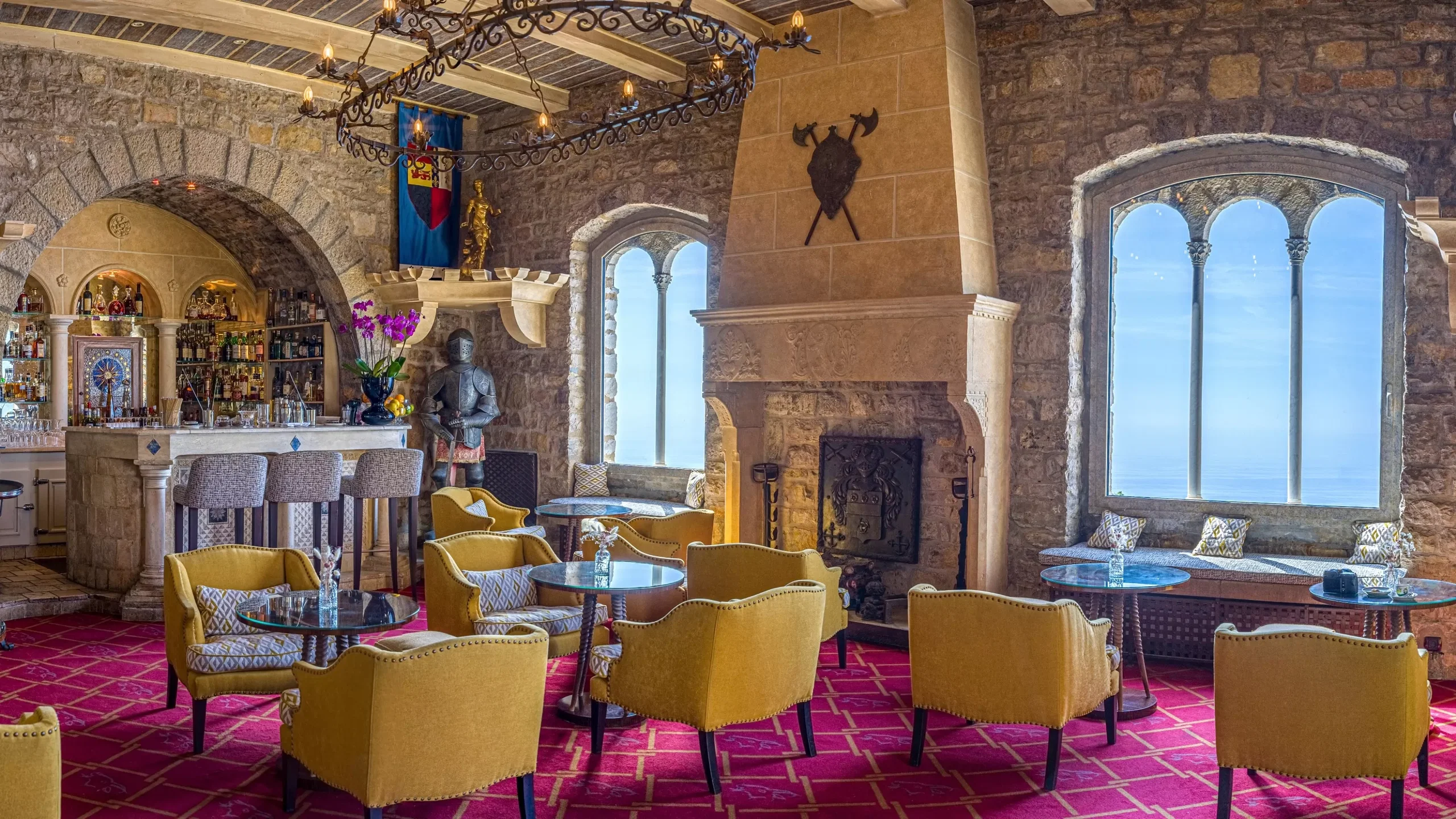
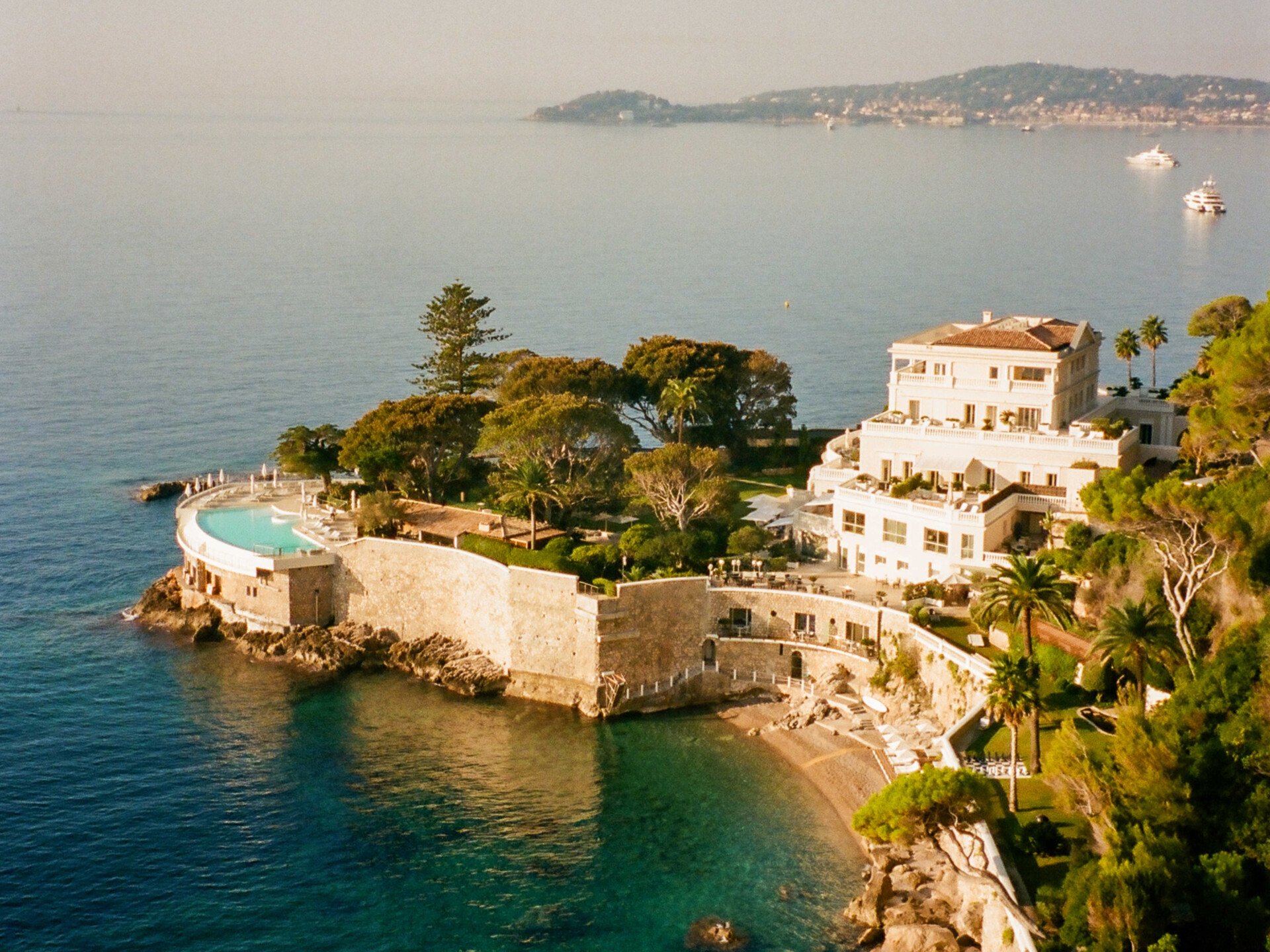
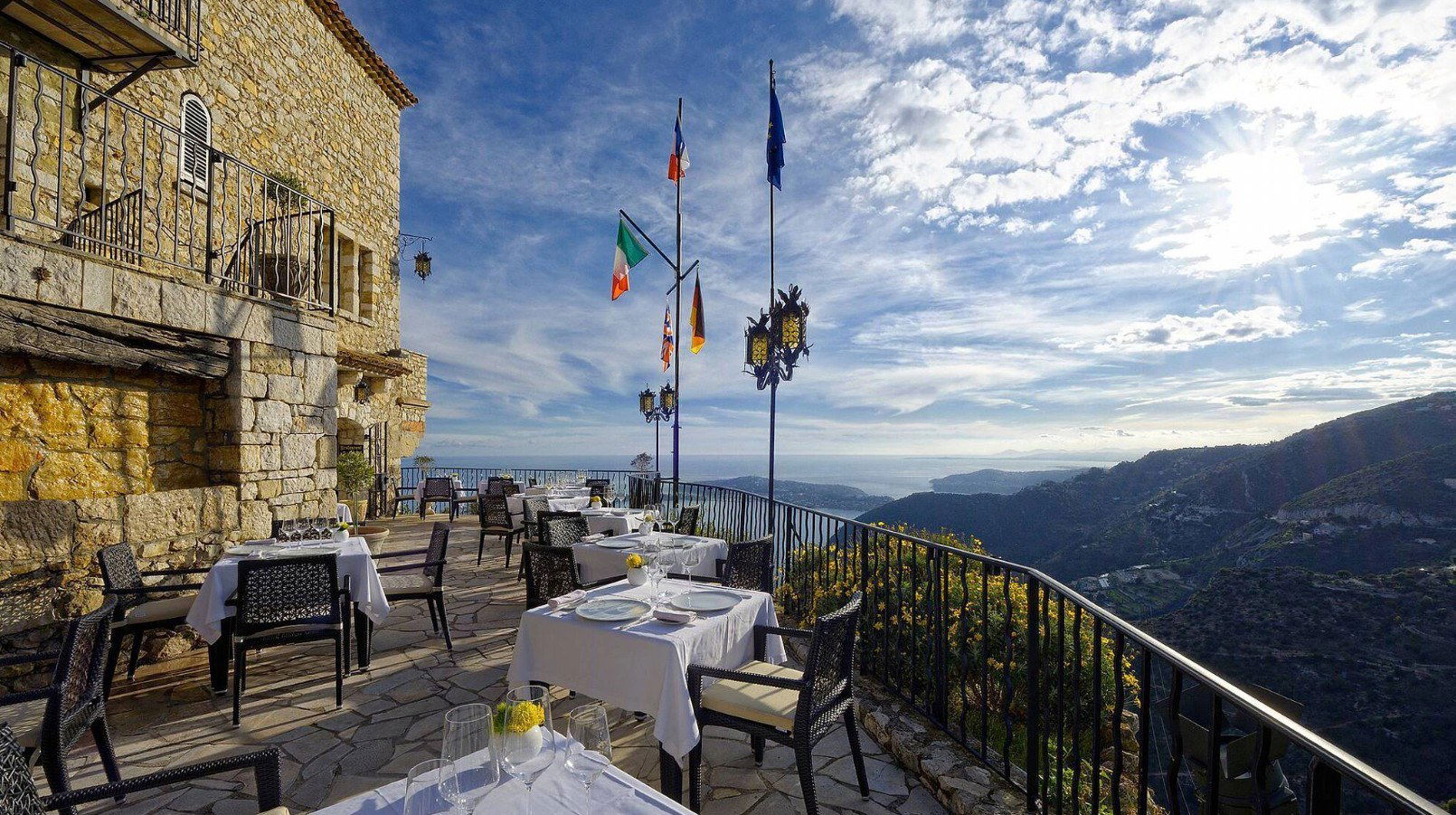
Château Eza reads like a preserved fragment of medieval Provence rather than a modern resort. The property occupies a fortified residence in the car-free lanes of Èze, with stone streets, cobblestones and a small relais where guests are met before climbing into the village. Its royal provenance and fourteen-room scale give the hotel a quietly singular character: intimate and deliberately restrained. The setting feels tucked away and timeless, with staff-to-guest ratios that make service feel personal and unobtrusive. Visitors experience an atmosphere that favors preservation and calm over flash, an old-world château sensibility in a compact, village context.
Best For
The hotel is best suited to travelers seeking an intimate, romantic stay rather than sprawling resort amenities. Its fourteen rooms and secluded village location make it an ideal choice for couples celebrating honeymoons, anniversaries or weekend escapes where privacy and quiet matter. The small scale also appeals to guests who value personalized service and a measured pace: arrivals by foot up cobbled streets and the relais handoff signal a travel experience focused on charm and discretion. Larger groups or travelers expecting extensive facilities are less likely to find this the perfect fit.
Stay Tips
Because Château Eza has only fourteen rooms and functions at a deliberately intimate scale, book well in advance to secure the specific dates or room type you want. Note practical arrival logistics: guests park at the foot of Èze and are met by staff at the relais, then proceed on foot into the car-free, cobbled village — expect a short walk and uneven surfaces. The hotel’s limited inventory and unique setting mean availability can be tight, particularly for popular weekends and special occasions, so confirm reservations and arrival details ahead of time.
Venue details
Ambiance
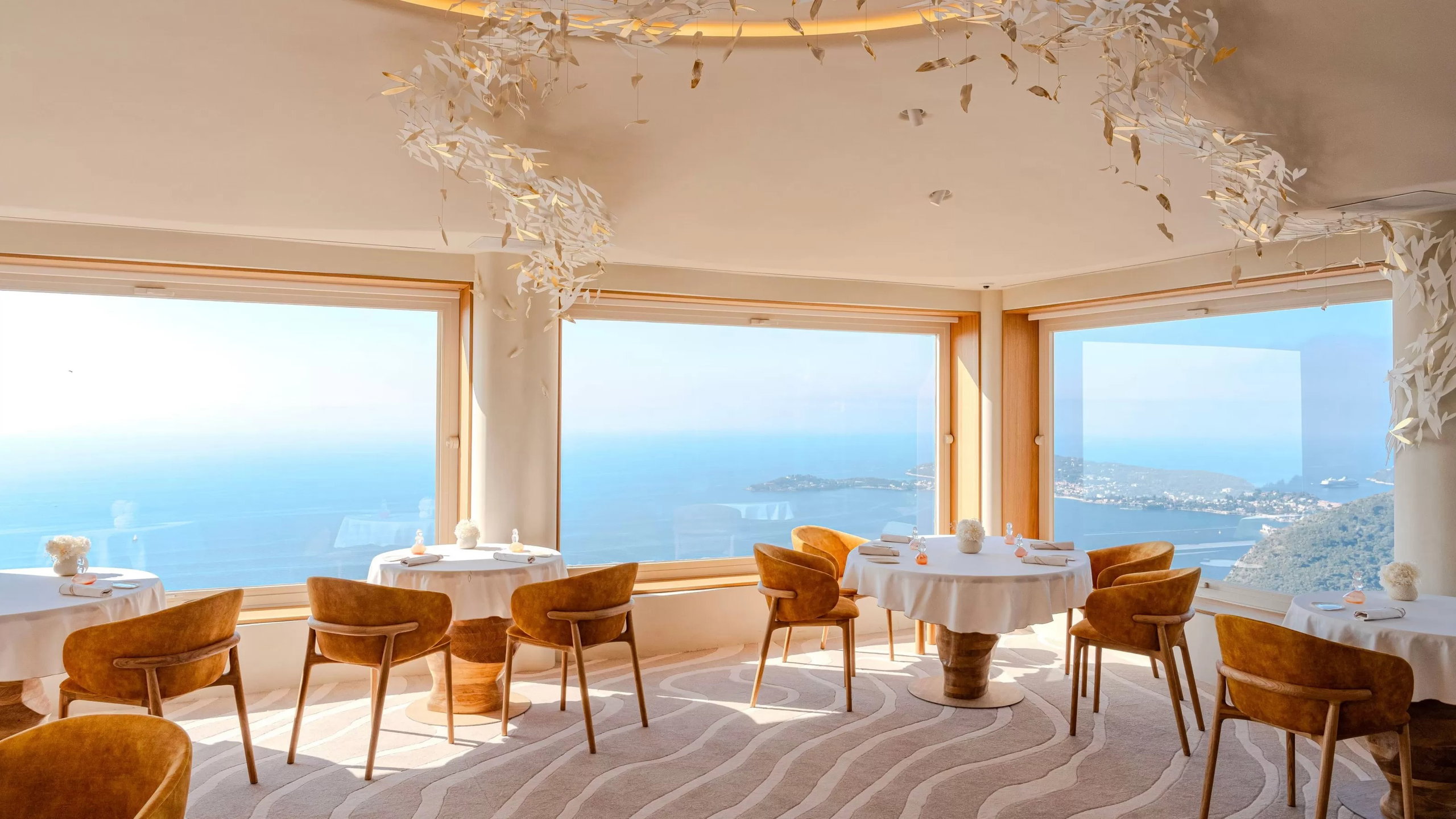
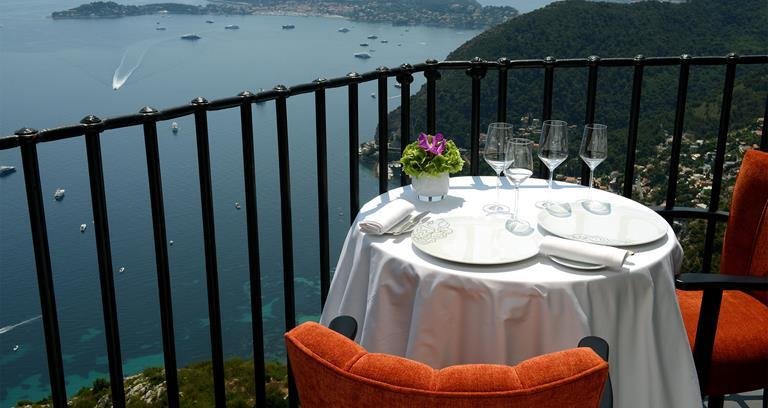
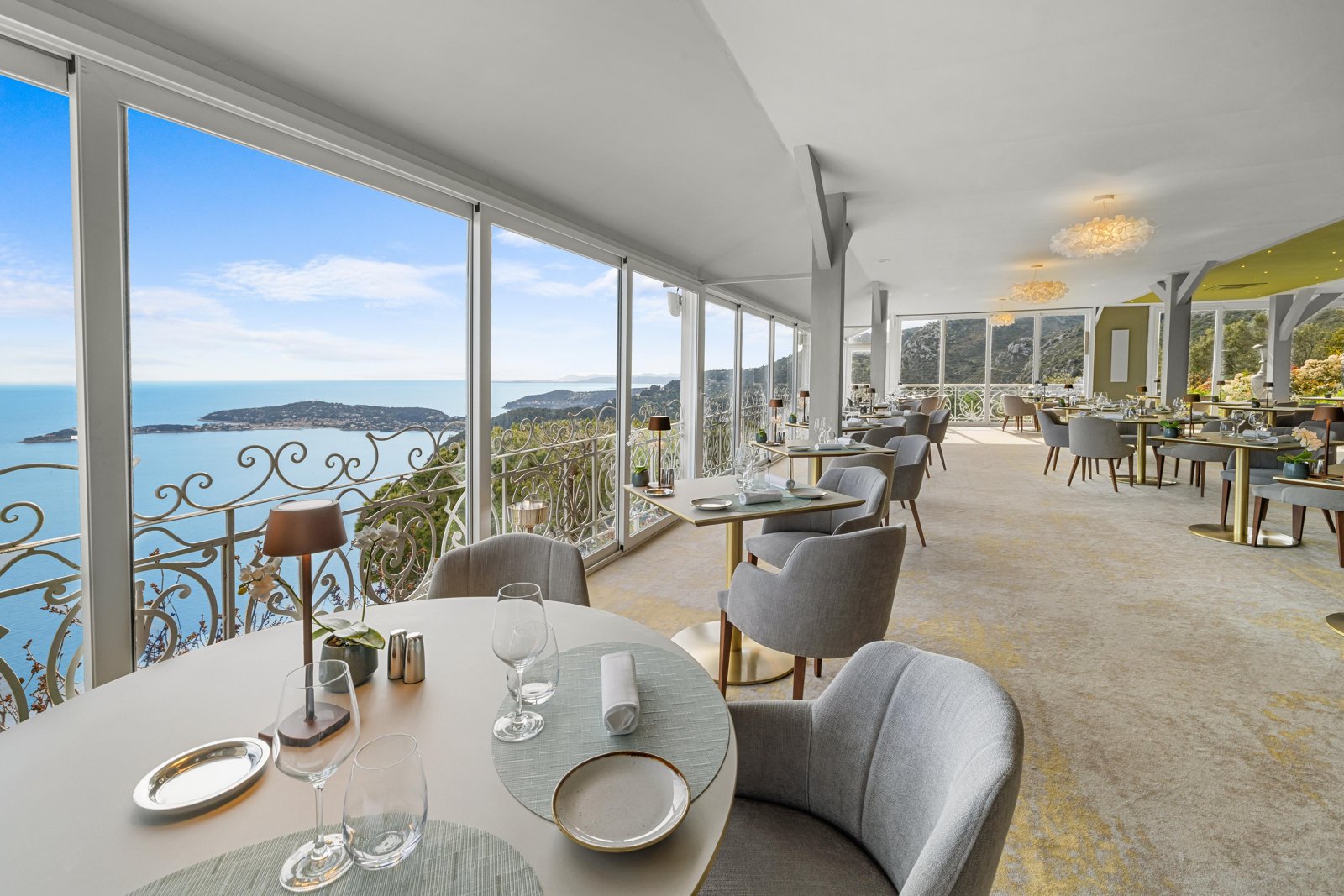
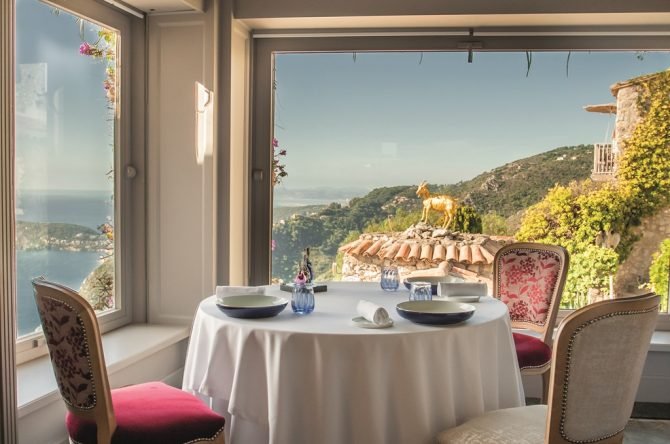
Enchanting and romantic with candlelit terraces overlooking the sea, firelit lounges, and an atmosphere of timeless elegance suspended between sky and water.
Tags
Vibe
Best For
Experience
Amenities
View
About the Stay
- Rooms
- 14
- Check-in
- 15:00
- Check-out
- 11:00
- Property Type
- Boutique hotel
- Property Style
- Historic Castle Converted to Luxury Boutique Hotel with Contemporary Amenities and Classical French Elegance.
- Design Style
- Louis Xiii Inspired with Individually Decorated Rooms Featuring Period Furnishings, Fireplaces, and Modern Luxuries.
- Airport Transfer
- Available
- Spa
- Yes
- Pets
- Allowed
- Families
- Welcome
- Cancellation
- Moderate
Know before you go
Know Before You Go
- Getting there
- Rue de la Pise, 06360 Eze Village, France1234
Planning details
Location


Also consider
Where to look if this is full
If Château Eza is unavailable, try Château de la Chèvre d'Or first for another high-end Èze stay with a stronger resort-style feel. If value and logistics matter more than the prestige signal, Hotel Les Terrasses D'Eze is the more practical fallback.
Hotel context
How Château Eza compares in Èze and nearby
Against Château de la Chèvre d'Or, Château Eza is the more focused choice for travelers who want a smaller village stay and do not need a broader resort feel. Château de la Chèvre d'Or is the safer cross-shop if the trip needs a more expansive luxury-hotel setup; Château Eza makes more sense when intimacy and the village address matter more than scale.
Hotel Les Terrasses D'Eze is the practical value comparison: choose it if easier logistics and a less rarefied stay matter more than luxury recognition. For a bigger coastal splurge, Le Cap Estel shifts the decision toward seclusion by the water, while La Réserve de Beaulieu and Royal Riviera make more sense for travelers who want the Riviera to feel coastal first and village-based second.
Booking difficulty is the main risk at Château Eza: if a specific room category is the reason for the trip, compare availability early rather than treating the property as interchangeable with nearby peers. For ambiance, it is the village pick; for ease and broader resort comfort, look outward.
Explore Èze
Around this place
Discover more on Pearl
Unlock the full Château Eza guide in Pearl, including awards, comparisons, FAQs, planning details, and nearby places.
Compare Château Eza
| Venue | Location | Awards |
|---|---|---|
| Château Eza | Èze | 2026 Virtuoso Luxury Hotel Collection2026 Michelin 2 KeysMichelin 2 Keys 20252025 Michelin 2 KeysSmall Luxury Hotels Member 20252024 Michelin 2 Keys |
| Château de la Chèvre d'Or | Èze | Star Wine Lists 2026 · #12026 Virtuoso Luxury Hotel Collection2026 Relais Chateaux Hotels2026 La Liste Top Hotels2026 Michelin 3 Keys2025 Relais Chateaux Award2025 Gault & Millau Exceptional Hotel2025 Michelin 2 Keys2024 Michelin 2 Keys |
| Hotel Les Terrasses D'Eze | Èze | Preferred Hotels Member 2025 |
| Le Cap Estel | Èze-Bord-de-Mer | No published awards |
| La Réserve de Beaulieu | Beaulieu-sur-Mer | Leading Hotels of the World 20262026 La Liste Top Hotels2026 Michelin 2 Keys2025 Michelin 1 Key2024 Michelin 1 Key |
| Royal Riviera | Saint-Jean-Cap-Ferrat | 2026 Virtuoso Luxury Hotel CollectionLeading Hotels of the World 20262026 Michelin 1 Key2025 Michelin 1 Key2024 Michelin 1 Key |








How Château Eza Èze compares with similar nearby venues.
FAQ
Frequently Asked Questions
Is Château Eza family-friendly?
The data does not establish specific family facilities, room configurations, or child-focused services. Confirm those details directly before booking if they matter to your stay.
What is check-in like at Château Eza?
Which room category is best at Château Eza?
The data does not list room-category names, views, terraces, or layout differences. Choose based on the current room details supplied by the hotel or booking advisor, and confirm anything important in writing.
How is the location of Château Eza?
Château Eza is in Èze. For a broader comparison, Château de la Chèvre d'Or and Hotel Les Terrasses D'Eze are other names to check, while Royal Riviera may be relevant for a wider Riviera shortlist.
How is the dining at Château Eza?
The data does not specify cuisine type, chef, menu format, or restaurant awards. The confirmed hotel recognition is Michelin 2 Keys (2024), Small Luxury Hotels of the World Member (2025), and Virtuoso Luxury Hotel Partner (2026). The dress code is smart casual.