


Castell Son Claret
Es Capdellà
Hotel in Es Capdellà, Spain
 Book with Pearl
The Read
Castle Estate Conversion
Why go
Choose Castell Son Claret if the Mallorca trip calls for a quiet inland estate rather than a beach-first resort. It suits couples and design-minded travelers who value atmosphere and privacy, while coastal peers make more sense for families, brand-led service, or easier resort logistics.
About Castell Son Claret
Castell Son Claret is a venue in Es Capdellà with a smart casual dress code and confirmed hotel recognition that includes Michelin 1 Key (2024), Leading Hotels of the World membership (2025), and a La Liste Top Hotels listing for 2026 with 95.5 points.
For 2026 planning, the clearest reason to keep Castell Son Claret on a shortlist is its recognition rather than any claim about a particular program or amenity. Treat it as a premium Es Capdellà option and confirm trip-specific details directly before booking.
Choose it for confirmed recognition and an Es Capdellà base
Castell Son Claret is in Es Capdellà, the dress code is smart casual, and the property has confirmed recognition from Michelin, Leading Hotels of the World, and La Liste Top Hotels. For wider planning, use our full Es Capdellà hotels guide, then cross-check dining and drinks separately through our full Es Capdellà restaurants guide and our full Es Capdellà bars guide.
Specific facilities, dining details, family services, loyalty benefits, or room-category advice should be checked directly with the property. The takeaway is simple: shortlist Castell Son Claret if its Es Capdellà location and confirmed hotel recognition match the kind of stay you are planning.
Where it sits among Mallorca hotel choices
For comparison shopping, travelers may also look at Grand Hotel Son Net, Aethos Mallorca, Hilton Mallorca Galatzó, Zafiro Palace Andratx, and The St. Regis Mardavall Mallorca Resort. Detailed differences in service style, facilities, room mix, or guest profile among those hotels are not covered here, so use them as reference points for further research rather than as like-for-like substitutes.
The recommendation is measured: choose Castell Son Claret if you want an Es Capdellà stay backed by confirmed recognition including Michelin 1 Key (2024), Leading Hotels of the World membership (2025), and La Liste Top Hotels recognition for 2026. If your decision depends on beaches, dining formats, family facilities, loyalty benefits, or specific room features, verify those details directly before booking.
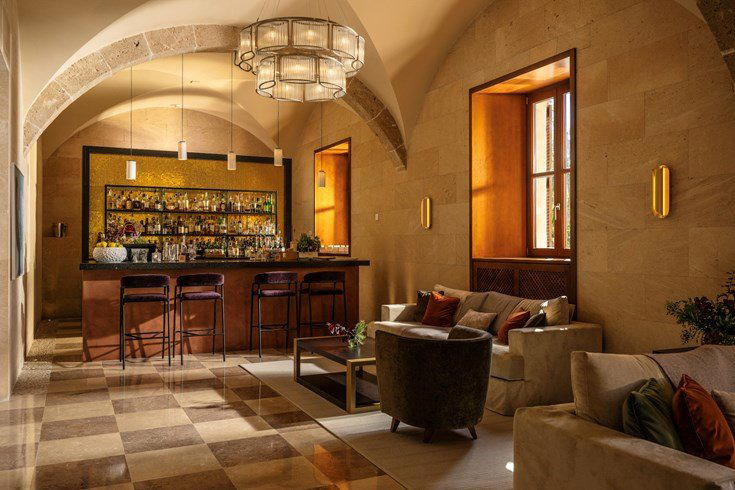
Inside Castell Son Claret
Planning details
- Location
- Carretera km 1.7 Calvià, 07196 · Mallorca, Illes Balears
- Website
- castellsonclaret.com
- Phone
- +34 971 13 86 29
The take
The Take
The Vibe
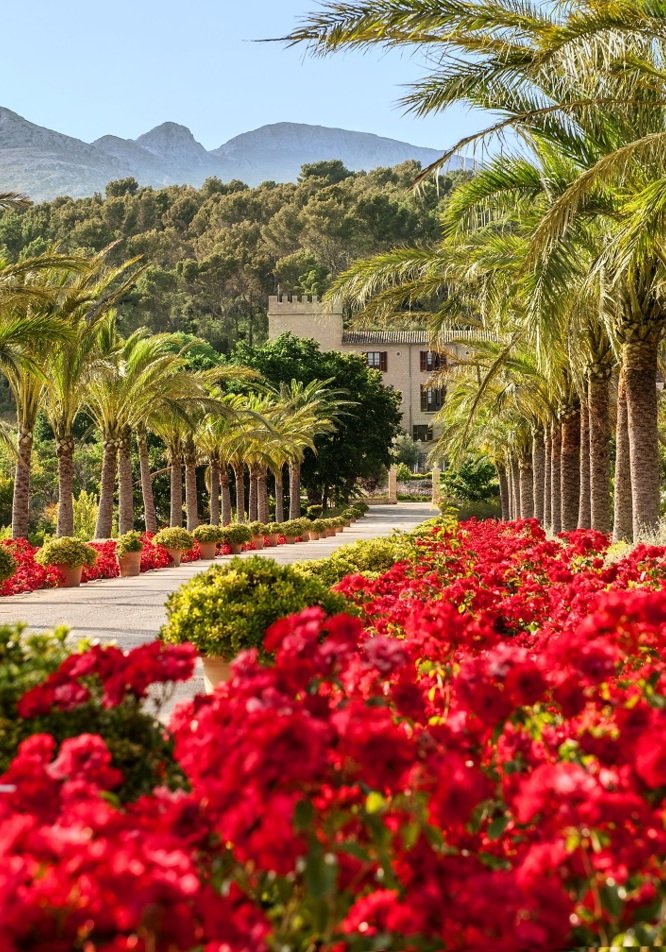
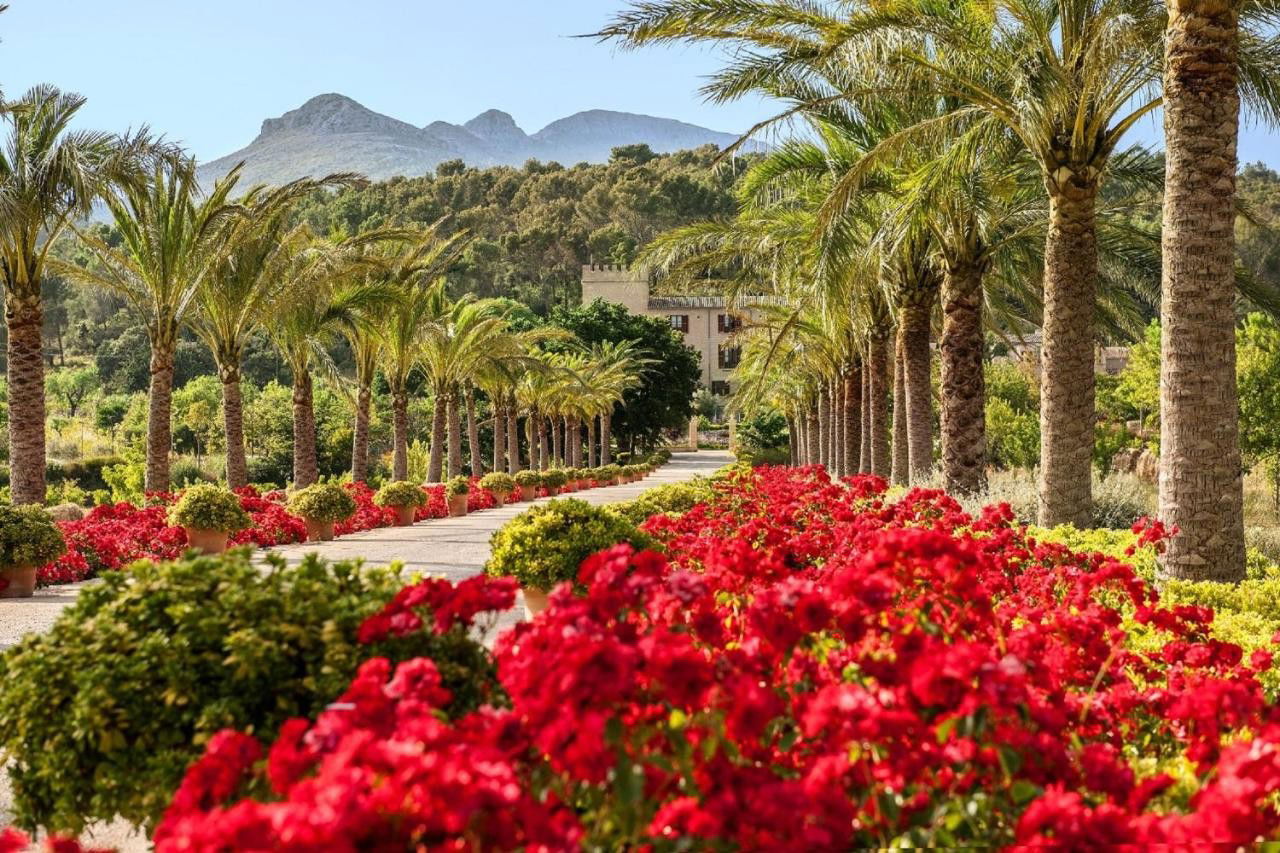
Castell Son Claret feels like a restored 19th‑century castle set into the foothills of the Serra de Tramuntana. The property leans into its stone architecture and estate scale, so interiors and circulation read as extensions of the building’s historic fabric rather than a modern insertion. The rural setting—almond groves, dry‑stone terraces and a sweeping mountain backdrop—gives the hotel a quietly refined, classic character. Service and public rooms are built around the idea of architectural provenance and serious hospitality, so guests experience the place as an intimate, historically rooted boutique estate rather than a standard resort.
Best For
This is a destination for guests who prize architecture, seclusion and high‑end dining. The hotel competes with other estate‑based boutique properties and its independent Michelin‑recognized dining programme makes it especially suited to travelers seeking memorable evenings and culinary focus. The broad estate and sense of scale also lend themselves to weekend escapes and special occasions where privacy and a strong sense of place matter more than volume of amenities. Expect a stay oriented around the castle, the grounds and the restaurant rather than pool‑centric resort programming.
Stay Tips
If dining is a priority, reserve the hotel’s restaurant well in advance—its programme carries independent Michelin recognition and is a defining feature of the property. Book early for peak travel dates and weekend stays, as the estate’s exclusivity suggests limited availability. When arranging accommodations, request rooms or parts of the property that face the Tramuntana foothills to capture the mountain setting described in the approach. Allow extra travel time to reach the rural estate from Palma or coastal hubs, and confirm restaurant and service details with the hotel before arrival.
Venue details
Ambiance
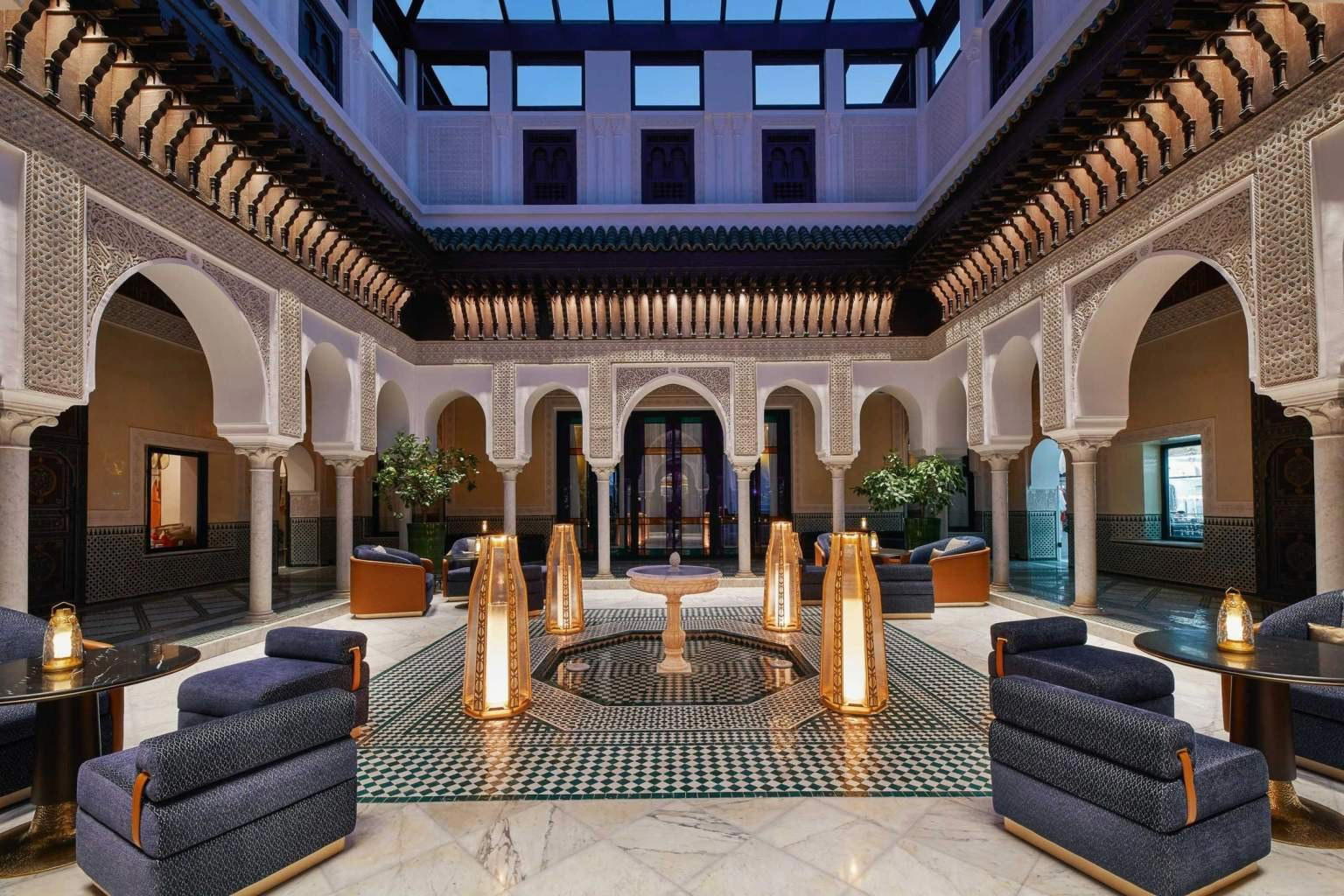
Understated elegance with warm natural lighting, wood-beamed ceilings, and an atmosphere of tranquility pervading the property; guests describe the setting as fairy-tale with lush gardens and mountain vistas.
Tags
Vibe
Best For
Experience
Amenities
View
Accessibility
About the Stay
- Rooms
- 38
- Check-in
- 15:00
- Property Style
- Luxury Heritage Property Combining Historic Castle Architecture with Contemporary Design, Positioned as an Exclusive Retreat for Discerning Travelers Seeking Tranquility and Refined Hospitality.
- Design Style
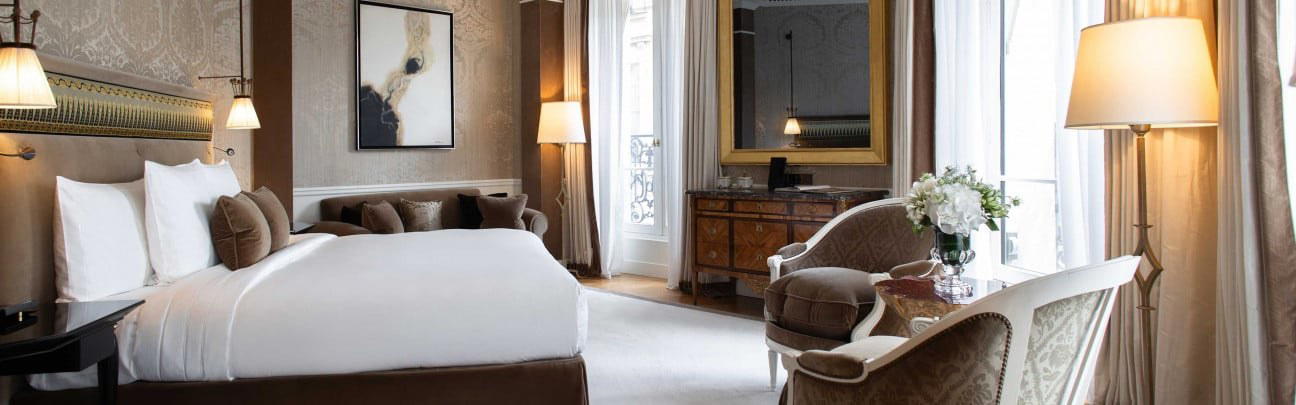
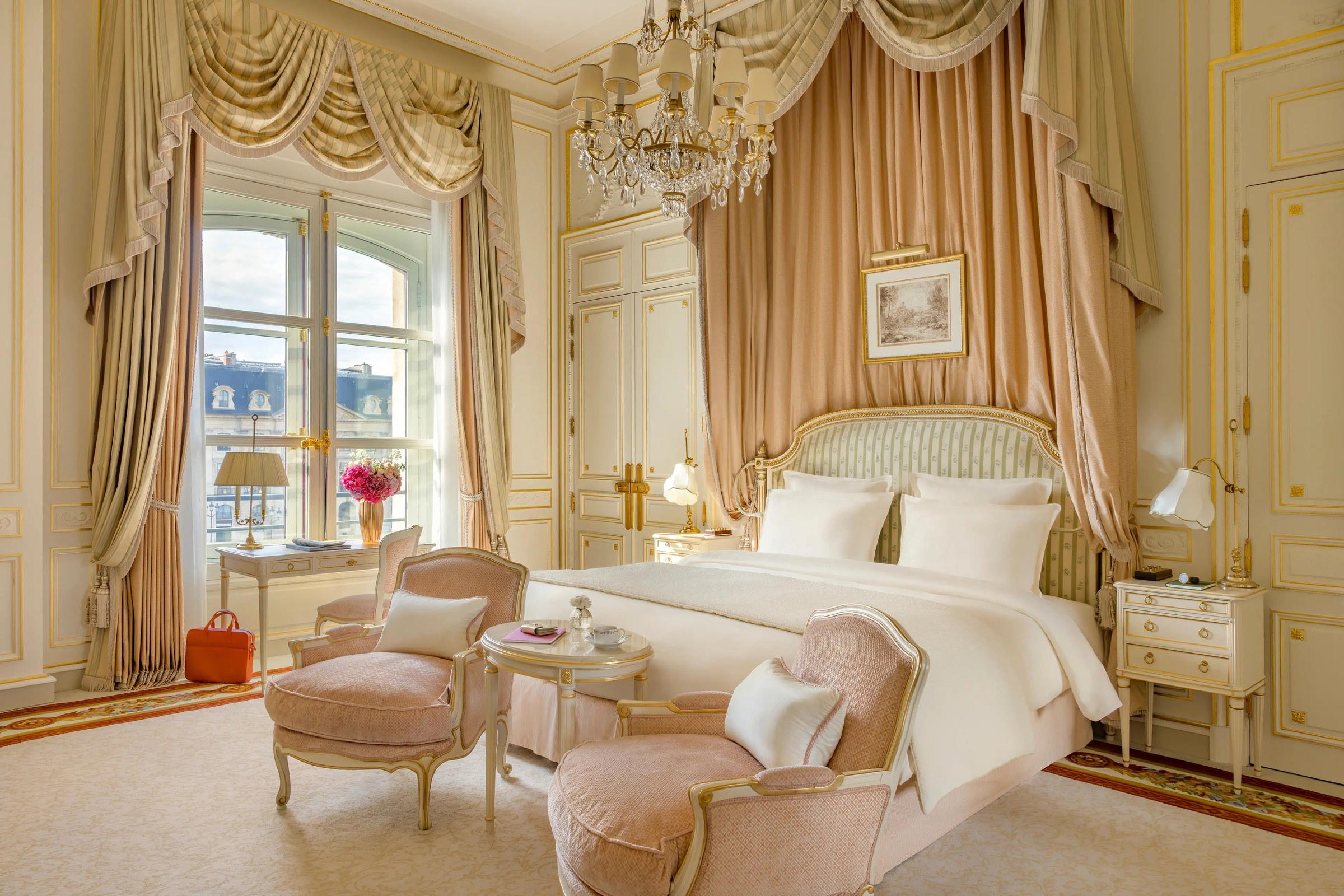
- Modern Design with Historic Charm; Rooms Feature Egyptian Cotton Linens, Flat Screen Tvs, and Designer Toiletries; Interiors Incorporate Modern Art Within Restored Period Buildings.
Know before you go
Know Before You Go
- Getting there
- Carretera km 1.7 Calvià, 07196 · Mallorca, Illes Balears
Planning details
Location
Carretera km 1.7 Calvià, 07196 · Mallorca, Illes Balears · Directions
Recognition and awards


Also consider
Also Consider
- Grand Hotel Son Net, Notable alternative
- Aethos Mallorca, Notable alternative
- Hilton Mallorca Galatzó, Notable alternative
- Zafiro Palace Andratx, Notable alternative
- The St. Regis Mardavall Mallorca Resort, Notable alternative
Hotel context
For a secluded Mallorca stay, Castell Son Claret is the stronger choice than Hilton Mallorca Galatzó or Zafiro Palace Andratx. Those two are more practical for travelers who want a larger resort feel, broader facilities, and easier planning for groups or families. Castell Son Claret is the more atmospheric pick when quiet, design, and a countryside setting matter more than resort utility.
Grand Hotel Son Net is the closest comparison for an inland, heritage-led Mallorca stay. Choose Grand Hotel Son Net if the trip calls for a more formal, grand-hotel mood; choose Castell Son Claret if the goal is a calmer estate experience with less social energy. Aethos Mallorca is the better cross-shop for a lighter, contemporary lifestyle stay.
The St. Regis Mardavall Mallorca Resort is the safer luxury choice for guests who want coastal access and a more established resort-service structure. Castell Son Claret is harder to substitute when the desired experience is inland privacy near Es Capdellà. If booking is tight, cross-shop Grand Hotel Son Net first, then Aethos Mallorca for a more relaxed alternative.
Explore Es Capdellà
Around this place
Discover more on Pearl
Unlock the full Castell Son Claret guide in Pearl, including awards, comparisons, FAQs, planning details, and nearby places.
Compare Castell Son Claret
| Venue | Location | Awards |
|---|---|---|
| Castell Son Claret | Es Capdellà | 2026 La Liste Top HotelsLeading Hotels of the World 2026Michelin 1 Key 20252025 Michelin 1 Key2024 Michelin 1 Key |
| Grand Hotel Son Net | Mallorca | 100 Most Incredible Hotels in the World · 20262026 Forbes Recommended2026 Virtuoso Luxury Hotel Collection2026 Mr & Mrs Smith Luxury HotelsConde Nast Gold List 20262026 La Liste Top Hotels2025 Robb Report The 50 Greatest Luxury Hotels on Earth · #52025 Forbes RecommendedPreferred Hotels Member 2025 |
| Aethos Mallorca | Mallorca | No published awards |
| Hilton Mallorca Galatzó | Andratx | No published awards |
| Zafiro Palace Andratx | Andratx | No published awards |
| The St. Regis Mardavall Mallorca Resort | Mallorca | No published awards |






How Castell Son Claret Es Capdellà compares with similar nearby venues.
FAQ
Frequently Asked Questions
Do loyalty programs work at Castell Son Claret?
Specific loyalty-program benefits for Castell Son Claret are not detailed here. The confirmed recognition is Michelin 1 Key (2024), Leading Hotels of the World membership (2025), and La Liste Top Hotels recognition for 2026. If loyalty benefits are central to the booking, compare the details directly with alternatives such as The St. Regis Mardavall Mallorca Resort.
Is Castell Son Claret good for business travel?
Castell Son Claret is in Es Capdellà and has confirmed premium hotel recognition, but specific business-travel facilities or services are not detailed here. If a business stay depends on meeting space, transport logistics, or corporate amenities, confirm those details directly and compare with options such as Hilton Mallorca Galatzó.
Is Castell Son Claret family-friendly?
Specific family facilities, children's programming, or family-room details at Castell Son Claret are not detailed here. Families should confirm those details directly before booking and may also compare options such as Zafiro Palace Andratx.
Which room category is best at Castell Son Claret?
Specific room categories at Castell Son Claret are not detailed here. Choose based on the room details provided by the hotel at the time of booking, and compare with alternatives such as Grand Hotel Son Net if you are weighing multiple premium Mallorca stays.
How does Castell Son Claret compare to other Mallorca hotels?
Castell Son Claret is a confirmed Es Capdellà venue with Michelin 1 Key (2024), Leading Hotels of the World membership (2025), and La Liste Top Hotels recognition for 2026. Other comparison options include Grand Hotel Son Net, The St. Regis Mardavall Mallorca Resort, Aethos Mallorca, Hilton Mallorca Galatzó, and Zafiro Palace Andratx, but detailed differences in amenities or service style are not detailed here.
What is check-in like at Castell Son Claret?
The check-in process at Castell Son Claret is not detailed here. The confirmed details are its Es Capdellà location, smart casual dress code, and hotel recognition including Michelin 1 Key (2024).
How is the dining at Castell Son Claret?
Specific dining venues, cuisine, menus, prices, or service formats at Castell Son Claret are not detailed here. If dining is an important part of the stay, confirm current details directly with the hotel and compare with other Es Capdellà dining options through the restaurant guide.